Home Blog Page 365

Yinchuan Exhibition Center: Islamic Design in China

0

Islamic Design, China, Mashrabiya, Yinchuan Exhibition Center, daylighting, energy efficiencyOne of the best kept secrets in the world of architecture seems to have leaked… in China. Long celebrated in the Middle East for its climatic awareness and passive efficiency, traditional Islamic design reflects an astute awareness of nature. Mashrabiya screens create privacy and shading while permitting daylighting and natural ventilation.

Traditional building materials such as earth were used because of their superior thermal performance. And buildings were oriented for optimum shading in summer and winter solar gain. Sure Architecture has borrowed from these techniques in their curvilinear design of the Yinchuan Exhibition Center in Northern China.

Disgusting Flood of Fracking Water Devastates Egyptian Village

1

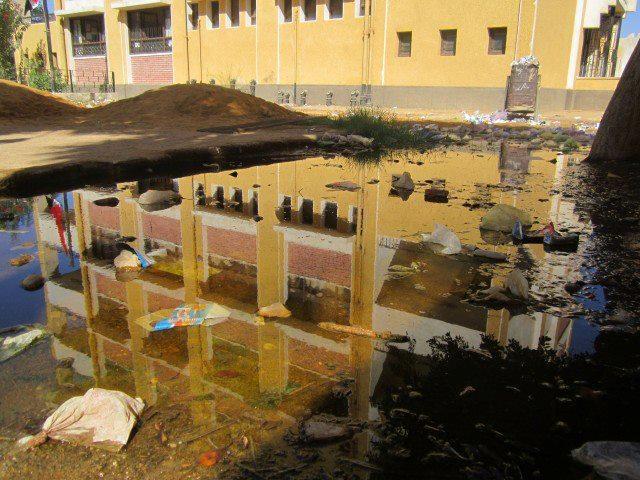
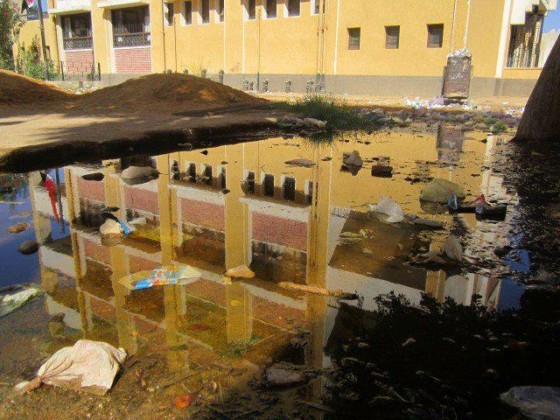
Floods, fracking, Egypt, agriculture, hydraulic fracturingImage of flooding in Fares by Abu El Fadl, Egypt Independent

Port Said and Cairo have been dominating Egyptian headlines of late, while Fares, a small agricultural community 75 km north of Aswan, has gone completely unnoticed despite enduring a humanitarian tragedy of epic proportions. Since 2009, after DanaGas began to drill pilot hydraulic fracturing wells in order to evacuate fossil fuels, a process commonly called fracking, poisonous water has been spewing from the holes, inundating farm lands and homes.

Egypt Independent’s Steven Viney wrote a brave expose of the story, which stars a shady cast of corporate and government characters who have bypassed all environmental and social due process standards in order to test their controversial technology. Scores of local residents have evacuated the area in search of higher, cleaner ground, but the paper reports that government officials are prohibiting them from settling on “private land.”

World’s First Shipping Container Bridge Over Tel Aviv’s Trash Mountain

1

ecotainer green design, urban design, brownfield rehabilitation, urban reclamation, tel aviv, yoav messer architects, recycled shipping containers, bridge, sustainable architecture, israelA new bridge called ECOtainer made from recycled shipping containers will render “trash mountain” unrecognizable to residents of Tel Aviv. The Hiriya landfill just outside of Tel Aviv shut down in 1998 after becoming the repository for 25 million tons of waste. More mountain than landfill, Hiriya has since been transformed into one of the world’s most successful reclamation projects.

Already the methane emitted from Hiriya is harvested to power a nearby factory and the surrounding area is being converted into an urban park that is safe for a variety of outdoor recreational activities. Now Yosef Messer Architects have won the Econtainer Bridge Competition, which may result in the construction of a bridge made of recycled shipping containers linking Arial Sharon Park with the main thoroughfare leading to Tel Aviv.

Swine Flu Death Toll in Middle East Region

41

sick child with swine flu
Are you at risk? Get swine flu updates for the PA, Israel, Yemen, Iraq, Tunisia and Jordan.

Health officials in the Occupied Palestinian Territory (OPT) are calling on residents to get vaccinated against the H1N1 virus (“swine flu”) after 25 deaths in recent weeks.Over 700 infections of H1N1 have been reported in the West Bank and 20 in the Gaza Strip, and officials say the number of recent H1N1-related deaths is almost certainly underreported.

“The virus has claimed 25 lives to date, three of them in Gaza, and we are in the midst of vaccinating,” Asad Ramlawi, general director of primary health care at the Palestinian Ministry of Health, told IRIN, the UN news agency.

Chaim Weizmann’s Fermentation Invention Used for Biofuel Production in USA

1

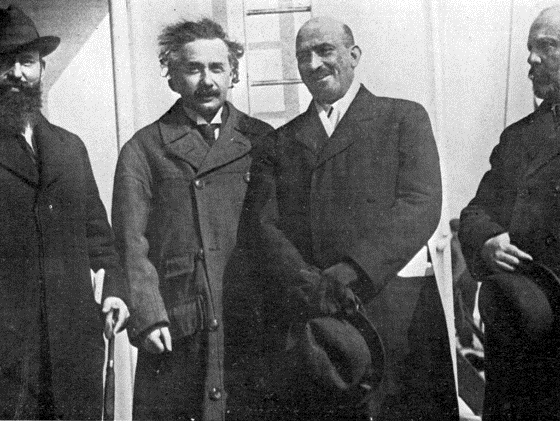
Albert Einstein With Chaim Weizmann photo 1921A century-old fermentation process to transform plant material into a propellant, could eventually replace gasoline.

In 1914, thirty-five years before Chaim Weizmann (pictured center beside Einstein) would become Israel’s first president, he discovered a fermentation process for harnessing bacteria to produce large quantities of useful chemicals. For this discovery, Weizmann was called the father of industrial fermentation. The bacterium Clostridium acetobutylicum was named the Weizmann organism, giving him a taste of fame long before his Israeli political career. His process of Acetone Butanol Ethanol (ABE) fermentation helped produce explosives for World War I and now a team of chemical engineers at UC Berkley are close to perfecting his process for the efficient production of biofuels.

Weizmann’s ABE process was initially used to produce acetone which was used in the World War I explosive cordite. Like Alfred Nobel and Albert Einstein, Chaim Weizmann might have wondered about the moral implications of inventing something which would be used as a tool of war.

But Weizmann once said,

“I trust and feel sure in my heart that science will bring to this land both peace and a renewal of its youth, creating here the springs of a new spiritual and material life. […] I speak of both science for its own sake and science as a means to an end.”

Related: visit the Clore Science Garden in the Weizmann Institute of Science

A science park to teach kids about sustainability in the Weizmann Institute.

Dean Toste, Harvey Blanche and Douglas Clark are well on their way towards fulfilling Weizmann’s dream. Harvey Blanche explained that their variation on Weizmann’s fermentation process could efficiently convert corn, eucalyptus, sugar cane, grass and other fast-growing plants and trees into the ACE mixture. Then a catalyst developed by Dean Toste converts this mixture into a high-energy biofuel. Their results are published in Nature.

“You can take a wide variety of sugar sources – from corn, sugar cane, molasses to woody biomass or plant biomass – and turn it into a diesel product using this fermentation process,” said Harvey Blanch in an SFGate article, adding that about 90 percent of the raw material remains in the finished product, reducing the loss of carbon. “Grasses are also a possible source. Eucalyptus could also be used. Anything that’s fast-growing.”

California is expected to be the first niche market to use this new biofuel, although it would likely take about ten years to go to market.


Eat Like A Sustainable Moroccan – Chickpea and Spinach Soup RECIPE

0

morocco chick pea soup slow food sustainableMoroccan flavors blend deliciously in a hearty chickpea soup.

Our previous posts on sustainable eating in the Middle East/North Africa region featured rice and chicken kabsa from Saudi ArabiaJordan’s traditional mansaf, and wheat berry pudding from Iran. All very delicious – but what about North Africa?

Regional, seasonal, fresh and harvested under fair conditions. That’s sustainable eating. And Moroccans do it well, adapting the taste for spices and chili heat to their huge variety of native grains and vegetables. Local chickpeas appear in many Moroccan stews and soups  This soul-satisfying soup indulges chickpea love with a winter vegetable, spinach. Inexpensive, health-building and delicious.

Speak With Sarah Silverman When You Support Galapagos Solar Campaign

4

Sarah Silverman, Energiya Global, Yosef Abramowitz, solar energy, Galapagos Islands, crowdfunding indiegogo, comedian, Sometimes it takes a touch of star power to boost solar energy projects, which may be why comedian Sarah Silverman has publicly supported Arava Power and Energiya Global founder Yosef Abramowitz’s latest solar campaign in the Galapagos Islands.

Known as “Captain Sunshine,” Silverman’s brother-in-law has pioneered a host of solar energy projects around the globe, but the one off the coast of mainland Ecuador holds such special significance that Silverman is not only willing to sign photographs of the first 50 supporters, but has also promised a Skype conversation with donors who contribute $5,000 or more. Hit the jump for the details.

Istanbul’s Natural Oases: The Atatürk Arboretum and Belgrade Forest

1

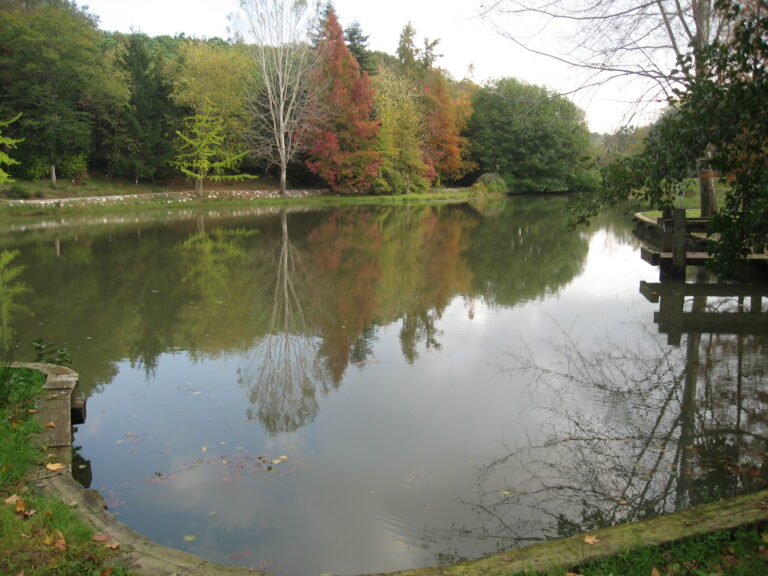
Atatürk Arboretum natural eco touring in TurkeyA natural retreat from the traffic and crowds of Istanbul, the 296-hectare Atatürk Arboretum, above, receives few visitors. But it contains more than 2,000 foreign and native plant species, including some species that can’t be found anywhere else in Turkey. Situated within the city’s Belgrade Forest, the arboretum is a research site for Turkish and foreign scientists, an educational experience for local schoolchildren, university students of forestry, and a haven for nature-lovers in Istanbul.
Vote to Send the First Egyptian to Space!

0

Omar Samra, space travel, nature. Egypt, cabin, space travel, space exploration, Wild Guanabana, Omar Samra was the first Egyptian to summit Mt. Everest in 2007 and now he is hoping to be the first Egyptian man in space! The founder of Wild Guanabana and one of the most recognizable faces in Egypt as a result of extensive media coverage surrounding his mountaineering exploits, Samra is participating in the international LYNX Space Academy competition designed to give relatively ordinary people to experience going into space.

If selected to move on to the competitions’s second phase, which involves intense character and endurance testing, Samra will travel in a “highly advanced and fully reusable aircraft developed by the Space Expedition Corporation (Space DC).” Buzz Aldrin will be at the helm.

Jerusalem Pulls Off Israel’s No Pants Light Rail Ride

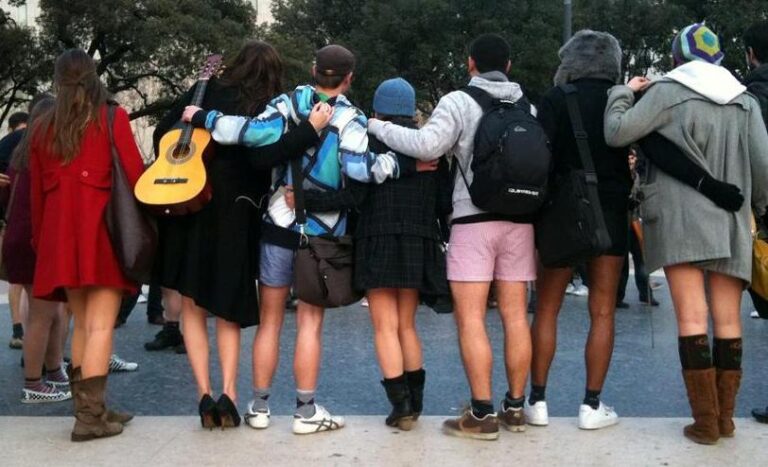
jerusalem no pants bus ride light railA few thousand New Yorkers stripping down to their Calvin Kleins in January ..but how’s that behavior fly in a Middle Eastern city with a penchant for modesty?

Jerusalem hopped aboard the annual No Pants Subway Ride this month, making January 13th, more precisely, Israel’s first No Pants Light Rail Ride. In case you don’t know, the No Pants Subway Ride is a piece of voluntary performance art – slash – social activism where participants board a train at consecutive stops without pants in the middle of winter. They pay no attention to their pantless compadres, and if pressed for an explanation, reply that they simply forgot to put some on.

Saudis Ban Tinted Windows and Public Transport for Women

saudi women driveAs if Saudis don’t have enough banned behaviors, the traffic department now prohibits tinted bus windows preventing fewer women from using public transport.

Teachers in the Kingdom of Saudi Arabia can count on costlier work commutes following the recent decision by the Traffic Department to ban tinted windows in school buses. Several bus companies that transport both schoolchildren and female teachers are complaining of lost profits as women educators ditch the buses in the aftermath of the ban.

In addition to protecting passengers from sun insolation, the tinted film provides the women with privacy as they travel long distances to their schools. Speaking from Taif, driver Hamdan Al-Khudaidi accused traffic police of repeatedly stopping school buses whose windows are tinted and slapping them with heavy fines.

Energy-Strapped Syrians Cut Down Precious Forests for Firewood

0

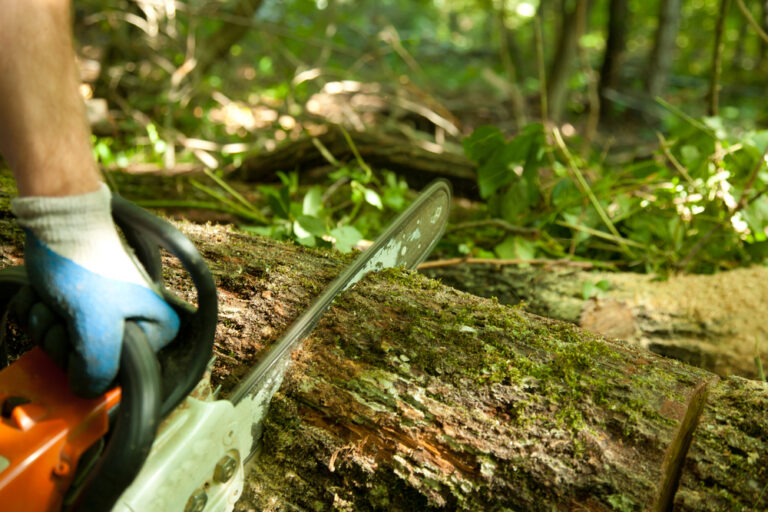
syria logging trees for firewoodLoggers get $5 a tree in Syria now that the heat of conflict is on, and the cold winter has set it in.

In Darkush, Syria, civilians must turn to their environment for the basic need of warmth. Day after day, freezing temperatures prevail, and tree after tree is cut down. The national park to the northwest of Idlib, a herding area, is slowly becoming a flatland.  Without the trees, which are beautiful and rare, the volume of tourists at the site is likely to decrease tremendously.  An area once known for its magnificent forests is sadly becoming known for its arboreal devastation.

The Syrian people are cutting down trees with increasing fervidity, but are doing so regretfully.   “My heart burns to see all the trees cut down. But there’s no choice. People need to stay warm,” said Hamad Al-Tawheed, one of many pick-up drivers for the firewood-to-be in Darkush.

Star Wars Filming Sets in Matmata, Tunisia Promotes Desert Tourism for the Berbers

0

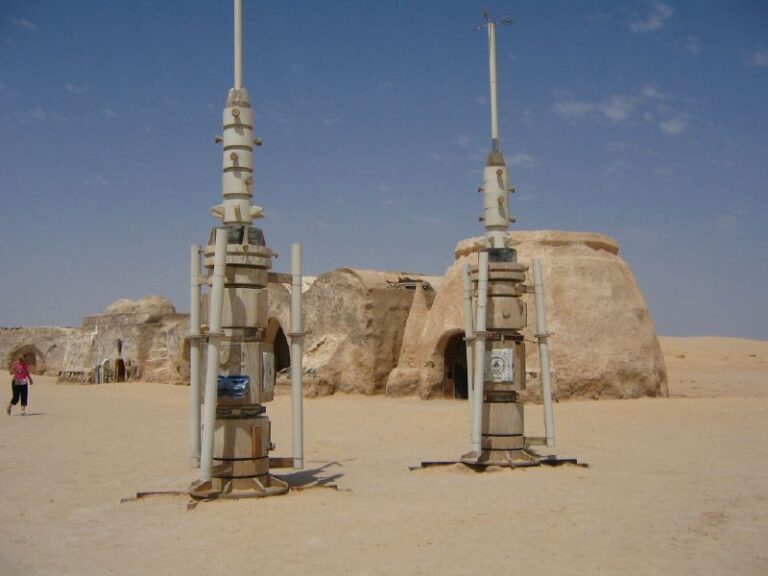
star wars film in tunisiaR2D2 – Tunisia’s landscape and subterranean dwellings have made it ideal for filming our  Star Wars movies!

When the Star Wars films began they chose Turkey and its fairy chimneys for the futuristic backdrop of the science fiction films. Later films were shot in Tunisia and some fans have even gone so far as to restore characters’ homes, like Luke Skywalker’s house pictured below. Tunisia, Egypt and more North African countries, are facing serious political upheavals and desertification. Can Star Wars movies and the movie industry in general educate people on the woes facing these conflict-prone countries?

Lebanon’s Broom Makers Swept Out of Business

0

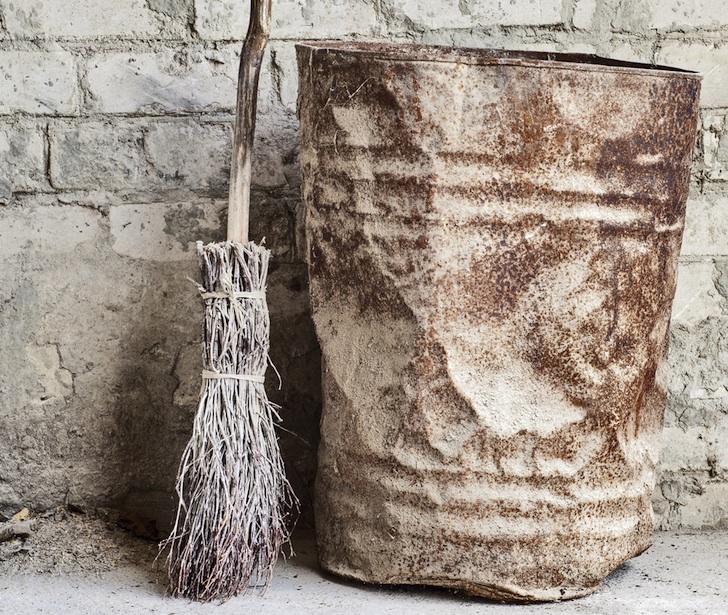
crafts, cottage industry, Lebanon, broom-makers, plastic-ChinaThe perpetual pursuit of cheap stuff stuck together by underpaid workers in China has put a great deal of stress on “mom and pop” artisans across the globe – including Lebanon.

Traditional broom makers from Ghassaniyeh in the southern district of Zahrani told Lebanon’s Daily Star that they once made a decent living making straw brooms using materials sourced from the local region. But now straw itself has become prohibitively expensive and the community is turning to cheap nylon or plastic brooms that don’t work as well, putting yet another cottage industry at risk of obscurity.

Drug-Resistant Bacteria Might Destroy Us Before Global Warming

4

microbial-resistant bacteria, drug-resistant bacteria, antibiotics, World Health Organization, Health, Global WarmingIf giant plumes of gurgling methane don’t keep you up at night, then try this: England’s chief medical officer recently warned government officials that we are running out of antibiotics that are effective against drug-resistant bacteria.

This means that even the most innocuous infections that used to be knocked out by antibiotics could kill us since bacteria have adapted faster than we can produce new drugs, the BBC reports.