Home Blog Page 354

Egypt’s Battle With GM Crops (and Food Poverty)

3

food gmo greenpeace egyptGreenpeace raises the alarm about the presence of GM crops in Egypt despite an announcement by the Egyptian government that GM seeds had been discarded

Back in 2012, the Ministry of Agriculture in Egypt made the bold statement that no Genetically Modified (GM) crops were to be planted in Egypt. Although this may have been a relief to various campaigners and the average Egyptian concerned about their food, it now emerges that things are not as straight forward as they first appeared. According to Greenpeace a new report has found that Egypt is actually Africa’s third largest country to commercialise a GM crop. So where does that leave Egyptians?
Livestock are Key to Reversing Desertification, Biologist Says

1

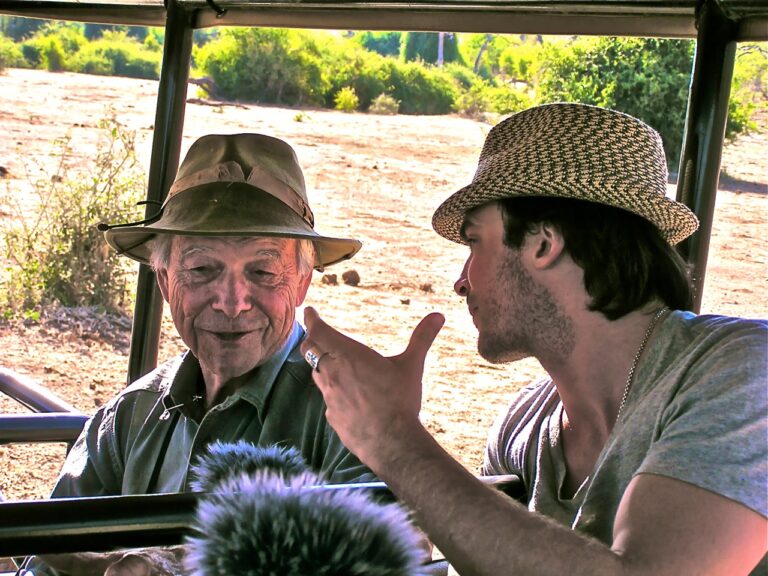
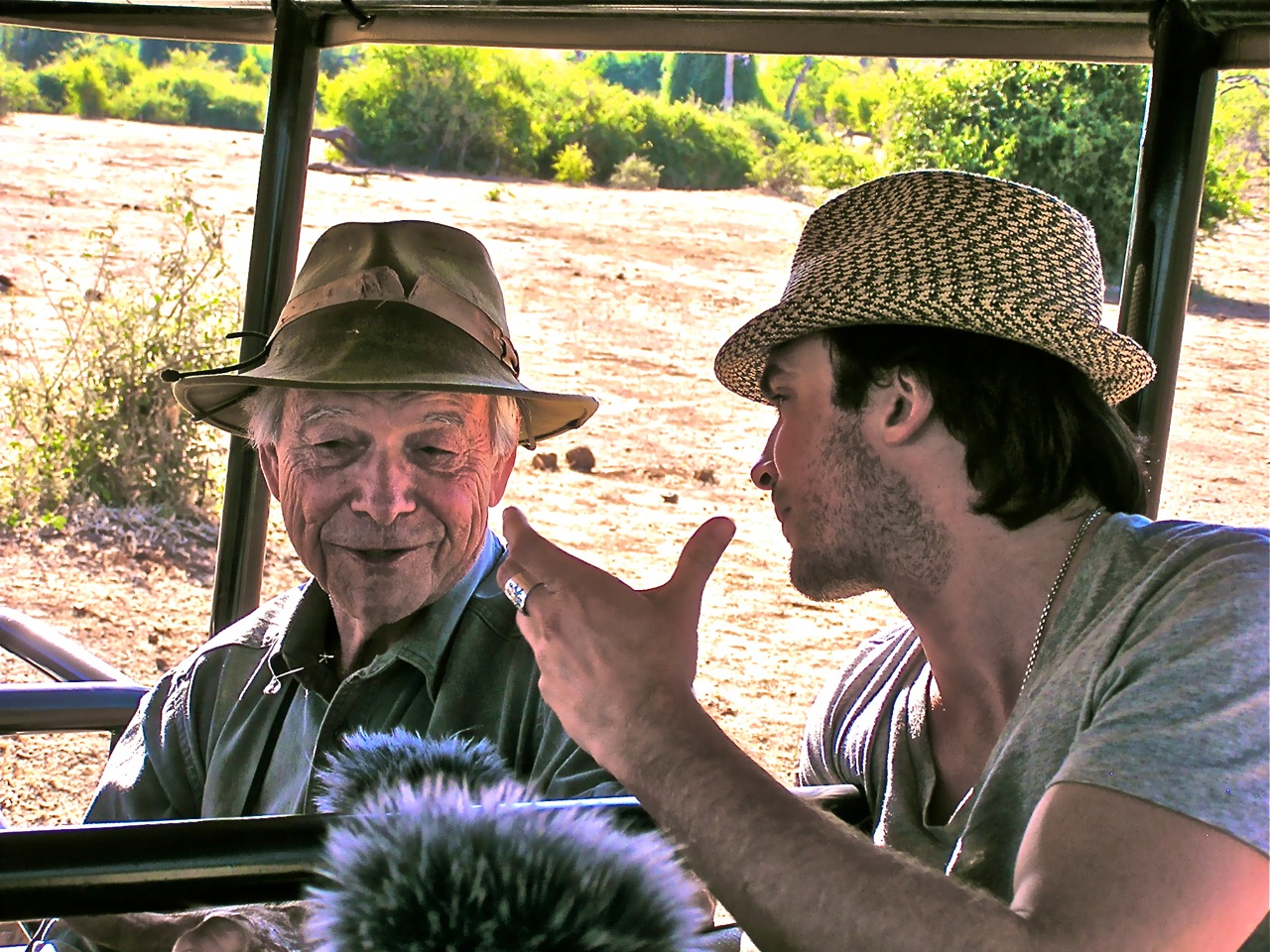
desertification, livestock, allan savory, TED, climate change, global warmingWhen he first began his career as a young biologist, Allan Savory basically ordered the culling of 40,000 elephants. He and other scientists in Zimbabwe observed that former grasslands set aside as national parks were turning to desert and decided, after considerable research, that elephants were responsible. But it didn’t help to kill them. In fact, the situation got worse.

“Loving elephants as I do, that was the saddest and greatest blunder of my life, and I will carry that to my grave,” Savory said at a recent TED presentation. “One good thing did come out of it. It made me absolutely determined to devote my life to finding solutions.” He has spent the rest of his life trying to understand the causes of and solutions to desertification, efforts that earned the coveted Buckminster Fuller Award in 2010.

Foster + Partners Solar-Powered Brain Center is a First for Israel (PHOTOS)

foster + partners israel brain center Safra solar-poweredClad in building-integrated photovoltaic panels and an aluminum skin that mimics the brain’s neural mapping. Visual by Meshroom

Foster + Partners, the same UK architectural firm that created the zero-carbon city Masdar, is about to break ground on their first project in Israel – a solar-powered center for brain studies at the Hebrew University of Jerusalem.

Working with local designers Baer, Shifman-Nathan Architects and Sherman Architecture & Programming Ltd, the firm has designed a mixed use, high tech building complete with metal and glass (largely thought to be an irresponsible material choice in sun-drenched Middle Eastern countries) that includes laboratories, classrooms, a lecture room and a research center for the Givat Ram campus. Construction is expected to be completed within three years.

Rent an All-Electric Better Place Family Car in Israel

better place electric battery switch stationNow tourists can try out Better Place swappable batteries. For $65 a day, electricity and battery packs included.

Better Place, Israel’s controversial electric car network provider, has had its share of issues and adverse publicity which began to heat up after its iconic founder and international CEO Shai Agassi was sacked this past October.

This act was later compounded when Australian Evan Thornley, who took over from Agassi, was also released from his position in January, 2013 following his pep talk to Israeli Better Place car owners. But all hope in the company is not lost: now consumers, and eco-tourists can try out the Better Place car in daily, weekly, monthly – even yearly rentals. 

Nation Estate is a Massive High Rise for All Palestinians

0

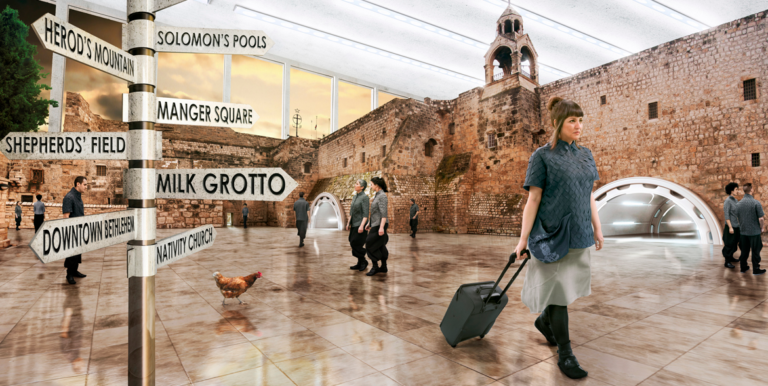
nation estate, Palestine, Israel, architecture, science fiction, environment, designWe are accustomed to writing about art and architecture that addresses environmental and social problems in the Middle East, but nothing as interesting as Larissa Sansour’s Nation Estate has crossed our desk before.

Conceived in 2011 when Palestinian authorities appealed to the United Nations for nationhood status, the sci-fi short film and photographic series takes a critical look at the impossibility of creating an actual physical space where the scattered Palestinian population can reunite. Sansour proposes, with a lot of tongue and even more cheek, an enormous (and obviously fictional) high rise.  

Israeli Soldiers Harlem Shake Their Way Into Prison

3

israel soldiers IDF harlem shake

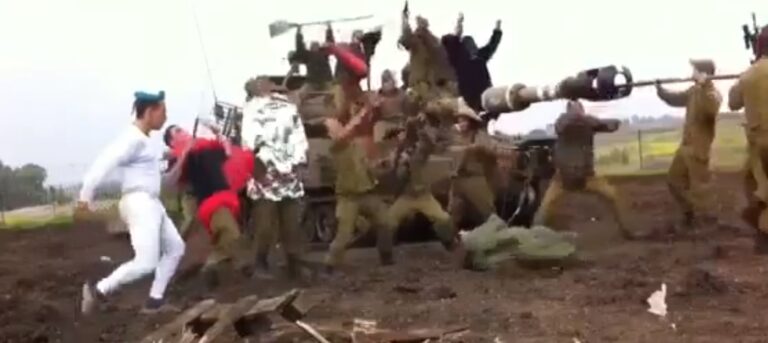
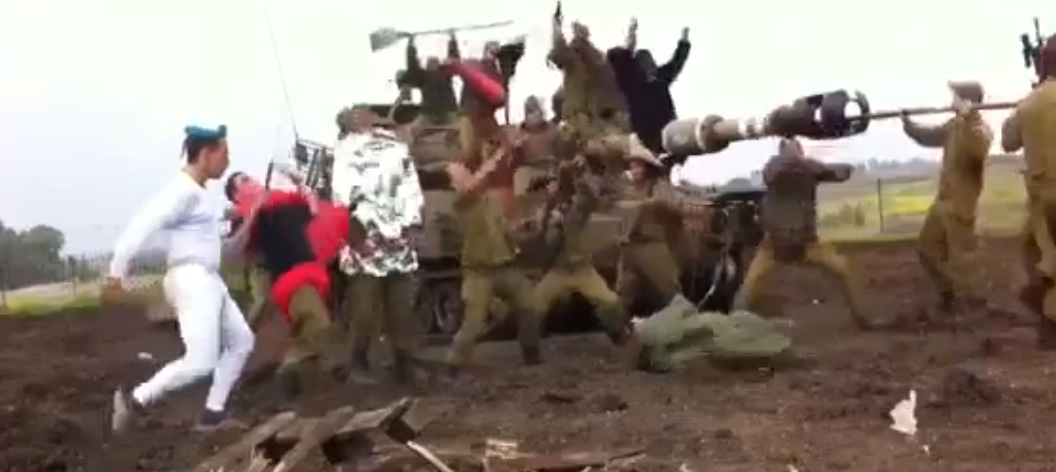
Dancing is good for you, but the Harlem Shake is a cringe-worthy global phenomenon that’s spawned a thousand epic fails: the YouTube dance craze’s been done underwater, on commercial air flights over the Grand Canyon, and now, by soldiers in the Israeli Defense Force.

“It’s just a sign of the times when you see soldiers dancing and reacting to internet sensations like the Harlem Shake,” says Guy Lerer,  according to the BBC.  Lerer, a presenter on Israeli Channel 10’s program about the internet, The Night Tube, added, “I think the army shouldn’t be embarrassed about that. It shows the world that Israeli kids are like kids everywhere else.”

Military brass apparently don’t agree: they jailed two soldiers (14 days for the organizer and 21 days for his commanding officer who approved it) for their roles in producing the video of their dancing artillery battalion.  Despite a staggering absence of decorum (and dancing skills), the clip’s been well-received by Israeli media and in online comments. Check out the video below. 

Look “Fly” in Hubert Duprat’s Jewelry Made by Insects

2

hubert duprat cadisfly jewerly
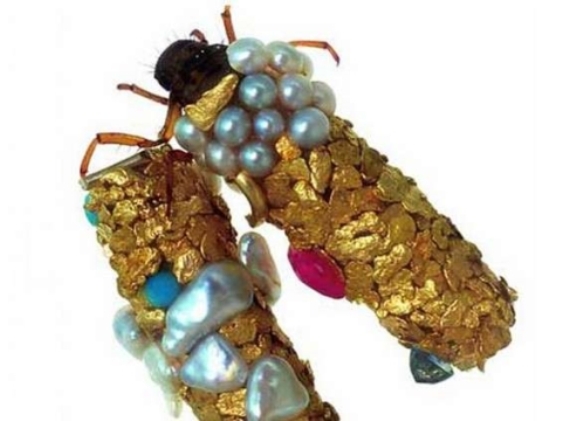
A French artist has stumbled upon a real-life alternative to Cinderella’s ball-gown-sewing mice: spectacular jewelry crafted by bugs.

Hubert Duprat employs insect craftsmen – a species of small, hairy-winged critters called caddisflies. These cousins of moths and butterflies, sometimes called “sedge-flies”, have a genetic predisposition towards waterfront property: their habitat includes streams, rivers, lakes, ponds, and temporary waterbodies formed by rainfall or springs. Duprat uses adolescent bugs to create gorgeous tubular forms out of gold leaf, pearls and gemstones.

He began his work with caddisfly larvae in the early 1980s, after spotting some natural cases alongside a river in southwestern France. Seeing the intricate designs, he wondered how the larvae might adapt if they had different building materials.

Israeli Cell Phone User Compensated $100 K for Ear Cancer

1

cell phone user with sunglasses, cancerCellphone usage outside is less risky than in a closed environment
Cell phones have blamed for a number of environmental health problems, including collapse of bee colonies; and even problems with human sperm production. In fact, overuse of cell phones has even been considered as being more risky than other environmental hazards like car engine exhaust and insect sprays like DDT. Yet we continue to make them a bigger part of our lives, every day. The problem with proving the link to cancer is that cancer takes about a decade to manifest and it’s hard to prove a direct link, though Israeli researchers from a country which was early adopters and high uses, do suggest a link to cancer. See our story on Sigal Sadetzki.

Now an Israeli who has been using his cell phone inside his bomb shelter (bad idea) has been diagnosed with a cancer he says he got from using his cell phone. In an out of court settlement, the Israeli cell phone company Partner has agreed to give him $100,000. Is this a bid to keep this man quiet? Read on for the details.

Why Syrian Refugees Burn Crude Oil and Risk Health to Stay Warm

9

syria refugees cooking in Jordan
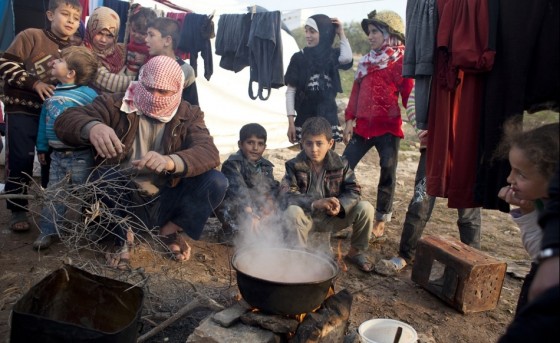
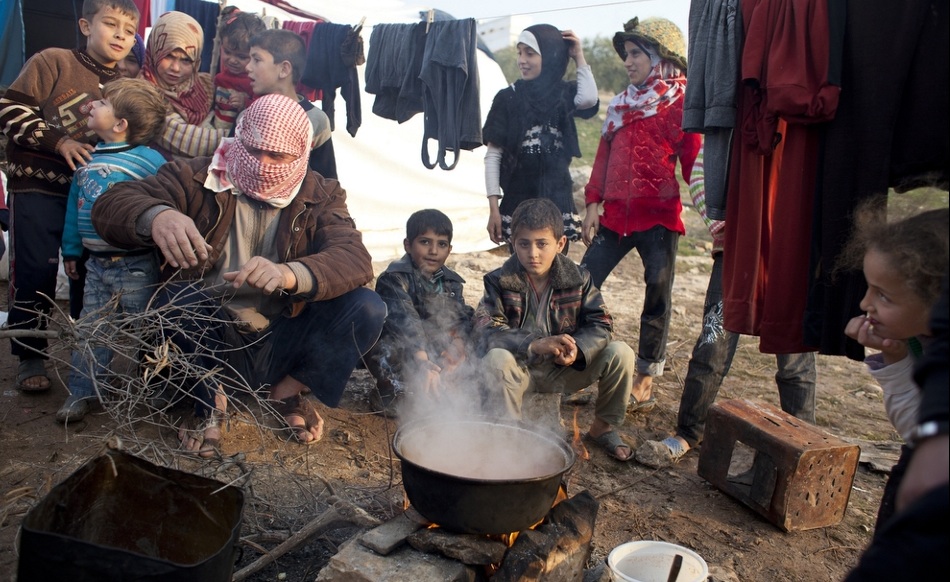
Tomato and potato soup being cooked on an open fire at Qah Camp for displaced Syrians. Camp officials say they are hoping they will receive the money needed to run electrical systems so that heaters can be used © Jodi Hilton/IRIN

Residents of Syrian towns that have run out of heating oil say they are getting sick after resorting to burning crude oil to keep warm. The nearly two-year conflict in Syria made fuel widely unavailable, and though spring is drawing nearer, cold spells are still intermittently hitting some parts of the country.

“The smoke stinks terribly, and many people are suffering from respiratory problems and skin irritations because of it,” said a dentist in the eastern governorate Deir-ez-Zor, calling himself Abu Adnan. “But what can we do? We need warmth and we need something to cook our food with.”

Export Oil, Import Water = Risky Economics for Middle East

2

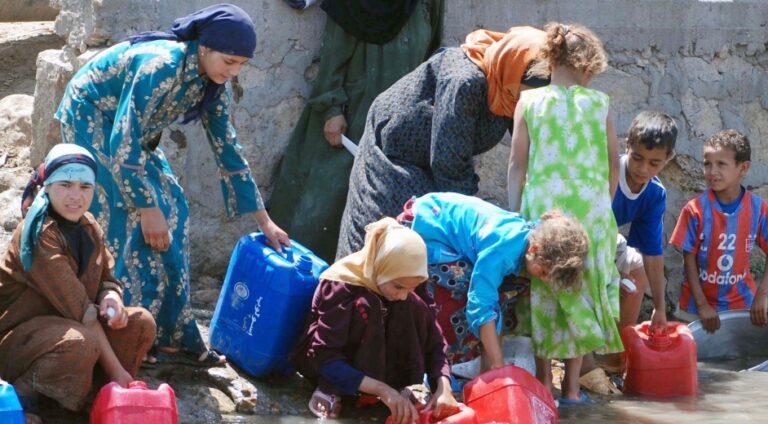
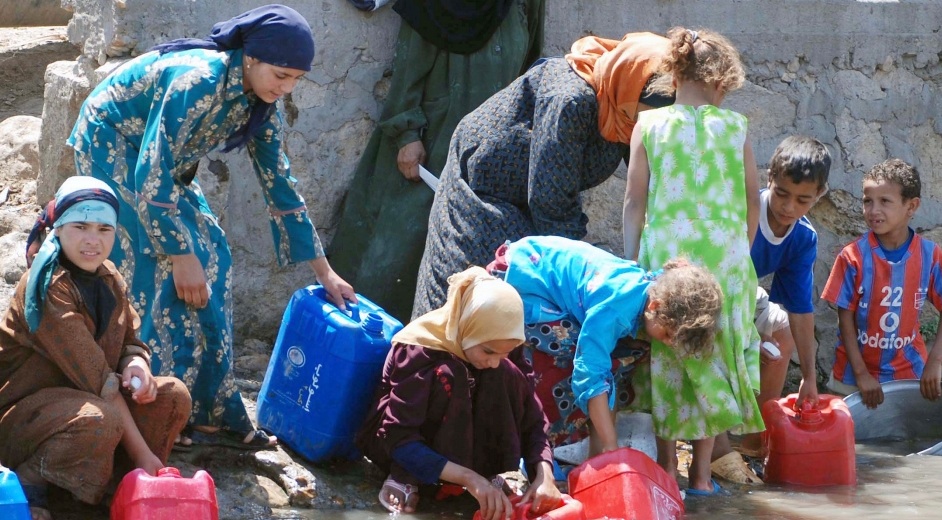
Egyptian-women-collecting-water-nile
Water scarcity has already become a fact of daily life for Egyptians

The world’s driest region, the Middle East* and North Africa (MENA), is getting drier at an alarming rate. And yet, despite massive population growth (the Middle East’s population grew 61 percent from 1990 to 2010 to 205 million people) predictions of so-called “water wars” have failed to materialize.

So how has a region that water experts say ceased to have enough water for its strategic needs in 1970 proved so resilient to water scarcity?

Car Consumption: 8,000 Boring White Chevrolets in Dubai

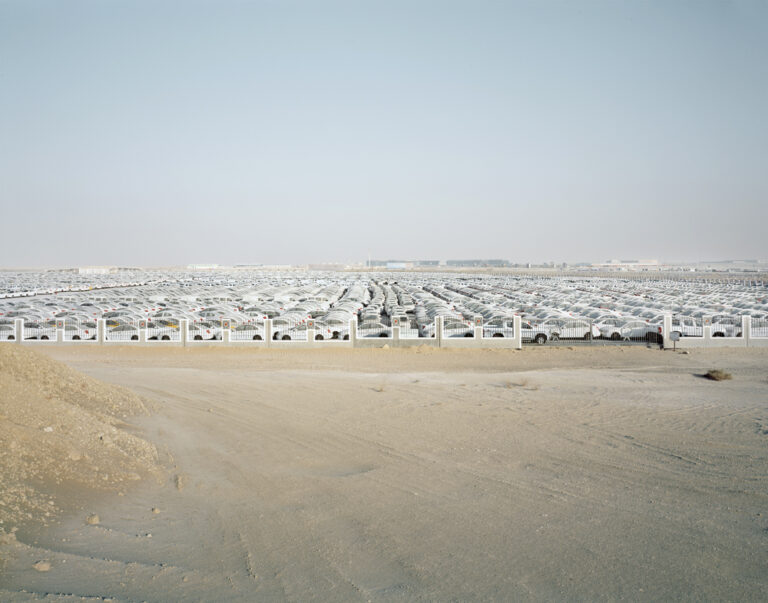
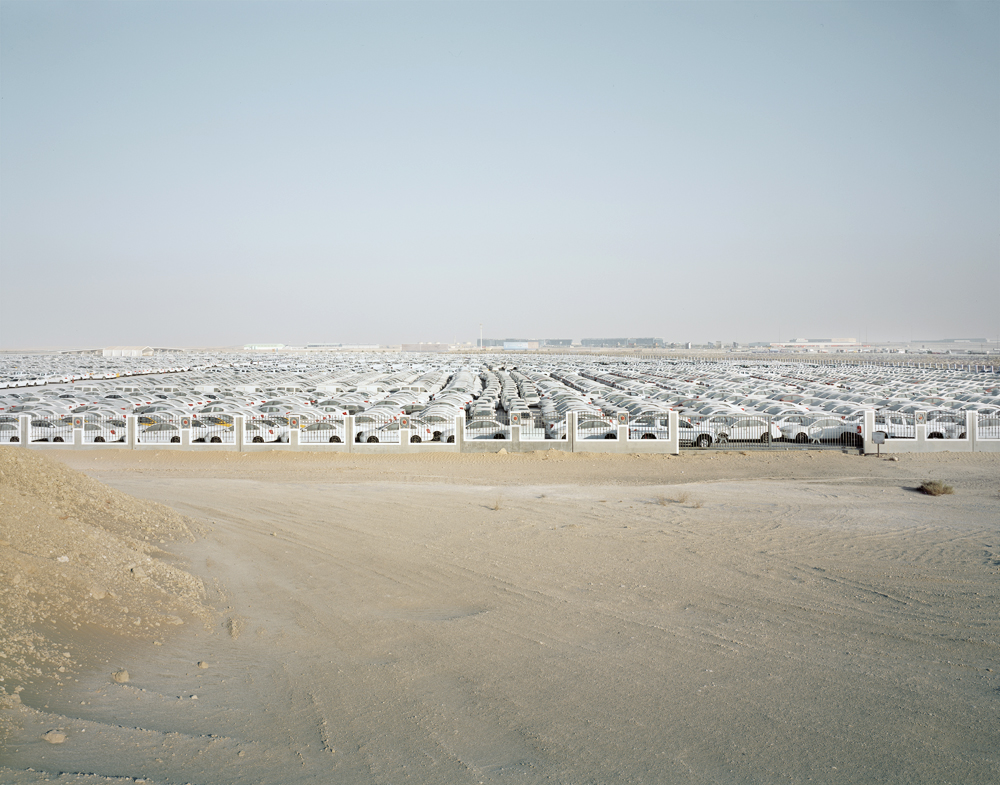
art, photography, Richard Allenby-Pratt, Consumption, Car Consumption, Dubai, Chevrolet, 8000 White Chevrolet, Jebel Ali, Freezone, environmental artThis is a Chevrolet logistics depot in the Jebel Ali Freezone in Dubai. A rough estimate from studying the site on google earth puts the number of cars at about 8000 (on 12 Aug 2012.) Have a look for yourself at 24°55’40.06″N  55° 6’6.28″E.

I’ve heard it said that American car manufacturers in the 1950s started to fear that their products were reaching such a peak of technological sophistication and mechanical reliability that they were in danger of becoming victims of their own success, and demand for their products would inevitably dry-up as the market became over-saturated.

The Greenest Libraries Have No Walls

4

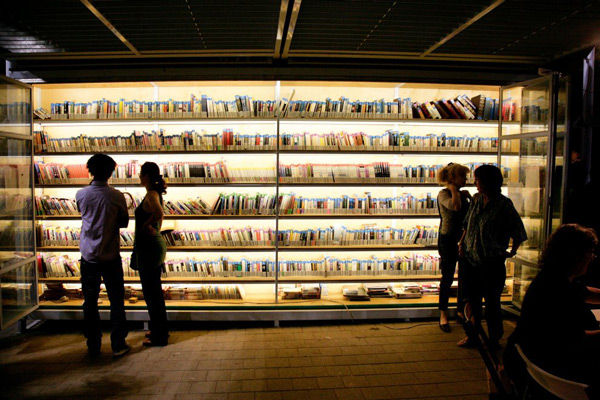
Tel Aviv Levinsky Garden Library

Pity the paper book. Libraries everywhere are closing due to lack of funding and tepid public support, and e-readers are luring people away from bookstores. Big-box bookstores tried, but they couldn’t replicate town libraries: vital public spaces where inter-generational interaction can freely occur between all economic strata.

There are occasional glimmers of change. Last October, in north London, an alliance of  retired booksellers, local bloggers and international anti-capitalist activists blocked attempts to close the Friern Barnet library.  The vibrant community library was to be closed, part of the global shrinking of local public services, but a volunteer crew of guerrilla librarians rallied to keep  it open.  Shelves were restocked with over 5,ooo donated books, and utilities were paid for by donations dropped into a biscuit tin.

Arak and Pomelo Middle East Cocktail Recipe

pomelo cocktail with arak - kibbeh projectPomelo fruit and the Middle East arak are making one of the year’s hottest and refreshing new cocktails. Here’s the recipe.

Baffled Once: Purchased as wacky Christmas gifts, the four bottles of arak inside our New York-bound suitcases were packed more carefully than human transplant organs are, but their bottle caps were as leaky as Julian Assange. To bypass anise-soaked clothing, I sealed each cap with candle wax and swaddled the bottles with soft t-shirts.

Popular throughout the Mediterranean, this potent spirit originates from Iraq. Similar to French pastis, Italian anisette, Spanish ojén, Turkish raki and Greek ouzo; arak is a clear, colorless apéritif that contains as much as 63% alcohol.

Saudi Turns to Solar, Israel Stuck on Shale

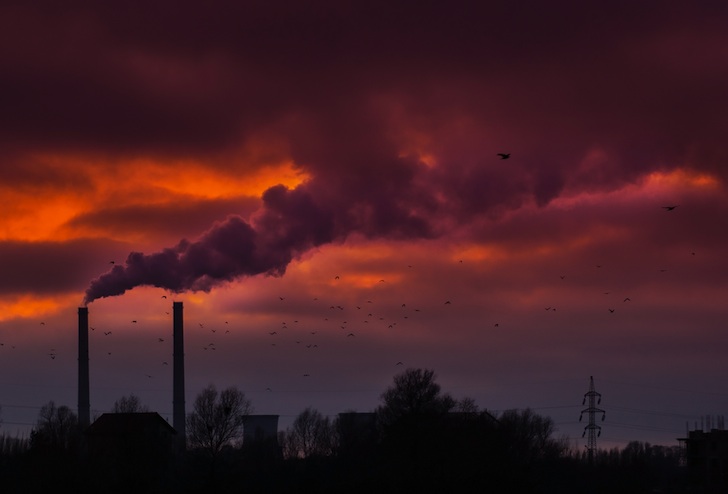
shale oil, fossil fuels, global warming, climate change, CO2 emissions, Golan HeightsIncredulously, despite everything that we know about climate change and its inevitable consequences of drought, food insecurity, rising sea levels and widespread ecological change, certain sectors of society stand steadfast by the suicidal notion that developing increasingly dangerous fossil fuels is “good” for us.

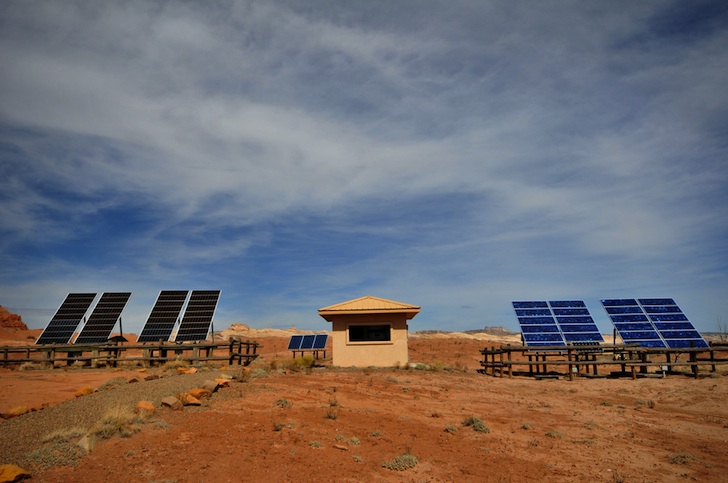
Led by ruler-backed organizations such as King Abdullah City for Atomic and Renewable Energy (K.A.CARE) and confident with its 18 percent share of the world’s proven crude oil reserves, Saudi Arabia has taken decisive steps towards incorporating clean, renewable energy into its mix. Israel, meanwhile, obsessed with its former fossil inferiority and under the spell of such power mongers as Rupert Murdoch, is dead set on ecological self-destruction.  

Free Webinar for MENA PV Solar Professionals

solar, desert, PV Insider, photovoltaics, free webinar, MENA, Saudi Arabia, Middle East, North AfricaHave you been watching the gradual unfolding of a hot new solar power market in the Middle East and North Africa without really understanding how to get involved? If so, you might want to read on.

PV Insider is hosting a free webinar tomorrow, Tuesday 5th March at 08.00am GMT / 09.00 CET / 12.00 GST to discuss specific challenges and opportunities associated with solar growth in Algeria, Morocco, Saudi Arabia, and elsewhere in the Arab world. Hit the jump for more details and to find out how to register for this very important event.