A comprehensive analysis published by AstroTurf experts on turf field safety identifies several critical factors that separate premium synthetic surfaces from standard installations.
Opioid drugs including oxycodone, heroin and fentanyl have fueled an ever-worsening epidemic in the US. And after giant events in New Orleans they are popping up in the wastewater.
Neom, a bombastic collection of futuristic cities and resorts, has flopped as Saudi oil prices roll back reality. The Saudi plan of hosting the 2029 Asian games to be held at Trojena, a ski report in the desert, has been cancelled.
A comprehensive analysis published by AstroTurf experts on turf field safety identifies several critical factors that separate premium synthetic surfaces from standard installations.
Opioid drugs including oxycodone, heroin and fentanyl have fueled an ever-worsening epidemic in the US. And after giant events in New Orleans they are popping up in the wastewater.
Neom, a bombastic collection of futuristic cities and resorts, has flopped as Saudi oil prices roll back reality. The Saudi plan of hosting the 2029 Asian games to be held at Trojena, a ski report in the desert, has been cancelled.
A comprehensive analysis published by AstroTurf experts on turf field safety identifies several critical factors that separate premium synthetic surfaces from standard installations.
Opioid drugs including oxycodone, heroin and fentanyl have fueled an ever-worsening epidemic in the US. And after giant events in New Orleans they are popping up in the wastewater.
Neom, a bombastic collection of futuristic cities and resorts, has flopped as Saudi oil prices roll back reality. The Saudi plan of hosting the 2029 Asian games to be held at Trojena, a ski report in the desert, has been cancelled.
A comprehensive analysis published by AstroTurf experts on turf field safety identifies several critical factors that separate premium synthetic surfaces from standard installations.
Opioid drugs including oxycodone, heroin and fentanyl have fueled an ever-worsening epidemic in the US. And after giant events in New Orleans they are popping up in the wastewater.
Neom, a bombastic collection of futuristic cities and resorts, has flopped as Saudi oil prices roll back reality. The Saudi plan of hosting the 2029 Asian games to be held at Trojena, a ski report in the desert, has been cancelled.
A comprehensive analysis published by AstroTurf experts on turf field safety identifies several critical factors that separate premium synthetic surfaces from standard installations.
Opioid drugs including oxycodone, heroin and fentanyl have fueled an ever-worsening epidemic in the US. And after giant events in New Orleans they are popping up in the wastewater.
Neom, a bombastic collection of futuristic cities and resorts, has flopped as Saudi oil prices roll back reality. The Saudi plan of hosting the 2029 Asian games to be held at Trojena, a ski report in the desert, has been cancelled.
A comprehensive analysis published by AstroTurf experts on turf field safety identifies several critical factors that separate premium synthetic surfaces from standard installations.
Opioid drugs including oxycodone, heroin and fentanyl have fueled an ever-worsening epidemic in the US. And after giant events in New Orleans they are popping up in the wastewater.
Neom, a bombastic collection of futuristic cities and resorts, has flopped as Saudi oil prices roll back reality. The Saudi plan of hosting the 2029 Asian games to be held at Trojena, a ski report in the desert, has been cancelled.
A comprehensive analysis published by AstroTurf experts on turf field safety identifies several critical factors that separate premium synthetic surfaces from standard installations.
Opioid drugs including oxycodone, heroin and fentanyl have fueled an ever-worsening epidemic in the US. And after giant events in New Orleans they are popping up in the wastewater.
Neom, a bombastic collection of futuristic cities and resorts, has flopped as Saudi oil prices roll back reality. The Saudi plan of hosting the 2029 Asian games to be held at Trojena, a ski report in the desert, has been cancelled.
A comprehensive analysis published by AstroTurf experts on turf field safety identifies several critical factors that separate premium synthetic surfaces from standard installations.
Opioid drugs including oxycodone, heroin and fentanyl have fueled an ever-worsening epidemic in the US. And after giant events in New Orleans they are popping up in the wastewater.
Neom, a bombastic collection of futuristic cities and resorts, has flopped as Saudi oil prices roll back reality. The Saudi plan of hosting the 2029 Asian games to be held at Trojena, a ski report in the desert, has been cancelled.
Now Israel has embraced the Meatless Monday movement with enthusiasm. Established in Israel only a few months ago in November 2012, it’s taking off like wildfire.
The Meatless Monday movement began in the U.S. in 2003, at the Johns Hopkins School of Public Health and the Monday Campaigns. It gained more popularity when promoted by celebrities Sir Paul McCartney and Yoko Ono in 2009. Tel Aviv University caught on to the meatless day as far back as April 2010, and late in 2013, three women and a few volunteers formally launched the movement in Israel.
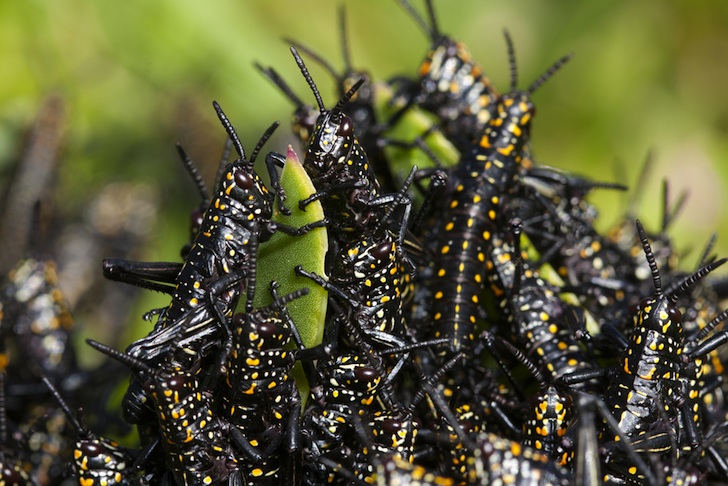
Israel has set up a special task force to prepare for the possibility that a locust swarm may migrate from Egypt and destroy precious crops. Already some sources are saying that a small swarm of locusts has been spotted in the southern Gaza strip after millions of locusts descended upon various Cairo neighborhoods over the weekend – including Giza, where the famous pyramids are located.
UCLA and Egyptian scientist accidentally find a new way to bottle stored energy. This missing link for solar energy, hydro and electric cars could be a fast, tiny, biodegradable battery
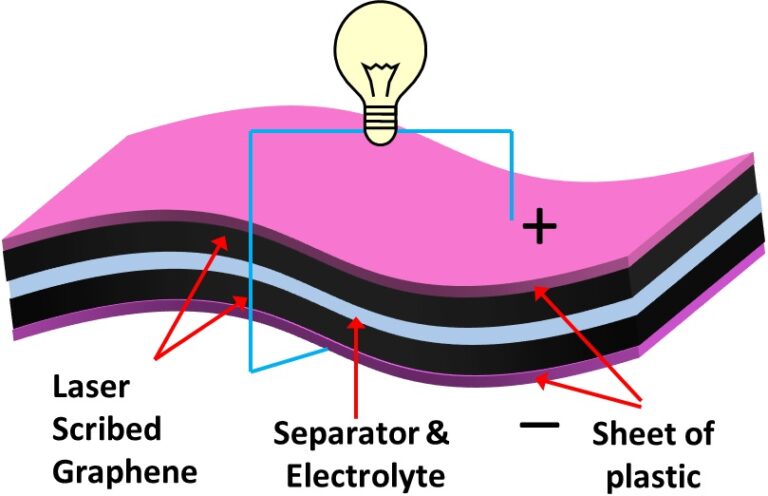
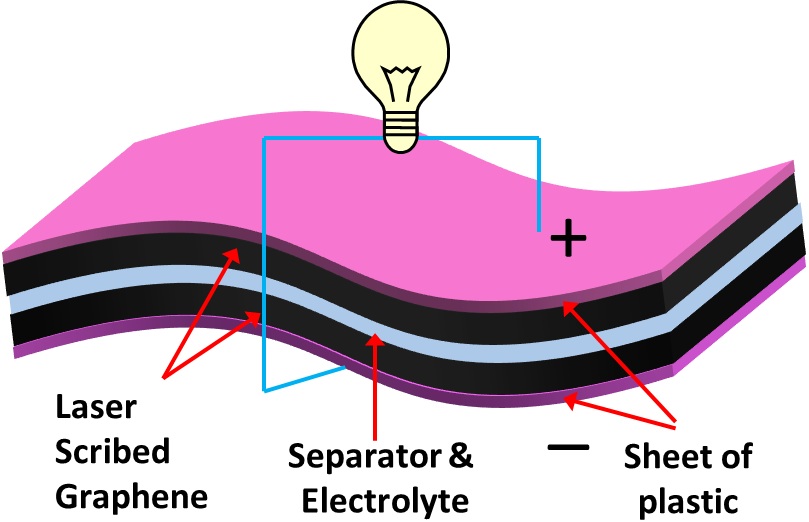
Penicillin, Teflon, microwave ovens and superglue were all discovered by accident. And now graphene super-capacitors might be the most important accidental discovery of our time – one that can change the way energy is stored. A team of UCLA researchers led by chemist Richard Kaner used a commercial DVD burner to produce sheets of a carbon-based material known as graphene.
The “accident” occured when Cairo University graduate Maher El-Kady (pictured below) wired a small piece of graphene to an LED and found that it behaved as a super-capacitor, able to store a considerable amount of electricity. Their laser-scribed graphene is ideal as a super capacitor partially because of its enormous surface area, 1520 square meters per gram. Here’s how it works:
Unleash your inner Thoreau, show the human side of sustainability and and win $10,000 for a creative nonfiction essay.
Have you been lucky enough to Dance at the Dead Sea but then couldn’t help but notice its destruction? Or you’ve have had the rare chance to travel and surf through unknown parts of Iran. Perhaps you are just a wanderer or quiet philosopher type who has a rare knack for seeing natural detail the rest of us miss. If you have a “green” eye, a corresponding “green” pen, and an ecologically-minded story to tell or have told you can submit it to a new contest for sustainability writing and win a cool $10,000.
Creative Nonfiction magazine with the Walton Sustainability Solutions Initiatives at Arizona State University are looking for the best creative nonfiction essay on sustainability. The winning essay which will take home the prize will also be published in the magazine’s special “Human Face of Sustainability” issue.
The magazine and the Sustainability Solutions Fair, one of the programs within the Walton Sustainability Solutions Initiatives at Arizona U, launched this competition to grow the conversion on sustainability within the individual as a writer, and to enlarge the conversation about sustainability as a whole around the planet.
“As we face daily reminders of environmental challenges across the globe, our work here is to advance knowledge about the existing and potential solutions of sustainability, so we’re thrilled to be partnering with Creative Nonfiction to raise awareness and thoughtful responses to these issues that affect every one of us,” says Patricia Reiter, director of the sustainability programs at Arizona University.
Before you sharpen your pencils, we suggest reading a great primer: American Earth: Environmental Writing Since Thoreau. I’ve been reading this book edited by Bill McKibben over the last year and it gives the best lessons on how to write on sustainability issues that are in line with the times. It inspires.
And you also have to know the basic entry requirements for the contest: According to the contest rules your entries should be personal essays or stories that illuminate and present the human side of environmental, economic, ethical, and/or social challenges related to the state of the planet and our future. They need to be true stories, backed up with facts and research if possible.
From the editor’s desk: “We seek essays on topics that range from global to local, from “big” (e.g., Resilience after natural disasters; New technology solutions vs. common sense; Energy harvesting) to “small” (e.g., Personal decisions about consumption; Reuse, recycle, up-cycle, bicycle?; Green, clean—what does it mean?; What can we learn from past generations?). Whatever the subject, we want to hear about it in an essay that blends facts and research with narrative—employing scenes, descriptions, etc.
“Your essay can channel Henry David Thoreau or Henry Ford, Rachel Carson or (a literary) Rush Limbaugh; but all essays must tell true stories and be factual and scientifically accurate,” editors note.
Creative Nonfiction founder and editor Lee Gutkind points out: “There are so many with an interest or stake in this timely and important issue: including nonfiction writers, environmentalists, engineers, and scientists. I’m eager to read through these submissions and see how a diversity of voices are exploring and contextualizing their ideas through narrative.”
In addition to the $10,000 prize, the winner will be invited to attend a special launch event hosted by Arizona University’s Walton Sustainability Solutions Initiatives. With a contest deadline at May 31 this year there is a little less than three months to get your work submitted.
An additional prize will go to an artist who is selected to illustrate the issue, so forward this call-out to your designer friends as well. Designers can win $3,500 but more importantly perhaps, have their work featured on the magazine’s website and inside the special edition on sustainability. Anything suited to a print format will be considered.
The Harlem Shake is a cringe-worthy global phenom that’s spawned a thousand Epic Fails: the YouTube dance craze’s been done underwater, on commercial air flights over the Grand Canyon, and now, by soldiers in the Israeli Defense Force.
“It’s just a sign of the times when you see soldiers dancing and reacting to internet sensations like the Harlem Shake,” says Guy Lerer, according to the BBC. Lerer, a presenter on Israeli Channel 10’s program about the internet, The Night Tube, added, “I think the army shouldn’t be embarrassed about that. It shows the world that Israeli kids are like kids everywhere else.”
Military brass apparently don’t agree: they jailed two soldiers (14 days for the organizer and 21 days for his commanding officer who approved it) for their roles in producing the video of their dancing artillery battalion. Despite a staggering absence of decorum (and dancing skills), the clip’s been well-received by Israeli media and in online comments.
Israel isn’t alone is trying to muzzle its soldiers: American, British and Norwegian armed forces all have examples of their servicemen being inducted into the You Tube Hall of Shame. The above is a cover of Carly Rae Jepson’s “Call Me Maybe” by US soldiers in Afghanistan. Can you conjure up John Wayne in camo fatigues shaking his money-maker to a WWII pop tune? These aren’t your grandfather’s soldiers.
But, in a nation where most young people between 18 and 21 perform military service, is it possible to shut down their personal participation in virtual communities? A recent ComScore study reported that Israelis spend longer on social networks than any other users.
As witnessed during the Arab Spring, social media creates a new frontline in regional conflict, with activists from all sides scanning the internet for content that supports their views. Mainstream use of Facebook, Twitter, YouTube and Instagram make it easy to monitor soldiers’ personal accounts for provocative proofs and indiscretions.
Palestinian activist, Ali Abunimah, a co-founder of the Electronic Intifada website, told BBC, “We look at social media accounts coming out of Palestine/Israel, whether it’s Instagram or Twitter or YouTube. We’re really looking for anything newsworthy,” he says. “We’ll investigate it and try to find some context.” International media also trolls for storylines.
“Recently we’re witnessing a growing and expanding phenomenon in which soldiers from all IDF units disseminate through social platforms in which they are active… visual content which is not appropriate to the spirit of the IDF,” stated a memo circulated to IDF commanders.
The IDF clearly understands social forum, using its own Twitter feed and official Facebook page to promote its views and reinforce its image.
“This is a democracy. We cannot ban soldiers or anyone else from using smart phones and mobile devices but we are a military with strict orders,” says head of interactive media, Avital Leibovich. “A soldier is a solider wherever he is. He has to behave within the moral and ethical code of the IDF in his house with his friends, with his colleagues in the military and in social media.”
“I can do whatever I like. Yes, I’m in the army but I’m not a robot or something,” an unnamed young soldier told the BBC.
The Israeli government doesn’t disclose info as to IDF overall size, but estimates by London’s International Institute for Strategic Studies approximate ground forces at over 10o,000 troops, with an additional 500,000 reservists. The Military Balance estimates there were 175,000 soldiers in active service and 430,000 in the reserves in 1998.
However you do the numbers, they translate into an army of personal media that’s impossible to control. This isn’t Abu Ghraib, it’s dancing young people. What do you think about nations applying “parental controls” to their soldiers’ electronic toys?
Sixty percent of Morocco’s fuel reserves consists of petroleum and 23 percent of the country’s energy is derived from coal, according to the DESERTEC Knowledge Platform. Yet Morocco has to import roughly 96 percent of its fossil fuel, which is both costly and politically destabilizing. So it comes as no surprise that learning institutions around the North African country are seeking solar solutions to something that has become as intrinsic to Moroccan society as camels and couscous: cars.
Moroccan students unveiled plans to build a solar-powered electric vehicle, allAfrica reports. Students that belong to the Energy Club of the Mohammadia School of Engineers presented their ambitions to attendees of the third “Power Day” held in Rabat last week – a conference that has increasingly incorporated renewable energy into its vision for the future.
One of the last Middle Eastern countries to get on board, Lebanon has not done well to protect the 100 or so species in the country that are supposed to be covered under CITES. But animal rights activists believe as a new signatory to the international convention, the country may now be better poised to stem the trade of illegal wildlife within its borders.
When you Twitter, Google, or just spend leisurely hours checking facebook updates, how does this affect the environment? And think about all that data from YouTube, cloud storage, and blogger’s sites. Where does it get stored and how much energy does it consume? Whoishostingthis provides a really handy infographic giving you the breakdown of the world’s largest data centers, where they are, what they store and what company’s are consuming the most resources. It’s a great cheat sheet if you are studying data and sustainability – and when you are trying to check your carbon footprint.
Want to find sunny Middle East solar opportunities? Think short term investments, and know that higher risks mean bigger rewards, says Belén Galled who talks about MENASOL 2013 CSP and PV solar opportunities in Dubai.
A two-day networking and conference in Dubai this May will give equal treatment to both concentrated solar power (CSP) and photovoltaic (PV) initiatives. This year MENASOL will be attended by a host of such luminaries as Waleed Salman, EVP, Strategy & New Business Development from the Dubai Electricity & Water Authority and Obaid Amrane, Board Member from the Moroccan Agency for Solar Energy. A delegation from K.A. CARE will also be attending.
We talked to CSP Today founder Belén Gallego about the state of solar in the region and what attendees can expect from the event being held from May 14 to 15 at the Hyatt Regency Dubai.
There is a great deal of interest in the Middle East North Africa region’s solar resources since there is so much of it, she said: “However, for the industry to be successful it is necessary that the solar projects adapt to our current short-term private financial processes, which is why developers need to think about the value proposition of their projects for the short as well as long term,” she tells us.
Hit the jump to read our Q & A with Gallego and find out how to register for the conference in time to receive a discounted price.
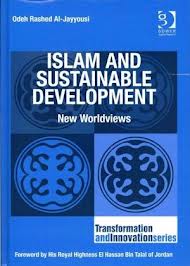
Odeh Al-Jayoussi creates a great guidebook on Islam and sustainable development, although it’s a little overambitious in its reach at times
Odeh Al-Jayoussi, the current vice president of Jordan’s Royal Scientific Society, has certainly had an interesting career. As well as working for the International Union for Conservation of Nature, he’s spent time at the City of Chicago’s Department of Planning and been a consultant for the United Nations, the EU and the World Bank.
All of these positions as well as his personal experiences have clearly informed his book Islam and Sustainable Development: New Worldviews which explores “a new paradigm of sustainability that is informed by Islamic worldviews and Islamic ecological ethics”. Indeed, the book includes lots of topics and stretches itself a little too broadly with chapters exploring Islamic banking systems, the role of the Muslim artist and the Islamic perspective on evolution. Still, a highly recommended read for those interested in sustainability and particularly those new to Islam’s contribution to the debate so far.
Wild marigold, sage and Palestine Oak? An international team sends researchers to Israel to forage medicinal plants native and special to this part of the Levant.
Even many decorative garden plants like aloe vera have valuable healing properties.
But the Bioxplore project, funded by the European Union to the tune of Euros 2 million, has a goal with these plants that reaches much farther than home remedies.
The plants’ active ingredients are isolated and tested in laboratories against pests like bacteria, fungi and worms. The ultimate aim is to develop new drugs, health supplements and cosmetics, exploiting the wild herbs’ medicinal properties. BioXplore hopes to develop local job opportunities and stimulate scientific, business and cultural exchanges between partner countries, based on these natural medicines and cosmetics.
The partners are are Israel’s Hadassah College, the Biodiversity and Environmental Research Center in the Palestinian Authority, the Leitat Technology Center in Spain and the Hellenic Regional Development Center in Greece. Rutgers University and North Carolina University are associates in the project as well.
Field researchers in Israel, Greece, and Spain have been actively gathering plant specimens since November 2011. In Israel, eighteen students from Hadassah College’s Biotechnology Department conduct regular hikes on plant-collecting trips. They have walked the ground from the northern Negev to the Judean Hills, the Hula Valley and Mount Hermon – and many points in between.
President of the Israeli Herbalists Association, Dr. Mina Faran, wryly says, “The researchers need strong legs.”
The plan is to collect between 700 to 800 samples of native Israeli species.
Dr. Faran makes a number of skin creams based on medicinal plants (and indeed, this writer learned to make several kinds of creams in courses Dr. Faran teaches). She gives an example of a cream for atopic dermatitis based on purslane. Other products on their way to development and marketing might treat other major illnesses.
Among antibacterial herbs under research are:
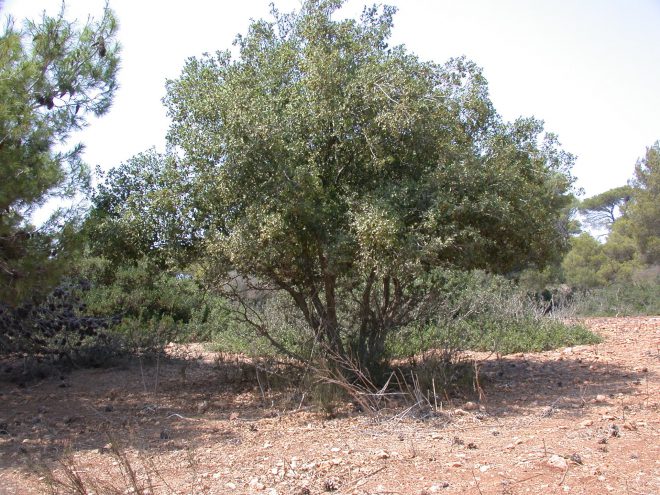
1. The Palestine Oak
2. The Terebinth. Pistacia terebinthus, known commonly as terebinth and turpentine tree, is a species of Pistacia, native to Iran, and the Mediterranean region from the western regions of Morocco, and Portugal to Greece, western and southeast Turkey.
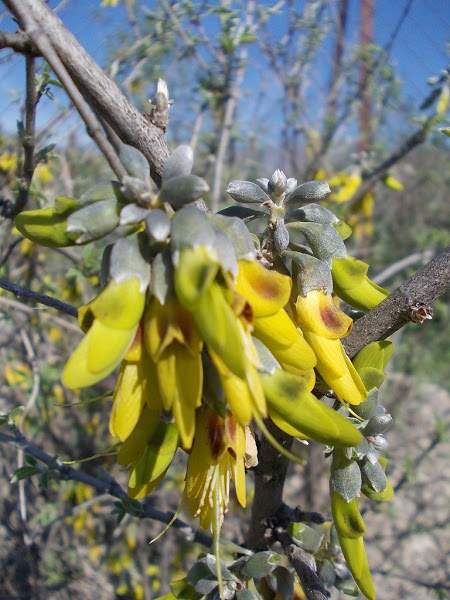
3. The Mediterranean Stinkbush, toxic and medicinal.
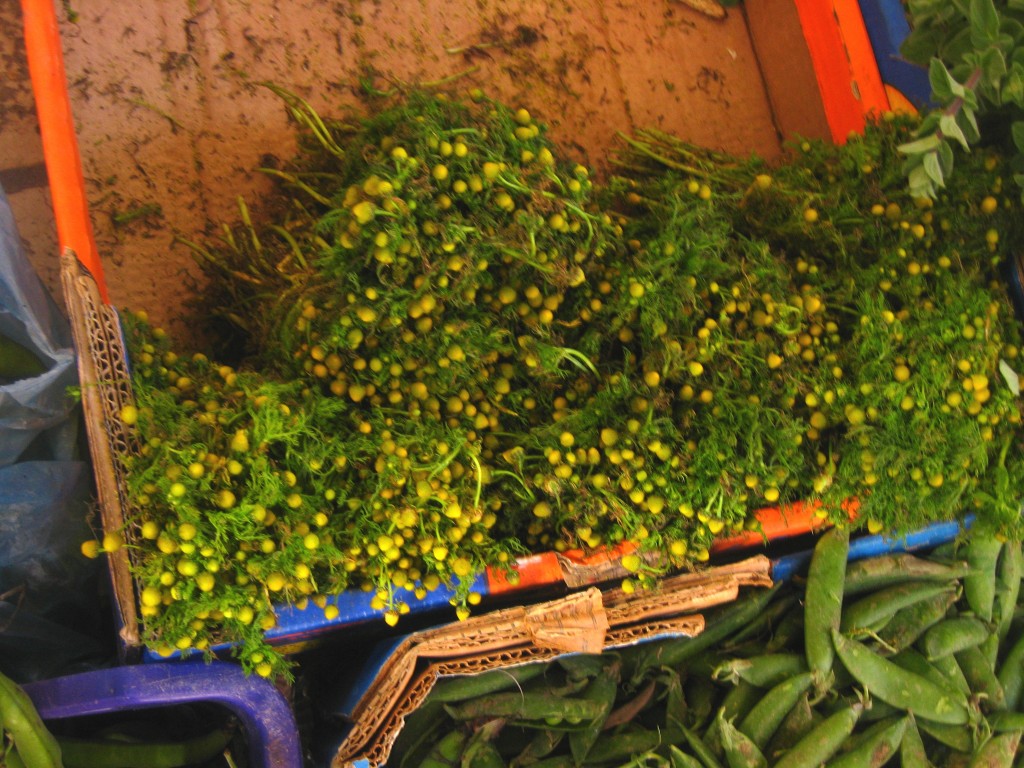
4. Chamomile, which grows wild everywhere in the spring
Wild chamomile in a crate
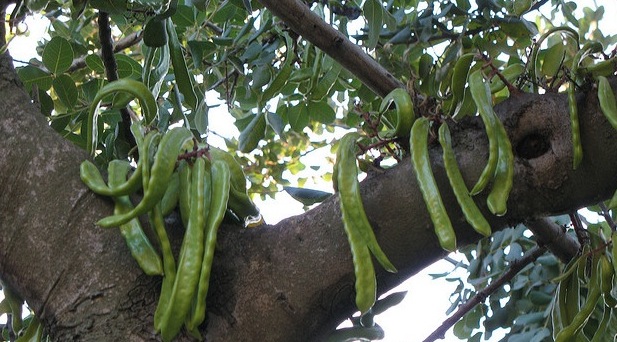
5. Carobs
Carob beans on a tree. Unripe and still green.
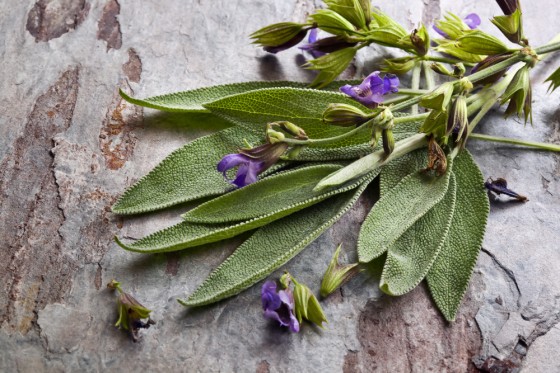
6. Sage
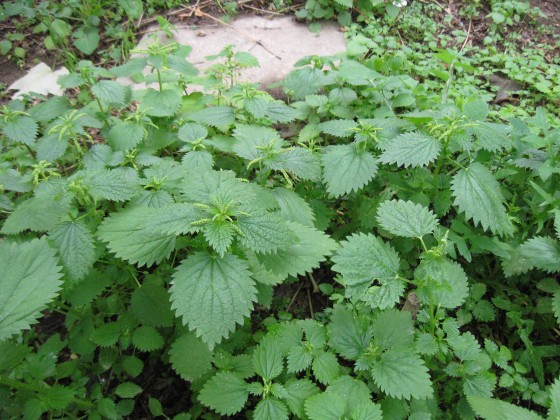
7. Nettles
Nettles in a backyard in Jaffa, Israel
8 Marigolds
All these plants have been known for centuries as wild edibles and medicine. Some destroy bacteria, others work against fungus, others are anti-inflammatory and soothing, and yet others boost the immune system. New plants are added often to BioXplore’s list.
It seems that Israel’s climate encourages medicinal plants to produce strong medicine: “The aridity of Israel’s climate allows the essential oils to develop inside the plants,” Faran explains.
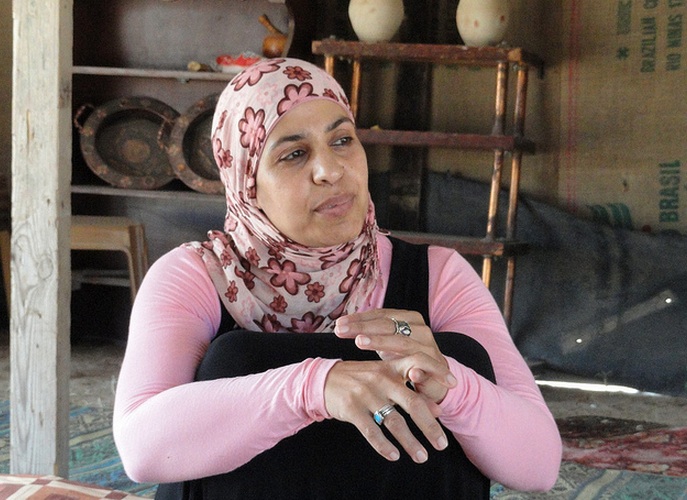
Miriam Aborkeek makes Bedouin beauty products and medicine the way her grandmother taught her. From local foraged weeds and plants.
The medicine in plants is based on the mysterious interaction of its own chemicals. Isolating a few of a plant’s properties may exploit some of its healing potential, but to draw out the best, the all of plants’ medicinal parts should be used. Hopefully, when it comes to manufacturing natural medicines, Bioxplore’s researchers will remember this.
Animal lovers in Jordan are fighting a formidable battle to raise people’s awareness and respect towards strays and animals in general.
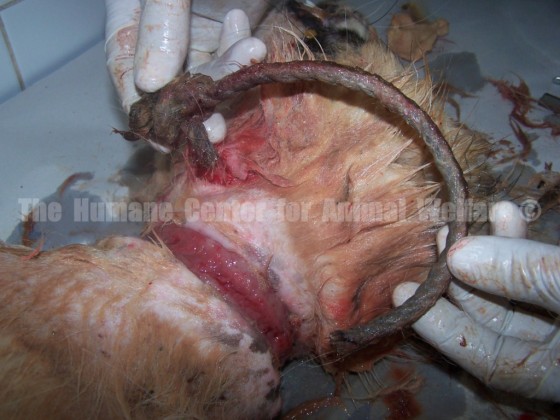
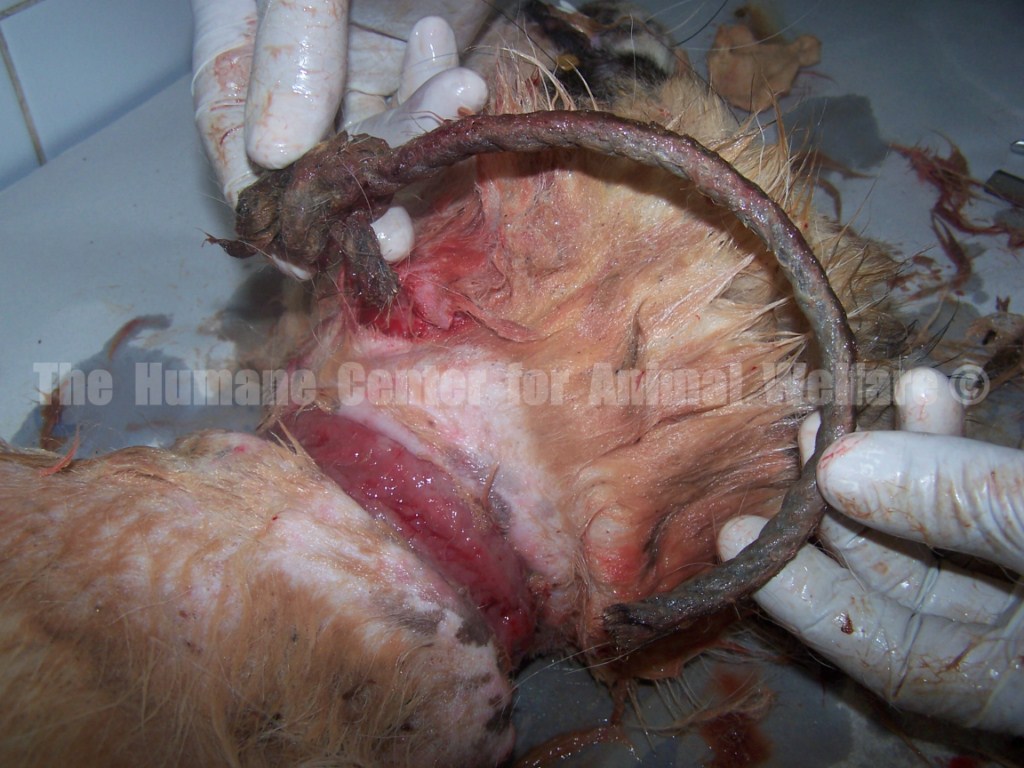
It’s not easy being an animal in Jordan. One of our pair of mini-dachshunds escaped to the street last November and was killed in a hit and run. Distraught, we called friends asking what Amman regulations were regarding burying an animal. We were told to drop Toby in the trash can, leave him in the street, toss him in an empty field, or set him on fire: I can only guess this heartless advice was well-intended. We buried Toby in our garden.
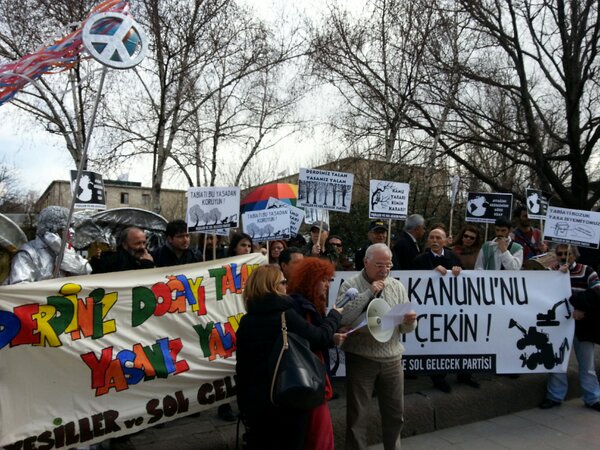
“Polluting nature is your problem, your law is a lie” and “Withdraw the Nature Law” read signs from protests last weekend in Ankara.
On Sunday, Turkey’s Green and Future Left parties organized small but loud protests in six cities around Turkey to oppose the country’s new Protection of Nature and Biological Diversity Law. The draft law, currently on the agenda of the Turkish Parliament, will allow formerly protected natural areas to be opened for construction, according to Turkish environmentalists, opposition politicians, and environmental engineers who have examined the bill.
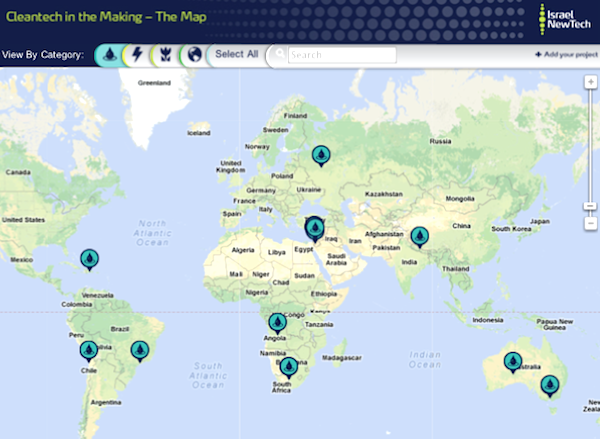
Israel NewTech has launched a interactive map of green Israeli innovations as part of a new Industry, Trade & Labor Ministry campaign that aims to showcase the country’s international influence in the clean tech and energy sectors.
We love just about anything that is made with earth – a vast, renewable resource eclipsed by more modern materials. Not long ago we featured the Eliodomestico – a solar-powered water desalination pot that enamored readers around the globe for its ease of use and potential domestic application. Now we’ve stumbled across a new water treatment system called PureMadi. Developed by the University of Virginia (UVA) in tandem with traditional potters in South Africa, the water filtration bowl is made with clay, sawdust and water and coated with special nanoparticles that help remove contaminants from dirty water.
Researchers from UVA talked to village chiefs in Limpopo province before meeting with other locals and potters, who helped to develop a domestic solution to widespread water contamination.
In addition to being affordable, it was important that the water filtration device could be made at home in order to alleviate the need for costly imports, and to build upon indigenous knowledge and skills.
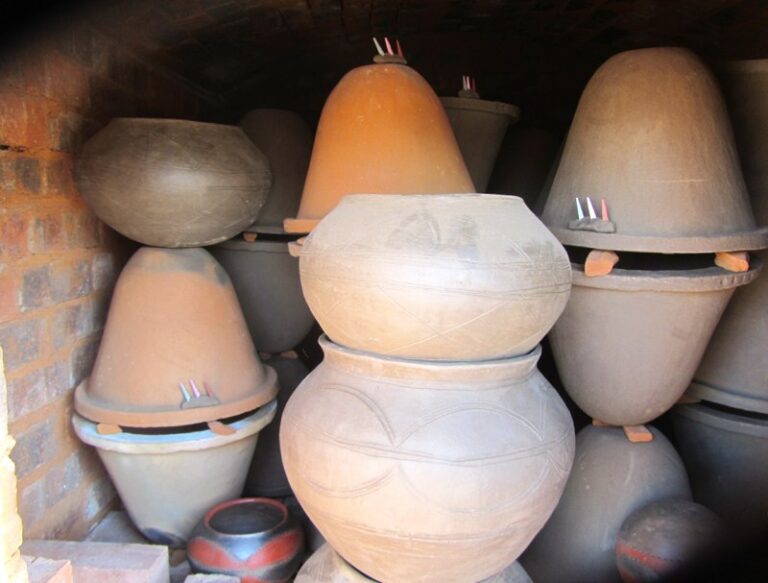
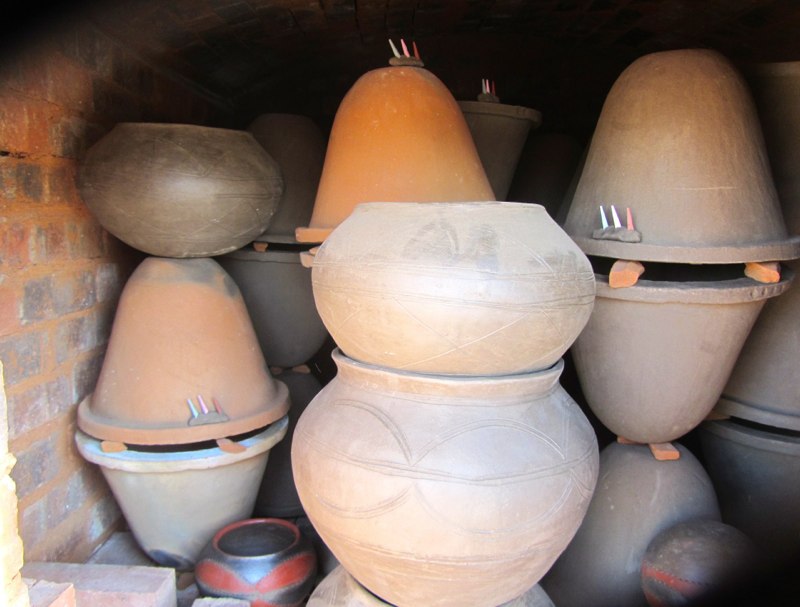
In 2011, local people were employed to build the necessary infrastructure for a local PureMadi manufacturing plant, which includes a kiln in which the clay bowls are fired.
But how do they work?
A mix of clay, sawdust and water is put into molds before it is fired in a large kiln. This heating process sloughs off the sawdust, which creates small perforations in the bowls that allow water, but not impurities, to pass through.
Once the bowls are cool, a coat of copper or silver nano-particles is applied to them, which is what removes invisible pathogens from contaminated water. The same team also developed a small tablet-shaped water purifier called MadiDrop.
A total of 10 PureMadi manufacturing points are planned in and around South Africa, where hundreds of thousands of people lack access to clean water.
Affordable and culturally relevant, the PureMadi is similar to clay pots traditionally used in Egypt and other parts of North Africa and the Middle East to store water.
However, the pots would not be effective as treatment devices without the nano-particle coating produced at a university lab in Charlottesville, Virginia.
Still, this could be a sustainable approach to providing clean water to people in our region who often go without – particularly now in refugee camps throughout Jordan and Lebanon; it is also an empowering job creation strategy.