
Home Blog Page 30

Long-term coffee drinking food for women’s health

0
Principles GI, pay what you can coffee shop
Principles GI founder Katie Bishop with her late mom, who died a year ago. The coffee shop follows a pay what you can model for coffee. Via IG

For many of us, the day begins only after that sacred first cup of coffee. Now, new research reveals that our favorite morning ritual may be doing more than just jumpstarting our day—it might be quietly shaping our future selves.

In a landmark study following nearly 50,000 women for over 30 years, researchers from Harvard T.H. Chan School of Public Health found a strong association between midlife coffee consumption and healthy aging for women —defined not only by longevity, but by quality of life: freedom from chronic disease, good physical function, mental health, and intact cognitive abilities.

“Our study is the first to assess coffee’s impact across multiple domains of aging over three decades,” said Dr. Sara Mahdavi, the study’s lead author and a post-doctoral fellow at Harvard, in a preview of her presentation at NUTRITION 2025, the flagship annual conference of the American Society for Nutrition.

The research, drawn from data in the long-running Nurses’ Health Study, found that women who consumed moderate amounts of caffeinated coffee in midlife were significantly more likely to enjoy robust health later in life. Each additional small cup of coffee per day was linked to a 2%–5% increase in the likelihood of “healthy aging,” up to about five small cups.

Importantly, this positive effect was not seen with tea or decaffeinated coffee. And, in a twist that will please nutritionists but disappoint soda drinkers, drinking more cola (another source of caffeine) was linked to a 20%–26% lower chance of healthy aging.

“Not all sources of caffeine are equal,” said Dr. Mahdavi. “It’s likely that other compounds in coffee—such as antioxidants and polyphenols—are playing a role here.”

The study is unique not only for its length and size but for its holistic definition of aging—one that accounts for mind, body, and spirit. Of the 47,513 women tracked since 1984, only 3,706 met all the study’s criteria for “healthy aging” by 2016. But among those women, most shared one habit: they drank around 315 mg of caffeine daily, roughly the amount in three small cups of coffee.

“These results, while preliminary, suggest that small, consistent habits can shape long-term health,” Dr. Mahdavi said. “Moderate coffee intake may offer some protective benefits when combined with other healthy behaviors like exercise, a balanced diet, and avoiding smoking.”

Still, she emphasized: coffee is not a magic bullet. Its benefits are modest, and genetics and lifestyle still play a much larger role in how we age.

The Eco-Awakening Angle

At Green Prophet, we often highlight plant-based solutions that align with natural systems. Coffee—grown sustainably—has long been part of the environmental and wellness conversation. But this study adds a new layer to the dialogue: coffee as a potential agent of longevity and cognitive preservation in women.

picture of Tomer inside Ada Hanina Cafe in Jaffa
Tomer, the mastermind behind Ada Hanina Cafe. He travels to Ethiopia and meets the farmers who grows his coffee beans.

That doesn’t mean we all need to start downing five cups a day. For some, especially those sensitive to caffeine or with specific health conditions, too much coffee can be harmful. And as Dr. Mahdavi and colleagues note, genetic differences may influence how caffeine affects individuals.

The team plans to further explore how bioactive compounds in coffee interact with genetic and metabolic markers of aging, possibly paving the way for personalized dietary recommendations in the future.

If you’re a woman in your 40s or 50s enjoying your morning brew, this study gives new reason to sip with purpose. But even more importantly, it underscores a simple truth we often return to: wellness is cumulative. The choices we make today—how we move, what we eat, how we rest, and yes, how we caffeinate—are the building blocks of the decades to come.

As always, balance is key. And if your coffee is organic, fair trade, and shade-grown? Even better—for you and the planet.


Make America cool again, says Make Sunsets a startup that’s geo-engineering the climate

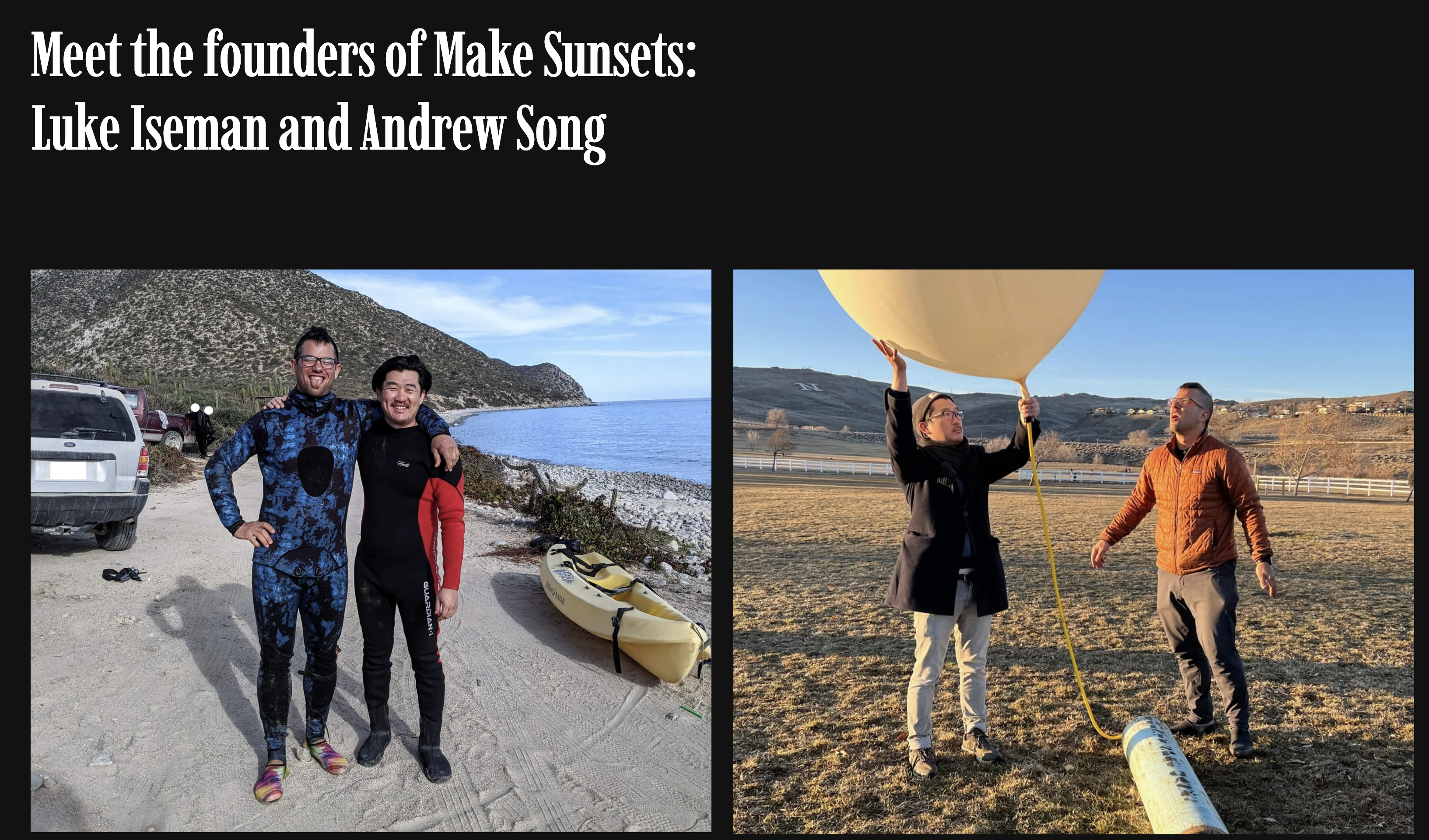
Make Sunsets founders

Their ethos? Act now, ask forgiveness later.

Make Sunsets, a geoengineering startup based in South Dakota, continues to attract both controversy and attention as it pushes ahead with its mission to “Make Earth Cool Again”—literally. The company, founded by Andrew Song and Luke Iseman, has been releasing sulfur dioxide into the stratosphere using high-altitude balloons, an experimental (and deeply polarizing) method of solar geoengineering designed to reflect sunlight and reduce global temperatures.

In a recent newsletter from 10 days ago, Make Sunsets revealed that it had responded to inquiries from the US Environmental Protection Agency (EPA), guided by two former EPA lawyers. Their cheeky tone remains unchanged: “Let’s ensure American energy dominance as well as a safe and healthy environment by Making Earth Cool Again,” they wrote.

Make Sunsets founders

Despite the EPA referring to their activities as “unregulated,” the founders are confident the agency doesn’t have a solid legal basis to shut them down. “We predict they’ll stay out of our way,” they wrote. And they aren’t slowing down—this month, they launched five new balloons carrying 5,895 “Cooling Credits” worth of sulfur dioxide to altitudes of 30 km, with two of three payloads successfully recovered.

Critics Say “Wait,” They Say “Why?”

The company’s critics, including many climate scientists, argue that Make Sunsets is moving too fast with a technology whose global impacts are uncertain. Solar geoengineering could potentially reduce global temperatures, but it also poses major ethical, geopolitical, and ecological questions—who decides when and where to deploy it? What are the long-term risks?

“The existence of companies like Make Sunsets is precisely why CCAN supports public-funded research and opposes private money in both solar geoengineering testing and deployment. Research must be held to the highest bar, conducted with full transparency, and developed in a way that explicitly benefits the public good – not corporate profit margins,” says Quentin Scott, Federal Policy Director for the Chesapeake Climate Action Network (CCAN) said.

“CCAN is speaking out in strong opposition to the work of this renegade firm because it is a dangerous distraction from the serious scientific research that needs to be done.

“However, the Environmental Protection Agency (EPA) opposition to Make Sunsets is hypocritical and factually inaccurate. EPA says that Make Sunsets may be adversely impacting air quality, but the truth is that the sulfur dioxide that this company releases is dispersed too high in the atmosphere to impact the air we breathe.

“Additionally, the EPA’s pretense of using the Clean Air Act to threaten Make Sunsets is absurd when the administration is repeatedly attacking that same landmark legislation in the courts, Congress, and public discourse. If the EPA truly stood for the principle of protecting pristine air for all Americans, they would enforce the Clean Air Act provisions that they are Congressionally mandated to enforce instead of making up new ones.”

Make Sunsets, on the other hand, is openly skeptical of the academic establishment. They vented their frustration after attending the recent Degrees Global Forum in South Africa, the largest solar geoengineering gathering to date. Their takeaway: “many get paid to talk, not act,” calling out scientists who “live in a fantasy land” for believing in the feasibility of global net-zero emissions by 2100.

Potential Emergency Climate Tool: If global warming accelerates to dangerous levels and mitigation efforts fall short, solar geoengineering could serve as a temporary emergency measure. Make Sunsets contributes early real-world data and experimentation that could prove valuable in understanding the viability of such options in the future.
Potential Emergency Climate Tool:
If global warming accelerates to dangerous levels and mitigation efforts fall short, solar geoengineering could serve as a temporary emergency measure. Make Sunsets contributes early real-world data and experimentation that could prove valuable in understanding the viability of such options in the future.

The newsletter was especially pointed in its critique: “Do we really need another study on the potential impact to maize yield in Ecuador? You know what else hurts maize yields? Record-breaking temperatures, continent-sweeping fires, and longest-recorded droughts.”

Related: Climate change Greta Thunberg sails to Gaza on Freedom Flotilla 

Their core argument: we’ve run out of time for endless modeling—climate interventions are needed now.

Business Model: Selling “Cooling Credits”

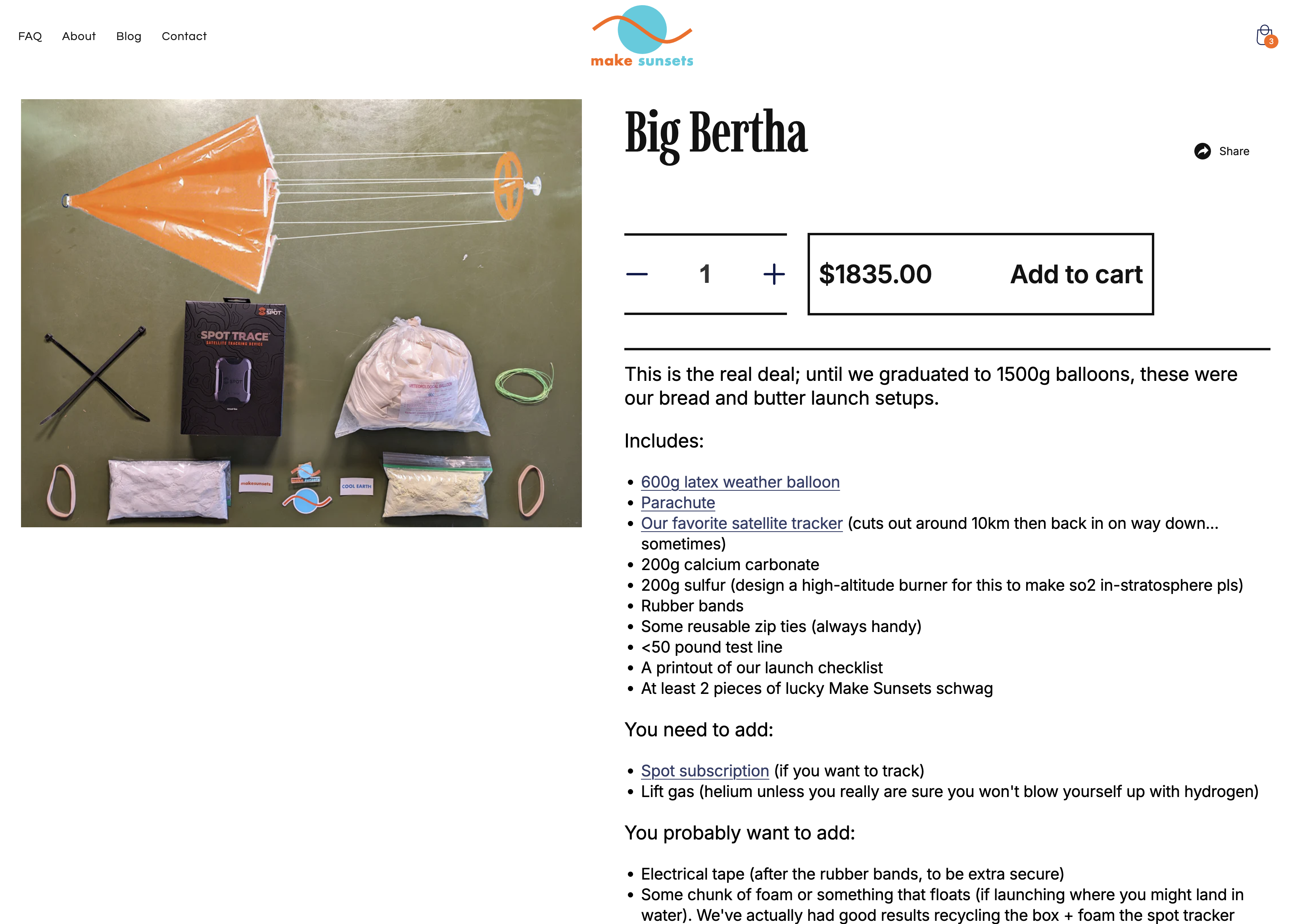
Make Sunsets generates revenue by selling “Cooling Credits”—units purchased by individuals or companies who want to fund solar geoengineering as a form of carbon offset. With a revenue of $9,414 in the last month (May) and expenses (“burn”) of $40,135, they are burning cash but still have a healthy runway of 20 months, supported by a reported cash balance of $969,009.
They’ve recently added a fiscal sponsor, allowing tax-deductible donations to the effort—another controversial move that may signal their intent to operate partly in the nonprofit space.

The company has ambitious plans:

$14K in sales for May

First paid “return-to-home” balloon flight

Signing a client for localized cooling—a move that could mark the beginning of geoengineering-as-a-service

Despite the scientific and regulatory uncertainty, Make Sunsets continues to scale what many consider a rogue climate experiment. Their ethos? Act now, ask forgiveness later.

Whether they represent a radical new frontier in climate action or a reckless gamble remains deeply contested. But one thing is clear—they’re not waiting for permission.

Ancient “Drink-Off” Between Dionysus and Hercules Found on 1,700-Year-Old Roman Coffin

0
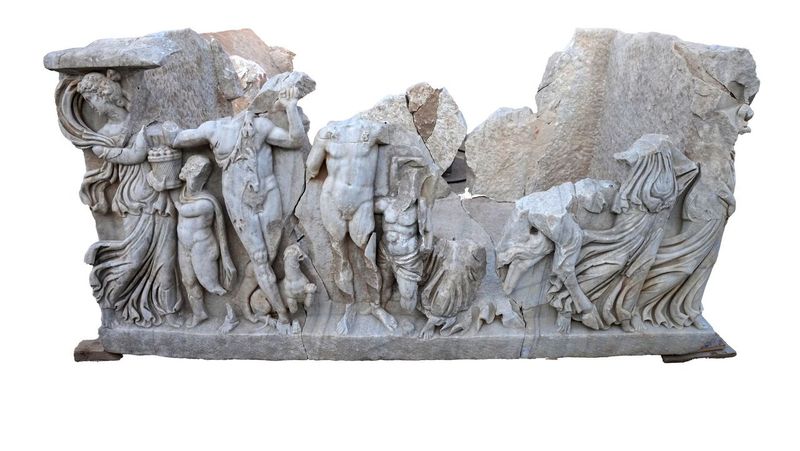
Dionysus and Hercules are depicted in a drinking game on new coffin found in Israel

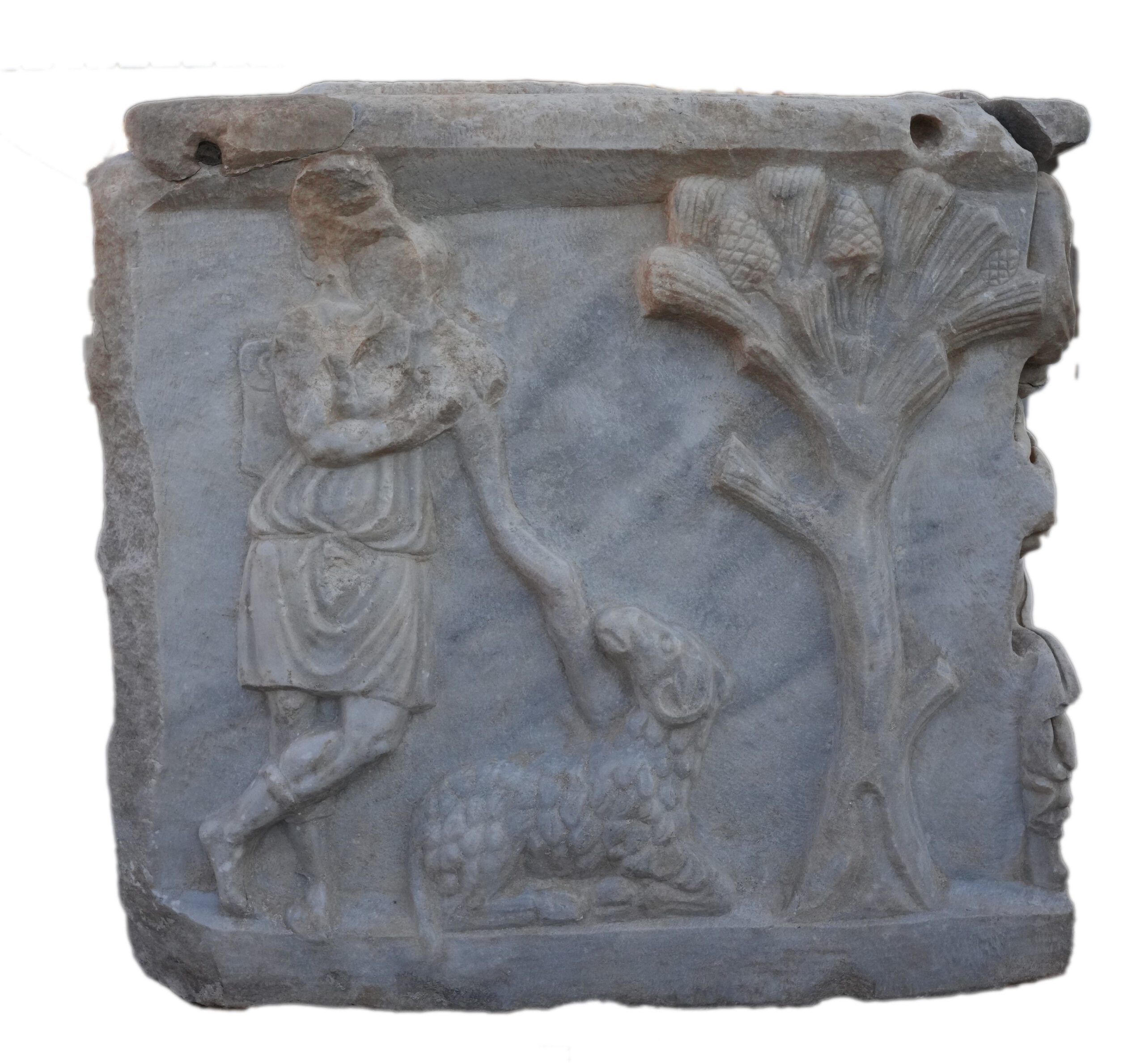
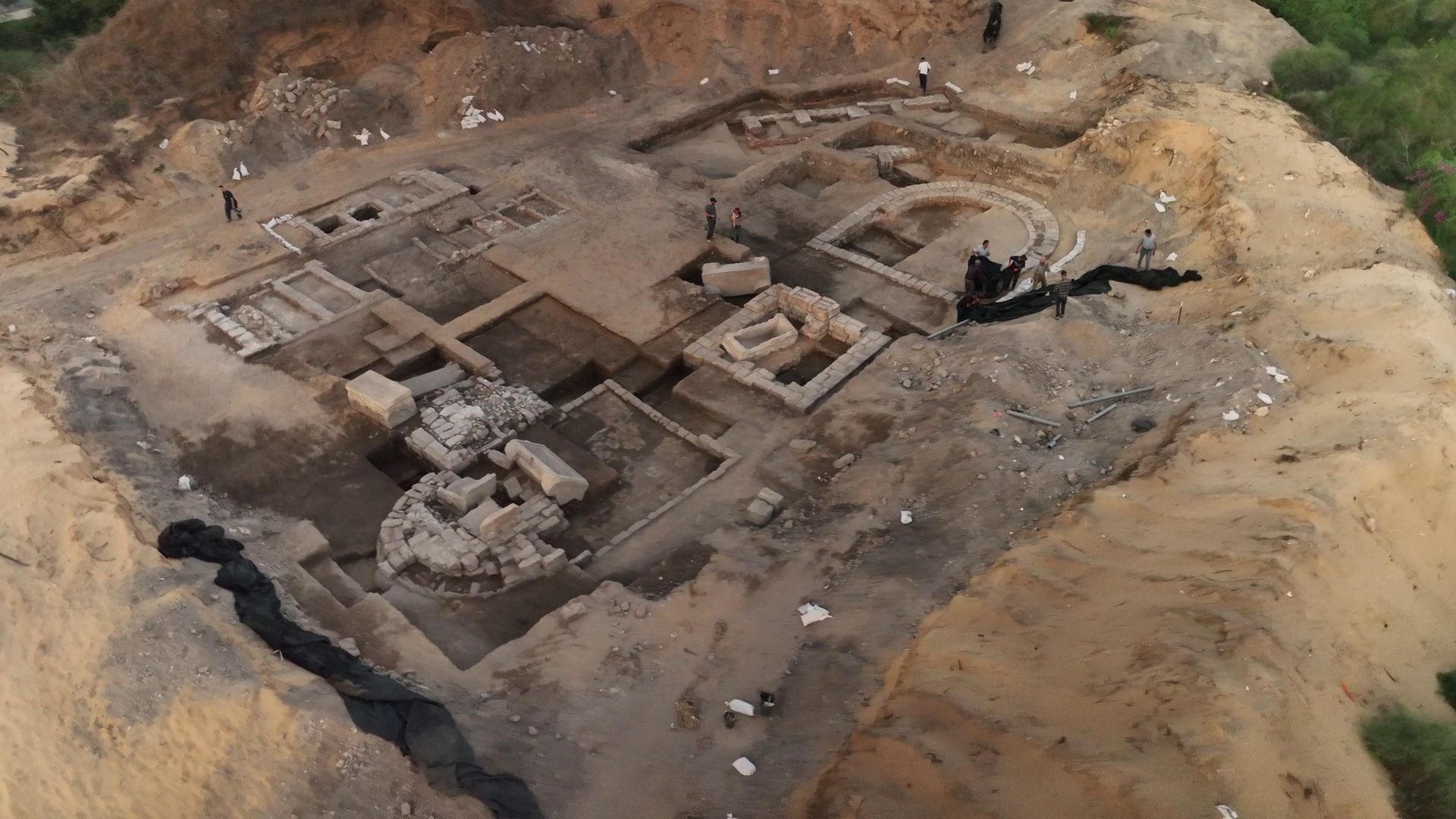
A rare and intricately carved Roman marble sarcophagus, dating back 1,700 years, has been unearthed during a rescue excavation by the Israel Antiquities Authority (IAA) in the ancient port city of Caesarea. The find, described by archaeologists as “spectacular and unique,” features a vivid mythological scene of a drinking contest between Dionysus—the god of wine—and the hero Heracles (Hercules).

The sarcophagus after its conservation by the expert conservators of the Israel Antiquities Authority’s Conservation Department

This marble coffin may be the oldest “party scene” ever found in Israel—and it’s carved in stunning detail.

Instead of red Solo cups and keg stands, this ancient drinking game involved gods and demigods slugging it out in style. The scene on the sarcophagus shows Dionysus, the god of wine and wild nights, going head-to-head with Hercules, known for his brute strength and legendary hangovers.

Caesarea, home of the original drink-off?

The excavation was launched by the IAA in collaboration with the Caesarea Development Corporation, which has been working to preserve and restore the historical treasures of the city.

Carved in high relief on gleaming white marble, the sarcophagus depicts the legendary showdown between Dionysus (known in Roman mythology as Bacchus) and Heracles, a symbolic battle of indulgence and strength. In classical mythology, Dionysus challenges Heracles to a drinking contest—a moment of revelry that showcases the god’s cunning and command over pleasure.

Related: why Muslims don’t drink alcohol

Experts believe the sarcophagus once belonged to a high-status individual—likely Roman or Romanized elite—interred in Caesarea during the 3rd or 4th century CE, when the city thrived under Roman rule.

“This is the first sarcophagus of its kind found in Israel with this specific mythological scene,” said Dr. Peter Gendelman of the IAA. “Its craftsmanship, condition, and content are exceptional.”

Founded by Herod the Great and once a glittering Roman provincial capital, Caesarea Maritima remains one of Israel’s most archaeologically rich sites. Finds from recent years have included Roman-era mosaics, Byzantine churches, and Crusader fortifications—but this sarcophagus, with its mythological imagery and well-preserved artistry, stands out.

“This discovery adds a rich new layer to our understanding of Roman funerary culture in the eastern Mediterranean,” noted Dr. Helen Goldstein, classical art historian at Tel Aviv University. “The depiction of Dionysus and Heracles is not only artistic—it reflects the spiritual and cultural values of the elite in late antiquity.”

The sarcophagus will be formally presented to the public on Thursday, June 12, where it is expected to draw significant interest from scholars and heritage professionals. Conservation experts are currently studying the piece, and plans are underway to display it in Caesarea or at a national museum.

Site in the ancient port city of Caesarea

The IAA continues to urge developers and landowners to coordinate in advance with heritage authorities, as salvage excavations like this one often reveal irreplaceable cultural treasures.

So next time you’re playing quarters or stack cup, raise a glass to Dionysus and Hercules—the original players of the ancient world.

Make mersu, the oldest known dessert in history

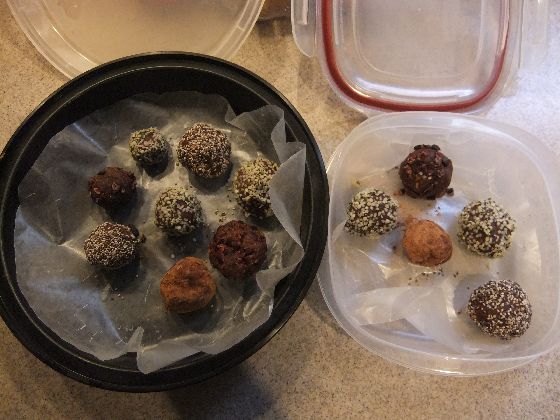
Make mersu, a divine sweet made for the gods

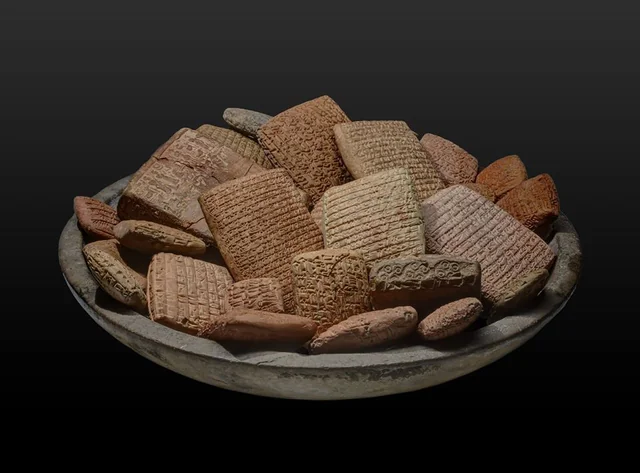
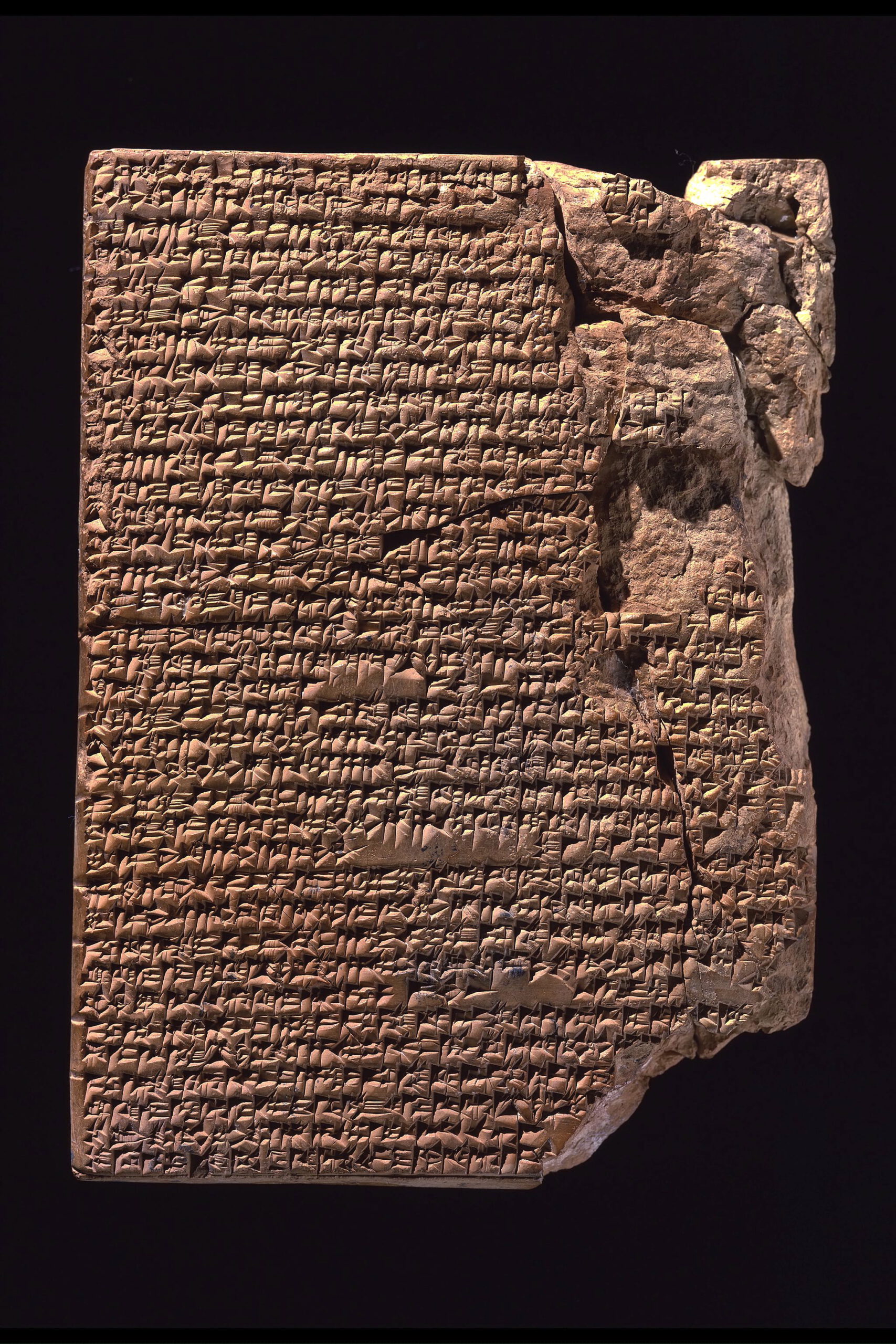
Mersu (also transliterated mirsu) is a simple, sweet confection made from dates and nuts, with occasional additions like honey or spices. Its earliest written record appears on Old Babylonian cuneiform tablets, dating back over 3,700 years to the time of Hammurabi (circa 1800 BCE). The tab

In Mesopotamia, which is modern day Iraq, the date palm was revered as a symbol of fertility, abundance, and divine favor. Mersu was not an everyday snack—it was crafted by temple cooks and royal pastry chefs as ritual offerings, served during religious festivals and placed in temples as gifts to the gods.

These tablets describe Mersu not as a precise recipe, but as a food category—a kind of sweet lump or cake made from pounded dates and nuts, shaped by hand. Sometimes flavored with ghee, honey, or sesame, these sticky morsels offered both nourishment and symbolism, representing the bounty of the gods and the richness of the land between the Tigris and Euphrates.

Old Assyrian cuneiform tablets from the Yale Babylonian Collection

Related: this Iraqi sweet is made from cattail pollen

Authentic Mersu Recipe (Modern Interpretation)

This modern take is adapted from cuneiform-era ingredients. It’s naturally gluten-free, vegan, and requires no cooking—a testament to the timeless ingenuity of ancient foodways.

Ingredients:
1 cup soft, pitted dates preferably Medjool because they are soft and malleable. Other dates might be too dry.

½ cup chopped nuts (e.g., walnuts, pistachios, or almonds)

1–2 tablespoons honey (optional but traditional)

Optional Additions:
A pinch of cinnamon or cardamom

A drizzle of sesame oil or a few crushed sesame seeds

A touch of salt to balance sweetness

Cacao nibs/raw cacao powder

Chia seeds

Make an ancient versions of mamoul, a Middle Eastern date cookie by using an emmer wheat or Einkorn flour covering.

An emmer wheat coating, like a fig newton can be made from these ingredients

  • 1 1/2 teaspoons ground coriander
  • 1 1/2 cup of artisan bread flour and 1 cup of Einkorn flour
  • 2/3 cup ghee
  • 70 g honey
  • 1/2 Teaspoon of rose water

Instructions:
Mash the dates using a mortar and pestle or food processor until smooth and sticky. Our favorite way is to buy a rectangle of date paste. Find it in Middle East or Asian food markets. It makes making mersu so easy!

Mix in the chopped nuts, honey, and any optional spices or seeds.

Form into small balls or patties with your hands—about the size of a walnut.

Serve as is, or roll in extra crushed nuts or sesame for texture.

Serving Notes:
Mersu is energy-dense and sweet—think of it as a Bronze Age power snack.

Serve on a small plate with tea, or offer it as part of a ritual meal to honor the culinary traditions of ancient civilizations.

Some of the earliest references to Mersu appear in the context of offerings to Ishtar (goddess of love and war) and Marduk (chief god of Babylon), suggesting that these sweets were thought to please the divine palate as well as the human one.

The world's first cookbook
The world’s first cookbook

“For me, let them bring in the man of my heart. Let them bring in to me my Ama-ushumgal-anna, the Power of the Date-Palm. Let them put his hand in my hand, let them put his heart by my heart. As hand is put to head, the sleep is so pleasant. As heart is pressed to heart, the pleasure is so sweet.” ~ kunĝar (Sumerian religious song) to Inanna

These are great snacks to make for kids. Keep them in an airtight plastic container in the fridge for weeks. If you have a nut allergy in the school or family, sub out the nuts with seeds. The whole thing is really versatile. Dates are packed with natural sugars, fiber, and essential vitamins like B6, B3, and B5, which support energy, brain health, and metabolism. They also contain vitamin A for vision and immunity, and vitamin K for bone strength and blood clotting. Rich in antioxidants and minerals like potassium and magnesium, dates are a naturally sweet, nutrient-dense food that has sustained people for thousands of years.

New research suggests that vitamins and amino acids like taurine found in health snacks and energy drinks may not be a biohacking secret. They might actually lead to cancer. Follow the secrets of the ancients, and biohack from the past!

If you love this idea, jump ahead where our writer Kelly Milone makes energy balls from dates, and coconut. No doubt her history is informed by mersu!

They're basically ancient versions of mamoul, a Middle Eastern date cookie, and those are really, really good.
Energy date balls

Was Greta Thunberg “kidnapped” by the IDF?

Freedom Flotilla, Gaza, Israel, Greta Thunberg
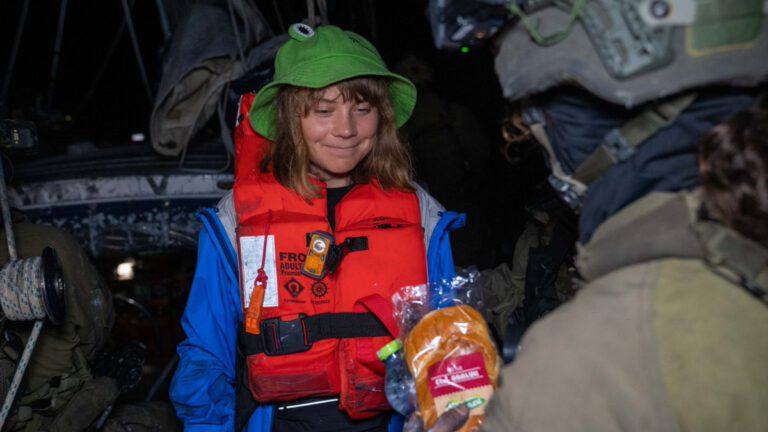
Israel’s IDF gives the Gaza Freedom Flotilla sandwiches made from Challah bread

“Greta Thunberg is currently on her way to Israel, safe and in good spirits,” says Israel’s Ministry of Foreign Affairs in early hours of the morning.

At around 3 a.m. on Monday morning, the Israeli Navy boarded the Madleen, a small sailboat launched by the Gaza Freedom Flotilla coalition. Branded the “selfie yacht” by Israel’s Foreign Ministry, the vessel was intercepted in international waters and towed to the Port of Ashdod without injury. Shayetet 13, Israel’s elite naval unit, completed the operation peacefully.

But the real battle, as always, was on social media.

As Israeli forces approached, alarms sounded onboard. Activists posted videos claiming they were “surrounded by warships,” that the boat was being “kidnapped,” and that they were now “hostages of Israel.” One participant warned the world via Instagram: “We are being hijacked.”

Meanwhile, the IDF calmly offered water and sandwiches. The Israeli Foreign Ministry called the stunt what it was: a made-for-Instagram performance masquerading as humanitarian action.

Let’s be honest. This wasn’t an aid mission—it was a floating media event. The ship carried less than a truckload of supplies, while Israel, under fire and duress, has facilitated over 1,200 aid trucks into Gaza over the past two weeks. If the mission were truly about delivering help, the organizers would have used the Ashdod route like every NGO on the ground.

The message from the MFA was clear:

“The passengers are expected to return to their home countries. While Greta and others attempted to stage a media provocation whose sole purpose was to gain publicity — and which included less than a single truckload of aid — more than 1,200 aid trucks have entered Gaza from Israel within the past two weeks, and in addition, the Gaza Humanitarian Foundation has distributed close to 11 million meals directly to civilians in Gaza.

“There are ways to deliver aid to the Gaza Strip — they do not involve Instagram selfies. The tiny amount of aid that was on the yacht and not consumed by the “celebrities” will be transferred to Gaza through real humanitarian channels.”

Freedom Flotilla crew as the IDF enters the 18 meter yacht, flying under a French flag as Barcarole

One of the participants on the boat, a French and Syrian citizen, Rima Hassan, a Syrian refugee who came to Niort, France at age 9 and who was recently denied entry into Israel for her denial of October 7 atrocities.

I have been to Syria and it’s such an antisemitic country that when I was there knew I could “actually” be kidnapped if I mentioned just the word Israel or that I had been planning on visiting Israel after my trip to Jordan. Instead, you say Disneyland. Me and my travel companion Cara had spies following us around Aleppo, the same paranoid city from which Rima is from. Syrians are bred to hate Israel and Jews with a passion, and it’s no doubt she has carried vengeance for Israel as she attempted to “break the siege” to enter Gaza.

Rima is abusing the freedom of western values to try and destabilize the Middle East through peddling lies and instigating mentally-challenged people with autism like Greta Thunberg to risk their lives in a cause that is meant to stew breed contempt and harassment of Jewish people globally. Thunberg has since abandoned the cause of climate change.

Other members of the “flotilla” of one include Game of Thrones actor Liam Cunningham—alongside individuals with known ties to pro-Hamas propaganda, and one who attended the funeral of Nasrallah, the head of the Hezbollah terror organization.

The IDF, anticipating the media backlash, made efforts to engage the ship through civilian maritime communication. A video later published showed Israeli officers politely instructing the vessel to redirect to Ashdod, where aid could be legally processed and sent to Gaza.

Instead, the flotilla chose social media confrontation, armed with phone cameras and hashtags set up in advance.

Israeli Defense Minister Israel Katz ordered that Thunberg and the others be shown raw footage of the Hamas-led October 7 massacre so they understand why Israel is trying to return its hostages and remove Hamas from power: “It is appropriate that antisemitic Greta and her fellow Hamas supporters see exactly who they came to support.”

The term “antisemitic” may sound harsh—but this flotilla never mentioned Hamas rockets falling on Israeli kindergartens. It made no distinction between innocent Gazans and genocidal militants. And while Greta amplifies every detail of Israel’s military operations, she remains silent on Iranian executions, Syrian prisons and mass executions of which Rima is very familiar; she doesn’t mention China’s Uyghur gulags or the killing of Yemenis by the Houthis.

You can’t claim the moral high ground while sailing with people who excuse child slaughter. Activism without ethical clarity becomes hate theatre. In this case, it’s dangerous theatre.

At Green Prophet, we believe in environmental justice and human rights. We support Palestinian dignity and freedom—but we reject moral relativism that glosses over terror. You can fight occupation without glorifying those who massacre innocents.

I once interviewed the mayor of Ashkelon Benny Vaknin about a peace initiative he launched nearly 15 years ago. His city borders the Gaza enclave, and he had developed a plan to offer sewage treatment technology—freely—to the people of Gaza. He had secured funding and partners in Brazil, and was prepared to meet the then-mayor of Gaza Maged Abu Ramadan in a neutral location to start the work. But when the Gaza mayor requested permission to travel, Hamas shut it down. Shutting it down by Hamas doesn’t mean they lock your office, it means they threaten your life. That’s the reality: you cannot negotiate with terrorists.

Any form of cooperation with Israel, even for humanitarian projects, is branded as “normalization”—a dirty word in the vocabulary of extremists. It’s not about peace. It’s about control, suppression, and sustaining conflict. Hamas—and the activists who blindly support them—aren’t interested in building a future. They thrive on perpetual division and chaos.

When I called out the so-called “Freedom Flotilla” for what it really was, I was immediately blocked by its organizers. They know that when a white, liberal woman from Europe sees through their narrative and speaks out, it deflates the entire performance. Because that’s what this flotilla was: a performance. Not for peace, but for provocation.

This boat wasn’t hijacked. It hijacked the truth.

Read all our coverage of the Gaza Freedom Flotilla here.

Lesser Known Ways To Economize On Groceries

Supermarket shopping

With food prices rising, many of us are thinking of ways to save money and still eat well. Try some of these lesser-known ways.

Go shopping in your pantry. Sometimes we’re so used to seeing something that we don’t even see it anymore. What’s with that pasta, that can of tuna, that jar of olives lurking in the pantry? Plug those ingredients into a recipe developer tool. There are many online. You’ll find recipes like pasta al tonno, which is served hot. With a drizzle of olive oil or mayonnaise, the same ingredients could make a cool summer pasta salad.

Respect your leftovers. It’s tried but true advice. Shred leftover chicken, meat, hardboiled eggs, or fish to use as filling for a sandwich. Stash leftover salad in the fridge right away and pick on it soon, before it gets too sad. Leftovers are simply food.

Check your local grocery store’s website for flash sales or overstock discounts. These opportunities aren’t always announced on the app or flyer.

Take time to compare unit prices (price per ounce, liter, etc.) between brands or sizes. Is that extra-size pack of toilet paper really cheaper, or does it cost the same as buying two? For online shopping, a quick glance at the unit prices under the ads answers that. In supermarkets, the unit price is often seen on a red tag next to the retail price.

Will you waste it in the end? If your purchase of, say, broccoli is too great for your immediate needs, cook it all but freeze the excess rather than letting it sit in the fridge waiting to get cooked sometime.

If your market offers unattractive produce at a reduced rate, snap it up. Take it home, pare away anything unsightly, and cook it. Our recipe for lettuce soup was born of a wilted lettuce whose heart was still sound. I recently made excellent apricot jam from a basket of soft, but unspoiled apricots that was going cheap.

Make apricot jam

Markets often lower prices on perishables just before restocking. Ask when your local place does this; often it’s on Tuesday or Wednesday evening.

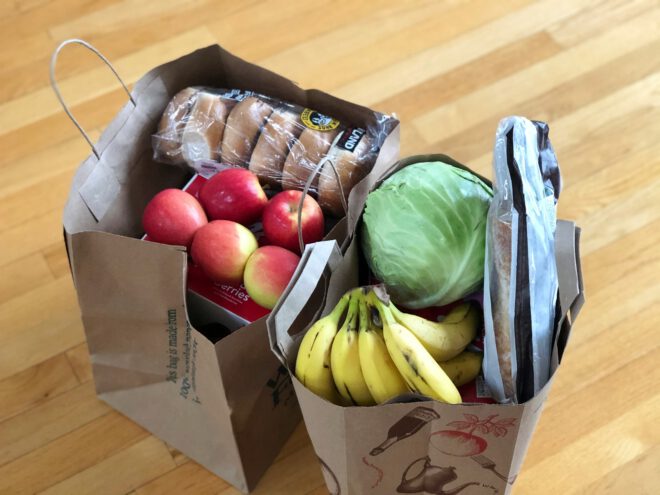
groceries

Look in on ethnic stores. If you’re lucky enough to shop where an local ethnic population goes, you might find better prices on grains, canned goods, and kitchenware.

There may not be a co-op shop nearby, but you can still buy in bulk. Keep an eye on stores, markets, and even individual manufacturers that advertise foods sold in bulk for a good price. Some shops are happy to discount a product sold in quantity if you approach them first. Be bold: ask them.

Maybe you’re on your own, or too few in the house to make a bulk purchase seem worthwhile. Think again. Get together with friends or with work colleagues and split the purchase. That way you get only as much as you need, instead of having too much product around for too long.

Make your own co-op?

An informal co-op takes a little organization. Every participant states how much they want to take home from the purchase; this is written down and shared to prevent misunderstandings later on. Then, someone must receive or pick up the goods and weigh them out. A scale or other way of measuring is needed. Then, everyone brings their own container to take their part away. The manager of the purchase shouldn’t have to deal with getting containers.

As for payment, it’s best that everyone pay their part upfront, but an equitable agreement should be worked out among trustworthy people.

I did this kind of group purchase when a local olive oil press offered a bulk discount. A jerry can containing 20 liters (5.28 gallons) came to the door. I had a scale for measuring, but a clean pitcher with the quantities marked off would have done as well. With a cheap hand siphon to draw the olive oil out, it all went quickly and everyone was happy.

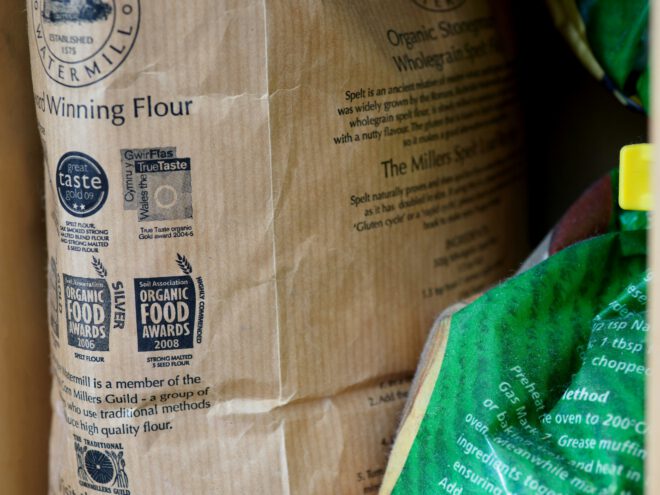
I’ve also bought flour in bulk through a similar informal co-op. Luckily the flour mill delivered it in neat kilo-sized packages; I’m not sure I would have tackled measuring and packing flour in my own kitchen.

bag of flour

You can also split a case of wine or beer from the liquor store with friends, if the manager allows a bulk discount. Booze bought from the brewery is still cheaper, of course.

Avoid Over-Shopping and Waste

Skip recipes that call for one-time-use ingredients. If a recipe calls for an expensive special ingredient, consider if you’ll likely use it again. No point keeping a jar or can of a specialty item around once it’s been opened, unless you’re sure you’ll repeat the dish or use the item in some other recipe. Ask me: I once kept a jar of capers languishing in the fridge until they gave up.

Don’t linger in the center of the shop, where the packaged goods aisles are. There’s where looms the temptation to do some impulse buying. First head for the fresh produce sections, which are deliberately placed at the edges and at the end of the shop, so you have to walk through the more expensive packaged goods first. If your list includes something from the packaged food aisles, pick up what you need and ignore what’s beckoning to you from the other shelves.

the aisle of junk
Be wise with sales. If the price is down because the product’s expiry date is coming up, consider if you’ll be using it soon. However, you might buy it anyway and freeze it for later.

Do you really need that? An item might look tempting, but if you don’t really need the product, walk on by. Even if it’s on sale. Disregard the junk so temptingly set out by the check point. Just unfocus your eyes.

Forget pre-shredded salads, packaged soups, industrially produced condiments and other convenience foods. Buy fresh ingredients and make these foods yourself. Yes, it takes time. No, it’s not as convenient. But nothing beats DIY for freshness, flavor, and money saved.

Even coffee is cheapest and most delicious brewed at home. It’s faster to percolate your own, then pour it into a thermos for drinking on the go, than to stand in line at the local coffee chain and wait for them to call your name. Not to mention: cheaper.

Following that thought, consider setting time aside for meal prep and condiments. Instead of scrolling through social media, make soup. Bake muffins. Cook up tomato sauce; it takes 20 minutes to put hot pasta on the table if you have tomato sauce at hand. Whizz up some pesto.

home made pesto

Freeze surplus in single- or double-serving portions. It’s easy to thaw them out in the microwave or on the stovetop. You’ll thank yourself later.

Lastly: cook what you buy, and eat what you cook.

How EcoPeace Uses Environmental Education to Bridge Borders in the Jordan Valley

0


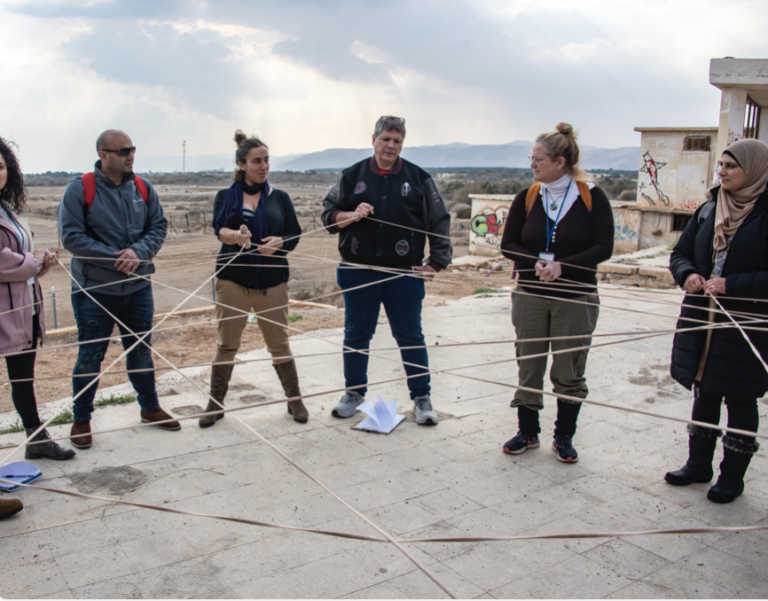
picture of teachers being taught and they are learning togethor.
EcoPeace’s Teacher Workshop

In a region long marked by political divides, armed conflict, and environmental degradation, EcoPeace Middle East is quietly advancing the power of peacebuilding. Peace through education. Through its cross-border teacher tours in the Jordan Valley, EcoPeace is bringing together educators from Israel, Jordan, and the Palestinian territories to address critical environmental issues.

EcoPeace has offices in Tel Aviv, Israel; Amman, Jordan; and Ramallah, located in the West Bank. It exists as one of the only organizations working together across these three locations. Their goal is ambitious, complex, and challenging: to utilize environmental challenges as a catalyst for regional cooperation. For two decades, their work has been shaped by a truth that transcends borders.

See Related Article: EcoPeace gets peacebuilding award

The Jordan River, stretching from the heights of Mount Hermon to the lowest point on Earth’s surface—the Dead Sea—is a symbol of biodiversity, religion, and culture. However, it has suffered from decades, if not centuries, of abuse. For years, raw sewage from countries, Jordan, Israel, and the Palestinian territories, has been poured into its waters. More than 600,000 Jordanians and 60,000 Palestinians continue to discharge waste into the river basin. Additionally, multiple dams have altered the flow and the stretch of the river downstream from the Sea of Galilee, which is significantly polluted. 

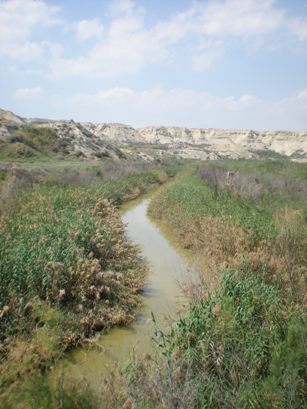
Stretch of the Jordan River


Yet, the mindsets and actions of those living in areas surrounding the Jordan River are undergoing a change. Israeli initiatives are invested in cleaner water, infrastructure, and sewage treatment. Both state-led and NGO efforts drive this renewed focus on the restoration. These efforts are slowly but surely transforming once-over-polluted areas into zones of rehabilitation, use, and recreation. Increased cooperation, driven by EcoPeace, has allowed for coordinated responses to the shared environmental threat. These cooperation efforts are not only cleaning the Jordan River, but are also creating new channels for positive regional dialogue.

One of the most effective ways EcoPeace advances its mission is by targeting educators. Each year, the organization hosts educational conferences specifically designed for teachers, primarily those in biology, ecology, and related fields. Approximately 25 teachers from Israel, Jordan, and Palestine participate in each session. These sessions focus not only on the Jordan River being a shared resource and a symbol of regional interdependence, but also on the importance of preserving it. Additionally, they focus on the interactions between teachers from the conflicting groups.

They are designed to create empathy, cooperation, and inspire teachers to integrate transboundary environmental programming into their curriculum. Each session is followed up by support and guidance on how to engage students with the environmental peacebuilding material. Workshops used to take place in Jordan, with all participants traveling there. However, due to the ongoing war between Israel and Hamas, sessions are now held in Cyprus.

The teacher workshops and tours serve as a platform for both learning and dialogue. Regional-political complexities are not ignored; they are engaged, debated, and discussed. However, the program encourages participants to look beyond national and media narratives to instead focus on the common good. Helping educate the youth to provide a better environmental future. When teachers from Tel Aviv, Amman, and Ramallah examine the same stretch of polluted river, it creates a shared experience. The shared concern for the Jordan River, as well as other environmental issues, and, on a larger scale, the region, becomes the foundation for a deeper understanding.

EcoPeace’s work is not limited to the Jordan Valley. The organization is also active along the Alexander Stream and near the Dead Sea. Both areas, like the Jordan River, face enormous environmental stress. What all of these locations have in common is that all three participants within EcoPeace are affected. Both geographical ties and responsibility ties interconnect the Middle East. The typical mindset of “It is someone else’s problem” does not work. It takes teachers, the youth, and the region as a whole to come together to solve these problems because they are everyone’s.

EcoPeace’s strategy is dual, combining both bottom-up and top-down approaches. The bottom-up approach focuses on the aforementioned teacher workshops and trickles down education to the youth. The top-down approach focuses on EcoPeace’s efforts to collaborate with government officials and decision-makers, aiming to influence policy and regional environmental practices. 

The organization has been instrumental in advancing the “Green Blue Deal.” This is a project that entails Israel providing desalinated water to Jordan in exchange for energy. This is made possible due to Israel’s experience and expertise in desalination plants, along with Jordan’s expansive geographic area for solar and wind farms. Projects like this are designed to foster interdependence, where both countries rely on each other for mutual benefit. With interdependence comes cooperation, and with cooperation comes increased normalcy in relations.


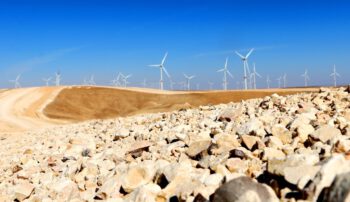
Ma'an Wind Farm
Ma’an Wind Farm in Jordan

Even amid rising tensions and conflicts, EcoPeace remains committed to its mission. In the aftermath of the October 7th attacks carried out by the terrorist organization known as Hamas, the organization maintained communication across all offices. Staff members checked in on colleagues from all sides, underscoring their commitment to preserving connection even during times of conflict.

See Related Article: The wind farms of the Middle East

The resilience of the educational programs is astounding. While many participants may enter tours with skepticism or strong preconceived notions, they often leave with new perspectives and a deeper appreciation. While political solutions remain improbable, educational ones are already in motion. 

See Related Article: The Blue Green Deal and climate pacts between enemies

EcoPeace aims to expand the teacher programs and increase its reach in the coming years. With more than 1,000 students already directly impacted by the initiative, the organization utilizes teachers as ambassadors for environmental peacemaking.

In a region where peace is scarce, EcoPeace offers a solution—one where educators plant the seeds of coexistence. 

To learn more about EcoPeace’s educational programs and environmental peacebuilding efforts, visit https://ecopeaceme.org.


Meet Hyphyn, the First Biodegradable Performance Upholstery

0

In an industry often criticized for waste and pollution, a revolutionary material is changing the narrative. Hyphyn, the first biodegradable performance vinyl, is setting a new standard for sustainable design—without sacrificing the durability that businesses, designers, and institutions have come to rely on.

Related: What we know about the Freedom Flotilla

Engineered with a patented enzyme system and a proprietary resin blend, Hyphyn performs like the commercial-grade vinyl used in high-traffic settings—offices, hospitals, hotels, schools—but offers something no other vinyl can: it breaks down responsibly at the end of its life. In landfill conditions, over 90% of Hyphyn biodegrades within two years. No microplastics. No toxic legacy.

“True innovation isn’t just about creating something new—it’s about rethinking what’s possible,” says Iwan Nassimi, Executive Vice President at Nassimi, the company behind Hyphyn. “We reimagined vinyl’s entire lifecycle.”

Traditional vinyl is prized for its low cost, resilience, and cleanability. But it lingers in landfills for generations, shedding microplastics and leaching chemicals. Hyphyn disrupts that cycle. This new material gives sustainability-minded designers and specifiers a powerful alternative—one that doesn’t require compromising on performance. Hyphyn maintains the strength, finish, and easy maintenance of traditional vinyl, but degrades only when it reaches a landfill, where its embedded enzymes activate, breaking the material down into inert gases. These gases are then captured and turned into energy—a rare win-win in waste management.

“Hyphyn isn’t just about where a product begins or how it performs,” adds Nassimi. “It’s about where it ends up—and what it leaves behind.”

Hyphyn will debut at the Sustainability Lab during NeoCon 2025, June 9–11, and will be showcased at select distributors in THE MART, including Arc-Com, CF Stinson, Mayer Fabrics, Momentum Textiles & Wallcovering, Pallas Textiles, and Wolf Gordon.

Greta Thunberg Sails Toward Gaza as Israeli Navy Prepares Interception

0
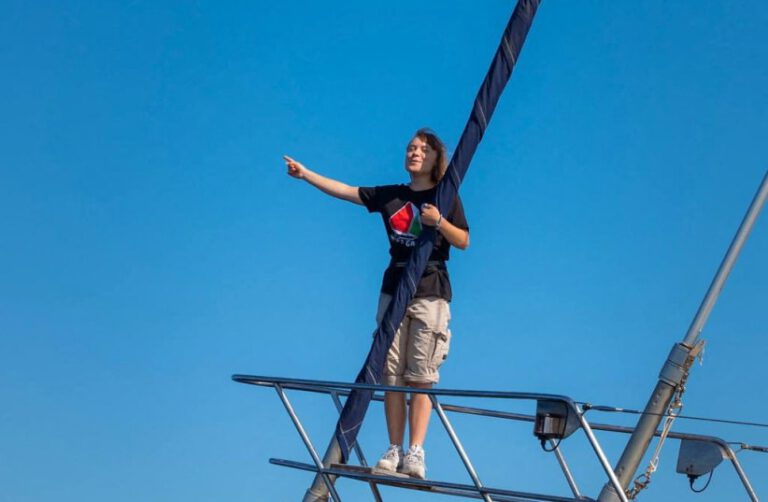
Freedom Flotilla Boat, Greta Thunberg, Titantic

Climate activist Greta Thunberg is aboard a Gaza-bound humanitarian flotilla (of one) now navigating the eastern Mediterranean, as the Israeli navy signals it is prepared to intercept the vessels enforcing what it calls a “security naval blockade.”

The boat is expected to arrive close to Gaza tomorrow.

Related: What we know about the Freedom Flotilla

The voyage—part environmental, part humanitarian, and wholly political—is shaping into another high-stakes confrontation at sea.

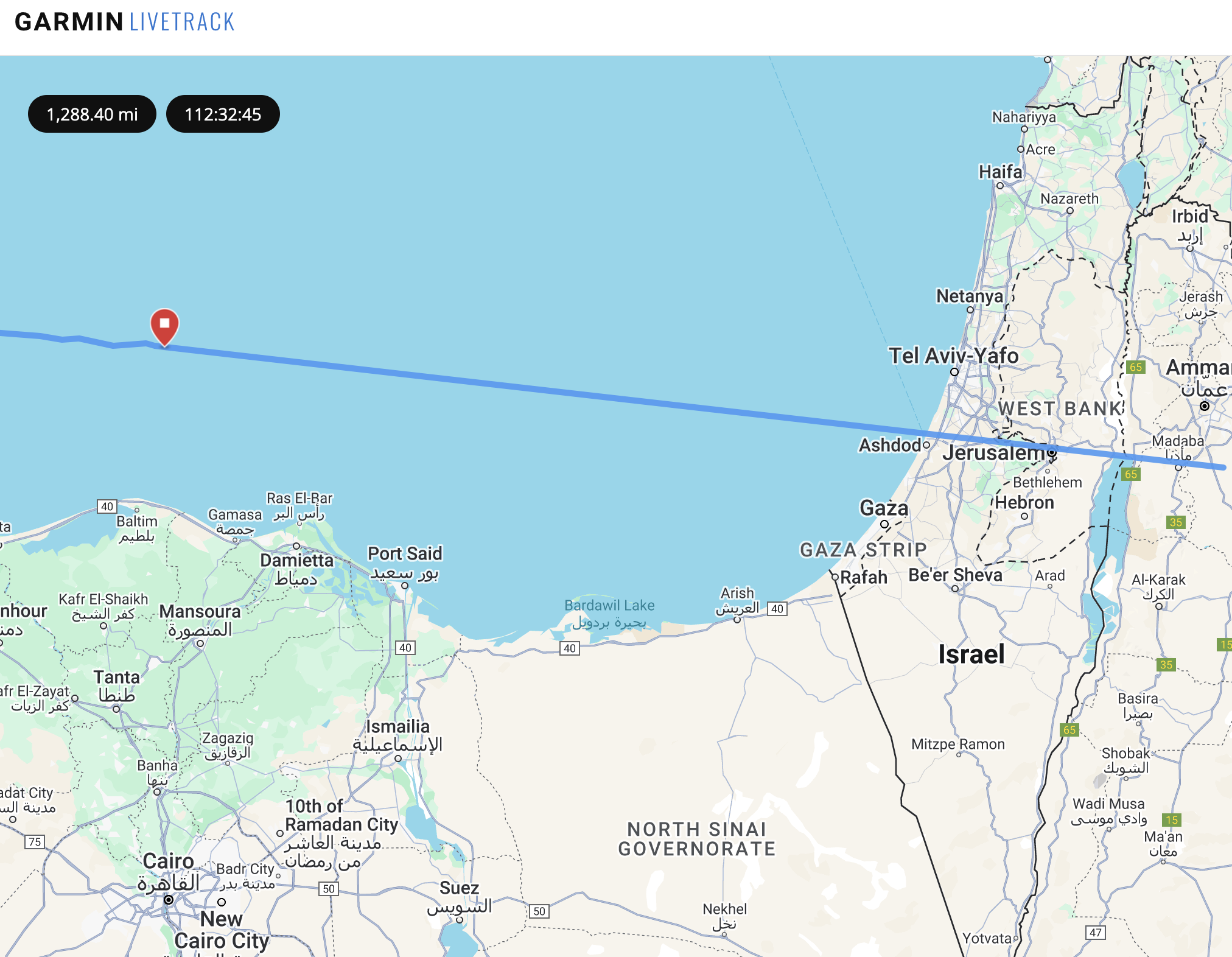
According to the Garmin tracker on the boat, the Barcole schooner is headed straight for the Ashdod port, suggested that some diplomatic agreement has already been discussed and agreed upon for optics. Had the boat marked Port Said, they’d likely get stopped by the Egyptian army, which has no history of kindness, when it comes to saving or helping boats in distress.

The Garmin tracker is closing in on its goal of going to Gaza. The boat has marked Ashdod Port as its final destination, suggesting that a diplomatic agreement has been made for optics.

The flotilla, organized by the Freedom Flotilla Coalition, departed from the Italian port of Catania on June 1 and includes only vessel, confusingly, with two names, the Madleen and the Barcarole, sailing under a UK flag. On board are pro-Palestinian activists, including a Swedish and French citizen, one diplomat, and Greta Thunberg—now one of the most visible figures in the climate and social justice movement.

The ships are carrying what organizers describe as urgently needed aid: baby formula, rice, water desalination kits, women’s sanitary products, medical equipment, and prosthetics for children. Before heading south, the Madleen reportedly picked up Sudanese refugees in a symbolic move connecting global displacement crises.

“We are delivering hope and supplies where governments have failed,” said a spokesperson for the coalition. “This voyage is also a message: the blockade is not just illegal—it is lethal.”

The vessel carries 12 pro-Palestinian activists from the UK, France, Sweden, and other countries. Among them is French Member of the European Parliament Rima Hassan, who previously described the October 7th massacre as a “legitimate act.”

In an interview with the Sunday Times, Thunberg said that participants in the so-called “Freedom Flotilla” are in “high spirits” as they approach Gaza and they plan on live-streaming the interception with Israel’s navy commanders:

“We are aware of the risks, but we chose to sail because the real danger lies in remaining silent in the face of genocide,” she claimed. Following an aerial attack on a previous flotilla vessel in international waters near Malta six weeks ago, organizers arranged for a Greek drone and naval monitoring to accompany the current voyage.

Hassan posted on X (formerly Twitter) that the “Israeli army is preparing to intercept and seize the vessel using missile boats and Shayetet 13 naval commandos.”

The Israel Defense Forces (IDF) released a statement in reply to Green Prophet’s questions on how it will react:

“The IDF enforces the security naval blockade on the Gaza Strip and is prepared for a wide range of scenarios, which it will act upon in accordance with the directives of the political echelon,” the IDF spokesperson told Green Prophet. “We have nothing more to add.”

The blockade, first implemented in 2007 following Hamas’s takeover of Gaza, has been widely criticized by international human rights groups for contributing to what the UN now calls a humanitarian catastrophe. Since the October 7, 2023 attacks and Israel’s subsequent war in Gaza, aid access has been sporadic and heavily restricted.

Last month, Prime Minister Benjamin Netanyahu authorized what he called “basic humanitarian aid” into Gaza. But on the ground, fuel shortages, infrastructure collapse, and ongoing military operations have left much of the aid bottlenecked or inaccessible. This is mainly due to the Hamas terror group calling the shots within the enclave.

While Israel has urged the UK to prevent the Barcarole—a UK-flagged ship—from approaching Gaza’s waters, the British Embassy staff in Tel Aviv told Green Prophet it is currently checking if there will be any diplomatic efforts regarding the issue. They did not get back to us.

So far, no formal action has been announced, and both London and Paris have issued recent statements condemning the ongoing restrictions on humanitarian aid to Gaza. British and French leaders have warned that unless conditions improve, “concrete actions” may follow.

The Freedom Flotilla Coalition has launched similar efforts over the past 15 years, most famously the Mavi Marmara mission in 2010, during which Israeli commandos killed nine activists on a Turkish-flagged aid ship attempting to reach Gaza. That incident led to a diplomatic rupture between Israel and Turkey and triggered international investigations. On the Israeli side of the investigation improvised weapons were found on the boat and were used to attack the Israeli commandos, Israel asserted.

This time, the flotilla is more modest, and hundreds of boats have not joined them as they hoped, but the symbolism is powerful: Greta Thunberg—representing a generation of young, justice-oriented global activists—has placed herself at the heart of a decades-old conflict.

Her recent social media post from aboard the Madleen reads: “Let Gaza Live.”

For Green Prophet, the story of this flotilla is more than political theatre. It reflects the intersection of climate, conflict, and displacement—a convergence already visible across the region. With Gaza’s aquifers salinized, electricity grid collapsed, and agricultural systems destroyed, climate collapse in Gaza is not a future threat—it is a present condition.

Years ago when a peace-making desalinating plant was proposed, along with funding, Hamas sabotaged the Gaza mayor by not letting him leave the enclave to meet partners in Europe.

Greta’s presence isn’t just about humanitarian supplies. It’s about bearing witness to what happens when environmental injustice meets conflict

Green Prophet will continue to monitor the story as it unfolds.

Taurine in energy drinks may harm, not help: new study

0
Examples of Energy Drinks with Taurine:Red Bull: Contains around 1,038 mg per 8.3 oz can. Rockstar: 2,000 mg per 16 oz can. Monster: 2,000 mg per 16 oz can. Celsius: Around 1,810 mg per 12 oz can (part of a proprietary blend). Alani Nu: 2,000 mg per 12 oz can. Bang, Accelerator, Tab Energy, Go Girl Sugar-Free, Ghost Energy: Also contain taurine.
Taurine added to energy drinks

Everything in moderation, as common sense advice goes. It’s especially true when it comes to food. But people want to live forever and are buying promises of energy drinks with amino acids such as taurine, with the aim of living forever, or at least a decade longer is now in fashion.

Related: energy drinks and why to avoid them

The amino acid taurine is one of the basic building blocks of the proteins in our bodies and plays multiple other roles in biology. Previous research has suggested that low levels of taurine may signal—or even drive—aging, but a new longitudinal study by Rafael de Cabo and his team at the US National Institute on Aging (NIA) says the answer is more complicated in a new paper, published in Science.

“We clearly show that there’s no need for taurine supplementation as long as you have a healthy diet,” says Rafael de Cabo, a gerontologist at the NIA.

And one study a few months ago suggests that taking taurine-supplemented drinks or vitamins could cause harm if you have leukemia.

Related: why Muslims don’t drink alcohol

A new study out of the University of Rochester’s Wilmot Cancer Institute has raised serious concerns about taurine—a popular amino acid commonly added to energy drinks—potentially accelerating certain blood and bone marrow cancers rather than promoting longevity.

Researchers led by Dr. Jeevisha Bajaj found that while healthy bone marrow cells naturally produce taurine, leukemia cells can’t make it themselves. Instead, they import taurine using genes like SLC6A6, dubbed the taurine transporter.

In both human leukemia cell cultures and mouse models, this imported taurine enhanced glycolysis—the breaking down of glucose for energy—and in turn helped cancer cells thrive.

For people with leukemia: Taurine intake—via supplements, energy drinks, or intravenous use—may not be benign. The researchers suggest that limiting taurine exposure could slow disease progression, and propose future studies to monitor taurine levels in leukemia patients.

For the general public: While current evidence does not indicate taurine causes leukemia in healthy individuals, experts caution that mice models may not fully predict human risk.

Examples of Energy Drinks with Taurine:

  • Red Bull: Contains around 1,038 mg per 8.3 oz can.
  • Rockstar: 2,000 mg per 16 oz can.
  • Monster: 2,000 mg per 16 oz can.
  • Celsius: Around 1,810 mg per 12 oz can (part of a proprietary blend).
  • Alani Nu: 2,000 mg per 12 oz can.
  • Bang, Accelerator, Tab Energy, Go Girl Sugar-Free, Ghost Energy: Also contain taurine. 

A new food safe blue called jagua can help save Colombian forests

0
A new blue from the jagua fruit
Synthetic food dyes should be avoided in everything we eat. But a true blue natural food dye was missing –– until now. It comes from a fruit about the size of a kiwi or a guava, growing on a semi-deciduous tree called the Genipa americana in the forests of Colombia. Opening a new chapter in the chronicle of food safety, it’s a “holy grail” in the food industry, the first ever blue food colouring to be natural in origin and resistant to acids. Let’s hope new interest in it will help protect forests, not cut them down.
When the pulp of the unripe jagua fruit is exposed to air, it turns dark blue in colour. The pigment has been widely used by various Indigenous Peoples in South America to paint their skin and dye their clothes, ceramics and some foods.
Now it’s been hailed by the food industry as the one remaining natural food colour needed to complete the entire spectrum. It was recently included in the Codex Alimentarius, or “Food Code”, a collection of standards, guidelines and codes of practices.
The jagua blue food colouring was developed in Colombia by a private company that set about creating and collecting the data needed for the scientific assessment of the safety of this food additive.
After a thorough scientific evaluation and confirmation that it was a product for which there was a need, jagua blue has been permitted for use under the Codex standard governing food additives, which covers everything from confectionery to breakfast cereals.
For Colombia, the jagua blue standard is a big deal. Officials there predict that the inclusion of jagua blue in the Codex Alimentarius can help improve the economic wellbeing of Indigenous Peoples who have used the colorant for generations. Particularly hoping to benefit are the Emberá Indigenous Peoples, many of whom have traditionally lived on the riverbanks of the densely forested northwestern Chocó region.
Whatever the production model, Colombia hopes the safety standard can open up new markets and opportunities as well as drive biodiversity conservation and the adoption of sustainable agricultural practices.
internationally has grown exponentially.

A guide to solar farms on a farm

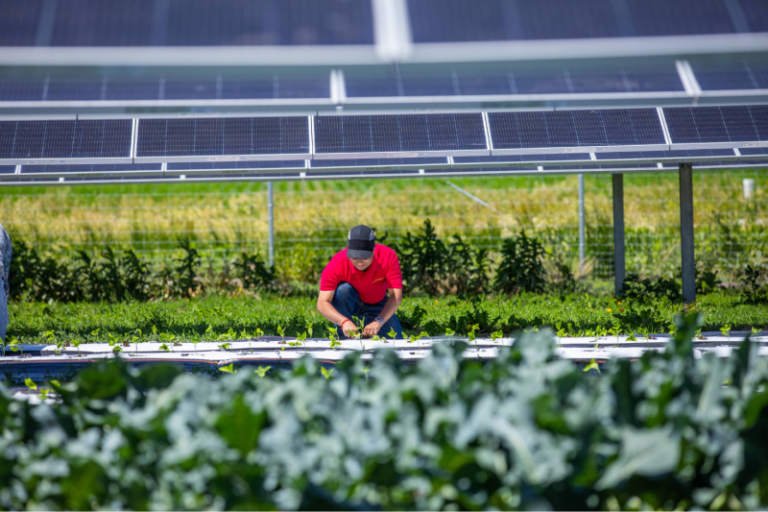
Farming under solar panels
Farming under solar panels. Bees and sheep are next.

Solar farms are often set in large desert areas, as it’s believed that not much happens in the desert. We know this is not true and all manners of life are impacted even in what looks like a dead desert. Ivanpah in California found birds, lizards and all sorts of plants that grow in the desert. Common sense people wonder about solar panels on the farm and why can’t they work? Farmers probably see it as a means to slow down farm efficiency, but a new model of success shows how solar panels and farms can work together.

At the Alliant Energy Solar Farm at Iowa State University, a 10-acre facility south of Ames, an interdisciplinary team of researchers is entering the second year of a four-year project to study agrivoltaics – agricultural use of land that’s also home to solar panels.

One of the main questions the researchers are exploring is whether growing food crops is compatible with solar arrays, using the tools and techniques needed to make produce farms viable and reliable – basics such as irrigation, fertilization, machinery, and weed and pest management. The answer is a resounding yes, said horticulture professor and chair Ajay Nair, one of the project’s leaders.

“One thing we’ve for sure found out is we can grow vegetables on a commercial scale on a solar farm. Period. There’s no doubt about it. We have demonstrated the practical aspects of an operation such as this will clearly work,” he said.

In the first year, the vegetable crops included broccoli, summer squash and bell peppers. While broccoli between the panels was a little smaller than in control plots, summer squash and peppers within the solar panel area produced better, Nair said. Additional years of growing data will be needed to draw firm conclusions, but the researchers think planting produce between panels could offer some relief from summer’s hottest days.

When partial shade can be an advantage to crops

Cows and solar panels
Cows and solar panels, via 8point9

“We know that vegetables need full sun. That’s true, but in July and August it can cause stress. Partial shade may help some plants cope,” he said.

It was too early to tell if the strawberries, raspberries, grapes and honeyberries fared better with some shade, as they typically don’t produce a full crop in their first year. But the fruit plants under the panels appeared to establish well, Nair said.

The project, which is funded by a $1.8 million grant from the U.S. Department of Energy, has attracted more attention than the researchers expected. The grant calls for two to three outreach events per year, but roughly 40 different groups visited the farm in 2024. The list of tours included students, growers, nonprofits, government officials, utility companies and other interested researchers. Some came from as far away as Africa and Australia.

Part of the draw has been the project’s public-private partnership. Alliant Energy built, owns and operates the solar farm, which has 3,300 panels capable of generating nearly 1.4 megawatts of electricity – enough to power about 200 homes at maximum capacity. Iowa State owns and leases to Alliant Energy the underlying land, which is part of the university’s animal science teaching and research farms.

“This solar farm advances the concept that land can be used for energy production and agriculture, while also delivering the energy solutions our Alliant Energy customers and communities can count on in a unique way,” said Nick Peterson.

“It’s been so critical to show how a utility can work with a landowner and farmers. Without that level of partnership, none of the other of things could have happened,” said O’Neal, the Henry A. Wallace Co-Chair for Sustainable Agriculture.

The agrivoltaics team has numerous plans for expanding in 2025. Research plots will now include land between fixed-angle solar panels, after focusing in 2024 solely on the tilting panels that track with the sun. Tomatoes are a new addition, and more pollinator habitat is planned, benefitting the on-site beehives included in the study.

Researchers also are looking to intensify efforts to optimize yield, such as more aggressive pest control.

The first-year production data will be analyzed by John Tyndall, a professor of natural resource ecology and management, who is developing enterprise budgeting resources to show growers the potential of a solar farm produce operation.

“Not only can you produce at these sites, but in some cases you can produce more. That’s big,” O’Neal said. “We’ll have a nice robust data set to help farmers who want to do this.”

To help manage and build upon public interest in the project, a donor funded the hiring of an outreach coordinator, Michael Killewald. That’s paved the way for a series of open houses starting June 27.

Want a tour? Online registration is required.

Team members – and their colleagues across campus – are also thinking about other research projects that would be a fit. Some animal science faculty hope to study livestock grazing under the solar panels, for instance.

These glasses see microplastics on the farm

0
Plastics at the farm
Microplastics are inside everything. New research makes a set of glasses to see what’s lurking on farmland

Microplastics are now in our food, baby placentas, and in the brains of teens who use plastic aligners. They are blowing in the wind getting to our lungs, they are in the fish and plants and food we eat and the impact is just being noticed and understood in areas like cancer and dementia.

Microplastics are bits of plastic smaller than 5mm, and while we follow people like Boylan Slat and the Great Ocean Cleanup, the amount of plastics rolling around on farmland isn’t that well studied. These particles can disrupt soil structure, alter microbial communities that help transport soil nutrients to the plants, and even protect them. The plastic can be eaten by wheat and corn and beans, entering the food chain.

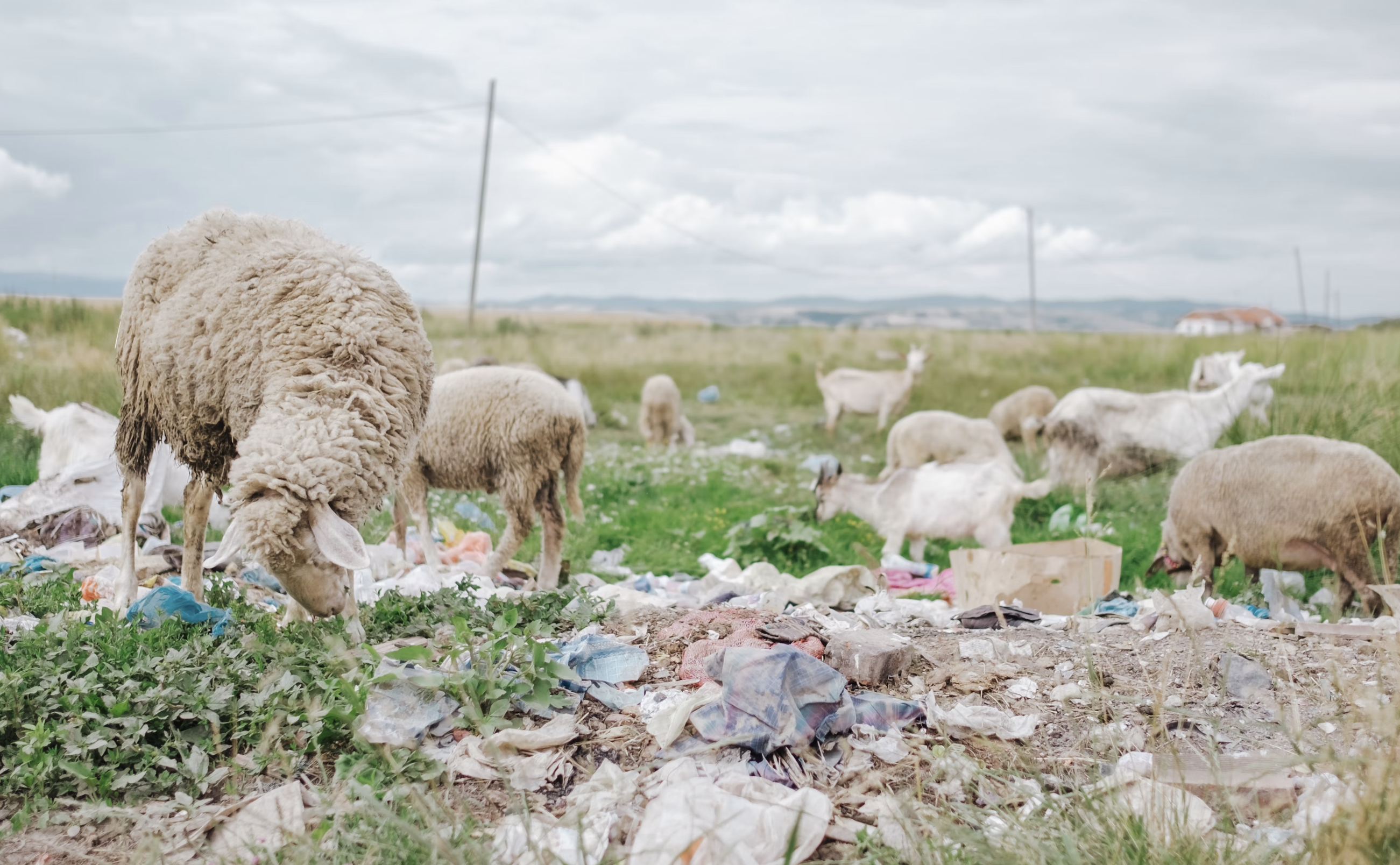
Sheep eat plastic, and you eat the sheep

Conventional detection methods, such as sample taken and looking under a microscope to count the bits is time-consuming, labor-intensive, and often ineffective at identifying small particles, making them impractical for large-scale monitoring.

But science to the rescue. Researchers at Clemson University and the USDA Agricultural Research Service have developed a new kind of space age glasses for seeing plastics in farms from above. The glasses “see” using what they call a hyperspectral imaging technique.

Plastic threads from warfare drones contaminate a farmer field in the Ukraine

The scientists study tested two types of short-wave infrared sensors on soil samples spiked with microplastics and evaluated their performance using advanced machine learning models. This system stood out for its ability to detect both polyethylene and polyamide particles – even at extremely low levels of 0.01-0.1% – offering a fast, accurate, and field-adaptable method for identifying soil microplastic contamination.

Why is this important? Many farmlands rely on mulch that is full of plastic. Think about the organic recycling programs that accept adult and baby diapers in the compost. This goes back to farming fields. Think about irrigation pipes and plastic sheets put on strawberry fields. Knowing what’s in the ground can help science and policy makers figure out how to stop negative effects.

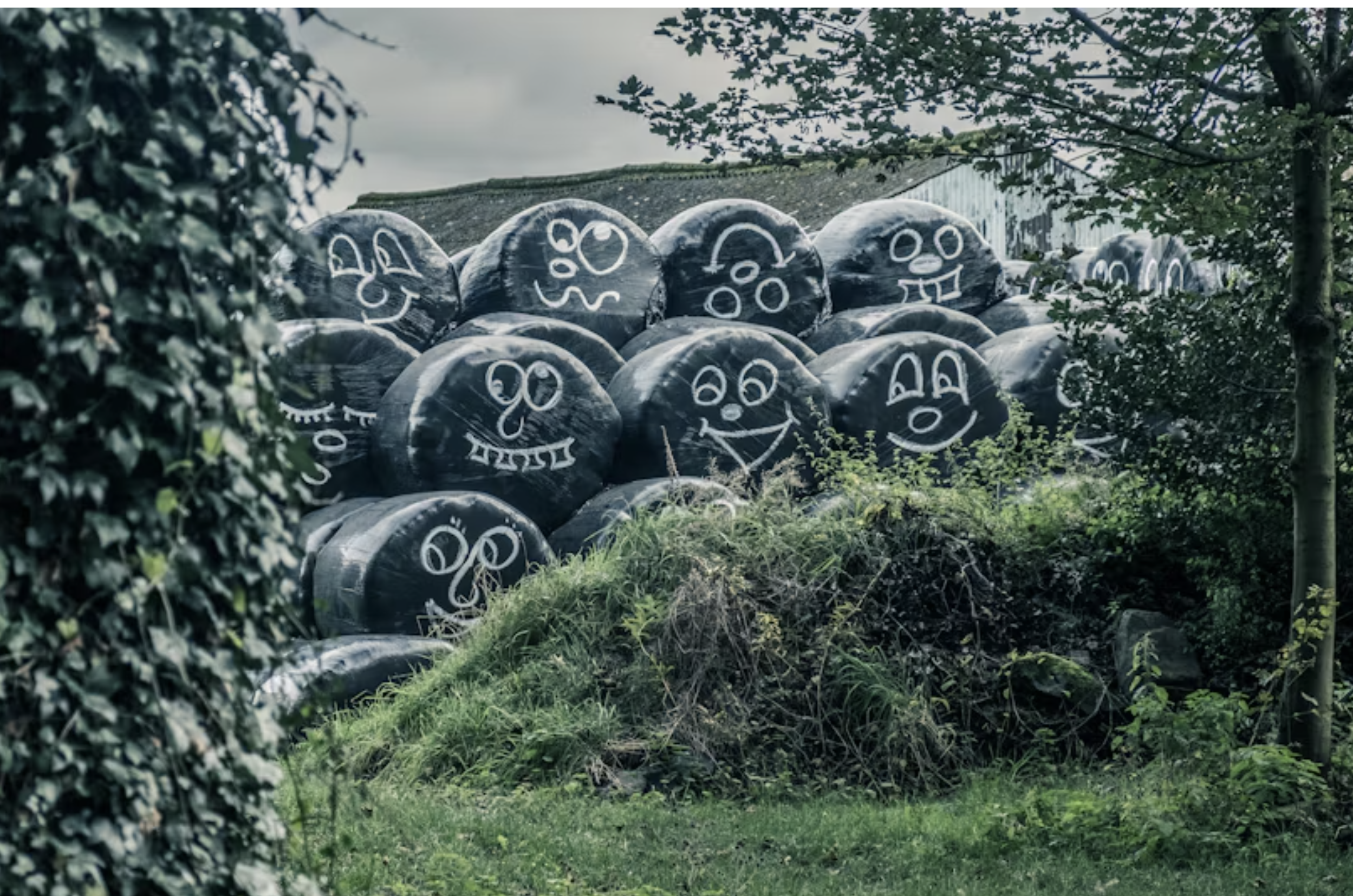
Plastic on every farm, even on bales of hay

“This study marks a significant advance in our ability to track microplastic contamination in terrestrial ecosystems,” said Dr. Bosoon Park, “The ability to screen soils quickly and non-destructively holds great promise for agricultural sustainability and environmental protection.”

Yosef Abramowitz: The Israeli Bringing the Sun to the World’s Darkest Places

0


Yosef Abramowitz, founder of Gigawatt Global, clean energy, solar fields, solar energy, speaking to crowd.
Yosef Abramowitz, CEO of Gigawat Global Credit: Nicole Kaplan

Meet Yosef Abramowitz, CEO of Gigawatt Global, bringing clean solar energy to millions around the world

Yosef Abramowitz, known also as Kaptain Sunshine, is an American-Israeli solar activist and developer.  As a child, Abramowitz lived in Israel. However, during a brief couple of years back in America during the Yom Kippur War, Abramovitz faced confusion. Outside his Massachusetts window sat a gas station with a line wrapping around the block. The long line was a result of the conflict in the Middle East and the 1973 Arab Oil Embargo. Abramowitz’s confusion stemmed from this: how could America and the rest of the world rely on an unrenewable energy source as volatile as this? After this moment, Yosef sought change. While Jimmy Carter was installing solar panels in the White House, Abramowitz was working on early science fair solar projects. Eventually, his work and passion for Israel led him back to the country where he would do his most impactful work yet.

In 2006, after arriving at Kibbutz Ketura to attend the Arava Institute for Environmental Studies, Yosef Abramowitz stepped out of his van with the last rays of the golden sun shining down on the scorching Arava Desert. In the dying sunset, he found his light. Abramowitz and his associates founded the Arava solar fields. During its 2010 inception, students, researchers, and other individuals from over 58 countries came to learn. Out of this work came Gigawatt Global and the company’s mission of being a “…multinational renewable energy company focused on the development and management of utility-scale solar fields in emerging markets.”

The goal was clear. Bring climate justice to the communities that need it most.

See Related Article: Energiya Global to solar power up 8% of Rwanda using clean energy

Gigawatt Global and its CEO, Abramowitz, have brought power to some of the most impoverished and energy-deficient countries in the world, with Rwanda, Nigeria, and South Sudan being just a few examples of the hard-to-reach places where they work.

Through his work, Abramowitz has had a significant impact. In Burundi, one of the world’s poorest countries, Abramowitz and his team successfully brought solar energy to half a million people. Another example of the extent of his beneficial humanitarian work comes from Rwanda, where he brought power to the Agahozo-Shalom Youth Village. The village is home to orphans of the Rwandan genocide. “It’s both a mitzvah and a business,” Abramowitz says.

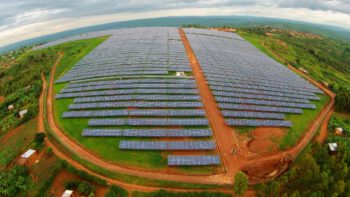
Gigawatt Global solar field in Rwanda
Rwanda Gigawatt Global Project

So, how does he do it? Abramowitz used to get support from the American Government. However, a majority of his funding comes from Blended Finance. This means that his monetary support comes from both public and private donors and investors. Abramowitz is always seeking international support, as well as funding from financial institutions such as the World Bank.

Abramowitz employs what he calls the Quadruple Bottom Line Impact Platform when bringing solar energy to countries with limited resources and infrastructure. While not the primary driver, each project must provide returns for investors. While these returns may not turn a massive profit, projects must ensure financial viability. Second, every project contributes to climate mitigation. Using solar energy not only provides energy to those in need but also reduces carbon emissions and air pollution associated with previously used, dirty, combustible fuels. Third is the humanitarian and social impact that a project will provide for its community. Finally, solar development can strengthen relationships between countries. It can build trust in fragile states and open doors for diplomacy.

See Related Article: Founders of Israel’s Arava to Solarize Developing Countries

Why does he do it? It may be hard to understand why someone would want to take on the challenges that Abramowitz does. He is not taking the easy projects. He is not developing solar fields in Europe, the Americas, or other developed nations. Abramowitz is going places that nobody else is going to. Not because of money, even though it is there, but because of his values. Abramowitz values Tikkun Olam, the act of repairing the world. Through his solar projects, he is helping the most vulnerable people on Earth, doing his part to make a difference. He emphasized the privilege that Western countries have. He also realizes that there are already help and resources available for these places and that there are numerous opportunities to do good outside of the established market.

It is not all sunshine for Kaptain Sunshine. Many of the places he is going are politically and infrastructurally fragile. This means that Abramowitz and his associates need to remain steadfast in their morals. It is essential to Abramowitz that he bring power to those in need. However, he will walk away if the corruption and values of those he is helping cannot align with his values.

However, Abramowitz strongly emphasized that the people he meets in Africa and around the world —the ordinary people —are the reason he does what he does. When the going gets tough, he remembers who he is working for. Not for a nation, government, or political party. For the people.

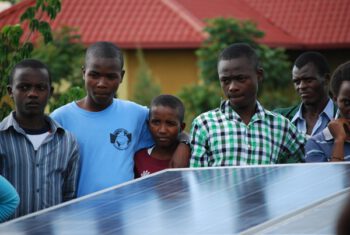
Children in Rwanda looking at solar panel
Rwandan children admiring a Gigawatt Global solar panel

There is a significant intersectionality at play in Abramowitz’s work. He described how bringing power to a country uplifts it in many other ways. Food storage, communication, and information are just a few benefits that come with energy. With these benefits, many are given a chance to succeed. In places where terror runs rampant, energy projects are run through communities to prevent them from becoming corrupted.

Yosef Abramowitz is a visionary, humanitarian, and innovator. Not only did Abramowitz help facilitate Israel’s transition to become more environmentally friendly. He helped make the world not only a cleaner place by introducing solar energy, but also a better place by bringing it to those who need it most. Following Theodor Herzl’s idea that “If you will it, it is no dream,” Abramowitz continues his dream of bringing energy to all.

:: Gigawatt Global

Why Business Insurance is Fundamental to Your Continuity Plan

0
SOMBRA, a name fusing the Latin words for sun (sol) and shade (umbra), is more than a temporary pavilion—it’s a living laboratory. Shaped like a heliodon, the structure mimics how the sun moves through the sky, providing an intuitive experience of solar patterns. It operates without motors, electronics, or external energy. Instead, it breathes, opens, and closes using only passive physical principles.
Solar energy projects installed in public places need insurance.

When starting a business, one of the first things you need to put in place is a continuity plan. For those unaware, this is a strategic plan that outlines exactly how your business will continue operating should an unplanned disruption occur. It ensures that the critical functions of your company can continue during and after a crisis, whether that crisis is a natural disaster, a cyberattack, a power outage, or a legal case against you. 

In terms of the creation of a continuity plan, you’ll have to investigate and try out a lot of things. It’s your job, for instance, to conduct a thorough risk assessment, a BIA – business impact analysis – go through recovery strategies, test and train some drills and simulations, and regularly update your plan based on any new risks or organisational changes. But while all of these things will help you to create a continuity plan that works, all that work will go to nothing if you don’t have a crucial safeguard in place: insurance. 

Getting Insurance in 2025

The LEED-Platinum property seeks to minimise its environmental and literal environmental footprint by cantilevering the accommodation spaces above the coral reefs with only a few square meters of ground impact at the base of the supporting column. The result is an aerial accommodation ‘pod’ that almost seems to defy gravity and suspends the guest directly above and within the beauty of an untouched marine eco-system; an observation platform for guests to witness the fish, birds and turtles that thrive in the area. The entire project is powered by a centralized solar farm and fresh water is supplied from a solar powered desalination plant. Recycling of waste material takes place on the island minimizing the need to bring or remove materials from the site. The entire infrastructural backbone of the project forms part of a visitor experience where guest can be exposed to and learn about the approach that goes into making the project a truly self-sustained human development. The design language of the resort compliments the uniqueness of the site. The approach to the façade design has been to minimize visual impact, employing a highly reflective stainless-steel skin polished to a mirror finish. These reflective orbs float, almost imperceptible, reflecting the colors and surface patterns of the ocean, the intense colors of the sky as they change throughout the day. This approach serves to lessen the visual impact of the architecture on the surrounding environment while also greatly improv the building’s energy performance with a near 100% reflection of the solar gain at the mirror surface. These heavily insulated spaces can be effectively cooled with minimal energy losses.
View from above, Shebaya in Saudi Arabia. Travel companies and hotels need insurance

The key reason why insurance is so important to the success of your plan is because, while your continuity plan sets out how you’re going to respond to a crisis, insurance ensures you have the financial resources to actually follow through. 

Without adequate coverage, even the most detailed and well-practiced plans can fall apart under the weight of unexpected costs, so you need to know you have the right insurance in place to bridge the gap between intention and action, and make sure the funds are there to respond immediately. In terms of getting the right insurance, there are many platforms out there that offer comprehensive, reliable insurance to see you through any kind of crisis. 

What you’re looking for, however, is something that can be tailored specifically to your business. A strong platform, in this case, is Next Insurance, which has been recognised as one of the best platforms in the US for small businesses, especially for those who need easy, affordable insurance that can grow alongside the business itself. 

Through this platform, you can tailor your insurance to cover anything from a loss of assets to more complex disruptions like data breaches, professional errors, or a sudden halt in operations due to supply chain issues. The key point, however, is that you utilise that flexibility to prepare for your vulnerabilities and have that support in place to take effect when needed. 

Why Business Insurance is Fundamental to Your Continuity Plan

Let’s say, for instance, a fire has destroyed your primary office space. Your continuity plan might dictate a shift to remote work, the use of cloud backups, or a temporary relocation site – but how are you going to pay for all this? It might be true that you’ve portioned out a section of your budget to cover your business in this eventuality, but with the landscape of business changing all the time, you can’t say for sure whether those finances will be there when a crisis strikes. 

You might have spent that money, for instance, on equipment upgrades, a developed marketing plan to stay competitive, or it may have gone towards unexpected staffing costs. Building and developing a business in a straight, uninterrupted line is the dream, but it’s not necessarily the reality. 

With something like property insurance, however, the cost of replacing your equipment, furniture, and, more importantly, your infrastructure, will be taken care of. This will then allow you to focus on executing your continuity plan swiftly and effectively, without being paralysed by financial stress.

The same can be true if you’ve experienced a cyberattack or you’ve lost data through equipment failure. There are so many unforeseen events that can cripple your business, even with a continuity plan in place, but if you have the insurance there – and have taken the time to ensure it’s tailored and suited to your company – you’ll know that you have the means to navigate these events and come out on the other side. This will then give you the peace of mind to grow and develop confidently, without any stress that the work you’re putting in will come to nothing.