Piñatex was among the earliest widely publicized plant-based leather alternatives and played a significant role in raising awareness of agricultural waste valorization within fashion supply chains.
Morocco’s proposed 1,000 MW offshore wind project near Essaouira promises climate leadership and renewable energy for this Magreb country, but along this stretch of Atlantic coast, wind is more than energy. The coastline is culture, economy, and identity.
Mediterranean-wide platform for gender equality, resilience, and rural justice. Hosted under the institutional umbrellas of CIHEAM and the Union for the Mediterranean, the agenda appears technocratic and inclusive on paper: welcome remarks, keynote evidence on gender gaps, and a panel discussion on justice pathways in rural and agrifood contexts.
Atmospheric water generators (AWGs) sound like magic: machines that can pull drinking water out of air. The idea is mentioned in the Bible, where the elders would pray for water collected as dew on plants and the catch on turning this into a machine is in the physics. To turn invisible vapor into liquid, you must remove heat, especially the latent heat of condensation.
The first years of life may represent a critical window when environmental exposures: dust, mold, indoor allergens, pollutants, microplastics, all shape immune trajectories in lasting ways. If scientists can find safe ways to calm this early-life immune pathway, it may be possible to prevent allergic disease before it spreads from the skin to the lungs or gut.
Piñatex was among the earliest widely publicized plant-based leather alternatives and played a significant role in raising awareness of agricultural waste valorization within fashion supply chains.
Morocco’s proposed 1,000 MW offshore wind project near Essaouira promises climate leadership and renewable energy for this Magreb country, but along this stretch of Atlantic coast, wind is more than energy. The coastline is culture, economy, and identity.
Mediterranean-wide platform for gender equality, resilience, and rural justice. Hosted under the institutional umbrellas of CIHEAM and the Union for the Mediterranean, the agenda appears technocratic and inclusive on paper: welcome remarks, keynote evidence on gender gaps, and a panel discussion on justice pathways in rural and agrifood contexts.
Atmospheric water generators (AWGs) sound like magic: machines that can pull drinking water out of air. The idea is mentioned in the Bible, where the elders would pray for water collected as dew on plants and the catch on turning this into a machine is in the physics. To turn invisible vapor into liquid, you must remove heat, especially the latent heat of condensation.
The first years of life may represent a critical window when environmental exposures: dust, mold, indoor allergens, pollutants, microplastics, all shape immune trajectories in lasting ways. If scientists can find safe ways to calm this early-life immune pathway, it may be possible to prevent allergic disease before it spreads from the skin to the lungs or gut.
Piñatex was among the earliest widely publicized plant-based leather alternatives and played a significant role in raising awareness of agricultural waste valorization within fashion supply chains.
Morocco’s proposed 1,000 MW offshore wind project near Essaouira promises climate leadership and renewable energy for this Magreb country, but along this stretch of Atlantic coast, wind is more than energy. The coastline is culture, economy, and identity.
Mediterranean-wide platform for gender equality, resilience, and rural justice. Hosted under the institutional umbrellas of CIHEAM and the Union for the Mediterranean, the agenda appears technocratic and inclusive on paper: welcome remarks, keynote evidence on gender gaps, and a panel discussion on justice pathways in rural and agrifood contexts.
Atmospheric water generators (AWGs) sound like magic: machines that can pull drinking water out of air. The idea is mentioned in the Bible, where the elders would pray for water collected as dew on plants and the catch on turning this into a machine is in the physics. To turn invisible vapor into liquid, you must remove heat, especially the latent heat of condensation.
The first years of life may represent a critical window when environmental exposures: dust, mold, indoor allergens, pollutants, microplastics, all shape immune trajectories in lasting ways. If scientists can find safe ways to calm this early-life immune pathway, it may be possible to prevent allergic disease before it spreads from the skin to the lungs or gut.
Piñatex was among the earliest widely publicized plant-based leather alternatives and played a significant role in raising awareness of agricultural waste valorization within fashion supply chains.
Morocco’s proposed 1,000 MW offshore wind project near Essaouira promises climate leadership and renewable energy for this Magreb country, but along this stretch of Atlantic coast, wind is more than energy. The coastline is culture, economy, and identity.
Mediterranean-wide platform for gender equality, resilience, and rural justice. Hosted under the institutional umbrellas of CIHEAM and the Union for the Mediterranean, the agenda appears technocratic and inclusive on paper: welcome remarks, keynote evidence on gender gaps, and a panel discussion on justice pathways in rural and agrifood contexts.
Atmospheric water generators (AWGs) sound like magic: machines that can pull drinking water out of air. The idea is mentioned in the Bible, where the elders would pray for water collected as dew on plants and the catch on turning this into a machine is in the physics. To turn invisible vapor into liquid, you must remove heat, especially the latent heat of condensation.
The first years of life may represent a critical window when environmental exposures: dust, mold, indoor allergens, pollutants, microplastics, all shape immune trajectories in lasting ways. If scientists can find safe ways to calm this early-life immune pathway, it may be possible to prevent allergic disease before it spreads from the skin to the lungs or gut.
Piñatex was among the earliest widely publicized plant-based leather alternatives and played a significant role in raising awareness of agricultural waste valorization within fashion supply chains.
Morocco’s proposed 1,000 MW offshore wind project near Essaouira promises climate leadership and renewable energy for this Magreb country, but along this stretch of Atlantic coast, wind is more than energy. The coastline is culture, economy, and identity.
Mediterranean-wide platform for gender equality, resilience, and rural justice. Hosted under the institutional umbrellas of CIHEAM and the Union for the Mediterranean, the agenda appears technocratic and inclusive on paper: welcome remarks, keynote evidence on gender gaps, and a panel discussion on justice pathways in rural and agrifood contexts.
Atmospheric water generators (AWGs) sound like magic: machines that can pull drinking water out of air. The idea is mentioned in the Bible, where the elders would pray for water collected as dew on plants and the catch on turning this into a machine is in the physics. To turn invisible vapor into liquid, you must remove heat, especially the latent heat of condensation.
The first years of life may represent a critical window when environmental exposures: dust, mold, indoor allergens, pollutants, microplastics, all shape immune trajectories in lasting ways. If scientists can find safe ways to calm this early-life immune pathway, it may be possible to prevent allergic disease before it spreads from the skin to the lungs or gut.
Piñatex was among the earliest widely publicized plant-based leather alternatives and played a significant role in raising awareness of agricultural waste valorization within fashion supply chains.
Morocco’s proposed 1,000 MW offshore wind project near Essaouira promises climate leadership and renewable energy for this Magreb country, but along this stretch of Atlantic coast, wind is more than energy. The coastline is culture, economy, and identity.
Mediterranean-wide platform for gender equality, resilience, and rural justice. Hosted under the institutional umbrellas of CIHEAM and the Union for the Mediterranean, the agenda appears technocratic and inclusive on paper: welcome remarks, keynote evidence on gender gaps, and a panel discussion on justice pathways in rural and agrifood contexts.
Atmospheric water generators (AWGs) sound like magic: machines that can pull drinking water out of air. The idea is mentioned in the Bible, where the elders would pray for water collected as dew on plants and the catch on turning this into a machine is in the physics. To turn invisible vapor into liquid, you must remove heat, especially the latent heat of condensation.
The first years of life may represent a critical window when environmental exposures: dust, mold, indoor allergens, pollutants, microplastics, all shape immune trajectories in lasting ways. If scientists can find safe ways to calm this early-life immune pathway, it may be possible to prevent allergic disease before it spreads from the skin to the lungs or gut.
Piñatex was among the earliest widely publicized plant-based leather alternatives and played a significant role in raising awareness of agricultural waste valorization within fashion supply chains.
Morocco’s proposed 1,000 MW offshore wind project near Essaouira promises climate leadership and renewable energy for this Magreb country, but along this stretch of Atlantic coast, wind is more than energy. The coastline is culture, economy, and identity.
Mediterranean-wide platform for gender equality, resilience, and rural justice. Hosted under the institutional umbrellas of CIHEAM and the Union for the Mediterranean, the agenda appears technocratic and inclusive on paper: welcome remarks, keynote evidence on gender gaps, and a panel discussion on justice pathways in rural and agrifood contexts.
Atmospheric water generators (AWGs) sound like magic: machines that can pull drinking water out of air. The idea is mentioned in the Bible, where the elders would pray for water collected as dew on plants and the catch on turning this into a machine is in the physics. To turn invisible vapor into liquid, you must remove heat, especially the latent heat of condensation.
The first years of life may represent a critical window when environmental exposures: dust, mold, indoor allergens, pollutants, microplastics, all shape immune trajectories in lasting ways. If scientists can find safe ways to calm this early-life immune pathway, it may be possible to prevent allergic disease before it spreads from the skin to the lungs or gut.
Piñatex was among the earliest widely publicized plant-based leather alternatives and played a significant role in raising awareness of agricultural waste valorization within fashion supply chains.
Morocco’s proposed 1,000 MW offshore wind project near Essaouira promises climate leadership and renewable energy for this Magreb country, but along this stretch of Atlantic coast, wind is more than energy. The coastline is culture, economy, and identity.
Mediterranean-wide platform for gender equality, resilience, and rural justice. Hosted under the institutional umbrellas of CIHEAM and the Union for the Mediterranean, the agenda appears technocratic and inclusive on paper: welcome remarks, keynote evidence on gender gaps, and a panel discussion on justice pathways in rural and agrifood contexts.
Atmospheric water generators (AWGs) sound like magic: machines that can pull drinking water out of air. The idea is mentioned in the Bible, where the elders would pray for water collected as dew on plants and the catch on turning this into a machine is in the physics. To turn invisible vapor into liquid, you must remove heat, especially the latent heat of condensation.
The first years of life may represent a critical window when environmental exposures: dust, mold, indoor allergens, pollutants, microplastics, all shape immune trajectories in lasting ways. If scientists can find safe ways to calm this early-life immune pathway, it may be possible to prevent allergic disease before it spreads from the skin to the lungs or gut.
The Middle East, in spite of unusual indoor places like Ski Dubai is not exactly on the main track of international ski sites and resorts like Cortina in Italy or Aspen. But the Middle East has some stunning and relatively unknown locations worth hitting. Ever think about skiing Iran? Or sliding down slopes in Lebanon?
Patients with Alzheimer’s disease have significantly higher levels of DDE, the long-lasting metabolite of the pesticide DDT, in their blood than healthy people, a team of researchers has found. DDT will last years. Eat Organic.
The tragedy of two little girls dying from pesticide poisoning in Jerusalem, while their older brothers fight for their lives highlights the immediate daners of pesticides. This tragic incident has finally succeeded in bringing to the forefront the seriousness of overuse of pesticides in a country whose best loved vegetables carry heavy pesticide loads.
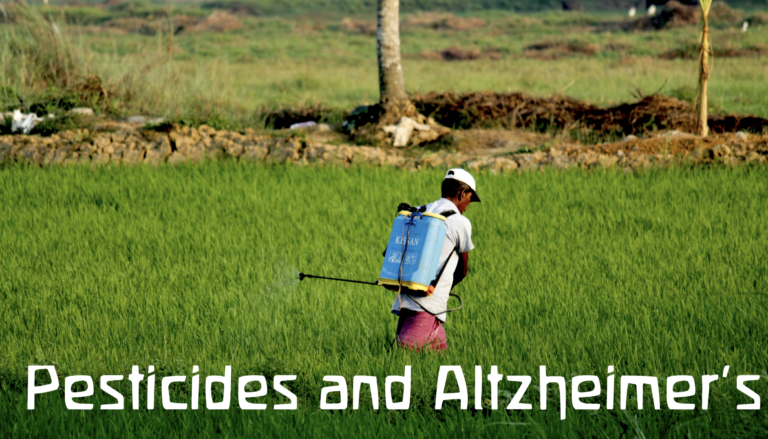
Health issues from pesticides on crops and in the home is nothing new. Whether or not these toxic chemicals are directly sprayed on food, they eventually reach our underground water supplies and are present in the air we breathe as well.
The end result of exposure to various types of pesticides, especially DDT, is now being ascertained in studies made by medical authorities in the USA which found correlations between people who had been exposed to the pesticide DDT having greater chance to be afflicted with neurological disorders like Alzheimer’s disease and dementia later in life.
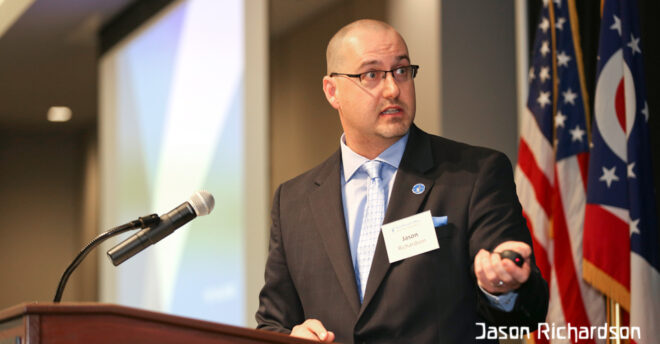
Studies carried out by Jason Richardson, from the Robert Wood Johnson Medical School in Piscataway, New Jersey found that although the debilitating mental condition known as Alzheimer’s disease is linked genealogical and lifestyle factors, being exposed to pesticides like DDT may also be contributing to mental deterioration later in life.
Altzheimer’s patients had 4 times the amount of DDT vs control
“DDE can last in the body for a number of years,” said lead author Jason Richardson of Rutgers-Robert Wood Johnson Medical School. “When you are looking at DDE levels, it is basically a snapshot of a person’s lifetime exposure to DDT as well as DDE in the environment.”
The findings were published in the journal JAMA Neurology.
Richardson said that while he expected to see a correlation between Alzheimer’s and DDE levels, he did not expect it to be so dramatic. The average amount of DDE in the serum of the 86 people in the Alzheimer’s group was four times greater than the average amount in the control group of 79.
The studies found that those people who were exposed to DDT and related pesticides had much higher levels of a substance called DDE, which is a broken down form of DDT.
“More than likely you’re looking at complex gene-environment interactions. What we found really gives us a starting off point. Now we can use that information to try to understand who is at risk, when and ultimately, why,” said Richardson.
“This is one of the first studies identifying a strong environmental risk factor for Alzheimer’s disease,” says co-author Allan Levey, MD, PhD at Emory University School of Medicine. “The magnitude of the effect is strikingly large — it is comparable in size to the most common genetic risk factor for late-onset Alzheimer’s.”
Another researcher, Kathleen Hayden of North Carolina’s Duke University says that researchers would want to follow people prospectively to see whether or not they later become afflicted by Alzheimer’s disease or dementia.
“DDT exposure is not destiny that you’re definitely going to get Alzheimer’s disease. These are things that might increase your risk,” Hayden adds.
The use of DDT was banned in the USA during the 1970’s; but is still in use today in many parts of the world.
People known as “baby boomers” in the USA who were exposed in their youth to DDT and other strong pesticides are now reaching their 70’s and this may account for the rise in mind related illnesses.
By far, the heavy use of pesticides like DDT being sprayed on crops in some countries is an issue that requires public attention as to what affect these pesticides have on humans.
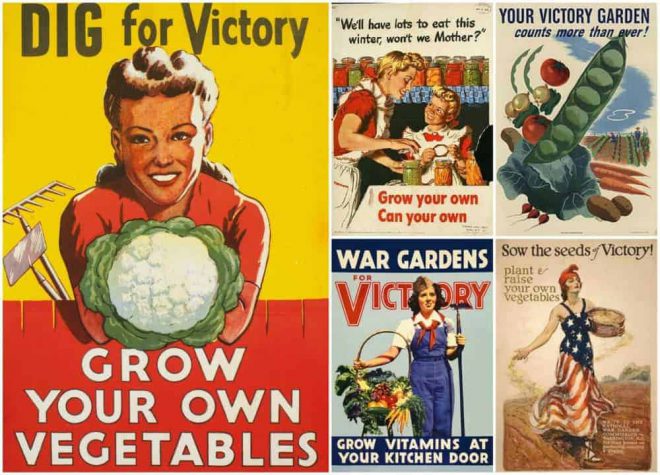
From the tragedy of the deaths of two little girls, aged 1 1/2 and 4 from pesticide poisoning, the effects on humans of pesticides can be very sad indeed. The take home message is support organic agriculture, and even better yet buy products that support organic regenerative agriculture. And if possible, grow your own food. Start with a Victory Garden.
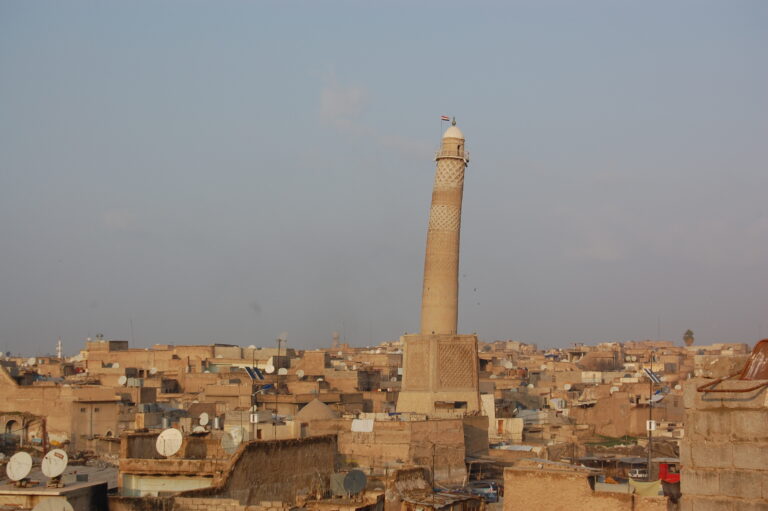
Wait a minute, there, Pisa, you’re not the only contortionist building on the block! A beloved old minaret in a Mosul mosque that leans 8 feet off its perpendicular axis may soon topple; an unusual casualty of ongoing unrest in one of Iraq’s most dangerous cities.
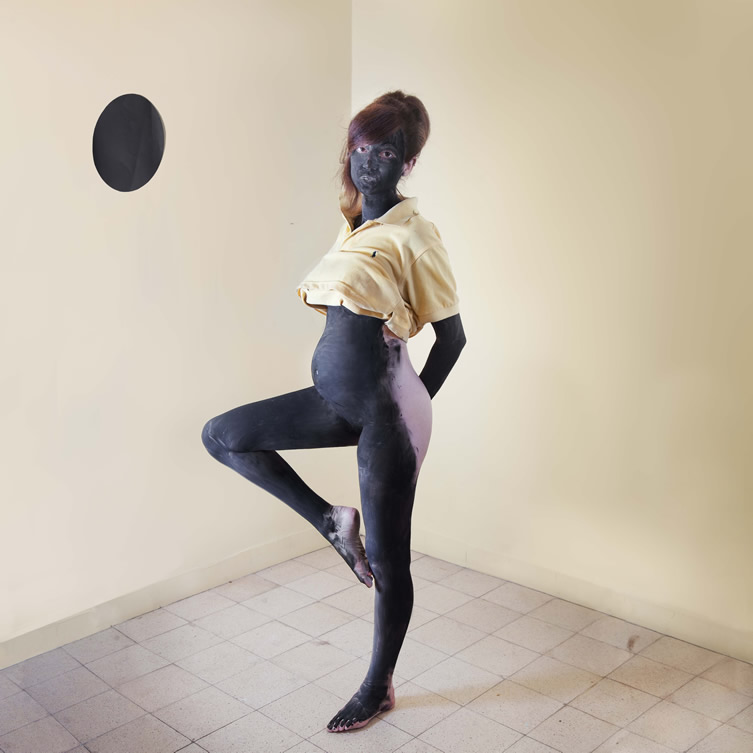
Israeli photographic duo Wyse + Gabriely concluded their first European exhibition at London’s Neu Gallery this month; an attention-grabbing presentation that purportedly explores “the fake and the fraudulent”.
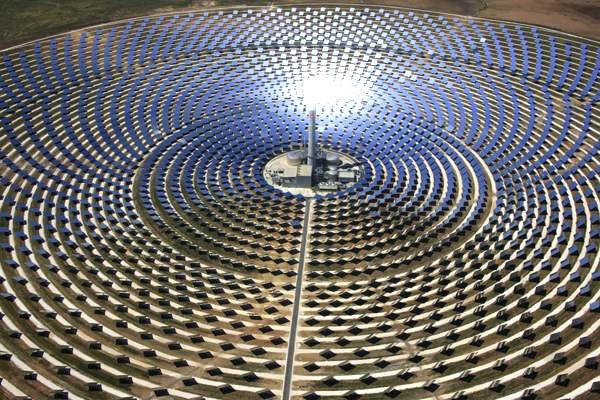
Masdar has sued the Spanish government. The multi-pronged company funded in part by the government of Abu Dhabi helped build the world’s first 24/7 solar power plant in Spain, a feat made possible in part with subsidies. But Spain has now cut incentives for renewable energy, which eats into Masdar’s investment.
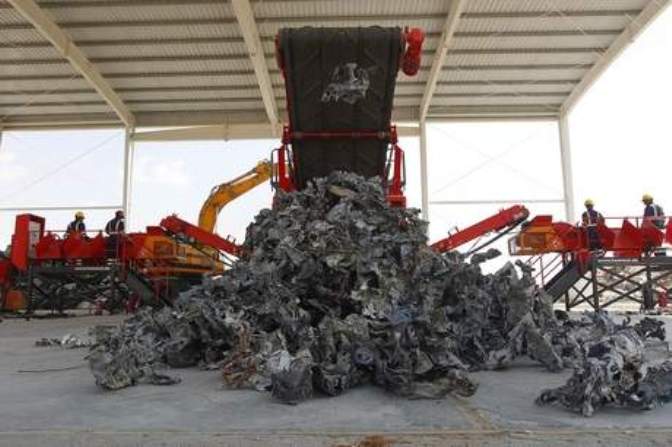
The United Arab Emirates (UAE) does everything big, including recycling, and this week they’ve officially opened their first plant dedicated to recycling cars! An estimated 11,000 UAE vehicles get scrapped every month.
Now all that automotive litter will be put to better use: “This is the only facility today that can deal with end-of-life vehicles in the country. We encourage insurance companies, dealers and government departments to use this service,” said Najib Faris, chief commercial officer of Bee’ah, the plant operator.
Dumped cars will be manually dismantled, then sliced and diced to allow valuable metals to be salvaged, and plastics, tires, upholstery, cables and mechanical parts to be recycled or refurbished within the Bee’ah compound. Previously, old clunkers were sold to scrap dealers, who stripped off spare parts and sold the car carcasses on the international market.
Workers separate cables, which are sent to electronic waste traders, and foam cushions that can be recycled locally. Window glass is pulverized and used for landfill cover. The company aims to sell engines and transmissions to international companies that refurbish them.
The facility began trial operations in October and has already processed about 350 old cars. Its capacity is much greater; Darker El Rabaya, director of waste processing at Bee’ah, told The National that its “shredder” (the equipment for processing car bodies) has a capacity of 60 vehicles an hour.
“Recycling consumes a lot less energy and a lot less water than producing virgin materials,” said Faris. It also diverts waste from landfills.
While the facility is now technically ready, a key issue for the next few months is to ensure a steady supply. As long as car dumping remains an Emirati epidemic, that ought not be a problem.
We’ve heard that some Emiratis prefer to just abandon unwanted cars, even Mercedes, Jags and BMWs at the airport, rather than get them scrapped. This initiative could change that.
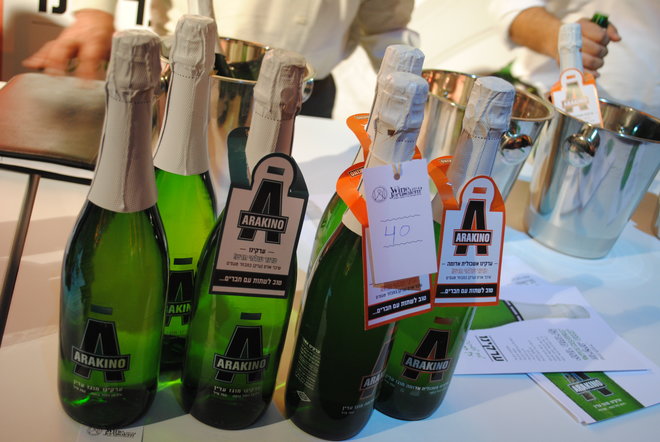
There are usually no great surprises at the major wine festivals, which are held in Tel Aviv and Jerusalem. You tend to bump into the same winemakers over and over again. Some stands represent not wineries, but fruit-based liqueurs, or beer. At the Wine Jerusalem festival held last week, I was surprised to find a new twist on the classic Middle Eastern tipple, arak.
After July, the United Arab Emirates (UAE), one of the world’s largest oil producers, will no longer import high energy incandescent light bulbs. And by the end of the year, it will be impossible to buy them. Hit the jump to find out what this means for you.
A new trend is sweeping across America: scores of people are ditching shampoo for more earth and hair-friendly alternatives – including nothing at all. But would this work in the Middle East? Would the lovely ladies of Lebanon ever give up their luscious shiny locks? Turns out, they wouldn’t have to. Check out five reasons to embrace “No poo.”
Jordan is becoming a heavyweight on the global stage, but this is nothing to puff up about. The kingdom is among the world’s worst countries for obesity according to Oxfam’s World Food Index 2013, with 33% of standing Jordanians unable to see their feet. Over 14% of the population is also diabetic.
Dubai’s iconic Burj Al Arab hotel has earned an international Green Globe Certification. Not as news-worthy as when Tiger Woods teed off its rooftop, or when it served as cloud-touching tennis court for Andre Agassi and Roger Federer, but this nod from a recognized green rating system is making headlines for sustainable urban tourism.
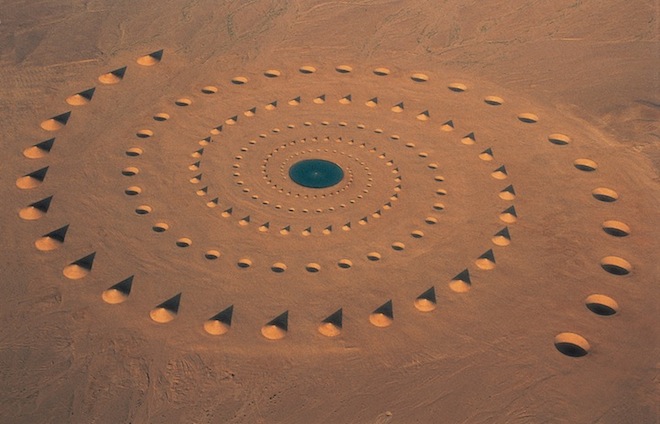
To many Egyptians, the desert is a hostile place: water is scarce, terror cells hide in its vast expanse, or land mines make crossing them a death trap. But the Desert Breath land art project near Hurghada on the Red Sea coast reminds us that Egypt, despite its many troubles, is a place of extraordinary beauty.
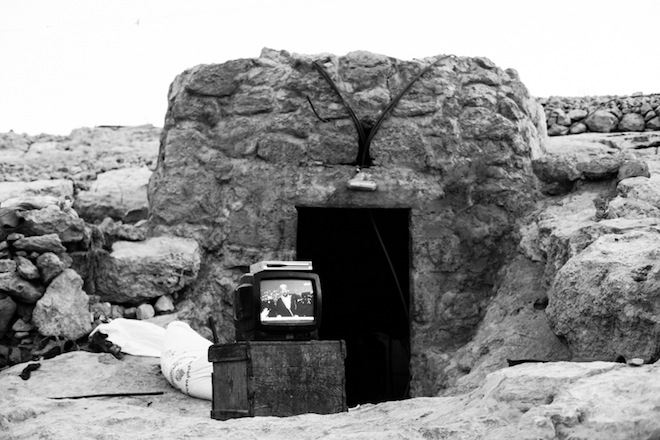
Many environmentally aware people from the global middle and upper class choose off-grid living, though that lifestyle is usually supplemented with solar panels and other accoutrements. But for the 1,300 Palestinians who call Masafer Yatta home, living with almost nothing is no longer a choice.
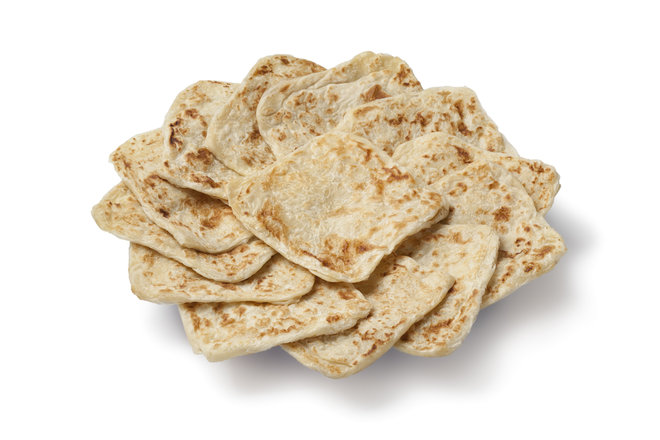
It’s still chilly in the Middle East – still the season for comfort food. Try driving the cold away with msemmen, a flexible, square-shaped skillet cake (the best of Middle East and North African pancakes!), easily pulled apart into layers so you can stuff it.
Msemmen is similar to the Emirati Khameer bread (recipe here), which isn’t surprising, as they are both Berber in origin.
Msemmen is hard to pronounce, but delicious to eat. This is how you say it: Miss-i-men. It means greased, or oiled. And this is how you eat it: hot, with honey, between sips of mint tea.
Alia of the Cooking with Alia blog offers this recipe, with a YouTube video (below). It does take a bit of work, which reflects the old-fashioned tradition of hand-made food. Manipulating the dough with oiled hands, and layering it with a mixture of oil and butter, makes a unique skillet bread that’s a cross between rough puff pastry and a pancake.
The video below is less than six minutes long. It’s worth watching how Alia kneads the dough and then stretches it out by hand. It’s the sort of thing that takes practice, but once you know how to do it, you never forget. I was surprised at how little extra flour is needed to keep the dough from sticking – it’s the oil/butter mixture, which is incorporated at the last, unlike in Western bread recipes where all liquid ingredients are added at the beginning.
Below is Alia’s recipe. Comments in italics and edits are Green Prophet’s.
Msemmen, Berber Pancake
Ingredients:
2 cups of flour
1 cup of semolina
3/4 cup of oil
3 tablespoons of butter
1 tablespoon of salt
1 tablespoon of sugar
1 teaspoon of dry yeast
1-2 cups of warm water (depending on the quality of absorption of your flour)
Mix all the dry ingredients.
Slowly add water and work the dough until you are able to create a ball with the dough.
If you are kneading the dough by hand, use energetic and quick strokes. Knead for 20 minutes while adding water until you get an elastic dough.
You can use a kneading machine (mixer or food processor) to speed up the process. Put the dough ball in the machine and automatically knead for the next 10 minutes while adding water.
Make small balls with the dough (the size of golf balls) and let the dough rest for 20 minutes. The resting period is important; don’t skip it.
Note: the amount of water needed depends on the quality of absorption of the flour you are using. The goal is to obtain an elastic and malleable dough. if your dough is too sticky add some flour; if it is too hard add some water and continue kneading it.
Steps for folding the Msemmen:
Mix the melted butter with the oil.
Spread some of the oil/butter mixture on a flat surface. Take one dough ball and flatten it with your hands. Gently keep stretching the dough until you get a thin circle of dough. Fold the circle into a square as shown in the video.
Steps for cooking the Msemmen:
Gently spread the dough square with your fingertips until you get a thin dough square.
On low heat (in a skillet), cook the Msemmen 5-10 minutes in each side.
Notice how Alia gently pushes the pancake down to break up any bubbles created when the first side was cooked.
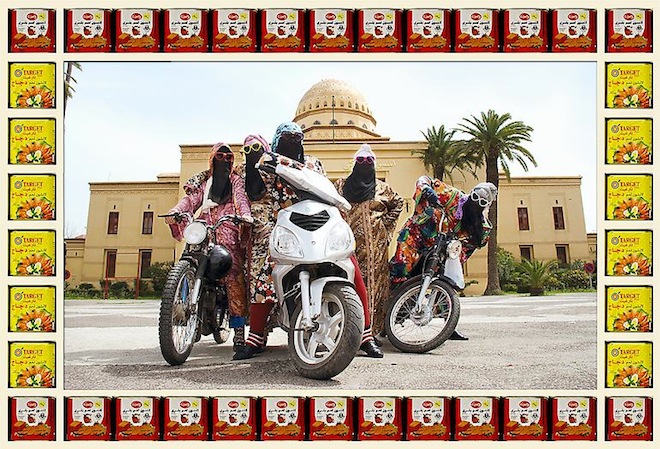
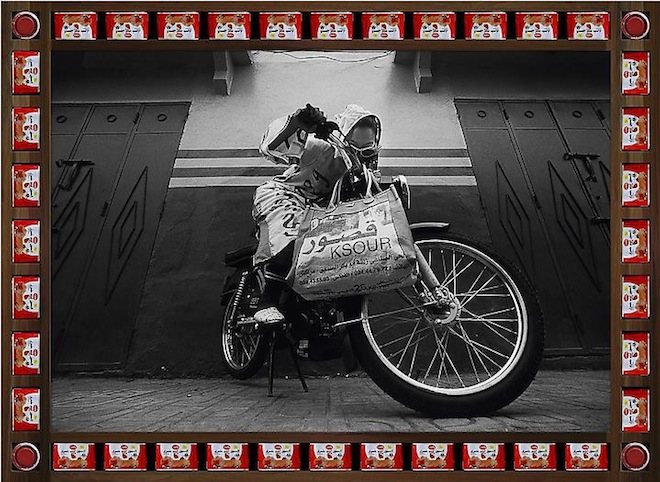
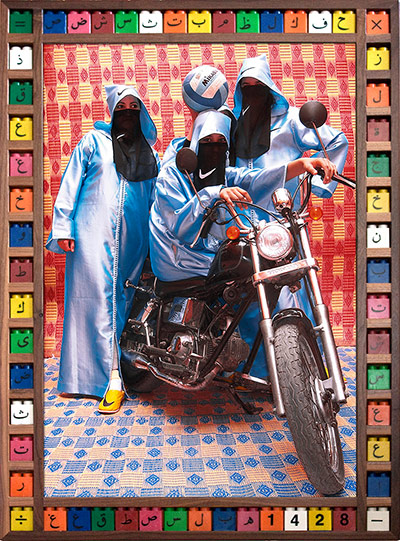
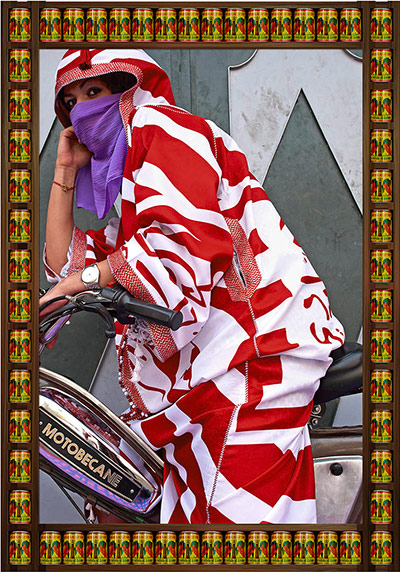
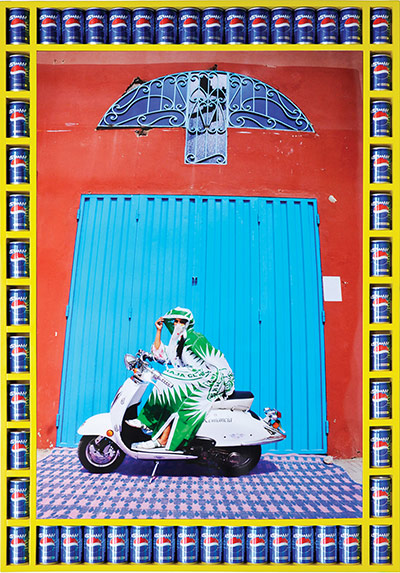
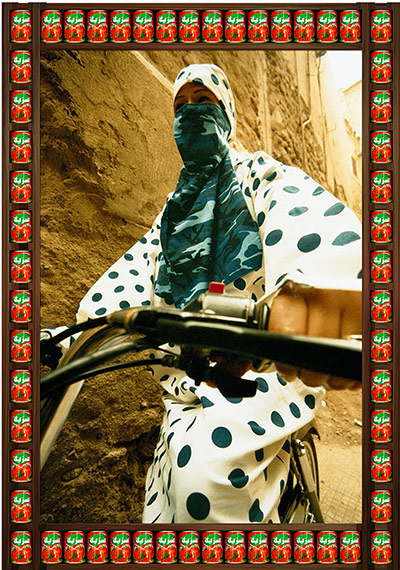
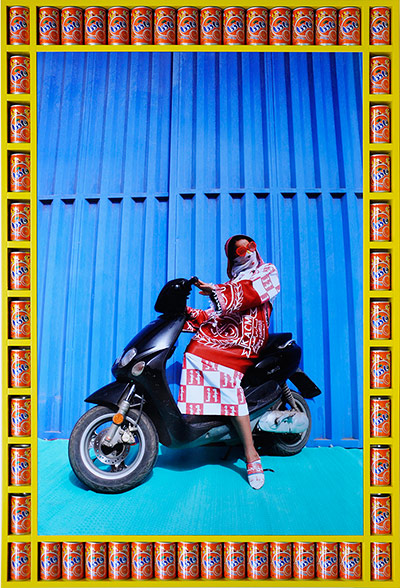
Based in London but heavily influenced by his roots and the reggae scene in his adopted country, Hassan Hajjaj created a series of images that show a side to Muslim women and North African culture that rarely makes mainstream news.
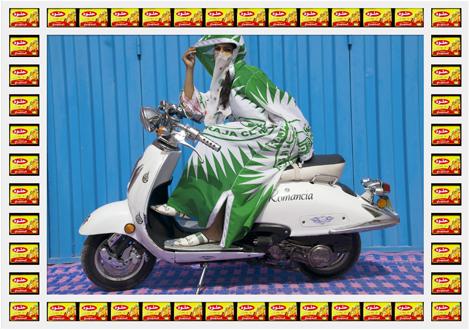
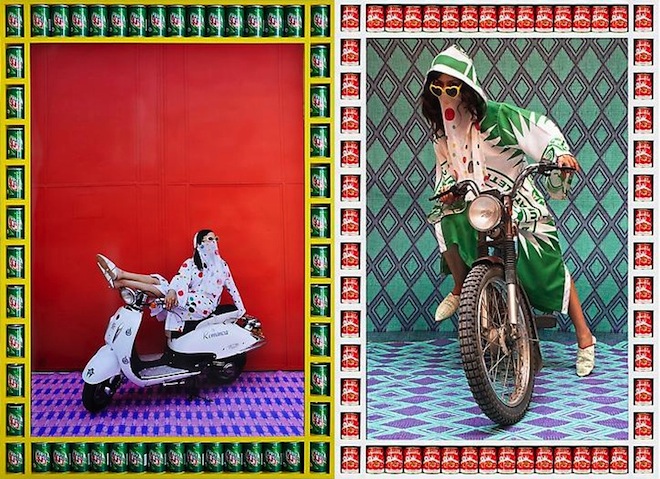
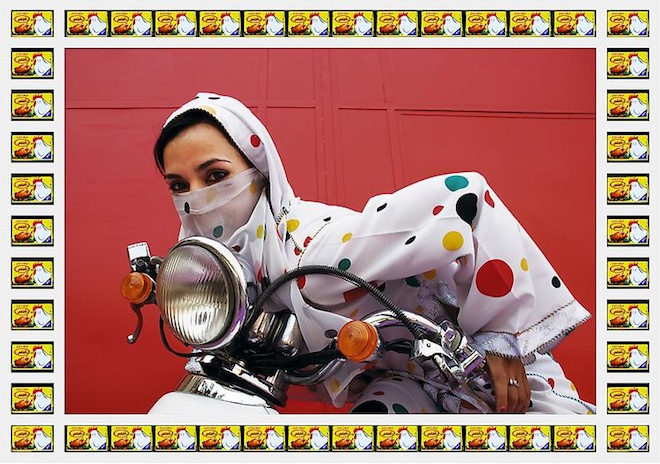
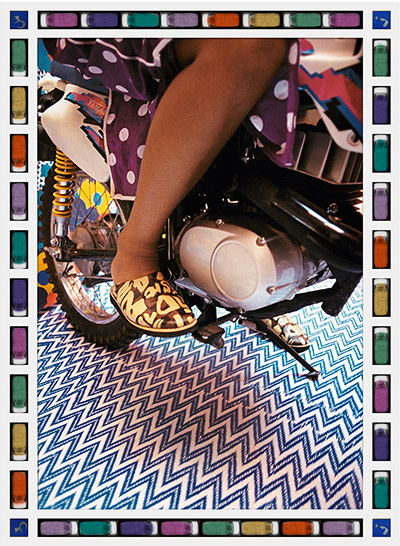
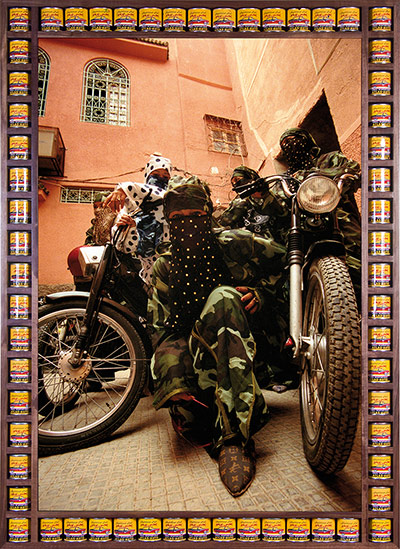
Kesh Angels, a collection that is currently on show at the Taymour Grahne Gallery in Tribeca, shows Marrakech “biker chicks” wearing bootleg Chanel and Louis Vuitton Abayas.
Contrary to the depressing images most commonly associated with (oppressed) Muslim women, these photos show women sporting polka dots, funky shoes, a lot of makeup, heart-shaped sunglasses, and all kinds of good-natured attitude.
Marrakech “biker chicks” wearing bootleg Chanel and Louis Vuitton Abayas.
Many of the women depicted in Kesh Angels are friends of Hajjaj, a master photographer who frequently designs the clothing that his models wear in shoots.
Hajjaj is a versatile artist whose repertoire includes portraiture, installation, interior designed (including recycled furniture made from recycled Coca-Cola crates and aluminum cans), but this is the first time that he has had a solo show in New York.
Founded by the same art collector behind the blog Art of the Middle East, which celebrates the unique creative talent bursting from the MENA region, the Taymour Grahne Gallery will showcase this fantastic series through 8 March, 2014.