Home Blog Page 272

Vegan doing jail time wins right to eat animal-free meals in Israeli prison

2


amos-dov-silver

Israel is showing more proof that it is the vegan capital of the world: an Israeli prisoner has just won the right to eat vegan meals in an Israeli jail, amid protests that he could not eat a regular vegetarian diet that contained animal protein like cheese and eggs.

The prisoner, Amos Dov Silver, 30, according to the local newspaper Haaretz, is doing jail time for selling cannabis. While it is legal to consume cannabis in Israel if you own a medical licence, recreationally it is illegal.

In prison, Silver complained that he wasn’t getting enough food. Now since Monday the Israel Prison Service have agreed to supply him vegetables, fruits and grains at every meal. 

Silver is a lobbyist for cannabis use in Israel told the judge why vegetarian diets alone don’t work for him: “I don’t eat eggs or milk because I don’t want to cause suffering to anyone,” Silver, pictured below with cannabis plants and a pet pooch, said. 

amos-dov-silver-greenprophet

Veganism is a growing trend in Israel, and in Tel Aviv in particular where restaurants and bakeries now boast symbols on their doors if they offer vegan options. The Neve Zedek landmark watering hole and bistro called Nanuchka has also gone from a meat heavy meaty Georgian menu to a strictly vegan one. It’s even possible to order a vegan Dominos pizza in Israel.

Some people are eating all vegan diets for the animal rights angle. Others for the benefits of an all vegetable diet.  Whatever the reason we know that veganism is tightly linked with environmental conservation. The less animals and their byproducts consumed by people means less methane gas and suffering for planet earth.

An estimated 2.5% of all Israelis have gone vegan in latest reports.

Now the Big Question: will going vegan get Mr. Silver out of jail early for good behavior? Silver: when you get out of jail give us a rung and let us know!

More on veganism in Israel:

Pictures of Amos Dov Silver from his Facebook page

Botobus: Istanbul public transit goes botanical and organic!

istanbul botobusHappen to be in Istanbul? Then hop aboard Botobus, a new eco-friendly public transport option that features an organic rooftop garden. Introduced last week by the Istanbul Transportation Authority (IETT), the “botanical bus” embarked on its first journey between Edirnekapi and Taksim. The project aims to draw attention to global warming and the environment.

Suez Canal and the military problem

4

suez-canal-dock

The creation of the man-made Suez Canal that links the Red Sea to the Mediterranean has made it easier to ship goods from Asia and Africa to Europe, but it has caused a number of environmental problems. One is invasive species like jellyfish multiplying with no end in sight in the Mediterranean Sea.

While one company Cine’al thinks it can cull all the over-jellied seas into a new kind of disposable diaper, fears are getting super serious now that Egypt is talking about expanding the Suez Canal once again in an $8 billion project.

Local newspapers in Israel are calling the expansion ominous as it will lead to more invasive species – land creatures and plants that live in the Indian Ocean swimming and moving to the Mediterranean and vice versa.

While it sounds like a peace plan for the seas, invasive species tend to lack natural predators and completely take over and sometimes destroy entire ecosystems – like purple loosestrife in America. Or rabbits in Australia.

According to Haaretz, 18 scientists from 12 countries have signed a report  “warning about the ecological consequences of the Egyptian government’s plan to expand the Suez Canal by building a new, larger and deeper waterway parallel to the present one.”

The problem will be more severe when the waters warm up as the species coming from the Indian Ocean will be better adapted to warmer waters giving them an advantage in taking over territory in the Mediterranean Sea, the scientists warn in the the journal Biological Invasions. One of the scientists was Prof. Bella S. Galil from the National Institute of Oceanography, Israel Oceanographic and Limnological Research in Haifa. 

The planned expansion, they say, “is sure to have a diverse range of effects, at local and regional scales, on both the biological diversity and the ecosystem goods and services of the Mediterranean Sea.”

Breast milk reveals how many banned pesticides plague Tunisians

0


Tunisia women breast milk

Rachel Carson would be shocked: A recent study has found that the concentrations of banned chemicals like PCBs, DDT and organochlorines found in human breast milk of women sampled throughout Tunisia  indicate widespread and elevated contamination particularly in older members of rural populations with high dairy and meat intake.

Although these concentration levels are relatively low for developing countries, Tunisia’s population is highly exposed since more than 1,200 tons of obsolete pesticide stocks still remain uncontained and continue to pollute surrounding areas and waterways.

The threat persistent organic pollutants (POP), such as polychlorinated biphenyls (PCB), organochlorine (OC) and dichlorodiphenytrichloroethane (DDT) pose to the environment and human health is well documented.

These compounds found in pesticides, industrial chemicals or unwanted industrial byproducts are characterized with a high resistance to degradation, long half-lives in humans, and have been confirmed to bioaccumulate in fatty tissues such as blood, breast milk, and adipose tissues through dietary intake.

POPs have been found to compromise the endocrine system, hormone production, metabolic processes, the reproductive system, causing genetic damage and cancer.

Organochlorines widely used as insecticides in Tunisia

In Tunisia OC chemicals were widely used from the end of 1940s to 1980s for insect control and agricultural pest control. Despite the use of these compounds has been prohibited in the late 1980s, OCs are still ubiquitous in Tunisia’s environment and biota.

Related: See how our phosphorus addiction is killing this mining town

In 2004, Tunisia ratified the Stockholm Convention on POP, which postulates the elimination of these pollutants by limiting its production, use and commercialization and the application of a national plan that identifies and manages obsolete stocks (primarily PCB). Today, Tunisia benefits from a 16,7 million USD donation from the Global Environment Facility with the intent of eliminating these stocks by 2017.

Tunisia Pesticide obsolete stocks

Although this is an essential project, Tunisia has important steps to make in the strict application of existing laws, resorting to independent environmental judicial systems that penalize polluters.

Today Tunisia, is dotted with unregulated industrial polluters that contaminate waterways (see how locals jump into this magical lake despite warnings!), and continue to pump POPs in the domestic food chains and the biota.

Before Tunisia can start talking about bio, it needs to talk about POP. And if you are breastfeeding or know someone pregnant, send them this article about stuff they don’t need:

10 breastfeeding products you do not need to buy

Ebola and The Hajj to Mecca?

Hajj Ebola virus out of control

The Ebola virus, already said to be virtually out of control in west Africa, may also be threatening Saudi Arabia and other parts of the Middle East.

The virus, which still has no known cure, has so far resulted in more than 3,300 confirmed deaths in the three West Africa countries of Guinea, Liberia and Sierra Leon.

RELATED: Hajj selfies are not holy

Saudi Health officials fear it could spread far and wide if infected Muslim pilgrims attend the 2014 Hajj pilgrimage that began last week on Wednesday, October 1 and is due to continue tomorrow, October 7.

Saudi health officials are doing their utmost to make sure that the deadly virus is not “imported” into Saudi Arabia either avertly or inadvertently.

Is Ebola keeping Hajj pilgrims home?

Hajj with Ebola fear

This years’ pilgrimage to Meccah expected around 2 million pilgrims; which is a lower amount from previous years.

This decrease is due to the military conflicts in Iraq and Syria bringing fears of terrorism; and of course, the Ebola virus outbreak.

Besides banning visas from the previously mentioned West African countries, Saudi government officials have upgraded health measures to protect pilgrims, including intense screening of arrivals.

Mobilization of 22,000 health workers and extra health care centers have been established in major cities like Riyadh and Jeddah; and in the locations of the Hajj itself.

Extra precautions are being taken in neighboring African countries to the primary “Ebola Zone” ones; particularly in Nigeria where a number of persons became ill when an infected Liberian citizen arrived in Lagos from Liberia and later died from the disease.

Nigerians in the Hajj mix

More than 66,000 pilgrims from Nigeria were expected to be attending this year’s Hajj.

Rana Sidani, a spokesperson for the World Health Organization (WHO), said in an interview with London based International Business Times that although there is some concern, the over all possibility of an Ebola outbreak occurring as a result of the Hajj is relatively low:

“As millions travel to join the Hajj, we are not discounting the possibility that Ebola can be introduced to the region through the pilgrimage,” she said. WHO is not taking any chances however. Its director Margaret Chan, stated  that the deadly virus is “beyond control” in West African countries like Liberia and Sierra Leon.

On top of all this, a Saudi businessman who had returned from West Africa in early September was hopitalized with symptoms similar to Ebola.

Previous Hajj pilgrimages have been overshadowed with fears other serious contagious diseases. These include H1N1 influenza or “swine flu” during the 2009 Hajj. A more recent disease called Middle East Respiratory Syndrome or MERS caused fears during the 2013 pilgrimage.

Specially equipped health care centers have been set up in the Kingdom to deal with any suspected illness that might be caused by the Ebola virus. Signs in numerous  languages are encouraging Hajj participants to report any suspected cases of Ebola-like symptoms immediately to health care authorities.

Hajj selfie fever rocks the Kaabah in Mecca – but is humble bragging holy?

1

hajj-selfie-fever

The annual Muslim pilgrimage to Mecca known as Hajj has officially begun.

Palestinian guys swing dance for peace with Israelis (video)

swing dancing palestine israel

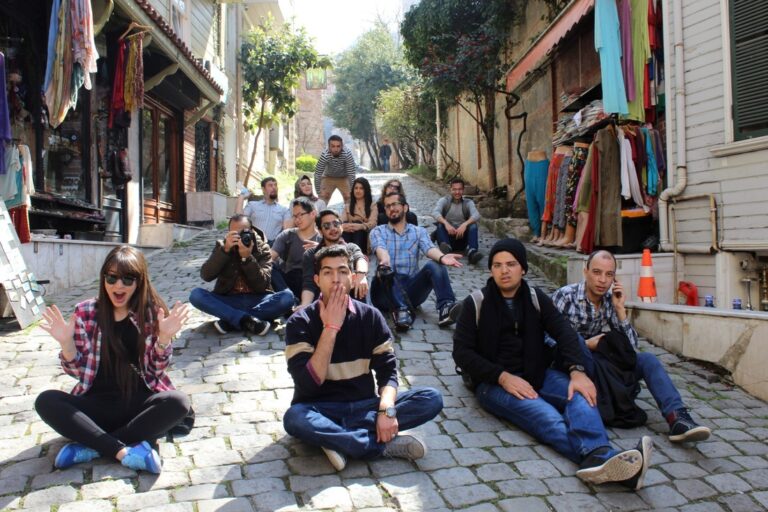
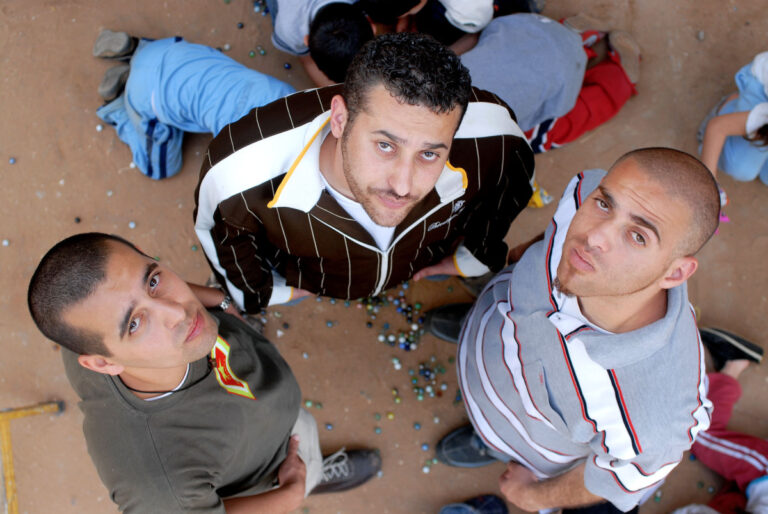
A group of Palestinian guys from Beit Jalla in the West Bank, Palestine have decided to take a chance on peace – by swing dancing with Israelis.

Watch the heart-warming video below.

With some encouragement from an ex-Berliner named Bibi who moved to Tel Aviv the Palestinians have started to swing dance together with the Israelis who already have a formed group. The Palestinians and Israelis now have regular sessions in Beit Jalla, at Hosh Jasmin, an organic farm outside of Bethlehem.

Peace, love and Lindy Hop!

swing-peace-palestine-11

The Palestinians started dancing with the Israelis during the Israeli war with Gaza and have decided to take a chance and “swing” in the name of peace.

The guys, in their 20s, are hoping to start dancing in Tel Aviv.

The Israelis and Palestinians are now swinging together, and through Indiegogo are trying to raise a mere $3500 to bring the guys over to a swing festival in Ireland in October to be with the Israeli group and to meet people around the world to dance.

The swing dancers have already raised one quarter of their goal.

Palestinian swing dance

They write:

“The organizers of the Cork Jazz Dance Exchange (CJDX), a big swing festival in Ireland, have invited us and some dancers from the Israeli community to come to their festival on October 2014 and experience what it’s like to be part of the global swing community and dance together, as ‘Swing for Peace’.

swing-peace-palestine-2

“They have dedicated one night of this festival for a special fundraiser for the education of refugee children in the Middle East and would love to have us there to promote a peaceful way of dealing with the conflict.”

How swing dancing for peace began

Bibi, the initiator of the project says: “When I met Henry, a German teacher living in Beit Jalla, at a swing event in Tel Aviv I was partly joking when I said: so lets do swing dancing in Beit Jalla. But then we had a coffee with his friend Andrea, a German teacher in Bethlehem, and she really loved the idea.

“It took us a while to get the first lesson started. First we did not find enough people, then Henry wanted to go on holiday, then we did not find a place – but eventually we did. I had some much fun teaching them. And every time I do, I enjoy it more. The students are wonderful and the lessons are so much fun; very relaxed and our emphasis is on having a good time.

“I can’t get enough seeing the group dance by now. And the best time is after the lesson, when we all sit together, eat the amazing food of Hosh Yasmin and drink home made Arak or Taybeh beer from the region,” says Bibi.

Hussam, from Beit Jalla, participating in the swing says: “I have heard about swing dancing from a friend, and when I got to know what is swing dancing it motivated me to follow the training each week and love to dance more and meet new friends, both Palestinians and Israeli.

“A dance for peace and a dance for justice”

“As Palestinians, we have made swing dancing to be a dance for exchange, a dance for peace and justice…swing dancing became as a small tool for seeking peace in the Holy Land.”

A couple of months ago I interviewed ballroom dance world champion Pierre Dulaine about dance as a vehicle for peace. He runs international dance exchange programs to teach kids tolerance.

Originally from Jaffa, he has created peace between Israeli Arabs and Jews by teaching them how to ballroom dance together. See the video below:

Thanks to hipsters (you can find plenty of them in Tel Aviv), swing dancing is seeing a revival around the globe. Swing dance developed along with jazz music in the 1920s to1950s, with the best known among the swing dances being the Lindy Hop. 

Ask your grandmother to show you the moves!

Want to send some Palestinian guys to Ireland so they can swing for peace? Donate to the Indiegogo campaign here.

Thanks to Dana Meirson for the tip, and documentation.

See how Asia’s Aral Sea shrinks before our very eyes in these time lapse photos

aral-seaWe’ve killed it! Once the fourth largest lake in the world, the Aral Sea between Kazakhstan and Uzbekistan is about 10% of its former size.

Qatari students take on robots!

1

robots-competition-qatar-2014

Elementary and middle school students from schools across Qatar recently tested their robotics know-how.

Mason jar salads: cheap eats for a healthier planet

2

Sustainable-eating-with-mason-jar-saladsMy kid is hell-bent on healthy eating. No more shawarma or falafel sandwiches she says, and she’s had it with high school cafeteria hummus here in Amman, Jordan. She’s also insistent on sustainable packaging (the little green prophet didn’t fall far from the tree), so cling-film wrapped leftovers don’t make it onto her lunch menu. Serendipitous that I just discovered Mason jar salads.

Magnetic pole reversal and how it can flip your world

0

Hetdipole magnetic pole reversal, tesla

Is there a chance of a “flip flop” reversal in the earth’s magnetic poles? Scientists have noticed some changes in the earth’s magnetic field suggesting a pole reversal could happen any day now – well, in the next 2,000 years. But if this happens, how will it affect life on earth?

How will the polar magnetic influence weather patterns? Will this reversal affect the harmony caused by the sun’s and earth’s current electro-magnectic fields?

Tesla’s energy dreams harvested?

The earth’s electro-magmetic fields, and their effect on electricity and communications were important aspects to theories and work carried out by the Serbian-American electrical engineer Nikola Tesla.

Tesla believed in the possibility of obtaining ‘free electricity’ by harnessing the earth’s electro-magnetic fields.

A magnetic pole reversal is not a common event; with the last significant one estimated to have occurred around 780,000 years ago, according to Scientific American.

Geophysicists who study such phenomena now say that a magnetic polar flip flop could occur sooner than previously thought. What effect this could have on communications and electrical power grids would not really be known since the time frame involved for this event to occur could be anywhere from now to as long as 20,000 years. Still, the earth’s magnetic field is said to be weakening 10 times faster than previously thought; with the present magnetic north said to be moving somewhere over the Russian province of Siberia.

Leveled by liquid iron core

Scientists say that the earth’s own magnetic field is the result of a layer of liquid iron near the earth’s solid iron core. This layer, when moving, causes the planet to act like a large dipole magnet  (photo above) with opposite north and south poles.

Such magnets were often used in electrical devices like traditional TV sets, with the harmony created by the two poles resulting in the TV picture’s size and clarity.

Large dipole magnets are also used in accelerator physics to realize bends in the design trajectory or ‘orbit’ of particles, as in circular accelerators. In this way, our planet can be looked at as being one large dipole magnet with opposite north and south poles. The reversal of these poles could have significant influences on current electro-communications systems, especially large electric grids.

Dr. Gary Glatzmaier, a geophysicist at the University of California, Santa Cruz, says that this kind of occurrence is not something to worry about; due to how long it will take this phenomenon to occur. “Similar to a hurricane, you can’t predict [exactly] when or where a reversal will start, even though you understand the basic physics,” says Glatzmair. He adds that by the time this would happen, human technology will be at a point where the effects of it would be minimal on people. “By then, humans almost certainly will have the technology to cope with a magnetic-field reversal,” says Glatzmair.

We should feel better already.

Read more on the earth’s magnetic fields, and polar climatic influence:

Climate Change “worst” is yet to come U.N. report warns today

Will the Polar Vortex “Dip” freeze the Middle East?

Were Tesla’s Solar Innovations “Buried” by Big Oil?

Photo of large Dipole magnet by wikipedia

Swimming UpStream with Steven Looi’s water farm

1

steven-looi-upstream
A two-minute cruise by bike down the street from my parent’s house and I discover a very special social experiment.

Star Trek tractor beams can clean the seas and lasso pirates!?!

0

Tractor_beam
Some news that Trekkies will love, and which could be applied to clean up our seas: tractor beams to the rescue!

Tel Aviv graffiti made into sexy furniture (PHOTOS)

0

Tel Aviv–based industrial designers Ariel Zuckerman and Eran Shimshovitz  make furniture from street art.A pair of Israeli designers has turned alleyway graffiti into fine furniture with the help of some unwitting street artists in their south Tel Aviv neighborhood.  It’s ersatz “WickiFurniture” made up anonymous contributions by anyone acting on an urge to create.

Energy drinks illegal for under 20s in this Arab country?

0

uae-energy-drinks-legal-age
Battling obesity and illnesses like diabetes and hypertension this Arab country is now looking to ban the sale of energy drinks to minors, teens and young adults until the age of 20. All energy drinks will be banned for sale to those under 20 starting January 2015 according to some sources.