Home Blog Page 257

How Theranos’s Elizabeth Holmes saves lives in developing world

1

elizabeth-holmes theranos blood test

Update Nov. 2020: Theranos founded Elizabeth Holmes was charged for fraud while leading Theranos, and now faces criminal charges. 

Serious health issues frequently affect us people living in the Middle East. We face long-eradicated diseases like polio. There is also concern about disease caused by terrifying levels of air pollution. In cities like Tehran, people may be seeing air pollution worse than in Beijing. It’s hard to breath in cities like Tehran, but Cairo too. And eating. When your meat is pumped up with toxic contaminants this can’t be good for you. Think of what could be seen in a simple blood test? Cancer? Diabetes? Knowing this information early can save lives not only in the Middle East where general healthcare standards are not great, but also in the US where blood tests cost a lot of money to the uninsured.
theranos-blood-test-holmes

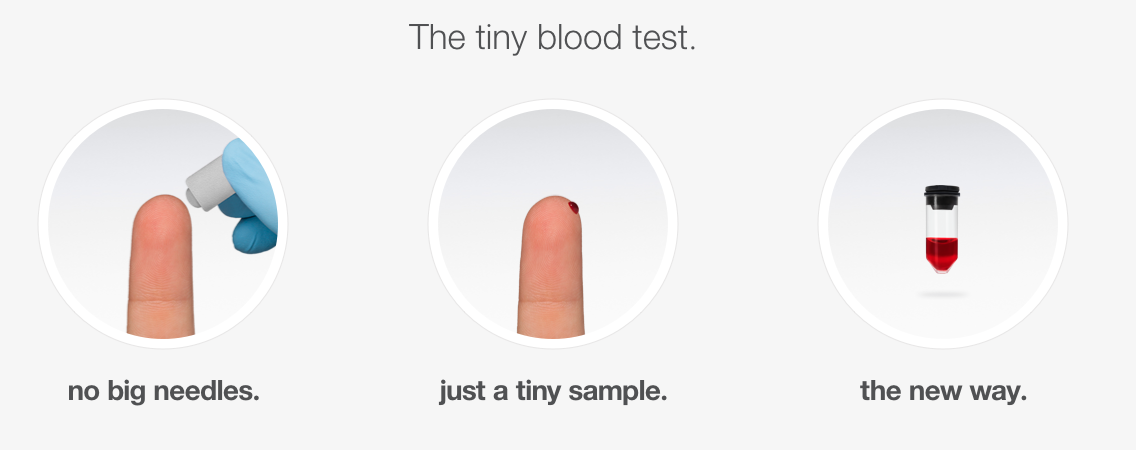
An American start-up medical technology company, Theranos, is now developing a way that will change the face of healthcare, letting extensive blood work be done by a “single drop of blood”. We love the approach.

Founded in 2003 by Elizabeth Holmes, a young chemistry major at California’s Stanford University, Theranos (a combination of the words therapy and diagnosis) is now introducing its unique blood testing into American medical centers, including  those that cater to people who have limited financial means.

Holmes, 31, was recently interviewed on a health and wellness program on CNN. During this interview, she said that when a doctor orders a blood test, between 40 and 60 percent of Americans do not have the tests performed due to high costs.

She says: “When a doctor orders a blood test, it usually means a person is already at risk of having some kind of health problem like a serious disease. Human error is also responsible for 93% of errors in the blood test itself,” she said on the show.

The Theranos method is extensive and includes more than 200 different types of tests. The technology is licensed in every US state.

Using a testing procedure called the “nanotainer” – Theranos, though it does not report how, does manage to get results from smaller amounts of blood. The Theranos blood testing method is not only being hailed as much lower in cost to standard testing methods, it is also good in helping to detect certain serious ailments like diabetes and cancer at early stages, making treatment much more successful.

Presumably the company is using lab-on-a-chip methods, with software to amplify signals seen in the blood to confirm a diagnosis.

Theranos test means less pain

Besides the costs factor, taking only a small blood sample amount makes it easier to do tests on children and elderly people whose veins are hard to find for taking blood samples.

“We are very focused on the ability to mitigate the pain people who have to give blood frequently experience as their veins collapse from frequent blood draws.  This helps make it possible for little children to get tested without being scared, or for elderly patients, oncology patients and people whose veins are difficult to find,”  Holmes added.

This type of innovative bio-technology can work well in developing countries, where facilities to adequately store and work with large quantities of blood test samples may be scarce. This especially holds true for many parts of the developing world, including the Middle East.

Read more on Middle East health issues:

Polio Scare in Syria, Israel and Egypt puts Middle East on Edge
Hard to Breathe in the Middle East – Latest NASA Images
Israeli Meat Fed with Faeces and Pumped with Toxic contaminants 
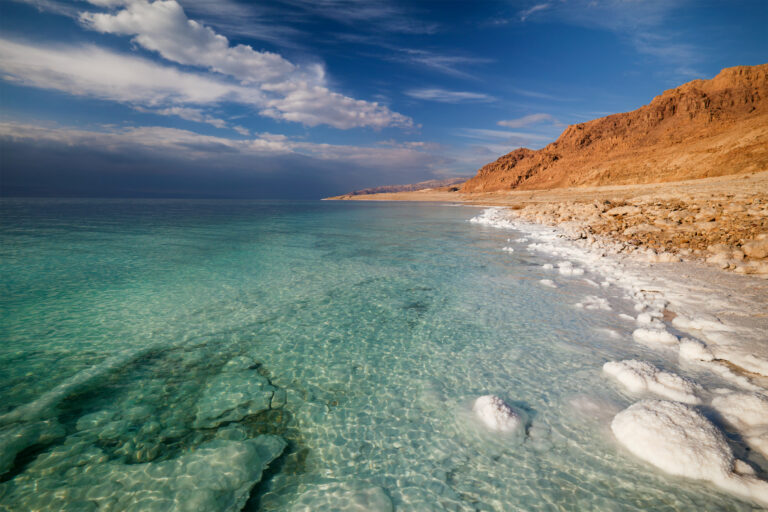
If Jordan waives visa fees, will tourists come?

5

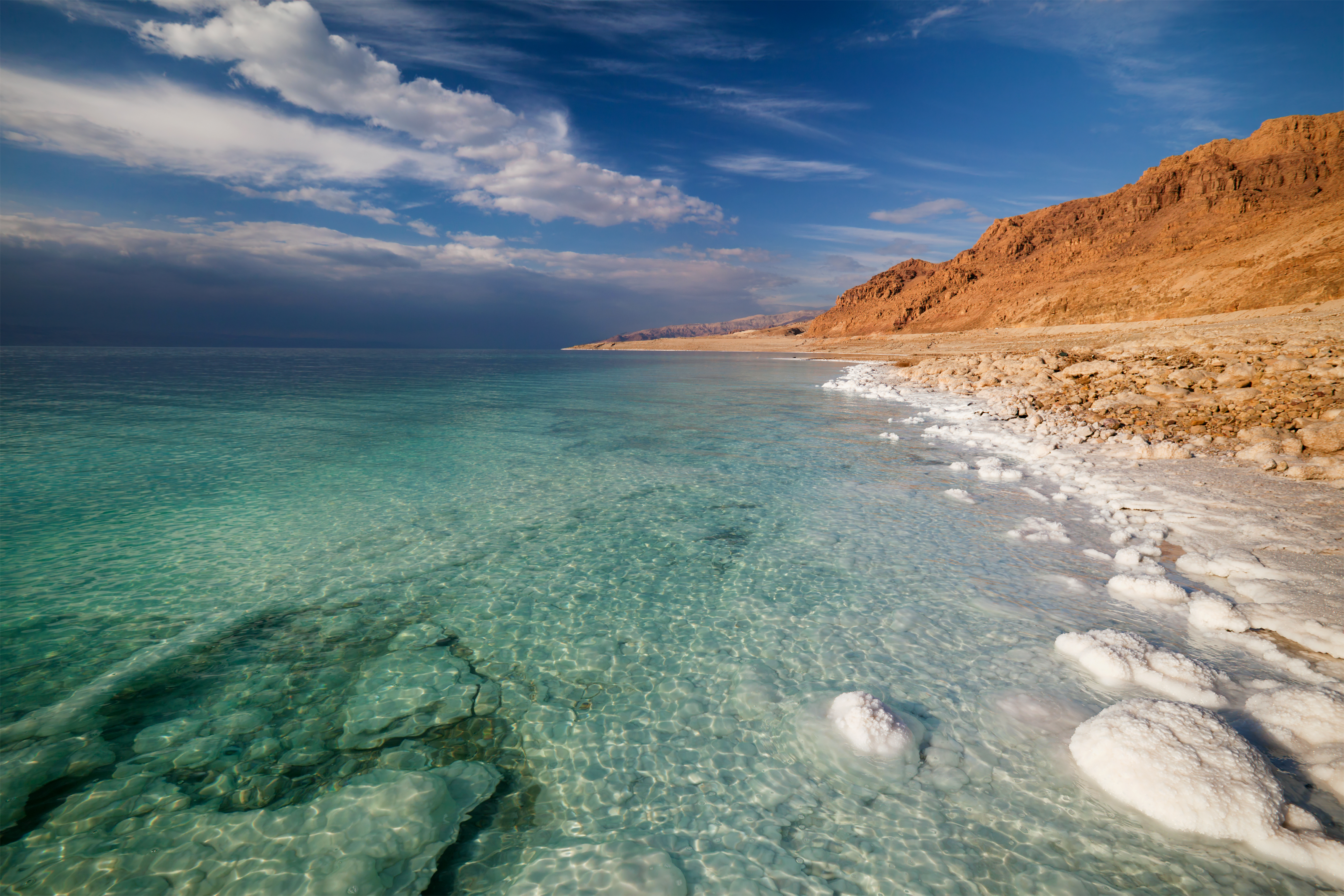
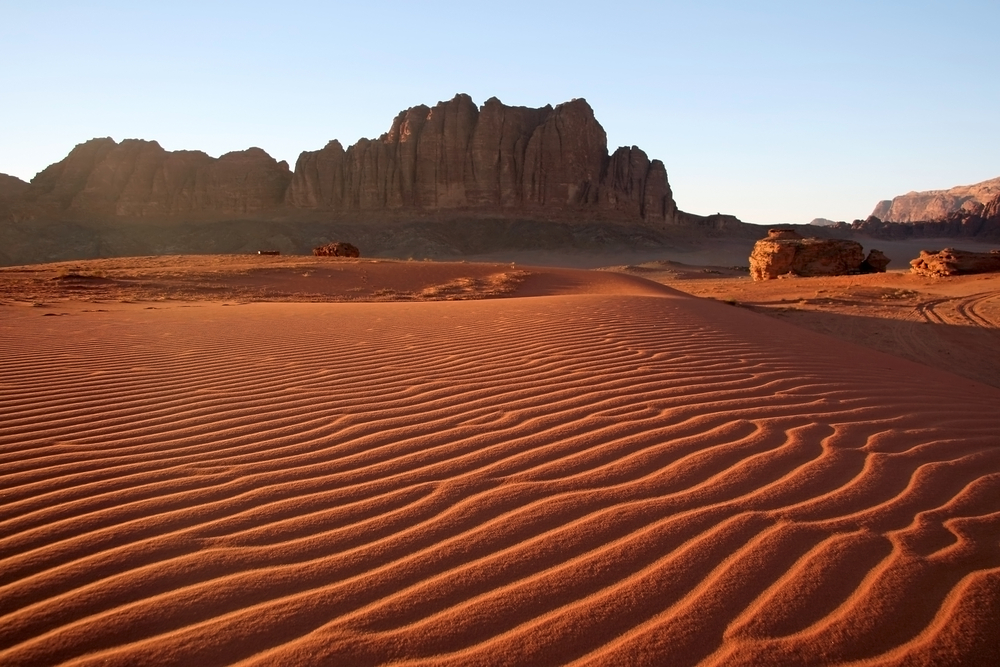
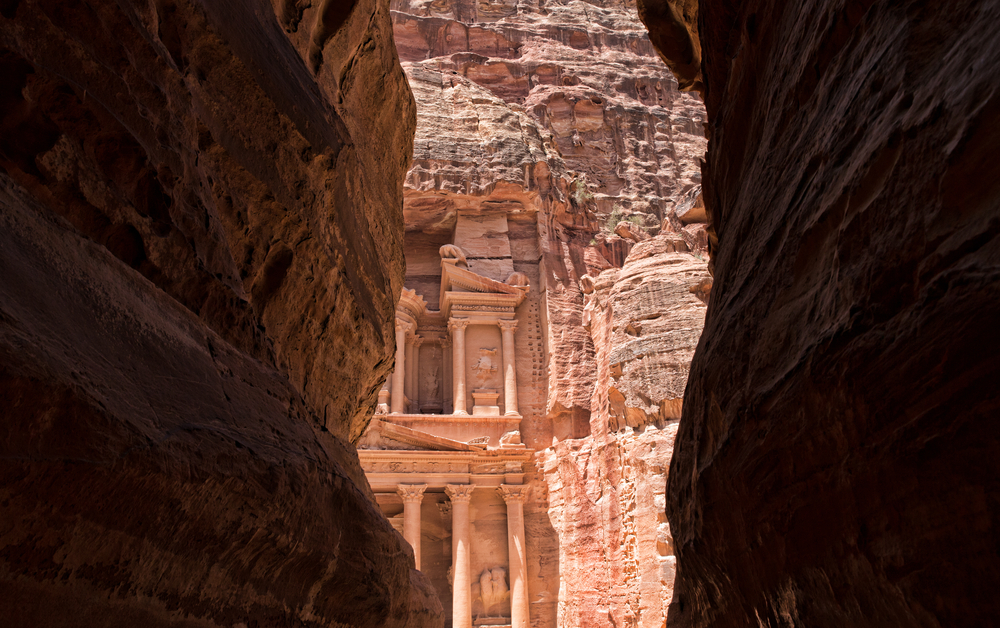
jordan waives visaJordan will waive its 40 dinar ($57) visa fee for incoming tourists to make visits to Jordan “more convenient and affordable for people of all nationalities,” according to a government press release. The action aims to boost tourism to kingdom attractions such as Petra, Pella, and the protected area of Wadi Rum.

It’s just one of several new initiatives to reinvigorate Jordan’s flagging travel industry. The kingdom’s 15 dinar ($21) departure tax will also be waived for all flights from Aqaba and Amman, on condition that visitors buy a ticket to touristic site and spend a minimum of three consecutive nights in Jordan. (Details about how this exemption works are unclear – this tax is now factored into overall airplane ticket fees). The Jordan Tourism Board expects these changes to be in place by September.

Royal Jordanian, the national airline carrier, has announced discounts for flights bought as part of a package, and hotels in Amman, Aqaba, and along the Dead Sea are offering promotional room rates to attract guests.

jordan waives visaThe decision will benefit people travelling via tour operators who spend a minimum of two consecutive nights in country. Travelers must still get an airport entry visa, but it will be free. The deal for independent travelers is not yet clear, but they must prove a longer stay in country (three consecutive nights) and show receipts for a “unified tourist site ticket”.

Jordan’s tourism industry has been pummeled by world perception of terrorism and war. Security concerns arising from conflict in neighboring Syria, Iraq, Israel and Gaza spill across the Levant, painting the entire region with the same jittery brush. The murder of the Jordanian pilot Muath Al-Kassasbeh by ISIS jihadists – while not on Jordanian soil – also did little to assuage travel fears. Both the US State Department and British Foreign Office appraise Jordan as safe for tourism, advising only against travel to the Syrian border. Common sense advice like “don’t play with fire”.

jordan waives visaEducated consumers could engage in basic due diligence and verify that Aqaba isn’t Aleppo and Gadara (modern Um Qays) isn’t Gaza.  But given limited time and money for holiday-making, many are apparently opting to spend their vacation in places devoid of hyped safety threats – think Cyprus or Lanzarote – deferring visits to Jordan’s holy sites, nature reserves and eco-adventures until its neighbors settle down.

jordan waives visaThe Jordanian Ministry of Tourism and Antiquities reported that the numbers of foreign overnight and same-day visitors to Jordan dropped from 8.2 million in 2010 (before the Arab Spring) to 5.3 million last year.  Visitors to the UNESCO World Heritage Site at Petra have halved since 2010. The impact is felt across the kingdom’s economy.

Jordan waives visa feesNayef Al-Fayez, Jordan’s minister of tourism and antiquities, said that the measures aimed to “encourage travelers to add Jordan to their next itinerary” and would help to promote the country as an accessible, safe, and inviting destination.”

Will this pull more visitors into the kingdom?  Those that do come are mostly motivated by the natural and cultural beauty. Many more travel here for the same reasons that keep recreational tourists away (aid agencies, NGO workers, media, diplomatic corps).  There is also a rigorous influx of medical tourists, and of course refugees.

I’m starting my fifth year in Jordan.  It’s beautiful.  It’s safe.  Come visit.

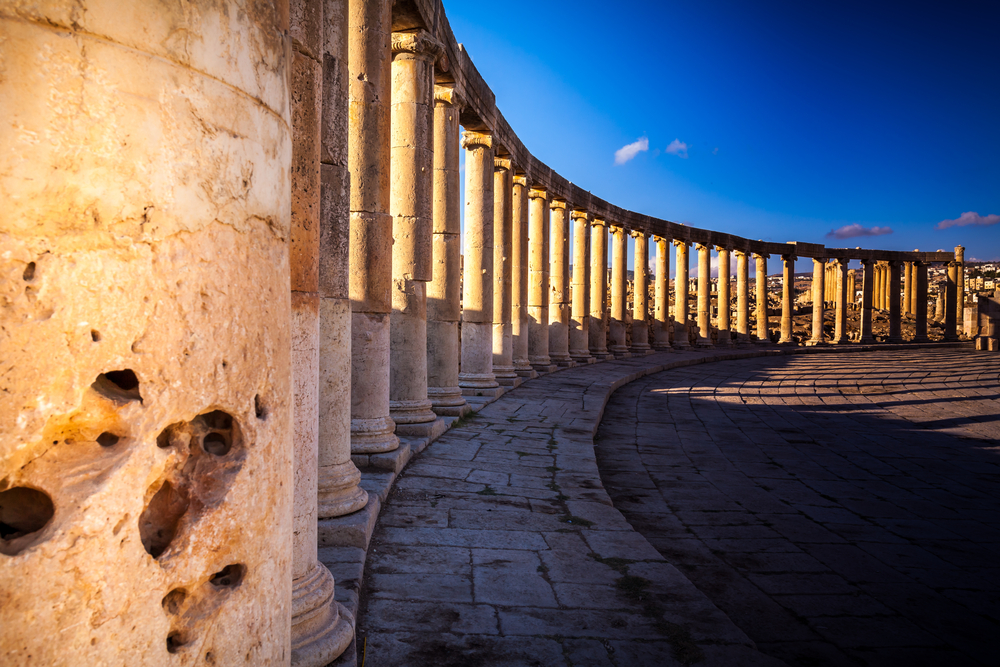
Images of Dead Sea, Jerash, Wadi Rum, Petra, and Aqaba’s Red Sea coral from Shutterstock.


Solar Impulse flying longest leg of round-the-world-journey

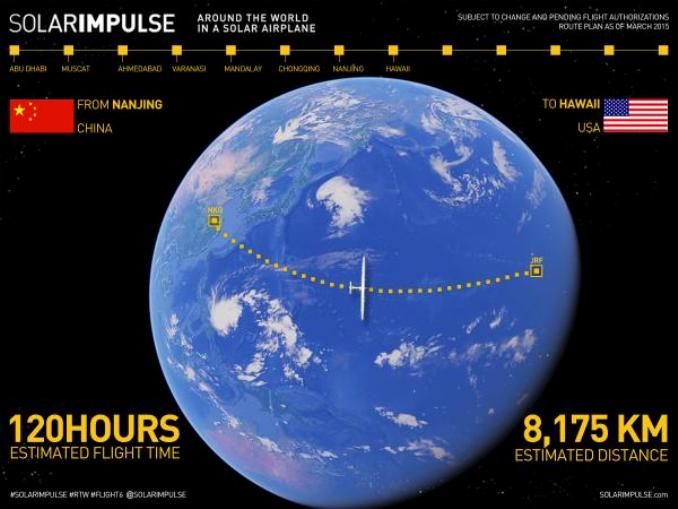
solar impulse 2 As of posting time for this story, pilot André Borschberg had been flying for over 24 hours on Leg 7 (of 12) of the Solar Impulse 2 trip around the planet.  He’s completed about a quarter of his journey from Nanjing to Hawaii, the longest segment of this record-shattering expedition. And it’s all made possible by the energy of the sun.

Does the Cannes Film Festival recycle cans?

0

green film makingCannes Film Festival is in full swing this week, but here in Jordan every day is a film festival thanks to vendors who hawk bootleg DVDs for a dinar apiece. That’s less than two bucks for a new release that would otherwise set you back $20 in a Manhattan theater. The downside with Amman’s cheap movies is you don’t always get what’s advertised, and what I planned to watch last night had an unintended Russian soundtrack.  So I turned to cable TV and found a gem of a film called Greenlit.  Five years old, its message is still worth the price of admission.

5 ways to stop animal trafficking


white lion dubai prince
A prince from Dubai hugs his white lion

Wild animals shouldn’t live in palaces, connected to leashes and paraded around streets in the Gulf Region like they are trophies. Dolphins shouldn’t be captured to live in cramped, private pools (read this story on the 4 dolphins living in a filthy pool in Egypt). Elephants shouldn’t be killed for tusks, or wild birds kidnapped from the nest to be sold at an exotic pet store.
There are so many moral and spiritual reasons as to why animal trafficking has to stop. Sadly, the deep pockets of Middle East millionaires with wild animal fetishes makes the Middle East a prime location for illegal animal import.

Deep pockets and access to private jets are another reason. So how can we as individuals stop animal trafficking in its tracks? Most of us aren’t brave or bold enough to pack up our lives and head to the jungles – where animal trafficking starts. But we can follow the following guide to help bring an end to this sad and gruesome hobby.

Putting crime in a museum

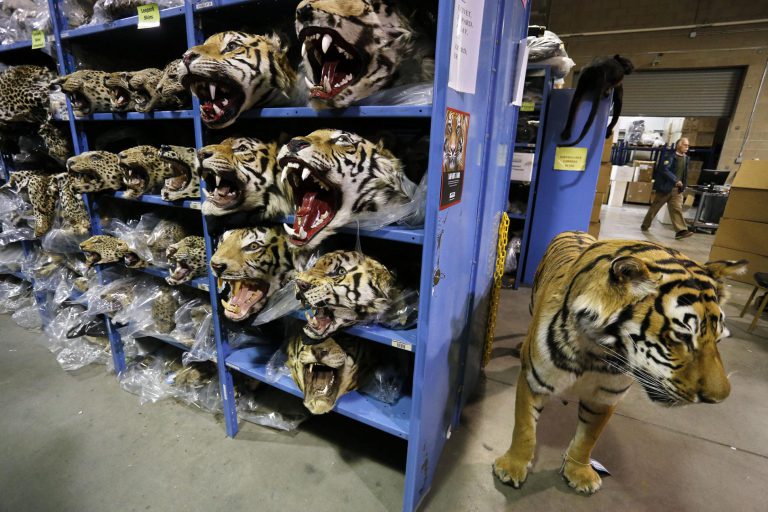
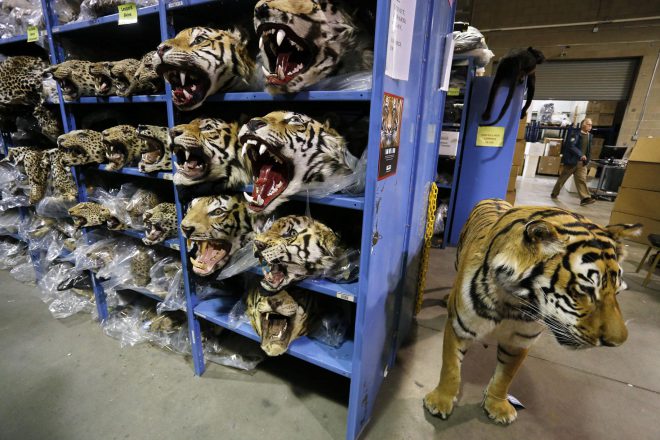
wildlife trafficking museum

Wildlife trafficking is wreaking havoc on particularly vulnerable animal populations across the globe, and stands as both a critical conservation concern and a threat to global security.

“This is a real problem that impacts us all, even if we are not the ones making the product purchases,” states Janine Vaccarello, chief operating officer of the Crime Museum in the United States.  “We should all take an interest in ensuring these animals are not being treated cruelly and that we no longer diminish their populations.”

The Crime Museum in Washington, DC is putting a spotlight on this critical issue, marking World Environment Day by opening a new temporary exhibit titled “Ivory, Tortoise Shell, & Fur: The Ugly Truth of Wildlife Trafficking.”

The exhibit aims to raise awareness among museum visitors about an often overlooked crime.

animal-print-shoe

“This is an issue that we are taking seriously and are determined to address,” explains William R. Brownfield, Assistant Secretary of State from the Bureau of International Narcotics and Law Enforcement Affairs. “The government is on board with the fight against illegal wildlife trafficking, but it’s also important that consumers get on board, too.”

5 facts about wildlife trafficking:

1. They are going extinct. It is estimated that in the last century we have lost 97 percent of the world’s tigers. In just the last 13 years there has been a 76 percent decline in the elephant population. In 2014 alone, there were over 1,200 rhinoceros killed in South Africa. Each of these animal populations are being severely depleted in large part due to illegal wildlife trafficking.

2.  Organized crime pays. Wildlife trafficking has become one of the most lucrative types of transnational organized crime in the world, with annual revenues conservatively estimated to be worth billions of dollars per year.  With such a lucrative market, this has led many criminals to engage in this illicit activity, driven by high demand and high profits for illegal wildlife as well as a low risk of detection. The items illegally traded include tiger bone, elephant ivory, bear bile and fish bladders, rhinoceros horn, sea turtle shells, pangolins, and more.

3.  Know what you are buying. Despite the conservation concerns, there are people who knowingly purchase such items, but there are also those consumers who buy the products unknowingly, thus further contributing to the issue.  They may purchase wildlife products, such as tortoise shell hair clips or elephant ivory carvings, without any awareness of the impact it has on the poaching situation in local communities.

4.  Don’t smuggle into America. The US government is taking a strong stand in the fight against wildlife trafficking, through the recently released Implementation Plan for the President’s National Strategy for Combating Wildlife Trafficking.  The Plan includes such directives as strengthening domestic and global enforcement, reducing demand, and expanding international cooperation.

5. Consumers have power. Buyers can play a role in helping to combat this global problem, starting with not purchasing any wildlife or wildlife products. When the demand for the products stops, so too will the number of animals being poached. Consumers can also learn about the issue, share that information with family and friends, and drive retailers to stop carrying illicit wildlife products.

5 ways to stop animal trafficking

Ofir Drori national geographic, animal trafficking
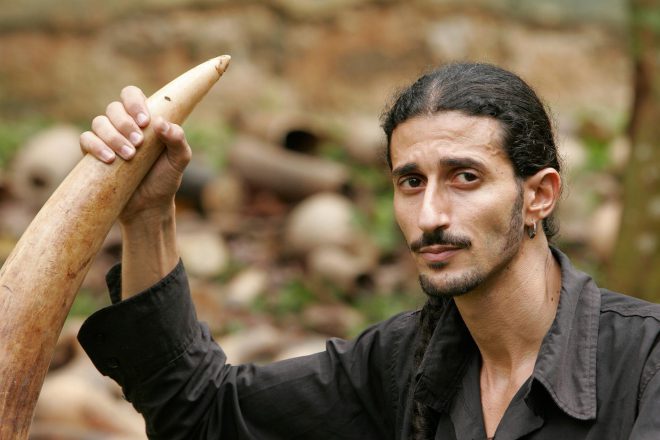
Ofir Drori runs the EAGLE project to stop trafficking in Africa. He got the idea to fight wildlife crime while he was working as a journalist in East Africa.
PHOTOGRAPH BY JEAN FRANCOIS LAGROT

1. Support anti-trafficking people and projects. Ofir Drori has been fighting poachers for 2 decades in Africa. He puts life and limb at stake while making sure those in the chain get arrested and face the punishment of the crime. 

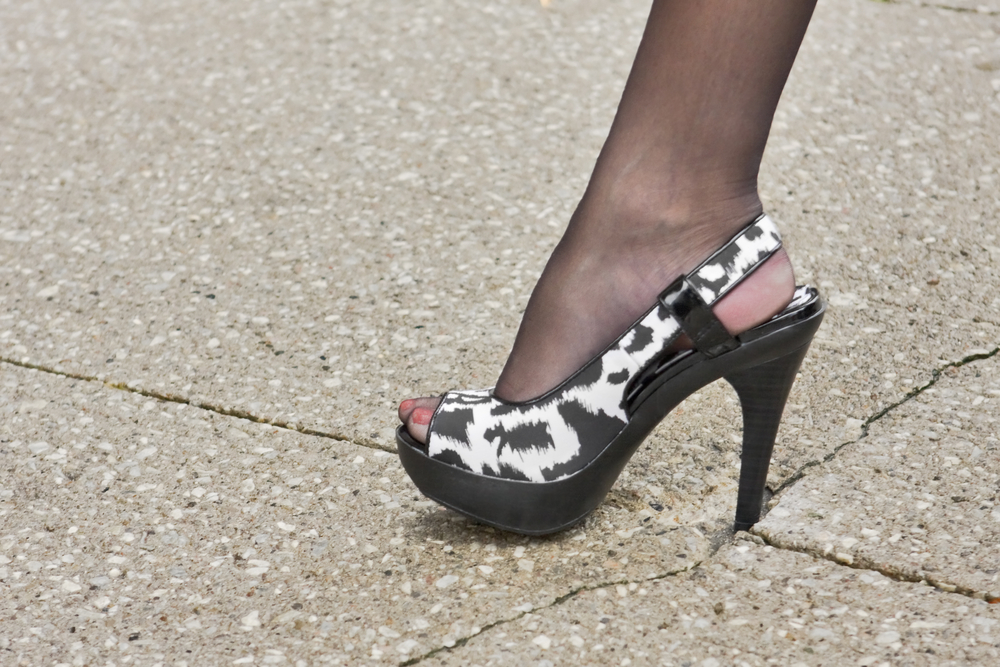
2. Never buy wild animal products. Don’t fetishize them in any way, as fur, as tusks, as horned-rimmed glasses. An ethical question: should we stop wearing animal prints, even if they are fake?

3. Beware of natural medicines from countries like China. They are notorious for using rare animal parts that decimate wild populations of animals. They use tusks, teeth, brains, testicles. 

4. Eat only sustainable seafood and meat. Not rare lion steaks. Not sharks. Or shark fin soup. Here are 7 Gulf fish totally okay to eat.

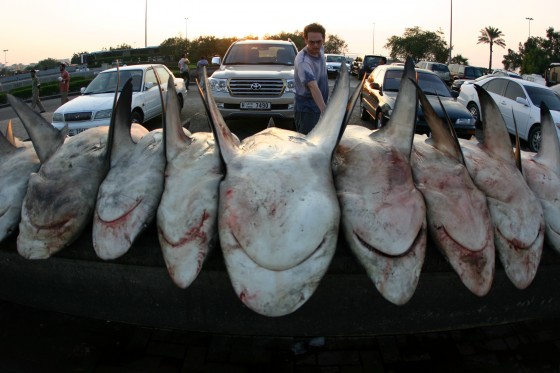
5. Report any illegal wildlife trade or products to your local authorities or to Green Prophet. Wild animals often appear in unregulated markets in the Middle East in Beirut, Tel Aviv, Istanbul, Cairo, Amman and Dubai. You might not believe your eyes when you see it, but it’s more common that you think. As one of our writers found out in the Emirates

emirates sharks market illegal fin soup

Russel Simmons against wildlife trafficking

Numerous celebrities have also weighed in on this important issue.

russel simmons wildlife trafficking
Russell Simmons. (Photo by Andreas Branch/Patrick McMullan) 

“More awareness about the process and consequences of illegal trafficking is the key to stopping the harming of innocent animals,” says Russell Simmons, an entertainment mogul. “Raising public awareness is the first step in stopping the purchase of jewelry made of ivory or tortoise shell or clothes made with real fur and helping these animals.”

The Wildlife Trafficking exhibit was held at the Crime Museum from June 2015, through February 2016, and it provided an opportunity for visitors to view a serious crime issue, and learn how to be a part of the solution. For more information, please visit their website here.

Read more on animal trafficking:

Ofir is stopping poaching in Cameroon

Dubai Porsche driver walks cheetah on a leash

Live Baby Leopard Found in Suitcase En Route to Dubai

Injured Cheetah Discovered on the Streets of Abu Dhabi

Lion Cub Shot Dead in Egypt

Shocking new way to preserve dairy, without a fridge

0

bottles-fresh-goat-milk

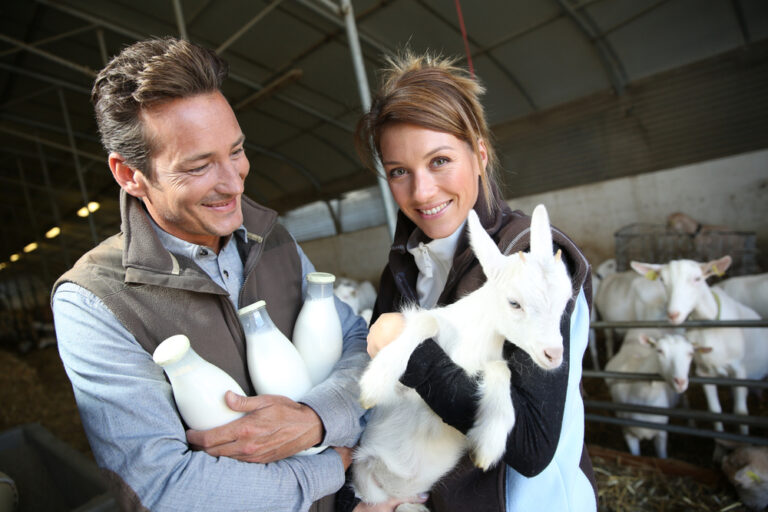
Most people in the developing world need to produce their own food, and most of these people do it inefficiently, making food security far out of reach. People buy a cow, or camels for milk, goats or even sheep to get a daily, fresh supply of dairy. There is virtually no way to preserve it using refrigeration and boiling, or pasteurization, because it is too costly.

And think about all the crazy people going off grid. They too need a cheap and simple, low in energy way to save precious resources milked at the farmstead. Can a simple solar-based solution replace the fridge?

Related: This farmer swears he can milk his billy goat

New, cost-effective answers lie in a simple and shocking technology. Researchers from Tel Aviv University have shown that simple electric pulses, in a process called electroporation, can kill the bacteria that contaminate milk. The process kills bacteria dead and the researcher of the study, Alexander Golberg, says this process can prolong milk’s shelf life.

“We are on a constant hunt for new, low-cost, chemical-free technologies for milk preservation, especially for small farmers in low-income countries,” says Golberg. “For 1.5 billion people without adequate access to electricity, refrigeration is simply not a possibility and boiling does not preserve milk’s freshness over time.”

According to the study, pulsed electric fields, an emerging technology in the food industry that has been shown to effectively kill multiple food-born microorganisms, could provide an alternative, non-thermal pasteurization process.

The stored milk is periodically exposed to high-voltage, short pulsed electric fields that kill the bacteria. The energy required can come from conventional sources or even come from the sun. The technology is three times more energy-efficient than boiling and almost twice as energy efficient as refrigeration.

An alternative for poorer countries

In developed countries, bacterial growth in milk is managed with refrigeration. But certain pathogens like listeria monocytogenes are less sensitive to low temperature so can proliferate during transportation and in storage. “Refrigeration slows the bacteria’s metabolism, but pulsed electric fields kill them,” says Golberg. “They are a fundamentally different approach to controlling microorganisms during storage.

“Our model shows that pulsed electric fields preservation technology does not require a constant electricity supply; it can be powered for only 5.5 hours a day using small, family scale solar panels,” he says. “I believe that this technology can provide a robust, simple, and energy-efficient milk preservation system that would decrease the amount of wasted milk, thus increasing the income of small farmers in developing countries.”

Image of goat milk via shutterstock

Floating farms may soon feed the world!

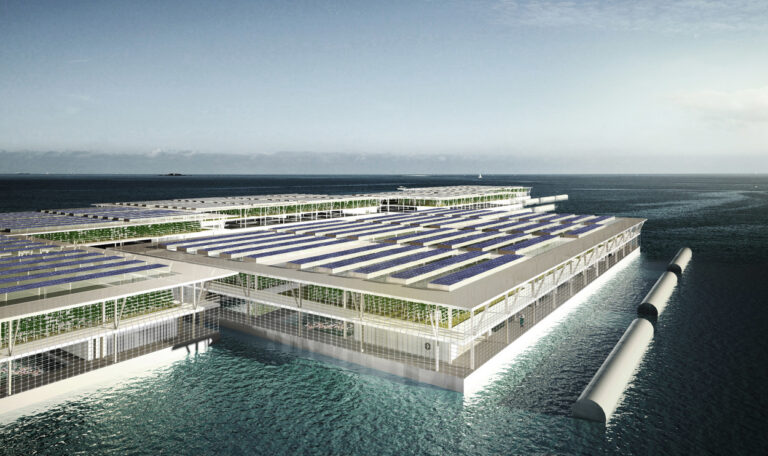
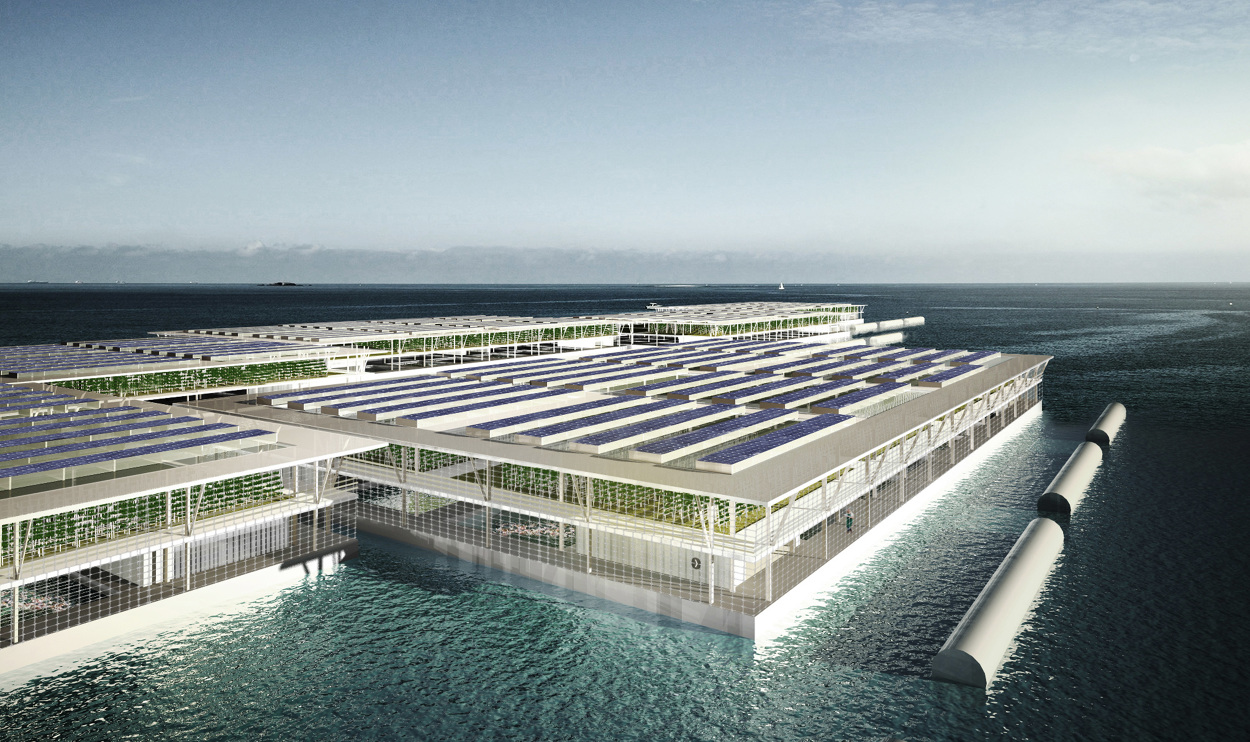
SFF_floating farmsWorld population will balloon from 7 billion today to more than 9 billion in 2050, with associated food demand predicted to increase by 70% in that same time-frame. How will the agricultural sector meet that demand without stressing natural resources and further accelerating climate change? Take a look at SFFs, a food production solution based on floating farms.

Hookah steam stones loaded with carcinogens

1

woman-hookah-shisha-nargilah-pipe

Hookah, shisha, or smoking the nargila is a staple of any Middle Eastern experience. But more and more research suggests that this form of smoking is more damaging than regular cigarette smoking. Send this one to all your pipe smoking friends.

Hookah pipes don’t use filters so you are potentially inhaling a lot more particulate matter than when you smoke filtered cigarettes. New research suggests that when you smoke hookah with steam stones, the consequences can be even more disasterous.

Researchers from the University of Cincinnati found that smoking a hookah loaded up with the stones actually delivers an extra cloud of toxic metal residues — including the chemicals of chromium, arsenic and cadmium — all released from the charcoal used to keep the hookah pipe burning.

We hate to say it but time to go back to smoking old smelly cigars?


Via: StogieBoys.com

Image of hookah pipe via Shutterstock

CoeLux skylights shed “sunlight” on windowless spaces

2

coelux artificial lighting

What if you could turn on the sun when and where you wanted?  Lighting pioneers at a company called CoeLux developed an artificial light that accurately simulates natural sunshine.  Stunningly realistic, the technology can replicate light hues and intensities of specific regions, including Mediterranean, Tropical and Nordic.  Since winning the Lux Awards 2014 Light Source Innovation of the Year, Coelux has moved from prototype to installation.

Best avocado and grapefruit salad makes the perfect match

1

avocado-grapefruit-healthy-food-pairing

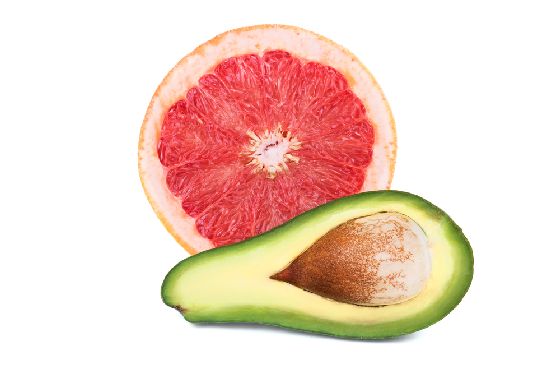
You might have been introduced to the seemingly odd combination of watermelon and feta cheese through my Green Prophet recipe article here. Now, there’s a new food pairing in town: avocado and grapefruit as a salad. The bright citrus of the grapefruit perfectly complements the warm creaminess of the avocado.
This colorful salad works well with seafood, and sits beautifully on top of a bed of lettuce, but surely it can hold its own, too.
When I tried this recipe of avocado and grapefruit I made a meal out of it!

How to make avocado and grapefruit salad

Cut the avocado and grapefruit into like-sized pieces and arrange them on a plate. The video below will show you how to nicely segment a grapefruit. I use about 2-3 Hass avocados or 1-2 Florida avocados to one large grapefruit.

Definitely take a moment to marvel at the coral and lime green color combination here!

[youtube]https://www.youtube.com/watch?v=1tbf9fGAC10%20[/youtube]

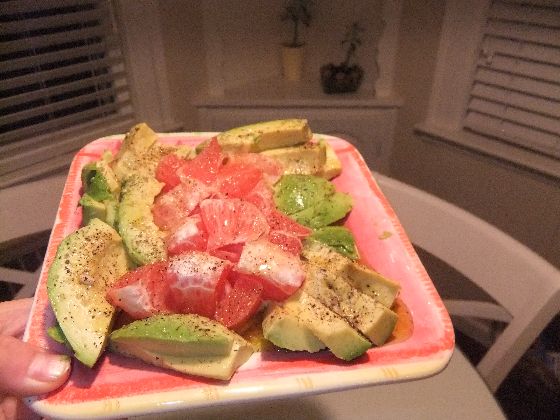
To tie all the flavors together, use a few ingredients that you probably have in your kitchen already: lemon, olive oil, salt, pepper, and sugar. I simply poured a lemon-olive oil dressing over the avocado and the grapefruit, and I sprinkled fresh-cracked salt and pepper over the avocado and raw cane sugar over the grapefruit.

The sugar just serves to prevent any mouth-puckering that might occur from the grapefruit, even when paired with the avocado; it is completely optional.

DSCF4809 - Copy

I like the simplicity of this recipe, but it can certainly be made more elaborate. Try adding shallots or red onion, and spices like oregano, to the lemon-olive oil dressing.

If you like vinegar, apple cider or white wine would work best.

For substitutions, lime can be used instead of lemon, and if you’re lacking grapefruit, you can use blood oranges, regular oranges, or even lemons (Meyer lemons are the least sour type) in its place. I’ve tried all of these citrus replacements and they work nicely, although grapefruit is still king in my book.

That said, if you can get to the store to pick up some grapefruit for this recipe, do it. Grapefruit is rich in an antioxidant called lycopene, which has been shown to reduce inflammation and maintain healthy cells. The lycopene in grapefruit becomes more easily absorbed – meaning that it’s easier for the body to use – when the fruit is paired with healthy fat-laden avocado.

A lot of people want to try avocado but they don’t when they are fresh. Watch this video to take the test: 

[youtube]https://www.youtube.com/watch?v=-pFk1jZIB1o[/youtube]

And when you are done you can grow an avocado tree, using this video:

[youtube]https://www.youtube.com/watch?v=eVclrVzqlts[/youtube]

Plus, although this dish might seem like the perfect summer salad, grapefruit is best right now. High season for grapefruit, like other citrus, is winter and early spring. If you’re fighting off the last of that seemingly never-ending winter cold, the Vitamin C will help to kick it to the curb for good.

Image of 1/2 grapefruit and 1/2 avocado from Shutterstock; Image of finished salad by me.

36 golden retrievers rescued from Istanbul streets

dogs saved in TurkeyFeral dogs are commonplace in Istanbul, but a sharp-eyed American noticed a particular surge in the number of pedigreed golden retrievers on the streets. She observed that the breed was increasingly popping up in shelters too. Thanks to her networking with a US-based rescue center, three dozen of the dogs have now been saved and are now living in an animal shelter in an Atlanta, Georgia suburb. It’s the largest-ever retriever rescue.

Alaskans to Emiratis: we’ll all pay for UAE snow

Area sauna desert snowScandinavian saunas are so yesterday. UAE trendsetters can now literally chillax in indoor “snow rooms” that create real snow using a snow-making system like that used for the interior ski slopes in Dubai’s Mall of the Emirates. It’s costly to be cool, prices start at $109,000. But our planet pays the real bill.

The most dangerous spots in the Mediterranean for natural disasters

2

Calbuco volcano

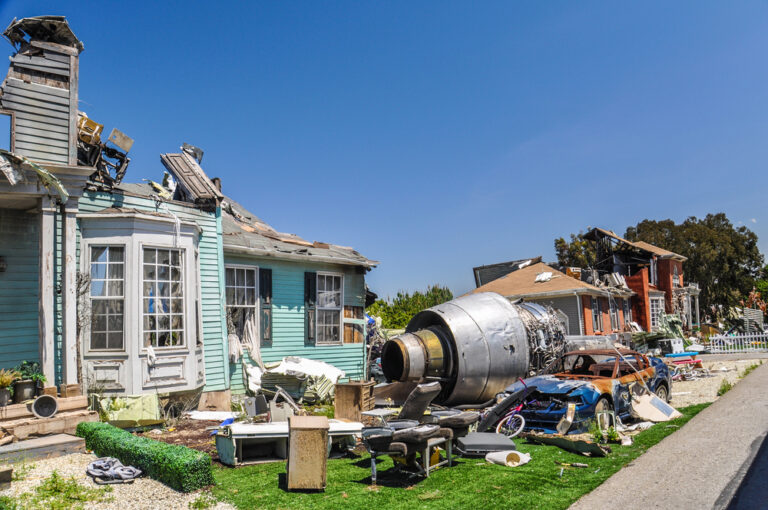
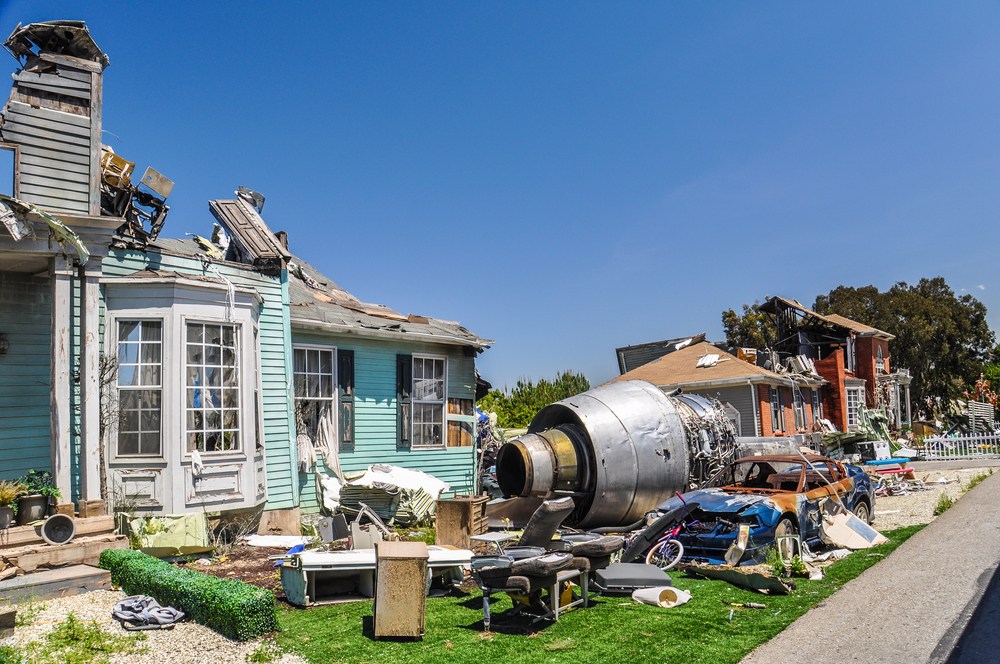
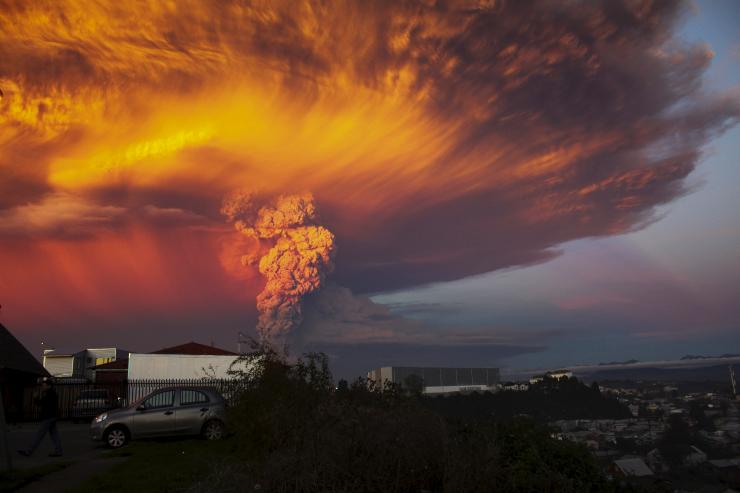
Threats of potential extreme geohazards against humanity became partial reality this month, following the spectacular eruption of the Calbuco volcano in southern Chile (photo above); and the 7.8 magnitude earthquake in northern Nepal.  The Nepal earthquake, occurring in one of the poorest countries in the world, has so far killed more than 7,400 people, made thousands homeless; and caused deadly avalanches on nearby Mt. Everest. Entire rural villages were destroyed.

These natural geohazards have also occurred in the Mediterranean Sea region, especially in Turkey which is constructing a large nuclear power plant at Akkuyu. Historically, severe earthquakes and volcanic eruptions have also occurred in what is now modern day Israel and Lebanon.

True, the eastern Mediterranean is not the Himalayas or the Pacific “Ring of fire”  that contains many dormant and active volcanoes, as well as being prone to frequent earthquakes. The area that emcompasses Greece, Cyprus, Turkey, Syria, Lebanon, Israel and Jordan does have a history of earthquakes as well as volcanic activity.

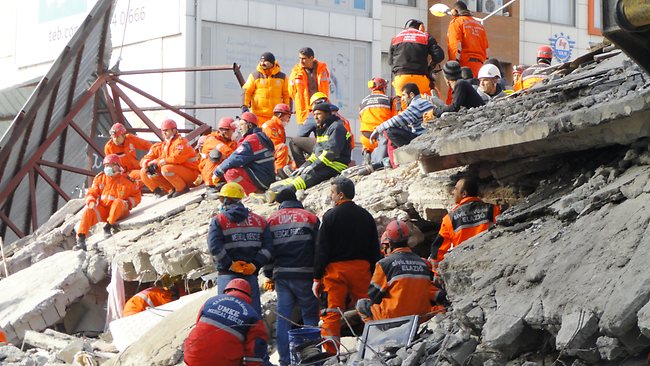
Turkey has frequent earthquakes, some of them being quite severe. One of the worst ones in recent times was the 7.4 magnitude earthquake (photo below) which devastated the Turkish resort city of Izmit in August, 1999. The quake struck at 3 a.m. while most people were asleep. More than 17,000 people died in this earthquake; many of them due to shoddy construction standards of apartment buildings. More than 500,000 were left homeless.

709472-turkey-quake

Since then, other earthquakes have occurred in Turkey, whose western and eastern borders straddle two major subterranean fault lines:  the North Anatolian Fault, which runs across the entire northern part of Turkey; and the East Anatolian Fault, which runs along the country’s eastern borders with both Iraq and Syria.

Another major fault line, the Dead Sea Transform, is an extension of the Syrian-African Rift.  This fault line stretches 4830  km (3,000 miles) from northern Syria to Mozambique. Although no catastrophic earthquakes have occurred in the section shared  by Syria, Lebanon, Israel and Jordan in recent times, historic catastrophic earthquakes have occurred.

Numerous smaller quakes measuring up to 4.5 on the Richter scale have occured in recent times; especially in the Eilat-Aqaba area. The Mediterranean Sea off the costlines of Syria, Lebanon and Israel also has earthquakes occurring. A quake measuring 4.2 in magnitude occurred in August, 2011 off Israel’s western shores.

Ron Avni, professor of geology and an earthquake specialist at Ben Gurion University, said then that this earthquake, the strongest one occurring in this area in recent years, could be a warning of a much stronger quake occurring in the future. “It’s not a question of if, but simply a question of when,” he added.

Sicily’s Mt. Etna is presently the region’s most active volcano.  History has recorded some very serious volcanic eruptions, including the massive eruption ot Mt.  Vesuvius, near Naples in 79 BCE.  It completely destroyed the Roman cities of Hurculaneum and Pompeii. Mt  Vesuvius has not erupted since 1944; and although considered largly dormant, is still regarded as one of the world’s most dangerous volcanoes.

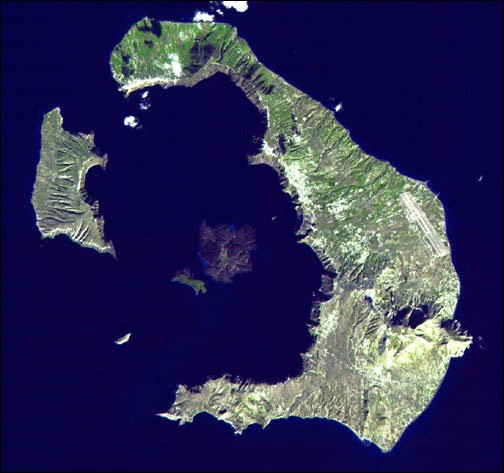
Santorini islands and volcano

A dormant mega-volcano, one whose mostly submerged cone comprises the Greek Island group of Santorini is  located 300 km S.E.of Athens. This very historical volcano, last erupting in 1950, has had several severe eruptions during its long history. Its most deadly eruption in recorded history occurred in 1,613 BCE, destroying most of Santorini Island. This event may have helped alter the entire region from a historical standpoint (the lost city of Atlantis may have been destroyed by this eruption).

Presently, reports of volcanic magma again building up in waters under Santorini’s volcano crater or caldera, could be an indication that this super volcano may once again erupt explosively.  This type of eruption could result in not only the release of huge amounts of volcanic rock and ash into the atmosphere, but could also cause severe earth tremors and possibly deadly tsunamis.

“Dormant volcanoes like Santorini can become active very quickly; within a time span of only a few decades,” says Tim Druitt, a volcanologist at the University of Blaise Pascal in France.

If Santorni does blow its submerged top, everyone in the eastern Mediterrnean basin, as well possibly on the entire planet, will be affected by its might.


Via: Potashnik & Associates

More articles on earthquakes and volcanoes; and the energy created by them:

Ormat to provide 330 megawatts of geothermal energy in Sumatra Indonesia

Plans for Turkey’s first nuclear power plant revealed

Dr. Helen Caldicutt: Fukushima meltdown much worse than Chernobyl.

Photo of 2015 Nepal Earthquake: Wikipedia.org

Photo of Calbuco Volcano Eruption at Sunset: IB Times

Canada and USA sign on to rehabilitate the Jordan River

5

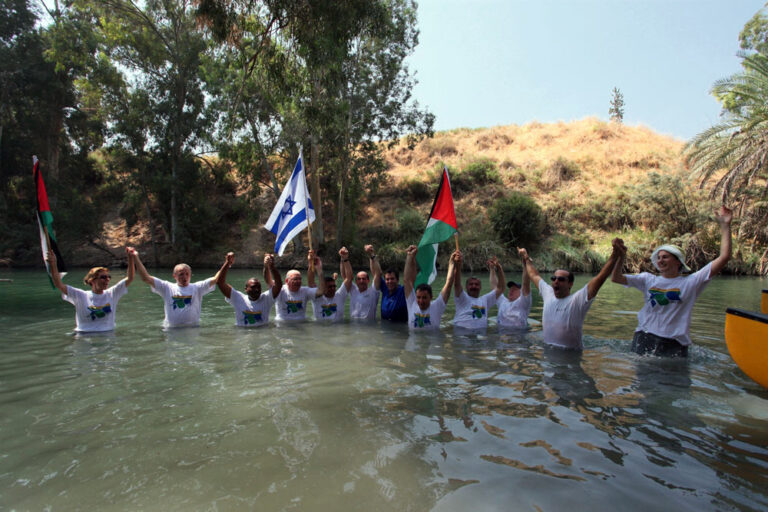
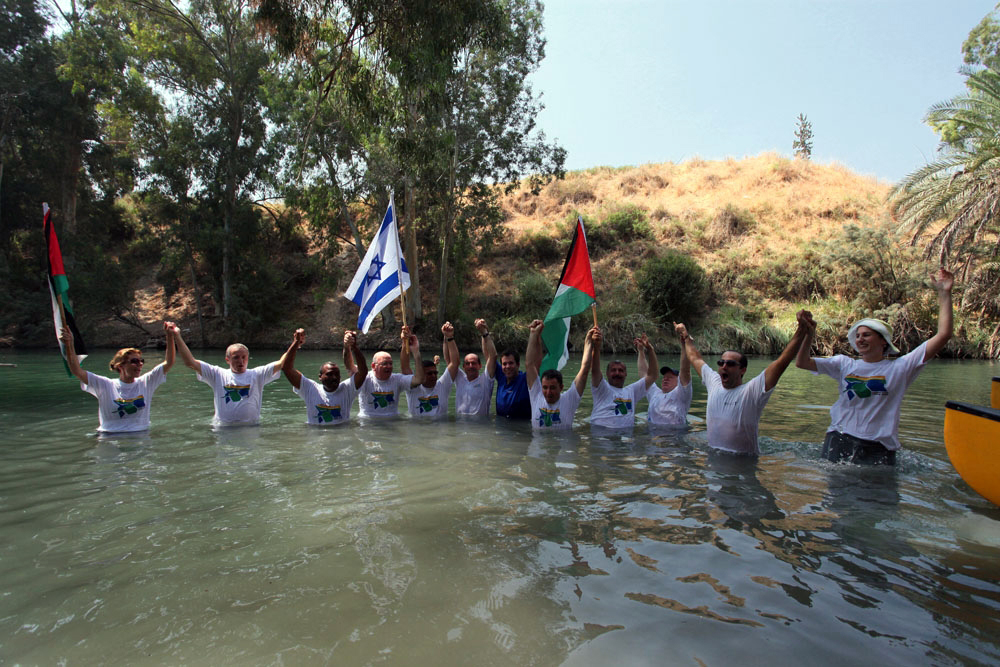
 Jordan River_ecoPeace.Mayors from 114 North American cities entered into an agreement to rehabilitate an endangered river halfway across the world.  Launched at the recent Water After Borders (WAB) summit in Chicago, the partnership brings expertise in transboundary water system management to the Jordan River, a waterbody long embroiled in regional politics.

SolarEdge and Tesla team up to tackle distributed PV storage

3

PV storage solutionTwo leaders in renewable technologies are collaborating on a home battery solution that will enable individual solar power producers to store surplus energy at point of generation for later reuse. Electric car maker Tesla Motors and SolarEdge Technologies, manufacturer of photovoltaic (PV) inverters, have teamed up to create an inverter solution that will allow for grid and photovoltaic integration with Tesla’s newly launched home battery solution, the Powerwall.  Storage has been the Gordian knot of PV; their product would enable more cost-effective residential solar generation, storage, and consumption.