Home Blog Page 258

The state of solar power in the Middle East

50

Masdar City, K.A.CARE, Cooperation Framework, renewable energy, Saudi Arabia, Abu Dhabi, UAE, clean tech, cross border cooperation, green tech

The unveiling of Dubai’s rooftop solar project during March 2015 is one of many steps the emirate is
taking in order to grow a domestic market regarding solar technology and usage. It is clear from these actions that the emirate is setting out to be greener and cleaner. At the same time, it is obvious they are aiming to be at the forefront of many different sectors, including trading, tourism, leisure and finance.

The Future of Energy Supply

This project is not the first of its kind within the country, which has shown a genuine desire to explore renewable options. The year 2013 saw the launch of Shams 1 in Abu Dhabi, a large concentrated solar power plant. It was developed by a subsidiary company of Masdar (specialists in renewable energy), which focuses on creating clean and green energy solutions for both Abu Dhabi as well as for the rest of the world.

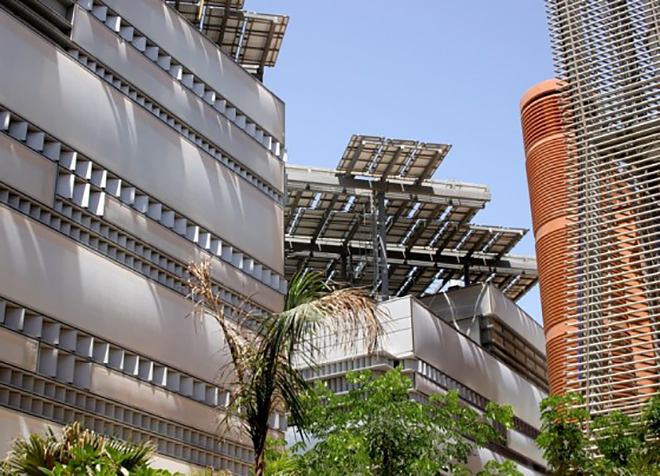
Masdar City is another program developed to showcase the feasibility of creating carbon-neutral cities.

Shams 1 and Masdar City are both supplemented by the recent launches of renewable technology incentives. The UAE are far ahead of the game compared to their neighbours.

The Rise of Renewable Energy

With oil and natural gases forming the basis of the Middle East’s energy power requirements, renewable energy has only recently gained some momentum in this part of the world. The GCC (Gulf Cooperation Council) particularly depends on the usage of fossil fuel. Fossil fuels are seen as being plentiful and unlikely to run out, and they are also an inexpensive option for supplying power locally.

As such, gas and oil are responsible for almost all of the energy used in the United Arab Emirates and
the GCC.

There were two main factors that piqued interest in utilising renewable energy within the Middle East. First was the reduction in cost of certain technologies that are involved in producing renewable energy (such as PV), especially in the previous decade. The second reason is the simple fact of demand; the region wants and needs renewable energy.

Due to the immense economic growth within the UAE – especially the rapid development that occurred in the past 40 years – energy demand has escalated extremely quickly. The UAE is one of the largest consumers of energy in the world, when looked at per capita.The region’s low-cost market for energy also contributes to the population’s consumption of renewables, as it reduces the attractiveness of choosing a greener lifestyle in favour of utilising traditional power sources.

A Smart Move

The UAE and several surrounding nations are opening the doors in regard to energy supply options
and also creating policies that will keep the demand for energy in check.The decision to move away from hydrocarbons and move towards alternative energy systems is based in part on the fact that the UAE will become the first country in the GCC to introduce civilian nuclear power. Renewables play a huge part in this strategy as the region enjoys sunshine all year, lending itself to an integration of solar power.

Solar may not be as cost-effective as traditional energy sources at this stage, but the future does
look bright. With technology progressing continuously, the cost factor will most certainly be reduced,
making the value of solar power more evident. This won’t only assist the Middle East and the UAE though; even countries with less favourable climates, such as Germany and the UK, will be able to
benefit from these developments.

Fossil Fuels – Costly from Many Angles

There are other reasons for the UAE to look at domestic markets regarding new energy sources as
well. Heavy dependence on hydrocarbon sources means that the UAE makes use of huge amounts of gas and oil. Due to the money it makes from exporting this resource, every barrel that is not exported is lost revenue for the UAE.

The cost of such heavy reliance on fossil fuels for its domestic energy needs has negative impacts in the long term as well; it could almost take over the initial cost of developing and installing renewable technologies like utility-scale PV solar power.

Benefits of expanding on renewable energy within the region include decreasing their swiftly increasing carbon footprint and opening the path for the development of green energy solutions.

Looking to the Future

The next point on their agenda should be to streamline various policies within the UAE in order to create more emirate-level initiatives. When focused together, these aims will be a testament to how
serious the UAE is about renewable energy while also aiding with manageable and balanced usage of
their treasured finite resources.

Solar is the future of energy power demand in the long run. The Middle East is clearly catching on
to that fact, along with many other countries worldwide. For more information on solar, visit Australian Solar Quotes.
Students make AMENDS for a better Middle East

0

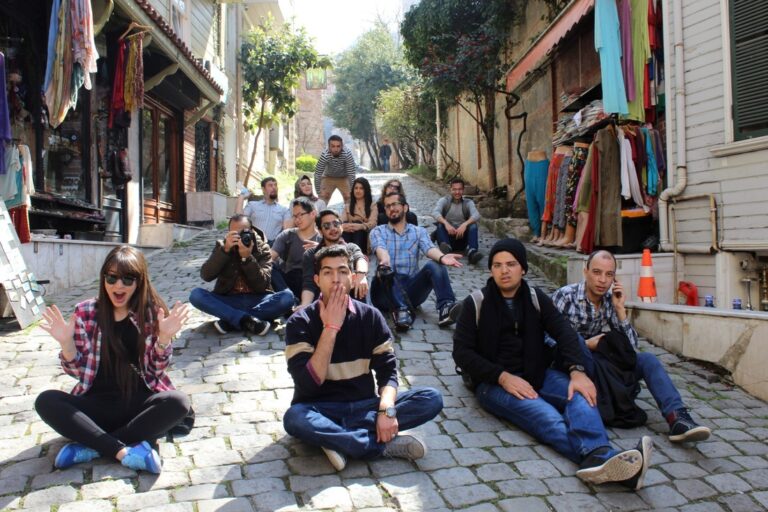
AMENDS Stanford UniversityThe American Middle Eastern Network for Dialogue at California’s Stanford University (AMENDS) is a student-led initiative that enables young change agents from across the Middle East, North Africa, and United States to share ideas, collaborate on projects, and, through Ted-style talks, broadcast their experiences and learn from each other. This is a story about a platform for sharing stories that prompt positive change.
Is Egypt in denial about Nile phosphate pollution?

8

phosphate dump in Nile River

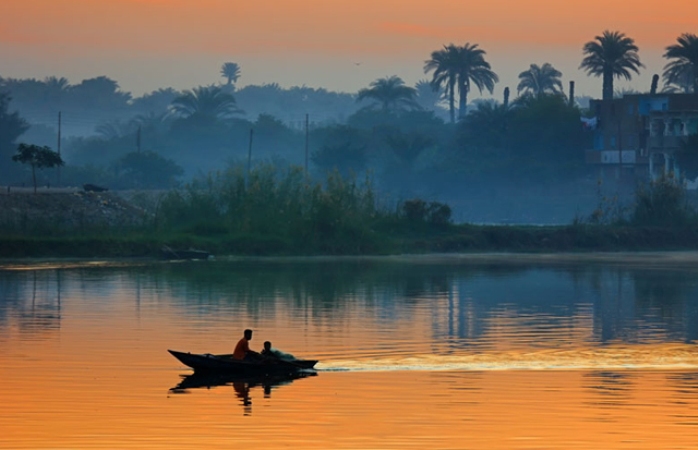
A barge carrying 500 tons of phosphate capsized in Upper Egypt last week after a run-in with a bridge foundation.  According to Egyptian newspaper Al-Ahram, the ship flipped after colliding with the Dandara Bridge in Qena, about 40 miles north of Luxor, dumping 1 million pounds of phosphate into the Nile River. Egypt’s Minister of Irrigation (MOI) Hossam Moghazi declared a state of extreme emergency as a precautionary measure. So what exactly are we looking at here?

10 Inventions to Save Earth’s Water

5

water ship yacht

With drought looming in California, but in many regions of the world include Yemen, Green Prophet honors Earth Day by digging into the archives so you can share 10 ways to collect and save fresh, potable water.

1. Seawater cone evaporation

watercones family Yemen village
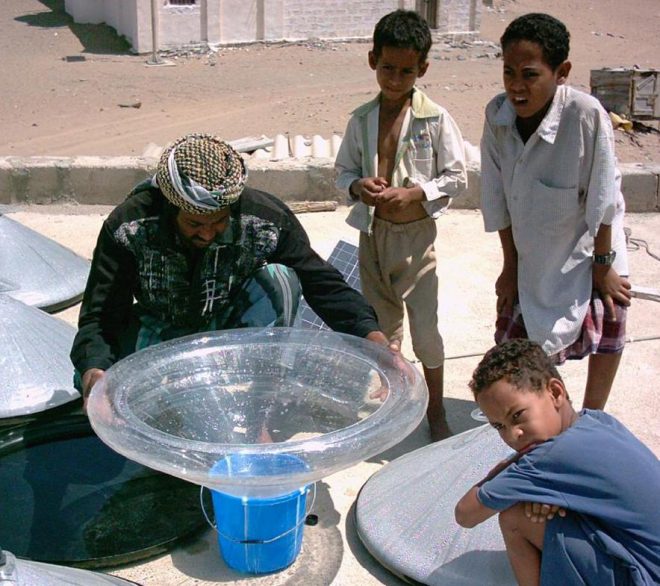
Watercones being used in Yemen, the thirstiest place on earth.

This low-tech method of collecting fresh water in involves placing an inverted plastic “water cone” over a pan of salt water and catching the evaporating fresh water droplets in the rimmed cone edges.

A cone measuring about 1/2 meter in diameter and are about 35 to 40 cm high can produce as much a one liter a day of fresh water. This idea is being tried in water starved countries like Yemen; which are now literally running on empty. The idea is also being used at a large scale to grow organic food in Abu Dhabi in seawater greenhouses.

2. Purifying contaminated water supplies in SODIS plastic bottles

sodis water bottles India
A SODIS water purification “plant”

Another “low tech” way of creating potable water supplies involves purifying water in large plastic water bottles, which are normally thrown away after use. Discovered by a Swiss research institute, The Swiss Federal Institute of Aquatic Science and Technology the SODIS method takes stagnant or waste water first made clear by filtering through sand.

The filtered water is then put into the plastic bottles, one side of which has been painted a dark color to help absorb sunlight. The filled bottles are arranged in rows on rooftops to allow the sun’s heat to heat up the water in the bottles to kill harmful bacteria.

This acts like a miniature sun boiler and not only provides safe drinking water but also allows more light into the dwelling. The SODIS method is now being used in countries like India where local freshwater supplies are often contaminated.

3. Water from air conditioning units

Air conditioners in apartment buidlings
Air conditioners pull water from the air, literally. It’s distilled so not great to drink, but useful in other ways.

This water collecting idea has been around for years and is now being used by US and other armed forces units in desert countries.  Water from air conditioning condensation is purified and used for drinking by troops in the field. Water obtained by this method can have a variety of uses; including agriculture and industrial use as well as for drinking.

4. Wastewater treatment

Treatment of wastewater, from sewage as well as “grey water” from households is now being done in countries like Israel, which reclaims as much as 70% of its waste water.

Israel’s success  in reclaiming waste water has been so great that its national water company, Mekorot, received UN recognition for its Shafdan water reclamation facility. Much of this treated water is used for agriculture and public parks, which do not need purified fresh water.

5. Defying nature in Wadi Rum

Wadi-Rum-farmers-with-squash

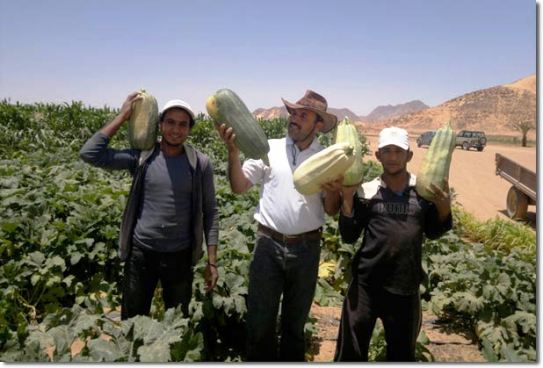
Bedouin farmers in Jordan’s Wadi Rum desert region (photo) are now using permaculture design systems, which date back to the ancient Nabateans who once inhabited the region.

These systems help conserve available water supplies to successfully grow organic vegtables and other crops. Permaculture irrigation involves digging small canals and drip irrigation methods. The systems used have already been in use extensively in the Jordan Valley. Mulching around trees such as pomegranates involves using what is known as a “chopndrop” method that helps conserve water.

6. Fog harvesting

Fog harvesting involves collecting water droplets created in locations where dense fog often blankets areas during certain times of the year. Also known as fog drip, this method of collecting water is now being used in Middle East countries like Yemen, Oman and Saudi Arabia, where annual monsoons create dense fog, known as “Khareefs” which blanket southern coastal  regions.

khareef fog collector doha, Qatar
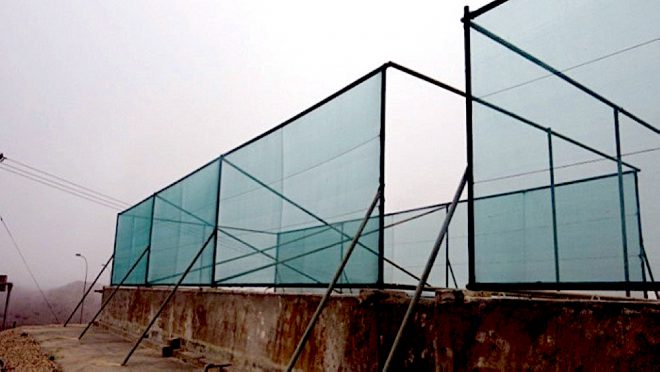
The Fog Collection Project successfully collected 350,000 gallons of water from fog during the Khareef.

In this method, fog created water droplets are captured on special plastic mesh, which then drips down into a special reservoir located below the mesh. A collector of four 20-m-wide, 3-m-tall nets is placed at opposite ends of a reservoir that is capable of holding 400 cubic meters of water.

7. Bamboo Warkawater Towers

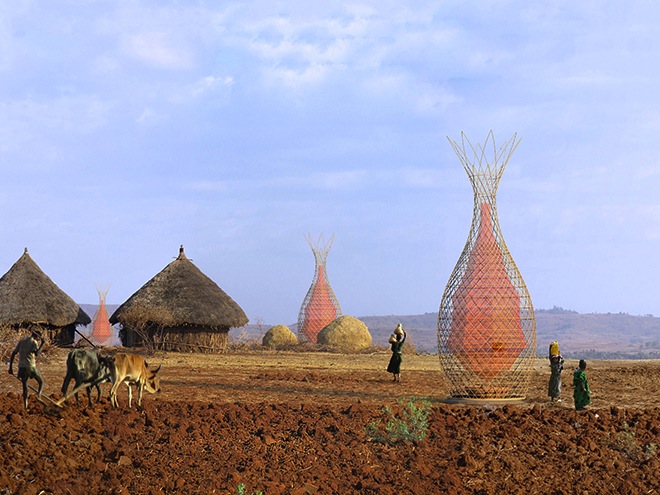
Another low-tech invention for harvesting water from the air is an Italian designed “Warkawater Tower”  that is designed to collect water in countries like Ethiopia during cooler evening hours when the air becomes cooler.

Warka tower, architect

Named after the warka tree, native to Ethiopia, special plastic mesh in bamboo frameworks collect dew, which then drips down to a collecting pan. This method requires no external energy and is well suited for arid countries like Ethiopia  where nighttime temperatures are often very cool, allowing due to form.

8. Dome collectors

greenhouse-water-collector-for-ethiopia-660x403

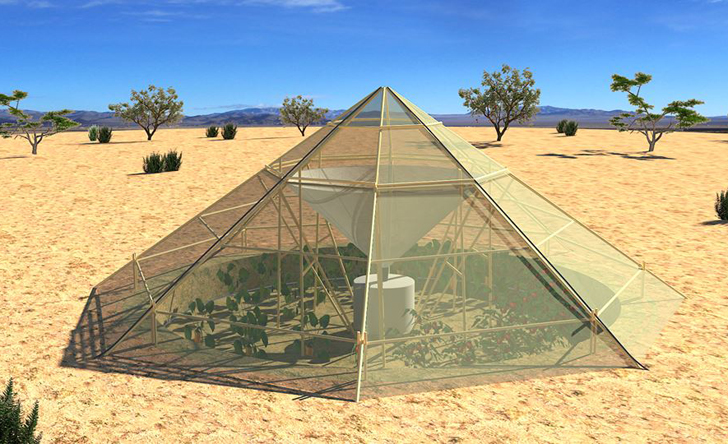
Also suited for arid countries like Ethiopia, or even California or Arizona in the US, futuristic dome collectors also collect dew in early morning hours. This device involves a dome shaped mini-greenhouse of special plastic sheeting that collects dew which then drips into an inverted funnel shaped cone.

The collector requires no external energy source and is easy to assemble and disassemble. In addition, they can also be used to grow crops, which are located under the plastic “greenhouse”.

9. Underground water reservoirs

Whether natural, like Israel’s Sea of Galilee or man-made, water collecting reservoirs have been prime water storage sources since ancient times. More recently, these sources have become increasingly polluted, as well as severely depleted by periods of less than normal rainfall, or severe drought.

This is especially so in Middle East region countries like Turkey, Syria, Lebanon, Israel and Cyprus.

As more and more water is removed, for drinking or agriculture, the remaining water is  more subject to saline pollution and other contamination.

10. Desalination technologies

A last resort :Although more in use today, desalination of sea water by reverse osmosis and other methods is one of the most environmentally damaging as it involves use of oil and other fossil fuels to run the desalination plants.

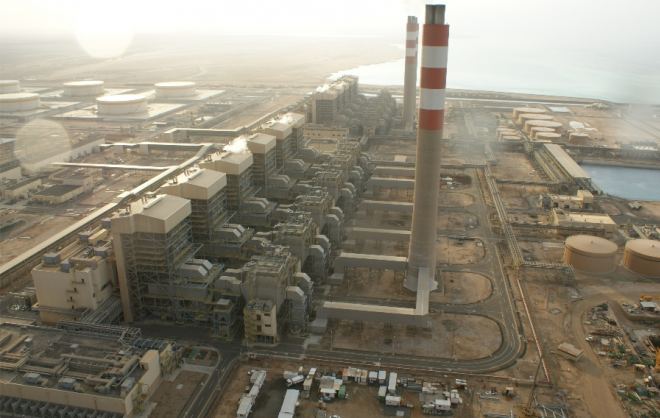
Shoaiba Desalination plant looks like Gotham City
Oil-powered Shoaiba Desalination plant in Saudi Arabia looks like Gotham City

In addition, the heavy saline brine residue is usually allowed to flow back into the sea, making the seawater nearby more saline. Various ME and Mediterranean countries are now heavily dependent on desalination, including Cyprus which is receiving Israeli assistance to build desalination plants, Saudi Arabia, and the UAE.

As fresh water supplies grow even more scarce worldwide, fresh water related issues will undoubtedly receive more attention on future Earth Day events.

More on water collection and conservation:

Futuristic dome collectors collect dew for drinking water and crops

Cyprus gets new desalination plant with Mekorot Israel’s knowhow

Bamboo Warkawater Tower Harvests Potable Water From Air

Wadi Rum Bedouins Defy Nature by Growing Organic Veggies

Palestinian rappers tackle MidEast sexism

1

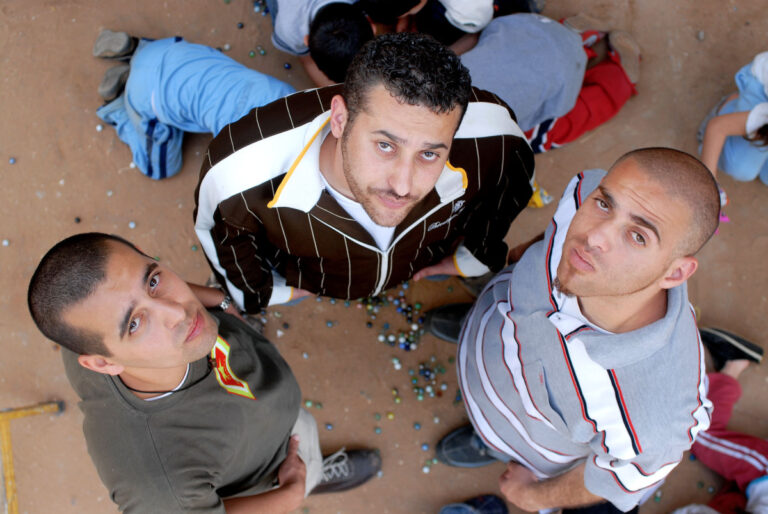
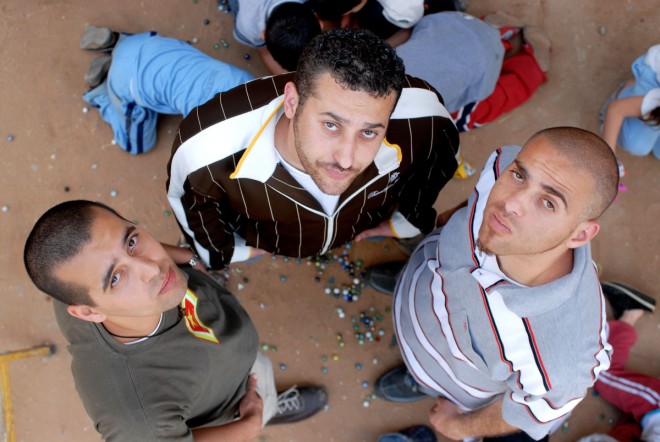
Palestinian rappers DAM

“I am the dishes, the ironing, I am everything, I am nothing. But remind me: Who are you?” So plays the hook of a new feminist anthem released by the Palestinian rappers, DAM. The video for “Who You Are” plays on sexist attitudes by having men and women switch domestic roles typical in the Middle East, but also familiar across most cultures.

Directed by Oscar-nominated Palestinian filmmaker Scandar Copti, the video is starting to rack up YouTube views. It has an associated social media campaign which asks fans to send videos of themselves challenging traditional gender roles. (See image below, as example.) The song release coincides with the first female singer joining the all-male trio, Maysa Daw, who told the Hebrew-language news site Local Call, “Men try to stereotype women all the time and I just want to ask which stereotypes define men.”

palestinian rap takes on sexism

The video was promoted in partnership with the United Nations Population Fund, which focuses on changing sexist attitudes in the Middle East and improving reproductive health for women around the world.

“We speak out against our own oppressive society, of course, but I believe it is just as important to criticize the hypocritical part of our society, which likes to play ‘make-believe feminism’ from time to time,” Tamer Nafar, the group’s co-founder, told +972. Maybe they can hook up with Tasmanian artist Sonia Singh and have some upcycled and re-feminized dolls feature in their next video to underscore their message.

[youtube]https://youtu.be/CZll1ioI3xg[/youtube]

Brothers Tamer and Suhell Nafar and their friend Mahmoud Jreri founded the hip-hop group in 1999 in Lod, Israel (47 km from Jerusalem). Their name is Arabic for “ever-lasting” and is also the Hebrew word for “blood”. Their songs are mostly themed on the Israeli-Palestinian conflict, poverty, and human rights.

“If we want to be honest with ourselves as artists, we need to target taboos in our own society,” explained Jreri in an Al-Monitor interview in 2013, “Fans want us to focus on the occupation, but the political and social struggle should go together and not be separated.”

Subject matter that crosses cultural boundaries is an excellent catalyst for conversation. Arabs, Jews, and ex-pat foreigners all grapple with issues of modern sexism and feminism. Ideally the message in this video will resonate far beyond Palestine, highlighting  our commonalities and uniting us in a re-evaluation of gender inequality. At least, we can unite around a catchy song.

Lead image by Steve Sabella from the DAM website


Abu Dhabi shoppers planting and painting at the mall

0

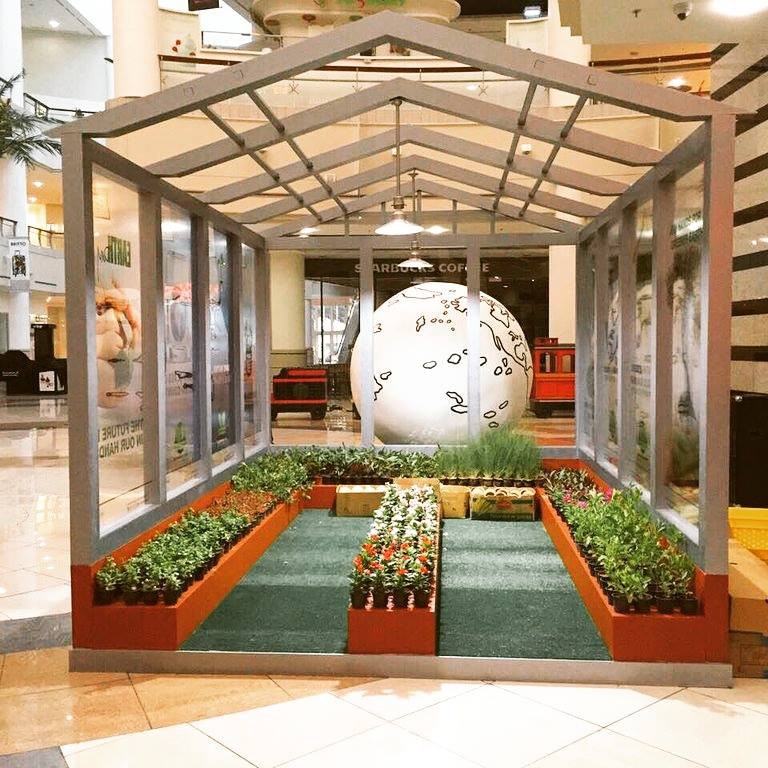
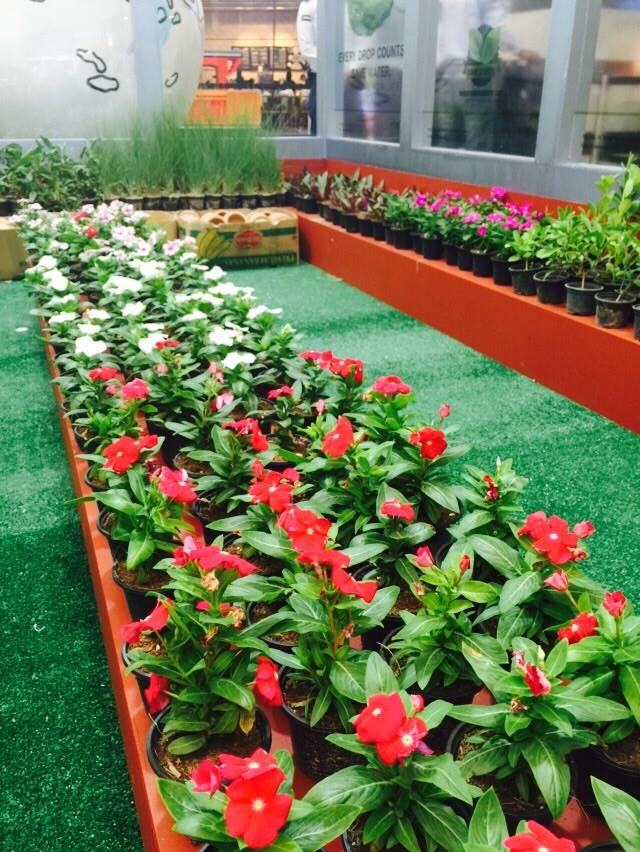
Greenhouse at Al Wahda MallIn the large atrium of Al Wahda Mall in Abu Dhabi, parents, children, staff and tourists are just some of the shoppers that can be found. Only they aren’t shopping – they’re planting small trees.

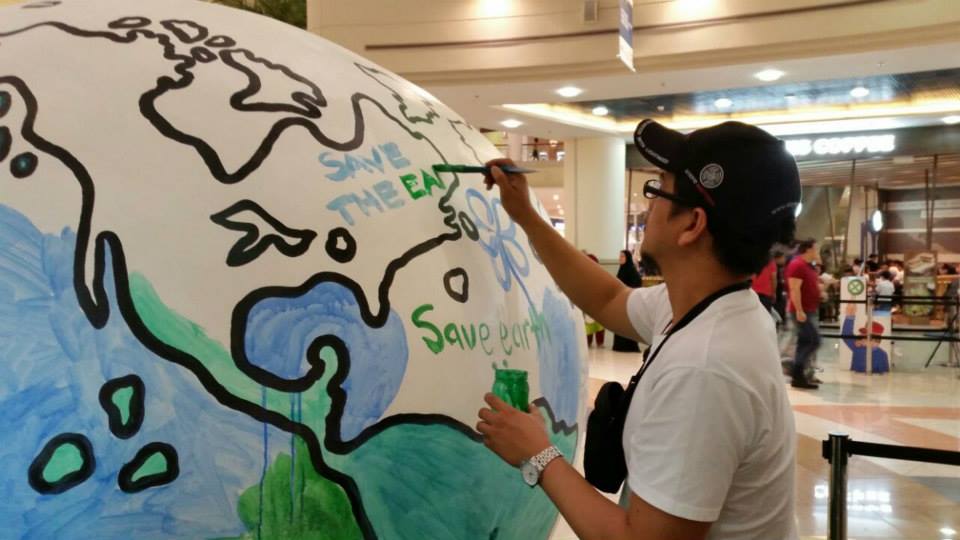
Close by, other visitors stand armed with paint brushes a paint pots, coloring in a large globe.

The activities all part of the mall’s campaign, Make Our Planet Green, to encourage people to be more environmentally aware.

Shoppers can take a break from retail stress and take part in a range of events as part of the initiative. A giant globe on the atrium floor has gradually been colored in by curious passers-by by ahead of Earth Day next week on April 22.

If they’ve spent a healthy amount shopping( AED 250 or US$68), they get to plant a sapling for free in a specially erected greenhouse before taking their young tree home. Alternatively if they’ve resisted from spending their money shopping or just been dragged along for a family outing they can pay a small fee to take a sapling home to plant.

Man painting a giant globe

Many art and environment lovers have also been participating in the Green Earth Sketching Contest. The competition requires them to sketch their version of an eco-friendly earth on eco-friendly paper. The winners of the contest will be announced on April 30 and the person who scoops first prize will get an Al Wahda Mall shopping voucher worth AED 5,000 (US$1,361!)

“We want to educate people about how they could contribute towards a greener planet by organizing activities they will enjoy taking part in,” said Mohammad Nauman Thakur, General Manager of Al Wahda Mall.

“With such initiatives, we believe in connecting with the community and we would like everyone to come here and take part in the ‘green drive’. Everyone should be responsible and do their bit for a cleaner planet,” he added.

Plants at Al Wahda mall

Hundreds of visitors descended on the activity areas on the opening day of the Make Our Planet Green initiative.

“I had visited the mall with my young ones. It was nice to see them getting close to nature and learning about their responsibility towards a greener planet. They had fun planting saplings, it is not something they usually get to do,” said Filipino Maria Guiterez, an Abu Dhabi resident who works in the marketing department of a multinational company.

Aside from this latest green campaign, the mall already has in place environmentally friendly measures to help reduce its carbon footprint and use energy efficiently. The skylight on the roof has sun reflective films to help reduce overheating in order to save power.

LED bulbs have replaced 20 percent of the lights in the mall, and by 2017, the mall hopes that the entire building’s lighting will be using the energy saving LEDs instead of regular bulbs.

Al Wahda also uses an adiabatic cooling system to cut down on electricity consumption of the air conditioning system by reducing heat through a change in air pressure.

Even the restrooms are green! Waterless urinals have been in installed to help save over 400, 000 gallons of water each year.

The Make Our Planet Green event started on April 9 and is running for another week until its final day on April 25.

Images courtesy of Al Wahda Mall.


Cultivate your own “pocket park” with a 3D planted garden

262

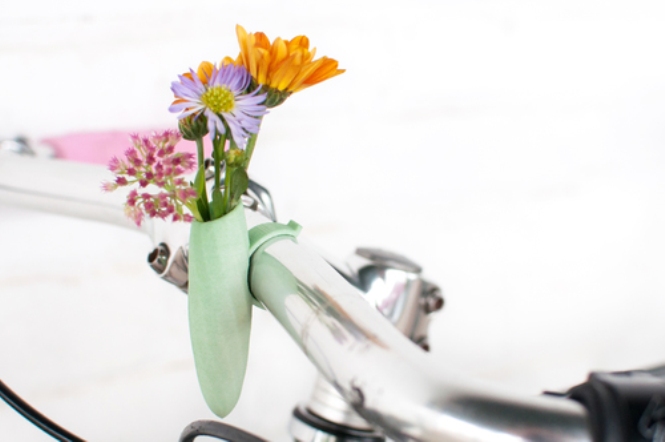
wearable planter 2

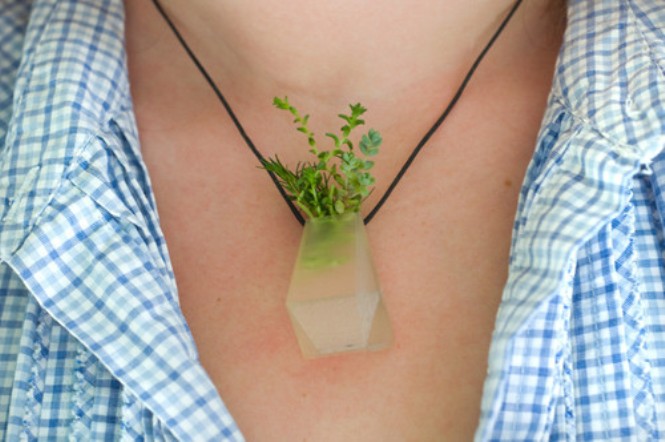
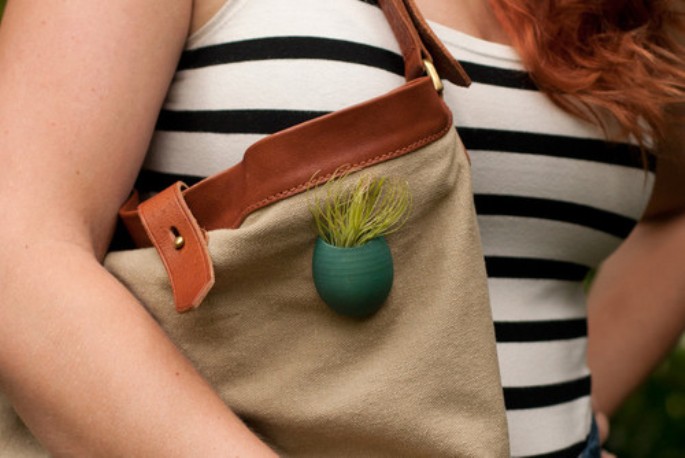
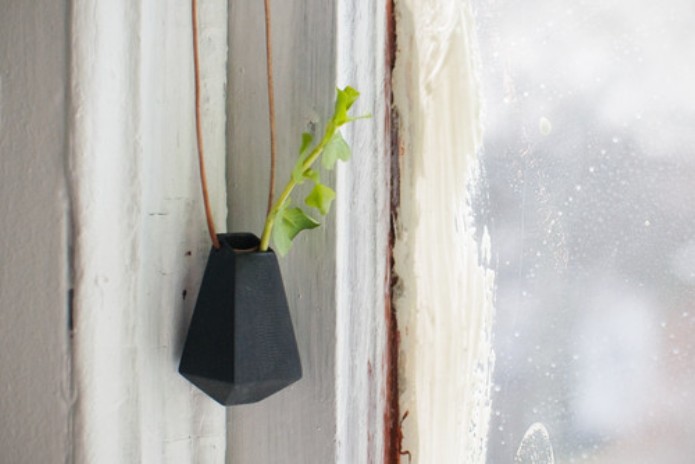
Wearable Planter is an art and design studio based in Atlanta, Georgia where owner Colleen Jordan creates tiny vases that blur the line between housewares and accessories. The geometric 3D-printed vessels (a/k/a “jewelry for green thumbs”) are water-resistant. Plant one with a bonsai-sized succulent or lilliputian flower arrangement and celebrate spring with a live plant in your pocket!

Colleen JordanJordan explains on her website, “We believe that the world would be a happier place if people appreciated nature a little more, and were willing to carry a plant close to their heart from time to time.” You said it, sister.

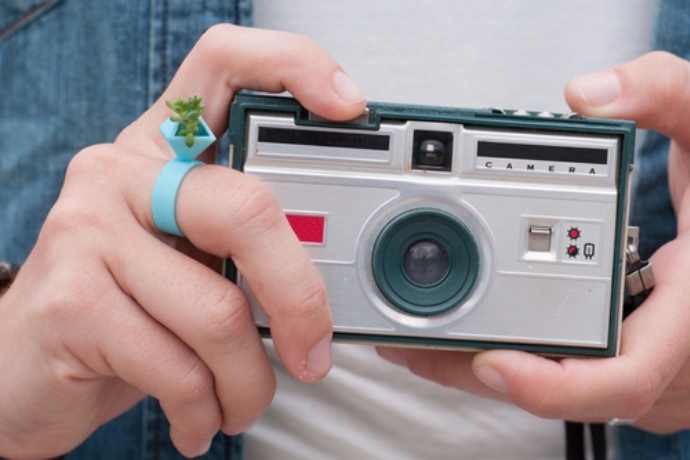
The colorful containers prompt smiles. They are made from nylon fiber and dyed in Easter-egg colors, then sealed with acrylic varnish. The planters are available as pendants, rings, brooches and clip-on vases – perfect for tagging your bike handles or baby stroller.Colleen Jordan

Most feature a flat bottom so they can sit on a tabletop when not being worn.  Prices hover around $30, but there are other items besides the 3D-printed vases – such as seed-bomb kits – that don’t break a ten-dollar bill. The business started in 2011 and has a continually evolving product line.

Colleen JordanThree-dimensional printing allows Jordan to create more complex forms than older manufacturing techniques had allowed. The process minimizes waste, centralizes design and production, and reduces inventory as items are made on demand – all of which reduces the start-up’s environmental impact.

wearable planter 3

The vases can be sent anywhere, but postal regulations prohibit shipping plants through the mail. Customers who happen to be in Atlanta can stop by the studio and pick up a plant to pop in their planters. Everyone else can visit their website to learn how to plant their own – with clear directions for working with cut succulents, air plants, and cut flowers.  There are also excellent how-to guides on making your own seed bombs, growing food on a windowsill, creating a terrarium in a light bulb – and general info on playing in dirt.

Syrian refugees share their graphic stories

1

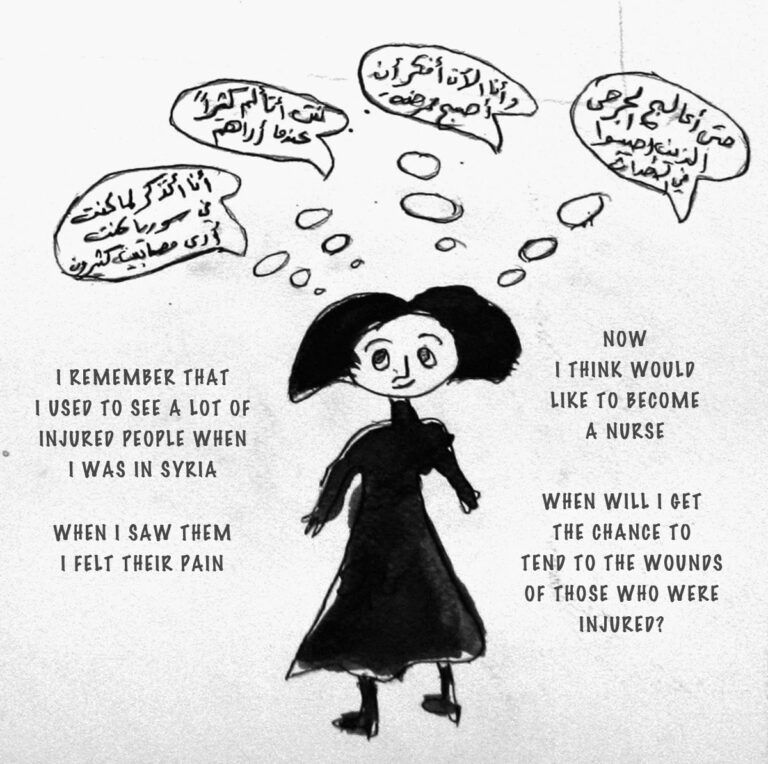
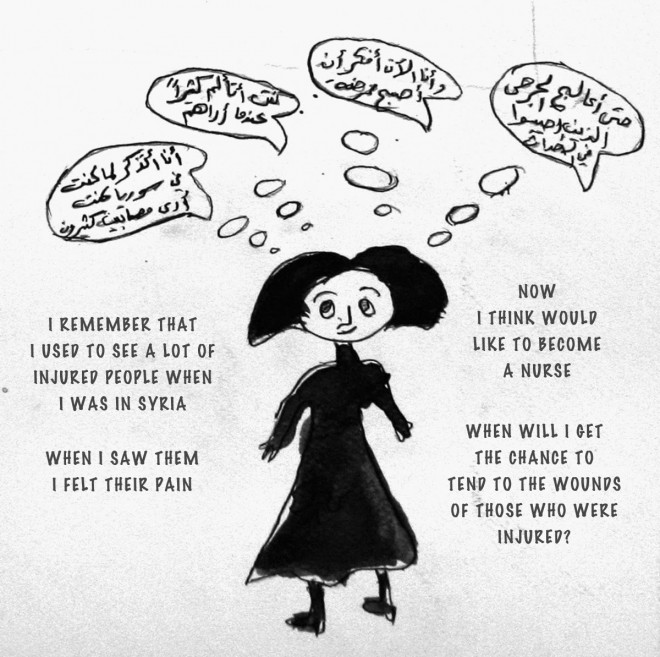
zaatari art workshopThe population at Jordan’s Zaatari camp for Syrian refugees has dwindled. The United Nations Refugee Agency (UNHCR) counts current residents at 83,000, down from over 200,000 in April 2013. People are relocating to communities across Jordan, electing to return to Syria, or simply bailing out of the refugee program. Meanwhile, those that remain – many in their third year of residency – struggle for normalcy within the 1.3 square mile fenced compound. Come see how art is helping.

Meet the innocent looking doll who’s been around the block

0

tree change upcycled dollsThere’s a new toy on the shelf that’s been whipping up online comments that accuse its maker of radically challenging expectations of femininity, enforcing oppressive gender norms, and preaching conformity over experimentation. Some say she’s racist, as there are no dolls-of-color in her line.  Others point to a liberal tree-hugger theme, as they are dressed for back-packing and camping. Living in the Middle East, you become acclimated to intractable differences. But for Pete’s sake, people – these are dolls.
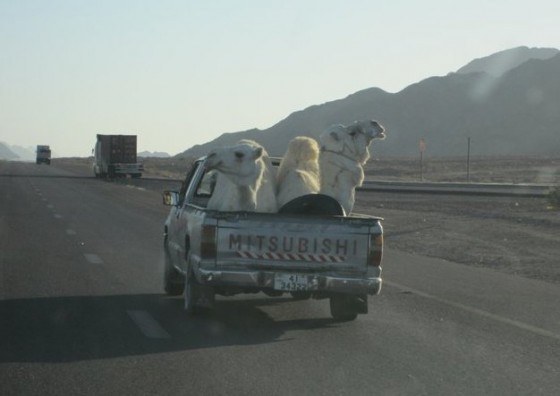
Camels are #1 killers in world’s most fatal place to drive

camels-in-car-saudi-arabia

Saudi Arabia is a dangerous place to drive. It’s the world’s most dangerous, according to recent media reports. Drifting, that past-time where young Saudi males drive their skidding cars into crowds is one cause, but camels, are to blame for about 97% of all accidents and fatalities that occur in the Kingdom, a new study shows. Researchers in Saudi Arabia are trying to figure out how to map roaming camel populations to alert drivers, especially at night so accidents can be avoided.

According to Yahoo!. “The World Health Organization has stated that deaths from traffic accidents in the Kingdom mostly result in the death of male adults between 16 and 36 years old, and has labelled the Kingdom’s roads to be among the most dangerous in the world, with 29 fatalities for each 100,000 road users in 2007, in comparison with 19 per 100,000 in 2002. It was estimated that more than 1 million people died or have suffered serious injuries from traffic accidents since 1970, which is more than 4 percent of the population.”

The Waze for camels?

We like to write about of course about sustainable choices of vehicles, anywhere you might roam, and of course public transport. But mapping camels and helping people avoid them is the topic of a new research project.

The Waze for camels?

“The new study was conducted by King Abdulaziz City for Science and Technology, and was primarily concerned with the design and publishing of a system that depends on geographic information systems to define the locations of big camel populations in order to avoid traffic accidents,” according to Yahoo.

We have a good solution for Saudi Arabia. Let more women drive cars and we bet traffic accidents will fall by half. Oh and follow the infographic below for traffic accident help.


Via: Los Angeles Car Accident Law Firm – Sitkoff

Futuristic dome collectors collect dew for drinking water and crops

2

greenhouse water collector for ethiopia

Harvesting water from the air is not a new idea. Arid countries like Yemen are already using low tech watercones to funnel sea water to drinking water. Another funnelling device is being developed by an Italian designer to trap water vapor in a Warkawater tower to harvest potable water directly from the air.

roots up collect water and dew

Still another device, called the Roots Up Dew Collector, is now being developed for Ethiopia in a project together with the University of Gondar. The device, which can also be used to grow vegetables and other crops, is dew trapping and will be used in the country’s arid northern regions.

The dome-like structure uses plastic sheeting to trap water vapor  during the day, turning it into dew which is then changed into water when exposed to cool evening air.

Roots Up is an organization based in northern Ethiopia that is working together with local farmers to help them use more sustainable agricultural methods to produce crops.

Roots up water collector dew

The greenhouses can be placed over planted crops to provide them wth water as well as producing needed drinking water. Due to not needing any mechanical components (motors, etc), the device can be quicky moved from place to place and then erected quickly without needing any external power sources.  Their overall simplicity makes them a good solution in undeveloped arid regions.

Read more on ways to create drinking and irrigation water from water vapor:

Warka water towers pull drinking water out of thin air
Time to drink water from aircon units
Yemen funnels seawater to drinking water with the low tech watercone

Update 2024: looks like someone needs to make this happen. 

Bio-Pyramid turns Egyptian pyramid into a desert-reversing skyscraper!

5

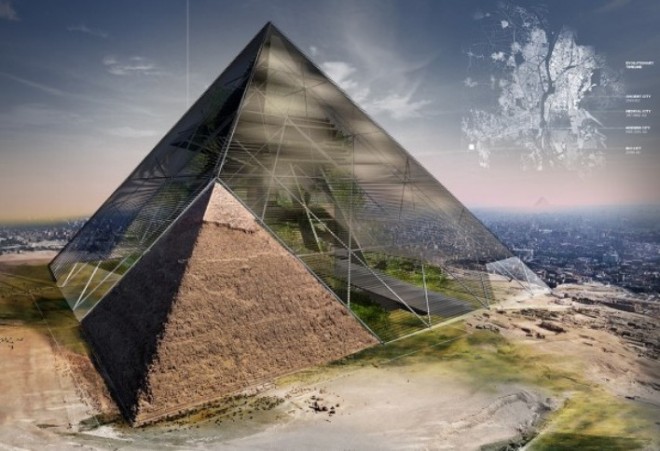
Bio PyramidSeven designers teamed up on a project to transform an ancient Egyptian pyramid into a green skyscraper that works to reverse desertification. Their Bio-Pyramid concept won an honorable mention in the 2015 eVolo Skyscraper Competition, an award that recognizes outstanding ideas that challenge the way architecture relates to both natural and built environments. Could up-cycling the Great Pyramid into a towering biosphere stop the Sahara Desert from advancing?
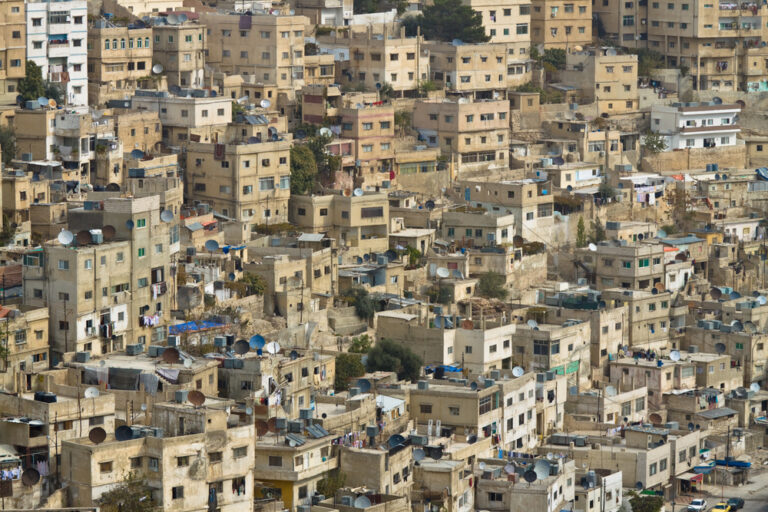
When will the Middle East wake up to green roofs?

2

green roofsVive la France!  The country recently passed legislation that requires rooftops on all new commercial buildings to be at least partly covered with solar panels or rooftop gardens. French environmental activists had sought to mandate full green roof coverage for all new buildings, but the new law allows commercial owners the option to install roof-mounted solar panels to generate distributed renewable energy – further lessening the carbon footprint of new construction. Imagine the immediate benefits if the sunny nations of the Middle East slipped this into their building codes, turning acres of flat rooftops into something more than a place to hang laundry and anchor a satellite dish.
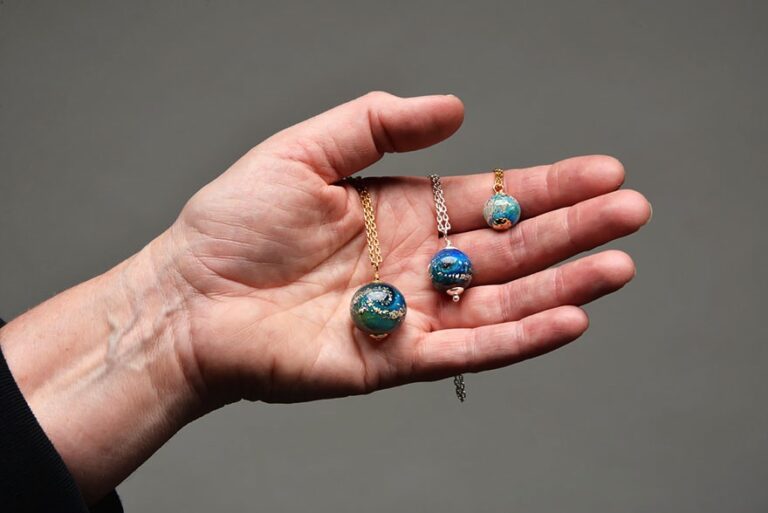
Capture your loved ones in custom glass planets?

1

Cremated people turned into jewelry

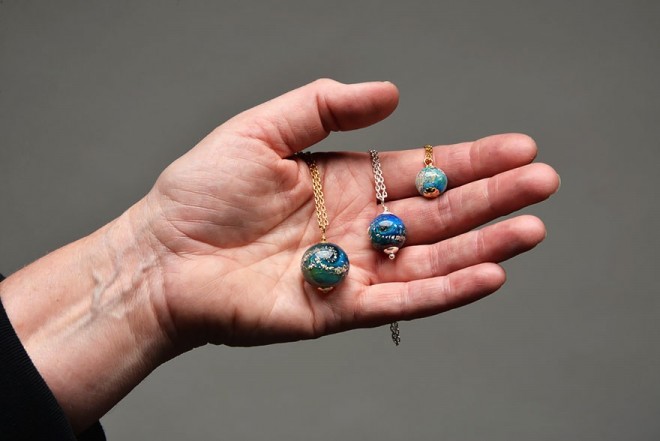
An artist in northern California (need we add, “where else but?”) is making tiny glass beads meant to look like planets or solar systems encapsulated within delicate glass beads. What makes her creations especially otherworldly is the secret ingredient – cremated human remains caught in dramatic and colorful swirls for eternity. So do we now switch the funereal sentiment to “Rest in Beads”?

Indoor air pollution and the ugly corners it lurks

0

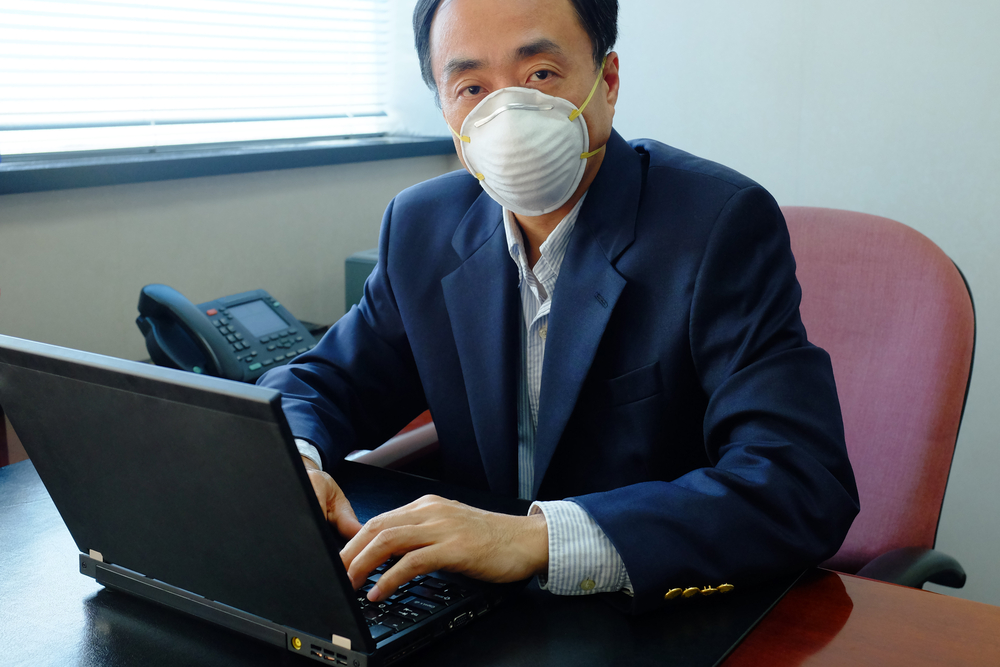
air-pollution-indoor-deskEarlier this month mothers everywhere reeled over hearing about the baby who died from his neighbor’s unlaw pesticide use. While it’s an extreme example, it’s very worth remembering that just because you are inside does not make you free from air pollution caused by cars, industry, and by pest control.

On a darker level, indoor air can cause persistent health effects. Think about a Mediterranean or Middle East winter that rains, rains and rains. Apartments and homes aren’t sealed well or bathrooms are too sealed and black mould builds up everywhere. Or the old lead paint on buildings, and asbestos piping. Or radon gas.

Indoor pollution can be a silent killer. There is dust, mites, dander, chlorine and a universe of things you don’t want to know. The infographic below can show you what may be lurking below the surface of things.

indoor-air-pollution


Thanks to Airfilterbuy for the tip; image of man with gas mask indoors, via Shutterstock