Home Blog Page 257

Hookah steam stones loaded with carcinogens

1

woman-hookah-shisha-nargilah-pipe

Hookah, shisha, or smoking the nargila is a staple of any Middle Eastern experience. But more and more research suggests that this form of smoking is more damaging than regular cigarette smoking. Send this one to all your pipe smoking friends.

Hookah pipes don’t use filters so you are potentially inhaling a lot more particulate matter than when you smoke filtered cigarettes. New research suggests that when you smoke hookah with steam stones, the consequences can be even more disasterous.

Researchers from the University of Cincinnati found that smoking a hookah loaded up with the stones actually delivers an extra cloud of toxic metal residues — including the chemicals of chromium, arsenic and cadmium — all released from the charcoal used to keep the hookah pipe burning.

We hate to say it but time to go back to smoking old smelly cigars?


Via: StogieBoys.com

Image of hookah pipe via Shutterstock

CoeLux skylights shed “sunlight” on windowless spaces

2

coelux artificial lighting

What if you could turn on the sun when and where you wanted?  Lighting pioneers at a company called CoeLux developed an artificial light that accurately simulates natural sunshine.  Stunningly realistic, the technology can replicate light hues and intensities of specific regions, including Mediterranean, Tropical and Nordic.  Since winning the Lux Awards 2014 Light Source Innovation of the Year, Coelux has moved from prototype to installation.

Best avocado and grapefruit salad makes the perfect match

1

avocado-grapefruit-healthy-food-pairing

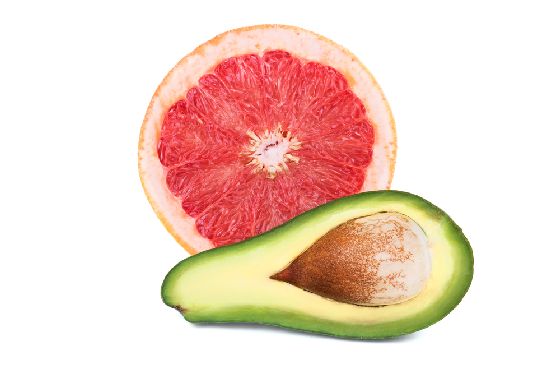
You might have been introduced to the seemingly odd combination of watermelon and feta cheese through my Green Prophet recipe article here. Now, there’s a new food pairing in town: avocado and grapefruit as a salad. The bright citrus of the grapefruit perfectly complements the warm creaminess of the avocado.

This colorful salad works well with seafood, and sits beautifully on top of a bed of lettuce, but surely it can hold its own, too.

When I tried this recipe of avocado and grapefruit I made a meal out of it!

How to make avocado and grapefruit salad

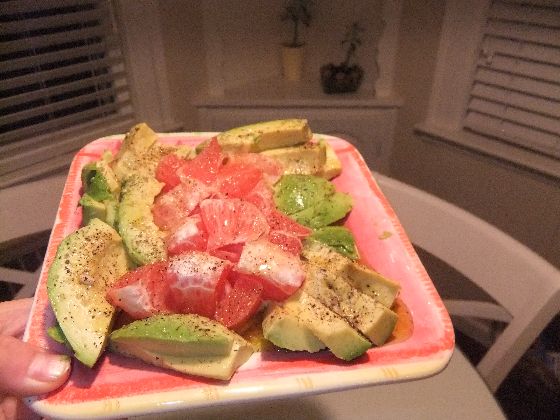
Cut the avocado and grapefruit into like-sized pieces and arrange them on a plate. The video below will show you how to nicely segment a grapefruit. I use about 2-3 Hass avocados or 1-2 Florida avocados to one large grapefruit.

Definitely take a moment to marvel at the coral and lime green color combination here!

[youtube]https://www.youtube.com/watch?v=1tbf9fGAC10%20[/youtube]

To tie all the flavors together, use a few ingredients that you probably have in your kitchen already: lemon, olive oil, salt, pepper, and sugar. I simply poured a lemon-olive oil dressing over the avocado and the grapefruit, and I sprinkled fresh-cracked salt and pepper over the avocado and raw cane sugar over the grapefruit.

The sugar just serves to prevent any mouth-puckering that might occur from the grapefruit, even when paired with the avocado; it is completely optional.

DSCF4809 - Copy

I like the simplicity of this recipe, but it can certainly be made more elaborate. Try adding shallots or red onion, and spices like oregano, to the lemon-olive oil dressing.

If you like vinegar, apple cider or white wine would work best.

For substitutions, lime can be used instead of lemon, and if you’re lacking grapefruit, you can use blood oranges, regular oranges, or even lemons (Meyer lemons are the least sour type) in its place. I’ve tried all of these citrus replacements and they work nicely, although grapefruit is still king in my book.

That said, if you can get to the store to pick up some grapefruit for this recipe, do it. Grapefruit is rich in an antioxidant called lycopene, which has been shown to reduce inflammation and maintain healthy cells. The lycopene in grapefruit becomes more easily absorbed – meaning that it’s easier for the body to use – when the fruit is paired with healthy fat-laden avocado.

A lot of people want to try avocado but they don’t when they are fresh. Watch this video to take the test: 

[youtube]https://www.youtube.com/watch?v=-pFk1jZIB1o[/youtube]

And when you are done you can grow an avocado tree, using this video:

[youtube]https://www.youtube.com/watch?v=eVclrVzqlts[/youtube]

Plus, although this dish might seem like the perfect summer salad, grapefruit is best right now. High season for grapefruit, like other citrus, is winter and early spring. If you’re fighting off the last of that seemingly never-ending winter cold, the Vitamin C will help to kick it to the curb for good.

Image of 1/2 grapefruit and 1/2 avocado from Shutterstock; Image of finished salad by me.

36 golden retrievers rescued from Istanbul streets

dogs saved in TurkeyFeral dogs are commonplace in Istanbul, but a sharp-eyed American noticed a particular surge in the number of pedigreed golden retrievers on the streets. She observed that the breed was increasingly popping up in shelters too. Thanks to her networking with a US-based rescue center, three dozen of the dogs have now been saved and are now living in an animal shelter in an Atlanta, Georgia suburb. It’s the largest-ever retriever rescue.

Alaskans to Emiratis: we’ll all pay for UAE snow

Area sauna desert snowScandinavian saunas are so yesterday. UAE trendsetters can now literally chillax in indoor “snow rooms” that create real snow using a snow-making system like that used for the interior ski slopes in Dubai’s Mall of the Emirates. It’s costly to be cool, prices start at $109,000. But our planet pays the real bill.

The most dangerous spots in the Mediterranean for natural disasters

2

Calbuco volcano

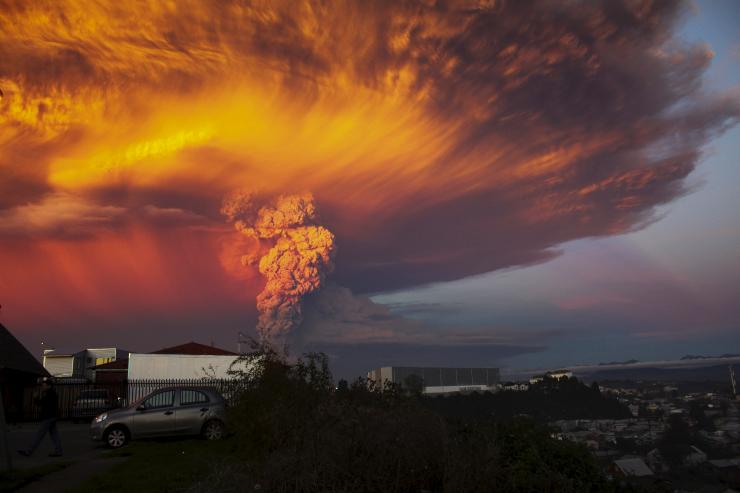
Threats of potential extreme geohazards against humanity became partial reality this month, following the spectacular eruption of the Calbuco volcano in southern Chile (photo above); and the 7.8 magnitude earthquake in northern Nepal.  The Nepal earthquake, occurring in one of the poorest countries in the world, has so far killed more than 7,400 people, made thousands homeless; and caused deadly avalanches on nearby Mt. Everest. Entire rural villages were destroyed.

These natural geohazards have also occurred in the Mediterranean Sea region, especially in Turkey which is constructing a large nuclear power plant at Akkuyu. Historically, severe earthquakes and volcanic eruptions have also occurred in what is now modern day Israel and Lebanon.

True, the eastern Mediterranean is not the Himalayas or the Pacific “Ring of fire”  that contains many dormant and active volcanoes, as well as being prone to frequent earthquakes. The area that emcompasses Greece, Cyprus, Turkey, Syria, Lebanon, Israel and Jordan does have a history of earthquakes as well as volcanic activity.

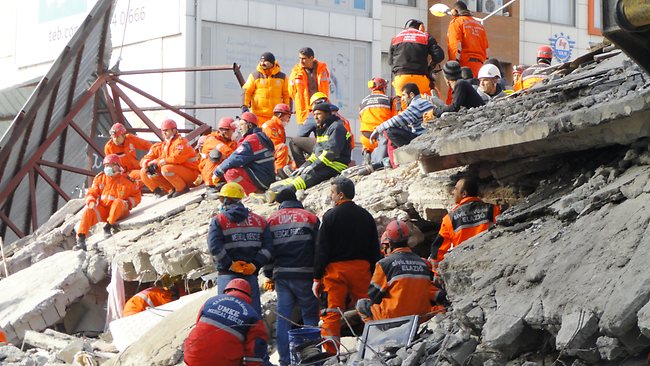
Turkey has frequent earthquakes, some of them being quite severe. One of the worst ones in recent times was the 7.4 magnitude earthquake (photo below) which devastated the Turkish resort city of Izmit in August, 1999. The quake struck at 3 a.m. while most people were asleep. More than 17,000 people died in this earthquake; many of them due to shoddy construction standards of apartment buildings. More than 500,000 were left homeless.

709472-turkey-quake

Since then, other earthquakes have occurred in Turkey, whose western and eastern borders straddle two major subterranean fault lines:  the North Anatolian Fault, which runs across the entire northern part of Turkey; and the East Anatolian Fault, which runs along the country’s eastern borders with both Iraq and Syria.

Another major fault line, the Dead Sea Transform, is an extension of the Syrian-African Rift.  This fault line stretches 4830  km (3,000 miles) from northern Syria to Mozambique. Although no catastrophic earthquakes have occurred in the section shared  by Syria, Lebanon, Israel and Jordan in recent times, historic catastrophic earthquakes have occurred.

Numerous smaller quakes measuring up to 4.5 on the Richter scale have occured in recent times; especially in the Eilat-Aqaba area. The Mediterranean Sea off the costlines of Syria, Lebanon and Israel also has earthquakes occurring. A quake measuring 4.2 in magnitude occurred in August, 2011 off Israel’s western shores.

Ron Avni, professor of geology and an earthquake specialist at Ben Gurion University, said then that this earthquake, the strongest one occurring in this area in recent years, could be a warning of a much stronger quake occurring in the future. “It’s not a question of if, but simply a question of when,” he added.

Sicily’s Mt. Etna is presently the region’s most active volcano.  History has recorded some very serious volcanic eruptions, including the massive eruption ot Mt.  Vesuvius, near Naples in 79 BCE.  It completely destroyed the Roman cities of Hurculaneum and Pompeii. Mt  Vesuvius has not erupted since 1944; and although considered largly dormant, is still regarded as one of the world’s most dangerous volcanoes.

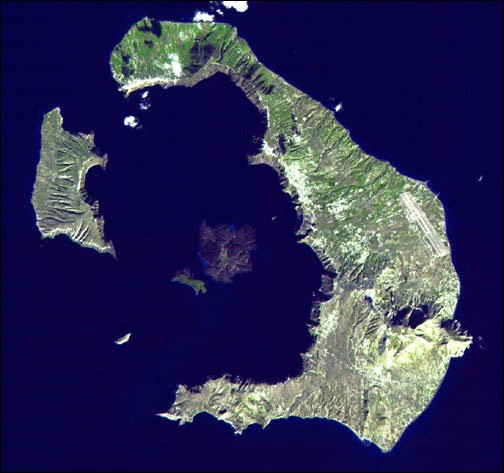
Santorini islands and volcano

A dormant mega-volcano, one whose mostly submerged cone comprises the Greek Island group of Santorini is  located 300 km S.E.of Athens. This very historical volcano, last erupting in 1950, has had several severe eruptions during its long history. Its most deadly eruption in recorded history occurred in 1,613 BCE, destroying most of Santorini Island. This event may have helped alter the entire region from a historical standpoint (the lost city of Atlantis may have been destroyed by this eruption).

Presently, reports of volcanic magma again building up in waters under Santorini’s volcano crater or caldera, could be an indication that this super volcano may once again erupt explosively.  This type of eruption could result in not only the release of huge amounts of volcanic rock and ash into the atmosphere, but could also cause severe earth tremors and possibly deadly tsunamis.

“Dormant volcanoes like Santorini can become active very quickly; within a time span of only a few decades,” says Tim Druitt, a volcanologist at the University of Blaise Pascal in France.

If Santorni does blow its submerged top, everyone in the eastern Mediterrnean basin, as well possibly on the entire planet, will be affected by its might.


Via: Potashnik & Associates

More articles on earthquakes and volcanoes; and the energy created by them:

Ormat to provide 330 megawatts of geothermal energy in Sumatra Indonesia

Plans for Turkey’s first nuclear power plant revealed

Dr. Helen Caldicutt: Fukushima meltdown much worse than Chernobyl.

Photo of 2015 Nepal Earthquake: Wikipedia.org

Photo of Calbuco Volcano Eruption at Sunset: IB Times

Canada and USA sign on to rehabilitate the Jordan River

5

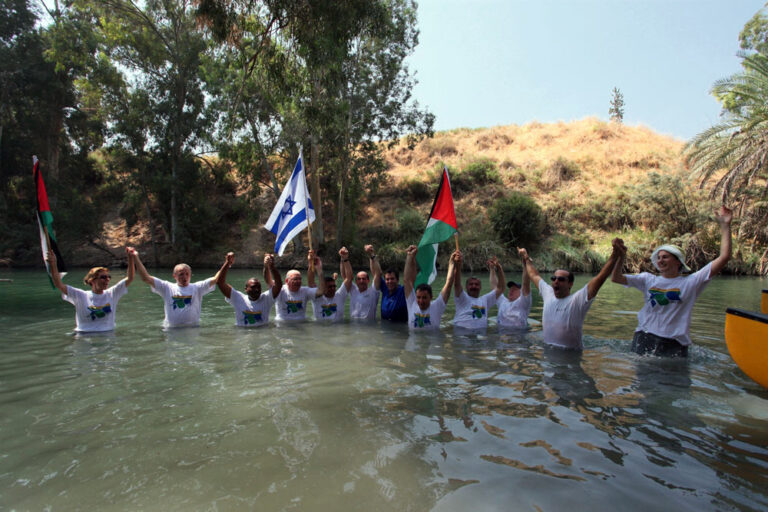
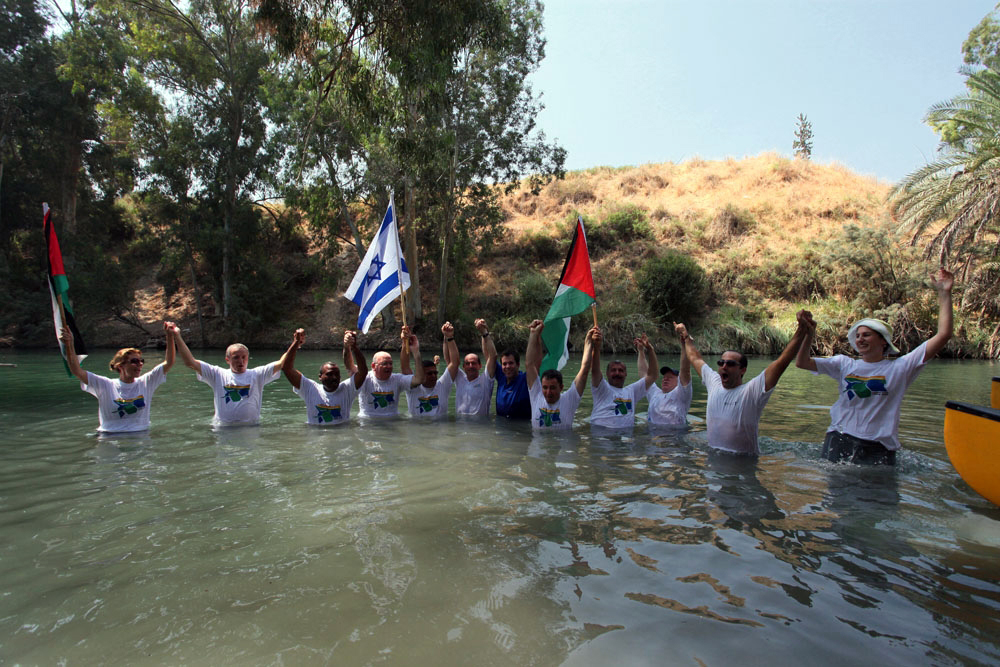
 Jordan River_ecoPeace.Mayors from 114 North American cities entered into an agreement to rehabilitate an endangered river halfway across the world.  Launched at the recent Water After Borders (WAB) summit in Chicago, the partnership brings expertise in transboundary water system management to the Jordan River, a waterbody long embroiled in regional politics.

SolarEdge and Tesla team up to tackle distributed PV storage

3

PV storage solutionTwo leaders in renewable technologies are collaborating on a home battery solution that will enable individual solar power producers to store surplus energy at point of generation for later reuse. Electric car maker Tesla Motors and SolarEdge Technologies, manufacturer of photovoltaic (PV) inverters, have teamed up to create an inverter solution that will allow for grid and photovoltaic integration with Tesla’s newly launched home battery solution, the Powerwall.  Storage has been the Gordian knot of PV; their product would enable more cost-effective residential solar generation, storage, and consumption.

The surprising economic history of salt

1

dead_sea_saltOil prices have fallen considerably over the past two years. But this isn’t the first time the price of a core society resource has dropped so drastically. The economic history of salt is an interesting lesson for our time.

Middle Eastern countries spend millions of dollars and consume more than one hundred million kilowatt-hours of electricity per day to remove salt from water. Salt, it seems, is an abundant and extremely inexpensive resource.

Icy countries can buy a metric tonne of Jordanian road salt for US $50. The same amount of gold would cost about $50 million. But for much of human history, the price of an ounce of salt was almost the same price as an ounce of gold. Salt was as crucial to life in the ancient world as oil is in our world. Salt deposits found near the edge of deserts made civilization possible. Salt roads and caravans of tens of thousands of camels carried salt to inland markets. It was used as a nutrient and as a preservative for everything from food to mummies. Jewish people were known as children of salt and a salt covenant commanded Israelites to salt all of their sacrifices.

Salt was a flavoring for culinary inventions such as the Roman salad. Salt is also believed to be the cause of civilization’s first war which was fought over valuable Dead Sea salt supplies near the ancient city of Essalt on the Jordan river.

Mansa_MusaSalt was also used as a currency. The English word salary has its roots in the Latin word for salt. The expression,”not worth his salt” began in ancient Greece where salt was traded for slaves. Salt’s value was comparable to gold and books. Adjusted for inflation, the wealthiest person in history was king Mansa Musa I of Mali who cornered the world’s salt market in the 14th century.

Sa’di’s Golestan tells the story of a Persian king named Nushirvan who might have been the first person in history to borrow salt from a neighbor for a meal. But when this king sent a boy to get salt from a nearby village, he insisted that the salt must be paid for, “otherwise it will become a custom and the village will be ruined.”

The king explained that “To please the king who eats a single apple from a subject’s garden, his slaves will pull the tree up whole to plant in the palace yard; and if he lets five eggs be taken by force, his army will put to the spit a thousand birds.”

Gandhi_at_Dandi_5_April_1930

Salt remained valuable in early part of the 20th century. It was a salt tax imposed by the British government that inspired Mahatma Gandhi and many followers to march 200 miles to the Arabian sea to illegally gather their own salt as a form of peaceful protest.

Detroit began using salt on roads in the 1940s but demand for salt was seasonal and regional so its price fell behind the price of oil. But the Winter of 2014-2015 marked the beginning of a strange trend. The price of oil in November 2014 was only about half of what it was the previous year, but in the United States, an unusually cold winter doubled the price of salt over the same time period.

Photo of salt on Dead Sea shoreline by SJ Travel Photo and Video via Shutterstock Photo of King Mansa Musa I of Mali via wikimedia
Photo of Gandhi defying British law to harvest salt for the poor via wikimedia

Always recycle, like the smart kids do.

0

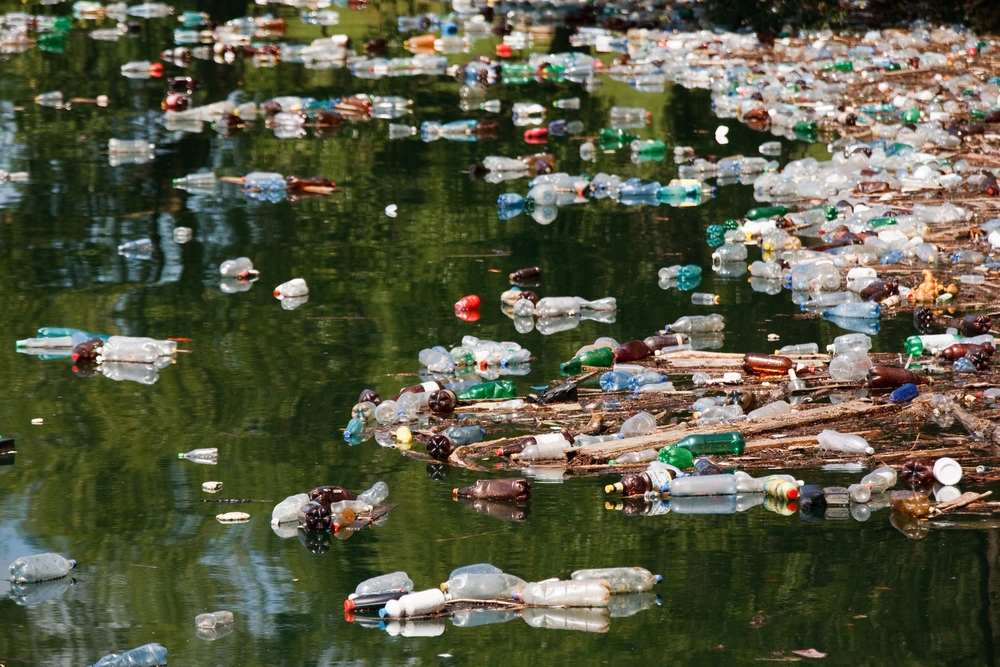
 teach your child to recycleTake four minutes to get smart about what happens when you fail to recycle plastics. Emphasis intended on the word “fail” because you know better than to toss the stuff in with regular trash. You also know what a plastic ocean gyre is.  And you’ve seen the stomach-turning photo of that turtle whose adult shell grew around the plastic six-pack wrapper that entangled him as a pup. Just four minutes with a pleasant-sounding narrator provides a gentle push to clean up your act. Think of it as your contribution to a bit of global spring cleaning.

Sunshine turns an Iranian mosque into a kaleidoscope!

1

Ramin Rahmani Nejad Asil

Spectacular images of a mosque in Iran have been flying around the internet of stunning Islamic architecture washed in rainbow-bright hues. The forms are familiar – pointed arches, vaulted ceilings, surfaces covered with dazzling tiles. But the magic occurs at daybreak, when sunlight streams through stained glass windows, turning the interiors into a stunning kaleidoscope. The pictures aren’t Photoshopped or digitally enhanced. This is simply the intersection of architecture and sunlight.

ICARDA scientists save 80% of a priceless trove of Syrian seeds

Syria's seeds protected from war

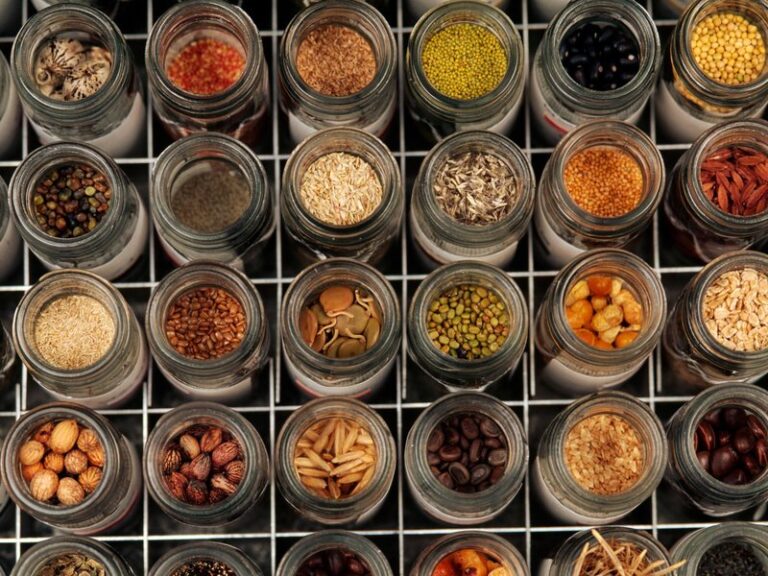
A team of Syrian scientists at the International Center for Agricultural Research in Dry Areas (ICARDA) braved the terrors of civil war to protect a critical piece of global heritage, meticulously transporting plant genetic material from a seed bank in Aleppo to the Svalbard Seed Vault in Norway. Their actions to protect the region’s ancient farming heritage – nearly 150,000 seed samples collected over the past four decades from dryland regions worldwide – earned them the Gregor Mendel Innovation Prize for outstanding contributions to plant breeding.

AgMania in the land of milk and honey

7

flux hydroponics team, Nir Hertman, Amichai Yifrach, Tal Catran

The flux team, one of the featured companies at the Innovation Pavillion at the annual Agritech Conference. Agrivest for investors kicked off the week of “agmania”.

Steve Rhodes the CEO and co-Founder of the Trendlines Group opened this year’s Agrivest conference in Israel showing some interesting trends. Last year 2014 saw a steady increase to $2.36 billion in investments across 264 financing deals citing Rob Leclerc, CEO of US based Agfunder, from precision agriculture, to biotech, to drones.

Things are heating up and fast. Venture Capitalists are investing in companies set on revolutionizing how we grow, produce, and distribute food around the world.

“The challenge is for the community to work together – entrepreneurs, investors, regulators, policymakers, government and the market,” said Oded Distel, Director of Israel New Tech and Invest in the Ministry of Economy. “Everybody has to see the same things, share the same vision, have the same goals and try to work together.”

Trendlines Agrivest conference: ‘bigger and better’, message ‘loud and clear’.

Embrace collaboration, innovation and investment if we are to overcome the challenge of feeding 10 billion sustainably by 2050, say the experts. The question for agriculture investors is how to capitalize accordingly, what horses to back and where to find the intelligence.

Collaboration was the theme at the 3rd AgriVest showcase conference held at the prestigious Weizmann Institute of Science in Israel. The premier annual agtech investment event of the season, launched by the Trendlines Agtech team under the leadership of CEO Nitza Kardish, rapidly positioning as the Queen of Agtech.

The event was held in partnership with GreenSoil Investments, Israel New Tech and the Ministry of Economy with some 350 delegates and heavyweight investors from more than 20 nations spanning the globe: “It’s a week of AgMania” said one delegate given Agrivest precedes Agritech Israel Exhibition taking place at the Tel Aviv convention centre over three days.

Google’s Farm2050 hosted a networking event the evening prior to Agrivest, and we were there, so AgMania it is.

‘Loud and clear’ is the understatement of the 21st century after NASA’s ominous warning to the sunshine state, California: “You have one years’ supply of groundwater remaining, the countdown is on.”

Keynote speaker, Pam Marrone, CEO and Founder of Marrone Bio Innovations sets the record straight: “We need a global arms race across the world of sustainability, one arms race, humanity should welcome.”

Midway through the day, Pam gave incredible insights into her tough experiences as a serial entrepreneur, from Start-Up to IPO, not once but twice, receiving huge adulations from the audience.

Which is just as well, because later that afternoon, we listened to panel experts exploring key drivers in agtech investments, the subject of gender diversity amongst the entrepreneurial and VC community raised after the recent Kleiner Perkins case.

Throughout the day 12 selected Start-up’s pitched the audience, asked to vote after each presentation on a scale of 1-5. It was a strong line-up, difficult to grade due to the high quality, but the eventual winner Doux Matok took the title.

How sweet it can be 

Founded in 2014, Doux Matok has managed to do the impossible, find a way to enhance the sweetness of sugars whilst significantly reducing actual sugar consumption, therefore reducing caloric values of foods and beverages, retaining the taste and “energizing effect” of sugar without the aftertaste. They were looking to raise $4 million Series A, definitely a company to watch out for in the future.

The morning’s panel focused on profiling tomorrow’s agtech solutions and listening to the experts, it was clear; a massive food consumption shift is approaching as world attention shifts towards the food, energy and water security nexus. There’s a growing surge of interest in the ‘Nexus’ way of thinking about the interdependencies, tensions, trade-offs but in the wider context of technology, the economy and environmental change, California recently being designated as ‘ground zero’.

“The world will have a serious crisis on its hands if venture capital and agricultural innovations and inventions don’t materialize. The challenges are so vast, we must establish collaborative ecosystems” said Sam Fiorello, COO, Danforth Plant Science Center and President of the Bio-Research and Development Growth Park. The Danforth Center is the world’s largest independent research institute focused on plant science helping life science firms, bridge research and relationships to achieve success.

Agtech is “going through digital transformations and the industry will be adapting, innovative uses of information across all aspects of farming,” said Eyal Lipetz-Eliassi, Israel Country Manager and Innovation-Based Growth leader, DuPont.

Whilst some experts called for collaboration, others warned of the legal minefields, complications and pitfalls. Change on this scale can throw hand grenades due to escalating costs, patent issues and contractual problems warned Barry Schindler, Co-Chair Global Patent Prosecution Group at Greenberg Traurig.

Farming for data

Visibly unnerved by the term ‘collaboration’ Schindler said, “we have to be careful with any collaborations, it can be a legal minefield, who owns what from an IoT, big data perspective, who decides how data can be used, how much data can be used? There are no easy solutions; it’s all down to the fine details within contracts and IP.

It’s the Wild West in the United States with regards to self-regulation on big data, there’s no legislation. Does the farmer own the data, or the OEMs? In Europe regulations are a little tighter but I’m certain problems will emerge.”

Sam Fiorello also raised some good points warning, “farmers are already overloaded with data” suggesting solutions should be simple and always developed with the end users in mind.

The afternoon panel session focussed on exploring key drivers in agtech investments, moderated by Gideon Soesman, Co-Founder and Managing Partner of GreenSoil Investments.

Of particular interest was UK based Michael Lee, Managing Director of Syngenta Ventures suggesting they had significant ‘strategic’ advantages as investors for Start-Ups over the ‘minion’ VCs. “Benefits of scale and strong existing distribution channels” as an example.

That opened up some light afternoon megalomaniac entertainment as the VCs immediately returned fire listing why they’re a better bet than the “strategics”, so much for collaboration then! Has to be a good sign for entrepreneurs in the agtech space when the financial community starts fighting over who gets to invest first.

Other interesting discussions focussed on funding gaps highlighted by a knowledgeable member of the audience during an open Q&A.

The closing consensus seems to be the agtech sector as a whole is in its early days, still evolving with many strengths, weaknesses, opportunities, threats ahead, but the mega-macro trend lines are off the charts, agtech is rapidly becoming an exciting industry sector and Israel is pulling ahead as a world leader on the field.

I can’t help but be reminded that investment in agtech is investment in the human race. We must continue to expand the scale and scope of consciousness across, food, energy and water security. We must spread the word and sow the seed for future generations.


Underwater tennis and floating villas, #OnlyInDubai

0

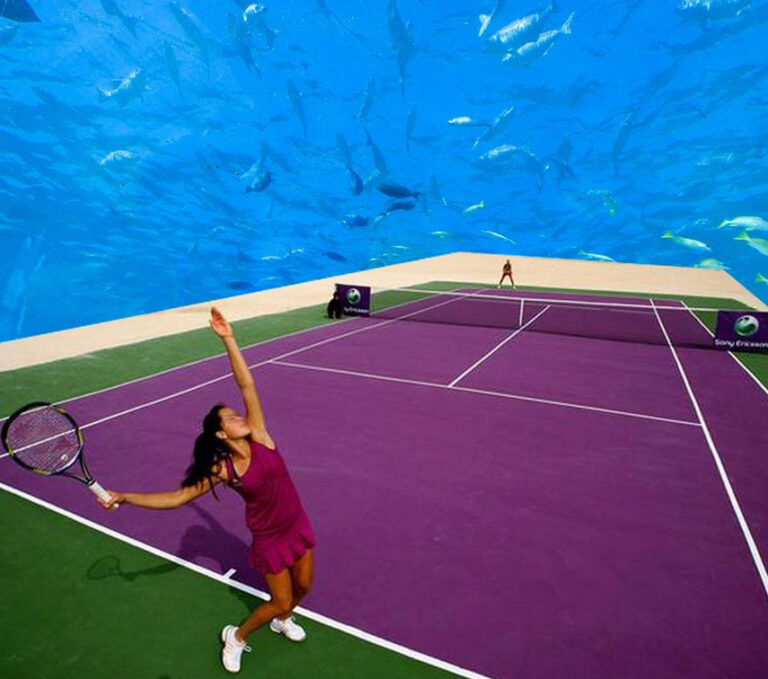
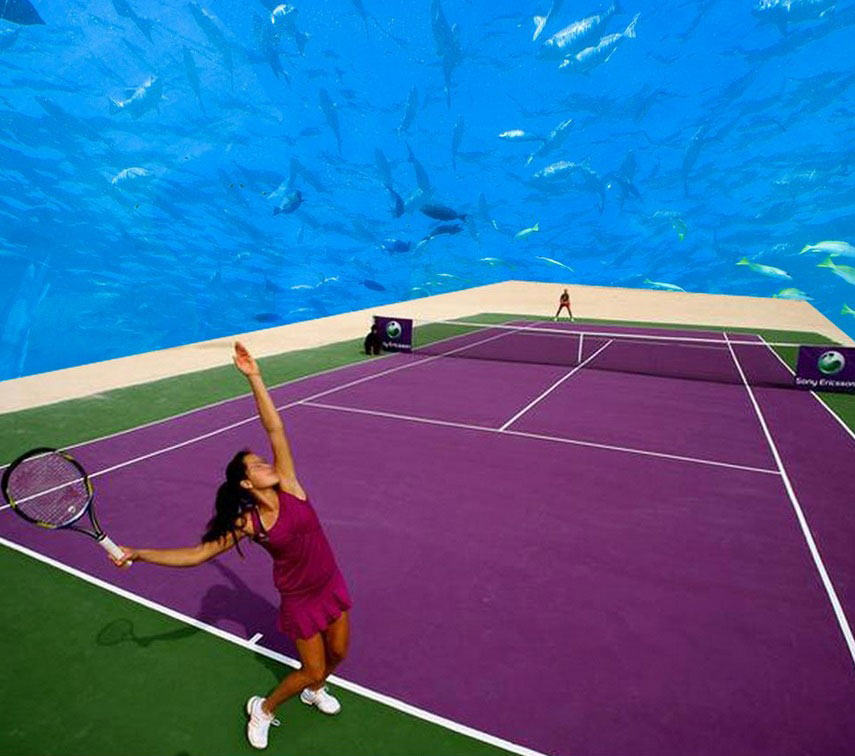
Underwater-Tennis-in-DubaiWant to sink some money into the latest Dubai folly? A Polish architect has served up a scheme for an underwater tennis center off the coast of Dubai, now he’s fishing for investors to make tennis beneath the ocean a reality in the United Arab Emirates (UAE).

Eddy is artificial intelligence for vertical farms and hydroponics

3

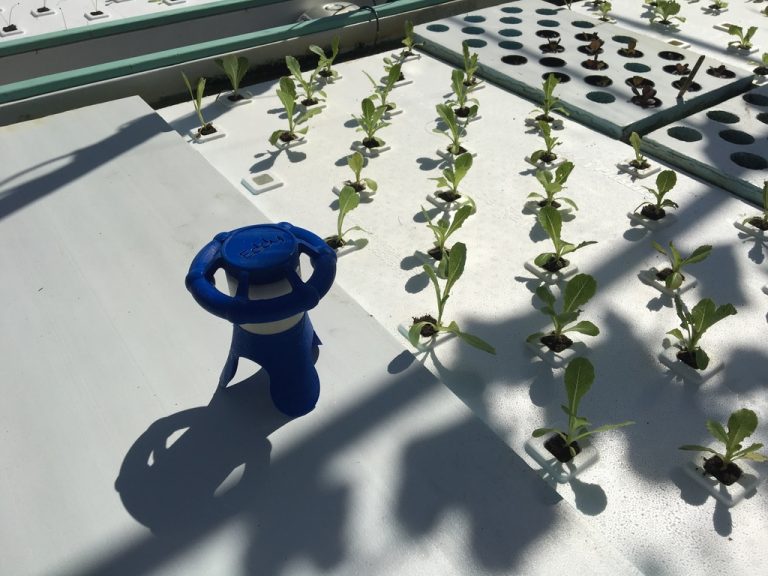
flux-device-prototype

Eddy is like the “easy button” for hydroponics

The United Nations is screaming it –– and California is feeling it: drought caused by climate change is killing the way we grow food. And it will only get worse. Thought leaders want a shake up of conventional agriculture, because large mono-crop farms are not producing enough to feed the world. They are also damaging ecosystems, some irreparably.

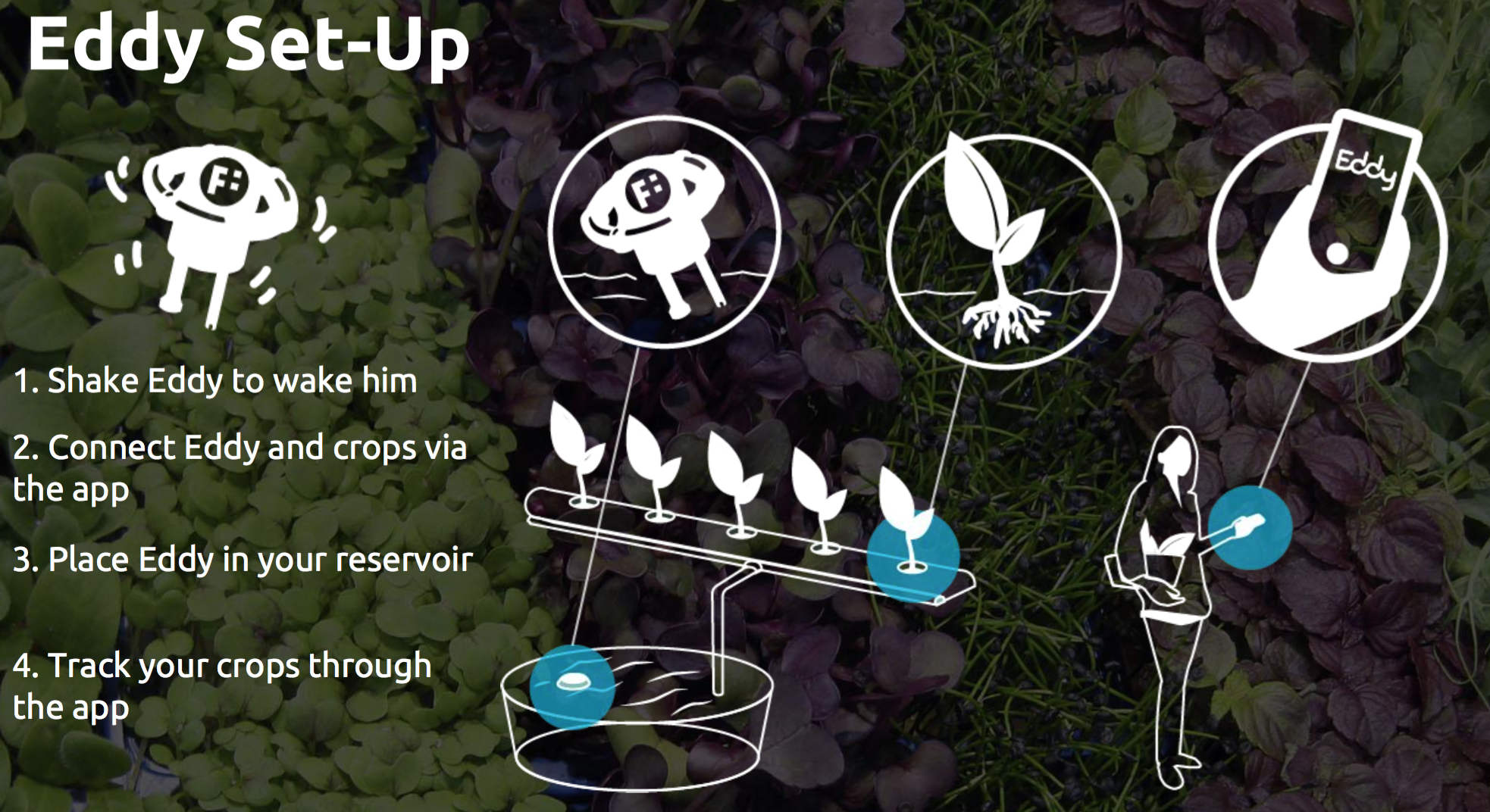
flux has developed Eddy, a tool that makes it easy for anyone to grow food anywhere. The technology and software company built on Israeli R&D and based in Dallas, solves global food production from the ground up. Eddy makes it easy for anyone to grow food at home or as a small or medium size vertical farm business.

Tired of GMOs, massive mergers of ag chem companies? Take your food into your own hands.

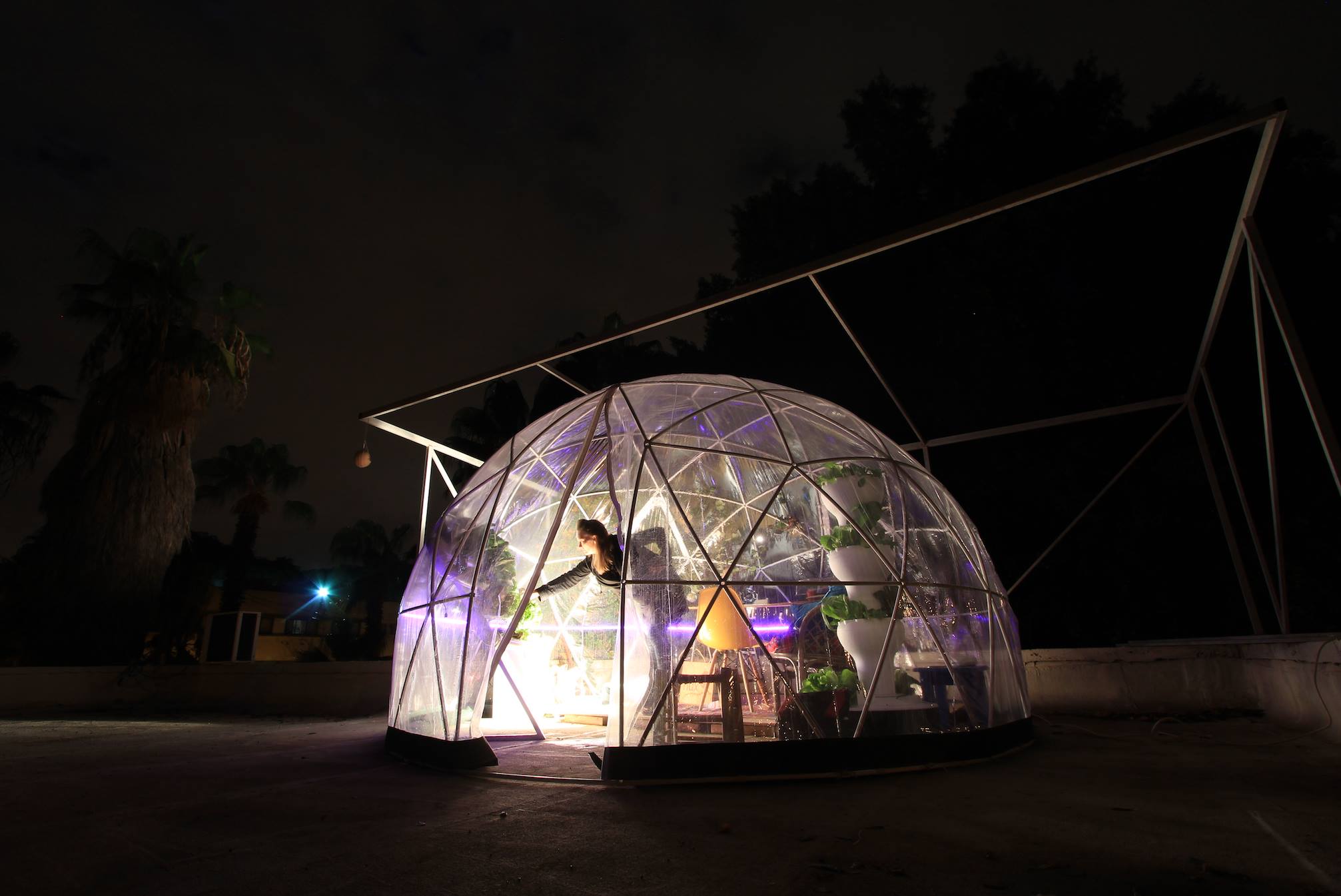
“Look to any sustainability expert in the United States and globally, and they will point out the flawed economics of large, conventional farms relying on government subsidies to exist,” says Karin Kloosterman, the founder of Eddy. She is pictured below in her hydroponic office:

“Growing and shipping food from Canada to China and back again is causing climate change. Pesticides and residues used by farmers have stark health effects for humans and the ecosystems that support us. We created flux out of fear for the future, but with hope that people – like us –- can turn the situation around,” says Kloosterman.

Plant and Play Remote Controls

Eddy continuously monitors and adjusts the plants’ growing conditions, an image-processing capability for plant condition analysis, and a crowd-wisdom system for grower support throughout the entire growing process.

eddy-technology

Eddy comes in both home and semi-professional versions and is particularly appropriate for growing greens, vining plants, root crops, fruits, and herbs in dense urban locations – or even in thirsty drought regions like California, Africa, the Middle East, or India.

Space Station Technology Beside Your Barbecue

Water farming, vertical farming, or hydroponics, is catching on like wildfire in urban communities globally. Currently about 42 million American households grow food, a 17% increase since 2008. Americans also spend about $29 Billion on lawns and gardens. Cannabis cultivation, now legal in most US states creates another massive opportunity for companies in the urban farming business.

eddy-how

Hydroponics is a method of growing plants using water and a nutrient solution, with no soil at all. This method pioneered in America about 80 years ago, and favoured by space station scientists, uses up to 95 percent less water than soil farming.

Vertical farming is perfect for anywhere but can also use any unconventional space, such as rooftops or basements, and even in deserts, while producing up to 30x more crop per yard or meter of space year round.

eddy-benefits

Those who build hydroponics farms are inside the Indoor Agriculture market, one which is projected to jump to a $9 billion industry in the next several years, while gold rush opportunities in this space exist for cultivating high-value pharmaceutical crops in the United States and Canada.

Consider that around polluted Chinese and Japanese cities, hydroponics is an answer to food safety concerns where soils are so contaminated from heavy metals and radiation that consumers no longer want to eat food farmed from those regions.
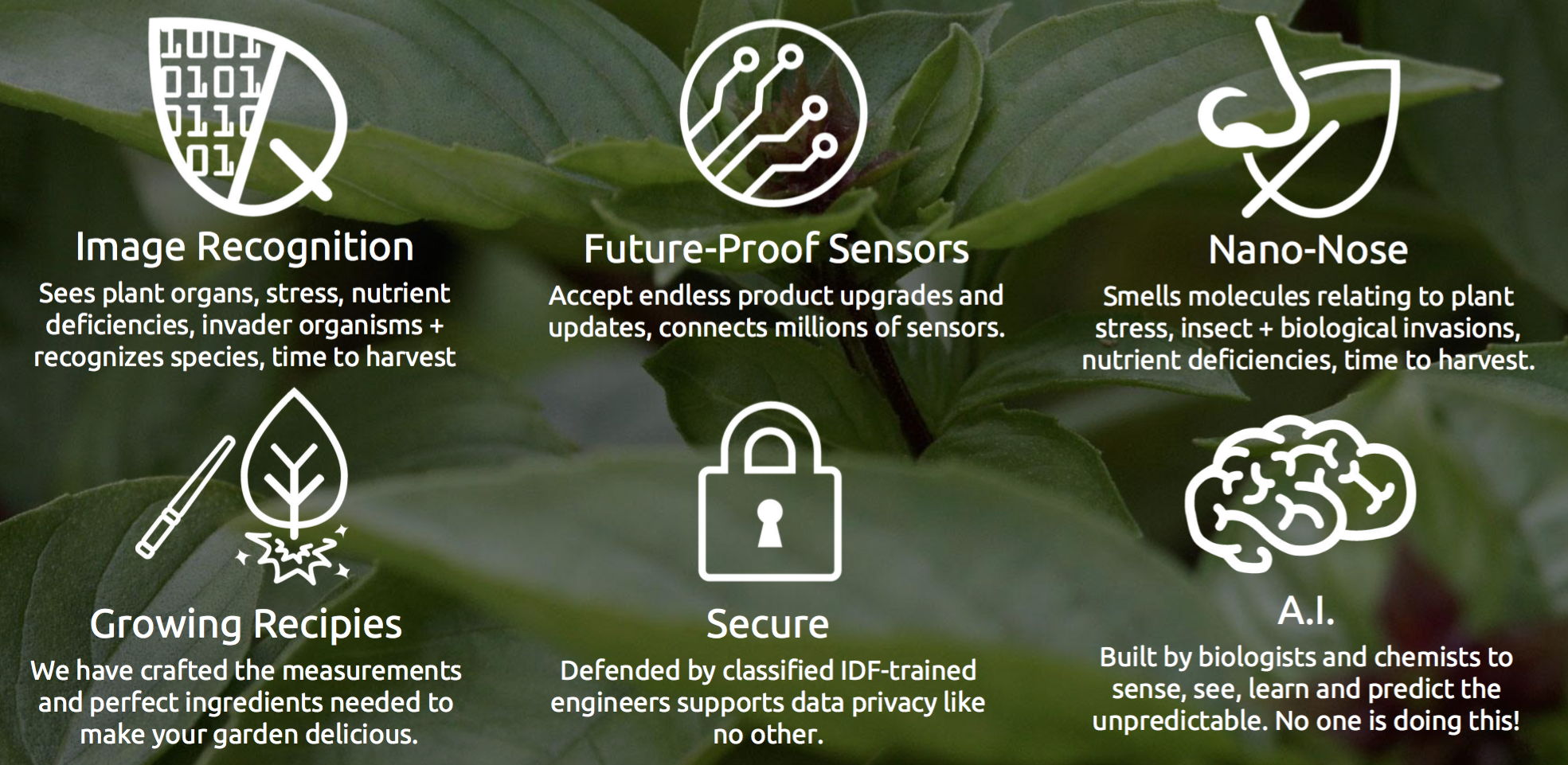
Grown hyper-locally, hydroponics food can be fresher, more sustainable and even more nutritious. It is recognized by urban farming labs at leading US universities as an important solution for cities, desert agriculture, emerging economies –– and even for future moon colonization.

 

Eddy on the moon?  Or Mars? “Why not? Companies are starting to build biospheres that show how food can be cultivated in extreme environments, like Mars or Antarctica. For now though, we have our sights set on Planet Earth and helping people help themselves,” concludes Kloosterman, pictured above.

To reach out to Karin Kloosterman, VP Marketing and Sales, email [email protected]

flux website