
 Google did a doodle marking the 151st birthday of the pharmacist who helped us navigate the chili peppers, the tiny veggie with the power to drop diners to their knees. Wilbur Scoville was the first person to measure the heat of peppers. His heat scale is still in use today, scoring the piquancy of peppers. (What would Wilbur think about the heat scale of planet Earth?)
Google gets hot for Wilbur Scoville!

The real Paleo Diet included turtle meat
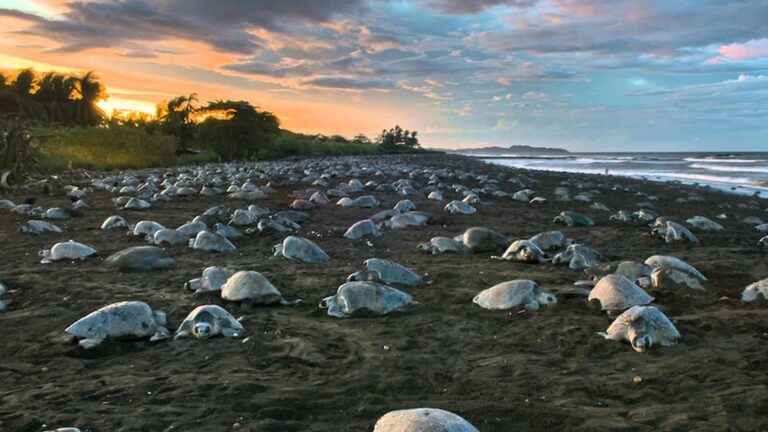
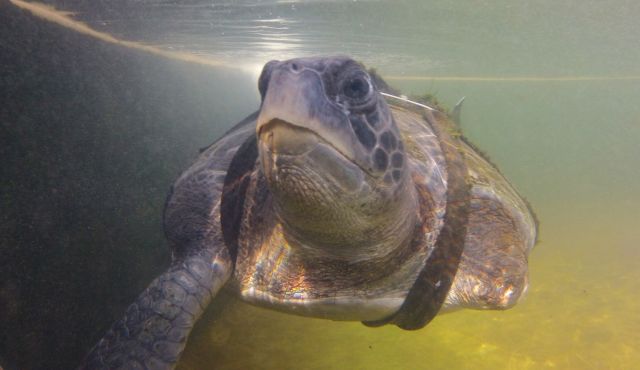
It’s all the rage. Eating Paleo, or like Paleolithic man has benefits, adherents to the New Age diet claim (here are 5 steps to going on a Paleo Diet). But while Paleo people cite red meat as part of the mainstay of their diet (eating what ancient Paleolithic man was supposed to eat), I have never heard of turtle. But it may be time to update the diet.
While turtles and tortoises are rarely eaten today except in East Asia (and by Egyptians) where turtle soup is a delicacy, they were once a staple diet item, according to new research out of Israel.
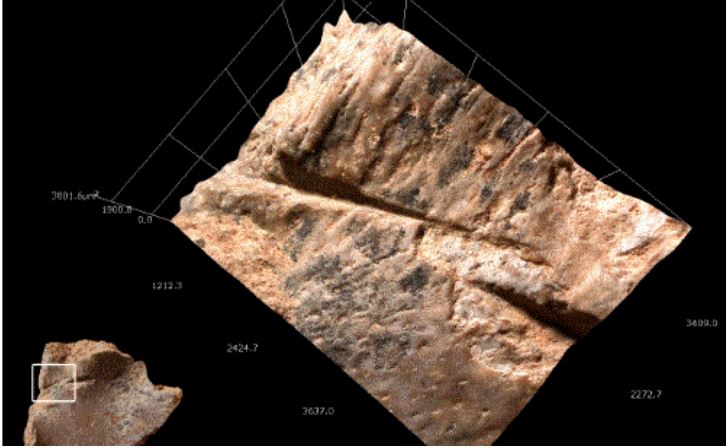
Please don’t consider this an excuse to eat an endangered animal, but a new discovery at Qesem Cave near Tel Aviv, ancient man had a thing for tortoise- maybe as a starter or as a dessert. The 400,000-year-old site indicates that early man enjoyed eating turtles in addition to large game and vegetables, the researchers found. These early Paleolithic people even had the “modern” tools and skills employed to prepare it. See etchings on turtle bones below.
The study was led by Ruth Blasco of the Centro Nacional de Investigacion Sobre la Evolucion Humana (CENIEH), Spain, and Tel Aviv University’s Institute of Archaeology.
“Until now, it was believed that Paleolithic humans hunted and ate mostly large game and vegetal material,” said Prof. Ran Barkai from TAU. “Our discovery adds a really rich human dimension — a culinary and therefore cultural depth to what we already know about these people.”
The research team discovered tortoise specimens strewn all over the cave at different levels, indicating that they were consumed over the entire course of the early human 200,000-year inhabitation. Once exhumed, the bones revealed striking marks that reflected the methods the early humans used to process and eat the turtles.
“We know by the dental evidence we discovered earlier that the Qesem inhabitants ate vegetal food,” said Barkai. “Now we can say they also ate tortoises, which were collected, butchered and roasted, even though they don’t provide as many calories as fallow deer, for example.”
According to the study, Qesem inhabitants (see the site below, along the highway for context) hunted mainly medium and large game such as wild horses, fallow deer and cattle. This diet provided large quantities of fat and meat, which supplied the calories necessary for human survival. Until recently, it was believed that only the later Homo sapiens enjoyed a broad diet of vegetables and large and small animals. But evidence found at the cave of the exploitation of small animals over time, this discovery included, suggests otherwise.
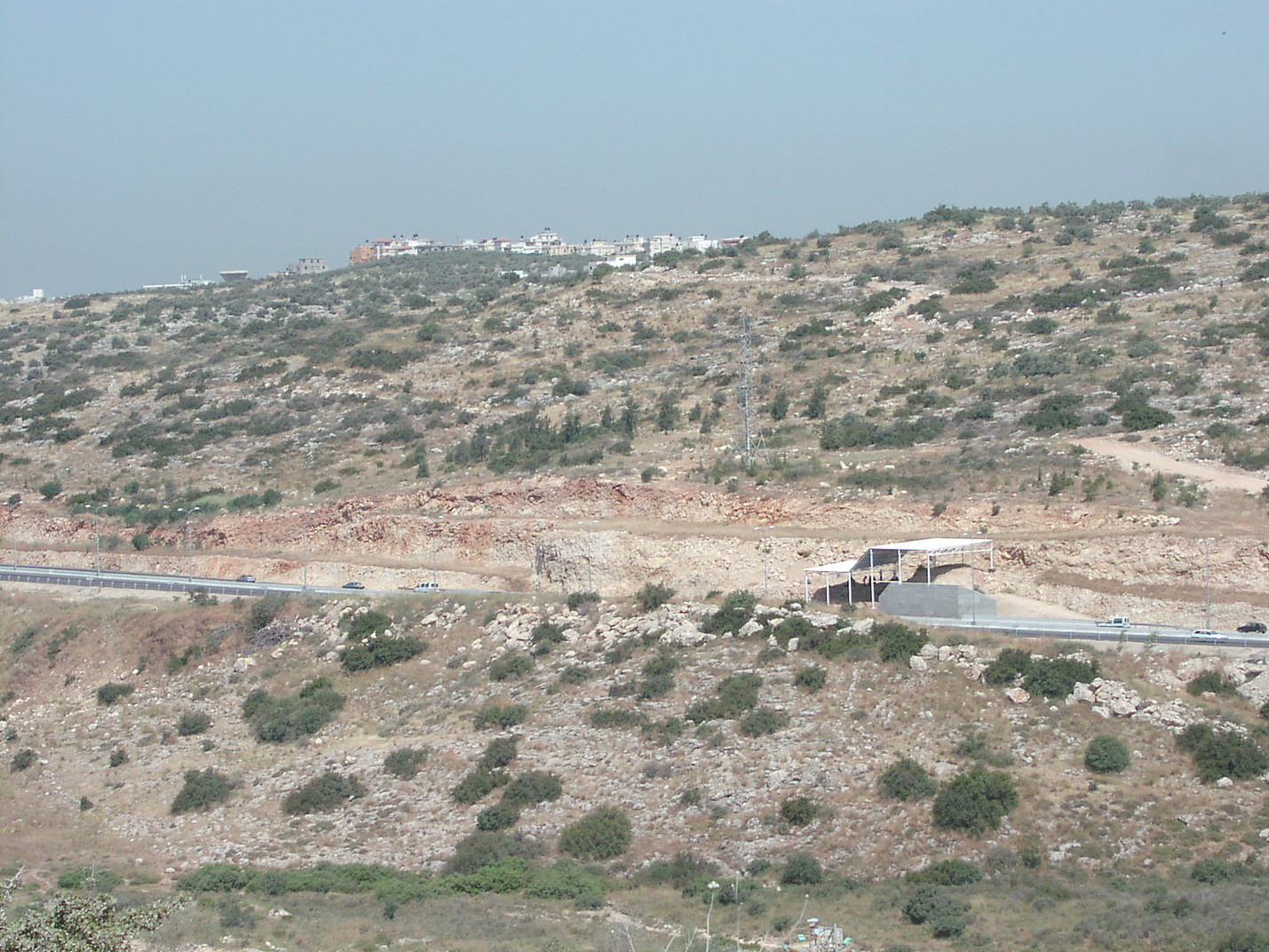
“In some cases in history, we know that slow-moving animals like tortoises were used as a ‘preserved’ or ‘canned’ food,” said Dr. Blasco. “Maybe the inhabitants of Qesem were simply maximizing their local resources. In any case, this discovery adds an important new dimension to the knowhow, capabilities and perhaps taste preferences of these people.”
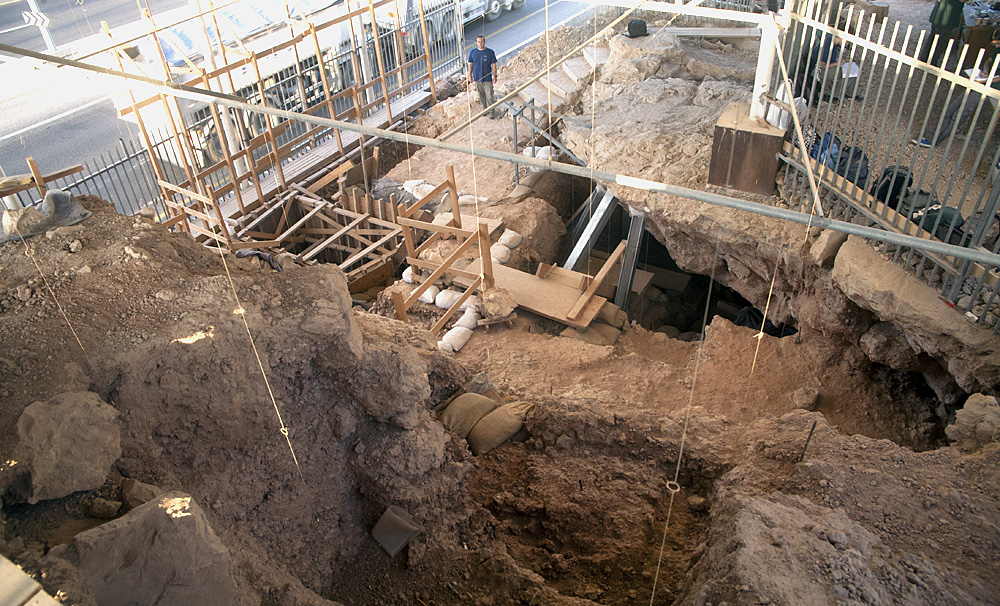
According to Prof. Gopher, the new evidence also raises possibilities concerning the division of labor at Qesem Cave. “Which part of the group found and collected the tortoises?” Prof. Gopher said. “Maybe members who were not otherwise involved in hunting large game, who could manage the low effort required to collect these reptiles — perhaps the elderly or children.”
“According to the marks, most of the turtles were roasted in the shell,” Prof. Barkai added. “In other cases, their shells were broken and then butchered using flint tools. The humans clearly used fire to roast the turtles. Of course they were focused on larger game, but they also used supplementary sources of food — tortoises — which were in the vicinity.”
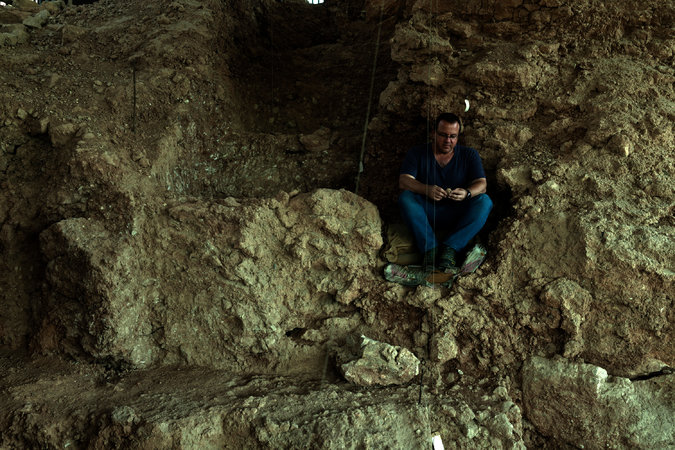
(Image of Ran Barkai, above NY Times)
Read more on Paleolithic-type eating:
Eat the Whole Animal: Lamb’s Testicles
Whole Animal Cooking
Making Smen the Old Fashioned Way
KarmSolar is first Egyptian company to sell solar power off-grid
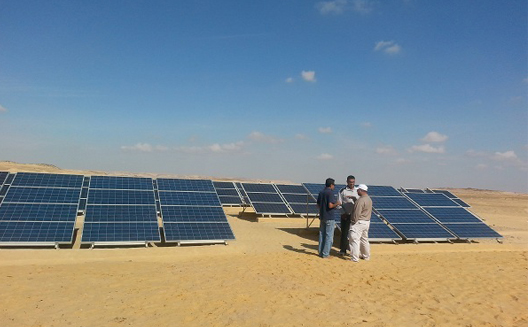
In a region where the renewable energy market is still small, despite a natural and seemingly perpetual gas shortage, one startup is making big strides.
KarmSolar is an Egyptian company dedicated to bolstering solar energy use. It is now the first company in Egypt with official permission to sell solar power off-grid. The Egyptian Electricity Regulatory Agency granted the license in December 2015.
After receiving the nod of approval, KarmSolar finalized a 1-megawatt solar energy installation at a dairy farm in Egypt’s west.
The company was founded in 2011. Just two years later, it created MENA’s first high-capacity solar-powered water pumping station, able to lift water from record-breaking depths – an innovation designed for the desert.
KarmSolar’s company compound is itself in the Western Desert and fully powered from the sun. The company’s conscientiousness about the environment doesn’t stop at solar power. The buildings of the compound were constructed entirely from locally-sourced, environmentally-friendly materials.
A great video on the Climate Heroes website shows us KarmSolar in action and features three ambassadors from the company. Yumna Madi, head of the business department, reminds us that solar power is so refreshingly simple. It’s so direct – involving point A and point B, the sun and some sunbathing solar panels. Egypt’s location on the solar belt makes solar power an obvious winner.
Solar power provides cost-competitive energy solutions, helps to mitigate climate change, and encourages job creation (KarmSolar started with four people and grew to a team of about thirty.) With KarmSolar on the rise, Egypt – and the rest of the world, for that matter – will be brighter. And I’m not only talking about the sun.
Image of KarmSolar workers and solar panels from wamda.com.
Earth breaks its own world temperature record, again.
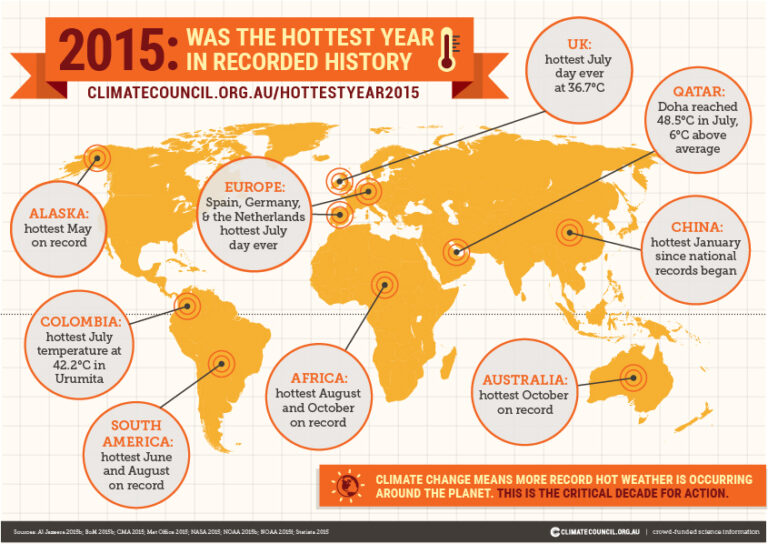
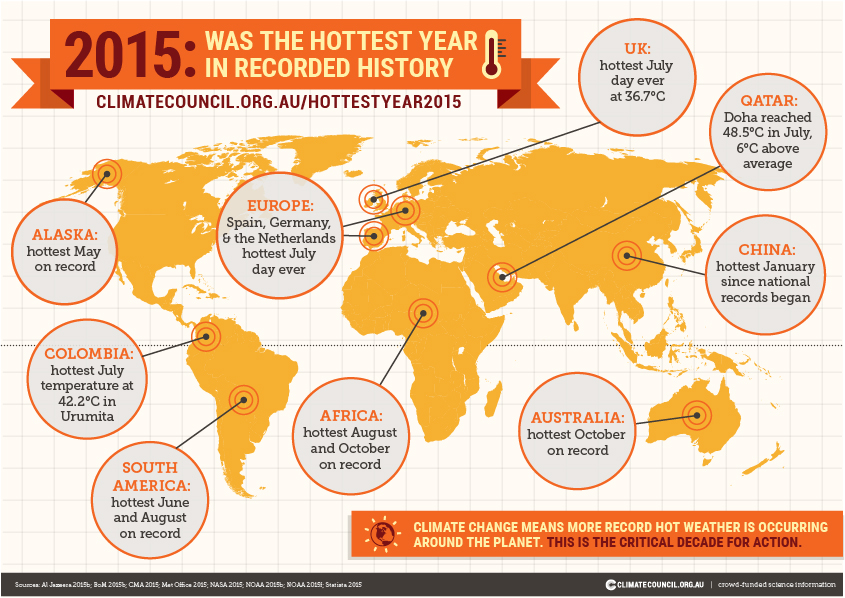 A new report from the Climate Council of Australia revealed that last year’s global average temperature was the highest since global records began in 1880, with 2015 experiencing its hottest year on record – again – besting the 2014 stats by a jaw-dropping 0.16°C. To paraphrase Paris Hilton, that’s hot.
Sharjah wins Arab Tourism Capital award 2015
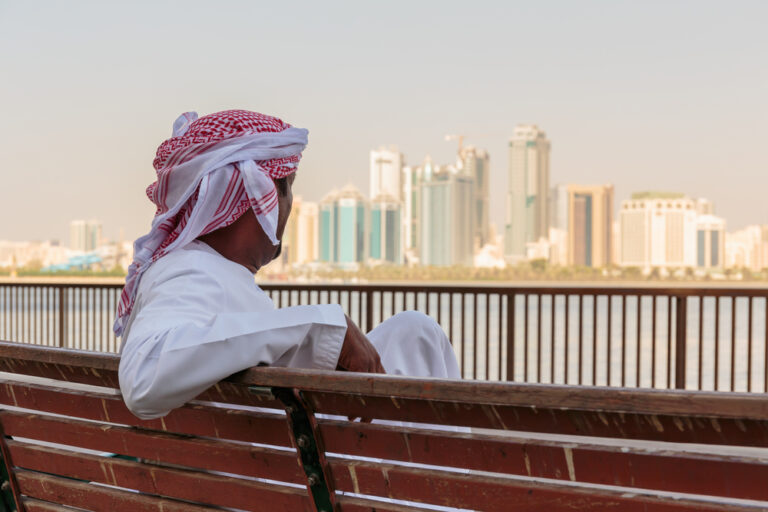

According to a recent report, Sharjah – a city named after its state, one of the seven emirates of the United Arab Emirates criteria set forth by the Arab Council of Tourism Ministers. It must be actively attempting to: increase tourism exchange with other Arab countries, promote the region’s appeal on the international market, sustain natural attractions, uphold heritage sites and cultural values, etc.
Sharjah promises fun for the whole family, with beautiful white beaches and water sports, camping along the coast, a “cultural palace” and a history museum, and interminable shopping opportunities. The Blue Souk, or Central Souk, is where 600 merchants set up shop. Then there’s the Souk al Arsah, the oldest market place in the UAE, where one can find genuine pearls from the Gulf.
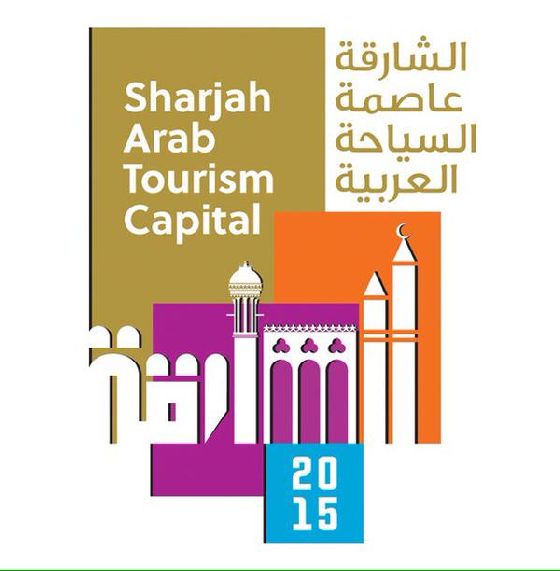
The honor of being named Arab Tourism Capital is showcased in the brightly colored logo shown above. There’s something special about the skyline that forms the bottom border…did you see it?
If you read Arabic, look closer: the buildings spell out “Sharjah.” This graphic design is the perfect pictorial representation of what Sharjah is proud to be: a modern city that embraces its Arabic roots.
Kuwaitis drive social change with new fund. N-mu?

A few years ago, Jordan launched an initiative called BADIR to support budding young entrepreneurs, eager to contribute to positive change in their communities. Now Kuwait is following suit: the “n-mu” program endows participants with the skills and resources necessary to create real social change.
N-mu? That’s a funny name, you might be thinking. But it’s not a typo. It’s “أنمو” – the Arabic word for “I develop,” written in phonetic English. Through the program, participants will develop a solid grasp on what it means to be an active citizen, and they’ll also be encouraged to develop their own projects as social entrepreneurs.
This is one of several programs developed by a Kuwaiti organization called en.v, which advocates for the trifecta of education, environment and capacity-building. Created as a way to engage youth, n-mu promotes active citizenship through critical reflection, discussion, and action.
The third and final training session of the current n-mu program begins on January 31, and the commitment is meeting twice a week for four weeks. It’s time to apply, if you’re eligible! In order to participate, one must:
- Live in Kuwait
- Be under the age of 30
- Speak Arabic (as this session will be conducted in Arabic)
- Genuinely care about community issues and want to address them!
Even if you’re aware of the issues, addressing them is easier said than done. Luckily, the n-mu program doesn’t merely provide training; it also allocates funding! The grants will kickstart approved community projects proposed by ambitious and inspired participants.
The latest news on En.v’s twitter page is of GreenBagQ8, an “n-mu initiative” advocating for reusable shopping bags, which is slated to be featured in a documentary that will be broadcast by Kuwait’s Al-Arabi TV.
This kind of offer doesn’t surface every day…if you’re eligible, go for it! You can not only be the change you wish to see in the world, but also make it happen.
And if you’re not eligible, like me, you can just smile because you know that programs like this exist!
Photo of seminar from n-mu training session #1 from the En.v website.
3 Arab architects worthy of being called sustainable builders
 Green is sort of a buzzword nowadays. People will say they are going green (like Zaha Hadid), but are they as good as their word? Usually not.
In the world of Middle Eastern architecture and engineering, rest assured that there are several who are fighting for green choices. Clients often see lots of green – dollar bills, that is. But the builders can bring environmental considerations to the forefront. Sustainable building is the way of the future, and they know it. Here are a carefully curated list of 3 Arab architects or engineers who champion sustainability in their work, and who need recognition.
1. Raya Ani
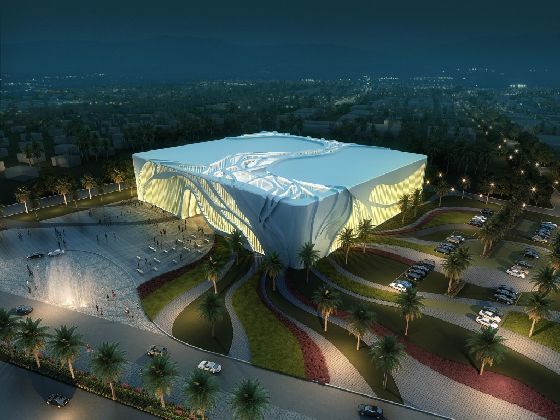
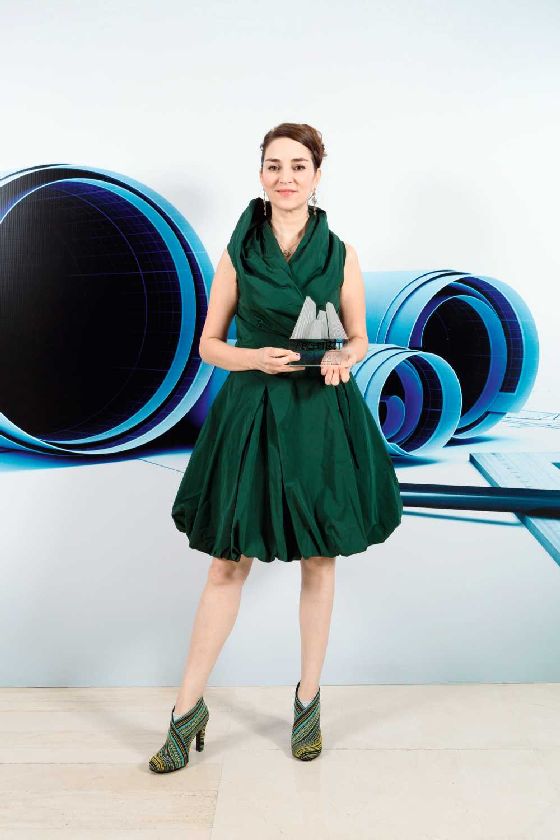 Raya Ani was born in Washington, D.C. but spent most of her life in Iraq near her family. She operates out of the studio she founded in 2012: RAW-NYC, based both in New York City and Dubai. For the Aspire Sports Complex in Doha, Qatar, her company won Leisure Project of the Year at the 2014 Middle East Architect Awards.
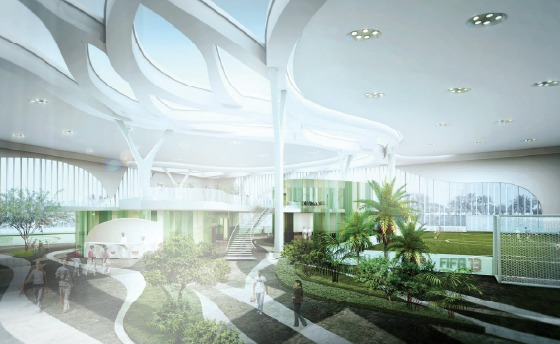
The arena is still under construction, but it will include two soccer fields, a private entertainment venue, sports store, café, and more. It’s an enclosed space, but it evokes the feeling of being outside, with its light-filtering roofs, stretches of lush green, and landscaping techniques to promote fresh air.
The aesthetics of the facility were inspired by the makeup of a tree – its interwoven branches being the main motif. In the desert heat, evaporative cooling will chill the indoor air, and the Solar Ivy on the exterior will conserve energy.
More of Ani’s architectural genius can be found in plans for the Mesopotamian marshes of southern Iraq, which Green Prophet covered here, and for Bawadi Park in Dubai. To top it off, this savvy designer does more than just architecture. Visit her page to see all her fascinating projects.
2. Kourosh Hajizadeh 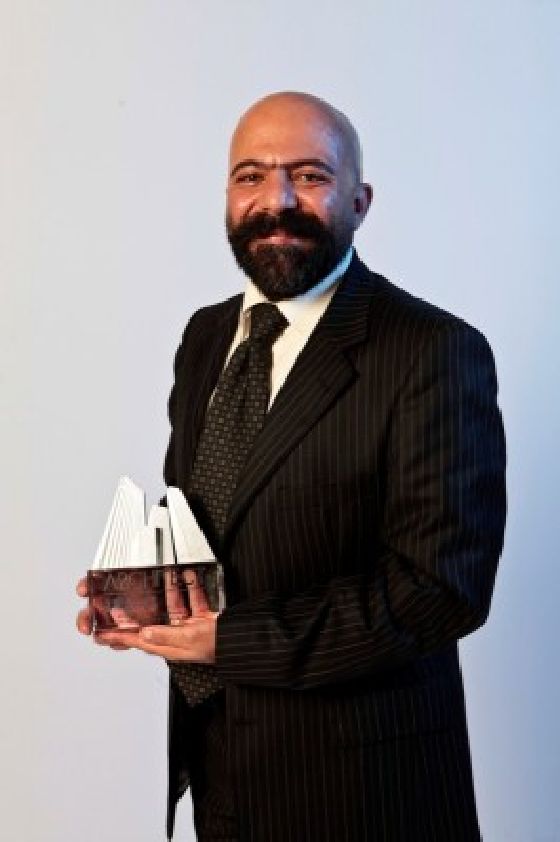
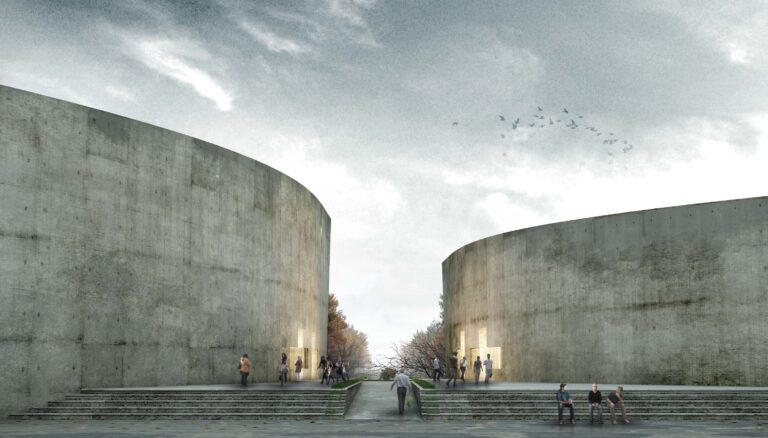
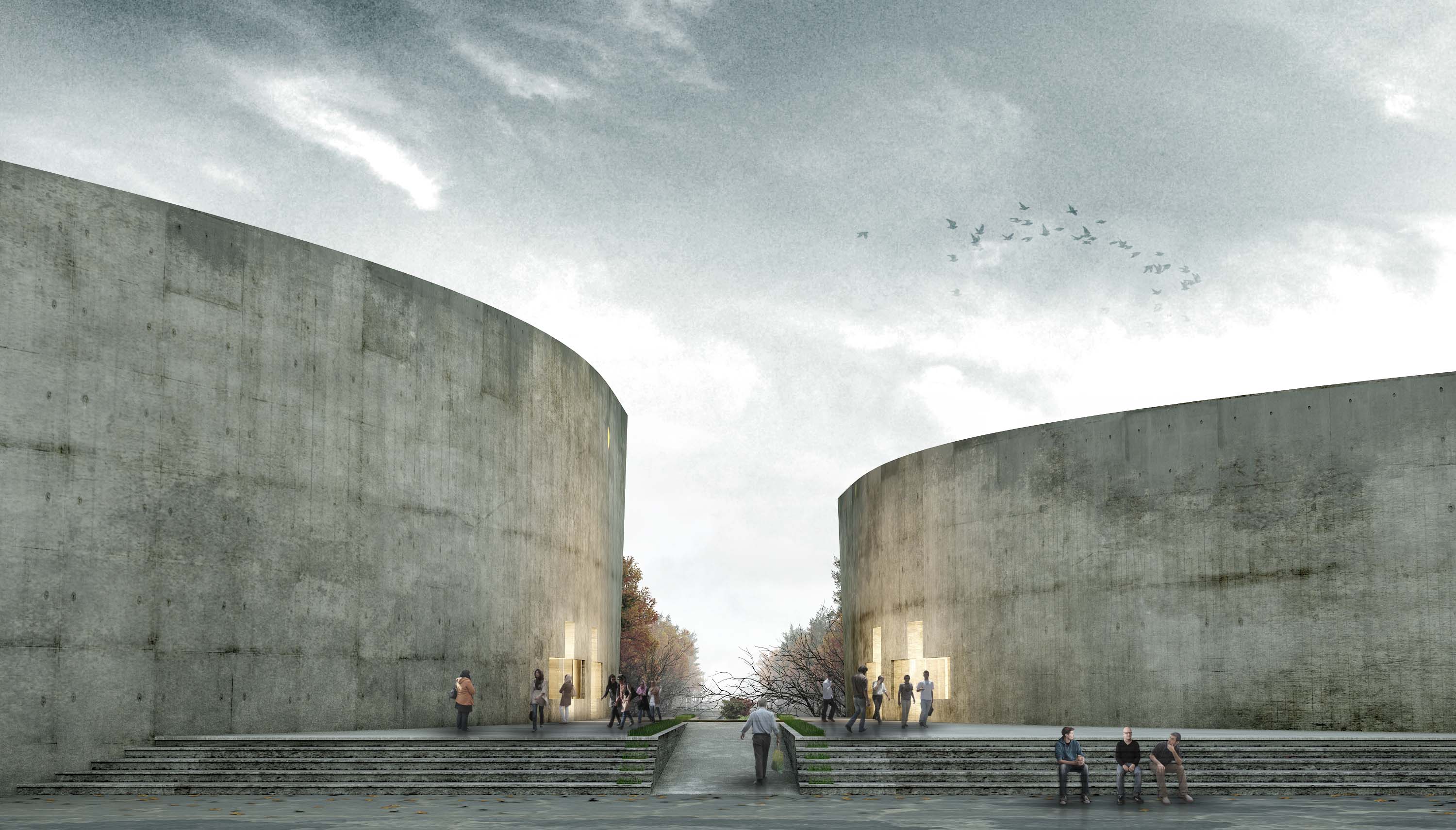
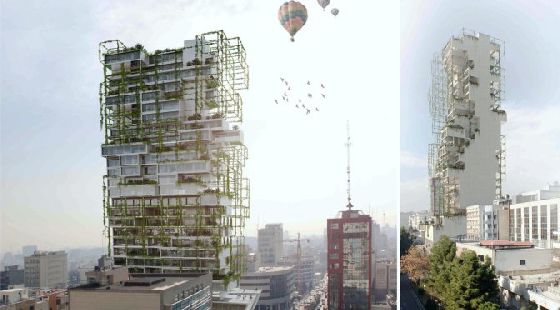
Named Architect of the Year at the Middle East Architect Awards in 2013, Mr. Hajizadeh proved his merit even further when he laid down plans for Jordan Tower. It’s his work featured at the very top of this article.
As Principal Architect of Hajizadeh & Associates, he places much emphasis on sustainability, and the goal for Jordan Tower was to create the tallest green spot in Tehran – a city lacking in green spaces. High-rise construction is maximized land usage in urban centers – capital cities, especially.
This sky-high beauty will display what appear to be hanging gardens in interlocking cages suspended from the exterior. This design is remarkably similar to “The Terraces” set up for Beirut, except it provisions more greenery. Furthermore, mirrors will be placed on the building close to street level in order to multiply the green vision to passersby.
3. Ammar Khammash 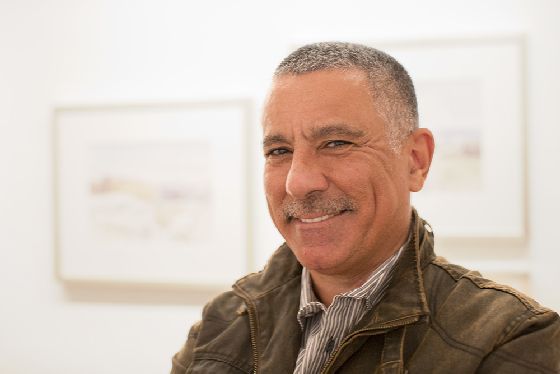
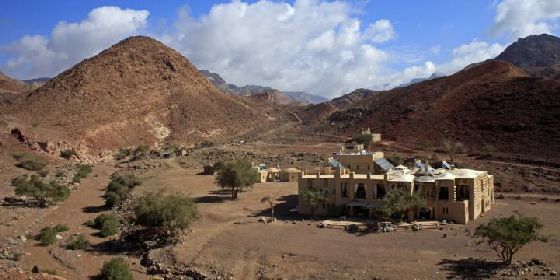
This Jordanian superstar architect has improved his home country – with more projects than one. The repertoire of Khammash Architects includes Wild Jordan, a restaurant and market; Darat al Funun, an arts and cultural center; and, most notably, Feynan Eco Lodge, the unbeatable retreat in the Dana Biosphere Reserve (which I visited while travelling in Jordan!).
With degrees in architecture and ethnoarchaeology, Mr. Khammash is Jordan’s leader in designing or renovating spaces so that they include uber modern amenities and style but are historically relevant.
Environmental preservation is very important to him, as well; he advocates preserving the nature in and around which he works. Wild Jordan is nestled in the hills of Jabal Amman. Darat al Funun displays a restored archaeological site in its garden with pride. Feynan Eco Lodge uses the blazing desert sun for energy and refuses to antagonize the already limited water availability with aerators installed on faucets.
Mr. Khammash clearly knows how to make the best use of what he is given, and even to make those elements from the land and sky the star of his projects. He’s even done the same thing with his own home. He opted to live on the edge – literally. By building his home on a cliff overlooking Amman, he made use of what would be otherwise unused space and gets breathtaking views as a reward.
Electroad to electric the bus systems in Israel, then the world

 “Roads? Where we’re going we don’t need roads!” Fans of the 1985 film “Back to the Future” watched the year 2015 slip from a promising future into a disappointing past with no sign of time travel, Mr. Fusion or flying cars.
And while hoverboards came surprisingly close to reality, even these require roads (of solid copper.) But rather than waiting for a roadless future, the inventors at Israel’s Electroad are working on the biggest road improvement since the Romans paved an empire. (Update Sept. 2020 and the website is out of business)
Electroad’s visionaries ask us to imagine a pioneer in the old American west with a horse-drawn wagon stacked high with the hay necessary to feed the horses pulling the wagon. It sounds ridiculous, archaic, inefficient and… well, that’s exactly how our automobile transportation system works today.
RELATED: Elon Musk’s hyperloop steps toward reality
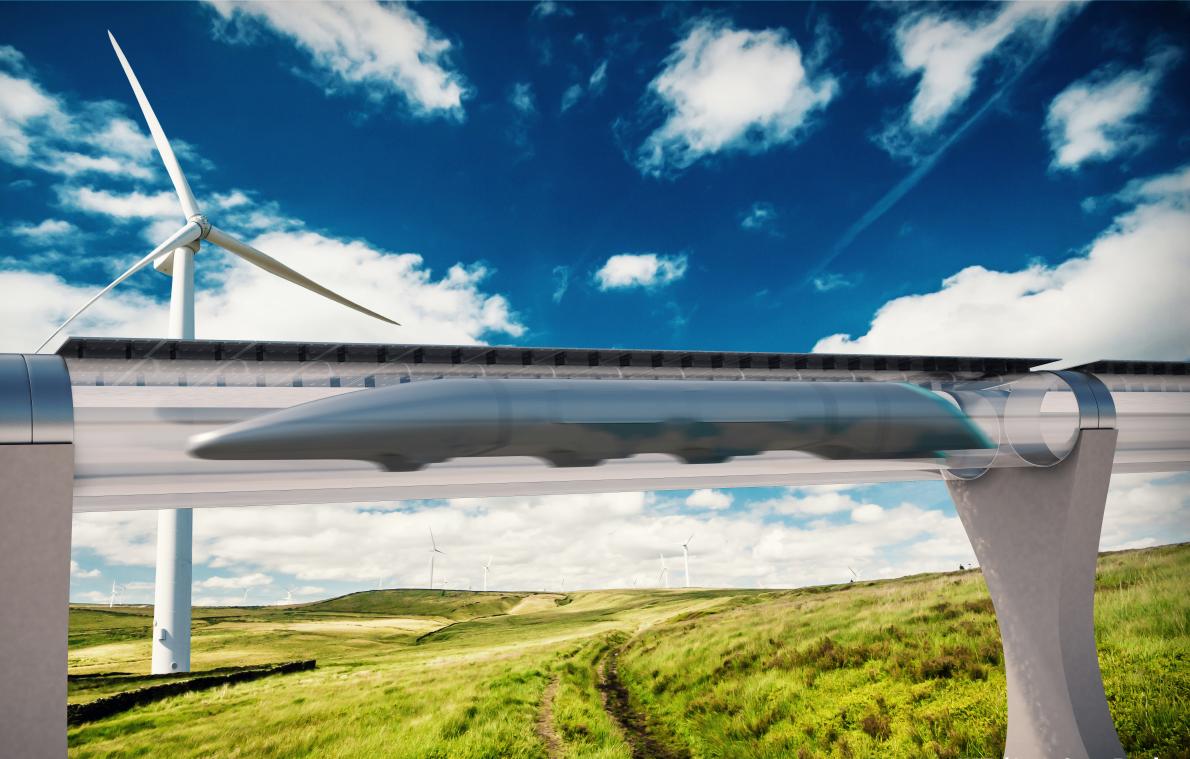 Cars carry the fuel that propels them. We don’t notice this with gasoline and diesel engines because these fuels can store a tremendous amount of energy per kilogram, more than 45 million Joules (10,000 kilocalories) per kilogram. While this isn’t the 1.21 Gigawatts necessary for time-travel in Doc Brown’s fictional DeLorean, it is about 50 times the amount of energy that can be stored in a kilogram of our best Lithium-Ion rechargeable batteries.
So while electric cars have advantages in efficiency, reliability and environmental impact– up to one third of the weight of a typical electric car is the battery.
This explains why electric vehicle range tends to be lower than that of gasoline and diesel powered vehicles. Do away with that heavy battery and imagine the acceleration, performance and efficiency of a powerful car with a light powerful motor. If you live in parts of the world served by trams and buses with overhead wires, you’ve seen one method for reducing the need for a battery.
Simply run high voltage wires along the road, over the road, just like the slot-cars we might have played with as children. But maintaining an electrical connection often requires unwieldy spring loaded devices, precise alignment and high voltage wires and rails that can be dangerous for pedestrians and cyclists!
Electroad has a unique technological approach that they call a Dynamic Wireless Power Transfer (DWPT) system. They envision electric vehicles without the need for a large battery, long charge cycles. The energy needed will be minimal due to the low vehicle weight.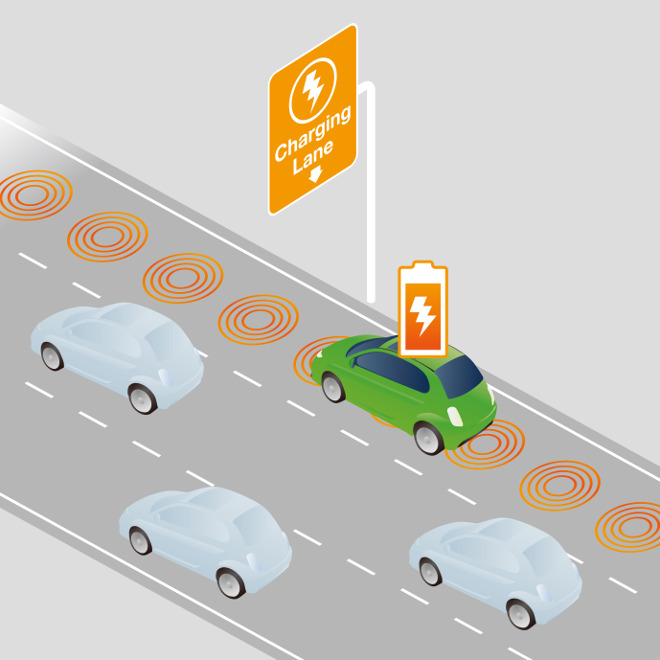
Recent Apple and Android phones, toothbrushes, electric razors, flashlights and even Skylanders light core toys, send electricity through the air by magnetic induction. The idea comes from a couple of basic laws of physics, change an electric current and that creates a changing magnetic field. Put that changing magnetic field near a wire and it will induce an electric current in the wire. So electricity moving through a coil of wire can induce a current in a nearby coil even without a physical connection.
Rather than relying on big batteries necessary to take you to the next charging station, Electroad intends to embed charging stations in the road so that you’re car is charging even while you drive it!
Powered coils beneath the road would accomplish this by inducing a current in coils attached to the bottom of the car. There are several challenges with this approach. One is an efficient way to embed and power the coils beneath the road, the other is alignment with the coils on the cars for maximum efficiency.
Another is the amount of energy that must be transferred during the brief moments the car passes over the coils. Electroad explains that the coils are switched on and off dynamically so that they don’t waste energy when cars aren’t nearby. While these challenges require some creative engineering, this is certainly a problem worth exploring. Electroad are looking for electrical engineers and a city whose visionaries are ready to test drive the future.
And if those induction coils are copper… who wants to be the first to skitch behind an electric car on a hoverboard? Great Scott!
منازل صديقة للبيئة .. أحدث تقنيات العقارات الجديدة للحفاظ على كوكبنا

أصبح سوق العقارات من أهم الأسواق التجارية في العالم في السنوات الأخيرة، حيث حقق الكثير من الإنجازات والنجاحات التي ساعدت في نهضة اقتصاد بعض الدول، لذا بدأت الحكومات العربية في الاهتمام بهذا السوق، وقامت بتوفير كافة الاحتياجات للمستثمرين، وشرعت قوانين جديدة حتى تُسهل عملية الاستثمار، وخصصت الكثير من الأراضي ووفرت مواد البناء بأسعار مناسبة، كل هذه العوامل ساعدت في انتشار سوق العقارات في منطقة الشرق الأوسط.
وفي الوقت الأخير، بدأ البعض يفكر في بناء عقارات “خضراء” أي منازل صديقة للبيئة لا ينتج عنها أي مخلفات أو أضرار للبيئة المحيطة بها، وذلك بعد أن بدأ العالم كله يعاني من مخاطر الانحباس الحراري وانبعاث غازات الدفيئة وهدر الموارد الطبيعية والطاقة غير المتجددة، أصبحنا بحاجة ضرورية للعقارات الصديقة للبيئة، وبالتالي أصبح هناك تحدي كبير يواجه شركات العقارات، التي صارت مسئولة عن تنفيذ عقارات غير ضارة وفي نفس الوقت ذو تصميم جيد وسعر مناسب ويوفر كافة الاحتياجات من كهرباء وماء وغاز طبيعي
أصبحت العقارات الخضراء ظاهرة عالمية بدأت الكثير من الدول في تنفيذها، وانتقلت الفكرة إلى منطقة الشرق الأوسط التي بدأت هي الأخرى في تنفيذ منازل صديقة للبيئة، وتعتبر دولة الإمارات من أوائل الدول العربية التي بدأت في تنفيذ هذا النوع من العقارات، وقد أكدت الكثير من الأبحاث والدراسات البيئية أن هذه العقارات ستمنح الدول اقتصاد قوي على المدى الطويل، وذلك لأنها ستوفر الكثير من الأموال التي كانت تنفقها الدول من أجل الحد من مخاطر الاحتباس الحراري والغازات الدفيئة، وكذلك البحث عن بديل للموارد الطبيعية الغير متجددة.
منذ حوالي 8 سنوات، أقرت دبي نظاماً جديداً يلزم المطورين على إتباع سياسة المنازل الخضراء، حيث أصدر الشيخ محمد بن راشد ال مكتوم نائب رئيس الدولة ورئيس الوزراء حاكم دبي، قرارا يوصي بضرورة تطبيق مبادئ الأبنية الخضراء على كل المباني والمنشآت في إمارة دبي. وألزم القرار ملاك المباني السكنية والتجارية وكافة المنشآت أن يراعوا أفضل المعايير العالمية الصديقة للبيئة التي تتواءم مع الواقع المحلي لإمارة دبي، وذلك من أجل أن تصبح دبي مدينة صحية تتبع أعلى معايير التنمية، وذات بيئة نظيفة خالية من الملوثات.
أصدرت إحدى الشركات العالمية تقرير يوضح مفهوم المباني الخضراء، والمعايير التي يجب الالتزام بها عند بناء هذه العقارات، حيث يشمل مفهوم المباني الخضراء المنازل التي تعتمد في تصميمها على استهلاك كميات أقل من الطاقة والمياه، وذلك من خلال استخدام المواد التي يتم إعادة تدويرها، وتعتمد بالأساس على الإضاءة الطبيعية من خلال أشعة الشمس والتهوية الجيدة، كما أن المباني الخضراء يجب أن تقلل من الدهانات و المواد اللاصقة السامة والتي تضر بصحة الإنسان وبالبيئة..
بدأ أصحاب شركات العقارات في استخدام أنظمة توفير استهلاك الطاقة والعمليات الصديقة للبيئة في أبنيتهم، بحيث يخففون من الأعباء الملقاة على البني الأساسية في المدن، وقد ثبت أن هذه الأنظمة توفير ما بين 40 إلى 50 % من تكاليف استهلاك الطاقة واستهلاك المياه، وكان السيد عزمي ميقاتي من أوائل رجال الأعمال العرب الذين بدئوا في تطبيق معايير المنازل الصديقة للبيئة.
تسعى كل الدول إلى تكوين اقتصاد قوي، ولن يتحقق ذلك إلا من خلال تطبيق المعايير العالمية، والتي أثبتت نجاحها في الكثير من دول الغرب، هذه المعايير ستحمينا من الكثير من الأضرار مثل الأمراض الناجمة عن التلوث البيئي، كما ستوفر لنا كميات كبيرة من الطاقة، وبالتالي سيصبح الاقتصاد قوي في فترة وجيزة.
The rise of telecom companies (and entrepreneurs) in the Middle East

 Anyone who has used their smartphone to make an online purchase or to make a video call knows that recent advances in telecommunications technology and the convenience that it brings is now one of the bedrocks of modern life. In addition, the truly amazing thing about the communications revolution is the way it has quickly developed into a global phenomenon. It first reached the developed nations but is now also becoming firmly established in emerging economies.
Telecoms in the Middle East
As one of the biggest wealth generating regions on the planet over recent decades, parts of the Middle East have benefited from major infrastructure investments; however, because the region is also vast, many areas have fallen behind when it comes to adapting to new technologies in comparison with some other parts of the world.
Recently a full-scale telecommunications overhaul has been taking place in the Middle East. With a group of six Gulf States (The Gulf Cooperation Council or GCC) changing the communications abilities of the region beyond recognition. The GCC members, Kuwait, Bahrain, Oman, Qatar, Yemen and Saudi Arabia, initiated the installation of an inter-regional fiber optic network called FARAJ, which is ensuring telecoms will be future-proofed for many years to come.
Global business
It is no exaggeration to say the globalization of the world of commerce has been built on the worldwide communications network, the Internet. The fact that even SMEs in emerging economies can compete on the world stage by going online has leveled the playing field in so many ways. The process is a two-way street though, as entrepreneurs and businessmen around the world have played a large part in making sure everyone can benefit from new opportunities.
Prime example
A prime example of this can be found in the person of Ehsanollah Bayat, the founder of the Afghan Wireless Communication Company. Not only has Bayat made a significant contribution to his home country by setting up a stable telecommunications infrastructure, he has also introduced new systems and technologies, such as prepaid calling cards, and helped strengthen local economies by giving access to the wider global market.
Bayat has been rightly recognized for the ways he has improved the living standards of millions of people across several countries, receiving honors that include the prestigious 2010 Mahatma Ghandi Humanitarian Award.
Global village
In many ways the world really is getting smaller as more people in every region begin to have access to the advantages of Internet access. As well as sharing knowledge and information, business communities can come together irrespective of distance, and help, support and trade with each other.
A study by Accenture Development Partnerships in association with NetHope found that consumers in emerging markets are increasing in importance for businesses operating across the spectrum. Increased levels of connectivity as provided by the latest GCC initiatives in the Middle East, and the work of individuals such as Bayat, is giving businesses of all sizes the chance to gain access to a truly global marketplace.
Long standing problems facing companies that wish to grow in difficult circumstances, such as limited investment funding, small budgets and poorly trained workforces are becoming less important. Even the application of new forms of trusted payment systems based online are having significant effects and making currency exchange less of a hurdle for both buyers and sellers.
The way that all of this is continuing to interlink economies, countries and cultures can only be a good thing for a world which is becoming ever more interconnected (and more sustainability inclined) with each passing day.
6 best Middle Eastern cities to visit for a staycation
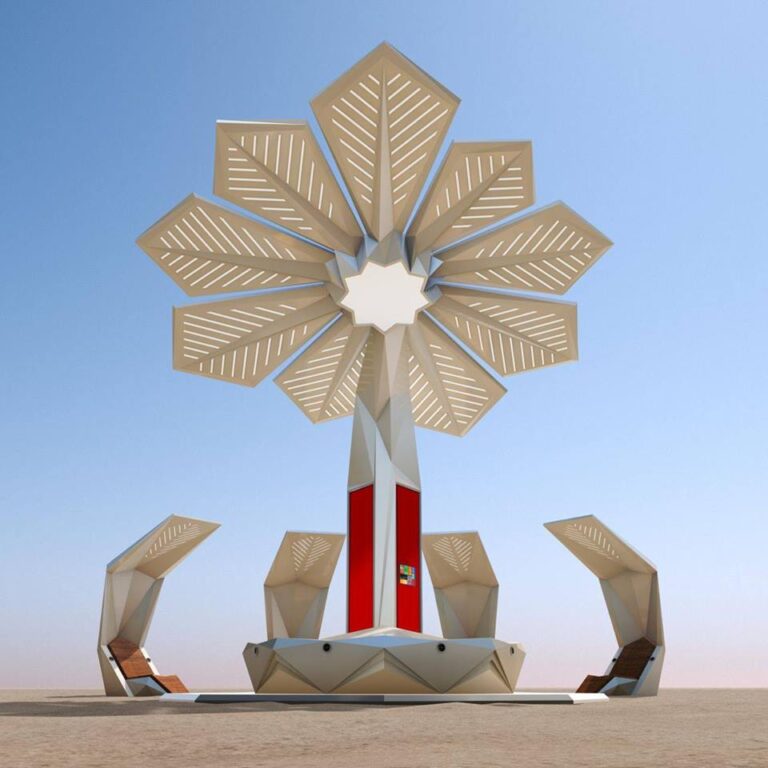
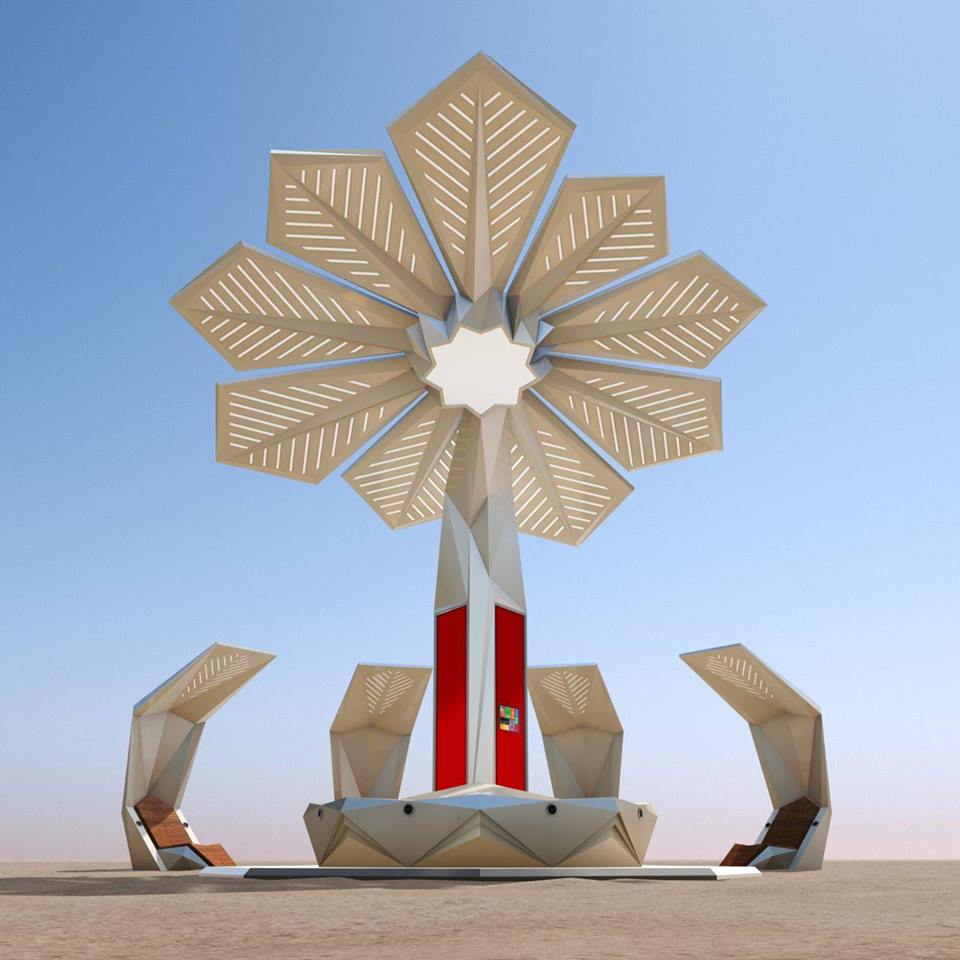
In these days, when jet setting around the globe is becoming less popular due to environmental concerns, it’s worth remembering there are lots of fascinating destinations right here in the Middle East. Try a staycation!
Just a couple of hours on a plane can take you to cities full of breathtaking sights, fascinating historic buildings and museums full of treasures. These are some of the best. Most of these cities rely on tourism dollars. Supporting the local economy of these cities helps the locals build a more resilient and peaceful future for all.
Luxor
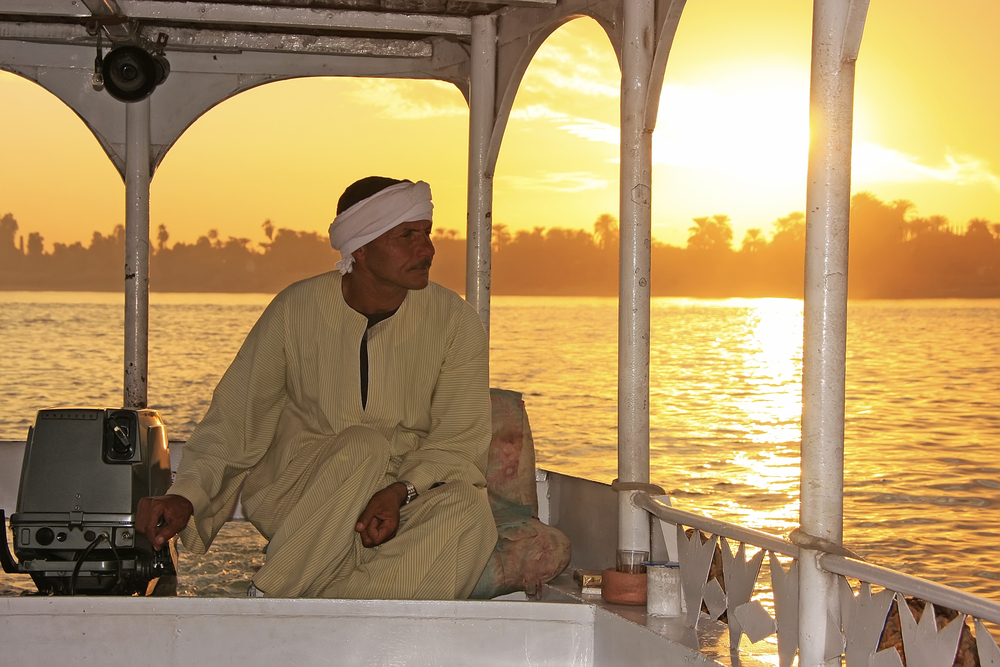
Built on the site of ancient Thebes on the banks of the Nile, and incorporating the temples of Karnak, this magnificent city is a place where you come face-to-face with the ancient world. It’s just a stone’s throw from the West Bank Necropolis, which is home to the Valley of the Kings and the Valley of the Queens. As well as Ancient Egyptian ruins you can see relics of the Assyrians, Babylonians and Romans. The weather is dry and can get very hot, so the best time to visit is winter.
Dubai
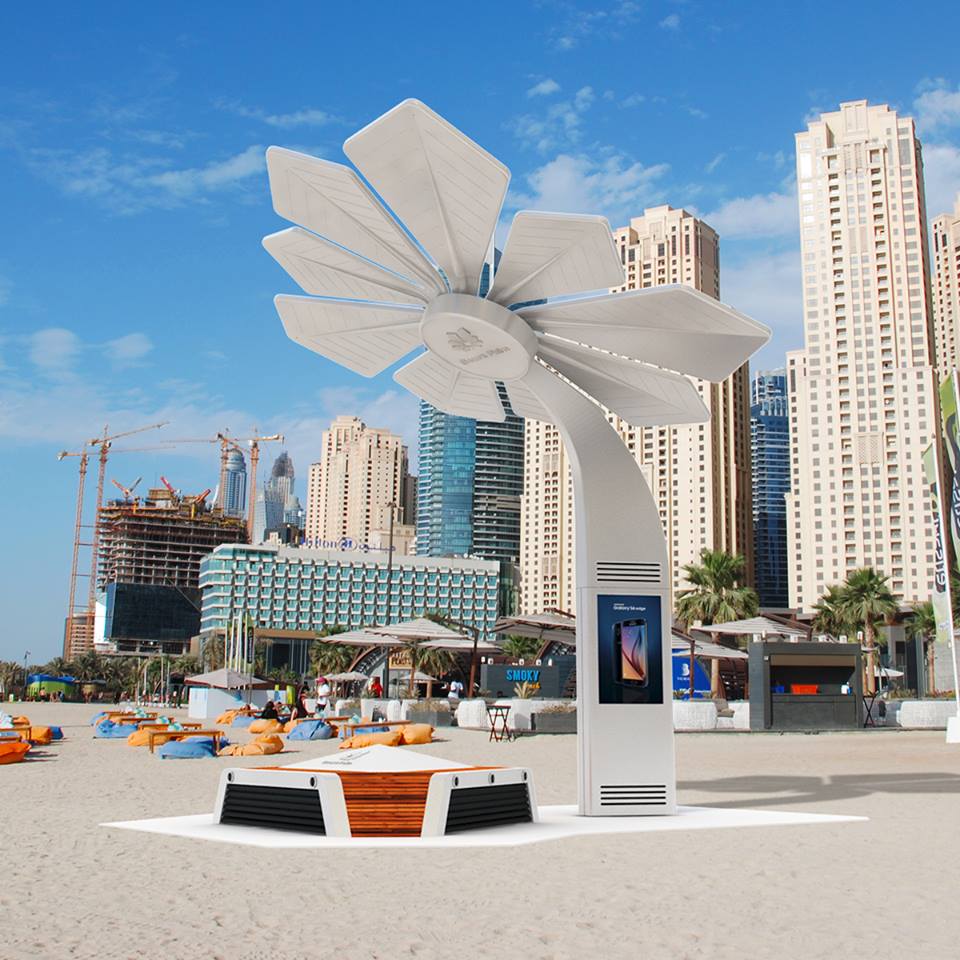
A stunning modern city that has risen to become one of the world’s foremost business centers, Dubai is known for its amazing skyscrapers, including the sail-like Burj Khalifa. It may be expensive but if you appreciate luxury you’ll find it a fantastic place to shop. A city built on pearls and later on oil, it reflects its rich heritage not only in its modern architecture but also in its magnificent mosques. The climate is hot, humid and windy, so it’s best to visit in winter.
Riyadh
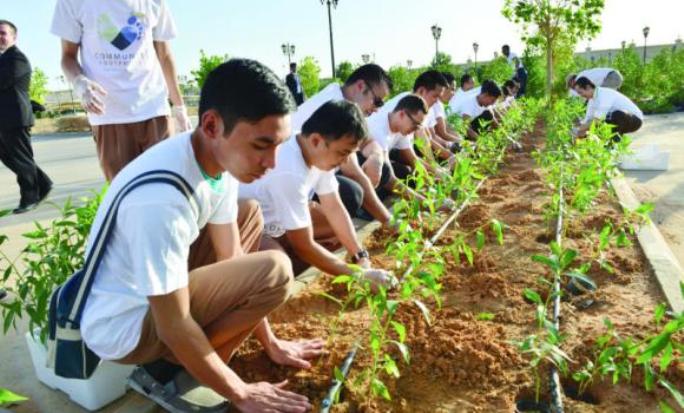
The Saudi Arabian capital is a fascinating combination of ancient and modern. It developed as an oasis settlement and you can still visit the Masmak fort that dates back to that era. The gates at Thumaira, Al-suwailen, Dukhna, Al-Madhbah and Shumaisi are well worth seeing, as are the city’s historic palaces. Towering over these are some of the Middle East’s most striking modern buildings, including the Kingdom Tower and the Al Faisallyah Centre. Riyadh has a great selection of vacation apartments and is another winter destination that is extremely hot in summer.
Nazareth
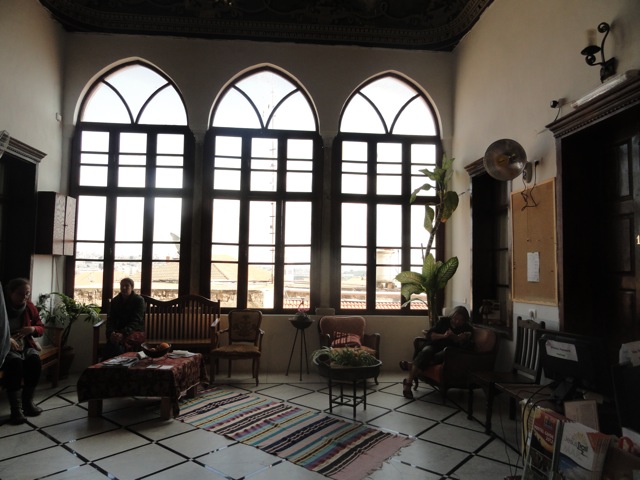
The center of Arab life in Israel, Nazareth is a city steeped in Roman, Byzantine and early Christian history, and it’s an intriguing place to explore. It also has some beautiful mosques, including the Masjid al-Abiad, the Masjid al-Salam and the Makam al-Nabi Sain Mosque. You can walk the Jesus Trail between Christian religious sites or visit the Islamic shrines of al-Sheikh Amer, Shihab e-Din and Nabi Sa’in. The climate is warm but comfortable between November and March.
Petra

No longer occupied but well worth visiting, the Rose City is truly without equal and has been described as a wonder of the world. Its magnificent public buildings overlook its royal tombs and a natural amphitheater where there are statues of ancient gods. It’s also not far from the Dead Sea, renowned for its therapeutic properties and remarkable to swim in. You’ll find plenty of accommodation in the nearby town of Wadi Musa. Visit in the middle on winter if you want to explore in comfort.
Abu Dhabi
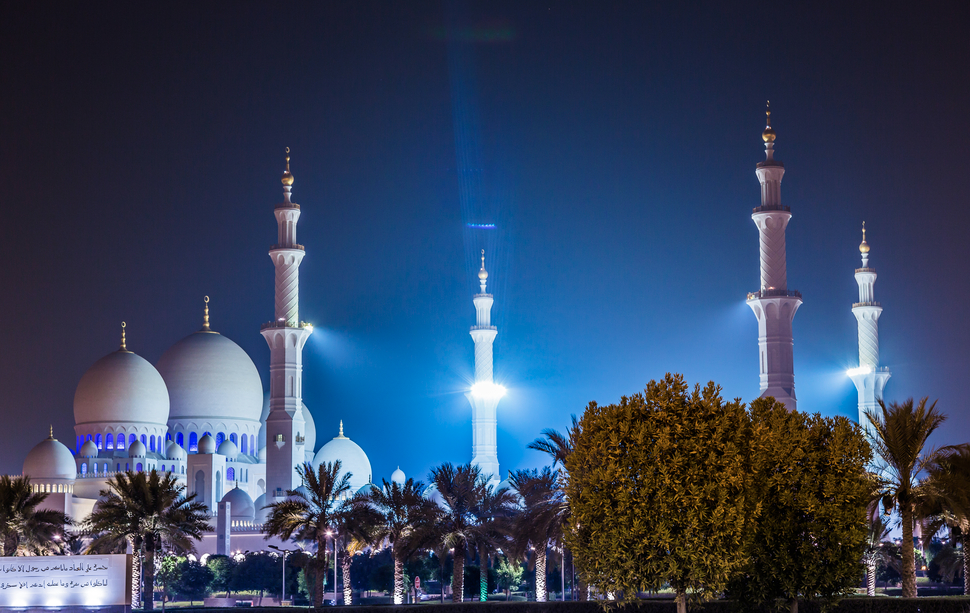
The other great city of the Emirates, Abu Dhabi has some truly spectacular modern architecture, a glittering royal palace and the sumptuous Sheikh Zayed Mosque, which is built of white marble and decorated with gold and precious stones. It has more moisture available than other nearby cities and as a result it’s able to maintain some beautiful public gardens; it also has wonderful beaches. It’s best to visit between November and February. Sometimes fog rolls in off the sea at this time of year and adds to the sense of being somewhere magical.
With cities like this so close at hand, there really is no need to leave the Middle East to experience an amazing break.
Israeli architects grow a “tree” to get us playing outdoors
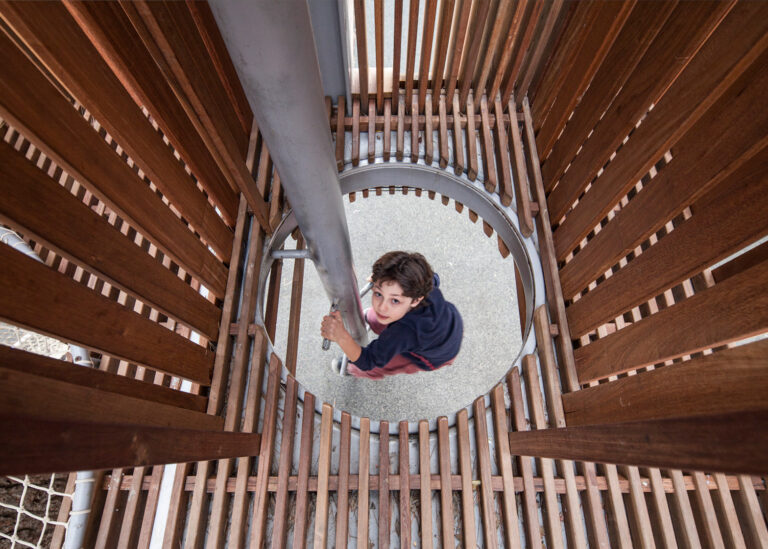
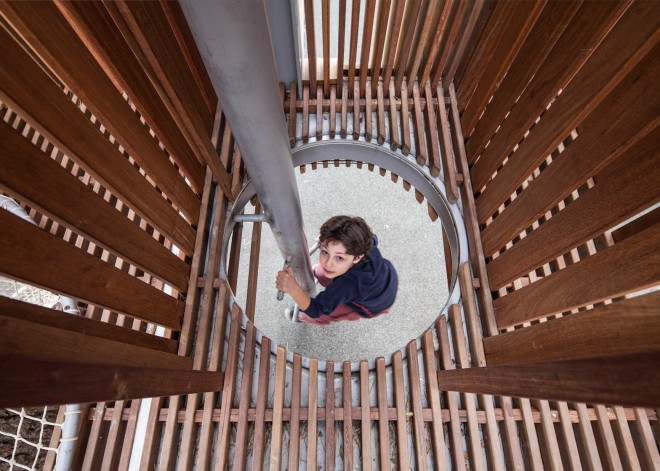
An old pine tree in the courtyard at the Israel Museum in Jerusalem inspired architects Ifat Finkelman and Deborah Warschawski to design a modern treehouse. The slatted wood structure sits at the entrance of the museum’s Youth Wing for Art Education, and it’s attracting children and adults in equal numbers. Who would think a museum installation could incite aerobic activity?
“As a tribute to the childhood collective memory of a treehouse, we positioned a small roofed structure where children can hide and overlook at high up a tilted trunk raised above the meticulous surroundings of the museum,” the architects told Archiscene.
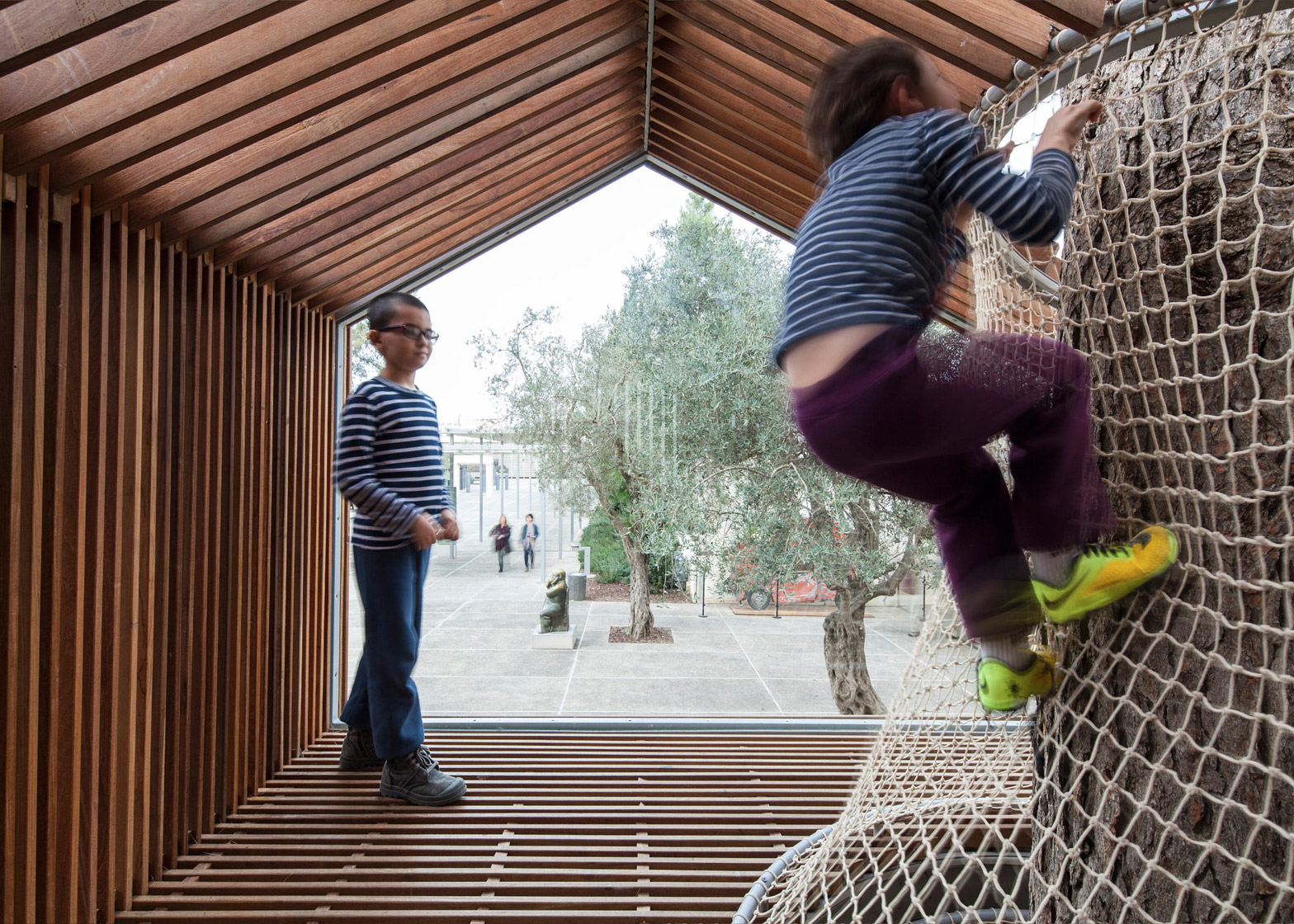
The structure arises from a ground level deck, an open walkway that proceeds to a series of ramps that lead to the actual treehouse. That walkway dies double duty as a seating area, a popular gathering point for museum visitors and watchful parents. Children can also access the interior via a metal pole with foot pegs.
An old pine tree anchors the design. It pierces through the cantilevered tree house, accentuated by a corset of netting that protects the tree while encouraging kids to clamor and climb about its trunk. The tree house itself is supported by a steel frame, covered with a lattice of thin timber planks, making the structure appear delicate and airy, especially at night when it’s the only part of the playground to be illuminated.
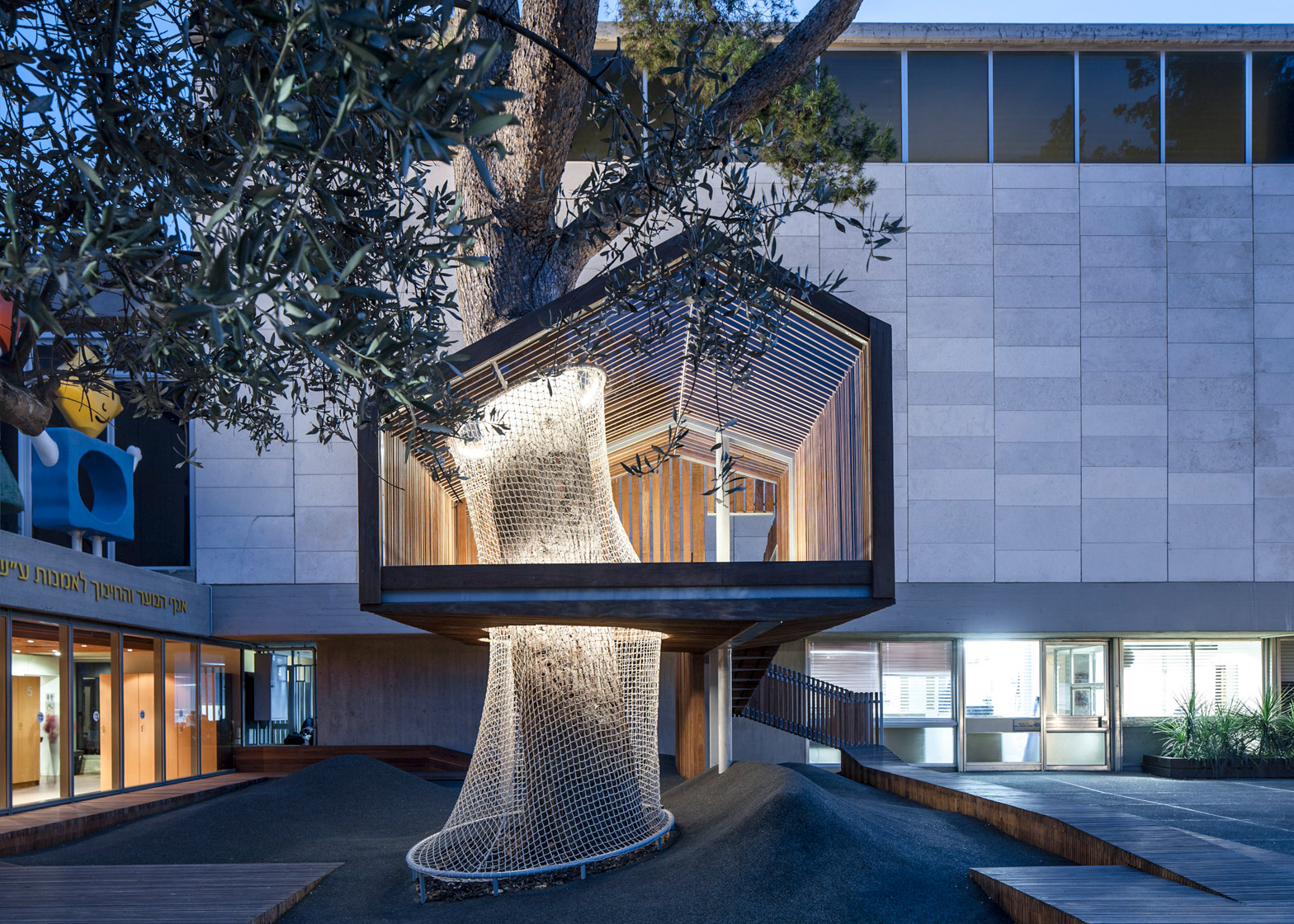
The area beneath the building is covered with a soft EPDM (ethylene propylene diene monomer) matting, a synthetic rubber material that is frequently made from post-industrial recyclables. (Note: Green Prophet was unable to ascertain the specific properties of the material used in this project.) The pliable rubber surface hides the underground infrastructure such as electrical conduit, drainage system, and the tree’s widespread root system.
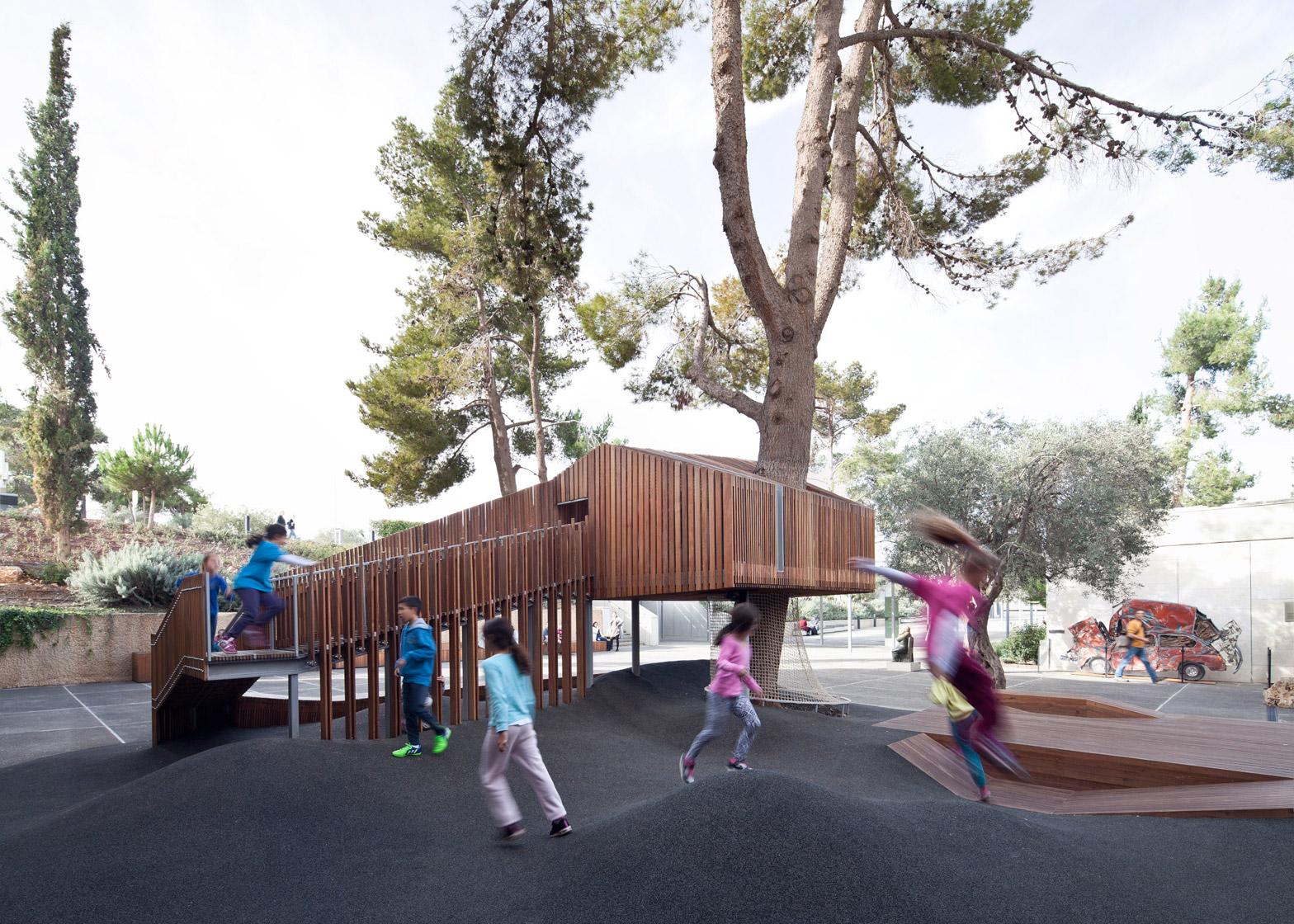
The IMJ Tree House provides a new gathering point for visitors of all ages. As with the German designers who crafted the sculptural “stroller-coaster”, and the surreal submerged “bridge” that parts Dutch waters by Ro-Ad Architecten, we say kudos to these architects for designing another static structure that encourages human motion.
Images by Dezeen and Amit Geron
Meet up in Tel Aviv for riveting chat on revenue-stage FoodTech startups
 Could you be in Tel Aviv next week? Can you follow a focused and fast-paced discussion delivered in Hebrew? Then hightail it to a special meet up to hear how an innovator took his initial food tech concept and nurtured it to fruition. Must-have intelligence for anyone toying with a start-up. But reserve your seat now, as space is limited.
Soup for Syria: feed your belly and your soul


Soup for Syria is a beautiful new cookbook of delicious and easy-to-make recipes guaranteed to fill your belly and feed your mind with heightened humanitarian awareness. But at its heart it is a cookbook, a perfect primer for any cook seeking healthy and flavorful food made with no-fuss ingredients (mostly vegetarian) found in supermarkets everywhere.
Free wonder drug available now. No prescription needed.

 Does nature have a marketing problem? Headlines about climate change, extreme weather, and their catastrophic impacts to the built environment are overwhelming. It’s easy to feel helpless and at a loss for meaningful action. So the folks at a Colorado-based grassroots environmental group decided to do a bit of alchemy, mixing beautiful images of the natural world with a dollop of comedy to deliver a serious message. Where were these guys during COP 21?