
 I normally write about environmental science and technology but I can’t help but notice when governments and economies behave like damaged environmental systems or unstable high voltage oscillators. Global economies have taxed future generations via inflationary policies and amplified the gap between wealth and poverty. The hot smell of ozone should warn us that a fuse is about to blow.
Essex, Brexit, Art and Fear
Israel as impact tech hub despite funding setbacks
Israel’s status as one of the leading tech hubs across the globe is currently on display for the world to see inside Tel Aviv’s Ben Gurion International Airport (TLV).
As noted in our recent article on the topic, 60 scientific and technological innovations are being displayed throughout the airport, which means a potential audience of eight million will see just how much the country has contributed to today’s top tech.
However, as impressive as Israel’s past achievements are, the tech market has not yet reached its full potential, according go to Chief Scientist of the Israeli Ministry of Economy Avi Hasson. Talking back in 2015, Hasson suggested that the country’s recent success in various areas of the tech world is a mere patch on what it could achieve in the coming years.
Israel is Top for Tech

According to Forbes, Israeli firms have been buoyant on Wall Street in recent years with one area in particular performing well: cloud computing. According to Statista, public cloud-computing services alone are worth $175 billion, so it’s fair to say that the industry is booming and that’s great news not only for Israel, but the IT tech industry as a whole.
A major part of the cloud-service industry is security. As explained by Incapsula, website security services, such as web application firewalls, are making businesses safer. While the ability to protect against threats like cross-site request forgery, SQL injections and more is important, it’s the fact these services are cloud based that’s great for businesses.
Cloud computing removes the need for complex hardware and, with prices for services continually falling, access to cost-effective website security is now well within the reach of all small business owners. This, in essence, is what’s made the industry so valuable and why Israel continues to sit among the top tech nations in the world.
Israeli Tech Firms Still Attracting Major Funding
Indeed, aside from Forbes highlighting the positive 2015 performances byIsraeli security companies, many other startups across the country are currently thriving. While tech funding in the US might be slowing down, a recent article by haartz.com suggests that the same thing isn’t happening in Israel.
At the start of June, three Israeli firms managed to raise just under $145 million in three days. Leading the way with a $50 million investment was augmented-reality hardware and software company, Meta.
Founded by Israeli Meron Gribetz, the company managed to secure support from (impact fund) Horizons Ventures, Banyan Capital, Comcast Ventures, GQY and Tencent and will now work on its Meta 2 Development Kit. Currently available to developers and creators, the technology allows users to use direct hand interactions to control virtual settings.
With virtual and augmented reality currently riding the crest of a wave, companies like Meta are making their mark on the world scene and that means Israeli tech is making its mark on the world scene. From security to virtual reality, Israel’s future in the tech world is certainly looking bright.
Chicago’s urban farming produces fresh veggies all year, 24/7
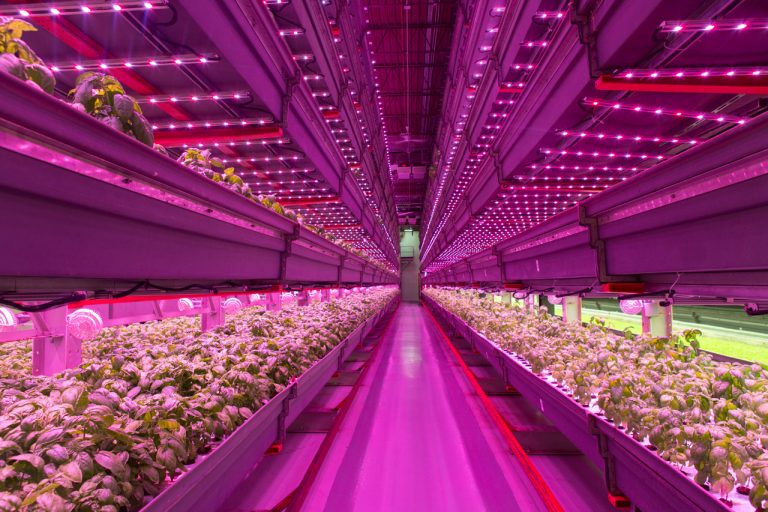
Hydroponics and new, high-tech urban agricultural techniques are now growing fresh food in the middle of Manhattan and other large metropolitan centers globally. People are catching onto the taste and business opportunities of urban agriculture: find it growing in Middle Eastern cities such as Cairo, Egypt too!
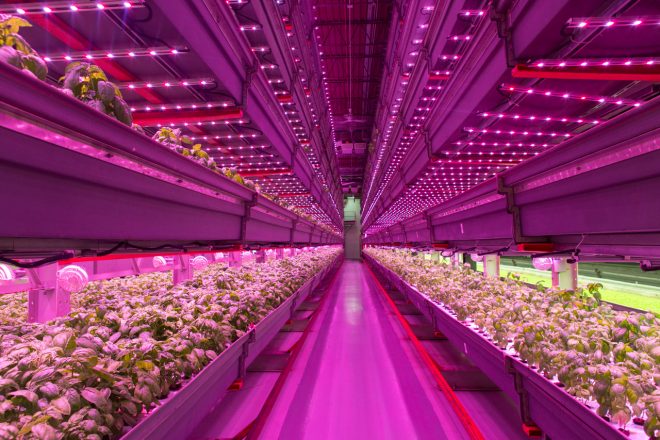
Urban farming in midwestern American cities like Chicago has had its limitations due to adverse winter weather conditions at least 9 months a year. New indoor farming techniques use vertical farming, special indoor LED lighting and hydroponic systems that pump soybean and kelp-infused water through a temperature and humidity-controlled system, nearly 24 hours a day, 365 days a year.
This unique hydroponic farming system is at Bedford Park, about 15 miles (25 km) southwest of Chicago. The Bedford Park project, being carried out by a company known as Farmed Here is housed in a 90,000 square foot warehouse. The project produces a number of green vegetables and herbs; including basil, baby greens, broccoli, and kale.
Farmed Here is just one of more than 821 agricultural projects found under the Chicago Urban Center Agriculture Mapping Project that includes anything from small private urban projects to multi-acre urban agricultural farms.
Farmed Here’s CEO Nate Laurel, a venture capital investor in his own right, put $13 million into the project that has a combined investment of more than $50 million USD. He says that this investment is worthwhile, considering the demand for fresh vegetable produce in the Chicago metro area alone.
“The greens market for Chicago alone is $400 million dollars,” he says. “Given the market is so big, it’s so top of mind for people to know where their food came from and how it was grown”, he adds.
Urban faming projects have also gone big-time by a rival company, Brooklyn based Gotham Greens, which opened a 75,000 sq. ft. rooftop farm in Chicago’s Pullman Park quarter in November 2015. In contrast to the LED lighting used by Farmed Here, the Gotham Greens project also uses natural sunlight, that is absorbed through a translucent roof. This idea is more in line with the traditional greenhouse lighting idea.
Dallas, Texas is also getting into the urban farming business: it has opened the office for Flux Farm, Inc., a company (founded and co-owned by Green Prophet’s Karin Kloosterman) to bring space-age artificial intelligence to predict and optimize the growth of plants in controlled environment growing. This company aims to connect urban farms everywhere for data, community and eventually selling produce grown. The company is piloting its technology at an urban indoor hydroponics park in Massachusetts.

The idea of urban farming has also been promoted by Michelle Obama, wife of US President Barack Obama, and who also hails from Chicago. The First Lady launched an urban gardening project in a section of the White House grounds in the Spring of 2012. Her urban gardening project has given her the title of First Lady of Urban Gardens.
More articles on urban agriculture projects:
Grow fresh food in the middle of Manhattan? Meet Henry
Brooklyn’s Gotham Greens builds world’s largest rooftop urban farm
Egypt’s urban agriculture movement is growing!
Photo of Farmed Here urban agriculture project by Fast CoExist; Photo of Michelle Obama in urban garden by NPR.Org
Holy cow! Bovine burps blamed for climate change?
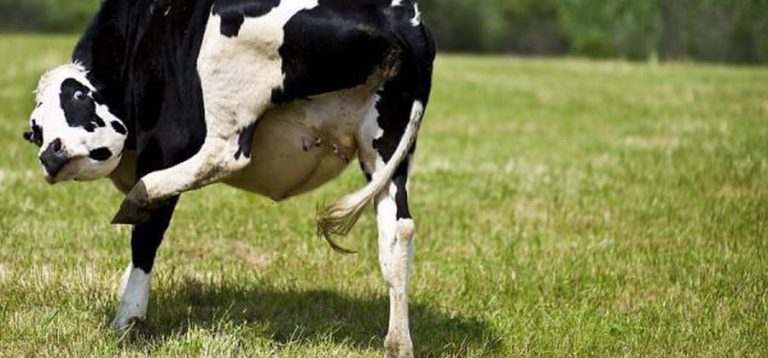
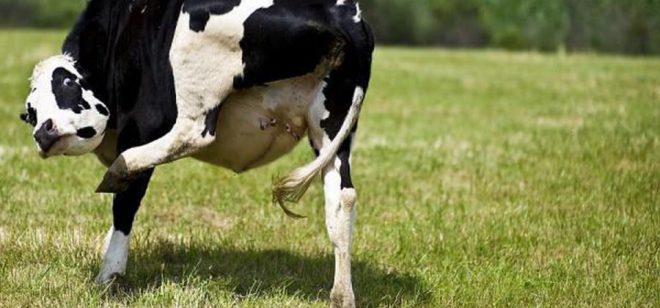 It’s common knowledge that cows destined for the meat aisle are shot up with antibiotics and fed water and chow dosed with lower levels of the same, intended to promote growth and reduce disease. Turns out this does more damage than just create drug-resistant microbes. A recent study suggests they could also be boosting greenhouse gas emissions (GHG) via a most unsavory delivery vehicle: cow farts.
Huge Dust Plume Covers the Red Sea
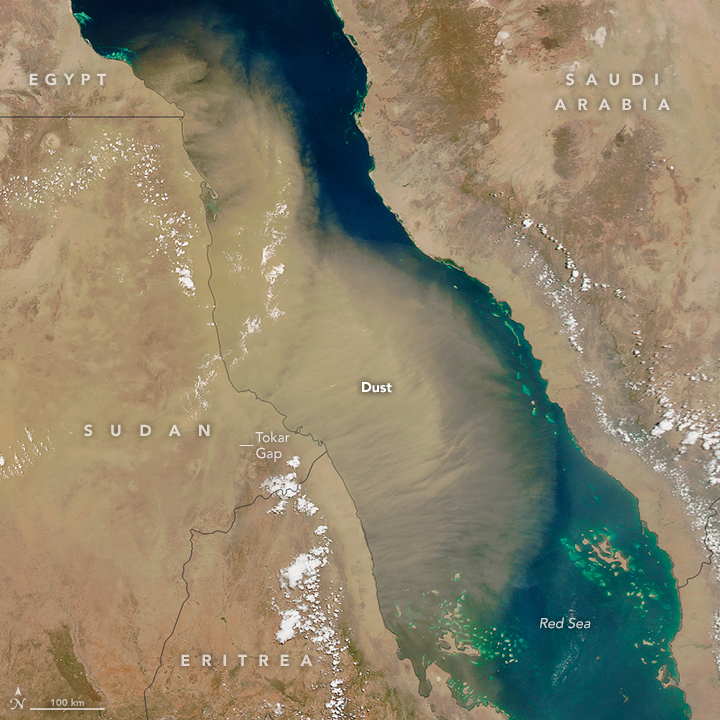
As if the Arabian Peninsula needs an import of desert dust from east Africa.
Marvel at the image captured by NASA‘s Aqua satellite of a huge plume of airborne dust covering the red sea. The image was captured at 2:05 pm local time on June 15, 2016. The plume appears to be traveling east-northeast out of Sudan and Eritrea towards Saudi Arabia, adding to the sorrows of an already troubled region when it comes to air quality.
Human activities are responsible for some 30% of dust loading into the atmosphere, but this huge dust outbreak was due a cold front caused by a cyclone centered near the Arabian/Persian gulf.
Here’s a brief of the good, the bad, and the ugly with this humongous dust cloud:
The good – The dust could reflect sunlight while stranded in the air, causing a much needed cooling effect beneath it. The dust could also be deposited over the Red sea, supplying it with the nutrients it needs.
The bad – Adverse health effects of inhaling desert dust is well documented. Asthma attacks spike during dust storms, and even previously undiagnosed sufferers could develop the condition. Non-health related issues are also at hand, like decreased visibility while driving; an issue of utmost seriousness in Saudi Arabia, at least.
The ugly – This dust storm comes at the worst of times. The region is plagues with unsustainable mining, oil extraction, and agriculture, and, worst of all, intensive military conflicts, putting severe pressure on the region’s ecosystems and life conditions. The United Nations Environment Programme predicted that Iraq, for example, could witness 300 dust events in a year within 10 years; up from 120 events per year nowadays. The World Health Organization states that dust storms contribute to poor air quality, which claims 7 million lives every year.
Image from NASA’s Earth Observatory website
جزيرة فرسان – تطوير لشواطئ السعودية بهدف السياحة

إحتفاءا بيوم البيئة العالمي، القائم في الخامس من يونيو من كل عام، قام بعض المتطوعين في السعودية بتنظيف شاطئ بيش على جزيرة فرسان التابعة لمنطقة جازان جنوب غرب المملكة، و المحمية الطبيعية الأولى فيها. و قامت شركة سايبم الإيطالية للمقاولات بقيادة الفريق، و الذي ضم متطوعين من عدة شركات من بينها أرامكو و ناصر الهاجري للمقاولات و شركة اتحاد المقاولين
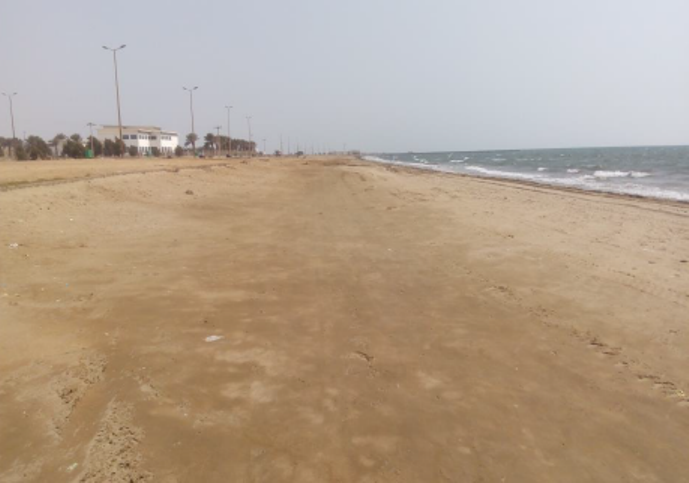
هكذا كان الشاطئ قبل التنظيف

و هكذا بدى الشاطئ بعد التنظيف
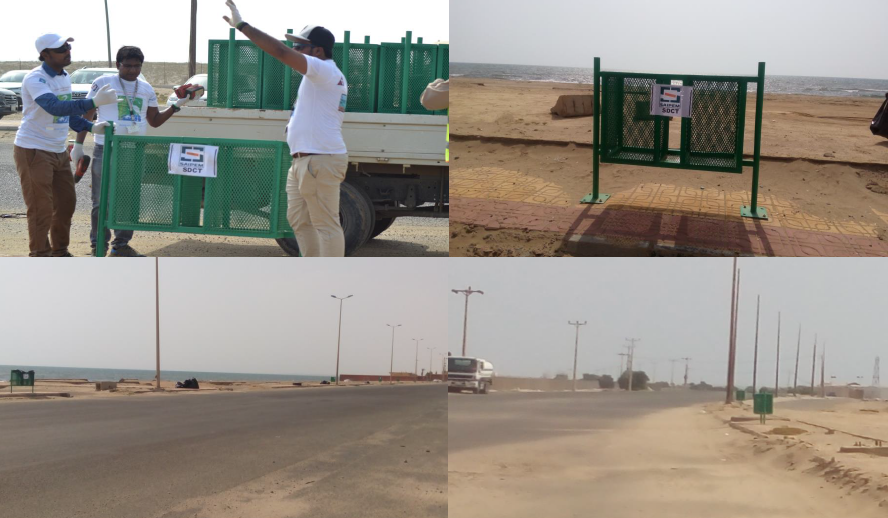
و بعد أن تم المتطوعون من التقاط البلاستيكيات و الأكياس و الأوراق من على الشاطئ، قام مهندسو سايبم بوضع عدة حاويات معدنية على طول الشاطئ لتشجيع الزوار على إلقاء القمامة في أماكنها المخصصة. و يبقى السؤال، كم من الوقت حتى يعود الشاطئ ليبدوا كمكب للنفايات في عدم وجود أي غرامات على الزوار المُلوثين؟
و كانت قد أعلنت سلطات السياحة في المملكة عن نيتها في تطوير مشاريع سياحية على جزيرة فرسان، و ذلك من ضمن محاولات المملكة لتنويع اقتصادها بعيدا عن صناعات النفط. و جدير بالذكر أن معظم الجزر السعودية تقع في البحر الأحمر، و يبلغ عددها حوالي 1,150 جزيرة. و كان أرخبيل فرسان -المتكون من جزرفرسان و ساجد و المُحرق- قد اختير ضمن 66 شاطئا آخر للاستثمار السياحي
و في هذا السياق، قال رستم الكبيسي من الهيئة العامة للسياحة و التراث الوطني لجريدة تيليغراف أن المملكة تسعى لجذب مُطوري الفنادق السياحية الفاخرة لبناء منتجعات للغوص و الاستجمام على الجزر الثلاث الرئيسية في الأرخبيل. علما أن الأرخبيل يعد مسكنا طبيعيا لسلاحف البحر و الغزلان العربية و أنواع متعددة من الطيور البحرية. و أضاف الكبيسي أن المشاريع تلك ستستهدف السُياح السعوديين و المقيمين في المملكة، و لرُبما أيضا الأجانب الغربيين في المستقبل
و طبعا، تعيق القيود الحالية على حركة المرأة في المملكة السائحات من أي زيارات سياحية، و يتكون زائري الجزر حصريا من الذكور الراغبين في ممراسة رياضة الغوص. و يشكل الصراع القائم في اليمن خطرا على الحركة في جازان القريبة نسبيا، في حين منعت وزارة الخارجية البريطانية مواطنيها من السفر إلى جازان حرصا على سلامتهم. و يقطن جازان حوالي 1.5 مليون نسمة، و تُعد من أفقر مناطق المملكة إذ يعيش ثلث سكانها تحت خط الفقر
Japan rents out hydroponic gardens to busy city workers

What do you do if you live in a cramped, workaholic country like Japan and still want to grow veggies in your precious, quality leisure time? This desire to be a weekend urban farmer is relevant for other locations too. Hydroponic farming projects are fast becoming popular everywhere, including Egypt and other parts of the Middle East.
Japan, in particular, has an acute land availability problem for people who cannot afford traditional weekend countryside retreats for gardening due to being confined to high-rise urban environments.
To help make gardening a reality for more city dwellers, a Japanese company Tanabatake Sukusuku now offers rental hydroponic growing containers on a monthly basis.
Opened in 2014 by Kajima Tatemono Sogo Kanri Co., a Tokyo based building and maintenance company, individuals and families can rent small hydroponic growing containers or “beds” and choose from 51 kinds of vegetable seeds; or bring their own.
“A cityscape becomes dark when the number of vacant buildings increases. Lights for gardening can illuminate the city, and I hope the greenery of the vegetables is like a downtown oasis and refreshes passers-by,” says Tsuneaki Ihana, who works in the company’s technical information section.
The rental space idea appears to be gaining popularity as more people are becoming involved. Staff advisors are on hand to assist with various aspects of hydroponic gardening, including humidity and temperature control and measuring the correct amount of fertilizer required.
American companies like flux are building the “brains” for hydroponic gardens and farms, to make it easy and hassle-free, and tell Green Prophet that multi-billion companies from Japan have contacted them to see how urban farming can go wide in Japan: Hydroponics can green city rooftops and grow high quality food for the discerning Japanese, but it’s also is a great hobby for Japan’s growing senior population. The government wants them engaged but they can’t bend over to tend to regular soil gardens. Hydroponic gardens can be raised on tables or built on walls on solve this problem.
One part-time gardener in Japan growing food this way said that it would be much harder to look after such a project if done from home and enjoys the flexibility community-style farming allows: “Here, I can casually enjoy farming when I have time,” she says.
Read more on urban and hydroponic agriculture:
Gaza produce on the menu at swanky American event in Jerusalem
Saving our food and planet requires bubbles
Khalifa hydroponic farms paying off
Photo of hydroponic lettuce farms by Pengertian Hodroponik
Remote Saudi beach gets a makeover: would you book a beach holiday there?
 This year’s World Environment Day (WED) put a high beam on illegal trade of wildlife. Event sponsor, the United Nations Environment Programme (UNEP), called on everyone to “go wild for life” and take action to help safeguard species under threat. In Saudi Arabia, a team of environmentalists and corporate volunteers took to a beach along the southern Red Sea to do their bit for marine life.
This Ramadan, drop unwanted weight with mindful eating – it works!

 Eight pounds in as many weeks. Painlessly (and surprisingly) gone. Not enough to drop a dress size, but enough to send me hunting for a belt. And I credit…mindful eating. After a lifetime of core health beliefs built on the twin towers of eating less and moving more, this stuns me. Does it really come down to mind over matter?
Jordan hydroponics supported by USAID
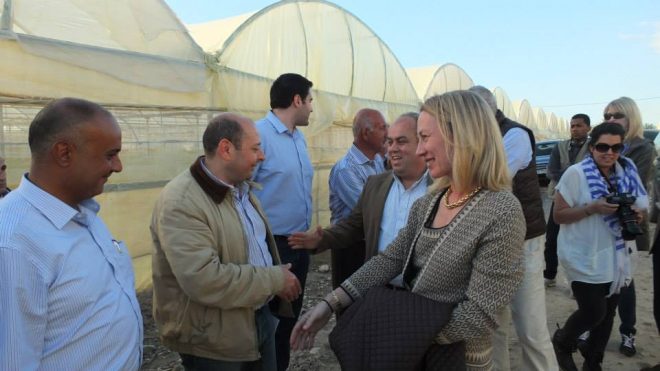
Growing crops without soil, otherwise known as hydroponic agriculture, is not a recent innovation. In fact, it can be traced back to ancient times and kingdoms like Babylonia, whose Hanging Gardens were said to have been created and nurtured by use of hydroponics.
The modern day Middle East, especially water-deprived countries like Jordan and Syria, has had on-going problems in that local agriculture cannot provide sufficient amounts of local food due to lack of sufficient water and arable land to grow crops. Other resource-rich countries such as Saudi Arabia, Qatar and the United Arab Emirates see hydroponics as the only solution for providing hyper local, fresh, nutritious food.

As a result of this water scarcity problem, Jordan sees potential in hydroponic agricultural projects, which are said to use as much as 90 percent less water over conventional soil-based agriculture.
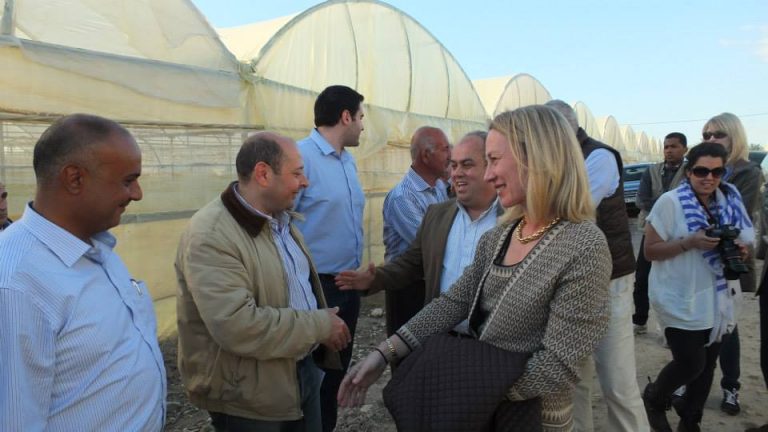
The Kingdom of Jordan is seeing commercial opportunities for local hydroponic farming and is getting some help from the USAID Hydroponic Green Farming Initiative (HGFI). Hydroponic agricultural projects growing vegetables by both hydroponic and organic methods were the subject of an event held in May 2015, where US Ambassador to Jordan Alice Wells featured these vegetables in an event with Jordanian governmental officials and local producers.
The event was aimed at showing how use of hydroponic growing techniques not only saves water resources but produces high quality yields as well. Ambassador Wells told the participants:
“The future of hydroponic farming techniques is bright in Jordan. Hydroponic farming techniques are well-suited toward maximizing Jordan’s scarce supply of water. From my visits to hydroponic farms in the Jordan Valley, I’ve seen that the potential to grow more produce through hydroponic techniques is significant, given the minimal additional investment required to implement them.”
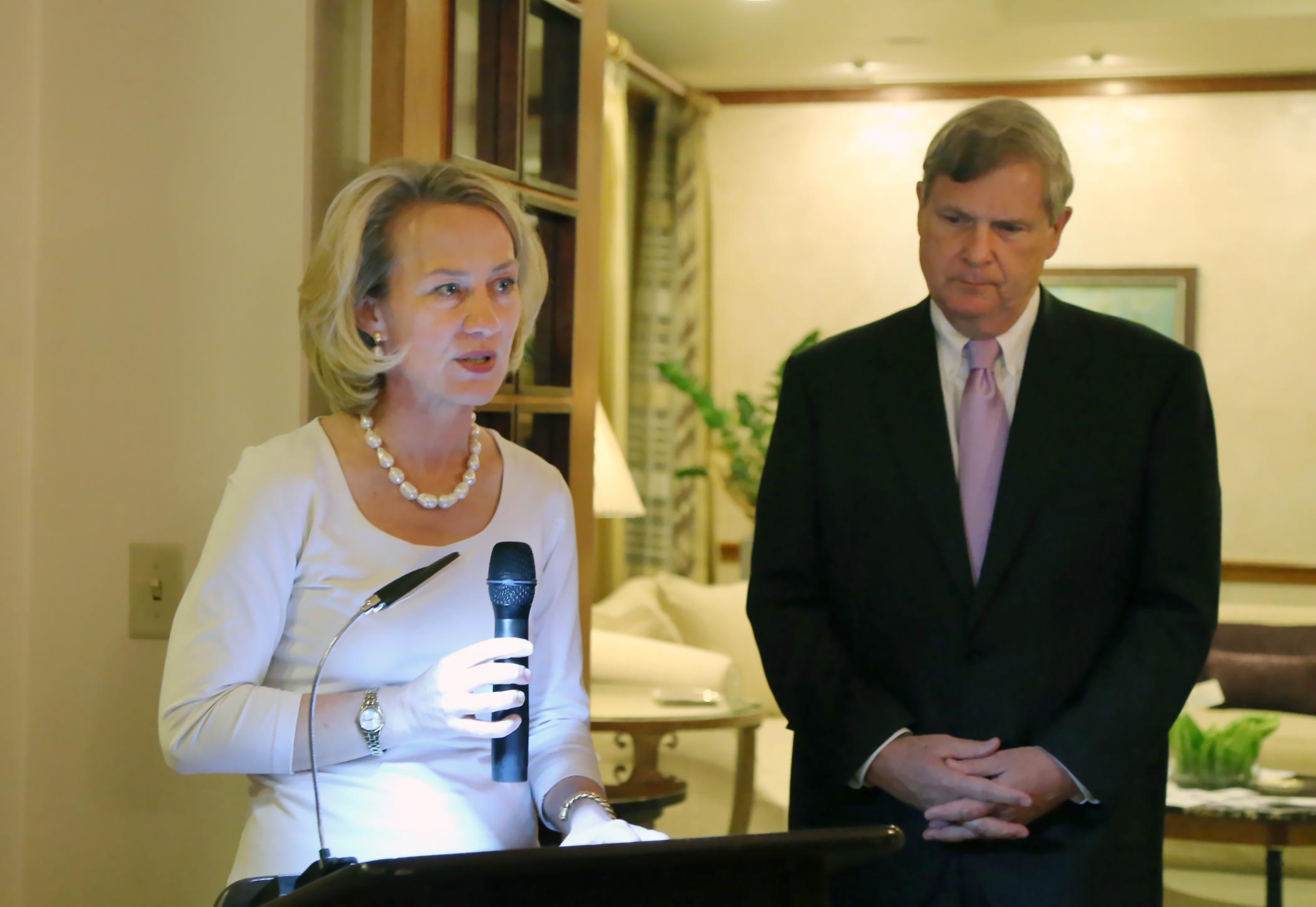
She added that hydroponic agriculture maximizes Jordan’s scarce water supplies. Her visits to hydroponic projects in the Jordan Valley indicate a good potential for this type of agriculture, with just a minimal additional investment required.
Chefs who attended the event were able to see the quality of the hydroponically-grown produce, which often uses no pesticides. Um Ali, who heads a woman’s agricultural cooperative in the north of Jordan, told the gathering that production of herbs like thyme is much better using hydroponic agriculture than by traditional soil methods:
“Our thyme production from hydroponic farming is far better than traditional soil farming. It uses much less water, which is scarce in Jordan. Our production is clean from soil diseases,” she said.
[youtube]https://www.youtube.com/watch?v=J4gIkPSah6c[/youtube]
Building reliable markets for hydroponically-grown produce is equally important. The USAID program is designed to build greater awareness of the advantages of hydroponically-grown produce, and the chefs in attendance at the reception were able to experience first-hand the quality of produce from hydroponic fields. Developing strong domestic markets for produce will assist farmers in balancing the cyclical nature of produce grown for export.
Developing tools and an industry for hydroponics in the Middle East is just as important. Consider this super cool American company flux from New York powering up the entire industry by providing powerful monitors and controls for hydroponic farms, in the same way that Mobileye enables self-driving Tesla cars. The global market flux is tapping into will grow from about $19 billion today to $27 billion in 4 years. It’s a massive opportunity since there are few global players with no dominant, affordable solution for new businesses.
Jordan can and should be a part of that.
https://www.youtube.com/watch?v=UHkYcgcRyFk
More about hydroponic agriculture in the Middle East:
Hydroponics in Qatar
Saudi Arabia’s OAXIS hydroponic food belt
Khalifa hydroponic farms paying off
Grow fresh food in the middle of Manhattan?
Hanging gardens of Babylon inspire water farming called hydroponics
Dubai learns from London’s traffic woes
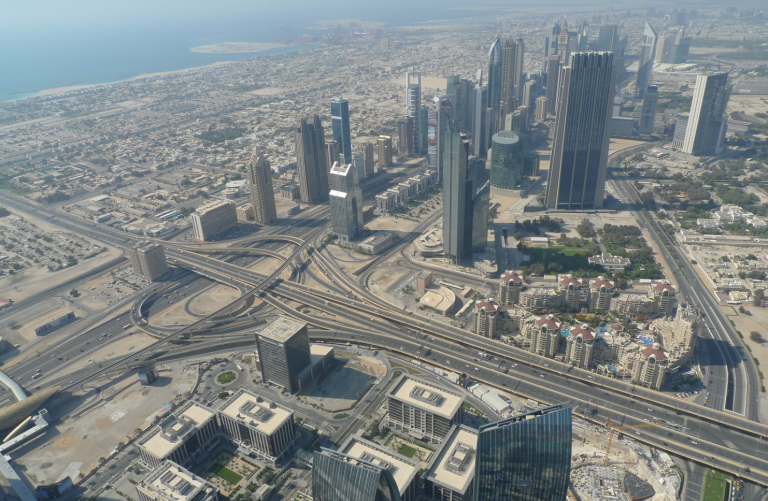
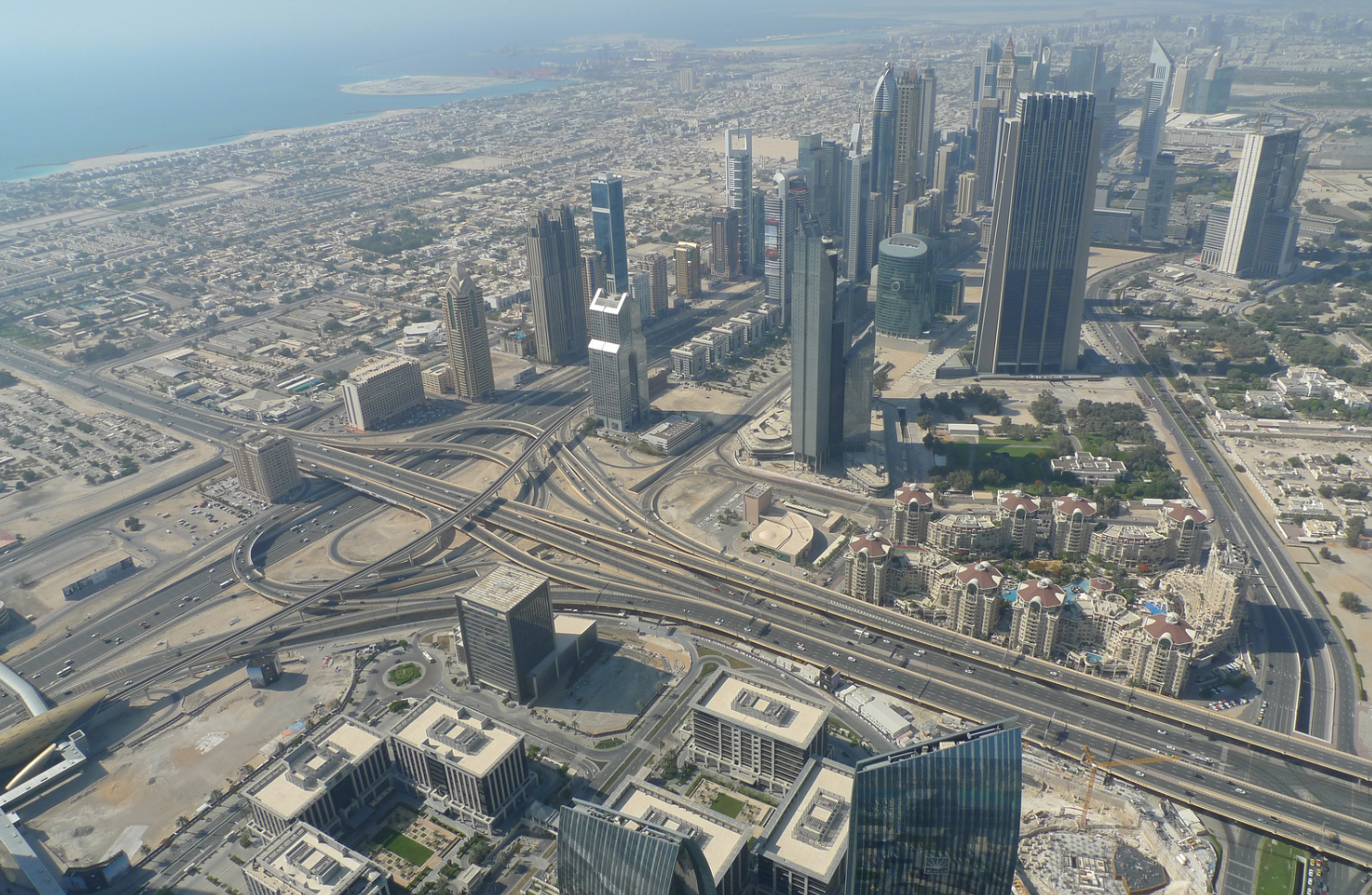
Dubai is one of the fastest growing cities in the world and, as with all major cities, traffic congestion is becoming an ever present issue. Traffic causes smog and respiratory illness, as well as a major part of our world’s greenhouse gases. According to the latest statistics, Dubai’s metropolitan area is now home to just over 2.5 million people and, while the current road network is managing to cope with the current demands, it won’t stay that way for long.
To ensure the city continues to grow and remain both a business hub and a tourist destination, the United Arab Emirates’s Ministry of Public Works recently announced its intention to explore new projects heading into 2017. One of the major areas of investigation for transport experts is the possibility of a new federal road connecting northern emirates to Abu Dhabi and Dubai.
New Roads Planned
Set to run parallel with the Emirates Road, the new road would complement plans to expand the E611 road from three lanes to seven in Sharjah and six in Dubai. One of the main reasons for wanting to ensure a smooth route for commuters is city’s growing tourist population. Back in 2012 the country welcomed a record breaking 10 million tourists and in 2015 the government set out plans to achieve 9% annual growth in the coming years.
However, for the city to remain a tourist hotspot it will need to ensure its travel links to and from Dubai International Airport are the best they can be. Acting as a source of comparison for city planners is London. Home to London Heathrow, the third busiest airport in the world, the UK’s capital poses a number of difficulties for the travel industry.
Dubai’s Own London Underground

“UK, London – Underground train” (CC BY-SA 2.0) by Lukes_photos
Indeed, according to the INRIX 2015 Traffic Scorecard, London is the most congested city in the world with commuters facing an average of 101 hours stuck in traffic each year. On top of this finding, studies have also shown that the average journey across London (15 miles) take 56 minutes. Naturally, with time being of the essence when it comes to flying, the best way to get around this issue is the underground.
As suggested by the travel company ebookers, getting a train from Central London to Heathrow can significantly reduce a commuter’s travel time. For example, the Heathrow Express from Paddington Station will take 15 minutes compared to driving times in excess of 30 minutes.
Of course, one of the reasons most travel experts recommend the London Underground as a way to get across the city is the lack of scope for building more roads. However, the environmental benefits of this system can’t be overlooked.
Don’t Rely on Roads is the Message from Experts

“London underground” (CC BY 2.0) by Negativexpositive
Dubai has already taken a leaf from London’s travel book in this regard by opening a driverless metro system that can take people from various parts of the city right into the airport’s main terminals.
Naturally, Dubai has similar space restrictions to consider, but it shouldn’t simply rely on road links when it comes to tourism as London has shown. Indeed, despite London having 5X more residents than Dubai, passenger numbers at Dubai International Airport are just 18% lower than Heathrow which suggests ministers should focus more resources on the Metro system.
With experts pointing to the underground system as the best way for travelers to cross London to get to Heathrow, this should serve as a lesson to Dubai’s travel ministers currently assessing the city’s roads. Indeed, Dubai is fortunate in that is can avoid London’s mistakes and prevent congestion issues before they happen by focusing on the Metro system.
While there are certainly reasons to increase road links in Dubai, the government shouldn’t lose sight of the need for solid rail links if it wants to meet its target of 9% growth in the tourism industry over the next decade.
Satellite Points finger to Persian Gulf for Emissions Under-Reporting

You can run but you can’t hide.
Canadian researchers have found a new, satellite-based technology that -accurately- detects polluters from outer space, and caught 39 large polluters red-handed for non-reporting of their emissions.
Fourteen of those were located in the Persian Gulf, with total contribution to global sulphur dioxide emissions of staggering 6 to 12%.
The study, published this week in the journal Nature Geoscience, used a satellite-based simultaneous detection, mapping, and emission-quantifying procedure to locate pollution ‘hot spots’ across the globe, and compile an inventory of pollutants. The results were then compared with three conventional state-of-the-science inventories, including the Hemispheric Transport of Air Pollutants, which depend on bottom-up approach for quantifying emissions. This latter approach, however, might not mirror actual emissions, especially from developing nations that might lack comprehensive reporting requirements and infrastructure. Enter the satellite detective.
Seven to 14 million metric tons of sulphur dioxide emissions, which have gone missing from inventories, came from polluters in the Persian Gulf, accounting for 6 to 12% of global sulphur dioxide emissions. Most of the hotspots turned out to be large oil refinery complexes.
The plot thickens.
Not only sulphur dioxide from remote oil facilities, but also nitrogen dioxide and nitrogen oxides were revealed to be emitted in large quantities and under-reported. Those latter two pollutants correspond to combustion sources in urban areas, which also happen to be the same sources of carbon dioxide. And yet, some of these missing nitrogen dioxide sources were also missing from the carbon dioxide inventories, as per the study.
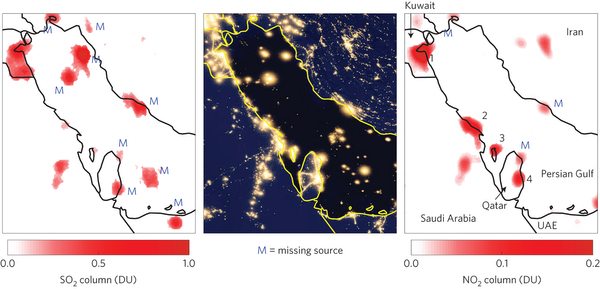
In a nutshell, polluters in and around the Persian Gulf are under-reporting all sulphur dioxide, nitrogen oxides, and carbon dioxide. That’s a 3-strikes.
These pollutants have deadly effects on human health, the environment, and the economies. It’s worth noting that countries on the shores of the Persian Gulf are way up on the list of nations with highest carbon dioxide emissions per capita.
More insights on Canadian-Gulf environment bilateral dynamics, here
Photos sourced from cbc.ca and nature.com
10 refugees heading to Rio as first-ever nation-less Olympic team
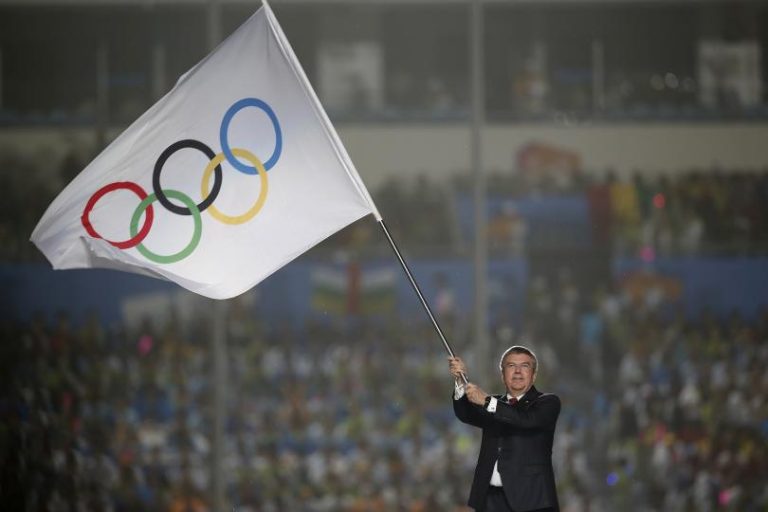
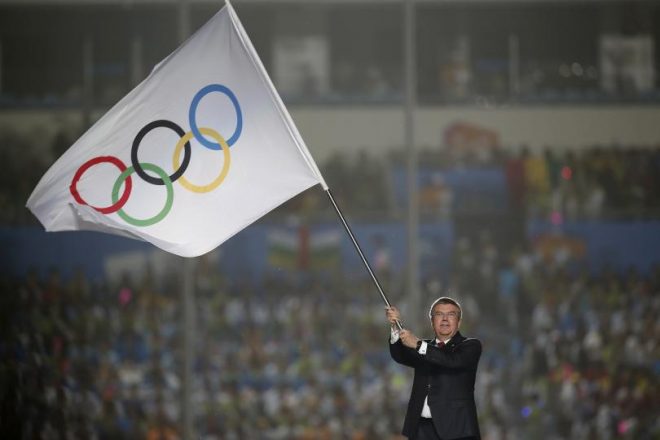 The International Olympic Committee (IOC) last March defined a plan to create a team of refugee athletes to compete in the 2016 Rio de Janeiro summer Olympics, a scheme first announced at the United Nations (UN) in October, as record numbers of migrants and refugees fled war and poverty in the Middle East, Africa, and South Asia. IOC President Thomas Bach has today revealed the names of the 10 athletes who will represent the nation-less team called Team Refugee Olympic Athletes, or Team ROA.
Has Zika virus come to Israel?
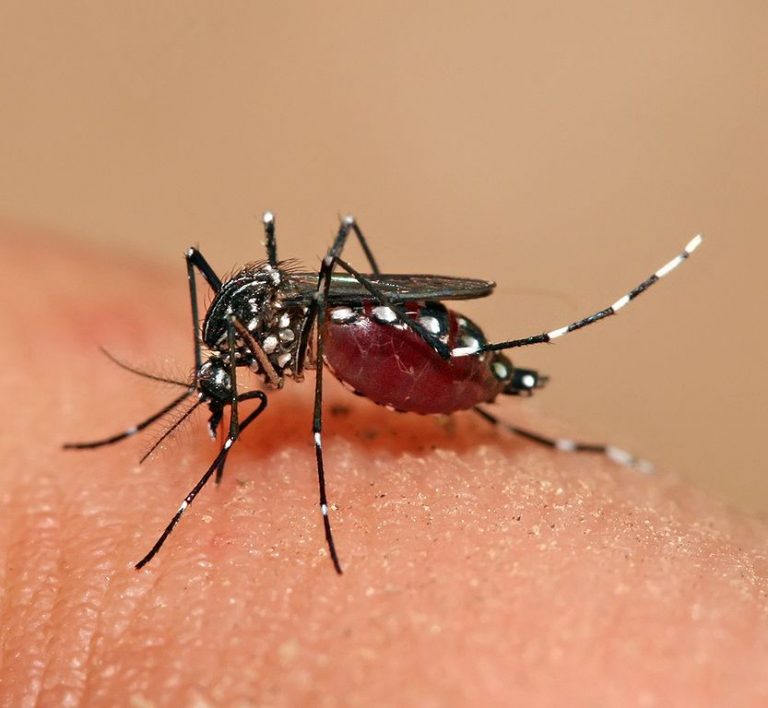
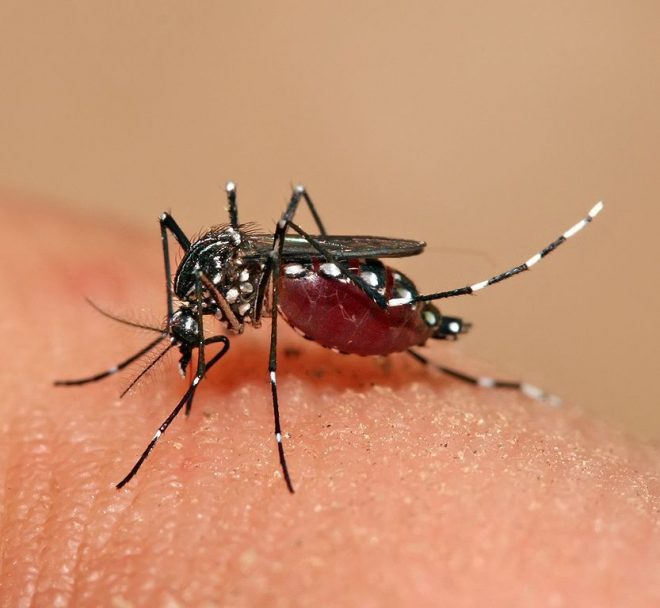
The sheer horror of it was understandable when the first photos of deformed infants began appearing in local and international news reports. Perhaps not as deadly as Ebola, which was considered to be “out of control” in parts of West Africa in 2014, the Zika virus, said to be carried by a once common mosquito, Aedes aegypti (photo above), has now spread to many countries in the Western Hemisphere.
Concern about the Zika virus at the upcoming Olympic Games in Brazil, considered to be the “epicenter” of the Zika outbreak, has reached a stage that an international group of doctors are now urging that the games either be moved to another location or postponed.
Although still not positively linked to Aedes aegypti, the Zika virus, named after a forest in Uganda Africa, is suspected as being the cause of a steep rise in birth defects from a condition known as microcephaly. The deformity causes babies to be born with unusually small heads and brains.
Israel and neighboring countries such as Jordan and Lebanon are not yet high on the list of countries where the Zika virus could spread, due to the Aedes aegypti mosquito being considered to be extinct there. The one case of Zika virus, that has occurred so far in Israel to a two year old child, was attributed to the child being exposed to it in Columbia. There is a possibility though of the virus being carried by another mosquito, the Aedes Asian Tiger mosquito.
According to Israel’s Health Ministry, Israel and 17 European countries have a “moderate risk” of having cases of Zika virus from Asian Tiger mosquitos, which are said to have come from Egypt’s Nile Delta region.
The Zika virus, although known in Africa for over 60 years, was not considered to be deadly; and has symptoms similar to cases of the flu. The steep rise of cases of infant deformities in South American countries like Columbia and Brazil, which are now strongly suspected to be caused by Zika, has caused the World Health Organization to issue an alarm warning about the spread of the Zika Virus to both Europe and North America. The heart rending photos like this one of a South American mother and her microcephaly stricken child are enough to make fears of the Zika virus all the more real.

Read more on viruses and other diseases that have caused concern in the Middle East:
How fast can Africa’s Ebola outbreak move to the Middle East
Deadly MERS virus spreading fast out of Sudi Arabia, raising panic before Hajj
Swine flu and other challenges to Hajj pilgrimage in 2009
Photo of Aedes aegypti feeding, by Wikipedia.org

Photo of woman with microcephaly stricken child by EPA/Antonio Lacerda
الجوري يذبل في سوريا بسبب الحرب و تغيير المناخ
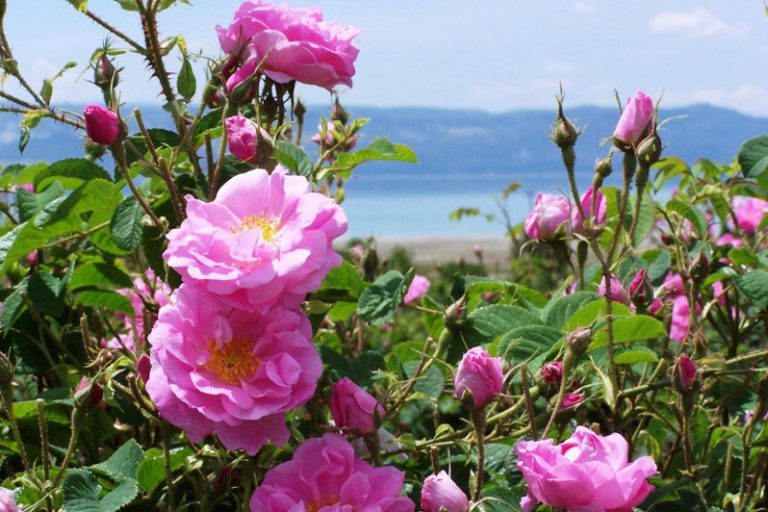

الوردة الدمشقية، أو الجوري، تلك الوردة الخلابة ذات البتلات الثلاثين، هي الأخرى من ضمن من عانوا ويلات الحرب و تغيير المناخ في سوريا. و بينما باتت تُزرع الوردة في مناطق مختلفة في تركيا و إيران و غيرها، تُعتبر الجوري من أشهر المنتوجات التي حملت إسم دمشق إلى العالم لاستخدامها في صناعة العطور و نكهات الحلويات
و في الوقت الذي بلغت صادرات الجوري المجفف أكثر من 80 طنا في السنة من قرية المراح وحدها شمال دمشق قبل اندلاع الحرب، هوى العدد إلى أقل من 20 طنا بسبب الجفاف و الحر و هلاك المزارع و هجرة أهل القرية العاملين في زراعة الورد. و بينما كان عبق الجوري يملئ طرقات و شرفات القرية، أصبحت رائحة البارود هي الطاغية في القرية بحسب حمزة بلال، أحد مُلاك مصانع تقطير زيوت الجوري في المراح

تاريخيا، أدرك الصليبيون الغزاة جودة وردة الجوري و نقلوها معهم إلى أوروبا في أيام الحروب الصليبية، و انتشرت بشكل كبير هناك حتى ذكرها الشاعر الإنجليزي الشهير ويليام شيكسبير في أحد بيوت الغزل من قصائده. و وصلت الصادرات أيضا دول الخليج العربي حيث زاد الطلب على زيوت الوردة هناك. أما الآن، بات الجوري ذابلا على سيقانه في ما تبقى من حقول الزراعة الناجية من المعارك المتواصلة في سوريا على مدى الخمس أعوام الماضية
و أخيرا، يقول أمين بيطار، و هو مزارع للجوري و رجل طاعن في السن، أن للوردة الدمشقية قيمة أكبر من قيمتها التجارية، فهي بالنسبة إليه كأحد أفراد عائلته، و أن الوردة لن تعود للحياة حتى تضع الحرب أوزارها
للمزيد عن تغيير المناخ في الشرق الأوسط، اقرأ أكثر
جفاف الشرق الأوسط هو الأسوء منذ 900 سنة: وكالة ناسا
العالم يكسر رقمه القياسي في الحرارة – مجددا