
This infographic comes via eCO2 Greetings

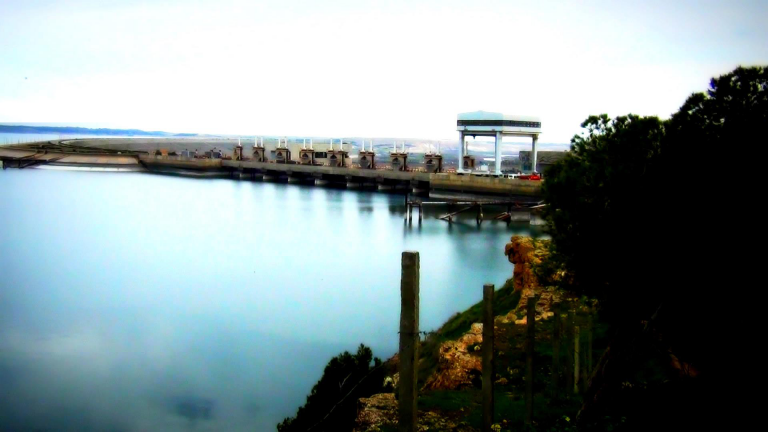
Dams tame wild rivers, they prevent floods, irrigate crops and generate billions of watts of renewable hydroelectric power. But some 25 miles from Raqaa, Syria the Daesh (aka ISIS) don’t see the Tabqa dam as a source of green energy. They see it as a military base, a prison and weapon of war.

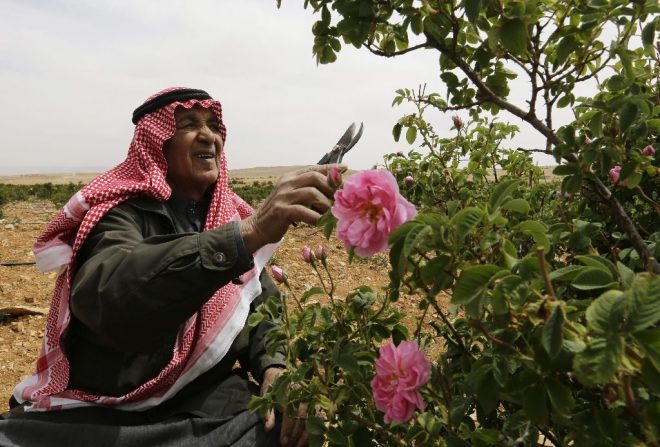
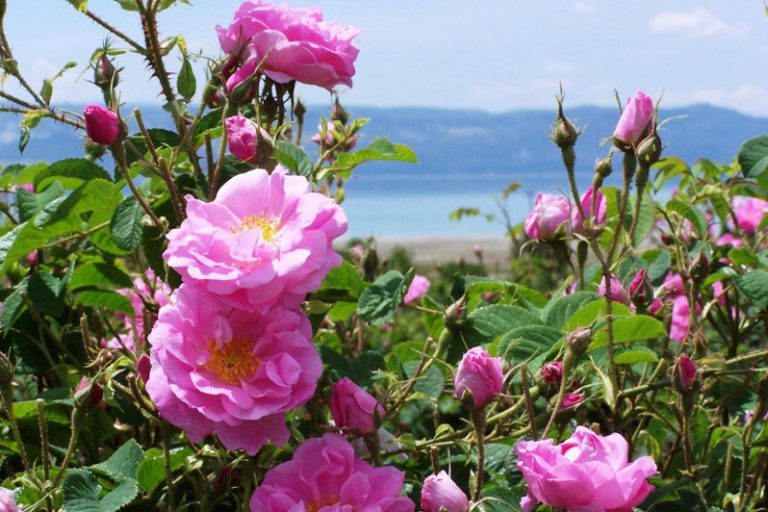
Used for perfumes, rose water; and for flavoring sweets like Turkish Delight, Syria’s famed Damask Rose, or Damascus Rose, once championed by romanticists like William Shakespeare, is experiencing hard times due to the ongoing war in Syria.
Although also grown in Turkey, Iran and other countries, the 30-petaled Damask rose, which achieved its most fame in areas of Syria near Damascus, has been in steady decline due to ravages of climate change in Syria and warfare.
Long exported to Europe and other regions, this unique member of the rose family has been famous for centuries. Prior to the outbreak of hostilities in Syria, more than 80 tons of damask rose petals were exported annually from the town of El Mrah for distillation into the oil used for both perfumes and food flavoring.
The heady smelling rose has adorned gardens and balconies of residents in the Syrian capital; and especially in El Mrah, 65 km east of Damascus, where an annual rose festival used to be held:
“Now the area reeks of gunpowder instead of roses,” says a local area resident, Hamza Bilal. Bilal owned a distillery for producing oil from damask rose petals. After several years of civil war and drought, less than 20 tones of rose petals are now exported abroad.”

The qualities of the damask rose became known to the Crusaders, who brought it back with them to Europe during the Crusades. This began a love affair with a flower and its fragrance that inspired Shakespeare to exalt it in his Sonnet 130 about a less than favored damsel: “I have seen roses damask’d, both red and white. But no such roses I see in her cheeks.”
Damask roses and oil have also been exported to markets in the Arab Gulf, where fresh Damask rose flowers were heavily in demand.
Such is the fate of this famous flower, now literally withering on the stalks of the dwindling numbers of rose bushes still not destroyed by more than 5 years of civil war:
“It’s not just a business relationship we have with the flower, it’s part of the family,” said Amin Bitar, an 80-year old Damask rose cultivator from El Mrah, who has grown the flowers all his life.
He added that the Damask rose will not “come back to life until this war is over.”
Stores in California sell the damask rose but we can’t authenticate that it will smell as sweet as the ones growing in Syria. But growing a damask rose, a gooseberry bush, a fig tree or an olive tree in a pot or container is an action that can change the world by keeping plant diversity and seeds , and your place in it. We believe in growing.
More on climate change and war in Syria
NASA calls Mideast drought “worst in 900 years”
Watar, wars and an uncertain future
How climate change contributed to the Syrian uprising
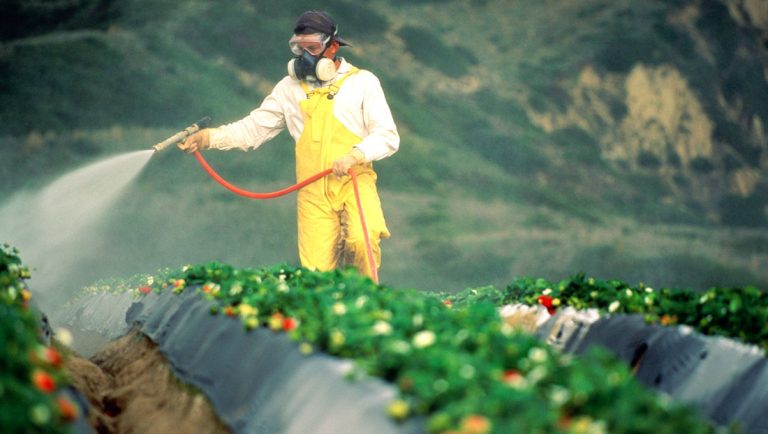
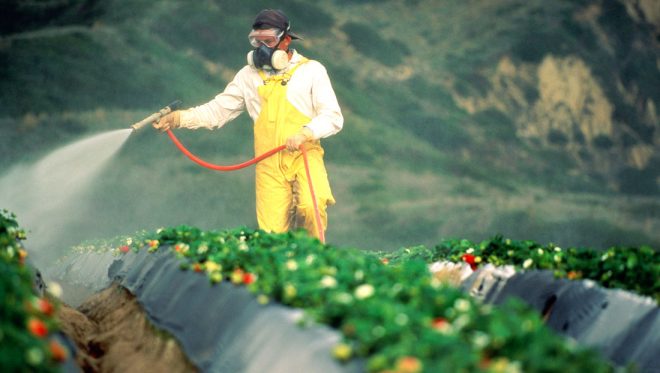
Controversial weedkillers sold by Monsanto, Syngenta and Dow face an uncertain future after a European Union (EU) committee failed to reach consensus on new licensing for glyphosate, the primary ingredient across all brands. It is the second time the European Commission stalled on re-approval, and may result in a recall of the products from all EU markets by June 30.
The deadlock centers on whether the chemical poses a health risk to humans, a question that has divided scientists and politicians across the EU. Even the World Health Organisation (WHO) can’t make up its mind, with one internal unit determining that glyphosate could be “probably carcinogenic to humans” while another declaring human health risks as unlikely.
Glyphosate is the most widely used weedkiller in Europe, commonly used on food crops that have been genetically modified (GM) to resist it. Over 80% of GM crops worldwide are now sprayed with it, and several studies have linked usage to damage to surrounding flora, fauna and the entire food chain. Increased use of pesticides have been found to increase nervous systems diseases such as MLS.
According to a report in the Guardian, glyphosate residues are often found in breads, beers and human bodies. A recent German survey found that more than 99% of people have traces of the compound in their urine, 75% of them at levels five times the safe limit for water or above.
In March 2015, the International Agency for Research on Cancer (IARC) convened a meeting to evaluate the potential carcinogenic risks to humans from several pesticides, including glyphosate. After that meeting the IARC panel classified glyphosate in Category 2A – probable carcinogens – a group that also includes red meat.
The IARC is part of the WHO. It has no regulatory role and its decisions do not automatically lead to bans or restrictions, but campaigners use their findings to put pressure on regulators. The IARC reached its decision based on the view of 17 experts from 11 countries, who met in France to assess the carcinogenicity of 5 organophosphate pesticides.
Last November, EFSA – the European Food Safety Authority – released a report stating that the chemical was an unlikely carcinogen, which kicked off the efforts for re-licensure. EFSA formed in 2002 following a series of food crises in the late 1990s to be a source of scientific guidance on food chain risks. Funded by the EU, it operates independently of EU legislative and executive institutions and EU Member States. Its November findings sparked accusations that the agency was unduly influenced by glyphosate proponents.
Earlier this month, the U.S. Environmental Protection Agency (EPA) published its official classification of glyphosate as “Not Likely to be Carcinogenic to Humans.” The EPA is the third regulator to publish this conclusion since the International Agency for Research on Cancer (IARC) announced an opposite finding in March 2015.
The European Food Safety Authority (EFSA) determined in November 2015 that glyphosate is “unlikely to pose a carcinogenic hazard to humans.” That same year, the Canadian Pest Management Regulatory Authority (PMRA) concluded the same. These findings are refuted by environmentalists who assert that chemical industry giants underwrite scientific research, influencing report content.
Greenpeace EU food policy director Franziska Achterberg said on the Greenpeace website, “The agencies contradicting the [IARC] WHO cancer warning seem to either rely on officials who prefer not to be named, or lack a watertight policy to protect their impartiality. Any decision affecting millions of people should be based on fully transparent and independent science that isn’t tied to corporate interests. It would be irresponsible to ignore the warnings on glyphosate and to re-licence this pesticide without any restrictions to protect the public and the environment.”
Philip Miller, Monsanto’s vice president of global regulatory affairs, condemned the EU’s failure to reapprove glyphosate as “scientifically unwarranted”. He blogged, “This delay undermines the credibility of the European regulatory process and threatens to put European farmers and the European agriculture and chemical industries at a competitive disadvantage.”
Monsanto brought glyphosate to market under the trade name Roundup in the 1970s. With estimated annual sales of USD $6 BIL, the herbicide accounts for one third of Monsanto’s total earnings.
Anti-glyphosate campaigners welcomed the EU decision as a sign that public concerns were being heard. Over 1.4 million people signed an online petition calling for the herbicide to be banned. Pascal Vollenweider, the campaign director of Avaaz, which organized the poll, told the Guardian, “Governments are beginning to understand that their citizens refuse to be treated as lab rats. Monsanto and other chemical giants are used to getting their way, but public pressure has forced politicians to stand firm behind the precautionary principle.”
The EU Commission decision could be appealed, or the committee could override the heads of the EU states and independently reauthorize glyphosate. EU president Jean-Claude Juncker has said that he opposes doing this and officials doubt it will happen, although the procedure has been used to approve GM crops for import.
The IARC’s assessment of the 5 pesticides is published in the latest issue of The Lancet Oncology. You can access the full document – link here – register for free access.
Image from Rodale’s Organic Life

تُواجه عدة مناطق تحت سيطرة السلطة الفلسطينية في الضفة الغربية صعوبات في إنتاج الطاقة، مما يجعلها تعتمد على إسرائيل لتلبية احتياجاتها الكهربائية. بينما لجأ بعض الفلسطينيين هناك إلى إنتاج الكهرباء عبر الطاقة الشمسية أو الحرارية الأرضية، و ذلك لتخفيف اعتمادهم على إسرائيل التي تٌصدرهم الكهرباء بتكلفة أعلى. و قد بائت مشاريع بنية تحتية مشتركة بين الفلسطينيين و إسرائيل بالفشل لأسباب سياسية، عدى عن الصراعات الدائمة بين الفلسطينيون و المستوطنون اليهود في المناطق الحدودية على ما يُعرف بالخط الأخضر
على كل الأحوال، تبنت مؤسسة أمريكية غير ربحية مؤخرا تمويل مشاريع للتطوير في فلسطين، بما فيها مشاريع للطاقة الشمسية. و تطلق هذه المؤسسة على نفسها اسم ”ابنوا إسرائيل و فلسطين“، و تقول على موقعها أنها مؤسسة مكونة من مسلمين و مسيحيين و يهود، يسعون سوية لتطوير مشاريع عابرة لحدود المنطقتين. و بحسب مقال نشر مؤخرا في جريدة نيويورك تايمز، بدأ مشروع للطاقة الشمسية بالفعل بمساعدة المزارعين و السكان في قرية العوجا الفلسطينية في الضفة الغربية

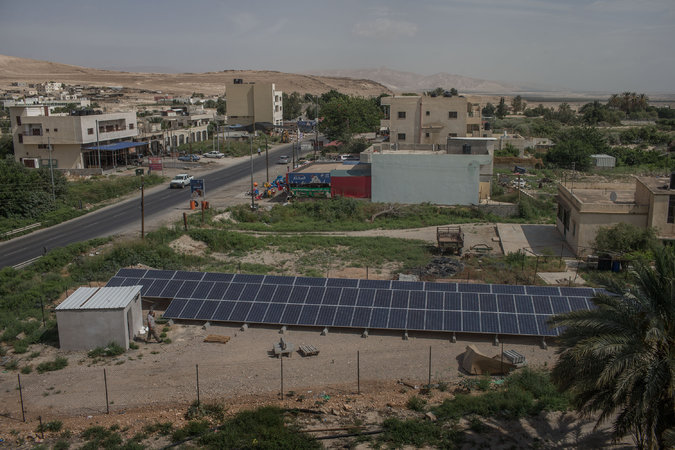
و بحسب المقال، يُعتبر مشروع الطاقة الشمسية في قرية العوجا مبادرة من رجل يهودي من نيويورك يدعى بن جابلونسكي، و الذي قد ساهم في بتزويد الكهرباء المتجددة لحوالي 45 مزارع، بالإضافة إلى بقية سكان القرية البالغ تعدادهم 5,000 نسمة. و تساعد الألواح الشمسية المزارعين بتوفير الطاقة لمضخات المياه الجوفية التي يستخدمونها لري المحاصيل. و قد لاقى المشروع ترحيبا من جمعية مهندسي الصرف الصحي الفلسطينية، و التي هي شريك في تنفيذ المشروع. و قال منذر هند، و هو أحد أعضاء جمعية أصدقاء الأرض في الشرق الأوسط أن المشروع سيستغل كمية أشعة الشمس المتواجدة بكثرة في الوادي حيث المشروع لإنتاج الطاقة
أما المشروع بحد ذاته لا يعني أبدا أن العلاقات بين الفلسطينيين و الإسرائيليين في تحسن. فقد صرح محافظ القرية فخري نجوم أن المشاريع المشتركة بين إسرائيل و الفلسطينيون غير مرحب بها، بينما أظهر عدد من السكان المحليين في القرية رضاهم بنتائج المشروع. و يُنتج مشروع الطاقة الشمسية في العوجا 25,000 واط من الطاقة الكهربائية في الأيام المشمسة عن طريق مجموعة من الألواح الشمسية تبلغ مساحتها مجتمعة 3,000 قدم مكعب

من برج خليفة إلى الجزر الاصطناعية مرورا بصالات التزلج على الجليد – تُعرف مدينة دبي بتصاميمها الغير إعتيادية. و آخر تلك التصاميم هي رادار متخفي في حاوية نفايات -أعزكم الله- و الذي تمكن من ضبط أكثر من 35,000 ألف حالة مخالفة للسرعة المحددة على شوارع المدينة في شهر مارس لوحده. و جائت تفاصيل المخالفات على شارع الفرسان المُحَددة سرعته القصوى ب60 كيلومتر في الساعة كالآتي: 22,903 مخالفة لسرعة تفوق ال90 كم/ساعة؛ 9,217 مخالفة لسرعة تفوق ال110 كم/ساعة؛ 152 مخالفة لسرعات بين 131 و 140 كم/ساعة؛ و أخيرا، و في انتهاك صارخ لقانون السير، ضَبط 11 مخالفة لسرعات تفوق 140 كم/ساعة، أو ما يعادل 130 بالمئة زيادة فوق السرعة المسموح بها
و قال مساعد القائد العام لشؤون العمليات في شرطة دبي اللواء محمد الزفين أن هذا الرادار يُسجل المخالفات التي تتعدى ال90 كم/ساعة، أو أكثر ب50 بالمئة من الحد المسموح به على الشارع، مُنوها بانتشار ظاهرة التسابق على الشوارع بشكل عام. و أثار هذا الرادار المتنكر الجدل على مواقع التواصل الاجتماعي، إذ كتب سائقون بأنه يتسبب بمخالفات متكررة و مكلفة، بينما دافعت الشرطة عن هذا الابتكار في التخفي قائلة أن تصميم الرادار لا يشكل أي مانع عن الالتزام بقوانين السير
بجانب مخالفات السرعة، يستطيع هذا الرادار ضبط مخالفات أخرى قد يرتكبها السائقون، كعدم الالتزام بربط حزام الأمان و استخدام الهواتف النقالة في أثناء القيادة. و بإمكانه أيضا ضبط سرعات المركبات من على بعد 150 كم/ساعة، فيصعب على السائقين خداعه و تخفيف السرعة فقط عند الاقتراب منه. و أخيرا، يعتبر هذا الرادار آخر الابتاكارات التصميمية في مدينة دبي، و الذي من شأنه تدريب السائقين على الاتزام بقواعد المروو حفاظا على سلامة الجميع في شوارعا
Keren Kayemeth LeIsrael or in English, Jewish National Fund (KKL- JNF), is the Israel-based non-profit founded on principals of land reclamation and afforestation. This group has announced a new undertaking that will serve dual ambitions of stewardship over the environment, and its most vulnerable people.
At a press event in Brussels recently, KKL-JNF World Chairman Danny Atar said that his organization will manage a forest rehabilitation project that will employ thousands of Syrian refugees currently living in Europe.
Atar explained that he came to Belgium following the March terror attacks in Brussels hoping to “to strengthen the spirit” of the local Jewish community. After meeting with Belgian youth groups and local community leaders, he was eager to harness their strong connection to their faith and to Israel in a way that might inspire intelligent solutions for the challenges Europe faces from fundamental extremism.
He revealed, in response to a direct request from an unnamed “major refugee-absorbing country”, KKL-JNF has agreed to provide professional management services on a new forest rehab project near one of Europe’s capital cities.
Scientists have proven that healthy forests can be a carbon sink for greenhouse gases. Atar hinted that additional scope may be added to their remit.

“KKL- JNF has a proven track record of sustainable development that integrates environmental improvement with improving the quality of life of the population in general and immigrant populations and refugees in particular,’’ said Atar, according to the European Jewish Express.
The chairman emphasized that ‘’this project and others like it, are the Israeli answer to the BDS (Boycott-Divestment-Sanction) movement and the delegitimization of Israel. Those who promote hate and strife will continue to demonstrate against Israel and, subsequently, against all Western European values. However, we – KKL-JNF and the State of Israel – will continue creating more solutions that will benefit both – the refugees who escaped terror in their own countries and their hosts, the European peoples “.

The KKL-JNF was founded in 1901 to purchase and develop land in Ottoman Palestine for Jewish settlement. Within a century, it owned approximately 13% of Israel’s total land. Now the largest “green” organization in the world, it has planted over 240 million trees in Israel, built 180 dams and reservoirs, established more than 1,000 public parks, and developed 1,000 square kilometers of land.
Atar concluded his remarks by saying the organization is currently examining additional projects with a refugee-focus, and will explore other sustainable projects aimed at creating employment in other countries.

In 2014, Israel was ranked first in the world in the field of innovation related to clean technology according to the “Global Cleantech Innovation Index 2014.”
With a strong entrepreneurial culture, a high-level education system and facing significant geographical and natural constraints, Israel meets the specific conditions for the emergence of innovative start-ups in the cleantech sector.
Next month in Nice, France meet some of Israel’s clean tech companies. From June 17 to 18 smart city technologies will be featured at the Israeli innovation pavilion of the Innovative City Conference. The handpicked companies include:
Aquarius Spectrum is a leak detection system for municipal water systems.

ElectRoad is a wireless charging dock for electric buses, which we’ve covered here.
Elencon software to reduce HVAC costs.

GreenQ smart sensors for garbage trucks.

Sowillo produces solar energy for residential buildings.

TruckNet which uses a sharing economy to reduce the number of empty freight trucks on the road.
The companies are sent with the support of the Israeli Embassy in France, Israel NewTech (CleanTech initiative of the Israeli Ministry of Economy), the Chambers of Commerce France-Israel and Israel-France and Team Côte d’Azur, Innovative City Conference through its partnership with Challengy. It will be the first time Israel has a pavilion at “Innovative City”.
According to Aliza Bin-Noun, Israel Ambassador in France: “It would give us a chance to develop and deepen our good relations with the city of Nice and French companies in the sector.”
These companies, among the most promising from the early-stage startups will receive personalized support and a prime location at the Innovative City exhibition.
At the announcement of this Pavilion, Christian Estrosi, President of the Metropolis Nice Côte d’Azur and President of the PACA Region said: “beyond this excellent initiative to host a delegation of Israeli startups CleanTech in Nice for the first time, it is all the PACA region that strengthens its leadership to allow Israeli innovative companies successfully enter the French market in general.”
For its part, Challengy will work with Innovative City 2016 and in synergy with all the partners listed above to facilitate constructive partnerships with municipalities, investors and French companies in the fields of water, energy or mobility so that trade ties are established.
Yossi Dan, co-founder and Chief Innovation Officer of Challengy says: “It is now several years that our teams, based in Paris and Tel Aviv, are working on innovation projects which bridge between France and Israel. This pavilion marks a first step in the CleanTech sector, where the complementarity of these two ecosystems can both enable business agreements and R&D projects between the two countries, and also allow them to set the business cooperation to address international markets.”

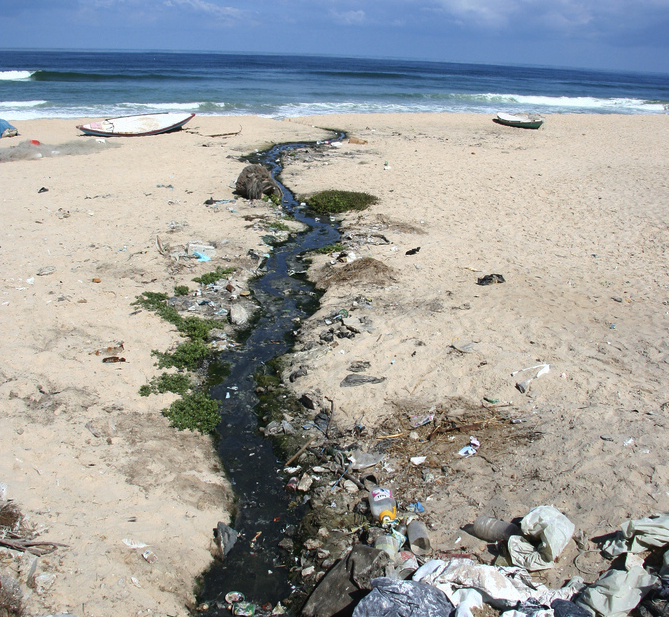
Gaza’s ever-increasing population growth, combined with severe fresh water shortages is resulting in constant challenges to provide enough food for the enclave’s 1.8 million inhabitants.
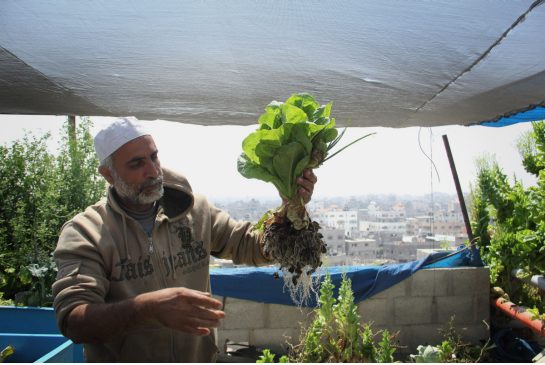
Due to lack of available agricultural space, various methods used to produce food supplies have included planting roof top gardens of herbs and vegetables and small aquacultural projects to grow their own fish. We’ve always said that technologies like flux can help them grow their own food using vertical farming or hydroponics.
The US believes that Gaza needs help and is promoting agribusiness projects in the territory to enable the population to become more self-sustaining.

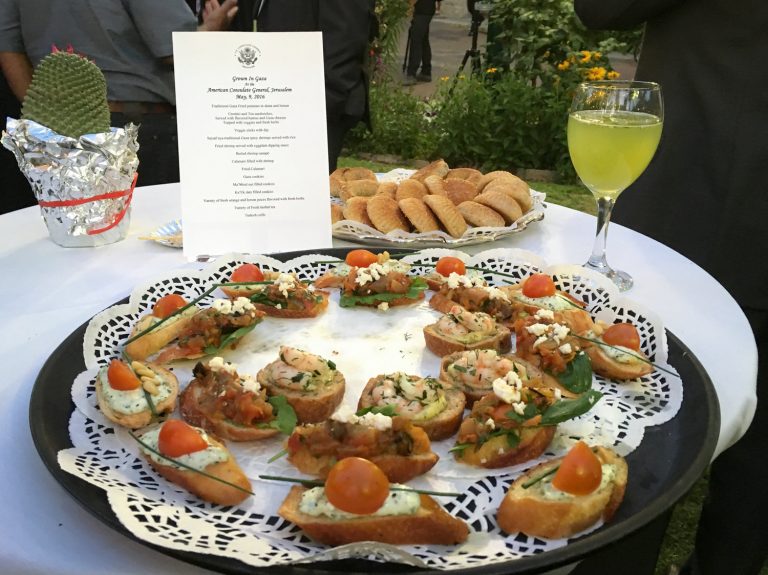
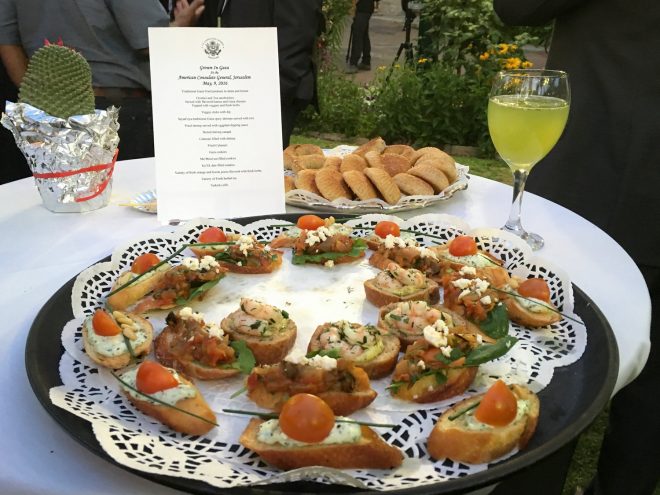
An example of this interest was a recent garden party event sponsored by the US Consulate in Jerusalem featuring vegetables and seafood originating from Gaza. The event, hosted by US Counsul General Donald Blome, included a variety of Gaza grown vegetables and fruit, including bell peppers, cherry tomatoes, eggplants and cucumbers prepared in traditional Gazan recipe dishes; as well as locally caught sardines and other seafood (photo above).
The idea of this event was to create interest in finding ways to assist Gazan farmers and fishermen to grow and produce more food supplies from the small amounts of arable land and water resources available to them.
Prior to the year 2007, when Hamas gained control of the Gaza Strip, Palestinians in Gaza sold an average of $15.6 million worth of agricultural produce outside Gaza annually; most of it to markets in Israel. Since that time, production and export of agricultural produce has fallen to a mere trickle, due to military conflicts between terrorist groups in Gaza and Israel.

This has resulted in exports of agricultural produce dropping to around $1.2 million annually, according to U.N. sources. Blome told his guests that all of the agricultural produce at the event, including fresh fruit and seafood, came from Gaza, adding: “I don’t think anyone in Jerusalem has been able to say that for the last 10 years.”
Counsul General Blome told his guests that more than 29,000 Gaza farmers lost their livlihoods as a result of the 2014 military conflict between Gaza and Israel, that destroyed crops and caused intensive damage to agricultual land and water supplies. He added that the situation has improved recently with extension of fishing distance limits in the Mediterranean off Gaza and allowance of increased exports of agricultural produce.

Much of this produce was purchased by Israel during its sabbatical “Shmita” year when the land in Israel must law fallow due to biblical law.
Recent policy changes by Israel is allowing international organizations like USAID to bring in experts to find ways to improve the agricultural and manufacturing situation in Gaza, which suffers from more than 80% unemployment and resulting in much of the population being almost entirely dependent on UN assistance.

USAID mission director for the West Bank and Gaza, Dave Harden, was quoted recently as saying that Israeli policy changes allows his organization to bring in experts to provide more sophisticated assistance to help design better water systems and develop global markets for Gaza products: “I think the consequence of us putting in American architectural design firms, engineering and construction firms, and trade firms, is very important for us to achieve a different trajectory for Gaza,” Harden said.
More efforts to enable peaceful relations between Gaza Palestinians and Israel might help a bit as well.
Read more on Gaza agricultural, fishing and water issues:
Why Gaza needs hydrophonics and aquaphonics for food security
If Gaza Goes Dry, Where will all the People Go?
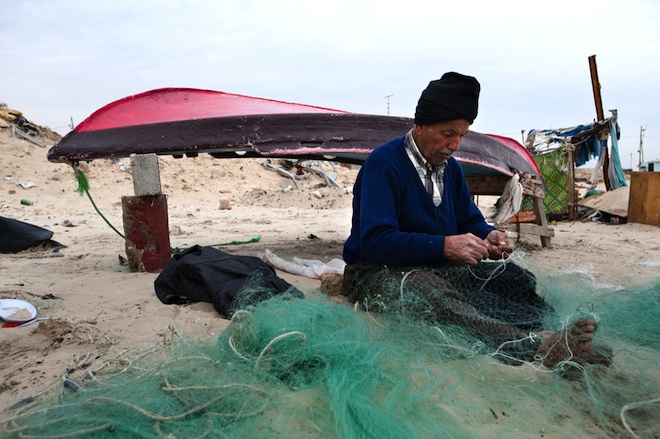
Seaside Gaza Fishermen Grow Own Fish
Gaza’s Green Roofs of Herbs and Vegetables
Photo of food dishes from Gaza produce by Emily Harris/NPR

Over here in the Middle East we look to the “enlightened West” to show us the ropes –- to set the standards for studying and enforcing climate change goals. What kind of signal does this send to the world when Australia basically lays off 275 climate change researchers, one of whom was John Church, considered to be a top 10 scientist in the field.
Australia’s national science agency, the Commonwealth Scientific and Industrial Research Organization, or Csiro, said it will reduce its country’s role in understanding climate change.
Joshua Willis, A NASA climate scientist from California told the New York Times: “I can only imagine it will be a huge setback for global programs. It is sad and embarrassing for the Australia Government.”
Starting back in 1976 Australia has been setting baselines for measuring greenhouse gases. Church’s work focused on rising sea levels, somewhat important to Australia because it’s an island.
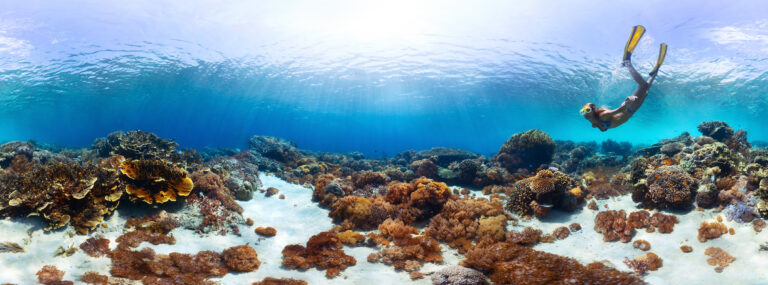
Australia has also recently seen massive coral die-offs in the Great Barrier Reef. Corals are not able to bounce back to extremes in temperatures and increased acidification of the seas.

I don’t care about spots on my apples, leave me the birds and the bees… this was the Joni Mitchell song in the 70s when DDT was a common pesticide. It may be banned in America but its effects linger on. Then there are entire classes of pesticides that are believed to be killing us in various ways:
The list goes on. Just like proving asbestos causes lung cancer mesothelioma (20 years after exposure) it’s very difficult to prove that pesticide exposure causes long-term harm. Yet another study on pesticides, reported in JAMA Neurology, finds a direct link to pesticide exposure and the increase for amyotrophic lateral sclerosis known as Lou Gehrig’s disease or ALS.
The researchers interviewed 156 patients about pesticide exposure, going back 30 years, and took blood samples.
Those exposed to any kind of pesticide were 5 times more vulnerable to ALS than those with no exposure, the researchers concluded in the study.
Time to start growing our fresh food hydroponically people. It’s pesticide free if you do it right.

The earth warming is not a recent invention. Scientists were already alarmed 20 years ago and more as they saw ozone layers ripping apart and the world getting warming. Back then I was charged to lead a forestry project –– finding if and how poplar trees could grow beside roads and highways to suck up greenhouse gas.
Now what would seem like a no brainer moment for scientists, shows us the obvious: by letting forests grow we can greatly remediate the effects of climate change (and a mass Exodus from the Middle East) in the near future. This is new research from the University of Connecticut led by Robin Chazdon.

Her recent study in Latin America shows that if recently abandoned South American farmland reverts to forests we can suck up 31 billion tons of carbon in the next 40 years. That will offset two decades of using fossil fuels in the region. If additional pastures are abandoned some 7 billion more tons could be sucked up.
A forest as carbon sink? Brilliant! I am pleased that there are scientists who have the patience to demonstrate common sense to the world.
The paper also offers a due date as to when this should be done so we can avoid the tipping point –– a climate change disaster. “This is a potential contribution that is sitting right under our noses,” said Chazdon.
Let’s also look to more sustainable way of growing food and less use of unsustainable farming practices. Hydroponics is one very good option.

As an innovator of solar energy, Israel has been involved in a number of pilot projects in its Negev desert regions; in particular, one with Arava Power which resulted in a solar energy plant being put in place in the Arava region near Kibbutz Ketura.
Areas in the West Bank under control of the Palestinian Authority have had ongoing energy problems making it mostly dependent on Israel for electricity needs. This dependence has resulted in Palestinians embracing the use of solar energy to reduce their dependency on Israel for supplying electricity at much higher costs. There are some innovators also turning to geothermal energy in the West Bank.
Joint infrastructure projects between Israel and the Palestinians have up to now been less successful, however, due to political issues as well as constant strife between Palestinians and Jewish settlers living in areas across the so-called ‘green line’.
There may finally be some light at the end of this seemingly endless tunnel, however, with a new solar energy project financed by a joint Jewish, Christian and Muslim NGO, Build Israel Palestine, that is involved in raising money to fund development projects in Palestine, including solar energy.
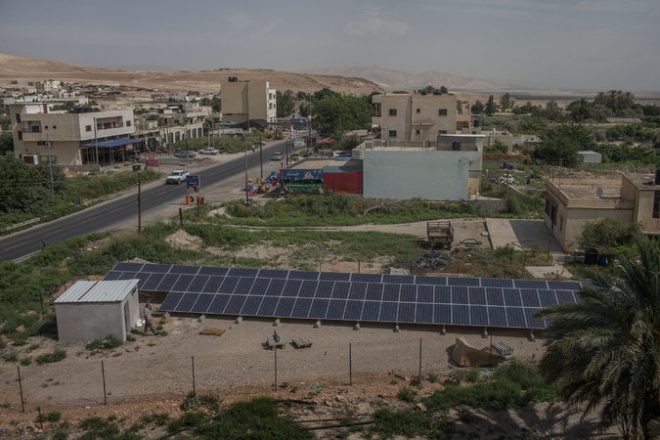
According to a recent article in the New York Times, a solar energy pilot project has already begun helping farmers and residents of the West Bank town of Auja.

The Auja solar project, an initiative of a New York Jewish man, Ben Jablonski, who was formerly with the Jewish National Fund, Israel’s leading land development organization, has already improved the lives of local Palestinians by giving them more affordable electricity. (Visit our trip to Auja)

Farmers in the area now have a more reliable electricity source, with solar panels providing the power to pump underground water supplies for irrigating crops. Though small in comparison with other solar energy projects elsewhere, and costing around $100,000, the Auja project now provides electricity to around 45 local farmers as well as to Auja’s 5,000 inhabitants.
The project has been lauded by the Palestinian Wastewater Engineers Group, which is a partner in the project. “The valley where the project is located has plenty of sunlight, and this has been put to use” said Monther Hind, a senior Palestinian engineer who is partner to Friends of the Earth Middle East with Gidon Bromberg in Israel.
The project does not mean that Israeli and Palestinian relations are improving, however. Auja’s mayor, Fakhri Injoum, says that joint Israel/Palestinian projects are not really welcomed. Local residents appear to think otherwise, however.
While only a start, it is hoped that more solar projects will follow, and eventually provide Palestinians with a larger portion of their electricity needs. The Auja solar project provides around 25,000 watts of power from its 3,000 sq. feet solar panel array “when the sun is brightest”.
Read more on solar energy issues in Israel and Palestine:
Solar energy brings affordable energy to Palestinian homes
Palestinians embrace solar to reduce dependency on Israel
Despite Solar Innovations, Israel Lags Far Behind Europe and the US in Results
Photo of solar panels from Build Israel Palestine by Uriel Sinai and NY Times

Controlled environment agriculture is rapidly becoming an important part of the global food system. For example, there has been much interest in the potential of large-scale, indoor agricultural production – often referred to as vertical farming – as a means to produce high quantities of produce.
These “plant factories” are expensive to operate, however, in part because of the large power requirements of electric lamps that provide the type and amount of light necessary for photosynthesis in plants.
See related: flux device monitors and controls your food destiny
To find new methods of adapting lighting to plants’ requirements in controlled environments such as vertical farms, researchers from the University of Georgia, Athens developed and tested a biofeedback system that allows for the control of light levels based on the physiological performance of the plants. “Controlling the intensity of light based on plants’ ability to use it efficiently may substantially reduce the energy cost of LED lighting, and contribute to making large-scale controlled environment agriculture more profitable,” one of the researchers reported.
The researchers used lettuce, pothos, and sweet potato plants in experiments with photosynthetic light provided by a 400-Watt LED. Using chlorophyll fluorescence measurements, a data-logger determined how efficiently the plants used the light they received.
This data was used to calculate the electron transport rate (ETR), which is an indicator of photosynthesis. The data-logger then altered the duty cycle (the proportion of time that the LEDs are energized during each short on/off cycle) of the LEDs to provide more or less light.
The target ETR was altered in a stepwise pattern over a 15-h period. The biofeedback system was capable of automatically adjusting the light levels to assure that the desired ETR was reached. As the target ETR was increased, light levels increased as well. In addition, conversion of light energy into heat (a common way for plants to deal with excess light) was upregulated, while the light use efficiency decreased.
As the target ETR was decreased during the last 7 hours, conversion of light into heat decreased greatly in lettuce and pothos, with only a small increase in light use efficiency: “This suggests that the light use efficiency of lettuce and pothos was limited by a process other than conversion into heat, likely light-induced damage to the photosynthetic machinery in the leaves,” the authors noted.
“The biofeedback system successfully maintained a wide range of ETR values in different species, while it also is capable of distinguishing between conversion of light into heat and damage to the photosynthetic machinery as causes for decreases in light use efficiency,” the authors said.
They said the biofeedback system has potential applications in controlled environment agriculture, as well as basic plant physiology studies, where the system can be used to maintain specific levels of physiological activity.

الابتكار من أجل المال و المصلحة العامة معا – هذا ما ترنوا إليه مجموعة من الشركات التي تسعى إلى إحداث تغييرات إيجابية على الصعيد العالمي، و تقديم أنماط تفكير جديدة لإيجاد حلول عملية في هذا الصدد. وتعتبر جائزة كاتيرفا هي الوسام الأرفع لتلك الشركات، و الذي يُقلد به عشر منها كل عام في مجالات مختلفة كاعتراف و تقدير بابتكاراتها
في العام الماضي، تقدم بضع من 3,500 شركة بأفكارها المبتكرة لحكام الجائزة، و الذين وقع اختيارهم على شركة ذا أوشن كلين أب، أو شركة تنظيف المحيطات، و التي تُعنى بإزالة الجسيمات البلاستيكية من المحيطات باستخدام غربال ضخم يعمل بطاقة المد و الجذر. و تقوم تلك الشركة حاليا بأكبر عملية تنظيف للمحيطات في التاريخ، و كان قد أنشأها في سنة 2013 شاب من هولندا يبلغ من العمر 19 عاما فقط آنذاك اسمه بويان سلات
و تأتي هذه الجائزة في وقتها، حيث يذهب ضحية التلوث في المحيطات بسبب الجسيمات البلاسيكية أكثر من مليون من الطيور البحرية و 100 ألف من الثديات البحرية. و طبعا، تجد تلك السموم طريقها إلى داخل أجسادنا عبر السلسلة الغذائية التي ينتهي إحدا أعضائها على موائدنا. أما تقنيا، فتستخدم الشركة غربال ضخم بعمق 3 أمتار تحت مستوى سطح البحر، و يقوم بجمع الجزيئات المصحوبة مع الأمواج بدون أي جهد ذاتي. و أشارت دراسات أنه يكفي 100 كيلومتر فقط من هذا الغربال لإزالة 42 بالمئة من دوامة نفايات شمال المحيط الهادئ
تقوم المؤسسة المانحة للجائزة بدعم الشركات الفائزة بها عن طريق تحالفات مع أكثر الشخصيات و الشركات تأثيرا في مجالاتها – من رواد أعمال و رؤساء دول و وزراء و أكاديميين و مؤسسات دولية ربحية و غير ربحية. و قال بويان أنه يشعر بالفخر بالإنجاز الذي حققته شركته و نيلها الجائزة، و التي تعتبر برأيه دليل ثقة على فاعلية الابتكار الذي قدمه. و قالت من جهتها بيتينا فون ستام، مديرة جائزة كاتيرفا، أنها سعيدة بكل المؤسسات و الشخصيات الذين يدعمون الفائزين بالجائزة حتى تحقيق إمكاناتهم الابتكارية الكاملة.
و مؤسسة كاتيرفا هي مؤسسة غير ربحية أنشأها استراتيجي الأعمال تيري واجهورن في العام 2010 بهدف البحث و تقييم و دعم الابتكارات التي من شأنها خلق حلول www.katerva.net مستدامة و تطبيقية في غضون عقد من الزمن. موقع مؤسسة كاتيرفا على الإنترنت هو
أما عن بقية الفائزين في المجالات الأخرى للعام الماضي، فهم كالآتي
فئة التغيير السلوكي
Fairphone
شركة تسعى إلى تحسين دورة حياة الهواتف النقالة عن طريق جلب مواد صناعية من أماكن خالية من النزاعات و مواد بلاستيكية مُدورة بهدف تحسين معاشات العاملين في مصانع تلك الهواتف

فئة الاقتصاد
Social Progress Index
و هو مؤشر على امكانية التقدم الاجتماعي في الدول من بعد تلبية حاجات سكانها الأساسية

فئة الأغذية
Salt Farm Texel
شركة ابتكرت طريقة لإنتاج محاصيل محصنة من الملوحة للتعويض عن النقص في التربة الزراعية و موارد المياه

فئة المساواة بين الجنسين
Akili Dada
مؤسسة تسعى إلى مساعدة النساء (من 13 ربيعا حتى 35) في تحسين مهاراتهن و مؤهلاتهن لاتخاذ مراكز صنع القرار في المجتمعات

فئة التنمية البشرية
Nanoly
شركة طورت حلول كيميائية لإبقاء اللقاحات صالحة دون الحاجة إلى تبريد

فئة المواد و الموارد – المياه
Nebia Shower
شركة أنتجت تكنولوجيا للغسل بدون استهلاك كبير للمياه عن طريق خلق سحابة غامرة من الضباب

فئة الطاقة
GravityLight
شركة أنتجت مولدا كهربائيا يعمل بالجاذبية ليمد بالطاقة صمامات ثنائية باعثة للضوء دون احتياج لأي أشعة شمسية أو بطاريات

فئة المواصلات
Qualcomm Halo
شركة أنتجت شاحنات لاسلكية للسيارات التي التعمل بالطاقة الكهربائية

فئة المدن الذكية
Living Breakwaters
شركة ابتكرت كاسرات للأمواج مصنوعة من الإسمنت المُهندس بيئيا و الذي بإمكانه التخفيف من قوة الموج و إنشاء مساكن طبيعية للأسماك و خلق مياه هادئة للاستجمام على الشاطئ