Home Blog Page 241

Solar powered plane completes round-the-world flight

0

Solar Impulse

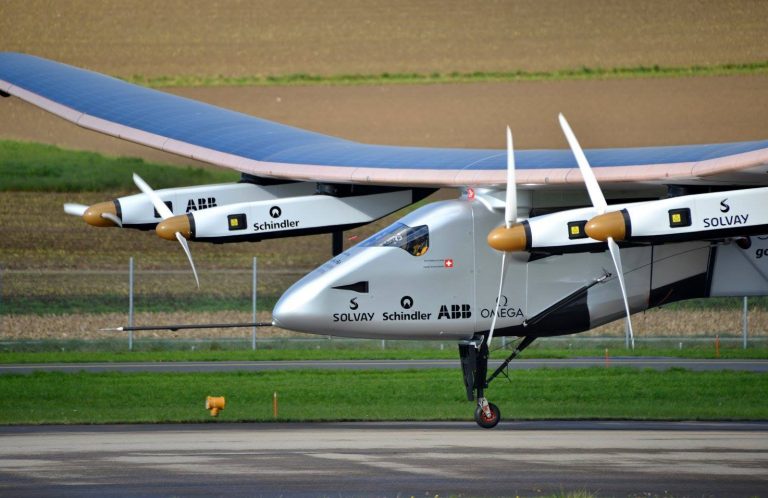
Solar Impulse, the world’s first intercontinental solar energy powered aircraft, finally touched down last month in Abu Dhabi after completing a round the world flight. The flight took more than a year to complete, after originally taking off from Abu Dhabi in March, 2015.

The 2.3 tonne aircraft was piloted by Swiss adventurer Bertrand Picard and his associate André Borschberg, another Swiss adventurer, businessman and pilot. They managed to spend 23 days of actual flight time in the air by alternating piloting the craft, which has a wingspan of 72 meters (236.22 ft). Powered by 72,000 solar cells, the flight was challenged by adverse weather conditions, over heating storage batteries, and extreme cases of fatigue due to having to fly in a cramped, single seat cabin. But it was a landmark moment for history.

Solar Impulse 2 is a similar version of the previous solar powered plane, Solar Impulse, that made history when it flew a non-stop flght from Madrid, Spain to Rabat, Morroco and back again in July, 2012. This flight, part of which occurred during the night, helped to show that solar powered flight is possible under the right conditions. The Solar Impulse 2 flight, which also included night flying, often flew at an altitude of up to 29,000 feet during the daytime and glided at a lower altitude of 5,000 feet during the night to save energy.

The last leg of the journey, from Cairo to Abu Dhabi, was especially difficult due to a large amount of air turbulence: “It was very inspiring though as I neared my final destination, knowing this had been accomplished without the use of conventional fuel” says Picard.

Before the Solar Impulse project began, Picard, together with another adventurer, Brian Jones, made history by being the first persons to fly around in earth in a high altitude balloon. This journey, in March, 1999, lasted 19 days, 21 hours and 55 minutes.

The Solar Impulse 2 journey was plagued with difficulties: financial ones as well as mechanical difficulties. These included having to be grounded in Hawaii during the winter of 2015 to 16 because of overheating batteries. Flying the plane was often extremely difficult due to the cramped flight cabin and not having heating or pressurization. The single pilot seat also had a built-in toilet.

Despite these difficulties the flight gave the men a great sense of achievement of flying around the earth, powered only by the sun: “Now I really want to leverage this demonstration and create a world council for clean technologies,” says Picard, who hopes this feat will help bring the contribution of alternative energy to help combat the ravages of climate change.

“This is a historic day for humanity,” said UN Secretary Ban K. Moon.

Indeed says Green Prophet!

More articles on solar powered flight:

Would You Fly by Sun and a Solar Impulse?

World’s First Solar-Powered Transcontinental Flight in Pictures

Solar Impulse Plane Finally Conquers the Atlas Mountains

The internet of eco-powered smart home gadgets

0

nest labs google energy saving devices

With the advent of low-cost sensors and wide-spread internet connectivity, more of us are buying smart home products that can conserve and even generate energy. Many of these products are getting smarter, with the integration of the real and virtual worlds with artificial intelligence.

We’re in love with Smart Home products like Nest which can help cut your energy bills by learning about your behavior inside and outside the home, security companies like Canary that can detect leaking gases and environmental pollution inside the home (as well as detect intruders!), and super-cool eco-products like Eddy (built by flux), that help anyone, even those with a black-thumb, grow their own organic food at home.

eddy-logo-flux

You are eco-minded, but you are also current. You want to tread gently on this planet, but you don’t want to return to a cave. If you aren’t following sites like Product Hunt on a day-to-day basis, how can you keep up with bleeding edge technology built with sustainability sensibilities? Powershop lists the latest in energy efficiency and energy-harvesting gadgets that every smart home, smart camper, and smart body would love to own. Be surprised by showerheads, trash cans and gadgets that harvest energy from your windows.

We’ve covered products like solar-powered backups that charge your phone (and Lumos is on that list), but sophisticated people, demand more sophisticated devices. We want to venture farther. What’s on your list of gadgets now and in the future?

Eco-friendly motivation: 8 compelling reasons to embrace a greener lifestyle

0

sustainable-architecture-Middle East-green

The thought of going more eco-friendly in your daily life may be something that has crossed your mind a few times. Some may be turned off the idea as it may seem initially daunting, and others may be convinced that they do not have the time or resources to live a more environmentally friendly life. While it does take some effort to be more conscious of how your actions and choices affect the environment, making the shift to an eco-friendly lifestyle can actually bring many great benefits to your daily life.

Have a look at our 8 compelling reasons to embrace a greener lifestyle – it just may convince you to hop on that eco-friendly bandwagon!

1. You Could Save A Fortune

Whilst you may not save an entire fortune overnight, making the shift by purchasing energy efficient heaters for example can cut your electricity bill by hundreds of dollars a year. Multiply that for the next ten years and you would have saved thousands of dollars that would have otherwise gone to waste on your utility bills. Purchasing hybrid cars can also save you fuel costs – something we could all benefit from with the increasing prices of fuel these days.

2. Your Body Will Thank You

Eco-friendly living in your personal life, such as the food choices you make can reap you a myriad of health benefits in the long run. If you make the shift to purchasing organic produce, this can boost both your physical and mental health and keep you healthy and happy for a long time to come. Your body is a temple, so you should only feed it with the best quality food possible, and organic is just the way to do that!

3. It Is A Great Way To Keep Active

Small changes such as opting to ride a bicycle to work instead of driving or taking a taxi not only reduces the amount of emissions and pollutants into the air, but are a great way to keep yourself healthy and active. Walking to work or to the supermarket instead of always opting to use a vehicle ensures you hit your daily activity requirements to lead a healthy and happy life.

4. Help Ensure There Is Enough Water On Our Planet For Everyone

Water is not a renewable resource – and clean water is our planet’s most precious resource. By being water conscious, you can help reduce the strain on municipal treatment systems, ensuring that there is enough to go around. A great way to begin is for us to shift away from purchasing bottled water. This act alone can reduce global greenhouse gas emissions from shipping, as well as the energy required to produce plastic bottles and in turn reduce the volume of waste dumped into our landfills.

5. Recycling Helps You Become More Creative

Not only does recycling save you money and resources, it can also be a great creative outlet for you and your family. Creating things out of recycled materials can be a great relaxing weekend activity for the entire family, ensuring everyone in the household feels involved.

6. Shield Your Body From Harmful Toxins

Purchasing green products such as cleaning liquids and skin products will eliminate all the harmful toxins and chemicals that you breath in and that touch your skin. This is a great way of protecting your children and family from exposure to harsh chemicals that can cause long term side effects in their health.

7. Green Homes Are Sturdier

Did you know that recycled products and furniture are known to last over 5 times longer than traditional materials? Having a green home ensures that your home is durable, and costs you less money on repairs and refurbishment in the future.

8.You Will Be Rewarded With A Clean And Green Environment

When you choose to be more eco friendly in your overall life, you are actively and effectively reducing your carbon footprint. By taking the steps to reduce the amount of pollution you contribute to, you are reducing the amount of energy used, thus creating a cleaner and greener environment!

We hope that these 8 compelling reasons to embrace a greener lifestyle help you in your decision to make a change in your lifestyle, for the health and wellness of your family and for our planet – we only have one, so we need to ensure its survival for our future generations!

The Greatest Show OFF Earth? Catch this week’s Perseid meteor shower!

0
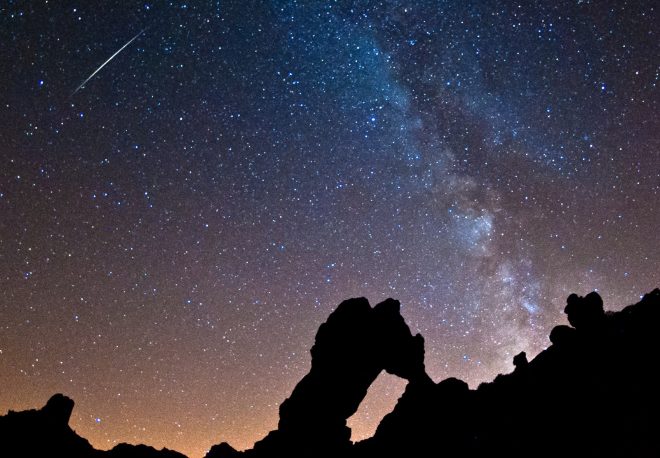
 meteor showerOur planet is passing through the path of Comet Swift-Tuttle, a once-in-133-years-or-so event happening this year from July 17 to Aug. 24. But this week we encounter the densest area of this celestial debris field when we’ll spot the most meteors in the shortest time period. So why are you reading this article? Grab a blanket, head outdoors, and look to the night sky!

Beirut art project pushes for preservation of public space

0

Dictaphone Group BeirutBeirut art collective Dictaphone Group is combining activism with show-biz in a fight to preserve Lebanon’s public spaces. Their series of interactive performance pieces is inciting hipsters and historians to join up in protest of Beirut’s unbridled development plans.
Tension is never far below the surface of the capital’s staunchly secular social scene. Tagged as the “Los Angeles of the Middle East” for its entertainment culture, predilection for plastic surgery, and lax/luxe lifestyle, its people have been demonstrating for the better part of a year for basic services like reliable access to clean water and electricity, and a solution for long term waste collection woes. The nation has been without a president since 2007, but scanning the fashionable mobs in the discos and cafes, you wouldn’t guess this weighs heavy on the public mind.

Dictaphone BeirutEnter Abir Saksouk-Sasso and Tania El Khoury, a pair of 30-something artists, who are devising creative ways to engage the public – for the public good. Meeting in London as students, they discovered their shared belief that art shouldn’t speak solely to an educated elite. To bring their ideas to life, they founded Dictaphone Group which aims to bring art fans together with political activists together to reclaim public space.
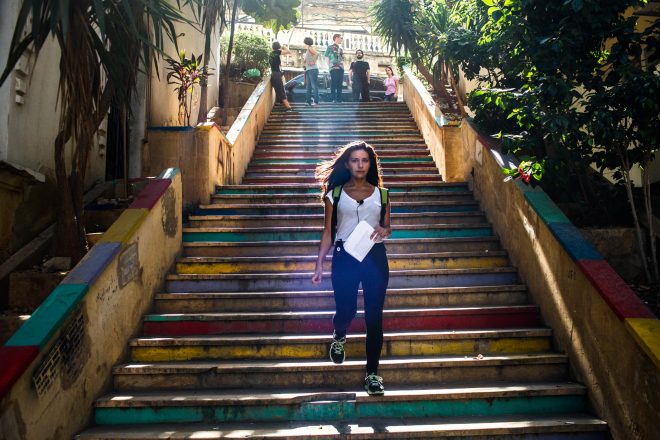
Modern Beirut is a landscape of ad hoc skyscrapers that block sunshine and sea views. Since the 1970s, new urban development has arisen absent a comprehensive master plan, in one instance destroying an ancient Phoenician port to build skyscrapers, with devastating impact to the natural environment. The State has usurped public spaces, many with historical significance, in the name of economic interests. There is little respite from the concrete jungle within the traffic-snarled city, and new construction is creeping up to its once spectacular coastline.

In 2013, over 300 people demonstrated against a planned parking garage in the Lebanese capital, in response to a Facebook invitation to peaceably “protest against the demolition of Jesuit Garden,” a popular public park. The tiny green space was established by Jesuits who came to Beirut in the 1600s to open schools.

Previously, activists – working with a local design agency – created the city’s first map of green spaces. Beirut Green Project and Wonder 8 launched the Beirut Green Guide at Tawlet in 2012, in attempt to spotlight the appalling absence of green space in Lebanon’s capital.

Dictaphone Group BeirutDictaphone Group choreographs site-specific, interactive performances, which they also document in audio and video and archive on their website for sharing and re-use by activists, artists, media and research groups.

El Khoury, a self-described ‘live artist’, and architect and urban planner Saksouk-Sasso, apply their creativity in mostly outdoor settings with pragmatic results. Staged on abandoned buses, old train tracks, and the performances act as a portal through time, using symbols of dysfunctional Lebanon to engage people in thinking about the space around them.

“I want a city that is not developing for the mere interest of a specific class,” Saksouk-Sasso told HuckMagazine. “I would like to pay less rent, not to have a street full of valet parking, not to have closed [off] streets, and I would like to be able to protest freely.”

One performance, entitled ‘The Sea Is Mine’, encouraged the public to reclaim its right to the Mediterranean coastline. Participants were invited aboard a fisherman’s boat off the shore of Ras Beirut, where they shared their stories from a time when they didn’t need to join a private beach club or trespass across newly-restricted pathways to take a dip in the sea. “Developing a deeper relationship with a limited audience is key,” says Saksouk-Sasso. “It enables a discussion between people who usually don’t interact.”

[youtube]https://youtu.be/6G6_CyTm_ao[/youtube]

The artists’ aim to build – and record, and share – the collective memory of small groups of different people, and by so doing, make clear that there is a better way to manage public space that serves everyone. Learn more at their website (link here).

Last September, nonpartisan youth-lead organization Nahnoo forced the reopening of Horsh Beirut – at 225,000 m2, the city’s largest green space – after decades of being closed to the public. A modest gain, as the park is only open two days a week. Previously, residents were granted park access only with permission, and then only if they were over age 35.

For Dictaphone Group, it is evidence that artful resistance is working. “When discussing public space in Beirut, the State talks in terms of an abstract citizen that fits a very specific idea of what an appropriate user should be – someone who looks and behaves as a ‘proper’ middle-upper class European citizen,” says Abir. “That’s not what the public really is.”

Images from Huck Magazine

Amazing birdmen jet fly over Dubai

0

[youtube]https://www.youtube.com/watch?v=BaNZzUg5Opg[/youtube]

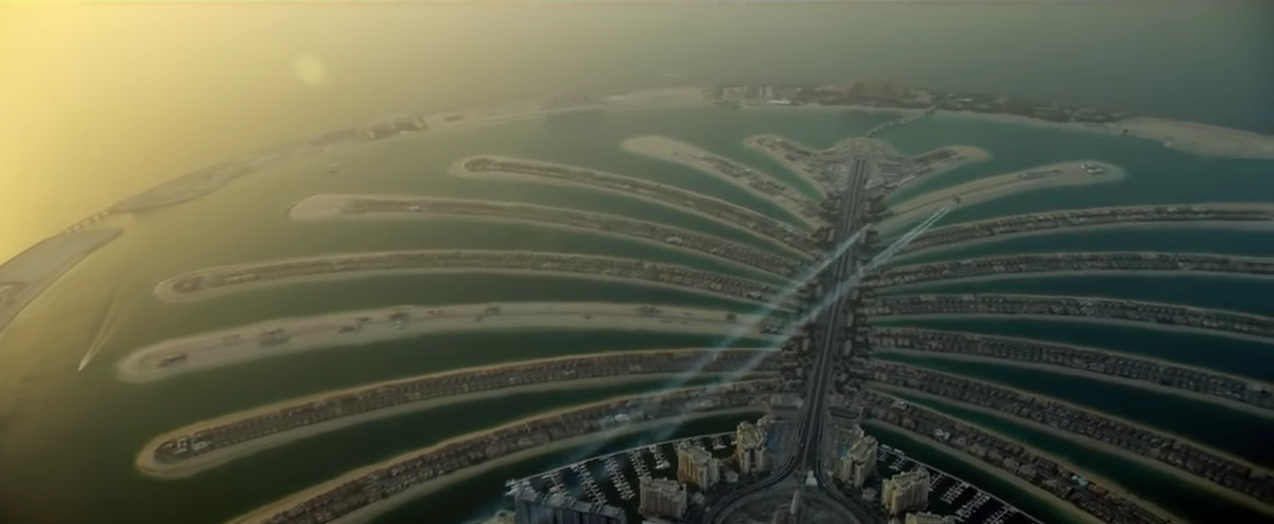
It’s a bird! It’s a plane! No, it’s birdmen Yves Rosset and Vince Reffet flying their jet propelled wingsuits over and through one of world’s most futuristic cities, Dubai. The two air daredevils, each strapped into specially designed and constructed wing suits staged a 10 minute acrobatic jet flight at a location best known for its edifice audacities; including the world’s current tallest building, 2,716 foot Burj Khalifa. (It’s also the world’s largest poop-producing tower!)

fly-dubai

The jet propelled wing suits, which first passed successful flight tests in Finland in October, 2005, propelled the two aeronauts at heights well above Burj Kahalia and at speeds of up to 120 mph. Their amazing test flight and air acrobatics is shown here in the following video:

 Each specially fitted wingsuit has two small turbo jet engines attached to it. According to test data from previous jetmen flights, each jet engine provides around 16kgs of thrust, and is primed with a mix of butane and propane. Once ignited, the engines operate on a steady supply of kerosene based A1 Jet fuel.

This jet fuel burns at around the rate of 0.5 litres per minute, on full power, for each jet engine.Judging from the amount of exhaust smoke being expelled from these jetpacks, this extravagant air show display does not appear to be very environmentally friendly, to say the least.

Of course, there is some excitement to this kind of flying, if you take into account that these birdmen are realizing their dream of actual uninhibited human flight. Maybe the next step will be doing such a feat using renewable energy instead of polluting A1 jet fuel. The damage to Dubai’s environmental habitats, due to so much construction and the artificial islands in the Arab Gulf, is very sad indeed. Areoacrobatic displays like jet powered wingsuits do not appear to offer much of a contribution to improving the local enviromental scene there.

Read more on un-green issues affecting the Arab Gulf region and the world at large:
It’s not the tide. It’s not the wind. It’s us.
Crazy heat dome will mean no one can live in Arab Gulf by 2100
Amazing “Atlas” tracks Arab world habitat destruction over time


ثلاثاء خالي من السيارات في إيران

car-free-iran

المدن في إيران هي من أكثر المدن تلوثا في العالم، إذ تبلغ عدد الوفيات يوميا في طهران 27 شخص بالتقدير بسبب سوء نوعية الهواء. و لم يشاء محمد بختياري، 27 سنة، من مدينة آراك الوقوف مكتوف الأيدي، فأطلق “مشروع ثلاثاء خالي من السيارات” – و هو مشروع اجتماعي يحث فيه الإيرانيين عن ترك سياراتهم خلفهم كل يوم ثلاثاء و إيجاد طرق للمواصلات بديلة عنها. و في مقابلة إعلامية محلية، صرح محمد قائلا: الجميع مسؤولون عن مشكلة التلوث التي هي في ازدياد، لذلك فكرت في مشروع يضم الجميع في سبيل نجاحه

Tehran-pollution

و حرصا منه على استدامة المشروع، أخذ محمد بطبع المنشورات و الملصقات لتعريف السكان في آراك بمشروعه، حتى نجح أخيرا بانتزاع الموافقة على ممارسة نشاطاته من وزارة البيئة في البلاد. و بينما لا توجد أي تقارير عن عدد المنضمين للمشروع، فمن الملاحظ أن الفكرة بدأت تلقى استحسان سكان عدة مدن في إيران. أما عن سبب اختيار يوم الثلاثاء لتطبيق الفكرة، فهو ببساطة أن الثلاثاء يأتي في وسط أسبوع الدوام في إيران، و يشهد بذلك أسوأ نسبة تلوث للهواء مع الازدحام المروري الخانق في الشوارع

cars-tehran-air-pollution

خسائر الدولة بسبب تلوث الهواء في إيران جسيمة، قدرها البنك الدولي ب640 مليون دولار بسبب الوفيات البشرية، أي ما يعادل 0.57 بالمئة من الناتج القومي الإيراني، و قدرها أيضا ب260 مليون دولار بسبب الأمراض المتعلقة بتلوث الهواء، أي ما يعادل 0.23 بالمئة من الناتج القومي

air-pollution-tehran

تكمن الفكرة الأساسية من المشروع في حث السكان على استخدام الدراجات و وسائل النقل العام في مواصلاتهم، و يأمل محمد في أن يمتد عمر المشروع لغاية 600 أسبوع. و في هذا الصدد، يقول محمد أن 60 بالمئة ممن سمعوا عن المشروع يؤيدونه، لذلك علينا كخطوة أولى أن نُعرف أكبر عدد ممكن من الناس بالمشروع، و من ثم إقناعهم  بدعمه كخطوة ثانية. بعد ذلك، يكمل محمد، علينا أن نضع محفزات للناس لتبني المشروع، و أخيرا، علينا بدفع السلطات لتحمل مسؤولياتها تجاه المشروع كخطوة أخيرة. وفي هذا السياق، بدأ محمد بالفعل بدفع السلطات لتحسين نظام المواصلات العامة و تخصيص حيزات آمنة على الشوارع لراكبي الدراجات، و حث الناس على البدء باستخدام الدراجات الكهربائية الصديقة للبيئة

جدير بالذكر أن عدة مدن في روسيا و الهند كانت قد تعهدت بتفعيل مشاريع “ثلاثاء خالي من السيارات” خاصة بها

Beirut architect designs bulletproof Kevlar keffiyeh

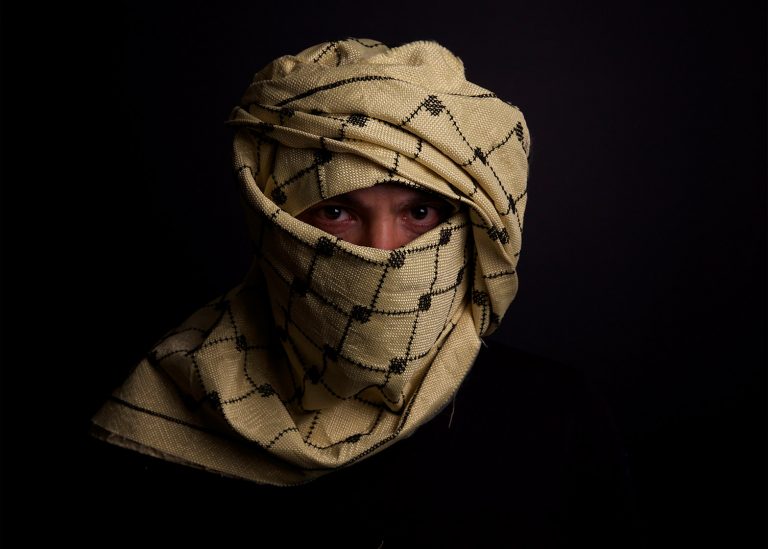
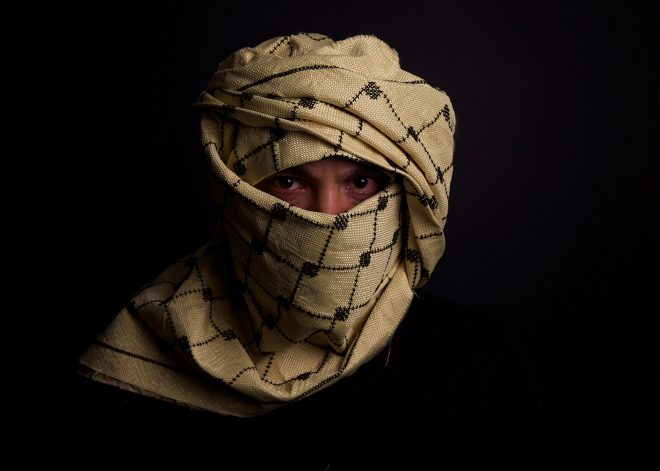
bullet-proof keffiyehPeople are often defensive when it comes to headscarves, which have strong links to specific religious and cultural beliefs. Now a Beirut-based architect has designed a headwrap that uses defense as the justification for wearing it: this updated version of the classic Arab keffiyeh (allegedly) deflects bullets!
Functional fashion takes a remarkable turn in the hands of architect Salim al-Kadi. His “K29 Keffiyeh 001” is made of Kevlar, a para-aramid synthetic fiber five times stronger than steel. Developed in the 1960s by Stephanie Kwolek, a chemist working at DuPont laboratories in Delaware, USA, its strength, durability, and water-resistance makes it suitable for a wide range of applications, including building materials, sportswear, and boat sails. It is also an ingredient in protective body armor – think bulletproof vests.

The architect brought some Kevlar to Beirut and hired a craftswoman from the Ain al-Hilweh Palestinian refugee camp to hand-embroider a traditional crisscross pattern onto the fabric. Al-Kadi debuted his scarf at this year’s Beirut Design Week, held in May.

Keffiyeh is worn across the Middle East as a protective garment in all seasons. It offers warmth in winter and on cool desert nights. It protects against harsh sunlight, and helps filter dust and sand during windstorms.

In the 1990’s the garment moved into mainstream fashion in the USA and Japan, a trend attributed to international media coverage of Palestinian leader Yasser Arafat who was never without his black and white version. It is commonly associated with Palestine and Jordan, worn by men and women, locals and expats.

There are different ways to wear keffiyeh. It’s a fashion choice, now with practical implications. “By wrapping it around one’s head, the weave’s performance is increased through the layering of material and multi-directionality of the weave,” al-Kadi told Dezeen.

He said the garment is designed “for our contemporary landscape”. In light of violent terror attacks happening – well, everywhere – that’s an unnerving concept that sent me digging into the comments sections of reports on this product to see if others shared this view.

Many posted that its practicality was doubtful. The scarf is thin, much thinner than a bulletproof vest which is made of more than just patches of Kevlar-reinforced fabric. One commenter suggested al-Kadi “spent more time picking out colors and patterns than thinking about utility”. Another agreed, saying that a bullet would simply push the fabric into your head, “You’d still be dead, it would just be less messy with no exit wound.”  Not something usually considered when shopping for a headscarf.

Al-Kadi is founding partner of Beirut firm APractice Studio and a co-founder of the design firm BAO, which hatched the K29 headscarf. There is no word as to whether he will produce them on a commercial scale.

Arab world’s “Banksy” murals 50 buildings in Egypt slum

cairo trash town

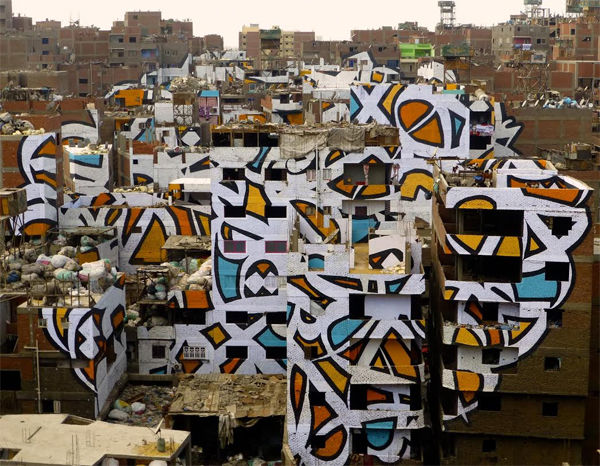
Green Prophet loves eL Seed, the French-Tunisian artist is the Arab world’s Banksy. He specializes in what he calls ‘calligraffiti’, a brilliant mashup of spray paint techniques and traditional Arabic calligraphy on an outsize scale.

eL Seed painted Tunisia’s tallest minaret and covered hoarding that wrapped Paris’s Pont des Arts “love lock” Bridge. He’s collaborated with Louis Vuitton on a series of scarves and painted luggage. Now he’s tagged nearly 50 buildings in a poor area of Cairo with a new mural – with stunning results.

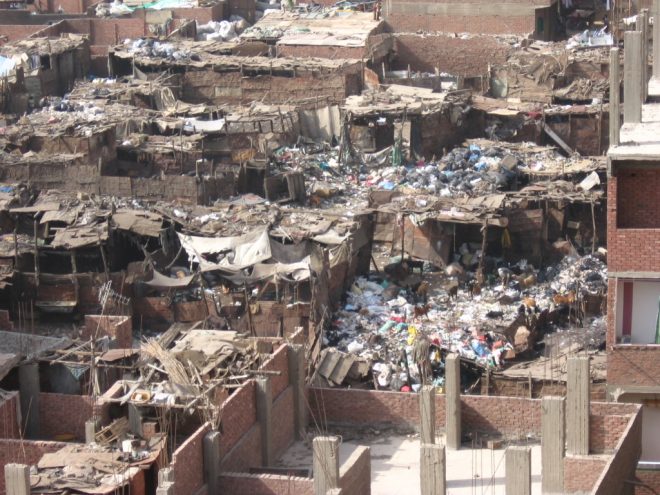
Six impoverished communities ring Cairo, collectively called “Garbage City”.  Their 60,000 residents make their living primarily through informal waste collection. The inhabitants, mostly Coptic Christians, are called zabaleen – Egyptian Arabic for ‘garbage people’. Considered squatter settlements, the largest is Mokattam, whose collectors process an estimated 30 percent of Cairo’s trash, which is about 15 percent of the entire country’s waste volume.

Cairo's garbage city

eL Seed selected the Manshiyat Naser neighborhood for his project. Garbage lines its narrow streets, fills ground level garages, mid-level apartments, and open-air roofs. It’s not a matter of lax waste management; these people actively collect the trash, hauling it in to sort through, then recycling and selling every salvageable item. It’s how they survive.

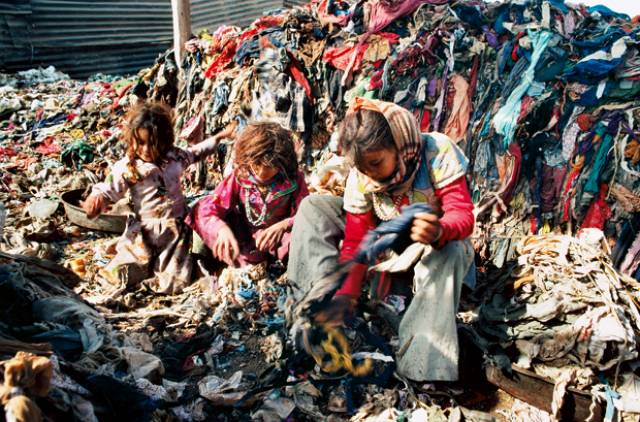
The area, known for extreme poverty and high illiteracy rates, has low school enrollment as most children are steered towards the family recycling businesses to help make ends meet. Young zabaleen boys typically accompany their fathers on daily garbage collections around Cairo while girls remain at home with their mothers to manually sort the recyclables. A family of four earns around $2 a day.

Cairo's Garbage City

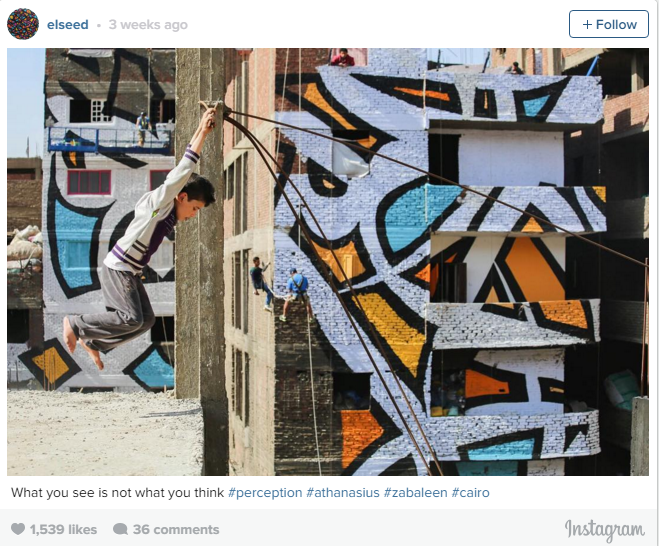
In this project, called Perception, the artist questions the level of judgement and misconception society can impose upon a community that does not conform to a common norm. These people have collected Cairo’s trash for decades.  They’ve developed what is likely the world’s most efficient and profitable recycling system, yet they are viewed as dirty, therefore marginalized and segregated.

GARBAGE city muraleL Seed says on his website that the community treated him and his team like family. “It was one of the most amazing human experiences I have ever had. They are generous, honest, and strong people.” He note that they do not refer to themselves as ‘garbage people’, instead, “They don’t live in the garbage but from the garbage; and not their garbage, but the garbage of the whole city. They are the ones who clean the city of Cairo.”
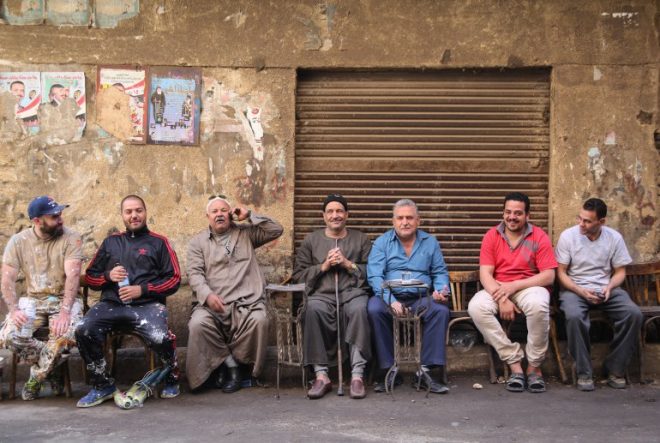
GARBAGE CITY RESIDENTS

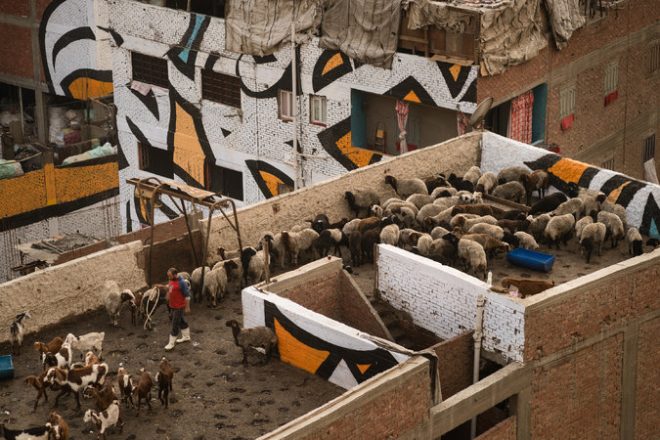
Painting the mural was a massive project involving dozens of buildings, painstakingly coordinated so that it could only be seen in its entirety from a specific mountain vantage point.

The artist is also a TED Fellow. He told TED.com: “I had never done an anamorphic mural before, but I chose this technique here because I wanted to raise the topic of how people tend to judge others without knowing them at all, with wrong ideas based on their own paradigms or on something they’d seen in the media. I wanted to create a symbol that forced people to look from the correct angle in order to see clearly.”

amazing egyptian mural

The purpose of the project was to get people to see the neighborhood in a different light. The words he painted come from a Coptic Christian bishop, “Anyone who wants to see the sunlight clearly needs to wipe his eye first.”

eL Seed has painted structures in Europe, America, and across the Middle East promoting messages of cross-cultural understanding.

عن إسّكس، خروج بريطانيا، الفن و الخوف

773px-Tesla_colorado_adjusted

عادة ما تنحصر كتاباتي في مجالات البيئة من علوم و تكنولوجيا، و لكني لا أستطيع أن أغض الطرف عن الاقتصادات العالمية و هي تنتهج سياسات التضخم التي آلت إلى هضم حقوق الأجيال القادمة و واتساع الفجوة بين ميسوري الحال و معدوميه. يمكنني أن أُشبه الحكومات المسؤولة عن تلك السياسات كأنطمة بيئية تالفة، أو كقوة دفع كهربائية عالية، و لعل عبق الأوزون المحترق هو نذير أخير من “فيوز” يكاد أن ينصهر

و من مظاهر تلك النُذر أيضا صعود دونالد ترمب و ثقافة العنف السائدة عالميا و ما رأيناه من سوء معاملة لللاجئين و الحروب الغير ضرورية البتة، و أخيرا و ليس آخرا، خروج بريطانيا من الاتحاد الأوروبي بتصويت من شعبها. و إن دلت تلك المظاهر على شيئ فهو أنه حتى أكثر الدول ثراءا و استقرارا و تعليما بإمكانها أن تلقي بأيديها إلى التهلكة بمحض إرادتها. أو كما عبر الشاعر الإيرلندي الكبير ويليام بتلر ييتس عن هذه الحالة في قصيدته “الظهور الثاني” بهذه الأبيات القاتمة

إذ يلتف الصقر ويلتف بدولاب الأكوان

بحركات متباعدة في الدوران ، لا يقدر أن يسمع صقاره

تتداعى الأشياء، والمركز لا يقدر أن يمسك بزمام الأجزاء

فوضى صرف تنفلت على العالم

ينفلت المد الدموي، وفي كل الأنحاء

يغرق طهر الإنسان

فأخيار الناس يعوزهم الإيمان

وأراذلهم يتملكهم شغف الأهواء

و بينما بإمكان التقارير و البيانات العلمية أن تُنير عقولنا، غالبا ما تقف عاجزة عن إلهام نفوسنا كما يفعل كل من الفن و الشعر و الموسيقى. الفنانون، كما هم المفكرين ذوي الأرواح الحرة، قادرون على لجم هيستسريا الحشود و جنونها، و إعادة ثقة سكان المعمورة ببعضهم البعض لخلق مستقبل أكثر إشراقا. آن فرانك أو ستوديو سوريا، على سبيل المثال، يتحديان الصورة النمطية و السطحية عن ماهية اللاجئ. بابلو بيكاسو، في لوحته المعنونة غيرنيكا، صور لنا أهوال الحروب، و تكفل المخرجان السينيمائيان ستانلي كوبريك و أمير كوستوريتسا بتصوير جنونها. أما المخرج البولندي كريستوف كيشلوفسكي، فقد قام باكتشاف ركائز الديموقراطية الثلاث في ثلاثية الألوان الشهيرة. و مواطنه المؤلف المويسقي زبيجنييف برايزنر قدم لنا رؤية قوية في الأمل و الحب و السلام في الأنشودة لتوحيد أوروبا – تلك الرؤية بأبعادها المهمة جدا لنجاح الإتحاد الأوروبي، و التي على ما يبدوا غابت عن ذهن الكثيرين في القارة

الفنانون هم أولئك القادرون على أن يُعيدوا شيئا من التوازن بين قصص الأمل و الخوف في ثقافاتنا

كان الغرق هو مصير سفينة الإسّكس لصيد الحيتان بعد أن هاجمها حوت في جنوب المحيط الهادئ، و كانت تلك الحادثة التراجيدية هي ما ألهم الروائي الأمريكي هيرمان ميلفيل لكتابة رائعته موبي دك. أما قبطان الإسّكس و طاقمه، فقد آثروا الإبحار لآلاف الأميال على زوارق النجاة بُعيد الحادث إلى شواطئ أمريكا اللاتينية على أن يتجهوا إلى جزيرة تاهيتي الأقرب مسافة. السبب: دارت إشاعة بين البحارة عن وجود أكلة لحوم البشر على تلك الجزيرة، و احتل هذا الخوف واضح المعالم عقولهم. لم يتمكن البحارة حينها من تخيل الموت جوعا في خضم الرحلة الطويلة التي آثروها. و فعلا، و في نهاية المطاف، لجأ ثمانية من الناجين لأكل سبعة آخرين من زملائهم، متحولين أنفسهم بذلك لأكلة لحوم بشر – تماما كؤلك الذين هابوهم

مثل سفينة الإسّكس يجسد تماما خوفنا من الإرهاب، و الذي يطغى على مخاطر أصعب تخيلا كتغيير المناخ و التلوث و التدمير البيئي

من سخريات القدر، شهدت مقاطعة إسّكس الإنجليزية واحدة من أعلى نسب التصويت لصالح الخروج من الإتحاد الأوروبي في الاستفتاء المصيري. على ما يبدو، كان الخوف من المهاجرين و اللاجئين هو الطاغي في نفوس المصوتين في إسّكس، متجاهلين بذلك المصاعب التي سيواجهونها حتما ساعة إبحار المملكة المتحدة بعيدا

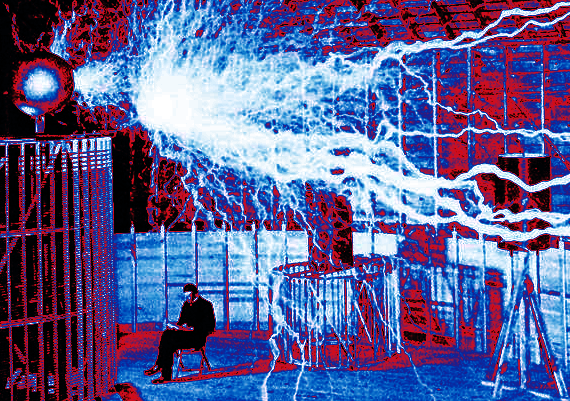
الصورة أعلاه لنيكولا تسلا من ويكيبيديا. تسلا لم يكن يهاب الكهرباء ذات الجهد العالي، و لكن يقال أنه كان يخاف بشكل غير عقلاني من محارات البحر

#OnlyInDubai can you get the world’s most expensive bottled water

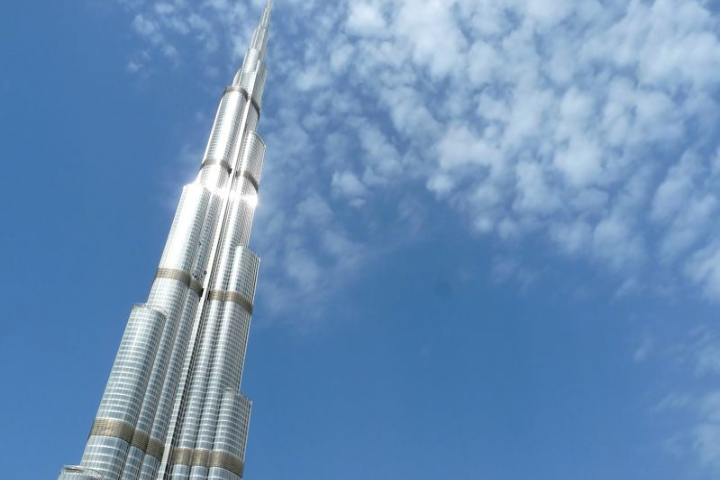
most expensive bottle waterWater is an essential commodity, especially in the arid Gulf states where it surpasses oil in liter-to-liter price comparisons. Now a Danish designer has pushed the wet stuff into the luxury goods category, proposing to hawk his H2O in crystal water bottles shaped like the tallest tower in the world, Dubai’s Burj Khalifa.

Naked mob photographer Spencer Tunick returns to the Dead Sea

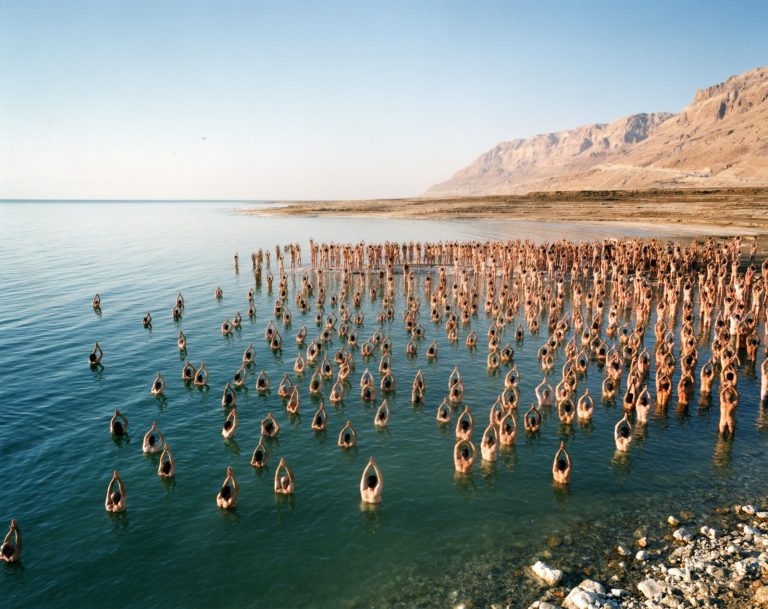
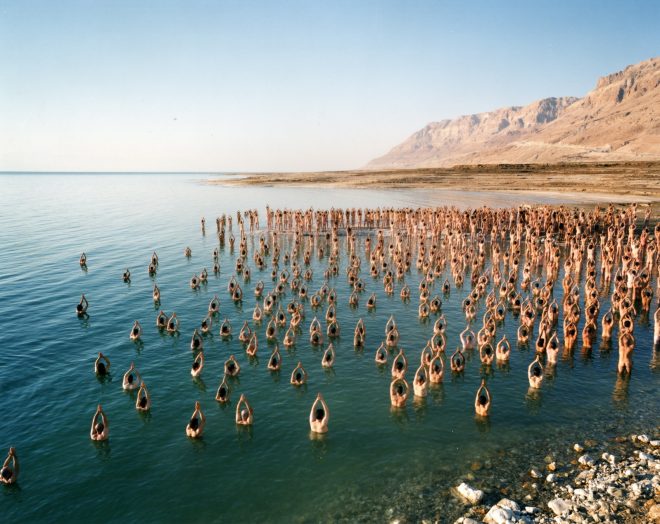
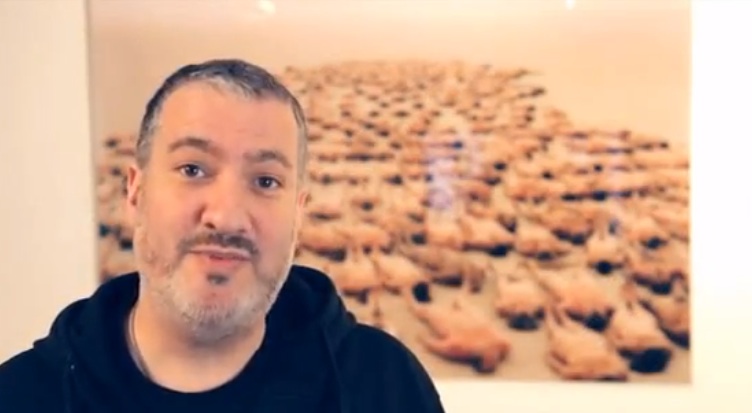
Dead Sea Spencer Tunick nakedSpencer Tunick is coming back to the Dead Sea!  In 2011, artist Spencer Tunick invited hundreds of people to shed their inhibitions (and their clothes) to raise awareness to the environmental threats facing the Dead Sea.

This September, five years after that mass naked photo shoot, at the request of the Arava Institute for Environmental Studies, he will return to check on the worsening sea situation.

naked dead sea spencer tunick
Naked Dead Sea

Dr. Clive Lipchin, director of the Center for Transboundary Water Management at the Arava Institute, will lead the visit, which will include a return to Mineral Beach, site of the original photo shoot. Mineral Beach has since closed to the public due to the proliferation of sinkholes.

Diminishing sea levels are changing surrounding groundwater flows. As freshwater moves through the aquifer, it dissolves subterranean salt deposits and creates underground voids which cause surface collapse. Sinkholes on the western bank of the Dead Sea appear – unpredictably – almost daily.

Tunick’s return to the region aims to send a message to the public, to government and to international organizations that stepped up action is urgently needed to stop the irreversible damage to area ecological systems. His 2011 photographs provoked controversy and conversation that he hoped would bring about increased conservation.

His visit builds on that initial effort, when 1200 volunteers participated in a mass naked art installation. Through the resulting photographs, Tunick hoped to awaken the Israeli public to act.

“The threat to the Dead Sea’s existence is more tangible than ever,” says Dr. Lipchin. “These are not horror scenarios but an up to date situation report. The Dead Sea we once knew doesn’t exist anymore. The harm that has been done on all environmental levels has caused damages that are partly irreversible, and for those that still can be fixed – the window of opportunity is narrow and will soon be closed.

Saving the Dead Sea?

Spencer Tunick’s visit will help to raise the topic with decision makers throughout the world, since unfortunately, the Israeli government so far has failed miserably regarding this issue.”

For over a decade, Lipchin has researched the degradation of the Dead Sea and its surroundings.

Speaking of the 2011 event, Ari Leon Fruchter, the producer of that “NakedSea” installation, said, “Since then there has been a lot of talk but no concrete action to save the Dead Sea, and the situation has gone from grim to grave. I hope that Spencer’s return and work with the Arava Institute will reignite the public interest and inspire many more to get involved.”

Tunick said in a press release, “Since 1991 I have traveled the world making immersive art with people of all races, religions, and nationalities; but Israel is a unique place that I hold close to my heart and is the only country in the Middle East where I can be allowed to have proper freedom of expression.

spencer tunick naked dead sea
Spencer Tunick

“I care deeply about the future of the Dead Sea and hope that my presence and involvement here can propel the Israeli Government and Local Activists to take real measurable action to save the Dead Sea. I am not sure if we will have this same opportunity again”

The Arava Institute for Environmental Studies is a leading academic center for the development of environmental leadership in the Middle East. Since 1996, the Institute has engaged in academic study and research in a range of environmental areas with an emphasis on cooperation between neighboring nations.

Israeli, Palestinian, Jordanian, and international students study at the Institute, where, in addition to their academic program, students take active part in cross-border environmental cooperation and action.

More on the Naked Dead Sea project:
Why I got Naked for the Dead Sea
Strip Naked for the Dead Sea
A Thousand Israelis Get Naked for the Dead Sea
New Life Found in the Dead Sea

Syrian refugees list their tent on Airbnb

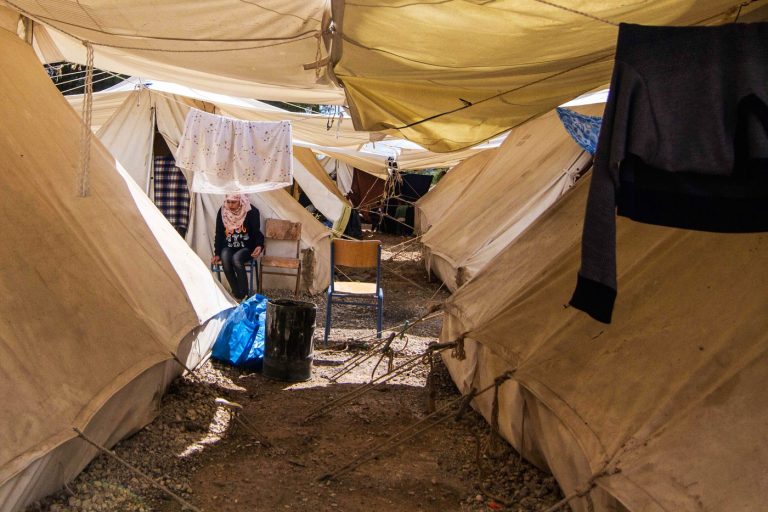
refugee tent AirbnbTake empathy to a new level by living just like a displaced person. A group of Syrian refugees advertised their camp tent as a rentable destination on Airbnb, offering intrepid travelers “scorpions, dehydration and broken promises”. They describe the Ritsona, Greece refugee camp, about 80 kilometers north of Athens, as “the most unique neighborhood in Greece”.
To stop crippling air pollution, Iranians do car-free Tuesdays

car-free-iran

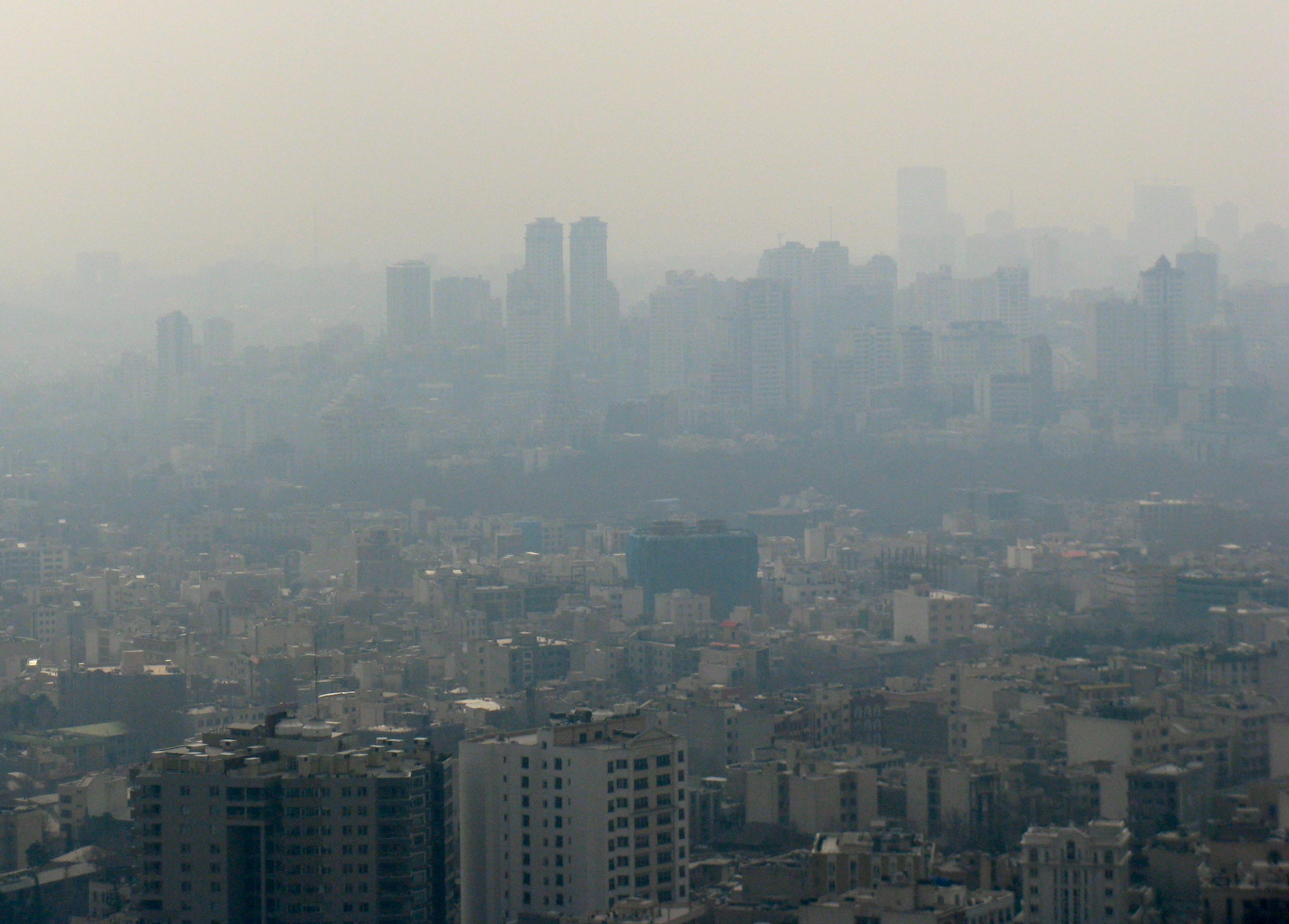
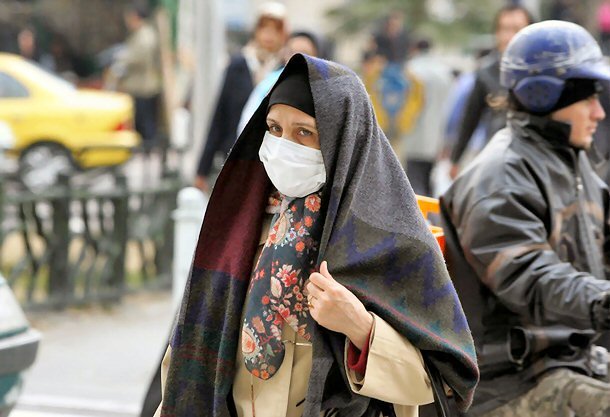
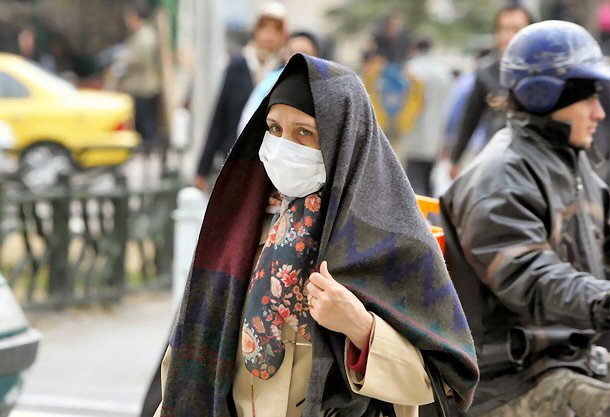
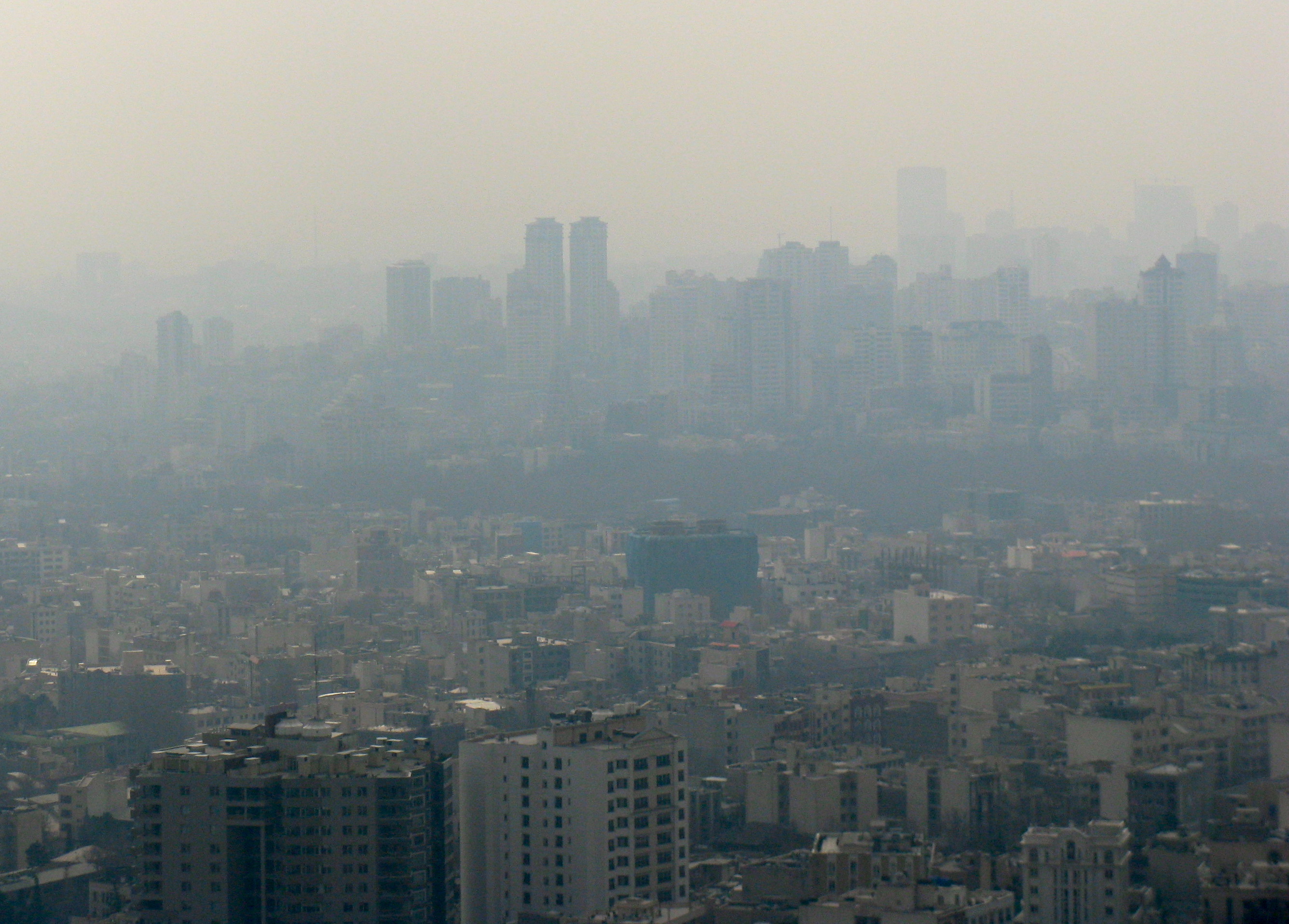
Cities in Iran are some of the most polluted in the world. It’s estimated that 27 people a day die in Tehran from the low quality of air.

Tehran pollution

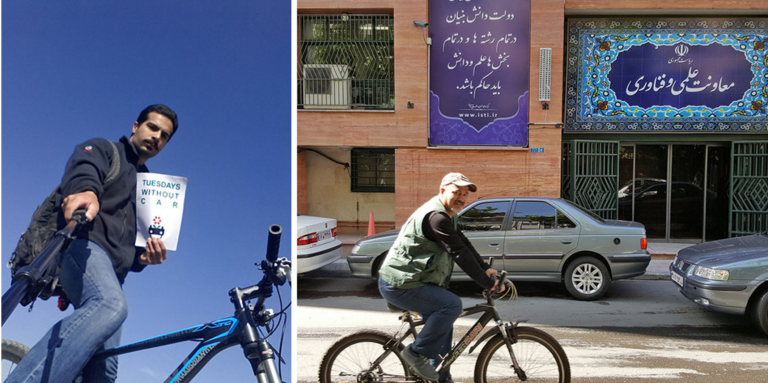
Mohammad Bakhtiari, 25, from Arak decided he couldn’t take it anymore, and started car-free Tuesdays –- a day when he’s encouraging Iranians to find alternative ways to get around. He told local media, “With air pollution getting worse, I did not like to sit back doing nothing. I thought everybody is responsible for this problem. And I was thinking of a way to involve more people to help with it.”

cars-tehran-air-pollution

So he proposed that people go car free on Tuesdays. Residents in Tripoli, Lebanon tried it once a long time ago, but it didn’t stick.

Mohammad wanted the idea to stick. He went with posters and flyers and explained to locals in Arak until the Department of Environment gave its stamp of approval. It’s catching on in all Iranian cities but there are no reports on how many people are actually doing it.

air pollution tehran, iran


Tuesday was the day picked because it is in the middle of Iranian week when traffic congestion is high and air pollution is at its worst.

The World Bank estimates losses inflicted on Iran’s economy as a result of deaths caused by air pollution at $640 million, which is equal to 5.1 trillion rials or 0.57 percent of GDP. Diseases resulting from air pollution are inflicting losses estimated at $260 million per year or 2.1 trillion rials or 0.23 percent of the GDP on Iran’s economy.

Leaving cars at home can reduce air pollution: The campaign that started this spring is expected to run for 600 weeks. The idea is to get people to use bikes and more public transport.

Mohammad said: “Sixty percent of the people who know there is such a campaign have supported it. Our first step is to tell people that there is such a movement. The second step is to tell them why they should support it.

“The third step is to have incentives for those who join the campaign.

“And the fourth step is to push the government to carry out its responsibilities at a more rapid pace.”

He is now pushing the government for safe bike routes, and more people to start using electric motorbikes. As well as an overhaul of public transport.

Cities in Russia and India, have made a similar pledge to be car free on Tuesdays.

Read more on sustainable Iran:
Iran Looks to Create Biofuel
Iran Inaugurates Its First Solar CSP Plant
Celebrate Spring and Iranian New Year

Iranian women “selfies” without headscarves causing rivers to dry up

women-without-hijab-iran

Today on the streets of Jaffa, where I live, I saw for the first time in my life a woman in hijab (helmet on top) driving her motorbike in full throttle along Jerusalem Boulevard. She was too quick for me (on my peddle bike!) to take a photo. I was pretty proud of her, because although Muslim women in Israel can be quite liberal, this was something that broke all stereotypes.

But in Iran it’s another story… women who are not wearing the traditional headscarves, also known as hijab, are now being blamed for devastating drought.

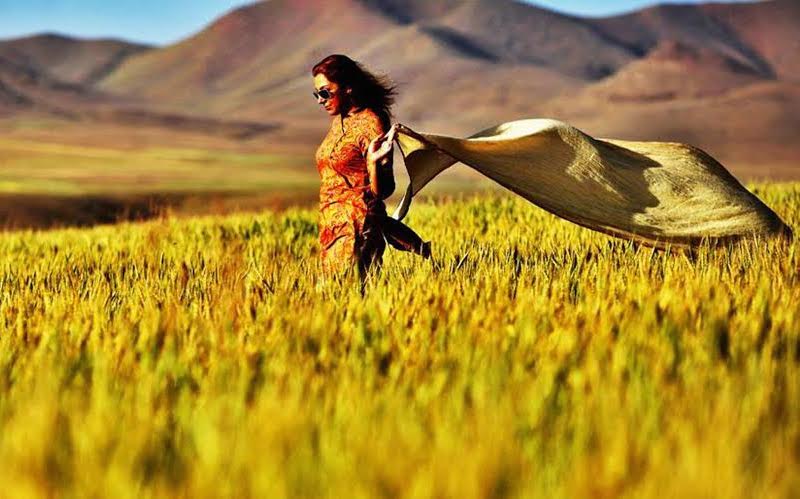
stealthy-freeedom
She’s causing rivers to dry every time she rips off her headscarf.

Ayatollah Yousef Tabatabai-Nejad, an arch conservative prayer leader in the city of Isfahan announced that Iranian women who continue to wear immodest clothing are causing the nation’s rivers to run dry. They are also damaging the environment in other ways, the cleric has claimed.

A strict Islamic dress code must be enforced, he mandated, to ward off drought. In media reports this same cleric, also suggested the use of acid attacks, and the whip on “bad hijab” women: those who are not properly covered up.

iran-hijab
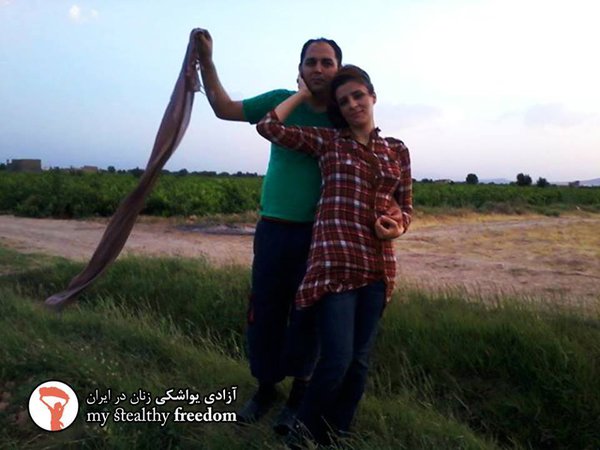
Couple support scarf-free head.

Last month he roiled against a new trend where Iranian women are taking selfies without the headscarf and posting them online.

“They have brought me pictures that shows women by the side of the dry Zayanderud river, ” the cleric said. “These actions will ensure the upper stream of the river will become dry too. Believe me it is true.”

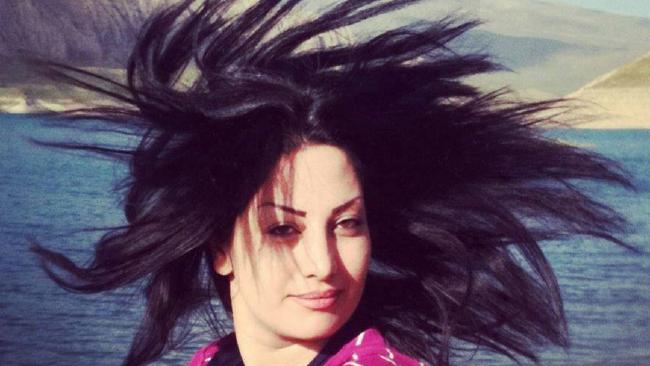
"I want freedom.... No matter you might think of my demand, my male compatriots... No matter what you might think of my dear fellow female compatriots. What I want is to save my hair from the storm blowing over in my country. I do not want to simply have to go abroad in order to save my hair. Yes, my dear male compatriots... Freedom should oblige you to stop obsessing about the body of your female compatriots [when they do not wear the hijab]. It should not oblige me to wear the hijab.
“I want freedom….I do not want to simply have to go abroad in order to save my hair. Yes, my dear male compatriots… Freedom should oblige you to stop obsessing about the body of your female compatriots [when they do not wear the hijab].”
In some paradoxical nonsense he also said:

“You may ask yourself why European countries with so much crime and sin have so much rainfall … God punishes the believer, for remaining silent and letting girls take pictures by the river as if they were in European countries.”

Headscarfs have been compulsory since the 1979 Islamic Revolution. Those who can get away with it bend the rules.

Thousands of women have posted pictures of themselves without headscarves on the Facebook page, My Stealthy Freedom.