Home Blog Page 215

Tips for students how to minimize impact on the environment

0

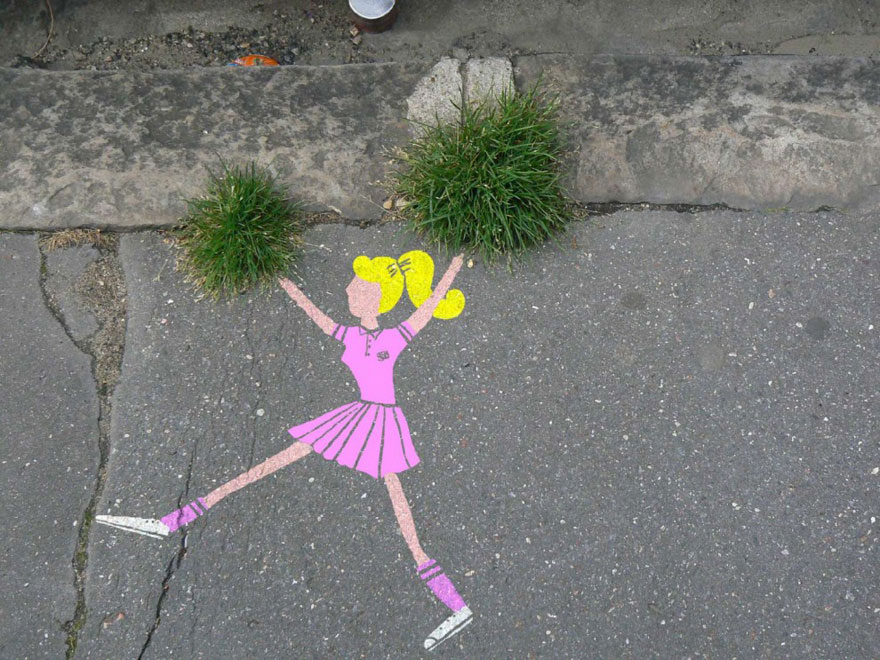
nature grafitti

A lot of people have been much more attentive to the environmental footprint we live on the planet as species. With the rise of technologies, industrialization and worldwide population, we tend to literally alter our surroundings in numerous quite unpleasant ways. People have to face the results of their vital activities and reconsider the attitude towards nature and our place in it. Otherwise, the results can be devastating, and the next generations might face a quite massive environmental crisis, that can be avoided by following simple rules. The key is to convert as many people as possible to the philosophy of ecological living, recycling, and reduced energy consumption. And as a student, you have all the perfect tools and conditions to achieve this task. Stay tuned for further instruction on how to save our planet and leave positive environmental impacts instead of regular wastes and tons of garbage.

Try to use single-use plastic less

Everybody likes partying, there is no denial of that. But the big crowd and fun games also come with a lot of plastics in the form of straws or those famous red beer cups. Many countries nowadays are thinking of putting a ban on straws and other non-recycling items like cotton pads and wet wipes because all of them are hard to break down and they end up polluting oceans. Staying away from using those things are not that hard, but it is one of the best ways to reduce the impact on the environment.

plastic straws

Recycle everything

It is a golden rule of leading a planet-friendly lifestyle. Recycling solves the waste question and has a tremendously positive outcome on our habitation. You know the basics of this process, but we are going to add some tips designed specifically for college and university students. Even in our digital age we still turn in a lot of works written in the good old notebook. Sometimes people get nice grades, sometimes they don’t. Of course, you can type in Google “source to pay someone to write my paper” and get help, but if you didn’t – don’t worry, we got you covered. Any bad assignments, drafts, drawings, unnecessary lecture materials can be recycled! Get rid of all used paper stocks in your room, and you will get a double benefit – rescued nature and more storage space.

Alternative Christmas Tree

Use food waste wisely

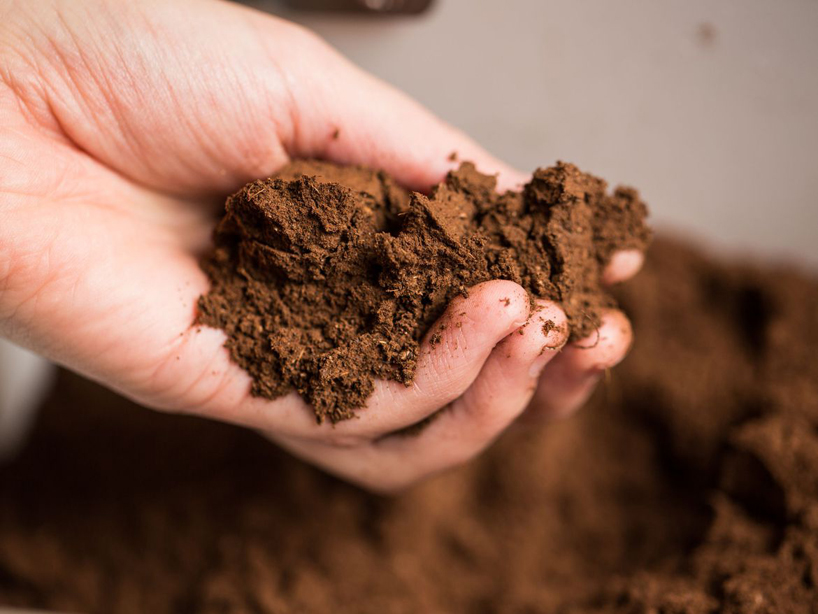
One of the very good but subtle ways to reduce human impact on the environment is to utilize edible waste in a proper way. A big percentage of soil is drained and “tired” from constant agriculture activity. It needs rebound and time to bring the balance back to its composition. Compost aka food waste does exactly that, and it is extremely easy to through away leftovers into dedicated trash bins. If your canteen does not have those, it could be easily arranged. We are sure officials would not mind this initiative.

Save resources

It is hard not to mention the fact that about 13% of Earth population does not have access to the clean water. This year marks the first time any major city (talking about Cape Town situation) went waterless. Lack of drinking water is one of the major problems humanity will face in the nearest future if we don’t change our ways now. So one of the most efficient ways to minimize human impact on the environment is to use water, electricity, heating wisely. It doesn’t matter whether you live in the dormitory or rent an apartment. Pay attention to this issue and alert your roommates on the saving strategies.

DSCF0294

Use your learning space to promote green ideas

Educating people on how to save our planet is the best way you can help as a student. Spread the word about basic recycling and ecological tips for everyday life at your campus, join “green” groups, organize activities that will help to raise awareness on this topic. It can be something fun and engaging, for instance, a BBQ with board games, sports competitions, or school game day with an emphasis on the environmental issues. Educate yourself on the topic and share with others!

Be reasonable

That is the best tip there is if you want to protect the planet. Do not distance from “difficult” issues, but embrace them! There is a problem of overconsumption and, thus, overproduction.

  • Use thrift shops. You might find pretty luxurious garments there, spare the world from one more garbage pile and save some money for other adventures.
  • Go shopping with a tote bag. It will prevent plastic bags from polluting the oceans.
  • Use public transport as much as possible. It is a hard one, but many countries have sophisticated and practical transportation systems, and in some, there are special prices for people who have chosen to get to work/university by train or a bus. The fewer cars are used on the everyday basis, the less carbon waste is disposed into the air.

The major challenge is to implicate these small changes into your daily routine, turn them into habits and educate others. But the outcome will be huge, and hopefully, our planet will thank us one day for these efforts.

The Top 10 Benefits of Environmental Education

nature grafitti

Where will you get your drinking water if it is polluted? How will a father to teach his children to hunt and fish if thousands of acres of forest are bulldozed to make room for shopping malls? Without children who have been taught how to preserve our ecosystems, we will lose all of the beautiful parks, forests, and lakes that are so dear to us. That is why we believe that at your next PTA meeting or when choosing your MBA, you should promote incorporating environmental education into the curriculum. Here are ten talking points that you can bring up at the next meeting when you need an expert paper writing service.

  1. Promotes Respect for Nature in Children

Too many times when I have been driving down the road have I seen piles of garbage left in fields and forests. Not only are they eyesores that lower property values, but they pollute the places where we live. By instilling a healthy respect for nature in our children, we can prevent such things from happening in the future.

  1. Teaches Children to Be Kind to Animals and People

“If you have men who will exclude any of God’s creatures from the shelter of compassion and pity, you will have men who will deal likewise with their fellow men.” So said St. Francis of Assisi. By teaching children how their behavior affects wildlife and the environment, you can also help them to understand that caring for the environment has positive effects on people, as well.

  1. Helps Children to Develop Critical Thinking Skills

Not only does ecological education help children to develop a sense of respect for nature, but it also teaches them how to think critically about the long term consequences of their actions. This is a skill not only useful for those interested in conservation, but in every other aspect of life, too.

nature graffiti

  1. Encourages Your Students to Live a Healthy Lifestyle

Too many children sit at home all day in front of computer screens while texting on their phones. By teaching kids about the benefits of nature, you can get them involved in activities outside of the house, such as hiking, fishing, and biking.

  1. Students Learn Responsibility and Safety

Another reason to include environmental education activities into the school curriculum is that they instruct students to be responsible and safe. These classes not only emphasize the importance of conservation, but they also teach students – and adults – to be mindful of their surroundings and to avoid taking unnecessary and dangerous risks. Anyone who has taken a wilderness safety course or hunter education will tell you the same thing.

  1. Eco Education is a Fun Break From the Routine

While core subjects are important, it sometimes does not hurt to take a two day break to learn something else. Why not make that ‘something else’ fun? Ecological education is a great way to get children out of the classroom and outside where they can participate in engaging, hands on activities.

  1. Students Can Learn Valuable STEM (science, technology, engineering, mathematics) Skills

Educational environmental activities not only teach students to care about the places where they live, but it presents teachers with a fun way to incorporate subjects such as math, chemistry, and biology into the curriculum. What could be better than learning STEM in a forest or meadow?

forest bathing, woman hipster contemplating nature in dark green forest

  1. Get Students Civically Engaged

One of the biggest problems in the modern era is a lack of civic engagement amongst young people. Classes such as the ones we are advocating for can teach children how to play an active and positive role in city and county level organizations.

  1. Helps to Meet State Requirements

Most, if not all, states have certain requirements that have to be met by the school districts. Ecological education courses give teachers an opportunity to meet these requirements, especially those teaching science and math.

  1. Prepares Students for Future Careers

Eco education prepares students for exciting, well-paying careers. Those who get an environmental science degree at college can go on to become teachers, federal employees, or game wardens.

goa,anjuna, yellow school

As you see, ecological education has many benefits and advantages that will greatly enhance the learning process at your school district. With these talking points in hand, you can walk confidently into your next PTA meeting and convince your school board the necessity of including it into the curriculum.

Types of solar panels

1

There has never been a better time to embrace the power of solar energy. The price of installing a solar panel system keeps falling and the Federal Government, along with several cities, offer lucrative incentives and rebates for installing such a system. Even better is the fact that a solar installation saves you money on energy, helps out the environment, and adds thousands of dollars to the value of a home.

It’s not hard to see why solar power is such an attractive proposition. It’s also not hard to see why some people might have some difficulty choosing a solar installation since there are so many options available. This article provides some clarity about the different types of solar panels and which type may be right for you.

Solar Compatibility

Before you start thinking about installing a solar panel system, you should make sure that your home, specifically your roof, is solar compatible. This means that your roof needs to be in good shape; if you know that your roof needs renovation, then you should execute that renovation before installing any solar panels. Otherwise you would need to remove and then replace the panels during the renovation.

You should also make sure that there is not any significant shade on the majority of your roof for most of the day, especially during peak sunlight hours. Shade prevents the solar panels from operating at their maximum efficiency. If the object causing the shade can be removed or reduced, then you should do so before the installation.

The Different Kinds of Solar Panels

Once you have determined that your roof is compatible, it is time to consider the type of solar panel that is right for your home. The information presented here includes the panel type’s efficiency rating, which is the percentage of solar energy that the panel converts into electricity. These are the types from which you can choose.

Monocrystalline Silicon (Mono-Si)

Mono-Si solar panels are the purest types, which also makes them the most efficient. They are distinguished by their dark color and rounded edges. Their high efficiency means that fewer of them need to be used, so they are a good option for homes with less roof space. They are the most expensive type of panel so you should only purchase them if you need to.

  • Longevity: 25 years
  • Efficiency rating: 15% – 22%

Polycrystalline Silicon (Poly-Si)

Poly-Si solar panels have a highly recognizable blue color, they are cheaper, but also less efficient, than mono-Si panels. They also do not last as long. However, they are a good choice if your roof has enough space to hold a lot of panels.

  • Longevity: 20 – 25 years
  • Efficiency rating: 13% – 16%

Thin Film Solar Cells (TFSC)

These are relatively inexpensive panels, and their thinness gives them a flexibility that allows for a lot of different applications. The different types of TFSC include the following.

  • Amorphous Silicon (A-Si) – these are the types of cells you see on solar powered pocket calculators. They are very inexpensive, but also very inefficient.
    • Longevity: 14 – 17 years
    • Efficiency rating: 6% – 10%
  • Copper Indium Gallium Selenide (CIGS) – CIGS solar panels are among the most versatile because their flexibility allows them to be used in a variety of different ways besides solar installations.
    • Longevity: 7- 15 years
    • Efficiency rating: 10% – 12%
  • Cadmium Telluride (CdTe) – these are fairly inexpensive panels, which means that they offer a faster return on investment than the other panel types.
    • Longevity: 10 – 15 years
    • Efficiency rating: 9% – 11%

Building Integrated Photovoltaics (BIPV)

These are solar panels integrated into the components of the house, like the shingles or tiles of a roof. This is a relatively new application for residential buildings. The longevity and efficiency rating are dependent on the number and type of panel used in the integration.

Choose Your Solar Panel Carefully

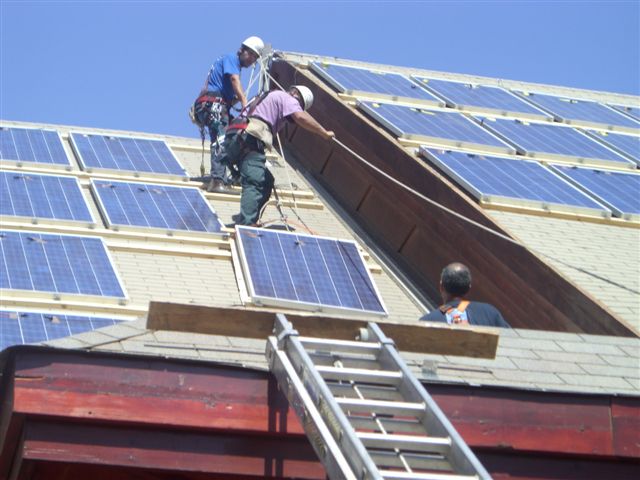
solar panels, solar energy jobs, installing, engineer sun, renewables

Aside from your solar panel choice, you should also think about the inverter. This is the device that converts the DC electricity produced by the solar panels into useable AC electricity for the home. Call your local installer to get more details about solar panels and the installation process,

Bun-less Chicken Burgers With Swiss Chard

0

chicken burgers recipe

Sometimes, when I’m scouting out the produce at the shuk, I can’t resist bringing home a big, leafy bunch of fresh Swiss chard.

I imagine all kinds of wonderful dishes to make with it, but usually I give in to laziness and just sauté the white stalks in olive oil with onions and garlic, adding the thickly-sliced greens a little later and stir-frying till all is done. That’s a delicious green side dish, but on occasion, I want to pair Swiss chard with something else. Something substantial.

Friends were coming over for an informal dinner. I needed a menu with a good protein punch, but something light, and with plenty of vegetables. A search in the fridge turned up a half-kilo of ground chicken from the previous day’s shopping: had to cook that up soon. I remembered a dish of chicken patties flavored with Mediterranean herbs and preserved lemons that’s always a hit with my carnivore friends. The patties are lightly cooked with a melange of Swiss chard, tomatoes and potatoes that simmered down to a light, brightly-favored sauce. Just the ticket.

Chicken Burgers With Swiss Chard

4 generous portions

Ingredients:

1 large potato, peeled and thickly sliced

1 large, ripe tomato, thickly sliced

1 bunch of Swiss chard or beet greens, rinsed free of dirt

1 pound organic ground chicken

1 onion, finely chopped

1 egg, beaten

2 tablespoons dry bread crumbs

1 teaspoon salt

1/4 -1/2 teaspoon ground black pepper

1 teaspoon crushed dried herbs: sage, rosemary, oregano, thyme – alone or in any combination

Olive oil for shallow frying

Juice of 1 lemon or 1/2 preserved lemon, roughly chopped

3 cloves garlic, mashed

1 cup water or chicken stock

1 cup white wine

1 teaspoon cornstarch

1 small bunch scallions

Cut away the white stems of the chard leaves. Reserve them.

Put the green leaves in a large pan without any added water. Cook, covered, over low heat until they wilt. This should take 2-3 minutes.

Remove the greens to a chopping block with tongs or a large fork. Allow them to cool, then chop them finely.

Put the ground chicken, egg, onion, chopped greens, bread crumbs, dried herbs, and salt and pepper into a large bowl .

Blend vigorously with a large spoon or spatula, then knead the seasoned meat mixture with your hands, until you have a firm, well-blended mix.

Shape 4-6 patties.

Prepare a skillet with a little olive oil on the bottom. Fry the patties for 5 minutes on each side, just enough to make them hold together and to give them a good brown color. Remove them to a plate.

Dissolve the cornstarch in a little water. To the still-hot frying pan, add 1 cup white wine and stir, loosening up any bits of meat. Add the dissolved cornstarch and stir, 1 minute.

Pour a few tablespoons of olive oil into another, large skillet that you can cover with a lid later. Fry the potato slices over a medium flame. Add the sliced tomato and fry, stirring, until the potatoes are barely cooked through.

Meantime, slice the white part of the beet stems into 3” – 8 cm. lengths.

Fry the garlic until just soft in the skillet with the potatoes and tomatoes. This should take 1-2 minutes. Drizzle in a little more olive oil if needed to keep the  vegetables from sticking. Add the lemon juice or preserved lemon.

Stir the chard stems into the vegetables cooking in the second skillet. Scrape the cornstarch mixture out of the first frying pan, into the vegetable skillet. Place the chicken patties on top, moving the vegetables around to make room for them. Add 1 cup water or stock, and more if needed to cover the patties about half-way up.

Cook, covered, over medium heat, for 20 minutes or until the burgers are cooked through.

Taste the vegetables and surrounding liquid for seasoning; add more salt and/or pepper if needed.

Remove the burgers and keep them warm in the oven. Uncover the skillet and cook the liquid down to a thin sauce.

Pour the reduced liquid over the burgers. Chop the scallions and scatter them over the meatballs just before bringing them to the table.

Serve with rice or couscous.

Enjoy!

UN adds more agri-history sites to list ‘worth protecting’

Though we might want to add any kind of agriculture performed more than 100 years ago to the list worth protecting, we’ll take what the UN”s FAO is offering: Traditional ginseng farming in the Republic of Korea and olive tree groves in Italy’s Umbria region have been recognized on the register of Globally Important Agricultural Heritage Systems (GIAHS), managed by the UN Food and Agriculture Organization (FAO). The two sites were added during a meeting of the GIAHS Scientific Advisory Group in Rome this week.

It is the first time an Italian site has been recognized, and the third site in the Republic of Korea.

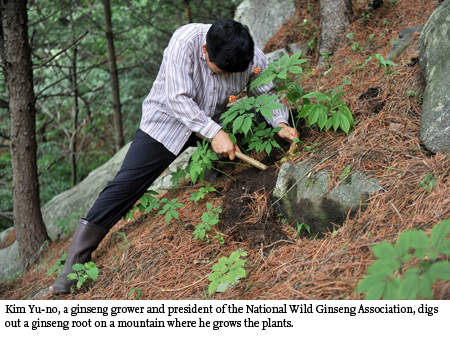
The traditional ginseng agricultural system in Geumsan, South Chungcheong Province has been recognized because it relies on a symbiotic relationship between nature and cultivation, and has been in practice for around 1500 years.

wild ginseng korea
Wild ginseng harvesting in Korea, via the Korea Times

Farmers use a 15 to 20 year rotation system whereby land is left fallow or used for other crops after harvest, to allow the land’s ‘energy’ to restore. Surrounding forests and rivers contribute to micro climate control, and shade structures using natural materials help mimic conditions for wild ginseng cultivation.

“This is not only about the past, but also about the future,” said FAO’s Yoshihide Endo who coordinates the GIAHS programme. “Becoming a GIAHS site encourages the preservation of these long histories of agricultural practice, but it also recognizes the benefits for future generations in keeping these systems sustainable, promoting knowledge sharing and agrotourism potential and encouraging young people to participate in agriculture.”

Olive groves on the slopes in Umbria

Ancient-olive-tree 
The hillsides between the Italian towns of Assisi and Spoleto (including Assisi, Spello, Foligno, Trevi, Campello sull Clitunno and Spoleto), where olives have been grown since the time of the Etruscans, are now one of the main olive production areas in Umbria and Italy. The area has been recognized for the ingenuity through which natural resources and human needs have been combined to create livelihoods and mutually sustainable ecosystems.

Even today, olive groves are cultivated with traditional knowledge and practices including the use of different types of terraces, growing technologies and genetic varieties which have been supported by local communities for many centuries. This area also demonstrates remarkable landscape of olive trees which have been formed by farmers’ long term interaction with nature.

Keeping heritage alive 

The GIAHS register highlights unique ways that rural communities have over generations farmed in harmony with nature to create mutually sustainable livelihoods and ecosystems, and often produced remarkable landscapes in the process.

FAO’s selection criteria includes that sites be of global importance, have value as a public good in terms of supporting food and livelihood security, agro-biodiversity, knowledge systems, adapted technologies, and culture, and have outstanding landscapes.

Evidence suggests that GIAHS designation can help conserve valuable elements of the sites while boosting demand and prices for the agricultural products, as well as encouraging tourism and jobs growth.

The two new additions bring the total number of sites on the list to 52 in 21 countries.

Other remarkable landscapes already recognized include Hani rice terraces in China, the Massai pastoral system in Kenya and Tanzania, the Ghout oasis system in Algeria, wasabi production in Japan, Spain’s salt production in Salinas de Añana, Portugal’s agro-sylvo-pastoral system in Barroso, and farmland in Mexico’s Chinampas that relies on oral transmission of traditional farming techniques dating back to the Aztec civilization.

Is Tesla’s electric semi-trailer truck an impossible dream?

Ever since Elon Musk’s Tesla Motors electric sports roadsters began plying the roads 10 years ago, the EV vehicle company has branched out into a number of directions. This includes incorporating “driverless” artificial intelligence (AI) into its total electric sedans; including planned test runs on the power grid of Israel’s former Better Place electric car network.

Tesla has now gone a step further by developing an electric version of a large “semi trailer” truck that can carry full loads for hundreds of miles without needing a recharge. The new Tesla Semi truck is being acclaimed to have a fully loaded driving range of up to 500 miles. Tesla Semi prototypes were first shown at a press conference last November in which two models were displayed. Production is to begin in 2019. The Semi will use 4 electric motors similar to ones now being used in its new Model 3 sedan.

The Semi will use the company’s latest “Megacharger” battery charger that is being touted as able to provide a much faster battery charge of only half an hour for a 400 mile driving range. The Tesla Semi cab, which currently has only one seat, is also said to be much more comfortable than regular two seater diesel models

While perhaps not yet suitable as a cross country transport vehicle, the Tesla Semi can be great for shorter ranges of up to 250 miles; which is coincidentally the driving distance between Tesla’s Gigafactory 1 site in Nevada and its main vehicle production factory in Fremont, California. The Nevada Gigafactory 1, now under construction, is worth mentioning as Tesla will produce larger versions of its lithium-ion EV car batteries  to provide auxillary electrical power for large cities such as Los Angeles, Ca.

Tesla’s semi-trailer truck plans are not without its skeptics, however. Critics say that producing such a vehicle is both “semi-impossible” as well as illogical, due to cost considerations and the need for special recharging infrastructure. Still, the idea of a quieter, less polluting vehicle to carry freight long distances seems like a good idea.

Read more on Tesla and its CEO Elon Musk:

Elon Musk’s backup battery plans to power LA

Nissan’s Leaf to upstage Tesla

Driverless Tesla electric car will test run on Israel’s Better Place grid

Wheelchair activist shows you how to dance against the odds!

0

When Vital Zinger was a baby, she was paralyzed by cancer. Today, Vital is a world champion dancer, a pioneer for accessibility, and a queen of wheelchair sport!

As an Israeli dancer and a disabled dancer who has won awards for her latin dance, she not only knows how to dance in a wheelchair and succeed in sports with her disability, she has the pride, determination and spirit to work past any adversity.

Vital has become an activist in Israel for wheelchair accessibility, achieving her first victory at her own high school when she was just 16 years old. She went on to be a lawyer and discovered a serious passion – and talent – for latin para dancing!

Now, Vital is a world champion wheelchair dancer, and has proved that with perseverance, you can transform any challenges into success.

She’s not the only one to dance through adversity. See the hero that helps Syrian children dance through their troubles, below.

Syrian dancer helps children through tears and rubble


The Many Benefits Of Yoga And Writing Retreats For Various Artists

0

Retreating to a relaxed weekend or summer getaway home has been a time-honored tradition in America for well over a century. Cottages originally served as escapes for the well-to-do who rode out summer heat waves and outbreaks of disease like yellow fever in their mountain homes. Today they are popular destinations for honeymooners, families holding reunions or individuals who need a place away from everyday life for artistic or spiritual renewal.

Just-married couples can find a place to focus solely on each other in every state in the US. Whether a couple wants to spend their days lying on the beach or hiking in the mountains, there’s a cottage available for them. They don’t have to answer to a schedule. They can choose to visit local attractions and dine out, or throw out the schedule and spend their days and nights cozy cottage outfitted with everything they need.

Families spread across the country often have a difficult time getting together to visit. Rental cottages at the beach or at a popular tourist destination are a great way to recognize a family member’s milestone birthday or a special wedding anniversary. A large cottage with numerous bedrooms and bathrooms, or perhaps a large central cottage and a few smaller ones located nearby, can easily accommodate an extended family of siblings, cousins or in-laws. Family members can easily share meals and time together while having their own places to sleep.

A paper writer or an artist often need time alone to find his muse or to bring concentrated effort to completing a book or a piece of art. A Writing Retreat offers him an ideal location in which to focus on his project with no interruptions from friends, family or clients. He can turn off his phone and email and work all night if he’s so motivated without bothering his family or roommates. Many an artist finds that retreating to a cottage for a weekend or even a month is just what he needs to remove the block that has been plaguing his work.

lost-art-of-letter-writing

Novice writers and artists can also benefit from a Summer Yoga Retreat experience. Many conference centers around the country offer weekends or weeks, particularly during the summer, that allows writers and artists to learn their craft for part of the day then put those lessons into practice.

Many couples who have raised their families enjoy spending weekends and summer vacations at a cottage they’ve bought or built themselves. Getting away from a regular weekday schedule allows a couple to feel rejuvenated physically and mentally and to rekindle the feelings they have for each other. Women who are life-long friends often rent a cottage once a year to renew their relationships over a weekend. Men also like to get together to fish, hunt or participate in other outdoor activities with their buddies on a regular basis.

Everyone needs to retreat to a cottage at least a few times in his or her life. When they come home refreshed and energized, they’ll find they’re often more focused on the priorities he needs to set in their life.

Make biogas in your backyard from food and poop

0

Energy from food scraps and other biomass? A lot has been written about converting biomass into fuel, including using poultry poop as an energy source.  The idea of using food scraps as a biofuel for cars has even been touted as a futuristic idea in such Hollywood movies as Back to the Future, when Marty McFly’s professor friend throws banana peels and other food scraps into the fuel intake of his futuristic Delorean DMC-12 flying car. 

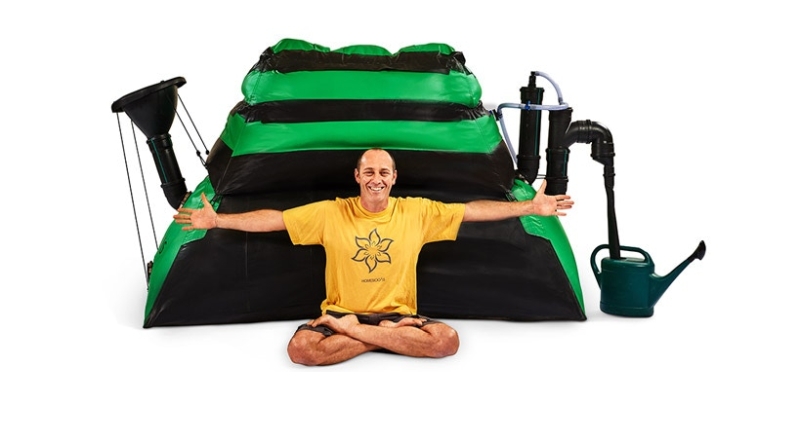
In reality, the above sci-fi prediction,  as shown in the movie, has yet to take place. Even with this in mind, creating bio-fuel in the form of cooking gas is now possible using food scraps, animal wastes and even human poop. A portable device which does this conversion  is now being marketed by an Israel based company HOMEBIOGAS 

HOMEBIOGAS displayed its portable biomass converter at a recent Cleantech exposition and seminar in Tel Aviv. The device converts food waste like fruit and veggie scraps meat scraps and other organic material into safe and usable bio-gas in a process similar to producing compost fertilizer for your garden. The device, called the BioGas, simply breaks down the composition of food and other organic waste products in 4 easy steps:

1. Food waste is fed into the device’s “fuel” intake tube (shades of the professor’s Delorean).
2. Biomass consuming bacteria placed in the device, or appliance, breaks down the organic waste in an internal “digester”.
3. The biomass breakdown process creates methane bio-gas that is stored in a special gas holding bag on top of the appliance.
4. The created bio-gas then flows into a gas stove or burner for home use.

A “spinoff” by-product of this procedure is a high quality liquid fertilizer that has a variety of uses in home gardens, lawns and the like.

The portable Biogas appliance sells for around $500 and is now being marketed in more than 92 countries. The device’s “digester tank” holds up; to 1,200 liters of organic material and the bio-gas holding tank holds up to 700 liters of converted bio fuel.

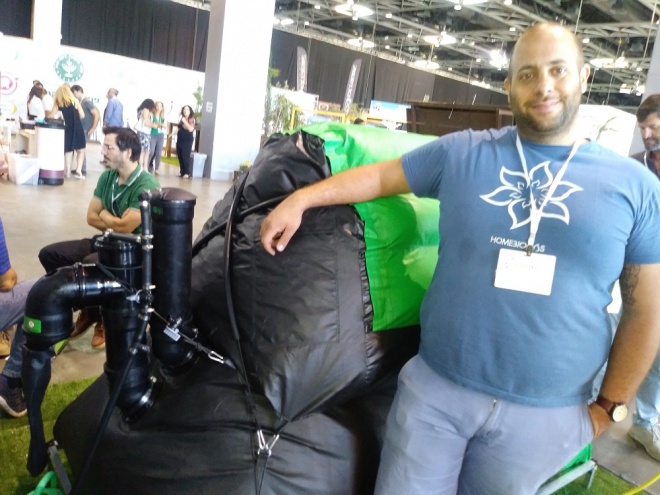
The model on display even had a portable toilet attached to it, similar to one used in boats and campers. “It is possible to use human waste, including toilet paper, for making biogas” says one of the company’s marketing representatives, Oriya Barkai, Regional sales Manager (see photo}. who was present at the Cleantech fair.

Barkai says that a safety feature of the appliance is that the pressure of the bio-gas in the holding tank is much less than accumulated gas a conventional propane or LP gas tank. Being made almost entirely out of PVC type plastic materials and perhaps subject to leakage or rupture could be a possible fire hazard, however.

Read more on biomass composting and biomass energy:

Poultry poop could be a remarkable energy source

The Urban Death Project will turn your dead body into beetroot

Algae returns as fuel for our future

All The Important Details You Need To Know About EHIC

0

The European Health Insurance Card (EHIC) is a free card that lets you have the right of accessing the state-provided healthcare during your temporary stay in any of the twenty-seven countries of European Union. It also includes Switzerland and the EEA (European Economic Area) nations of Liechtenstein, Iceland, and Norway. The advantages of the EHIC include in-patient stays and GP visits. Most of the countries that have a health system like that of NHS, except that you might have to pay a minimal amount as the cost of treatment, for instance, to see the GP. You might also need to pay up for care, and afterwards, claim it back when you come back home.

The need for travel insurance besides EHIC

Many people think of EHIC as something that provides all the emergency cover as needed. They believe that E111 Renewal will let them happily let go of all benefits offered by travel insurance. However, this is a gross misconception as EHIC is not the alternative to the travel insurance and it will not cover any private medical costs or healthcare.

When you are seeking treatment, it is necessary to ensure that you get the treatment in public health systems and not as private patients. These are the two categories that are not easily discernible, and so, you need to take care that you get the treatment for an EHIC patient if your condition allows you to be so.

The coverage of EHIC in the regions of Europe

EHIC does not cover all the places of Europe, and there are some areas that are omitted which include the Vatican, San Marino, Monaco, the Isle of Man, and the Channel Islands. If these are any of the places that are included in your travel itinerary, make sure you get travel insurance before you go for an E111 Renewal.

While the places like Serbia, Montenegro, and Macedonia lie outside the EEA and the EU, the United Kingdom has many reciprocal healthcare agreements that work similar to the EHIC. There are similar arrangements in other countries as well, like New Zealand and Australia for which EHIC is not needed. However, the thing to note here is that these treaties will not cover your journey between Australasia and the UK.

The ways to get an EHIC

You can search online when looking for an EHIC, but there are many online sites that are fraudulent and charge you a hefty amount but come to no aid. It is best to log on to a trusted site and apply for the card. The card remains valid for five years. You can make an application for the replacement after four and half years, which might be convenient and it is definitely a good idea as it will be a hassle if your old card expires while you are travelling.

If you lose the EHIC card when you are in the United Kingdom, you can apply for a new one right then. If you lose it abroad, you can call up the overseas healthcare team.


Almond Butter You Can Make In 20 Minutes

0

Environmental Arson From Gaza Still Blazes In Southern Israel

0
burned nature reserve israel
Cattle egret searches for food in burned Be’eri nature reserve. Credit: APF Menahem Kahana

Our previous post about this under-reported eco-disaster made some ripples in the media, but it’s a mistake to assume that the flames have already died out. Three months of daily attacks have caused staggering environmental damage to Israel’s southern communities and nature reserves. Every day brings fresh news of fires and damage.

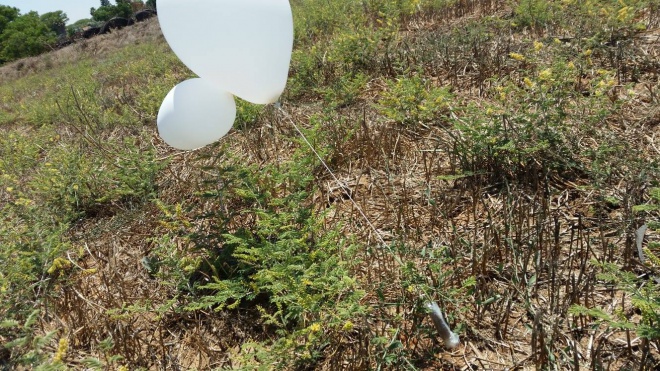
It started with a couple of teenagers who thought it would be fun to attach burning rags to kite tails and set some Israeli fields on fire. Hamas quickly realized that the cheaply-produced kites are an effective tactic for harassing people across the border fence and damaging Israeli fields. They took over, expanding operations to fire-bearing balloons and helium-filled condoms, some with Molotov cocktails tied to their strings.

Summer winds carry the fiery weapons over the fence. Some have landed in playgrounds and home gardens, where children already know not to touch stray kites and balloons. Here’s one balloon with an explosive that drifted as far as 20 kilometers into Israel.

balloon with molotov cocktail
Balloon with explosive attrached. Credit: Matan Tzuri.

It’s estimated that incinerated farmland and nature reserves amount to about 17,500 dunams (4,300 acres, or 7 square miles). While the arson continues, those numbers will only go up. The Israel Nature and Parks Authority reports that some of the reserves have suffered irreparable damage.

What kind of damage are we talking about? Let’s start with the flora. According to the Jewish National Fund, in the reserves grew fig, pine, agave and carob groves. A rare wild garlic. Flowering quills that covered the lands with white every spring. Spur flax, brushwood, rockrose, pink sun-rose, thorny saltwort, and Egyptian sage. The Palestine iris, the anemone, the scarlet crowfoot and the Carmel bee orchid.

Anemones Be'eri Nature Reserve
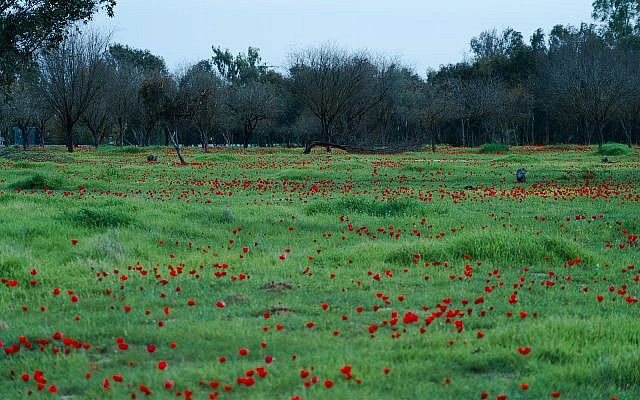
Be’eri Nature Reserve covered with anemones in springtime. Credit: Luke Tress

That’s just for starters. Hundreds of wild and man-sown species that supplied wildlife with food and shade – and delight in nature to people hiking through the reserve – are but black ashes now.

Be'eri Nature Reserve after kite fires
Be’eri Nature Reserve after kite fires via DRONEIMAGEBANK.

The Be’eri and Karmia reserves were host to gazelles, snakes, Indian porcupines, turtles and desert monitor lizards, which are so rare as to be monitored with hidden cameras; as well as hyenas, cranes and swamp cats, among others.

Koby Sofer, KKL ranger at Israel’s southern coastal plain, notes, “Swamp cats, cranes, hyenas and their cubs populate the reserve during this time of year. I assume the hyenas knew how to lead their cubs out of areas inflicted by the fire, although not always. Most of the damage done is to the reptile population and ground-incubating animals such as partridges and their chicks. There are birds that are still nesting.”

Nesting birds, which include the Eurasian hobby falcon, would have abandoned their nests and the eggs or fledglings to escape the flames.

Sofer, who holds a count of mammals crossing the Bee’ri reserve every spring, continues, “We’re talking about a bushy area that houses many animals who felt protected here. Our tortoises obviously didn’t have a chance to escape the fire, as well as the snakes that didn’t take cover. I assume that animals deep inside holes in the ground are protected,” he concluded.

Rafi Bavian, security officer of the Sdot Negev Regional Council, said in a interview with Ynet news, “We’re sure that time will do its part. When the rains return, plants will flower again. But to see the crater area burned like this, and to think of all the animals burned to death, is heartbreaking.”

sheep flee fire Israeli nature reserve
Sheep flee fires on nature reserve. Credit: Barel Efraim.

We noted that people on both sides of the border are suffering from smoke and tear gas inhalation in our previous posts. While we can only report on health damage from the Israeli side, these are known facts: the rate of asthma attacks in children who live in the southern Negev is soaring.

Gaza arson burns forests
Devastation of forests near Moshav Sde Avraham. Credit: Sara Lischinsky.

Sara Lischinsky of Moshav Sde Avraham observed a bulldozer tracing a swath around her home, cutting dry vegetation down – just in case fire approaches. Fire has already come close to several houses on her moshav.

Gaza arson fires in Israel
Kite fires near homes. Credit Sara Lischinsky.

No wonder that stress is so prevalent that classes in mental resiliency have opened in the area. Those are only two long-lasting effects on the southern population of Israel. But then – those who care nothing about precious natural reserves don’t care about human lives, either.

Learn About Sustainability and How to Start at Home

IMJ-tree-house-by-Ifat-Finkelman-and-Deborah-Warschawski

Sustainable living is a practice whereby you reduce the consumption of natural resources. This sometimes could mean foregoing a product created through practices that do not support nature. In other instances, it could be translated to mean altering the way you do things so as to become an active part of the life cycle. With the depletion of resources and problems like global warming rocking the world, everyone is encouraged to try sustainable measures that help to protect the environment. At your home, you could lead with sustainability measures that are easy to implement.

Here are few ideas you could try out.

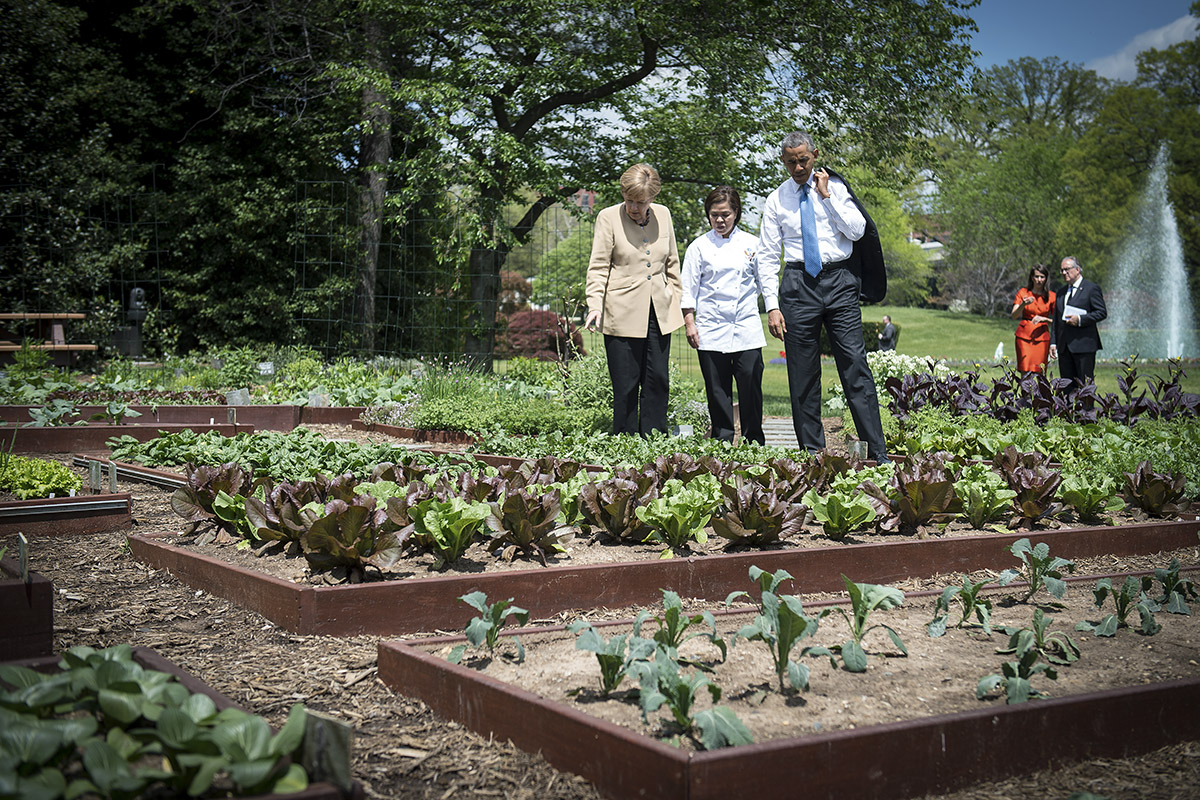
Be a community garden member

sustainable living, eco houses

This is not just about producing your own products, but it’s a process you embark on to help in collective effort to conserve the environment in the farming process. Community gardening promotes sustainable living and the gardens create green spaces. The garden waste produced can be recycled into mulches, which go back to enrich the soil. In urban areas, green spaces help in not only enhancing the beauty of spaces but could be a good solution for offsetting carbon emissions. It helps to clean the air as the carbon is absorbed by the plants.

Embrace minimalism

IMJ-tree-house-by-Ifat-Finkelman-and-Deborah-Warschawski

Some people confuse the idea of minimalism with living on nothing, but that is not what it’s about. It means ensuring that all the things you own and use are put to maximum use and no waste is tolerated. Materials that are recovered as waste from processes are supposed to be returned to the production process to serve as raw materials. A minimalistic lifestyle helps you to recycle a lot more, and it will encourage you to be mindful of things you produce so as to emphasize on sustainability.

Change to more efficient lights

sustainable living, eco houses

There is a big concern about the materials going to landfills. One of the ideas supported by experts on Eco Peanut is to reduce the use of products that are likely to cause this pollution. The lights you use in your home should not only help in energy conservation, but the source should be natural to avoid waste that would end in landfills. A good idea would include changing your traditional bulbs to CFL and using other natural light solutions. Longer lasting and energy efficient light sources will help to minimize waste that goes into landfills.

Use natural cleaners

camel milk soaps

The cleaners you use at home are made from a mixture of chemicals that if released to the environment could cause damage. To live sustainably, you are encouraged to use natural cleaners, which could be made at home from natural products. Vinegar can be used with water to clean surfaces, and saponin from quinoa works as a natural laundry detergent. When you use these cleaners, you will help in reducing plastic packaging and it also helps in protecting the water system from chemicals that would cause contamination.

Reduce, reuse, recycle

sustainable living, eco houses

Buying new products may feel like making your life more comfortable, but when you think about it you are contributing to making the environment dirtier. A solution you would consider is to reduce the need to get new products. This will translate to less waste, and it also means there will be less to reuse and recycle. To support the resolution to reduce waste, learn how to reuse items, which can be done through repurposing of products for other uses. Also, recycle waste cans and bottles. Get a recycle bin that you can fill then deliver the trash to a recycling station. Doing so ensures you don’t let waste go into the landfill.

Carpool, bike or walk to work

sustainable living, eco houses

Driving is one of the biggest contributors to pollution and with electric cars yet to become mainstream, this challenge stands unshaken. You could contribute in your small way by reducing the number of times you use a car to travel to work or places you could walk or cycle to. If you really need to use a car, then carpooling would be a good idea instead of each person driving themselves. Doing this might not appear to be something big, but collectively if other 1000 people embrace the same idea the impact will be huge. You could encourage your friends to also do this.

Unplug devices not in use

National Unplug Day

In the spirit of conserving energy, you should consider unplugging devices that are not in use out of power. Even when off, some electronic devices continue drawing power and this could inflate your power bill. Help in saving energy while also protecting your wallet, so simply unplug any devices you are not using until the need to have them on arises.

Use daylight

sustainable living, eco houses

Sunlight comes free and will not cost you a cent. When you use sunlight during the day, you help to minimize your dependence on fossil fuels for electricity. Solar panels could help you to get the electricity you need to power your gadgets and light your home, without having to use any fossils that will end polluting the environment. Some solar generators can even be used as a replacement for electricity and will sufficiently supply the energy you need. When you are camping, instead of having a gasoline powered generator you could find a solar generator that will serve the same purpose without polluting.

Green home building

floating home

Experts in support of sustainable living suggest that it’s good to consider constructing a smaller house that will not consume a lot of energy. You will spend less on lighting, furnishing, and furniture, and to further save you can get the items from a thrift store then donate them when you no longer need them. Integrate green home technology while building to allow your home to run on sustainable sources of energy.

It’s the responsibility of everyone to keep their surroundings clean and healthy. A good solution that would make this possible is to embrace sustainability, which supports processes and ideas that encourage making the environment clean and better. It is a way of life that is anchored in preventing pollution and ensuring you conserve energy while using reusable products.

Where Should I Host My Website? A Simple Beginners Guide To Web Hosting

1

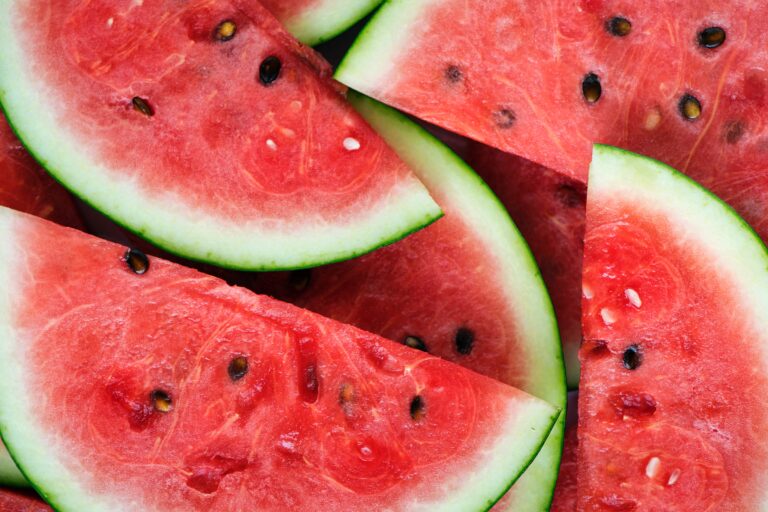
watermelon
So, you would like a web host for your newly created “green” website but haven’t a ‘clue’ how to begin to find one or what questions to ask if you have one in mind. It is understandable. The worldwide web can boggle all who like to ‘toggle’ between websites.

The best web hosting services allows website owners space on their server so that computer applications such as Firefox, Internet Explorer, Google, and Safari can access the files of said websites a server holds. The best web hosting services needs to have an in-depth understanding the technical issues of websites, the speed of load times, installing of various applications for their website customers, knowledge of SSL encrypted security between server and end user accessing a website.

Web hosting carries a great deal of responsibility in addition to just storing of web pages for the end user website owner. The best web hosting services provide a diverse range of other service options including domain name registration, email hosting services, SSL certificates, opportunity for website building, template style, eliminating the need for a web designer. Best web hosting services are able to bring speed of opening up a web page and have little to no ‘crashes.’ The server should keep a website running 99.9 percent of the time.
This is called, logically, uptime!

A web host is a necessity as no one is going to be able to view your site with its creative text, images, and artwork unless the pages are stored on a central computer known as a web server. When you learn how to host your own website on such a server you are now part of that immense world-wide web!

The best web hosting services will always provide a variety of plans in order to get a website published on the worldwide web. Some of the plans you can ask for are:

Shared Server Hosting: In this hosting plan, which is good for e-commerce sites, several webmasters will share space on a single server. This cost effective web hosting plan is good for static websites that are basic in design and need no high performance features.

Dedicated Server Hosting: A dedicated server can be costly but with such your website will not be affected by other website data as could occur in a shared server hosting plan. This web host plan would work best when
your site is attracting a lot of traffic that could bring site to crash for the overload of data being sent out continuously. Dedicated Servers are best for e-commerce sites.

Cloud Server Hosting: Cloud hosting is done through multiple servers that are networked with each other. With the multiple servers acting as one single server there comes such benefits as load balancing, no one point of failure, one server will back up the connecting server, and increased security of data transmitted. Cloud computing is easier on the budget as the web host companies will only charge on the basis of use of server. If you expect a day of large web traffic you can scale up website resources.

How To Choose The Best Watermelon

0

How often have you brought a watermelon home and cut it open to find it watery and bland? Disappointing, right? But read on to discover the signs of a sweet, juicy melon. Next time, you’ll spot the best one in the lot.

First, pick it up and feel its weight. If it’s heavy for its size, that’s a sign that its full of juice.

But is the juice in that watermelon sweet?

A yellow patch on the bottom end, which is where the melon lay on the field, indicates that it was picked when ripe. If the field patch is green or cream-colored, the melon won’t be sweet. Look at the photo below. The melon on the right at the second row from the bottom has a good-sized, dark yellow area around the bottom. That would be the one to take home.

If you look closely, you’ll also see that in the yellow part are brown lines, called webbing. The lines are signals that pollinating insects visited the watermelon flower. The more pollination, the more webbing, and the sweeter the melon.

A ripe melon will have a dull, not shiny surface that’s mostly smooth. Reject melons with cracks or soft spots.

Now turn the melon around and observe the stem. A green, inflexible stem shows that the melon isn’t ripe yet. Ideally, a good melon’s stem should be brown and almost dry.

Last, give its underbelly a good thump. A ripe melon will answer with a hollow boom, not a dull, dense sound.

We have lots of ways to enjoy watermelon – try some of our frozen watermelon desserts. And save the rind! Watermelon rind jam is an unusual, delicious way to use up every bit of the fruit.

A practitioner of Chinese medicine once told me that watermelons are a paradox: very yang with their bright red color, and very yin with their abundant juice. A mystery! Aren’t watermelons wonderful?