

Learn About Sustainability and How to Start at Home

IMJ-tree-house-by-Ifat-Finkelman-and-Deborah-Warschawski

Sustainable living is a practice whereby you reduce the consumption of natural resources. This sometimes could mean foregoing a product created through practices that do not support nature. In other instances, it could be translated to mean altering the way you do things so as to become an active part of the life cycle. With the depletion of resources and problems like global warming rocking the world, everyone is encouraged to try sustainable measures that help to protect the environment. At your home, you could lead with sustainability measures that are easy to implement.

Here are few ideas you could try out.

Be a community garden member
sustainable living, eco houses

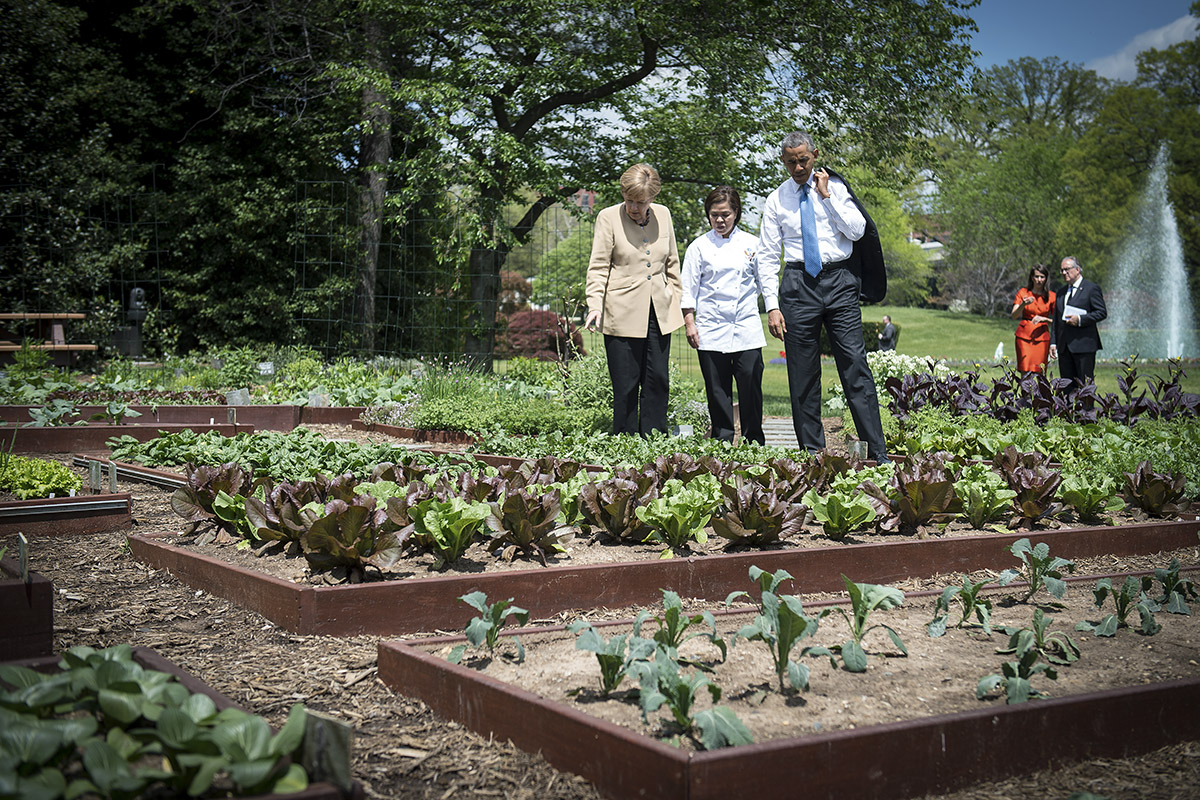
This is not just about producing your own products, but it’s a process you embark on to help in collective effort to conserve the environment in the farming process. Community gardening promotes sustainable living and the gardens create green spaces. The garden waste produced can be recycled into mulches, which go back to enrich the soil. In urban areas, green spaces help in not only enhancing the beauty of spaces but could be a good solution for offsetting carbon emissions. It helps to clean the air as the carbon is absorbed by the plants.

Embrace minimalism

IMJ-tree-house-by-Ifat-Finkelman-and-Deborah-Warschawski

Some people confuse the idea of minimalism with living on nothing, but that is not what it’s about. It means ensuring that all the things you own and use are put to maximum use and no waste is tolerated. Materials that are recovered as waste from processes are supposed to be returned to the production process to serve as raw materials. A minimalistic lifestyle helps you to recycle a lot more, and it will encourage you to be mindful of things you produce so as to emphasize on sustainability.

Change to more efficient lights

sustainable living, eco houses

There is a big concern about the materials going to landfills. One of the ideas supported by experts on Eco Peanut is to reduce the use of products that are likely to cause this pollution. The lights you use in your home should not only help in energy conservation, but the source should be natural to avoid waste that would end in landfills. A good idea would include changing your traditional bulbs to CFL and using other natural light solutions. Longer lasting and energy efficient light sources will help to minimize waste that goes into landfills.

Use natural cleaners

camel milk soaps

The cleaners you use at home are made from a mixture of chemicals that if released to the environment could cause damage. To live sustainably, you are encouraged to use natural cleaners, which could be made at home from natural products. Vinegar can be used with water to clean surfaces, and saponin from quinoa works as a natural laundry detergent. When you use these cleaners, you will help in reducing plastic packaging and it also helps in protecting the water system from chemicals that would cause contamination.

Reduce, reuse, recycle
sustainable living, eco houses

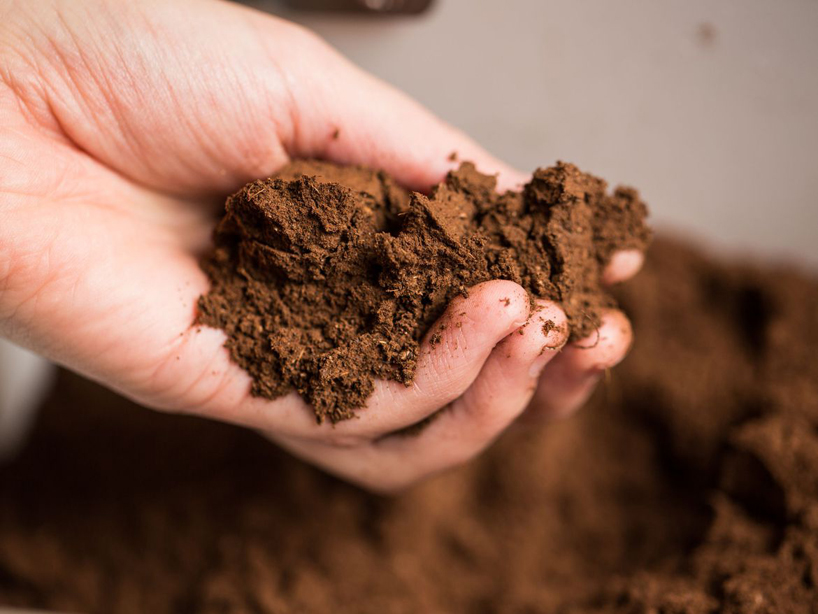
Buying new products may feel like making your life more comfortable, but when you think about it you are contributing to making the environment dirtier. A solution you would consider is to reduce the need to get new products. This will translate to less waste, and it also means there will be less to reuse and recycle. To support the resolution to reduce waste, learn how to reuse items, which can be done through repurposing of products for other uses. Also, recycle waste cans and bottles. Get a recycle bin that you can fill then deliver the trash to a recycling station. Doing so ensures you don’t let waste go into the landfill.

Carpool, bike or walk to work
sustainable living, eco houses

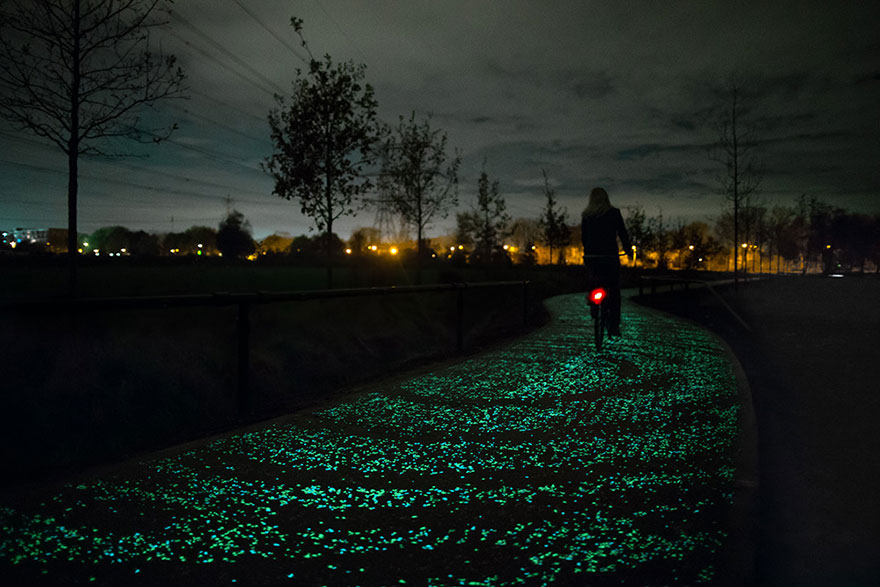
Driving is one of the biggest contributors to pollution and with electric cars yet to become mainstream, this challenge stands unshaken. You could contribute in your small way by reducing the number of times you use a car to travel to work or places you could walk or cycle to. If you really need to use a car, then carpooling would be a good idea instead of each person driving themselves. Doing this might not appear to be something big, but collectively if other 1000 people embrace the same idea the impact will be huge. You could encourage your friends to also do this.

Unplug devices not in use

National Unplug Day

In the spirit of conserving energy, you should consider unplugging devices that are not in use out of power. Even when off, some electronic devices continue drawing power and this could inflate your power bill. Help in saving energy while also protecting your wallet, so simply unplug any devices you are not using until the need to have them on arises.

Use daylight

sustainable living, eco houses

Sunlight comes free and will not cost you a cent. When you use sunlight during the day, you help to minimize your dependence on fossil fuels for electricity. Solar panels could help you to get the electricity you need to power your gadgets and light your home, without having to use any fossils that will end polluting the environment. Some solar generators can even be used as a replacement for electricity and will sufficiently supply the energy you need. When you are camping, instead of having a gasoline powered generator you could find a solar generator that will serve the same purpose without polluting.

Green home building

floating home

Experts in support of sustainable living suggest that it’s good to consider constructing a smaller house that will not consume a lot of energy. You will spend less on lighting, furnishing, and furniture, and to further save you can get the items from a thrift store then donate them when you no longer need them. Integrate green home technology while building to allow your home to run on sustainable sources of energy.

It’s the responsibility of everyone to keep their surroundings clean and healthy. A good solution that would make this possible is to embrace sustainability, which supports processes and ideas that encourage making the environment clean and better. It is a way of life that is anchored in preventing pollution and ensuring you conserve energy while using reusable products.


Bhok Thompson
Bhok Thompsonhttp://www.greenprophet.com
Bhok Thompson is an “eco-tinkerer” who thrives at the intersection of sustainability, business, and cutting-edge technology. With a background in mechanical engineering and a deep fascination with renewable energy, Bhok has dedicated his career to developing innovative solutions that bridge environmental consciousness with profitability. A frequent contributor to Green Prophet, Bhok writes about futuristic green tech, urban sustainability, and the latest trends in eco-friendly startups. His passion for engineering meets his love for business as he mentors young entrepreneurs looking to create scalable, impact-driven companies. Beyond his work, Bhok is an avid collector of vintage mechanical watches, believing they represent an era of precision and craftsmanship that modern technology often overlooks. Reach out: [email protected]

Read More

TRENDING

90% of Americans worry about microplastics

Microplastics are showing up everywhere—from dollar store toys and synthetic clothing to bottled water, toothbrushes and even human sperm. A new Ocean Conservancy survey finds that nearly 9 in 10 Americans are concerned about the health impacts of microplastics, while support is growing for tougher regulations. As scientists uncover plastic particles in the heart, placenta and reproductive organs, the question is no longer whether microplastics are affecting our lives, but how much damage they are already doing.

Understanding Food Production: Karl Studer on the Urban-Rural Knowledge Gap

Karl Studer occupies an unusual position in American business. As President of Quanta Services, he oversees electrical infrastructure operations across the United States, Canada, and Australia, managing thousands of employees and multibillion-dollar projects.

Tigris River oil spill highlights Iraq’s environmental oversight and our addiction to oil

A fresh oil spill in the Tigris River, filmed by an Iraqi university student, has reignited concern over Iraq's polluted waterways. From ancient Mesopotamia to modern Basra, the country's dependence on oil has come at a steep environmental and human cost, with activists warning that unchecked contamination is putting ecosystems and public health at risk.

Doctor-Led Direct Hair Transplant: What Surgeon Involvement Means for Outcomes

Hair restoration technology continues to evolve, but the surgeon behind the procedure remains the most important factor. Doctor-led hair transplants emphasize careful diagnosis, conservative donor management, natural hairline design, and long-term planning rather than simply maximizing graft counts. By treating donor hair as a limited resource and tailoring each procedure to the patient's future hair loss, experienced surgeons can reduce the need for corrective surgery while delivering more natural, sustainable results.

Data centers in Space? Sophia Space and Apex plan on busing them in

Can data centers really be built in space? Pasadena-based Sophia Space is partnering with Apex to test the idea by launching modular AI computing systems into low Earth orbit in 2027. Using radiation-hardened compute TILEs cooled by passive radiative systems and mounted on scalable satellite buses, the companies aim to prove that edge computing can operate reliably in space. While challenges remain, the project represents an important step toward distributed orbital computing networks that could support everything from climate monitoring and pollution tracking to autonomous spacecraft navigation in an increasingly crowded orbital environment.

Yerukim Forms a New Green Economy Where the Money is Really Green

The Yerukim members who pick up the recyclables get to keep the monetary reward, the public earns "green" bills that can be used in shops, and business owners get to be associated with environmentalism.

Choosing Riyadh over Dubai? What Investors Should Know

Saudi Arabia is deploying capital at unmatched scale to catalyze tourism and advanced industry while rewiring its power-and-water backbone. The investable frontier is widening—especially in renewables, grid storage, water efficiency/desal retrofits, and hospitality operating platforms. Prudent investors will insist on phased delivery, enforceable KPIs (energy, water, biodiversity), and RHQ/zone compliance—while pricing political-economy and reputational risks alongside growth upside.

Sell your cooking oil for biodiesel money

Want to make money on old french fry oil? Sell it.

Qatar Alternative Energy Summit Pairs Investors And Innovators

Alternative energy investors and innovators can meet n' greet in Doha, Qatar March 16 and 17.

Here’s How To Implement The Four Pillars Of Employee Engagement

If you throw a party for your work team and they are vegans, don't make it a barbecue. Know the sustainability values of your team to boost moral and retain good people.

Locals From Rishon Fight IKEA

Big Box stores are a pretty new concept in Israel, and thank God that not every Israeli city wants them in their backyard. A word from someone who has see the beautiful farmland around her hometown Newmarket, Ontario stripped and converted into vulgar strip malls of big box shops: they have no place in a healthy and sustainable town or city.

The Jewish National Fund Meets An Inconvenient Truth

According to the JNF, it has transformed thousands of acres of barren land into green forests in Israel. They state that each person emits about 23 tons of carbon per year, estimating that each tree planted can absorb one ton of carbon in its lifetime. That's a whole lot of trees you'd need to be planting. Could so many fit in Israel?

How to quiet noise from construction in your office

Streets need to be resurfaced in New York but the humming and grinding noise is unsettling. Noise is environmental pollution. 

Popular Categories