Research from the Wildlife Conservation Society (WCS) and the University of Queensland, published in Ocean & Coastal Management, found that nearly three out of four marine protected areas (MPAs) worldwide are exposed to sewage pollution.
At a time when climate anxiety can feel abstract and overwhelming, and being Jewish something people may need to hide in big cities, Adamah Los Angeles is trying something different: turning Jewish values into local climate action with dirt-under-the-fingernails practicality.
For families with kids, pets, or anyone trying to build a cleaner outdoor space, removing old astroturf is one of the simplest ways to reduce unnecessary exposure to plastics and heat. Some past studies suggest that if kids have played on these surfaces you need to wash their hands.
Artificial turf, the green plastic stuff that is supposed to look like grass, was sold to many home-owners as a clever compromise: a green-looking surface that makes you feel homey, but which needs no mowing. It survives heavy use, and in dry places like Middle East deserts, and in California or Texas, it can replace thirsty lawns. But it is toxic.
“In the midst of uncertain time, renewable energy remains consistent and steadfast in its expansion,” said Francesco La Camera, IRENA’s Director-General. “A more decentralised energy system, with a growing share of renewables and more market players, is structurally more resilient.”
Research from the Wildlife Conservation Society (WCS) and the University of Queensland, published in Ocean & Coastal Management, found that nearly three out of four marine protected areas (MPAs) worldwide are exposed to sewage pollution.
At a time when climate anxiety can feel abstract and overwhelming, and being Jewish something people may need to hide in big cities, Adamah Los Angeles is trying something different: turning Jewish values into local climate action with dirt-under-the-fingernails practicality.
For families with kids, pets, or anyone trying to build a cleaner outdoor space, removing old astroturf is one of the simplest ways to reduce unnecessary exposure to plastics and heat. Some past studies suggest that if kids have played on these surfaces you need to wash their hands.
Artificial turf, the green plastic stuff that is supposed to look like grass, was sold to many home-owners as a clever compromise: a green-looking surface that makes you feel homey, but which needs no mowing. It survives heavy use, and in dry places like Middle East deserts, and in California or Texas, it can replace thirsty lawns. But it is toxic.
“In the midst of uncertain time, renewable energy remains consistent and steadfast in its expansion,” said Francesco La Camera, IRENA’s Director-General. “A more decentralised energy system, with a growing share of renewables and more market players, is structurally more resilient.”
Research from the Wildlife Conservation Society (WCS) and the University of Queensland, published in Ocean & Coastal Management, found that nearly three out of four marine protected areas (MPAs) worldwide are exposed to sewage pollution.
At a time when climate anxiety can feel abstract and overwhelming, and being Jewish something people may need to hide in big cities, Adamah Los Angeles is trying something different: turning Jewish values into local climate action with dirt-under-the-fingernails practicality.
For families with kids, pets, or anyone trying to build a cleaner outdoor space, removing old astroturf is one of the simplest ways to reduce unnecessary exposure to plastics and heat. Some past studies suggest that if kids have played on these surfaces you need to wash their hands.
Artificial turf, the green plastic stuff that is supposed to look like grass, was sold to many home-owners as a clever compromise: a green-looking surface that makes you feel homey, but which needs no mowing. It survives heavy use, and in dry places like Middle East deserts, and in California or Texas, it can replace thirsty lawns. But it is toxic.
“In the midst of uncertain time, renewable energy remains consistent and steadfast in its expansion,” said Francesco La Camera, IRENA’s Director-General. “A more decentralised energy system, with a growing share of renewables and more market players, is structurally more resilient.”
Research from the Wildlife Conservation Society (WCS) and the University of Queensland, published in Ocean & Coastal Management, found that nearly three out of four marine protected areas (MPAs) worldwide are exposed to sewage pollution.
At a time when climate anxiety can feel abstract and overwhelming, and being Jewish something people may need to hide in big cities, Adamah Los Angeles is trying something different: turning Jewish values into local climate action with dirt-under-the-fingernails practicality.
For families with kids, pets, or anyone trying to build a cleaner outdoor space, removing old astroturf is one of the simplest ways to reduce unnecessary exposure to plastics and heat. Some past studies suggest that if kids have played on these surfaces you need to wash their hands.
Artificial turf, the green plastic stuff that is supposed to look like grass, was sold to many home-owners as a clever compromise: a green-looking surface that makes you feel homey, but which needs no mowing. It survives heavy use, and in dry places like Middle East deserts, and in California or Texas, it can replace thirsty lawns. But it is toxic.
“In the midst of uncertain time, renewable energy remains consistent and steadfast in its expansion,” said Francesco La Camera, IRENA’s Director-General. “A more decentralised energy system, with a growing share of renewables and more market players, is structurally more resilient.”
Research from the Wildlife Conservation Society (WCS) and the University of Queensland, published in Ocean & Coastal Management, found that nearly three out of four marine protected areas (MPAs) worldwide are exposed to sewage pollution.
At a time when climate anxiety can feel abstract and overwhelming, and being Jewish something people may need to hide in big cities, Adamah Los Angeles is trying something different: turning Jewish values into local climate action with dirt-under-the-fingernails practicality.
For families with kids, pets, or anyone trying to build a cleaner outdoor space, removing old astroturf is one of the simplest ways to reduce unnecessary exposure to plastics and heat. Some past studies suggest that if kids have played on these surfaces you need to wash their hands.
Artificial turf, the green plastic stuff that is supposed to look like grass, was sold to many home-owners as a clever compromise: a green-looking surface that makes you feel homey, but which needs no mowing. It survives heavy use, and in dry places like Middle East deserts, and in California or Texas, it can replace thirsty lawns. But it is toxic.
“In the midst of uncertain time, renewable energy remains consistent and steadfast in its expansion,” said Francesco La Camera, IRENA’s Director-General. “A more decentralised energy system, with a growing share of renewables and more market players, is structurally more resilient.”
Research from the Wildlife Conservation Society (WCS) and the University of Queensland, published in Ocean & Coastal Management, found that nearly three out of four marine protected areas (MPAs) worldwide are exposed to sewage pollution.
At a time when climate anxiety can feel abstract and overwhelming, and being Jewish something people may need to hide in big cities, Adamah Los Angeles is trying something different: turning Jewish values into local climate action with dirt-under-the-fingernails practicality.
For families with kids, pets, or anyone trying to build a cleaner outdoor space, removing old astroturf is one of the simplest ways to reduce unnecessary exposure to plastics and heat. Some past studies suggest that if kids have played on these surfaces you need to wash their hands.
Artificial turf, the green plastic stuff that is supposed to look like grass, was sold to many home-owners as a clever compromise: a green-looking surface that makes you feel homey, but which needs no mowing. It survives heavy use, and in dry places like Middle East deserts, and in California or Texas, it can replace thirsty lawns. But it is toxic.
“In the midst of uncertain time, renewable energy remains consistent and steadfast in its expansion,” said Francesco La Camera, IRENA’s Director-General. “A more decentralised energy system, with a growing share of renewables and more market players, is structurally more resilient.”
Research from the Wildlife Conservation Society (WCS) and the University of Queensland, published in Ocean & Coastal Management, found that nearly three out of four marine protected areas (MPAs) worldwide are exposed to sewage pollution.
At a time when climate anxiety can feel abstract and overwhelming, and being Jewish something people may need to hide in big cities, Adamah Los Angeles is trying something different: turning Jewish values into local climate action with dirt-under-the-fingernails practicality.
For families with kids, pets, or anyone trying to build a cleaner outdoor space, removing old astroturf is one of the simplest ways to reduce unnecessary exposure to plastics and heat. Some past studies suggest that if kids have played on these surfaces you need to wash their hands.
Artificial turf, the green plastic stuff that is supposed to look like grass, was sold to many home-owners as a clever compromise: a green-looking surface that makes you feel homey, but which needs no mowing. It survives heavy use, and in dry places like Middle East deserts, and in California or Texas, it can replace thirsty lawns. But it is toxic.
“In the midst of uncertain time, renewable energy remains consistent and steadfast in its expansion,” said Francesco La Camera, IRENA’s Director-General. “A more decentralised energy system, with a growing share of renewables and more market players, is structurally more resilient.”
Research from the Wildlife Conservation Society (WCS) and the University of Queensland, published in Ocean & Coastal Management, found that nearly three out of four marine protected areas (MPAs) worldwide are exposed to sewage pollution.
At a time when climate anxiety can feel abstract and overwhelming, and being Jewish something people may need to hide in big cities, Adamah Los Angeles is trying something different: turning Jewish values into local climate action with dirt-under-the-fingernails practicality.
For families with kids, pets, or anyone trying to build a cleaner outdoor space, removing old astroturf is one of the simplest ways to reduce unnecessary exposure to plastics and heat. Some past studies suggest that if kids have played on these surfaces you need to wash their hands.
Artificial turf, the green plastic stuff that is supposed to look like grass, was sold to many home-owners as a clever compromise: a green-looking surface that makes you feel homey, but which needs no mowing. It survives heavy use, and in dry places like Middle East deserts, and in California or Texas, it can replace thirsty lawns. But it is toxic.
“In the midst of uncertain time, renewable energy remains consistent and steadfast in its expansion,” said Francesco La Camera, IRENA’s Director-General. “A more decentralised energy system, with a growing share of renewables and more market players, is structurally more resilient.”
Always on the edge of innovation. Dubai is an interesting place to start a green business for entry to the global stage.
The large number of foreign investors registered in Dubai shows that this destination offers numerous business benefits and the possibility of developing economic activities at a fast pace. In the recent years, the UAE has become a hotspot for anyone willing to establish his/her business presence in most of the sectors of interest without harsh conditions and with the opportunity of making money quite rapidly. The tax regime and the complete control in the company are important benefits to consider at the time you plan to open a business in Dubai.
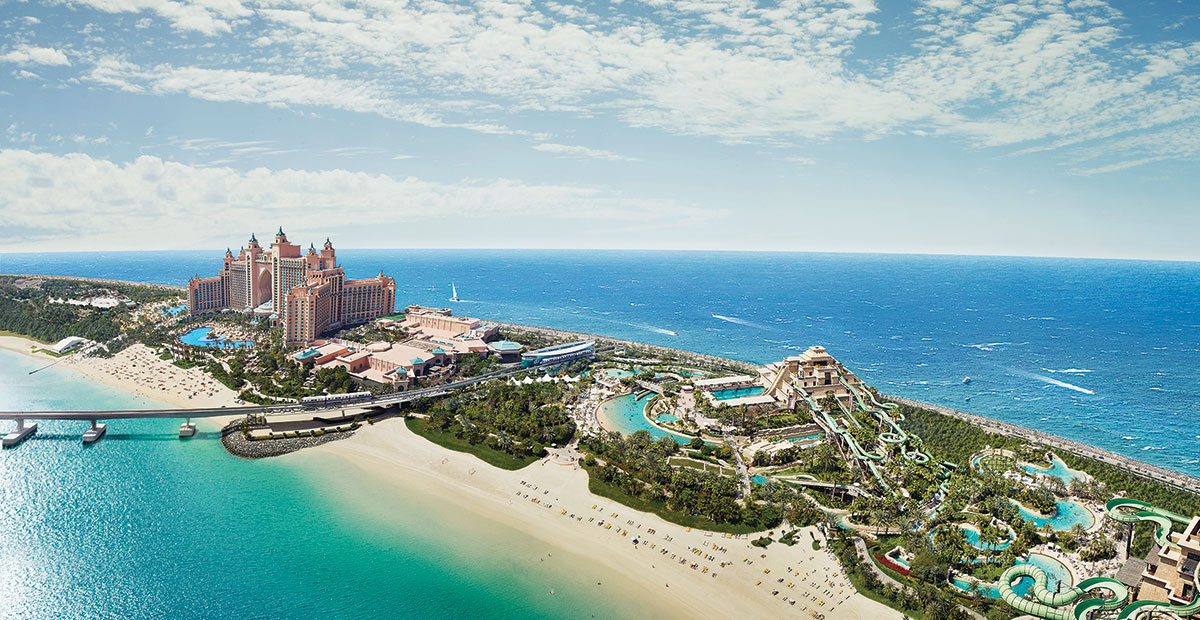
Dubai builds its own Atlantis!
The taxation regime is appealing
Without any doubt, the tax structure in the UAE is on the list of investors wanting to take advantage of a solid and attractive business destination. The good news is that there is no corporate tax and no dividend tax, allowing international entrepreneurs to spend these amounts in other directions. Moreover, if you plan a business in the retail sector in Dubai’s free trade zones, you can benefit from zero taxation, meaning that there are no tax duties and related fees. Even if the VAT of 5% has been introduced since January 2018, this isn’t an impediment for foreign investors because there are VAT exemptions in many sectors. Furthermore, besides the fact that there are tax benefits in Dubai, the startup costs and the annual maintenance expenses are quite low compared to other cities in the UAE
An easy registration procedure
If you are the type of investor who doesn’t want to wait too much for the incorporation procedures and related aspects, it is good to know that the company registration in Dubai is quite simple. Entrepreneurs from abroad can choose the easy registration steps in the business field, meaning that anyone can start a business within a few days without considering any registration complications. If you want to start a car rental business in Dubai for example, there is no need to consider complicated incorporation steps, especially if you plan to open such a company in the free trade zones of the city. The same thing is available for those investors wanting to open a dental clinic in Dubai and perform cosmetic dentistry procedures in a sector that continues to thrive.
The economy in Dubai is a business plus
The economy in Dubai is quite diversified meaning that the business opportunities are huge in most of the sectors. IT, research and development, tourism, the oil industry, and the real estate sector are only a few of the areas in which businesses are successful in Dubai.
Businesses sustained by a solid infrastructure
No matter the type of business you want to set up in Dubai, such as car rental, insurance or travel, you should know that the infrastructure is excellently developed. Dubai has all the transportation ways incredibly well-developed: by air, by sea and by road. It is a known fact that the UAE has one of the most developed infrastructures in the world and this is no exaggerated statement.
As a short conclusion, the benefits of starting a business in Dubai are huge, whether as a local entrepreneur or from overseas. The only thing left to do is to choose wisely the sector in which you are interested in generating profits.
I was a 70s kid. I saw the days it took for my mother to put up her flower-power wallpaper. Back then wallpaper was a must, along with bell-bottoms, Velveeta on celery sticks, and Disco. And as I learned over the years: it is sort of permanent, so you better make a solid choice. We still have wallpaper up from the 70s in my parent’s home in Canada! Back then you would have to first cover the paper with a stinking chemical glue and then carefully adhere the paper as it slowly dried to the wall. Many of us now look back at wallpaper and shirk.But things have changed. Today when we look for wallpaper, we want things that are chemical free and good for our spirit, mind, health and planet. If you live in the Middle East like I do you might want a wallpaper solution not just for a lovely earthy texture on your walls, you might want it to cover up the cracks or use it as the cherry on top of your green home.
A permanent fix for cracked plaster
The homes in the Middle East typically do not come with those flat and straight plaster boards. It is straight plaster on cinder blocks or over cement and plaster bricks. No matter how many times we replaster the walls at my home every season in Jaffa the old cement plaster house shifts and we get huge fissures running down the walls. There is nothing you can really do about that – it’s the nature of old buildings, but a good wallpaper can give you a few years of relief from the cracks.
When I was looking for wallpaper solutions for my family room I came across this really neat coming in Germany. They make a sustainably sourced and fully compostable wallpaper called Veruso Lino that gives your walls a modern look that is homey, warm and easy to maintain.
Veruso Lino is a woven wallpaper made of plant-based materials such as linen and a wood composite, requiring little water to grow.
The company “Wallpaper from the 70s” (yes! that’s their name!) apply a new felting technique in the production so that they don’t use hazardous off-gassing chemicals in the binding process. Going all the way they use natural dyes in warm neutral hues and seeing the actual plant fibres on your wall gives you a back to nature vibe even if you are living in the middle of Istanbul or Cairo. Old-school papers that our parents used were full of plastics and impossible to recycle after they are pulled off the wall. We can even hazard to guess that the Veruso Lino line can be painted over one day, or maybe even stained over when you want to change the look.“We are a small German company and fully believe our future must be sustainable. This is also why we decided to push Lino, although financially for us it’s not an easy proposition,” the company representative tells Green Prophet.
Other so-called “natural” paper or wood wallpaper products, according to the company are not really environmentally friendly because of the industrial dyes and adhesives used in the process. Then they are simply painted with commercial wall paints and synthetic resins.
Imagine the Blue Fields of Normandy
The majority of the Lino wallpaper is made from flax. Flax fibres are one of the oldest cultivated fibres known to mankind. Grown in Normandy in Northern France, consider that before they were on your walls the flax was part of that gorgeous bright blue landscape soaking up the sun (sort of reminds me of my Babaa natural wool sheep sweater that still has flecks of Spanish countryside in it from the sheep as they grazed). Flax, like hemp, is a very good utilitarian fibre perfect for regenerative agriculture Like are anti-static, dirt-repellent and antibacterial by nature!
Why not just flax?
Just on its own though flax would never stick to the wall – or maybe it would if you used crazy glue but that’s ridiculous. The company needed to make a composite and chose viscose which sounds synthetic but which is actually a wood based product sourced from Lenzing, a company in Austria that uses FSC-harvested wood in a closed cycle approach. Other cool features of owning a natural-fibre wall: heat insulating, moisture absorbent, low flammability ratings and sound absorbent!
As for pasting, the company also sells organic wallpapering paste. Small packets to which you add water.
· 100% pure methyl cellulose, made from wood fibre
· Free of fungicides, preservatives and synthetic resins
For about $10 a pack you are good for 6 rolls of wallpaper. I already see the new baby room coming to life. You too?
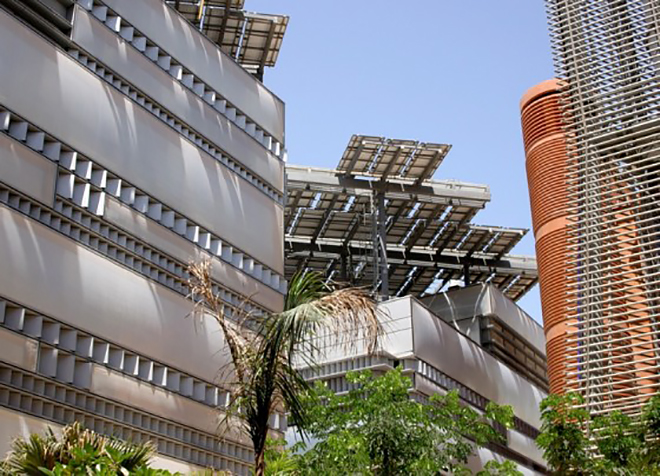
When Masdar, the space-age city in Abu Dhabi was in its planning stages, architects from Europe, building suppliers, advisors and energy creators were agog. A lot of purportedly “green building” was to take place and billions in contracts for wild dreams were to be awarded.
It was the same sort of energy surrounding Better Place the promised all electric car company that got almost a billion in investment which was squandered in all the wrong places. While Better Place was a good idea with a bad plan, Masdar was a bad idea with a good plan. With Masdar I always felt it was a story of the king not wearing any clothes, or like the meltdown of Amy Winehouse. All the players in the story were more than happy to go along with the lie because it was in their interest for the project to go ahead.
Masdar, an $18 billion experiment in sustainable living, was supposed to be the world’s first zero energy city. No building can be zero energy. Every building, village, town, city we create cannot be sustainable or perfectly environmental or zero energy. When we build on the environment, once a desert, forest or grassland, it is changed, maybe forever.
Masdar was also supposed to be liveable. When we sent a reporter there some years ago no people were in sight. We had one dispatch once from a student who was staying there and when she talked with us it felt like she was talking to from a closet.
Green building technology in the eyes of the planet is a bit of an oxymoron in my opinion especially when the people running the technology show are coming in with Western Silicon Valley ideals that are really incompatible with how I think future cities should look in the Middle East.
Fast Company points out the problem: “The Masdar City model seems difficult to reproduce: too isolated, too expensive, too empty. The embryo town appears rather as a symptom of the obsession of a state with regard to its future. What will become of this territory, once the hydrocarbon reserves underneath its soil are depleted? In response, the frenzied builders attempt to inscribe life in a permanent fashion on a land that seems hostile to human existence. It is about facing the fear of death by building quickly (an “instant city”), to help transition to an Emirates that is a techno-ecological leader. Masdar City is meant to be the laboratory. Opening soon . . . one day.”
Or never?
If we want to create progress in the Middle East in green building, architects, planners and investors need to move away from trendy ideas (shipping containers – read why we think they suck!) to going back to relationships with local traditions and cultures.
A few good places to start building greener in the Middle East:
Hassan Fathy was an Egyptian visionary architect who used local building materials to create relatable, affordable, comforting green buildings.
Mashrabiya is an aesthetic concept in the Middle East which creates shade and privacy and mitigates heat islands passively in buildings.
The Windcatchers of Yadz offer a fabulous, local solution to cooling rising temperatures that can go up to 50 degrees C in the Middle East.
Start with these few resources for a more modest approach before a layer of green technology or western ideology approaches Middle East architecture.
Throughout the globe, the population is aging at a rapid pace. Between 2016 and 2050, the ratio of the population all over the world that will have crossed 60 years of age will double from 12 to 22%. As is mental health important during any stage of life, it becomes even more vital during old age as both physically and mentally, a person starts facing various kinds of impairments. Neurological and mental health disorders among the seniors account for 6.7% of the total disability rate of the senior population. Around 20% of the adults who are above the age of 60 years suffer from some type of mental disorder, whether serious or not.
The older generation, who are above 60 years of age usually make necessary contributions to not only their families and their family assets but also to the society as active participants. Though most among them have perfect mental health, there are several adults who are at high risk of developing certain neurological, mental disorders or even substance abuse issues. Other health conditions like hearing loss, diabetes, rheumatoid arthritis or osteoarthritis are also a part of their old age. There are many unfortunate seniors who experience different conditions at the same time.
Too many seniors live with disability – What is the problem?
As mentioned above, the proportion of aging adults is all set to double to 12 to 22% and this implies a clear increase from 900 million to a whopping 2 billion people who will have crossed the age of 60 years. The older generation faces specific mental and physical health challenges which need to be diagnosed and treated on time.
More than 25% of the seniors above the age of 60 suffer from neurological and mental health disorder which excludes headache problems and 6.8% of all the seniors who are disabled among the 60 year olds is said to have occurred due to neurological and mental health disorders. Two of the mostly occurred neurodegenerative disorders that occur to the seniors are depression and dementia. Just after them, there are anxiety disorders which set an impact on 5-7% of the population. When seniors suffer from substance abuse issues, these are mostly left untreated.
In a nutshell, mental health issues among the seniors are usually under-identified by the professionals and by the senior patients. The social stigma that is still attached with mental health disorders actually bar people from seeking help. Individuals who are suffering from dementia in places like Prestons and Leppington can seek help of home care Prestons as professionals commit to take care of the patients.
The potential risk factors for mental health issues among seniors
There can arise several types of risk factors for all the above listed mental health disorders found in seniors. The elderly usually experience problems which are common to even the young and also those stressors which particularly occur to the seniors. Reduced mobility, frailty, chronic pain and several other health issues mark old age. The seniors are more vulnerable to experiencing events like a sudden drop in their socio-economic position due to their retirement or bereavement due to loneliness. Such life stressors lead to isolation and physical distress for which they might need long-term care from their family members.
We all know that there is a strong link between mental health and physical health. The older people who have heart conditions are more susceptible to mental decline and depression as compared to those that are healthy. Undiagnosed and unattended depression in a senior who also has heart issues can have a serious negative consequence in the near future.
Apart from these physical and mental conditions, one more things that the seniors are subject to is elderly abuse which includes verbal, physical, sexual, financial and psychological which rises from constant neglect, abandonment, huge losses and hurt to self-respect and dignity. There are proof of this fact that 1 among 6 elderly people can experience senior abuse which can even go to the extent of physical injuries which often lead to mental consequences like anxiety, panic attacks and depression.
The importance of maintaining consistent support systems and compassionate oversight cannot be overstated, as it plays a crucial role in enabling seniors to recover from trauma and retain independence through access to personal care services tailored to their emotional and physical needs. Ensuring these services are accessible helps reduce long-term harm and improve overall well-being among the elderly.
It’s the correct decision to seek outside help when the work becomes overwhelming due to medical complexities, emotional stress, or time constraints. Qualified experts who get paid to be a caregiver know every nuance of senior care, from managing medication schedules to providing companionship and emotional support. Their training allows them to adapt care plans as needs evolve, ensuring a higher quality of life. This dependable support can make all the difference for both seniors and their families.
Public health issues – Depression and Dementia
DEPRESSION
This is a mental health disorder which can cause huge amount of suffering as it can impair the way you have been functioning your life. Among the general senior population, unipolar depression happens to 7% of them and this disease accounts or 6% of the YLDs among the seniors. In primary care settings, depression is something which is mostly left undertreated and underdiagnosed. Symptoms are most often untreated as they seem similar to the normal process of aging. Depression also leads to poor overall health and hence you have to utilize various effective health care services in order to cure it as early as possible.
DEMENTIA
Dementia is not a disease but it is a syndrome which is of progressive and chronic nature where there’s deterioration of memory, behavior, thinking ability and ability to perform daily activities. This mainly occurs among the elderly people and its symptoms are often confused with that of aging. In Australia, there are several dementia caring Sydney professionals who offer day care services for the patients who aren’t able to perform their daily tasks on their own. More than 50 million people all over the world are living with dementia and it has been projected that the total number of people living with dementia would soar up to 84 million by 2030 and 155 million by 2050.
Geriatric Psychology – What it is and how it helps deal with mental disorders
Andy recently celebrated her 90th birthday but rather than being happy, she began to feel depressed about it. As she gave a retrospective glance to her life, she saw her husband leaving her 10 years ago, she lost her hearing and her son shifted her to a nursing home. From the time Andy was shifted to a nursing, she started feeling eerie and anxious all the time. According to her, the nurses keep buzzing all around her and this scares her. What is the reason behind such an unusual feeling?
Well, we can’t deny that aging comes with a whole new set of problems. While most people think of the common issues like loss of fitness, lack of flexibility and being more vulnerable to diseases, there’s more to it. There are also several psychological issues which start occuring as people age. This is where geriatric psychology comes in as it takes of the mental health issues which occur among people who are above the age of 65.
Just as Andy, there are many other patients who find themselves to be anxious and depressed all the time. Moreover, there are other issues like substance abuse and psychosis. Read on to know more on geriatric psychology, also known as geropsychology.
Geropsychology – What is it?
Psychology is a study of behavior and mind. Psychology is unique and therefore there are several types of roles of a psychologist – an educator, a researcher, policy advocate and a licensed health care provider. Psychologists are trained professionals and they have to complete 7 years of training and education after their undergraduate degree.
Geropsychology is a field with psychology which deals with the study of senior mind and providing clinical services to the aged people. Geropsychologists are researchers and they spread their knowledge of the normal process of aging and test several psychological interventions which can help in dealing with the problems that are common with old age. Geropsychologists help the seniors as well as their families to improve their mental and physical well-being and help them achieve their maximum potential during their golden years.
A surge in demand for psychological services for the seniors
There is a surging demand for more and more mental health professionals who have expertise and experience in dealing with senior care. This soaring demand is mainly due to the growing senior population all over the globe. It is expected that there will be a hike in demand for services catering to mental health and this is specifically going to increase among the middle-aged people.
According to latest researches, it is seen that a wide variety of older adults wish to receive proper treatment in case they developed clinical depression. If you give a choice to the seniors to find out a cure for depression, they will often opt for anti-depressant medicines. On the other hand, the elderly adults claim to feel more comfortable when they receive services from expert professionals.
There are also researches which reveal the fact that there are 2/3rds of the elderly population who suffer from some kind of mental health disorder but they do not receive proper treatment. This is an issue which is more acute among the underserved and rural groups, especially those who live under poverty level.
Are there any policy recommendations to facilitate the state of mental health care?
There are policies which improve opportunities for better professional courses in the psychology of aging seniors at both the postdoctoral and doctoral levels of medication education. These will probably address the multiplying concerns of the older adults who are in dire need of mental health services.
There should be an increase in the initial diagnosing and treatment of mental health problems among the seniors through different provision of services in different areas where seniors are frequent visitors. Some such areas might be senior centers, primary care settings, libraries, residential settings and other community sites.
Improve basic behavioral research at the National Institute of Mental Health and at the National Institute of Aging. There has to be a boost in funding for research training and for the dissemination of psychological treatment based on evidence.
There are policy guidelines which support legislation to double the access to the best mental health services for the seniors. There are more than one impediment to such treatments like the monetary costs, dearth of balance between mental health services and reimbursement of health, improper diagnosis of mental health diseases among seniors, lack of enough programs which solely focus on senior mental disorders, transportation issues and the social stigma attached to it.
Better coordination of physical and mental health care has to be promoted. Due to the complex interplay of mental and physical health problems among the older adults, there is a need of interdisciplinary care for being able to offer optimal care.
Enhanced funding through Older Americans Act, Medicaid and Community Mental Health Services Block Grant to improve access to supportive services which are designed to meet the needs of the seniors.
Interventions to make the lives of seniors comfortable
If there isn’t fast recognition of the diseases, whether neurological or mental or substance use disorders, things can get worse among the seniors. This is why medicines as well as psychological interventions are necessary. Though there are still no medicines invented which can cure dementia, yet with the right kind of support, it is at least possible to enhance the lives of people who are suffering from dementia. Here are few psychological interventions that can help:
Diagnosing the disease too early so that it promotes optimal management
Recognizing and treating the physical issues which arise due to mental disorders
Improving mental as well as physical health, well-being and functional ability
Identifying and tackling challenging behavioral changes
Offering long-term support to the caregivers
How to promote proper mental health care within the community
In order to promote the health of seniors, social care and good general health is vital. You have to prevent all sorts of illnesses and also keep chronic diseases at bay. Therefore it is imperative that you impart proper training to the health providers who are working directly with such disorders and issues. It is also vital to focus on long-term care of seniors who are suffering from mental health disorders.
Do you find any possibility of imagining a dementia-free world? Since there is no cure to this neurodegenerative disorder, it is tough to envision a world sans dementia but it is definitely possible to spread awareness and halt the progression of this disease.
A Thai supermarket in Chiangmai has devised a brilliant alternative to plastic produce packaging, turning to natural banana leaves and raffia to bundle vegetables. Shoppers immediately responded, posting pictures of the aesthetically pleasing and sustainable wrappers on social media.
A frisky little monkey has been spotted in northern Israel after apparently crossing the heavily militarized Lebanese /Israeli border. According to a local Lebanese news report, the monkey had escaped from the farm of French nun in the Qouzah village in Bint Jbeil. The apostate primate has since been spotted in several locations across northern Israel.
Next Wednesday, baristas at Costa Coffee will be pouring free coffee for all United Arab Emirates (UAE) customers who belly up to the coffee bar bearing personal reusable cups.The giveaway celebrates World Environment Day 2019, which falls on June 5th.
Earlier this year, the company reduced the price of all its coffee drinks by AED2 (about half a US dollar) for reusable cup-toting consumers.Since doing that, more than 20,000 customers have taken advantage of the offer, in the process diverting at least that many paper cups from UAE landfills.
Costa is now turning its attention to its straws, replacing the plastic variety with a fiber-based option that is less environmentally damaging. In partnership with Dubai International Airport (DXB), Costa has commissioned award-winning sculptor Mariska Nell to create an enormous globe, fully formed from 60,000 upcycled straws. The installation (image below) will be on display in DXB at Terminal 3 Arrivals from 31 May for passengers using the world’s busiest international airport to see, reminding them to take greater care of our planet.
“The food and drink industry is really waking up to the threat of plastic on the world’s environment and we as a company are committed to making changes to ensure a more sustainable offering,” head of marketing at Costa Coffee UAE Shemaine Jones told Time Out Dubai. “We commissioned Mariska to create the globe art installation using our old plastic straws to creatively highlight the vast use of plastic we are ridding from our stores and make travelers in the airport stop and think about their own sustainability efforts.”
Costa is also introducing napkins and cupholders made from recycled materials in all stores to help reduce paper wastage in the region. For more information on the offers and initiatives at Costa, head to the company’s Instagram page or visit their corporate website.
Renewable power is the cheapest source of electricity in many parts of the world already today, the latest report from the International Renewable Energy Agency (IRENA) shows. The report contributes to the international discussion on raising climate action worldwide, ahead of Abu Dhabi’s global preparatory meeting for the United Nations Climate Action Summit in September. With prices set to fall, the cost advantage of renewables will extend further, Renewable Power Generation Costs in 2018 says. This will strengthen the business case and solidify the role of renewables as the engine of the global energy transformation.
“Renewable power is the backbone of any development that aims to be sustainable”, said IRENA’s Director-General Francesco La Camera. “We must do everything we can to accelerate renewables if we are to meet the climate objectives of the Paris Agreement. Today’s report sends a clear signal to the international community: Renewable energy provides countries with a low-cost climate solution that allows for scaling up action. To fully harness the economic opportunity of renewables, IRENA will work closely with our members and partners to facilitate on-the-ground solutions and concerted action that will result in renewable energy projects.”
The costs for renewable energy technologies decreased to a record low last year. The global weighted-average cost of electricity from concentrating solar power (CSP) declined by 26%, bioenergy by 14%, solar photovoltaics (PV) and onshore wind by 13%, hydropower by 12% and geothermal and offshore wind by 1%, respectively.
Cost reductions, particularly for solar and wind power technologies, are set to continue into the next decade, the new report finds. According to IRENA’s global database, over three-quartersof the onshore wind and four-fifths of the solar PV capacity that is due to be commissioned next year will produce power at lower prices than the cheapest new coal, oil or natural gas options. Crucially, they are set to do so without financial assistance.
Onshore wind and solar PV costs between three and four US cents per kilowatt hour are already possible in areas with good resources and enabling regulatory and institutional frameworks. For example, record-low auction prices for solar PV in Chile, Mexico, Peru, Saudi Arabia, and the United Arab Emirates have seen a levelised cost of electricity as low as three US cents per kilowatt hour (USD 0.03/kWh).
Electrification on the basis of cost-competitive renewables is the backbone of the energy transformation and a key low-cost decarbonisation solution in support of the climate goals set out in the Paris Agreement.
Malabi with pistachios via les petites pestes. Food trends come and go, but malabi, or muhallabia (in Arabic) is forever! Mouhallabia is a classic creamy stovetop milk pudding from the Middle East. It is egg-free and gelatin-free, takes a few minutes to cook and has been enjoyed across the Middle East for centuries. It is affordable and cooks in a reasonable amount of time; with easy-to-find ingredients.
Rose-flavored sweetness and a light, creamy texture that keeps you dipping your spoon back in – in Israel this pudding is called malabi.
In Turkey, Lebanon, Syria, Jordan, and Egypt, people call it muhallibieh. The Greeks eat it as well. And it’s only milk pudding, made in ten minutes. Sounds like a dessert for children, but all over the Middle East, you’ll see Malabi offered in restaurants and at dinner parties. In Tel Aviv and Jaffa you will now find shops called malabia, which serves a vegan or cream option for about $2.50.
Recipes vary a little. Some call for a combination of milk and cream. A vegan combination I like is half coconut milk, half water. Rice milk works very well too, but not, for some reason, soy milk.
Some people flavor their malabi with rosewater, some with orange flower water. Very old recipes call for mastic, a resin from a shrub belonging to the pistachio family.
Toppings vary too. You can top Malabi with chopped pine nuts and walnuts, or with chopped pistachios, like in the above photo. Some dust a little cinnamon over the top, or sprinkle shredded coconut and peanuts. A little syrup over everything – it can be silan – the Middle-Eastern date honey used to “sweeten” sweet potatoes – or a home-made sugar syrup flavored with lemon, maple syrup, or chocolate syrup.
Malabi
8 servings – can be halved
Malabi, it will be gone before you know it. Image by Karin Kloosterman, 2019 – Jaffa Malabia in the Jaffa Flea Market
Ingredients:
4 cups milk
1 cup sugar
5 tablespoons cornstarch, diluted in 1/4 cup water
2 tablespoons rose water or orange flower water
4 oz. chopped nuts
Silan or other syrup
Method:
1. Put the milk and the sugar in a pan and bring the mixture to a boil.
2. Always stirring, add the cornstarch and water mixture.
3. Cook over medium heat till the pudding thickens – up to 5 minutes.
4. Add the rose water; stir.
5. Ladle into small bowls. Cool the pudding and then refrigerate it till cold.
5. Garnish the servings with chopped nuts and a swirl of syrup.
Want a summer body and the fastest way to lose weight? Run in sprints, according to new study
If your knees are still young and your mind willing, running is by far the best way to keep your heart and bones strong. It’s by far the easiest way to lose weight but you need to be committed. Recent studies show that swimming and cycling may have very little positive effect against osteoporosis (and can even be putting your bones at risk). And as we learn in grade school, it’s never too young to start keeping your bones strong.
I started running 2 years ago, I admit, to lose weight I had been gaining from childbirth. Not the actual birthing but after I stopped nursing. I started running on a trip to Costa Rica. Not a fan of gyms, driving or working very hard to exercise, running seemed like the least hassling option for looking better. Side benefits I now see are plenty… I eat better as I crave less fatty foods, I feel better as the positive hormones cycle through my body, and people respond to me more favorably creating lots of positive feedback loops. I had been feeling so good about myself that one year after running I started combining it with Iyengar yoga to lengthen the muscle mass I had started to build.
When I started running I only took cues from my body. As I was already in my 40s yet was quite active as a teen and young adult in my 20s, I had some muscle memory and some basic skills that carried through with me. When I first started running I decided that I would run for 3 miles (about 5 kilometers) and do it every other day. My step-son told me that it’s good for the body to have a day off to burn fat.
So I started out. From the outset I decided that I would never stop running. Even if I was going slower than the walkers. I wanted to keep my hips and leg muscles engaged in the running position and I wanted to improve with every run, even if it was just a tiny bit. If I was sick and needed to take a day or two off, I would return to the run a bit slower than my last run. This way I was never discouraged.
I did two other important things: I told myself that I can’t quit. That not running 3 days a week for myself would be like not giving my kids breakfast in the morning or taking the dog out for a walk.
Somehow among all my friends with “great tips” from speed-walking yoga gurus to crossfit enthusiasts, I decided to go with my intuition. In order to advance in my running and improve my heart health and overall effect I would sprint 3 times during my 3 mile run. I normally started the sprinting sessions, about 150 yards at a time, after I had run halfway or even two thirds of the way in. I would start sprinting only at the time when I felt my heart rate was stable (I could feel it inside me, I don’t wear a monitor); and during the sprint I would run as fast as I can.
Being a little competitive I sometimes like to sprint past the people who try to run ahead of me. Lucky for me I live on the Mediterranean Sea so have a lovely wind and backdrop for my sport. Hopefully you too can find a forest or a cool path that makes you happy to run through. One of my rules: never change the route. This way my mind can’t play tricks on me to shorten the route. Also I know what to expect most of the time — although today I saw a colt taking a bath in the sea — did not expect that!
The results of my two year running combined with yoga have been exceptional and it really does boil down to what you do and what you eat. If you run and do piles of yoga but then eat meals of junk food, soda and processed food, well it might not give you the effect you want. That said I do eat whatever I want but cravings for sweets and fried foods and meat have tapered off.
Read more: the 10 best marathons in the Middle East
To my chagrin and not surprise a new study on running looks at the approach I have taken and it confirmed my intuition.
In a new observational study that looked at more than 70 scientific papers, the results were in line with what my body had told me. Compared to high intensity training (HIIT) like working out at the gym, taking it in stride with sprinting (SIT) is the key to losing weight.
“The data shows that sprint interval training led to a 39.95% higher reduction in body fat percentage than HIIT. Additionally, SIT participants exercised for 60.84% less time than HII.”
All Findings:
Sprint interval training (SIT) vs High-intensity interval training (HIIT)
SIT resulted in a 39.59% higher reduction in body fat percentage than HIIT.
SIT significantly outperformed HIIT in Body Fat Percentage (BF%) reduction while requiring 60.84% less time spent exercising than HIIT.
SIT participants spent 81.46% less time sprinting in comparison to time spent doing high-intensity intervals of HIIT.
On average, SIT conducted 10% fewer workouts per week and these workouts were 44% shorter in comparison to HIIT.
During these workouts, the SIT group did 4.68% fewer sprints than the HIIT participants did their high-intensity intervals.
These sprints were 85.64% shorter in duration than the high-intensity intervals of the HIIT group.
Sprint interval training vs Moderate-intensity continuous training (MICT)
SIT resulted in a 91.83% higher reduction in body fat percentage than MICT.
SIT significantly outperformed MICT in Body Fat Percentage (BF%) reduction while requiring 71.17% less time spent exercising.
SIT participants conducted 15.54% fewer workouts every week on average compared to MICT.
These workouts for SIT were 60.12% shorter than MICT workouts.
For those that want to try it know that sprint interval training requires intense bursts of energy, where you give it your all, but you have long rests in between (in my case jogging at a slow pace) so it makes it super easy to achieve the desired effects without a lot of time or effort. The key here is just committing to it. Once you have the game plan, stop wasting hours and hours at the gym. You are telling yourself lies and spending money for no reason.
Your time can be spent doing so many other things, like hanging out with your friends or making a healthy home-cooked meal at home for your kids.
So it’s summertime again. That means swimwear. When was the last time you found the perfect bathing suit? On a trip to Rome maybe in 2010 when you found that perfect bikini? Ordering on the Internet or going to some bland and somewhat vulgar shop like Bikini Bay fills me with dread; I tried both at some point in my life.
Then I stumbled upon Reformation and took the chance. Above is the first thing I ordered, the Tropicana One Piece. I am not being paid to write about the company or review them. I really just think that this is a company more women need to support. Especially ones like us who want to move this planet forward with basic values that every product we buy should carry. Reformation uses regenerated materials or dead stock to create a stunning line of dresses, pants, shirts, shoes and bathing suits.
In their swimwear, Reformation uses a sustainable product called Econyl, a regenerated nylon fiber made from waste such as fishing nets from the oceans and other waste from landfills. That makes me happy. But above their adorable packaging (this is a vegetable) and social media messaging (these are our new shoes what you do with them is your business), and eco-values and tips on how to clean your clothes to minimize microfibres, they make really good clothes that feel like they will last.
Not me, but a very cute model showing off the 50s era Reformation bathing suit. Fit for a pinup girl, or you.
The bathing suit has the feeling of something durable, like my grandmother’s bathing suits from the ’70s (or was it the ’60s?) and the lining is sturdy. Nothing flimsy there, except maybe for the tie-on part in the front that I need to adjust every once and a while.
Sizing was done with their online charts and with my husband’s tape measure I managed to figure out my figure. Order was placed online and arrived within a week via courier. Sent to Canada we did have to pay import fees and shipping but overall the pricetag (about $180 US after everything) is what I would pay for a decent bathing suit anywhere.
As I am active advocate of buying few things, but good things that you can keep forever or a long time, I am holding myself back from buying another Reformation bathing suit, but if the temptation overcomes me I will be doing it in good conscience.
Three cheers to this company that makes sustainable fashion affordable, sexy, in good quality and in good faith.
Sodastream, the Israeli company manufacturing devices producing soda gas beverages in reusable bottles (which sold to Pepsi Co for 3 billion last December), has been on a continuing upswing since featuring actress Scarlett Johansson to be its anti-BDS advertising queen in 2014.
Since then, the company has been a rising star in Israel’s manufacturing community, as well as being a friend of the environment and an advocate of peaceful co-existence between peoples.
Sodastream manufactures devices producing CO2 gas beverages in reusable bottles. The company’s new plant in the Bedouin town of Rahat, outside of Beersheba hires a diversified workforce of 2,000 including Israeli Arabs, Jews, Druize and Palestinians.
Following the company’s purchase last year by Pepsi Cola for $3.2 Billion, company CEO Danny Birnbaum gave a bonus of NIS 18,000 ($5,000) to all Sodastream employees who had been working at the company for at least one year.
The plant in Rahat has 84 specialized injection machines to assemble and fill its unique sparkling water devices. Since the plastic bottles used can be refilled over and over again, the environmental benefits are enormous as this results in less disposable bottles being sent to trash dumps or finding their way out to sea.
(Israel is the world’s largest user per capita of one-time use plastics – Andreas Weil, EcoOcean)
SodaStream’s fortunes since inception have been a long roller coaster process with the company sometimes on the verge of bankruptcy due to economic and political concerns (the company was once located in the West Bank, near Jerusalem).
Birnbaum’s feelings pertaining to peaceful co-existence and equal opportunities can be partially attributed to his father, Rabbi Erwin Birnbaum, a Holocaust survivor and partisan fighter who brought his family to Israel in the late 1970’s after serving as a Conservative Rabbi in the USA for many years.
Rabbi Birnbaum has long advocated peaceful co-existence between peoples in the region and elsewhere; an attitude that has certainly influenced his son Danny in his position as CEO of SodaStream.
When interviewed on Israel’s Channel 12 in Israel we caught Birnbaum saying: “this is one of the best ways to promote peace by giving people in Gaza more economic opportunity. We don’t talk politics here; we only talk peace. Birnbaum recently took 30 journalists from all over the world on a media tour of the SodaStream plant in Rahat.
Joint manufacturing projects between Israel and Palestinians in Gaza have been tried in the past; with less than satisfactory results. Birnbaum hopes to change this with establishing the new plant in a “peace zone” between Israel and Gaza.
“This project is for the benefit of everyone, including my own family. I have two sons in the army now and don’t want them or any other Israelis to have to be living in Gaza,” says Birnbaum.
Read more on SodaStream and issues regarding disposable plastic wastes:
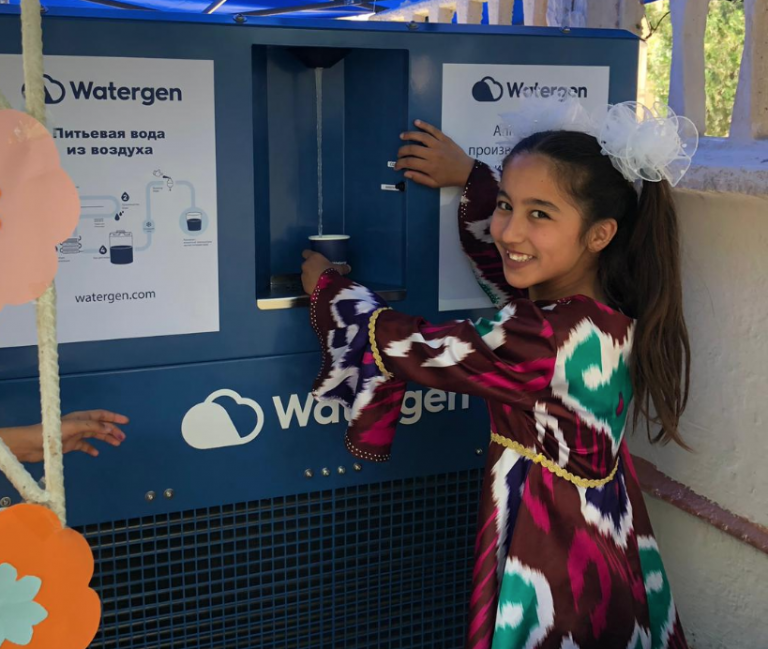
Watergen, an Israel-based innovative company that creates clean water out of air is now providing a source of freshwater for over 120 children living in an orphanage in Uzbekistan’s city of Bukhara. We covered the company in 2015 and they are doing well!
The technology comes in the form of an atmospheric water generator known as the “GEN-350,” which can produce up to 900 liters of water per day. A popular tourist destination but also associated with arid weather conditions, Bukhara has recently been experiencing serious water shortages. Earlier this month, water supply was even disrupted for almost two days. The entire city of Bukhara was left without drinking water including several busy hotels. Since the local underground water is unusable, fresh water is currently supplied to Bukhara from the city of Samarkand, almost 300 km away.
With a weight of just 800 kilograms, the GEN-350 is transportable and can be installed easily. Each unit contains an internal water treatment system and need no infrastructure except a source of electricity in order to operate. The GEN-350 was installed at the orphanage as part of a test pilot, estimated to run for about two months, in order to demonstrate the generators unique capabilities to produce hundreds of liters of clean, safe-drinking water in the arid environment of Bukhara.
Attending the inauguration ceremony of the GEN-350 were senior political leaders in Uzbekistan including First Deputy Prime Minister, Achilbay Ramatov; Prosecutor General, Otabek Murodov; Governor of the Bukhara region, Uktam Barnoev; and Mayor of Bukhara, Karim Kamolov. All signs show that the pilot has gotten off to a great start. Watergen’s Vice President of Sales and Marketing, Michael Rutman, who was present at the ceremony said: “I’m very pleased with the results of the GEN-350. The children were very excited to drink the high quality water from the GEN-350.”
Watergen’s president, Dr. Michael Mirilashvili added: “Uzbekistan’s water utility company was thrilled with our water from air solution and requested to run pilots in several other regions of Uzbekistan. Although there is only 20% humidity in the air of Bukhara, the GEN-350 was still able to generate hundreds of liters of high-quality drinking water.”
Dr. Mirilashvili is also the visionary behind Watergen’s goal to provide clean, safe-drinking water to every human around the world. Watergen’s efforts to make fresh, pure water available around the globe earned the company its place on the World Economic Forum’s list of the world’s top technology pioneers in 2018.
AI solutions like flux are using military technology to feed the world
All over the world, farmers are grappling with increasingly harsher weather conditions, pests, pollutants, and soil depletion in the face of ever-growing product demand.
Food shortages will likely become worse as phenomena such as desertification and natural disasters intensify. This topic was at the core of a recent scientific conference at the School of Sustainability at the Interdisciplinary Center in Herzliya, in cooperation with the Manna Center for Food & Security at Tel Aviv University, entitled “How to feed 9 billion in an era of climate change?”
Israel is situated in a region that is greatly impacted by climate change and therefore, serves as a kind of research incubator to examine the effects of shifting weather conditions on agriculture.
According to Avner Forshpan, director of the Climate Change Division of the Israel Meteorological Service, the past 15 years in Israel were the hottest since national records began. In terms of precipitation, those years have seen a decline, especially noticeable during spring. For the most part, rainfall decrease is not uncommon for the Middle Eastern region – an overview of the data shows that in the past, during the 1920s and 1930s, Israel experienced prolonged dry periods.
However, according to Forshpan, there has been an increase in the frequency of extreme weather events in recent years, which are also reflected in the meteorological data. “In terms of heat waves, which lasted three days or more, we find a significant increase,” Forhspan says.
Due to the sensitivity of agriculture to climatic changes, a 30 degrees Celsius temperature threshold is already critical. Any deviation from this threshold could cause adverse effects on the quantity and quality of the production.
The success of Israeli agriculture
“Israel has become a fertile ground for agricultural technologies because of the combination of unique needs and challenges that stem from the circumstance of the country,” says Alon Ben-Gal of the Institute of Soil, Water and Environmental Sciences at the Gilat Research Center. “Decisions as to what to grow and what not to grow are made according to an economic approach, and not based on the caloric value of the crops – and this is part of the background to the success of Israeli agriculture.”
In Israel, drip irrigation is practiced in 80 percent of the crops while in other parts of the world it accounts for only 25 percent of the irrigation practices, while the rest is irrigated by flooding. “Drip irrigation has the advantage that you can irrigate frequently and thus provide optimal water and fertilizer needs, whereas, in traditional methods, such as flooding, the fields receive water only once every few days,” says Ben-Gal.
Moreover, traditional irrigation practices separate between watering and fertilization, while in drip irrigation both applications are made simultaneously. It is an effective means of saving water, but in many areas of the world, the severe shortage of water forces farmers to use “marginal” water – brackish water, which has a higher salinity than drinking water, or effluent – purified sewage, which also has a higher salt content than drinking water. The disadvantage of marginal water is that prolonged use can lead to soil salination and crop damage.
According to FAO, the United Nations Food and Agriculture Organization (FAO), the salinity surplus in agricultural land is a severe problem and is affecting about 20 percent of the irrigated areas.
Growing on depleted soil
With an average agricultural GDP of $965 million between 2000 and 2018, Israel has created a competitive and tech-oriented market. However, due to limited resources, small landmass, and an arid climate, Israel is still not self-sufficient in its food production and relies on imports, which accounted for $6.1 billion of its entire expenditures in 2017.
But what the country lacks in arable land it makes up for in the production of sophisticated farming equipment and materials. In 2016 alone, 204 Israeli companies exported $9.1 billion worth in agricultural technologies. Among those exports were irrigation systems, equipment for the dairy and poultry sectors as well as seed and propagation materials.
The unique challenges Israel is facing in the agricultural sector have encouraged the creation of dozens of ambitious startups aiming to revolutionize the farming industry. Of the $1.5 billion investment made into the international agri-tech field in 2017, $185 million were invested exclusively in Israeli businesses. Many of those businesses have developed methods for crop yield improvement in arid or harsh conditions.
Salicrop, for instance, is a company that developed a seed treatment allowing crops to survive in saline soil or with brackish water irrigation.
“Salinity makes it harder for the crop to absorb water, and the salt may also destroy the plant cells. Each plant has a salinity threshold, beyond which it sustains damage. Salicrop has created a chemical treatment in which the plant seeds are soaked in a special solution. Subsequently, they are dried and returned to the company that produces them. Thereby we can allow the crop to produce more yields even when salt levels increase,” says Dotan Burstein, director of Salicrop.
So far, the company’s treatments have been carried out in crops such as corn, rice, wheat, tomatoes, peppers, and spinach. Yield improvement, according to Burstein, may potentially reach up to 70 percent. One of the experimental trial locations of the company was in India, in fields adjacent to salt pans. “In plants that grew from treated seeds we’ve observed a 32 percent higher volume of seeds and a 63 percent increase in plant weight,” says Burstein.
Another Israeli startup called PlantArcBio strives to improve crop resistance through gene discovery. Last year, the company raised $3 million from private investors and struck up a collaboration with the University of Wisconsin-Madison. According to Dr. Dror Shalitin, founder and CEO of PlantArcBio, arid conditions can easily damage the quality of the yield. An increase of 4°C, for instance, could slash the entire US corn harvest by 50 percent.
The company’s activity focuses on discovering genes which might help the crops cope with environmental stresses. In this context, PlantArcBio is working with genes that are extracted from plants native to the desert and Dead Sea region. Apparently, in such “ecological niches,” there is a high probability of discovering hidden genes which have a high resistance to aridity. “We use plants and microorganisms that we believe contain genes we can use for our purposes. By transferring certain genes to tobacco plants, for example, which were used to develop our technology, we were able to double plant weight.” says Shalitin.”
Yet another young Israeli startup named Taranis has developed an analytics engine helping farmers to monitor their fields effectively, determine the right time and location for applying agro-chemicals and preempt crop issues, diseases, and weather-related damage. So far, Taranis has raised $30 million since its launch in 2014, mainly from American and Israeli ventures, and it provides its services to large farmers all over the world, in countries such as the US, Canada, Brazil, Argentina, Russia, Ukraine, and Australia.
Evidentially, the challenges of the food supply in the age of a global climate crisis and rapid population increase requires thorough contributions from various fields such as water, plant sciences, genetics, and chemistry. Alongside the improvements these technologies offer to agriculture, they also help promote the science behind them.
However, it is important to remember that these technologies merely treat the symptoms of a more far-reaching problem. In order to slow down climate change, it is imperative to reduce greenhouse gas emissions, not by applying technology but through full-scale reforms in the policy-making of nations, public awareness campaigns and a shift in the consumption habits of the citizens of the world.
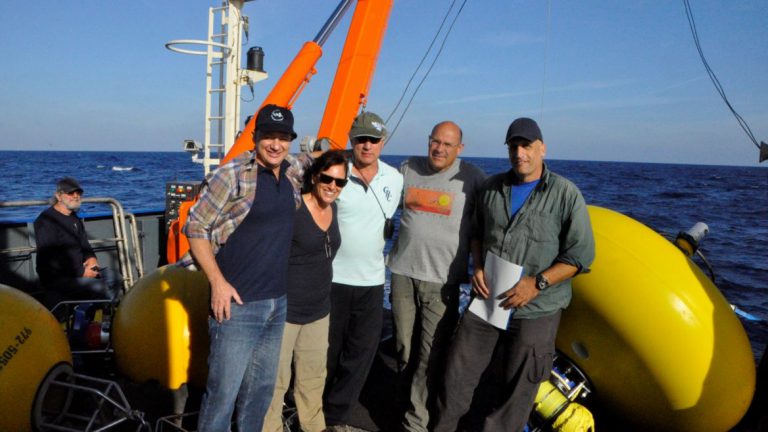
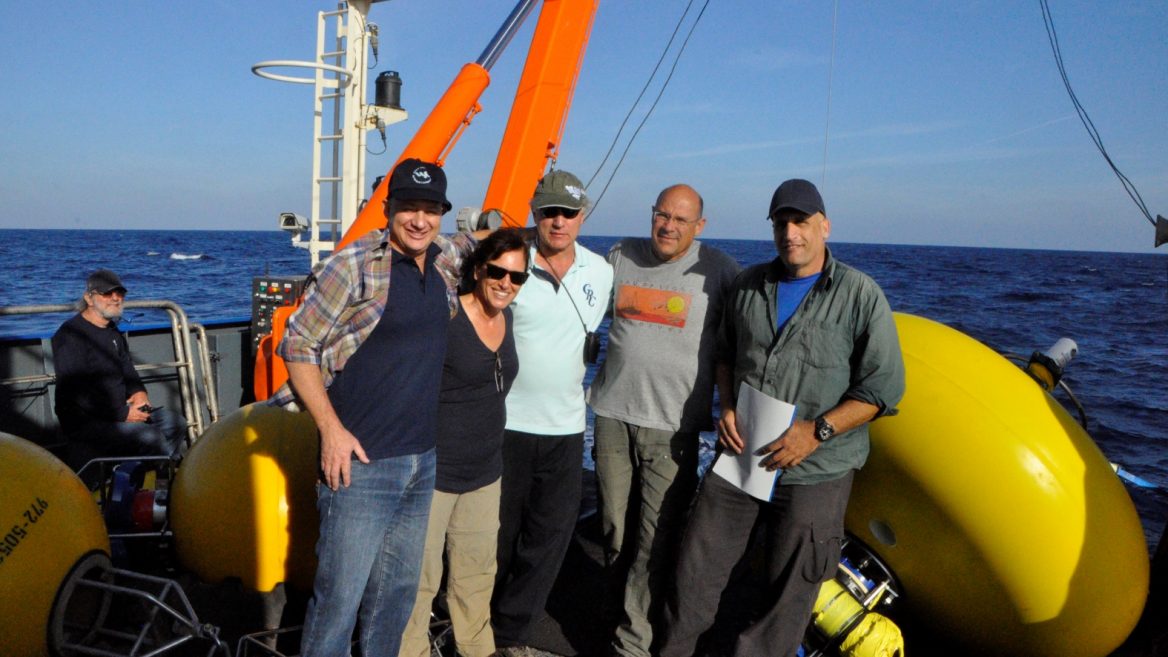
A first-of-its-kind deep-sea research station placed 50km (31mi) from the Israeli shore called DeepLev which combines “deep” with the Israeli meaning for heart which is “lev”. Reaching a 1.5km depth (~1mi) it is set to shed new light on the eastern Mediterranean marine environment and the implications changes in this ecosystem hold for humans.
The marine environment makes up over 70% of our planet’s surface, it holds 97% of all water and is the cradle of life on earth. Still, the ecological, physical and chemical processes underlying marine ecosystems remain largely unknown. These processes provide significant benefits to humans and hold other implications for us; it is, therefore, necessary to gain a better understanding of them. First anchored in January 2017, scientists have placed, a first-of-its-kind deep-sea research station (named DeepLev) some three hours sailing distance from Haifa in northern Israel.
“This is a unique initiative in the eastern basin of the Mediterranean Sea,” say Professors Ilana Berman-Frank and Yishai Weinstein of Bar Ilan University, who jointly lead the project with Professor Barak Herut and Dr. Timor Katz of the Israel Oceanographic and Limnological Research (IOLR). The project – a complex and resource-intensive one – was conceived and conducted in collaboration with colleagues at the Hebrew University in Jerusalem, Tel Aviv University and the Geological Survey of Israel. Its primary objective is to discover what is really happening in the deep open sea and the impact of human activity and global change have on this environment: “we do that using a station, anchored to a fixed location, which constantly monitors and tracks what is happening there” explains Professor Berman-Frank.
The team will be able not only to monitor the processes but also to understand their significance and the implications they have for human society: “understanding these processes is hugely important because it helps us realize how the entire system works,” she points. “An incident in one marine location can affect other parts of this environment. The eastern Mediterranean basin is a particularly sensitive environment that is subject to the effects of climate change and other human pressures – gas explorations, maritime transport, industrial and agricultural pollution, and desalination plants; data collection is essential for predicting possible ecosystem responses to these various pressures.”
The station’s instruments continuously and independently collect data allowing researchers to study biological activity processes, currents and wave patterns, and the flows of organic matter from the surface to the deep. The latter is especially important to understand how the marine environment copes with the increase in atmospheric carbon dioxide level; it is professionally referred to as ‘the biological pump.’ The pump is powered by small marine plants – algae – that are critical in regulating carbon dioxide and ocean acidity.
Algae are a basic building block in the marine food web, grazed by other marine creatures, while dead algae sink to the sea bottom: “algae have a critical role as they transport excess CO2 from the atmosphere to the sea bottom and assist in moderating global warming,” explains Professor Berman-Frank. “Our project was also conceived to understand the downward flows of carbon better and other particles from biological or other sources” adds Professor Weinstein. “Instruments called ‘sediment traps’ are placed along the cable, and they capture the particles; we can measure the flows and understand the dynamics of sedimentation along the water column gradient from the surface to the seabed.”
“An article by IOLR’s Dr. Tal Ozer published in April 2016 in the journal Global and Planetary Change summarizes 30 years of measurements in the Eastern Mediterranean and analyses the changes in sea temperature and salinity,” says Professor Barak Herut, IOLR’s Director General.
“It clearly demonstrates the evidence for sea warming and climate change. The Mediterranean Sea body is divided into several strata. The middle layer exhibits warming that is consistent with the IPCC’s (inter-government panel on climate change) predictions; the surface layer’s temperature, however, increases much more rapidly than the forecast.” This phenomenon, according to Herut, is very significant because it influences the occurrence of extreme weather events, the amounts of precipitation and, of course, the ecosystem itself. The new monitoring station will further assist in tracking these trends and predicting their possible ramifications.
Another important aspect that the research team would like to explore is the effect changes in the nearshore environment (circa 200 meters depth) have on the deep sea. Professor Herut explains that “nearshore waters contain higher levels of pollution due to runoff from extensive human uses. The monitoring station will assist in studying the interactions between the two environments.” preliminary data from the first six months already indicate that nearshore waters have greater influence during specific periods: “and the station will allow us to better measure these interactions and assess their future trends.”
The new Israeli station is one of several similar monitoring stations around the world – in the Atlantic and the Pacific Oceans, as well as one in the north-western part of the Mediterranean, run by a French organization. According to Professor Herut, “we aim to operate these stations for the long-term and to gain a deep understanding of what is happening in the marine environment.”
He emphasizes that insights gained in the marine stations go beyond the sea itself: “the understanding that the rising level of atmospheric CO2 is becoming an acute threat to planetary systems is a result of long-term monitoring in a permanent station.” The Israeli station will also monitor CO2 concentration level, thus tracking the process of ocean acidification which affects marine organisms that use calcium carbonate to build their skeleton and shells (for example plankton species, corals, snails or oysters). “The new station, and an additional station IOLR operates in a different location, are part of an international network to track ocean acidity levels (pH), and they will help us assess whether ocean acidification also occurs in our part of the world, and if so, at what rate.”
The station is essentially a massive cable, 1.5 kilometers long, with measurement instruments of different types attached at various depth levels. It is fixed to a designated location for a period of six months to collect the data, at which point the scientists take it out to extract the measurements and then drop it back again for another six months. “It may seem like a trivial task placing a few devices at 1500 meters depth,” says Professor Berman Frank “but it actually took a team of experts – led by Dr. Timor Katz and Ronen Alkalay, a doctoral student – three years to plan and carry out.
The location of the station is some 50 kilometers into the sea west of Haifa; we had to carefully think about how to steady the station, precisely in the same position we wanted it to be, accounting for the currents and storms that occur here, and protecting it from ship collisions or unintentional damage. All of this required detailed logistical considerations and plenty of resources.” One of these resources, Professor Herut reports, is the new government-sponsored ‘Bat Galim’ acquired by IOLR, which has been transformed into the most advanced research vessel in the Levant. Professor Berman-Frank enthusiastically recounts that “anchoring the new station took eight hours and a crew of 25 people.
We left early in the morning and completed the task only by sundown. It is a logistically complex endeavor.” Professor Herut adds, “Positioning such a station, or pulling it out, requires truly deep maritime knowledge and I am glad to say we have successfully accomplished it. The direct costs of each day at sea – excluding insurance, mooring, maintenance, equipment, or other overheard – exceeds 10,000 USD. The station’s equipment is also very expensive: 1500 meters of multiple instruments and floatation devices that have to withstand water pressure. With every extraction, the instruments’ batteries have to be replaced, and they also cost thousands of dollars. To extract data, the instruments have to be disassembled and then assembled again.
“Although it is logistically complex, at the end of the day, this investment will pay off because the station can provide data for many years and would support not only academic research but also other public and governmental objectives. This is not only a research platform; it stands to assist evidence-based decision making in different domains.”
One such domain is the economic activity in the Mediterranean. About half a billion people live around the Mediterranean Sea, and this entails increasing human pressure on the marine environment. “Even Israel’s short coastline is crowded with power plants, desalination plants that release chemical pollution, natural gas exploration and production sites and their infrastructure” Professor Berman Frank describes. “Industrial, urban and agricultural sewage is released to the sea. All of these affect the ecosystem and threaten human well-being. We now know that urban and agricultural sewage saturate the marine environment with nitrogen and phosphorous that lead to ‘algal bloom’, some of them are toxic, and this has led to cattle, pets, and even human deaths around the world.”
“With only 190 kilometers of coastline,” she concludes, “Israel has no marine or coastal backup in an extreme event or accident. We need to be cautious and vigilant in preventing an environmental disaster, and we also need to better understand the ecosystem, so that if something does happen, we would be prepared whether the cause is natural gas – or oil production in the future – or other sources of pollutions. The capacity to monitor and track changes in our deep marine environment is of tremendous importance.”












 A frisky little
 Next Wednesday, baristas at Costa Coffee will be pouring
  “The food and drink industry is really waking up to the threat of plastic on the world’s environment and we as a company are committed to making changes to ensure a more sustainable offering,” head of marketing at Costa Coffee UAE Shemaine Jones told Time Out Dubai. “We commissioned Mariska to create the globe art installation using our old plastic straws to creatively highlight the vast use of plastic we are ridding from our stores and make travelers in the airport stop and think about their own sustainability efforts.”