
Home Blog Page 152

Top 6 Reliable Websites About Marketing Fundamentals

0
marketing climate change
If climate change had a better marketing agency we might have solved it by now.

Textbooks are great, but they don’t tell the whole story. For example, you may think that the 4 P’s of marketing is the key to everything. But anyone who’s worked a day in the field will tell you: it’s not that essential at all.

So, why not learn from the actual professionals in the field? They know it down to the nitty-gritty, unlike some professors (unfortunately). Besides, most curriculums wouldn’t cover such topics as advertising on TikTok or Twitter Spaces.

Leave the homework to custom essay writing services and focus on getting real-world knowledge instead. Trust this: such an investment of your time now will pay for itself tenfold when you land that sweet job.

Recruiters always look for candidates that aren’t just well-versed in their theory but also stay up to date. Real-world skills are also crucial, even more so than your diploma.

Here are six websites run by real marketing professionals that know the ropes.

HubSpot

HubSpot is the leader in business CRM software. But it’s their promotion efforts that are a great case study in and of themselves, especially in terms of brand and content marketing.

The company’s blog is a testament to that. Its marketing section has plenty of guides, free templates, and infographics. Topics vary from how to do market research to low-cost advertising hacks. 

It’s also a great place to learn about the inbound concept – HubSpot was built on that idea, after all.

What’s more, HubSpot has a bunch of online courses in 10 categories, fully free of charge. Most of them are short, so it shouldn’t be a problem to complete one even if you have ADHD. Just google HubSpot Academy and create an account – and you’re all set to learn!

QuickSprout

QuickSprout is like a big encyclopedia for future and current entrepreneurs. And since marketing is key in getting any product sold, the corresponding section of the website is enormous. There, you’ll find subsections with posts on:

  • Email marketing;
  • SEO;
  • Content marketing.

Apart from those, make sure to check their beginner’s guides for online and emotional marketing.

Dummies

This website has an even wider range of topics covered, not all of them even related to business. The principle remains the same throughout all posts, though: explain complex topics using simple language. (Hence, the name.)

But don’t be too quick to dismiss Dummies because of that. Posts themselves live up to the idea: there are WikiHow-style step-by-step guides, lists, infographics, and more. Every text breaks down key concepts in a way that will be clear for a total beginner.

The website’s marketing section has tons of posts sorted into seven fields. They range from data-driven to social media, inbound, and influence marketing. You can access those via the Business parent category page.

The Blueprint (A Motley Fool Service)

Residing on the fool.com website, the Blueprint is a project that aims to bring expertise-powered advice to entrepreneurs and business professionals of all kinds. 

All of the posts are reviewed by a team of experts – and that’s what makes it a trustworthy source of information.

As for the topics covered by the Blueprint, you’re in for a wild ride. There are beginner’s guides, that’s a given. But you can also learn from in-depth how-tos, case studies, and interviews. Topics vary from affiliate links and promoting podcasts to using QR codes.

Hootsuite

Hootsuite itself is a social media management platform. It streamlines and automates many processes associated with it. Hence, their expertise lies in all things social media specifically – and it shows in their blog.

So, if you plan to get your hands dirty in this particular field, Hootsuite is the right one-stop-shop for you. Many of their blog posts cover particular social media features and how to make good use of them, from Instagram stories to Google My Business messaging.

Neil Patel

Neil Patel himself has plenty of accolades for his work, and that’s what made him a household name among marketing specialists

His blog, which now has posts in five languages including English, focuses on promoting products and brands online.

What kind of posts can you find there? In short, everything from the very fundamentals to more specialized how-tos. Topics themselves vary from Instagram promotion to the ins and outs of PPC ads.

In Conclusion: How to Make the Most Out of It

Such blogs are a great source of real-life knowledge, but you might struggle with making sense out of the information. After all, blog posts are typically disorganized, and it can all be just too much.

Here are five tips to help you make the most out of your self-assigned extracurricular activity:

Start with guides

These posts may come under different names – complete, comprehensive, or beginner’s guides, – but they all have one thing in common. They’re meant to be your starting point in the very basic concepts revolving marketing as a whole or its subfields like email or SEO.

Focus on one or two fields at a time

Gaining a general understanding of all various fields of marketing wouldn’t hurt anyone. But remember: recruiters look for specialists. Job descriptions are typically titled “PPC specialist” or “content writer”, not “marketing specialist”, after all.

Make it a habit

Set aside 15 or 30 minutes every evening to scroll through your favorite websites. Schedule it in your calendar app or add it to your to-do list. This is how you’ll ensure you won’t slack after a couple of days.

Take notes

It may come off as too formal-education-like, but there’s a good reason note-taking persists. If you write things down – by hand, preferably, – you are more likely to retain this information in long-term memory.

Practice makes perfect

Don’t run into the same pitfall that formal education is struggling with – theory with little practice, that is. Instead, focus on putting this knowledge to practice in real-world (or as similar as possible) conditions. 

How Environmental Lawyers Help the Community

0
forest bathing, woman hipster contemplating nature in dark green forest
She is a lawyer who speaks for the trees.

You don’t hear that often about environmental lawyers. But they are out there, and they do a good deal of things to help the community. Environmental lawyers are often mistaken for people who do nothing else but protect natural parks. In reality, they can do way more than that, and they are an essential part of the law system. So, what are environmental lawyers and how do they help out the world?

What Is an Environmental Lawyer?

An environmental lawyer is someone who advocates for the environment. They do things to make sure they protect nature while making it possible to live a healthier and safer life as humans. 

Apart from that, they are people who work with air quality, rare animals, and anything related to environmental issues. They are specialists in their area, and they know a lot about biological and geological systems, as well as law. On top of that, they are aware of the way humans impact the planet and know what could be done to reduce that impact. 

If you already are an attorney, you can become an environmental lawyer too as long as you make sure to acquire enough knowledge in science and biology. You must also obtain the right credentials and licenses. For instance, William, who used to be a Springfield probate attorney, gave up on that particular path in order to become an environmental lawyer. Now, he is getting involved in a lot of actions that seek to help out the environment and the people living in it. 

What Does an Environmental Lawyer Do?

Besides legal and court matters, an environmental lawyer will also handle several issues related to the ecosystem, wildlife, flora, etc. These might include:

  • Animal rights
  • Protection for different species
  • Air and water quality
  • Climate change innovation and laws
  • Use of sea and public land
  • Better ways to manage waste
  • Agriculture and farming problems
  • Proper hazardous waste disposal
  • Biodiversity protection
  • Wetlands preservation
  • Future green strategies
  • Clean technology

Environmental lawyers also have the responsibility to represent their clients properly and make sure they research, assess, and strategize cases accordingly. The attorney should be aware of the local laws, as these may be different from state to state. 

Also, they may work with the Environmental Protection Agency. The most important environmental laws are The Clean Water Act, The Clean Air Act, The Montreal Protocol, The Endangered Species Act, and the Reformation Plan No. 3 of 1970. 

Last, but not least, environmental lawyers can help with matters like feedlots and wetland regulation, selling or buying contaminated real estate, zoo animal preservation, and others. 

The Bottom Line

Environmental lawyers are necessary because they are the ones working towards a better world – a world where we take care of nature and animals. They care about the ecosystem and also want humans to breathe cleaner air and have cleaner water. So, environmental lawyers are necessary as they work hard for every community.

5 Reasons Why Slow Fashion Is a Smart Idea

0

man wearing hemp ready to wear clothes sustainable slow fashion

The fashion sector is one of the most polluting industries on the planet; only airplanes are worse. Like the concept of an ‘eco-friendly jet,’ slow fashion may sound like a contradiction in terms. ‘Fashion’ is synonymous with ‘change,’ which strongly implies ‘wastefulness.’ So you’re right to wonder what it means, and if it’s just another gimmick to sell you something. But sustainable fashion is real. So long as you shop mindfully and check the credentials of the company you’re dealing with, eco-friendly apparel is more than just the latest hot trend. Slow fashion is the way of the future.

1. More Time & Space

Most of us are suffering from a shortage of time and space, both in our home and in our mind. Investing in sustainable fashion is good for the planet, and it makes sense for the individual too. Classic, quality pieces free up valuable real estate in your closet and your brain. Having less to wade through to figure out what to wear saves you time and brain space, making it a win all the way around. Shop designers who create sustainable, timeless designs that will wear well for years to come, like Eileen Fisher and Vivienne Westwood.

For versatile and eco-conscious additions to your wardrobe, explore options like long sleeve sun shirts for women that combine function with style. These pieces are ideal for layering, offer sun protection, and hold up well through repeated wear and washes.

2. Less Landfill

Once upon a time, sustainability was the fashion. Wealthy individuals aside, most people had a set of clothes for work and something special to wear for worship and holidays, and that was it. Ditto for jewelry. Items were passed down from one generation to the next and nothing went to waste. What happened? The fashion sector decided consumers needed to buy more. Rather than 2 seasons just 20 years ago, there are now up to 24 fashion cycles per year. Clothes are also designed to fall apart so you must buy more. The result has been a $1.5 trillion industry which is great for sales, but not so much for the planet. Clothing production has more than doubled over the last 2 decades. The more clothes we have, the less we wear them, and the faster they wind up in the trash. Textiles waste in landfills increased by 40% in the US in just the 10 years between 1999-2009. Currently, only about 15% of textile waste goes to recycling. We must do better. Buy sustainably, wear what you own, and try consignment, both as a buyer and seller.

3. Reduced Carbon Emissions

The way textiles are produced really matters, and the type of textile matters too. Apparel manufacture creates about 10% of total global carbon dioxide emissions. Polyester is found in about 60% of all garments and producing it releases 2-3 times more carbon than cotton. If you’re thinking a natural fiber like cotton is the way to go, the answer is yes, but it’s not that straightforward because the way standard cotton is produced is less than ideal and requires the use of large amounts of pesticides. By contrast, growing cotton organically requires significantly fewer chemicals, resulting in healthier soil, as well as healthier workers who must handle them. Look for labels like Global Organic Textile Standard (GOTS), Oeko-Tex, Better Cotton Initiative, and Bluesign.

4. Cleaner Water

The fashion industry is responsible for an estimated 20% of water waste around the world. To produce a single cotton tee shirt requires the use of approximately 700 gallons of water. That’s about 2 1/2 years of drinking water for one person. Synthetics are responsible for some 500,000 tons of microfibers that end up in the ocean every year, the equivalent of 50 billion plastic bottles. Add to that the 8,000 different synthetic chemicals used in the dyeing process, most of which are toxic to humans, animals, and the environment, and it’s clear things need to change. In China, it is estimated that about 90% of the local groundwater is polluted. The best way to clean up our water is by buying less and seeking out clothes made using sustainable practices.

5. Healthier Planet

Fashion brands are well aware of the hard facts about the waste they’re promoting, but businesses exist to make money. In some cases, this has created the problem of ‘greenwashing,’ or the unscrupulous practice of making a product sound more eco-friendly than it actually is. But there are plenty of brands, both big and boutique, that are legitimately taking steps to combat the pollution problem. For example, Adidas is developing sneakers from ocean plastic. Levi’s is working toward 100% sustainably-sourced cotton and renewable energy by 2025. Cuyana offers single-origin, traceable cashmere right now, and is committed to using 100% sustainable materials as early as 2022. Veja is a certified B Corporation, meaning it meets certain standards of social and environmental sustainability. Stella McCartney was one of the earliest adopters of sustainable fashion and, besides using recyclable and renewable materials for her apparel, also employs renewable energy in the company’s stores and offices. These are just a few examples, and there are many more who are serious about their commitment to a healthy planet. 

teva forever sandals

As consumers, we have the power to vote with our wallet. Be smart: do your research, think before you buy, and wear what you have. Small steps really do add up.

Cultivated Meat Likely to Make Up 40% of Future Meat Intake, say Americans polled

0


aleph farms engineered slaughter free meat, man looking at a piece of itConsumers envision cultivated meat to be a significant part of the meat market; Study reveals compelling support among young Britons and Americans.

The research, published on May 11, 2021 by the journal Foods, affirms that cultivated meat is likely to make up a major part of consumers’ future diets. The study showed patterns of greater openness to trying such products by younger generational groups: 87-89% of Gen Z adults, 84-85% of Millennials, 76-77% of Gen X, and 70-74% of Boomers were at least somewhat open to trying cultivated meat. 

Led by Keri Szejda, the researchers surveyed a large, representative sample of 2,018 US and 2,034 UK consumers, assessing indicators of adoption among the general population, and by generational segments.

The majority of consumers surveyed were not familiar with cultivated meat, yet upon being presented with a description of the innovation, the respondents, on average, imagined that cultivated meat could make up about 40% of their future meat intake, with conventional meat constituting around 60%. 

Lab-grown meat on the market includes companies like Memphis Meats, Mosa Meat and Aleph Farms. They differ from meat alternative companies such as and which use plant proteins such as peas, to make vegetable-based meats that taste like meat. 

Honing in on the findings of the survey, which segmented the participants by age and by degree of enthusiasm, 40% of consumers were “very” or “extremely likely” to try cultivated meat in both the US and the UK. This group of enthusiastic triers was categorized as the “early majority” group. Of the early majority group, an overwhelming 98-99% of them said they would consider welcoming it as a regular item in their shopping basket.

The vast majority of the early majority are omnivores (94-95%) who consume meat 2-3 times per day in a typical week.

“In order to turn this expected acceptance into actual consumption patterns over time, it is critical to develop the right products, based on the right solutions,” says Didier Toubia, Co-Founder and CEO of Aleph Farms, which commissioned the research.

“In the long term, Aleph Farms‘ vision is to provide a better alternative to industrial livestock farming, which represents approximately 70% of global meat production today.”

Younger generations the early adopters

“The results suggest that cultivated meat is likely to be widely accepted by the general public, especially the younger generations and an eager group of early adopters who appreciate its benefits across a wide range of social issues.

rib eye steak aleph farms

These groups tend to embrace change and need little encouragement to try new food innovations,” notes Szejda, Ph.D., Founder and Principal Research Scientist of North Mountain Consulting Group. “Additionally, we observed an increase in support for the technology once consumers had access to additional information, underscoring the importance of effective science communication for consumer adoption.” 

Sociodemographic analyses comparing the early majority groups to the general population suggest that the early majority are more often younger (Gen Z or Millennials), male, more liberal, and more educated. In the US and the UK, an average of 77% of Gen X and 74% of Boomers were open to trying it, in comparison to 85% of Millennials, and 89% of Gen Z.

“In contrast to the younger eager adopters, the older generations are more wary of change,” explains Toubia. “Social proof is important to them and they want to be assured that a product is safe, functional, and beneficial before they adopt it. This is why transparency and trust are cornerstones of our company,” concludes Toubia.

There are also great ways to substitute fruit and vegetables for meat while bypassing the laboratories. 

The 10 Best Meat Substitutes for Vegetarian and Vegan Dishes
  • Jackfruit
  • Tofu
  • Tempeh
  • Lentils
  • Seitan
  • Canned Black Beans
  • Veggie Burgers
  • Chickpeas or Garbanzo Bean

Covid’s triple threat

Severe symptoms of COVID-19, leading often to death, are thought to result from the patient’s own acute immune response rather than from damage inflicted directly by the virus. Immense research efforts are therefore invested in figuring out how the virus manages to mount an effective invasion while throwing the immune system off course. A new study, published today in Nature, reveals a multipronged strategy that the virus employs to ensure its quick and efficient replication, while avoiding detection by the immune system. The joint labor of the research groups of Dr. Noam Stern-Ginossar at the Weizmann Institute of Science and Dr. Nir Paran and Dr. Tomer Israely of the Israel Institute for Biological, Chemical and Environmental Sciences, this study focused on understanding the molecular mechanisms at work during infection by SARS-CoV-2 at the cellular level.

During an infection, our cells are normally able to recognize that they’re being invaded and quickly dispatch signaling molecules, which alert the immune system of the attack. With SARS-CoV-2 it was apparent early on that something was not working quite right – not only is the immune response delayed, enabling the virus to quickly replicate, unhindered, but once this response does occur it’s often so severe that instead of fighting the virus it causes damage to its human host. 

“Most of the research that has addressed this issue so far concentrated on specific viral proteins and characterized their functions. Yet not enough is known today about what is actually going on in the infected cells themselves,” says Stern-Ginossar, of the Molecular Genetics Department. “So we infected cells with the virus and proceeded to assess how infection affects important biochemical processes in the cell, such as gene expression and protein synthesis.”  

When cells are infected by viruses, they start expressing a series of specific anti-viral genes – some act as first-line defenders and meet the virus head on in the cell itself, while others are secreted to the cell’s environment, alerting neighboring cells and recruiting the immune system to combat the invader. At this point, both the cell and the virus race to the ribosomes, the cell’s protein synthesis factories, which the virus itself lacks. What ensues is a battle between the two over this precious resource.

The new study has elucidated how SARS-CoV-2 gains the upper hand in this battle: It is able to quickly, in a matter of hours, take over the cell’s protein-making machinery and at the same time to neutralize the cell’s anti-viral signaling, both internal and external, delaying and muddling the immune response.

The researchers showed that the virus is able to hack the cell’s hardware, taking over its protein-synthesis machinery, by relying on three separate, yet complementary, tactics. The first tactic the virus uses is to reduce the cell’s capacity for translating genes into proteins, meaning that less proteins are synthesized overall. The second tactic is that it actively degrades the cell’s messenger RNAs (mRNA) – the molecules that carry instructions for making proteins from the DNA to the ribosomes – while its own mRNA transcripts remain protected. Finally, the study revealed that the virus is also able to prevent the export of mRNAs from the cell’s nucleus, where they are synthesized, to the cell’s main chamber, where they normally serve as the template for protein synthesis.

“By employing this three-way strategy, which appears to be unique to SARS-CoV-2, the virus is able to efficiently execute what we call ‘host shutoff’ – where the virus takes over the cell’s protein-synthesis capacity,” Stern-Ginossar explains. “In this way, messages from important anti-viral genes, which the cell rushes to produce upon infection, do not make it to the factory floor to be translated into active proteins, resulting in the delayed immune response we are seeing in the clinic.” The good news is that this study was also successful in identifying the viral proteins involved in the process of host shutoff by SARS-CoV-2, which could spell new opportunities for developing effective COVID-19 treatments.

Study authors also included Yaara Finkel, Avi Gluck, Aharon Nachshon, Dr. Roni Winkler, Tal Fisher, Batsheva Rozman, Dr. Orel Mizrahi and Dr. Michal Schwartz, who are all members of Dr. Noam Stern-Ginossar’s group; Dr. Yoav Lubelsky and Binyamin Zuckerman from Prof. Igor Ulitsky’s group in the Department of Biological Regulation; Dr. Boris Slobodin from the Department of Biomolecular Sciences – as well as Dr. Yfat Yahalom-Ronen and Dr. Hadas Tamir from the Israel Institute for Biological, Chemical and Environmental Sciences.

Smart reason to like mosquitos

mosquito net

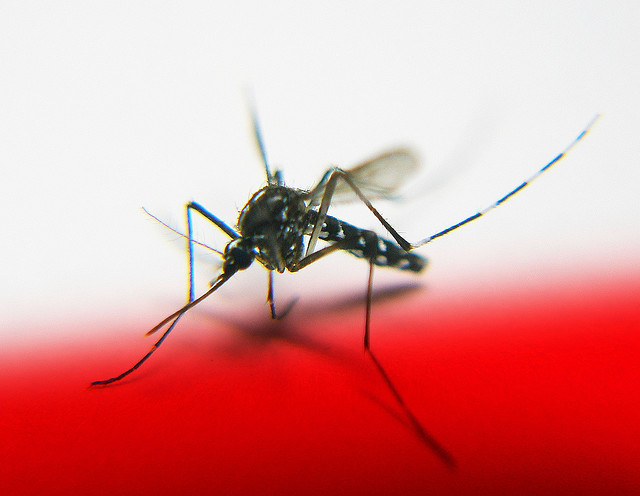
Can a protein found in a mosquito lead to a better understanding of the workings of our own brains? Prof. Ofer Yizhar and his team in the Weizmann Institute of Science’s Neurobiology Department took a light-sensitive protein derived from mosquitos and used it to devise an improved method for investigating the messages that are passed from neuron to neuron in the brains of mice.

This method, reported today in Neuron, could potentially help scientists solve age-old cerebral mysteries that could pave the way for new and improved therapies to treat neurological and psychiatric conditions.

Yizhar and his lab team develop so-called optogenetic methods – research techniques that allow them to “reverse engineer” the activity of specific brain circuits in order to better understand their function. Optogenetics uses proteins known as rhodopsins to control the activity of neurons in the mouse brain.

Rhodopsins are light-sensing proteins – they are most known for their role in organs like the retina rather than in the dark inner reaches of the body. But the rhodopsins in the brains of Yizhar’s mice enable him to control the activity of specific neurons when he and his team shine a minuscule beam of light into the mouse’s brain. He is especially interested in communication between neurons: What signals are getting passed through the synapses, those gaps over which the brain’s signals move? “We can detect the presence of the various neurotransmitters, but different neurons ‘read’ those neurotransmitters differently,” he says. “Optogenetics enables us to not only see the ‘ink,’ but really to decipher the ‘message’.”

While optogenetic methods have produced a number of breakthrough results in labs around the world in recent years, they can be a bit finicky. In particular, the rhodopsins used for optogenetic studies tend to be imperfect when it comes to controlling the activity of synapses, the tiny junctions between neurons.

Yizhar and a large team of his trainees, including Dr. Mathias Mahn, Dr. Inbar Saraf Sinik and Pritish Patil, believed they could create a better version of the rhodopsins than those currently available. “We decided to look around and see what natural solutions exist out there,” says Yizhar.

And nature, it turns out, contains a multitude of variations on the rhodopsin molecule – not only in animal eyes but also fish, insects, and even mammals carry them in various body parts; some possibly for regulating their circadian cycles, others for purposes as yet unknown. Thus, the team started out with a long list of potential rhodopsin proteins, and their first job involved assessing which ones were most likely to fill their experimental requirements, which primarily included light-gated proteins that are able to modulate synaptic activity. Eventually the researchers winnowed their list down to two – one taken from a pufferfish and one from a mosquito.

It was the mosquito rhodopsin that turned out to be the most suitable. To evaluate the efficacy of the new mosquito-derived tool, the researchers tested their method against a drug that is known to reduce the strength of the communication between neurons in the brain. They found that the interference was just as effective, and much more stable with the mosquito rhodopsin.

More than that: Unlike a conventional drug that affects numerous parts of the brain and is hard to control, the researchers found that since only neurons that produce the mosquito sensor are affected by the light, the modulatory effect on the brain’s synapses can be precisely controlled in both space and time – just by switching the light on or off in specific brain regions. They then validated the utility of the new tool by using it to block the release of the neurotransmitter dopamine on one side of the brain only: Illuminating the hemisphere expressing the mosquito rhodopsin with green light led to a one-sided bias in the behavior of these mice. In other words, they had created a tool that was precise, selective, and controllable.

“One of the major advantages of the mosquito rhodopsin is that it’s bistable – that is, it does not need refreshing – and it is potentially very specific, so that we can control just the precise synapses in which we are interested,” says Yizhar. “This is a very exciting technology, since it will allow us to discover the roles of specific pathways in the brain in a way that was not possible before.

“We think this mosquito protein could open the way to developing a whole family of new optogenetic tools for use in neuroscience research.”

Car Detailing: Everything You Should Know About It

food truck coffee van
Maybe you want to start a coffee van or a mobile business that is also eco. Car detailing is important for your brand.

Unfortunately for many people, “car detailing” means simple car maintenance. But car detailing is so much more than ‘usual cleaning of your car’. 

Detailing is a process to restore the vehicle to “as new condition” after the car has gone through daily wear and tear. 

A professional car detailing process starts with various types of washing like:

  • Simple Washing: Wet sponge vehicle and hose off
  • Wash and dry: Washing with chamois dry-off
  • Wash and Vacuum: Washing, plus an interior vacuum

If you’re confused about car detailing and want to know how it can prolong your car’s life for good, continue reading this article. 

Common Car Issues That may Require Detailing

  • Overspray: This can be visually noticeable or felt by running your hand over the bodywork and observing a sandpaper effect. This is usually caused by airborne paint residue settling on your paintwork and glassed areas.
  • Paint blotching: Usually an irreparable condition mainly caused by the breakdown of the pigment due to age and neglect. Normally rectification involves a repaint of the affected areas.
  • Oxidization (faded paintwork): Vehicles oxidize within 60 days of being painted. The Ultraviolet rays from sunlight cause oxidation. This is particularly noticeable when vehicles have not had regular maintenance and upkeep to the painted surfaces – they are basically sunburnt. Regular polishing puts back moisture into the paintwork.

Various Types of Car Detailing Processes

Polishing

This step involves hand-applied polymer in addition to simple washing. If not performed correctly, the finish can suffer from “swirl marks,” which are particularly hard to remove and detracts from the appearance of your vehicle. 

It can be rectified but may involve a long process. A polish will only last 2 to 3 months, depending upon how the vehicle is stored/garaged.

Note: A Polish will not remove scratches. Retail polishes may contain fillers which temporarily give the illusion that the scratches have been removed. Still, after just a few washes, the filler is gone, and the scratches will reappear.

Machine Cut & Polishing

This is a 2 stage process with a multi-speed buffing machine (this takes years of experience). It is best recommended to be done by a car mechanic. 

Some amateurs consider that maximum results can be achieved by hand application as they simply do not have the expertise, knowledge, or equipment to achieve a professional result (uniform results cannot be achieved by hand application). 

This process removes dullness, oxidization, minor scratches, scuffs, and most forms of industrial fallout.

Using Protective Sealants

Protective Sealants are professionally applied glaze containing “Temperaflex,” a nonstick all-climate sealant with the ability to absorb ultraviolet rays eliminating oxidation. 

Sealants are not polishes. They form a rock hard shield to magnify luster and repel foreign matter. Do not confuse sealants with paint protection, as most protections simply do not work effectively. In harsh climatic conditions, sealants help protect your vehicle’s investment!

Shampooing

This is the process for washing, cleaning, and extraction, removing all embedded dirt, grease, body fat, and many other natural contaminants from the seats and carpet areas by using high-powered professional equipment. 

Do not confuse this with dry cleaning, which only removes surface spotting. 

Note: Dog hair removal is a separate process, requiring a special appliance. Also, removing human and pet accidents is a different process requiring the killing of any resultant bacteria.

Detailing of Leather Upholstery

Cleaning a car seat’s leather upholstery involves removing most embedded soil, food stains, and other stains from virtually all car fabric. Conditioning moisturizes the leather and helps to maintain its soft luxurious feel, reducing its aging and cracking.

Final Word

Detailing is an important process to ensure your car keeps working in top-notch condition. You may also come across a damaged car part that needs immediate replacement. 


Real life genie lamp found in Jerusalem

real life genie lamp found in Jerusalem

Disney makes genies sound like fun and games but genies, or jinns, in the Middle East are serious business. Especially if one has moved into your house and won’t leave the couch. Miriam has written some great stories on jinns and how to get rid of them. 

Now, right out of the legends, archeologists in Israel discover a rare find –– one of a few of the world’s rarest existing genie lamps. 

The bronze oil lamp, shaped like a grotesque face that is cut in half, was recently discovered in the City of David National Park.

Israel Antiquities Authority archaeologists, Ari Levy and Dr. Yuval Baruch, believe that the lamp, which was discovered in the foundations of a building built upon the pilgrimage road, was intentionally deposited in order to bring good fortune to the building’s residents:

“The offering of this lamp may attest to the importance of the building, which may have been linked to the protection of the Siloam Pool, the city’s primary water source.”

real life genie lamp found in Jerusalem

This special bronze lamp was deliberately buried in the foundations of the building, dating to the Roman Period, subsequent to the destruction of Jerusalem and the Second Temple in 70 CE (late 1st-early 2nd century CE). In the opinion of the site’s archeologists, the lamp was a foundation deposit (a ritual burial of an offering in the foundations of a building).

Foundation deposits (offerings) were prevalent in the ancient world, and were intended for luck, and to ensure the continued existence of the building and its occupants, and they were usually buried under the floors of buildings or foundations, explained the researchers. 

In actuality, the artefact is half of a lamp. It was poured into a sculpted mold that was shaped like half of a face of a bearded man with a grotesque appearance. The tip of the lamp is shaped like a crescent moon, and the handle is shaped like the Acanthus plant, known as sea holly or bear’s foot. The decoration that appears on the lamp is reminiscent of a common Roman artistic motif, similar to a theatrical mask.

According to the archaeologists, “This lamp is a very unique find, and as far as we know, the first of its kind discovered in Israel. The uniqueness of the current object is that it is only half a face.”

Researchers are debating what this means. It may have been simply a practical matter. The lamp may have been attached to a flat object or wall, serving as a wall lamp, but the possibility that it was an object used in some sort of ceremonial ritual should not be ruled out.

Speculating over the meaning behind the lamp

real life genie lamp found in Jerusalem

According to archaeologist Ari Levy, director of the excavations on behalf of the Israel Antiquities Authority, “The building where the lamp was discovered was built directly on top of the Pilgrimage Road at the end of the Second Temple period.

The construction of such a massive structure in the period after the destruction of Jewish Jerusalem demonstrates the importance of the area even after the destruction of the Second Temple. It is possible that the importance of the building, and the need to bless its activity with luck by burying a foundation deposit, was due to its proximity to the Siloam Pool, which was also used in the Roman period as the central source of water within the city.”

After the bronze lamp was found, it was handed over for treatment and preservation in the metal laboratory of the Israel Antiquities Authority and put in the care of Ilia Reznitsky.

During the treatment, another exciting discovery was made – inside the lamp was its wick, which was unusually preserved. The wick, which is a very rare find, was submitted for examination by Dr. Naama Sukenik, curator of organic materials at the Israel Antiquities Authority. Upon microscopic examination, Dr. Sukenik identified that it was a wick made of flax. Future stages of research will try and identify any oil residue left on the wick, which will help determine whether the lamp was used, and if so, what oil they used to light it.

There was no mention if the lamp was rubbed and if magic genies popped out of it. Yet.

This sweet pea is smart when choosing bacterial partner

0

peas can feel, wink, see

Researchers have shown that pea plants are not only capable helping up with solar energy and making a good alternative meat burger like Beyond Meat but they able to help us with sustainable agriculture too. Scientists at Oxford have found that peas are selective with choosing symbiotic bacteria as partners. These are smart investment decisions say the researchers in a new report. 

(And if you got here just because you love peas, read our pea pod soup recipe. It’s a killer). 

The new research, published today in PNAS, shows that a plant weighs up the different bacterial partners, and then only provides sugar to the best available strains; cutting off those that are less good. This means that the plant must be able to compare different strains and invest accordingly: a strain that looks like a good investment in one context, might be a poor choice in another. 

Annet Westhoek at the Department of Plant Sciences, University of Oxford, who jointly led the work said: ‘The bacteria only start to supply nitrogen once they have been in the nodules for a few days, so the plant has to wait before it can decide how beneficial each bacterial strain will be.’

Globally, the biggest factor limiting plant growth is a lack of nitrogen, which makes up almost 80% of the Earth’s atmosphere. But plants simply can’t make use of nitrogen gas in the air. For this reason, legumes – the plant family that includes peas – have evolved a symbiotic relationship with soil bacteria called rhizobia, which convert nitrogen gas into a form that plants can use.

Pea plants host the bacteria in specialised root growths called nodules, but the bacteria demand sugar from the plant in return for the nitrogen that they supply.

The plant is usually infected by many different bacterial strains and some bacteria provide more nitrogen than others, giving rise to an investment dilemma. While it was already known that some plants stop investing in bacteria which provide no nitrogen at all, by cutting off their sugar supply, it hasn’t been clear until now how plants make more subtle investment decisions.

This study used a novel approach by engineering a bacterial strain that was intermediate in its ability to provide nitrogen. The plants treated this strain differently depending on which other strains were available. When the only choice was a strain that provided no nitrogen at all, then the plant invested in the intermediate strain. But, when a really good strain was available, the plant cut off investment to the intermediate strain.

One of the study’s lead authors, Laura Clark, a DPhil student at Oxford’s Department of Plant Sciences and Merton College, said: ‘This research shows that plants must have some mechanism to compare different bacteria and make smart investment decisions. We were really surprised that plants could do that, rather than simply supplying sugars in proportion to the nitrogen supplied.’

Dr Lindsay Turnbull, who co-supervised the research, said: ‘This is a key development as previous research in this area used naturally-occurring bacteria which may have differed in many characteristics. In this study, the bacterial strains were genetically altered to provide different levels of nitrogen, so we can be sure that changes in the plant’s response are due to differences in their ability to supply nitrogen.’

Currently, most crop plants are supplemented with inorganic nitrogen fertilisers. These are produced on an industrial scale by the Haber-Bosch process, an energy-intensive reaction which consumes around 1% of the world’s energy supply. Their use also leads to run-off into waterways, causing excessive growth of algae and leading to coastal dead-zones.

Professor Phil Poole, who co-supervised the research, said: ‘Understanding how plants manage their interactions with bacteria could help us select plants which are better at choosing effective bacterial partners. This could reduce the demand for nitrogen fertilisers and the associated problems that they cause.’

Prepping Lifestyle – A Complete Walkthrough

Prepper in Japan by a lake

People who are not into the virtue of practicing a prepper lifestyle misunderstand this kind of lifestyle. Some would tag it as absurd, a waste of time preparing for a disaster that will not happen. If you have less to no idea about the prepper lifestyle, let this write-up walk you through the journey of a prepper.

What is a prepper lifestyle?

A prepper lifestyle is living a life anchored to prepare for unforeseen destructions and disasters. It is also called a “survival lifestyle” or “survivalism.” Every prepper has a different reason why they choose to be one. And, there is no such thing as one size fits all when it comes to prepping. There are different types of preppers since they differ in characteristics and the kind of disaster they are preparing for.

The level of preparedness about something also differentiates preppers from one another. Also, the kind of prepper a person depends on the place they live in; for instance, preppers in earthquake-prone areas mold themselves to be ready when an earthquake comes.

Reason Why They Choose A Prepper Lifestyle

In a world full of convenience and instants, here are some reasons why preppers still want to go out of their comfort zone and choose the prepper lifestyle:

1. To break the rat race cycle.

Some people are continually exhausted from their everyday routine. The rat race cycle goes from working yourself off, receiving your salary, and going empty-handed after buying all the needs and wants. It is like living today while leaving nothing for retirement. 

Preppers want to break this dilemma. They bear in mind that they must earn money today to prepare for the future or for the disasters to come, setting aside buying unnecessary things that cannot help them survive.

2. To gain skills for survival and self-defense.

Preppers always prepare for the worst-case scenarios. They believe that there are crucial skills that they must possess to survive and stay alert when worse comes to worst. However, it is not shooting and jujitsu self-defense skills all the time. It also teaches them how to be frugal, has compassion for others, gardening, basic fix-it skills, home-keeping, and first-aid skills. 

Being self-reliant is one of the topmost priorities of preppers. Strive to be the jack of all trades and gain holistic expertise with every skill that they possess because they believe that these abilities serve as armor in times of catastrophe. 

3. For lower household expenses.

Even though transitioning to a prepper lifestyle is not simple, some benefits come along the way that contribute to the simplicity of life. Preppers usually live near their workplace, cutting off vehicle or gas expenses. Also, some of them choose to live a life resembling an off-grid one— growing their food, reducing electric consumption, and shutting down some parts of their houses when winter comes to save energy for heating. 

Practicing this kind of lifestyle will give preppers a lot of savings for preparing and buying things necessary for the disaster they are preparing for.

4. To lessen the possible impact of an incident on life.

Preppers do not, and all the time, prepare for a zombie apocalypse or the end of the world. They think of how to lessen the harm that an accident, risk, or disaster might bring to the members of the family. They even plan and strategize how to handle financial difficulties, job changes, and power outages. 

They even have ample food supply for the whole family if grocery stores are closed or when a lockdown happens.

5. To have peace of mind.

It is pretty scary to think of the possible untoward events that may come. It gives us more anxiety to realize how unprepared we are. It is one reason why preppers put everything in place even though they know nothing about the future. What is important to them is knowing that disasters and risks are a normal part of our lives, and coming prepared will lessen their anxiety and the negative impacts on their lives.

Prepping Must-Haves

Prepping for beginners can be overwhelming, but if you decide to be one, here are some of the things a prepper must have:

1. A physically fit body.

Everything you planned and prepared will be useless if you do not have a physically fit body. Your body will help you lift supplies and other heavy equipment, as well as run fast during a disaster. Through exercising correctly, your body can adapt quickly to strenuous working environments to survive. 

man in yoga pose, CBD anxiety

Cardiovascular exercises help you strengthen your lung and heart muscles, and weight lifting will grow your muscles for lifting heavy. However, exercise is not enough to achieve a body in shape. Eating clean and healthy while incorporating superfoods provides enough nutrients to stay active for an extended period of time during the survival stage.

2. Batteries, matches, duct tape

Batteries, matches, and duct tapes are necessities; however, their importance is underrated in the typical home setup. In prepping, these things are essential; batteries can power up your flashlight and transistor radios during a power outage; matches are a source of fire, and duct tape is used to hold things sturdily.

3. Heavy-duty knife

Aside from your all-purpose pocket knife, it is essential to have a heavy-duty one. There are many ways to use your knife, such as in food preparation, self-defense, cutting wood and other materials, signal devices, digging, and shelter building. You can also use your knife to start a fire.

4. Cookware and camp stove

Preppers have cookware and stoves that do not need electricity; this lets them cook despite the power outage. Some of them use propane-fueled burners since they come in handy and fit in an indoor setup.

6. A month food supply for the family

Storing food is not enough. Preppers calculate their food supply according to the capacity of each family member. Also, they ensure that the food they hold is rich in nutrients enough to fuel them longer than junk or fast foods. 

Stored water and water purifier

Without food, a person can survive for three weeks provided that there is water at their disposal. However, in events that water is scarce, an average individual can only live up to three days. Fluids compose 65% of our body, which explains why water is essential to survive and keep us from dehydration. There are instances where water sources during disasters are unreliable and can be contaminated. A water purifier can help preppers to clean and still use their water supply.

6. Strategic Survival Plan

A true prepper will not go to a war empty-handed. Strategic planning serves as a guide for preppers on what to do before, during, and post – disasters. Moreover, in a family, it is not feasible that only one member is a prepper. Everyone must contribute to their survival. In a plan, it is crucial to state and relay the responsibilities of every family member. Also, mentioning the proper tools used in every situation is a part of strategic planning.

Myths on Prepping

1. Preppers are selfish; they hoard supplies like food, water, and other necessities.

Expert preppers do not hoard goods way too much. The truth is they only stock and store the things they need. They believe that storing stuff for just having supplies will cause them more harm than good if the resources are not beneficial. 

Preppers continually add minor additions to their stockpile, and they do not buy in bulk. If you come to think of it, it’s the non-preppers who do the panic buying.

2. Preppers want something terrible to happen.

Preppers only understand that major catastrophic events and crises in society are hard to evade and that people must grow awareness and readiness in themselves. Wherever you live, it is normal to experience natural and human-made disasters.

3. Preppers are heavily armed.

Some of the preppers indeed have guns and other firearms, but not all. Guns can not always protect your family, especially if you don’t know how to use them. Some preppers prefer to put their money on the overall security of their homes, like quality security cameras, locks, and doors. In times of crisis, it is more acceptable to look harmless and weak to stay safe than someone who uses heavy firearms to gain authority.

All in all, prepping lifestyle is grooming oneself to survive in a world full of unwanted surprises. Some people mock and scrutinize them until the Covid-19 pandemic happened. Preppers show how planning and preparation can aid in alleviating the effects of a disastrous event.

Now that you learn about prepping lifestyle remember that you cannot become a prepper in just a snap. The transition from a non-prepper to being a prepper is a step-by-step process that requires patience and discipline. However, if you try to think about the list of skills learned and the worthwhile experience gained, excitement and enthusiasm will fuel your desire to pursue this lifestyle. There are free prepper and survival kindle ebooks to guide you if you want to start being a prepper.

Benefits of an Arbitration Program

0
Karin-Kloosterman-with-tree
Do you speak for the trees or an ecological cause? Eco arbitration can help you settle your problems before the court. 

It is common to see business partners having conflicts with each other. Some conflicts get so big that there is no choice left other than taking the whole case to the court, and let the jury decide. However, nobody would do that because there are many matters in the business which are confidential and taking the case to the court means that those matters will be shared with the public audience too. These days many companies are into forced arbitration, which seizes the rights of their employers. Beware of such companies and read through everything before signing any paper. Well, luckily, these days, there are many alternative ways through which you can avoid facing the court and one of them is the arbitration program.

Arbitration agreement is a simple agreement to avoid lawsuits or facing the court when you have a dispute. The parties who have disputes with each other have lawyers in an arbitration program. These lawyers will handle the case on behalf of both parties. The lawyers would exchange information about what happened, where everything went wrong, and gather the witnesses to support the cases. Moreover, each party will be given a proper hearing and all the different aspects of the case will be opened up in detail. At the end of the case, there would be an arbitrator who will make the decision based on the facts presented by both lawyers. The whole process will take place in a conference room, where no one else would be present except the arbitrator, lawyers and both parties.

However, you can’t simply go for arbitration unless and until you don’t have an arbitration agreement signed. With the arbitration agreement, both the parties will agree that any dispute in the future will not be taken to the court and instead be arbitrated in a conference room. Most arbitration agreements are signed at the beginning of a business deal, before any dispute.

Below are some detailed benefits of signing an arbitration agreement for your business.

Faster and Cheap

Those who are familiar with the world of law know that the paperwork there is extremely comprehensive. First you have to pay the regular court fees and then deal with the paperwork. Some lawyers even charge you for filling the paperwork in the court which can be very expensive. In an arbitration agreement, you can save money as there is no court fee or paper filing charges Moreover, the whole process will be much faster as compared to the court proceedings.

Avoid jury

When having an arbitration agreement, you won’t have to depend on a jury for the dealing of your case. There is no denial of the fact that a jury can be very helpful, but sometimes it can also be the cause of stress and further disputes. It might be possible that there are some things that you don’t want to disclose in the court, but the jury exposes them, and now further disputes arise. Moreover, it doesn’t make sense that you go to a jury when you can also have the dispute resolved in an arbitration agreement.

Avoid Hostility

Let it be clear that once taken to the court, there would be more disputes and conflicts and they will keep on arising. It might be possible that this increased hostility never fades and the situation becomes so tough that you can’t do business with your partner anymore. However, in an arbitration conference room, the environment is generally much calmer and relaxed. It would be much easier to solve a conflict in such an environment, because an arbitrator will be present there. Both the parties would know that they have no choice other than cooperating with each other and in this way the dispute will eventually settle down automatically.

Highly Confidential

Another big benefit of having an arbitration agreement is that you don’t have to testify anything in front of the public. No matter what happens, the details of the dispute will not be disclosed to the common public. The meeting will be held in secrecy in an arbitration room, thus respecting your privacy.

Fireflies use music as armor against bats

0
firefly in the day
A macro shot of a lightning bug showing off its glow light as it takes off in flight.

A new Tel Aviv University study reveals a possible defense mechanism developed by fireflies for protection against bats that might prey on them.

According to the study, fireflies produce strong ultrasonic sounds — soundwaves that the human ear, and more importantly the fireflies themselves, cannot detect. The researchers hypothesize that these sounds are meant for the ears of bats, keeping them away from the poisonous fireflies, and thereby serving as a kind of “musical armor.”

The study was led by Professor Yossi Yovel, Head of TAU’s Sagol School of Neuroscience and a member of the School of Mechanical Engineering and the School of Zoology at the George S. Wise Faculty of Life Sciences. It was conducted in collaboration with the Vietnam Academy of Science and Technology and was published in iScience on March 19, 2021.

Fireflies are known for their unique glow, used as a mating signal. Since their bodies contain poison, the light flashes probably also serve as a warning to potential predators. This signal is also the firefly’s weakness, simply because it makes it an easy target for predators. Bats are among the fireflies’ most prevalent potential predators, and some bats have poor vision, rendering the flashing signal ineffective. This led the researchers to check whether fireflies had some additional layer of protection against bats.

Professor Yovel explains that the idea for this study came up accidentally, during a study that tracked bats’ echolocation. “We were wandering around a tropical forest with microphones capable of recording bats’ high frequencies, when suddenly, we detected unfamiliar sounds at similar frequencies, coming from fireflies,” he recalls.

“In-depth research using high-speed video revealed that the fireflies produce the sound by moving their wings, and that the fireflies themselves can’t hear this frequency. Consequently we hypothesized that the sound is not intended for any internal communication within the species,” adds Ksenia Krivoruchku, the PhD student who led the study.

Following the discovery, Professor Yovel’s team examined three different species of fireflies that are common in Vietnam and one Israeli species, and found that they all produce these unique ultrasonic sounds, but cannot hear them.

Have fireflies developed a defense mechanism specifically for bats? Professor Yovel emphasizes that this claim was not proved in the study, but several features do point to this conclusion. Fireflies themselves can’t hear the sound, while bats can both hear it and use it to find the fireflies, so it’s more likely that it serves as a warning signal. Krivoruochku adds that the discovery of ultrasonic sounds in fireflies is in itself an important contribution to the study of predator-prey relations.

“The idea of warning signals that the sender itself cannot detect is known from the world of plants but is quite rare among animals,” Krivoruochku concludes. “Our discovery of the ‘musical battle’ between fireflies and bats may pave the way for further research, and possibly the discovery of a new defense mechanism developed by animals against potential predators.”

Creating a Zen garden through these easy tips and tricks

0

moshe safdie china skywalk garden inside

Before we dive into the tips and tricks to creating a Zen garden, it is important to understand what it entails. Most people associate Zen with having peace of mind, a relaxing place to retreat to. However, it refers to a specific type of garden: a Japanese rock garden to be precise. The goal of this type of garden is to mimic a traditional landscape that consists of rocks, water, and plants. Of course, garden plants are now used to create this type of environment, accompanied by smaller rock types that mimic mountains.

Principles of creating a Zen garden

To start with, a Zen garden normally is walled. For some people this might come naturally: if you have a terraced house, your garden is typically walled already. However, for others, it requires to set-up a special wall that creates this atmosphere. If you want to do this properly, you should aim for setting it up according to the Japanese architectural standards.

Sand and gravel

Next to the addition of rocks and garden plants are sand and gravel. When looking at old examples of Zen gardens, they all come with gravel and sand as centerpieces. Within the sand and gravel, you can find beautiful rock formations that are accompanied by grass and moss. The addition of moss is relatively new, as it was not present in Zen gardens in the past. It became normal after gardens were left not tended for periods, and slowly became part of the Zen culture.

Origins can be found in Zen Buddhism

In the fourteenth century, Buddhism arrived in Japan through mainland China. This form of Buddhism did not only bring religion but also art and painting. More specifically, the Buddhists brought knowledge on the Chinese painting styles on paper scrolls. These landscape paintings soon transformed the gardens that were present in homes of the Japanese elite. They started to mimic these landscapes and leverage different materials, resulting in the Zen gardens we know today.

Creating the right balance

In essence, the goal of the garden is to create the right balance between the natural elements. Similar to nature, this balance should be reflected in the garden. Of course, you can also go deeper into the matter. For example, the original style of Zen Buddhism comes from Kyoto and these gardens have a particular style. You can also look into the history of these gardens and select a style that suits yours. Mimicking a particular type of Zen garden is often the best way to get started.

Maintenance and expectations

Do note that the expected maintenance is dependent on the type of Zen garden you select. For example, a garden with lots of garden plants requires more maintenance than one that includes primarily rocks, sand, and gravel. You can take your decision based on the expected maintenance to make sure you can keep it nice and tidy.

Effective Ways to Use Your Storefront Window for Marketing

0

windows of office buildings at night new york

Store owners install storefront windows for functional purposes. These practical uses include separating the interior of the store from the exterior. The storefront window and the door serves as the boundary or borders of the store. As such, one must select a type of glass that is hard to break. These windows also protect the store from weather elements such as snow, hail, or strong rain.

But beyond this use, storefront windows have another essential use- the aesthetic purpose. This part of the store can serve as a powerful visual tool in marketing products and services. There are many ways to do this. Read on to gather some inspiration.

Say It with Words and Images

Some businesses use a strong combination of words and images to drive foot traffic. Personalized vinyl decals can help with this marketing style. Store owners may opt to print out their logos or a catchy phrase. Then, they stick these ads on their storefront windows. Stickers made from paper will fade in a short period. But with vinyl, the life expectancy of the signage can last anywhere from 5 to fifteen years.

This marketing tool is very versatile. Many businesses can use it such as clothing stores, restaurants, spas, and salons, only to name a few. The designs and sizes also come with many options. You can go subtle and classic with calligraphy texts or bold and big with large images. These adhesives are sure to catch the attention of people passing by. You can also give basic information such as services offered or the operating hours.

Create an Appealing Story

Storefront windows can serve as a life-size frame of displays featuring your products like the way Expocart does with fabrics. You can go as straightforward as arranging your products on shelves or mannequins. But, if you want to catch more interest from people, you can be more creative.

Storefront window displays can depict a scenario. An example is a beach scene to showcase summer wear. Do not deck only the mannequins. You can put summer lounge chairs, beach balls, and even sand. For a store offering kitchen appliances and utensils, they can put up an entire kitchen look. This way, people can see how the products can go well together.

Get Smart, Go Digital

Smart glass is another innovation when it comes to storefront window marketing. This type of glass can switch from being transparent to opaque in split seconds. As a transparent glass, it is the same as an ordinary storefront window. It could be used to showcase product displays. But, when it turns opaque, it serves as an HD projection screen.

You can wow passersby with vibrant digital advertisements about your products. You can get their attention with stunning images or engaging videos. It is also a good way to inform them of exciting deals and sales that you have in your store. You may also choose to set it on a half-transparent mode. With this setup, there is a fusion of digital ads and a glimpse of your merchandise inside.

Ride on More Advanced Technology

Technology never stops growing. A simple storefront window can become interactive. A store in Sweden stepped up its game with technology when they turned their store window to a catalog. This giant screen detects the presence of pedestrians through motion sensors. It comes to life and the person can start interacting with it using a QR code from their mobile. This can be done by using a dynamic QR code generator.

Storefront windows can engage more than the sight. Large TV displays become pointless when sound cannot pass through the window’s glass. Surface speakers can now make brand awareness a complete sensory experience. Window shoppers will not only engage with sights but with sounds, as well.

Let Them Peek In

A simple way to use your storefront window is to leave it as it is. Keep it sparkling clean and as transparent as it can be. The idea here is to let passersby see what you have to offer inside.

A restaurant or café can showcase its beautiful ambiance. This will be reason enough for passersby to get enticed and have a meal or enjoy a cup inside. A retail store can draw attention with its clean layout and varied merchandise. Then, potential customers may come in and decide on a purchase.

Window shoppers can be customers based on what they see on your storefront windows. Choose a strategy that best gives the story of your brand. You can also choose a combination of these ideas. The important thing is to see how passersby or pedestrians engage with your style. Innovate and change as you see fit.

Selecting the Right Cloud Storage Plan for Your Business

0
Daniel Cheong
Skyscrapers poking through the clouds in Dubai

If you run a business, it is vital that you think about the right solutions for key areas of the business. This includes thinking about your crucial business files and data and how best you can keep it safe without compromising when it comes to access. Of course, in today’s digital age, data and files are no longer in paper form stashed away in filing cabinets. They are now online, and this means you need to think about the best digital storage solution.

While you may be storing business files and data on your own business computers and devices, this could pose risks if you do not then back it up elsewhere. This is why so many businesses turn to cloud storage, and you can get some very affordable deals on cloud storage pricing for your business, which makes it a cost-effective solution. You do, of course, need to ensure you choose the right cloud storage plan for your needs, and we will provide some tips in this article.

What to Look For

There are a few key factors you need to consider when it comes to choosing the right cloud storage plan for your business. Some of the key ones are:

The Cost of the Plan

One of the things you need to consider is your business budget, and this means looking at the cost of the cloud storage plans available. The costs involved can vary depending on both the provider you use and the plan that you choose for your business. While you do need to consider the cost, it is important to ensure suitability as well.

Storage Space Provided

You should also look at the storage space that is provided as part of the plan, as you obviously need to ensure it is suited to the needs of your business. If you run a small business, you must remember that the business could rapidly grow. This means that your storage needs may change, so you should also ensure that there is some level of flexibility when it comes to being able to upgrade your plan as and when needed.

Features of the Plan

Making sure you look carefully at all the features of the storage plan is crucial, as this will enable you to determine whether it is suited to your needs. So, make sure you look through all the details of what the plan offers – and what is excluded – so you know exactly what you are getting for your money. You can then decide whether the plan you are considering will accommodate your needs.

Reputation of Provider

It is vital that you have a reputable and reliable provider for your cloud storage plan, so this is something else you need to look into. The provider you choose can affect everything from pricing and service levels to uptime and reliability. So, take a look at some reviews online to learn more from the experiences of other business users.

These tips will make it easier for you to choose the right cloud storage plan and provider.