“In the midst of uncertain time, renewable energy remains consistent and steadfast in its expansion,” said Francesco La Camera, IRENA’s Director-General. “A more decentralised energy system, with a growing share of renewables and more market players, is structurally more resilient.”
Health insurance is a regulated financial product. Insurers operate under binding contracts, overseen by state insurance commissioners, that legally obligate them to pay claims meeting policy terms. Policyholders who believe a covered claim was wrongfully denied have legal recourse through state regulatory channels.
The New Zealand Merino Company, now rebranded as Zentera, has quietly removed the phrase “world’s leading ethical wool brand” from its website, a notable change that comes after a disturbing investigation by PETA Asia-Pacific into the company’s ZQ-certified wool supply chain, PETA reports to Green Prophet.
Somehow vegetables with short seasons excite the imagination and appetite more sharply than produce that’s available all year around. Good Middle Eastern cooks have many recipes for delicate fava beans, and this turmeric-fragrant soup is one.
“In the midst of uncertain time, renewable energy remains consistent and steadfast in its expansion,” said Francesco La Camera, IRENA’s Director-General. “A more decentralised energy system, with a growing share of renewables and more market players, is structurally more resilient.”
Health insurance is a regulated financial product. Insurers operate under binding contracts, overseen by state insurance commissioners, that legally obligate them to pay claims meeting policy terms. Policyholders who believe a covered claim was wrongfully denied have legal recourse through state regulatory channels.
The New Zealand Merino Company, now rebranded as Zentera, has quietly removed the phrase “world’s leading ethical wool brand” from its website, a notable change that comes after a disturbing investigation by PETA Asia-Pacific into the company’s ZQ-certified wool supply chain, PETA reports to Green Prophet.
Somehow vegetables with short seasons excite the imagination and appetite more sharply than produce that’s available all year around. Good Middle Eastern cooks have many recipes for delicate fava beans, and this turmeric-fragrant soup is one.
“In the midst of uncertain time, renewable energy remains consistent and steadfast in its expansion,” said Francesco La Camera, IRENA’s Director-General. “A more decentralised energy system, with a growing share of renewables and more market players, is structurally more resilient.”
Health insurance is a regulated financial product. Insurers operate under binding contracts, overseen by state insurance commissioners, that legally obligate them to pay claims meeting policy terms. Policyholders who believe a covered claim was wrongfully denied have legal recourse through state regulatory channels.
The New Zealand Merino Company, now rebranded as Zentera, has quietly removed the phrase “world’s leading ethical wool brand” from its website, a notable change that comes after a disturbing investigation by PETA Asia-Pacific into the company’s ZQ-certified wool supply chain, PETA reports to Green Prophet.
Somehow vegetables with short seasons excite the imagination and appetite more sharply than produce that’s available all year around. Good Middle Eastern cooks have many recipes for delicate fava beans, and this turmeric-fragrant soup is one.
“In the midst of uncertain time, renewable energy remains consistent and steadfast in its expansion,” said Francesco La Camera, IRENA’s Director-General. “A more decentralised energy system, with a growing share of renewables and more market players, is structurally more resilient.”
Health insurance is a regulated financial product. Insurers operate under binding contracts, overseen by state insurance commissioners, that legally obligate them to pay claims meeting policy terms. Policyholders who believe a covered claim was wrongfully denied have legal recourse through state regulatory channels.
The New Zealand Merino Company, now rebranded as Zentera, has quietly removed the phrase “world’s leading ethical wool brand” from its website, a notable change that comes after a disturbing investigation by PETA Asia-Pacific into the company’s ZQ-certified wool supply chain, PETA reports to Green Prophet.
Somehow vegetables with short seasons excite the imagination and appetite more sharply than produce that’s available all year around. Good Middle Eastern cooks have many recipes for delicate fava beans, and this turmeric-fragrant soup is one.
“In the midst of uncertain time, renewable energy remains consistent and steadfast in its expansion,” said Francesco La Camera, IRENA’s Director-General. “A more decentralised energy system, with a growing share of renewables and more market players, is structurally more resilient.”
Health insurance is a regulated financial product. Insurers operate under binding contracts, overseen by state insurance commissioners, that legally obligate them to pay claims meeting policy terms. Policyholders who believe a covered claim was wrongfully denied have legal recourse through state regulatory channels.
The New Zealand Merino Company, now rebranded as Zentera, has quietly removed the phrase “world’s leading ethical wool brand” from its website, a notable change that comes after a disturbing investigation by PETA Asia-Pacific into the company’s ZQ-certified wool supply chain, PETA reports to Green Prophet.
Somehow vegetables with short seasons excite the imagination and appetite more sharply than produce that’s available all year around. Good Middle Eastern cooks have many recipes for delicate fava beans, and this turmeric-fragrant soup is one.
“In the midst of uncertain time, renewable energy remains consistent and steadfast in its expansion,” said Francesco La Camera, IRENA’s Director-General. “A more decentralised energy system, with a growing share of renewables and more market players, is structurally more resilient.”
Health insurance is a regulated financial product. Insurers operate under binding contracts, overseen by state insurance commissioners, that legally obligate them to pay claims meeting policy terms. Policyholders who believe a covered claim was wrongfully denied have legal recourse through state regulatory channels.
The New Zealand Merino Company, now rebranded as Zentera, has quietly removed the phrase “world’s leading ethical wool brand” from its website, a notable change that comes after a disturbing investigation by PETA Asia-Pacific into the company’s ZQ-certified wool supply chain, PETA reports to Green Prophet.
Somehow vegetables with short seasons excite the imagination and appetite more sharply than produce that’s available all year around. Good Middle Eastern cooks have many recipes for delicate fava beans, and this turmeric-fragrant soup is one.
“In the midst of uncertain time, renewable energy remains consistent and steadfast in its expansion,” said Francesco La Camera, IRENA’s Director-General. “A more decentralised energy system, with a growing share of renewables and more market players, is structurally more resilient.”
Health insurance is a regulated financial product. Insurers operate under binding contracts, overseen by state insurance commissioners, that legally obligate them to pay claims meeting policy terms. Policyholders who believe a covered claim was wrongfully denied have legal recourse through state regulatory channels.
The New Zealand Merino Company, now rebranded as Zentera, has quietly removed the phrase “world’s leading ethical wool brand” from its website, a notable change that comes after a disturbing investigation by PETA Asia-Pacific into the company’s ZQ-certified wool supply chain, PETA reports to Green Prophet.
Somehow vegetables with short seasons excite the imagination and appetite more sharply than produce that’s available all year around. Good Middle Eastern cooks have many recipes for delicate fava beans, and this turmeric-fragrant soup is one.
“In the midst of uncertain time, renewable energy remains consistent and steadfast in its expansion,” said Francesco La Camera, IRENA’s Director-General. “A more decentralised energy system, with a growing share of renewables and more market players, is structurally more resilient.”
Health insurance is a regulated financial product. Insurers operate under binding contracts, overseen by state insurance commissioners, that legally obligate them to pay claims meeting policy terms. Policyholders who believe a covered claim was wrongfully denied have legal recourse through state regulatory channels.
The New Zealand Merino Company, now rebranded as Zentera, has quietly removed the phrase “world’s leading ethical wool brand” from its website, a notable change that comes after a disturbing investigation by PETA Asia-Pacific into the company’s ZQ-certified wool supply chain, PETA reports to Green Prophet.
Somehow vegetables with short seasons excite the imagination and appetite more sharply than produce that’s available all year around. Good Middle Eastern cooks have many recipes for delicate fava beans, and this turmeric-fragrant soup is one.
Egypt is building a nuclear energy plant, expected to go online in 2026 when countries like Germany have shut down all its domestic nuclear power. The El Dabaa Nuclear Power Plant is the first nuclear power plant planned for Egypt and will be located at El Dabaa, Matrouh Governorate, Egypt, about 320 kilometers northwest of Cairo.
According to project documents, the plant is expected to generate around 37 billion kWh per year, enough energy to power about 10 million homes. Consider that millions of Egyptians are very poor and use bitumen for cooking.
Egypt is building the nuclear power plant with Russia, and the head of Egypt’s Nuclear Power Plants Authority (NPPA), Sherif Helmy, recently took part in the Young Scientists Forum in the Russian city of Sochi, an event that drew senior international experts and officials in the nuclear energy sector.
This flagship project is aimed at boosting Egypt’s energy capacity and deepening Moscow–Cairo strategic ties.
In a statement, the NPPA said Helmy used the forum’s main session — themed “From the First Russian Nuclear Plant to Global Technological Leadership” — to outline the significant progress at El Dabaa nuclear power project.
He told reporters the installation of the reactor pressure vessel for the first unit, attended remotely by the Egyptian and Russian presidents via video link, marked a historic milestone and underscored strong political backing in both countries.
Helmy said Egypt’s nuclear program aligns with the country’s National Climate Change Strategy 2050, adding that nuclear power plays a critical role in supporting economic and industrial development. He made it clear that current priorities include completing the El Dabaa project on schedule and tracking global advances in small modular reactors (SMRs). Turkey is also steadily developing nuclear energy technology around Eastern Europe and Baltic states.
Helmy praised Egyptian–Russian cooperation, describing it as a solid strategic partnership that is essential for delivering the project’s goals. He said the NPPA is seeking deeper collaboration on peaceful nuclear applications and initiatives to promote nuclear energy across Africa.
Concluding his participation, Helmy said Egypt would continue to train national personnel, strengthen international cooperation and expand scientific and technical capabilities to advance the country’s sustainable energy vision.
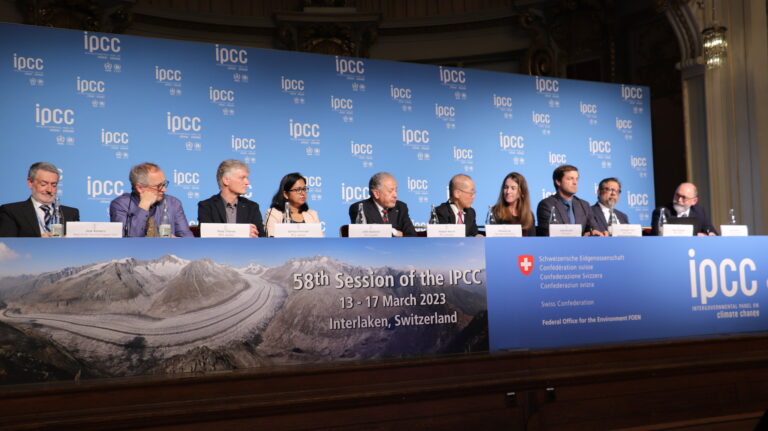
More than six hundred experts appointed to the three Working Groups of the Intergovernmental Panel on Climate Change (IPCC) are gathering in Paris this week to commence work on the first draft of IPCC’s Seventh Assessment Report (AR7).
This is the first time in IPCC’s history that the three Working Groups are holding a joint Lead Author Meeting.
The authors, from more than 100 countries, will focus their work on the initial drafts of the three Working Group contributions to AR7 and cross-cutting topics. Bringing together authors from all three Working Groups in a single venue aims to enable the IPCC to take an ambitious qualitative leap in assessing key interdisciplinary questions related to climate change.
The IPCC provides the world’s policymakers with comprehensive summaries that synthesise and contextualise what is known about the drivers of climate change, its impacts and future risks, and how adaptation and mitigation can reduce those risks. Through its assessments, the IPCC identifies the strength of scientific agreement in different areas and indicates where further research is needed.
“In this year marking the 10th anniversary of the Paris Agreement, France is proud to host the very first joint meeting of all IPCC authors. This is an opportunity to send a strong message of support for science, which must remain the foundation of our decisions to reduce our emissions everywhere across the world,” said Monique Barbut, Minister of Ecological Transition, Biodiversity and International Negotiations on Climate and Nature.
“The sheer volume and high level of interest that we received from the scientific community to participate in the IPCC is a positive indication of a global commitment to advance climate action policies that are rooted in science,” said Robert Vautard, Co-Chair of Working Group I and senior climate scientist at the National Centre for Scientific Research at Institute Pierre-Simon Laplace, Paris.
IPCC reports are subject to multiple stages of review to ensure a comprehensive, objective and transparent assessment of the current state of knowledge of the science related to climate change. An open and transparent review by experts and governments around the world is an essential part of the IPCC process, to ensure an objective and complete assessment and to reflect a diverse range of views and expertise.
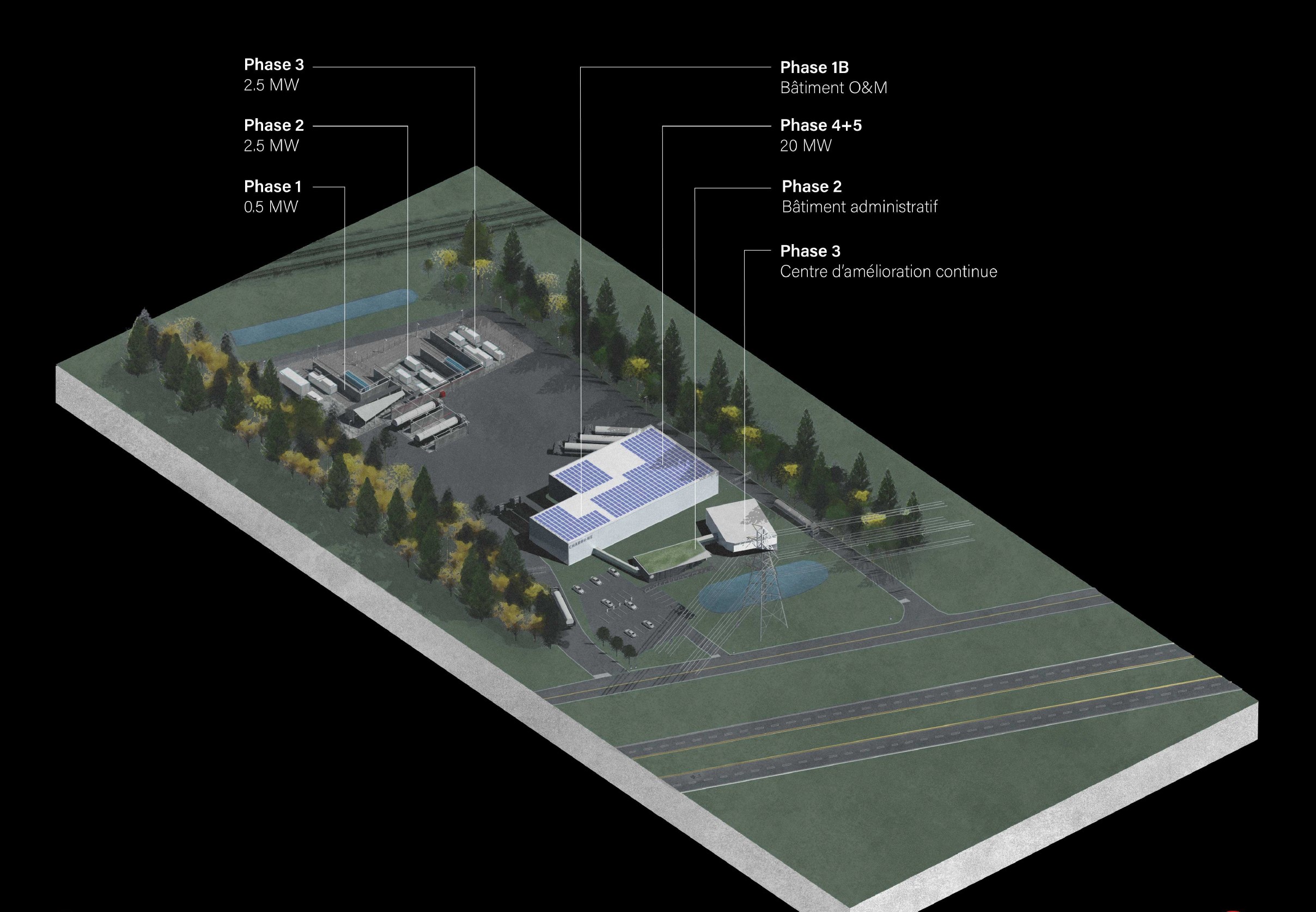
Charbone (TSXV: CH, OTC: CHHYF; FSE: K47) announced that it has successfully installed Phase 1A equipment at its Sorel-Tracy facility and has produced its first molecule of clean Ultra High Purity (UHP) hydrogen. The milestone marks the company’s transition from construction to commercial operation.
The Charbone plant will be built in 5 phases, the first of which will produce more than 200 kilograms of green hydrogen intended for the migration of current industrial users of “grey” hydrogen. The plant will create up to 30 jobs when completed.
Charbone (also known as Charbone Hydrogen Corporation) is a Canadian-based, publicly traded company that develops and produces clean, Ultra High Purity (UHP) green hydrogen and distributes strategic industrial gases. The company recently announced its first hydrogen production at its Sorel-Tracy facility in Quebec.
The first production tests were completed over the final weekend of November following the commissioning of CHARBONE’s initial modular UHP hydrogen unit in Quebec. Early results confirmed that the system is functioning as expected and performing within planned technical parameters.
“This marks a key milestone for CHARBONE,” said CEO Dave B. Gagnon. “The successful installation and first production tests demonstrate our team’s execution capabilities. We are now entering the commercial production phase.”
The Sorel-Tracy site is the first decentralized clean UHP hydrogen production facility in Quebec and is positioned as a model for North America. The plant is part of CHARBONE’s five-phase plan to deploy a network of modular hydrogen production facilities across the continent, supported by the company’s growing specialty-gas distribution platform.
CHARBONE develops and produces clean UHP hydrogen and industrial gases through a modular, scalable model designed to support localized clean-energy demand and underserved industrial gas markets. The company is listed on the TSX Venture Exchange, OTC Markets, and the Frankfurt Stock Exchange.
Charbone focuses on developing a network of modular green hydrogen production facilities across North America and selectively in the Asia-Pacific region. They use renewable energy sources, such as hydroelectric power, to produce environmentally friendly hydrogen. A second project is planned for the Great Lakes region in the United States (near Detroit, Michigan).
At a time when global shipping is under scrutiny after multiple cargo ship explosions and fires linked to fuel loads, lithium batteries, and overloaded containers, the debut of the Neoliner Origin signals a dramatically different path for maritime transport. Developed by the French company Neoline, Neoliner Origin is the world’s first industrial-scale wind-powered roll-on/roll-off (ro-ro) cargo vessel—built to cut fuel use and emissions by more than 80% and reduce reliance on volatile fossil fuels.
The vessel uses rigid wing sails, advanced aerodynamic design, and optimized routing to harness wind as its primary propulsion system. Unlike conventional vessels that depend almost entirely on heavy fuel oil—and whose fuel or cargo can ignite under extreme conditions—Neoliner Origin is engineered to minimize combustible fuel loads. This alone positions it as a safer and more sustainable alternative in a sector increasingly rattled by catastrophic maritime accidents.
Neoline’s model is simple but revolutionary: revive proven elements of maritime tradition, combine them with cutting-edge engineering, and create a commercial shipping line connecting France, Canada, and the United States with near-zero-emission sail-powered vessels. The company aims to provide shippers with a logistics option that is resilient to fuel price spikes, port restrictions, and the physical dangers associated with transporting hazardous cargo in conventional ships.
The arrival of Neoliner Origin to the port in Baltimore represents more than technological novelty—it suggests a new direction for global trade. Wind propulsion, once displaced by diesel engines, is re-emerging as one of the only scalable, immediately deployable solutions capable of drastically reducing emissions while improving safety.
As cargo ship fires and explosions grow more frequent, Neoline’s approach offers a compelling blueprint: a return to wind, no more oil spills and cargo transport upgraded for the 21st century.
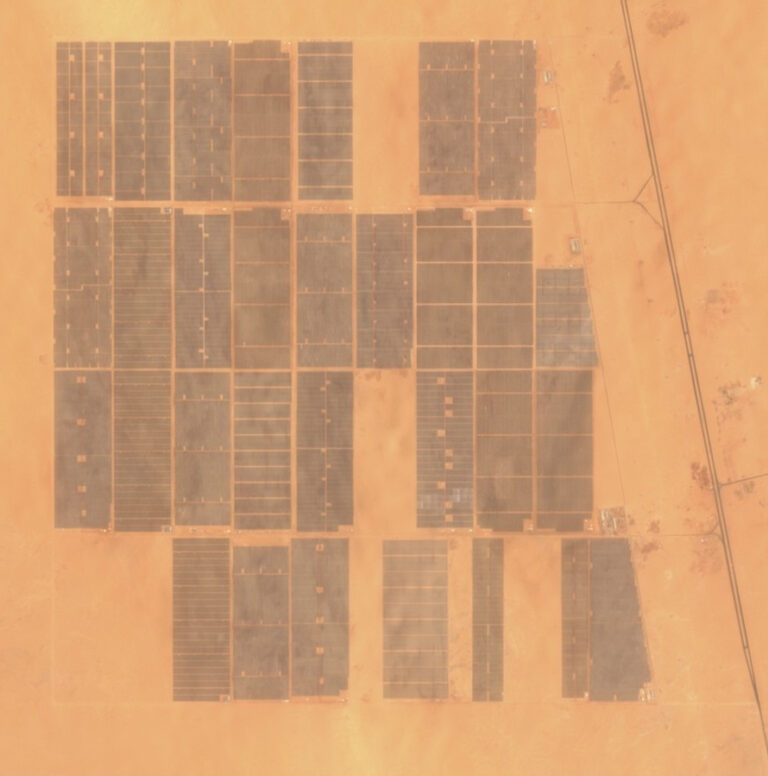
Benban solar park from above shows the individual solar units operating alone and delivering energy together
Egypt’s Ministry of Electricity and Renewable Energy, the Egyptian Electricity Transmission Company, and a consortium comprising Infinity Power and Hassan Allam Utilities Energy Platform signed an agreement to jointly develop solar power projects at Benban Solar, one of the world’s largest solar energy parks in Egypt. The new project will be a total installed capacity of 1.2GW of solar energy, coupled with the construction of a 720MWh battery energy storage system.
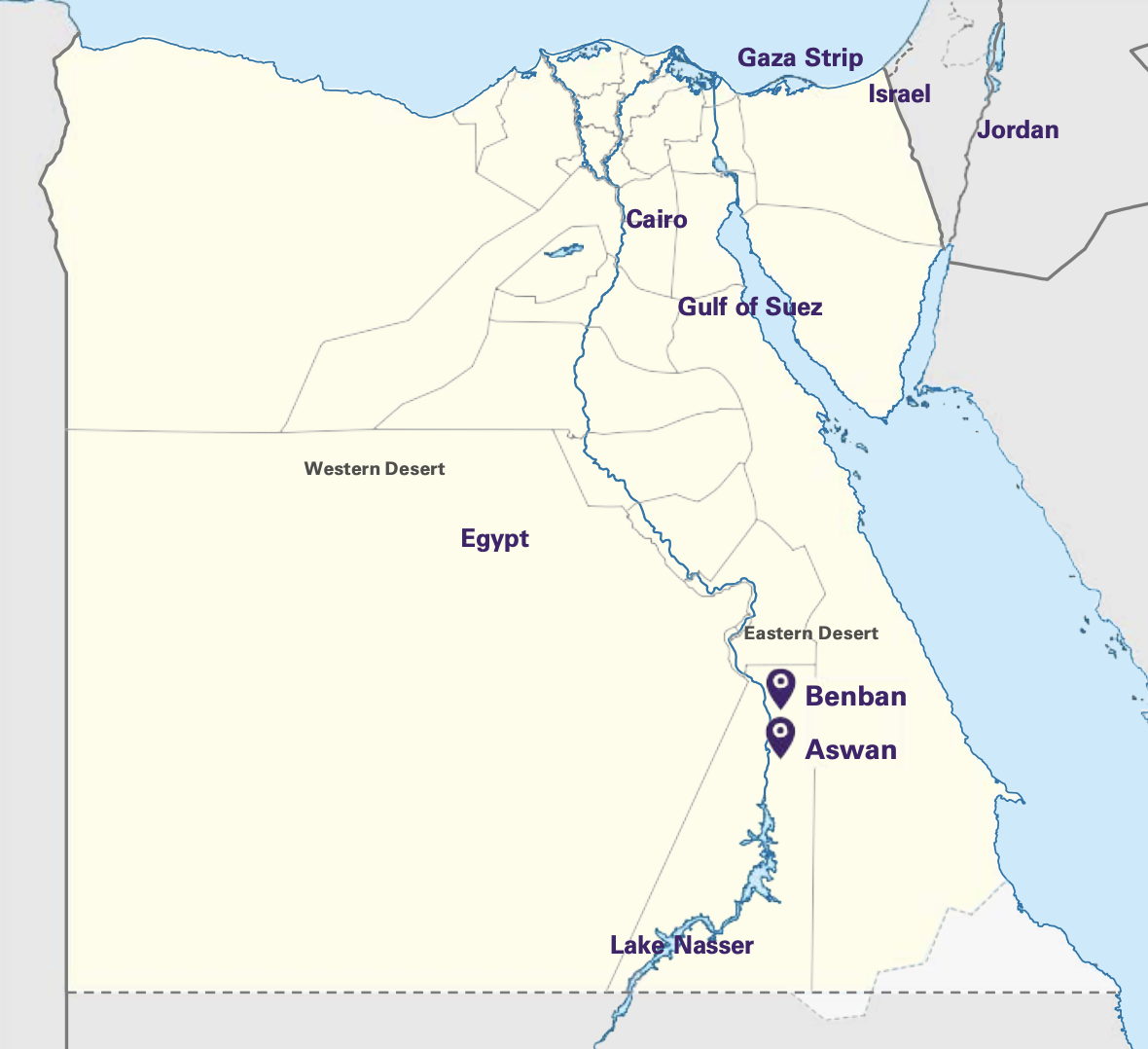
Benban solar energy plant, one of the biggest in the world is on the map in Egypt
According to the agreement, the project will be advanced in two phases across different regions of Egypt. The first phase involves building a new 200MW solar power plant with a supporting 120MWh energy storage system in the Benban Solar Park, Aswan area. This solar park already provides power to about 1 million Egyptian homes.
The new plant is scheduled to commence commercial operation in the third quarter of 2026.
The second phase of the project will construct a larger 1GW solar facility in Minya Governorate area of Egypt, equipped with 600MWh of storage capacity, targeting grid connection in the third quarter of 2027.
Egypt’s Minister of Electricity, Mahmoud Esmat, stated during the signing ceremony that the project’s large-scale energy storage facilities will effectively enhance the grid’s peak shaving and valley filling capabilities, providing crucial technical support for the large-scale integration of renewable energy.
Infinity Power is a joint venture between Egypt’s Infinity and the UAE’s Masdar, a global investor in renewable energy. Both partners already have operational project experience within the Benban park. Hassan Allam Utilities Energy Platform is co-controlled by the European Bank for Reconstruction and Development and currently manages 2.3GW of projects under construction and a 1.65GW project pipeline, covering renewable energy sectors like wind and solar power.
This project aligns closely with Egypt’s renewable energy development strategy. It is reported that Egypt’s allocation for the electricity and renewable energy sector in the 2025 to 26 fiscal year has been increased to $2.8 billion USD, nearly doubling compared to the previous fiscal year, with the goal of raising the share of clean energy in the power mix to 20% by 2026.
Upon completion, this 1.2GW project will help propel Egypt towards its long-term targets of achieving 42% renewable energy by 2030 and 65% by 2040. If Egypt is successful on this path it can start exporting energy and revive the Desertec dream of uniting Africa’s solar energy to buyers in Europe.
In the deserts near Aswan, Egypt the Benban Solar Park stands as one of the world’s largest renewable-energy experiments — a massive solar ecosystem that behaves less like a single power station and more like a telecommunications network. With a total installed capacity of 1.65 gigawatts (GW) and annual generation of about 3.8 terawatt-hours, Benban is big enough to change how Egypt powers its homes, industries, and future.
The idea for Benban began taking shape around 2014, when Egypt launched an ambitious plan to transform its energy mix through a national Feed-in Tariff (FiT) program. Construction accelerated between 2016 and 2018, with 41 separate solar plants being developed simultaneously by dozens of companies. The park began coming online in phases starting in 2018, and full commercial operation was achieved in 2019, marking a turning point in Egypt’s renewable-energy landscape.
Benban isn’t a single solar plant at all, but a collection of 41 facilities, each developed by different companies but connected through shared infrastructure. This structure is what makes Benban unique: dozens of developers working like nodes in a vast energy network, each feeding electricity into shared substations and Egypt’s national grid. In telecom terms, each company operates its own “tower,” but the backbone system is shared, coordinated, and standardized so the entire network functions seamlessly.
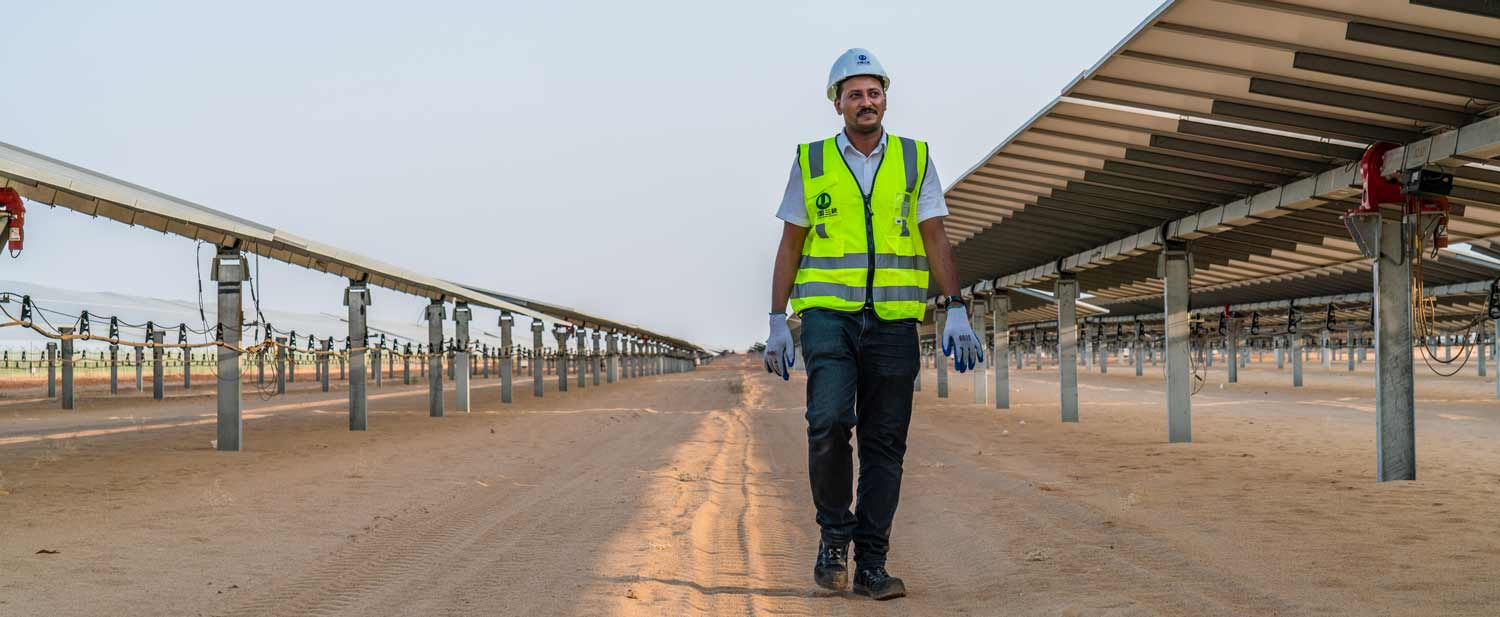
Mostafa Abdelfatah
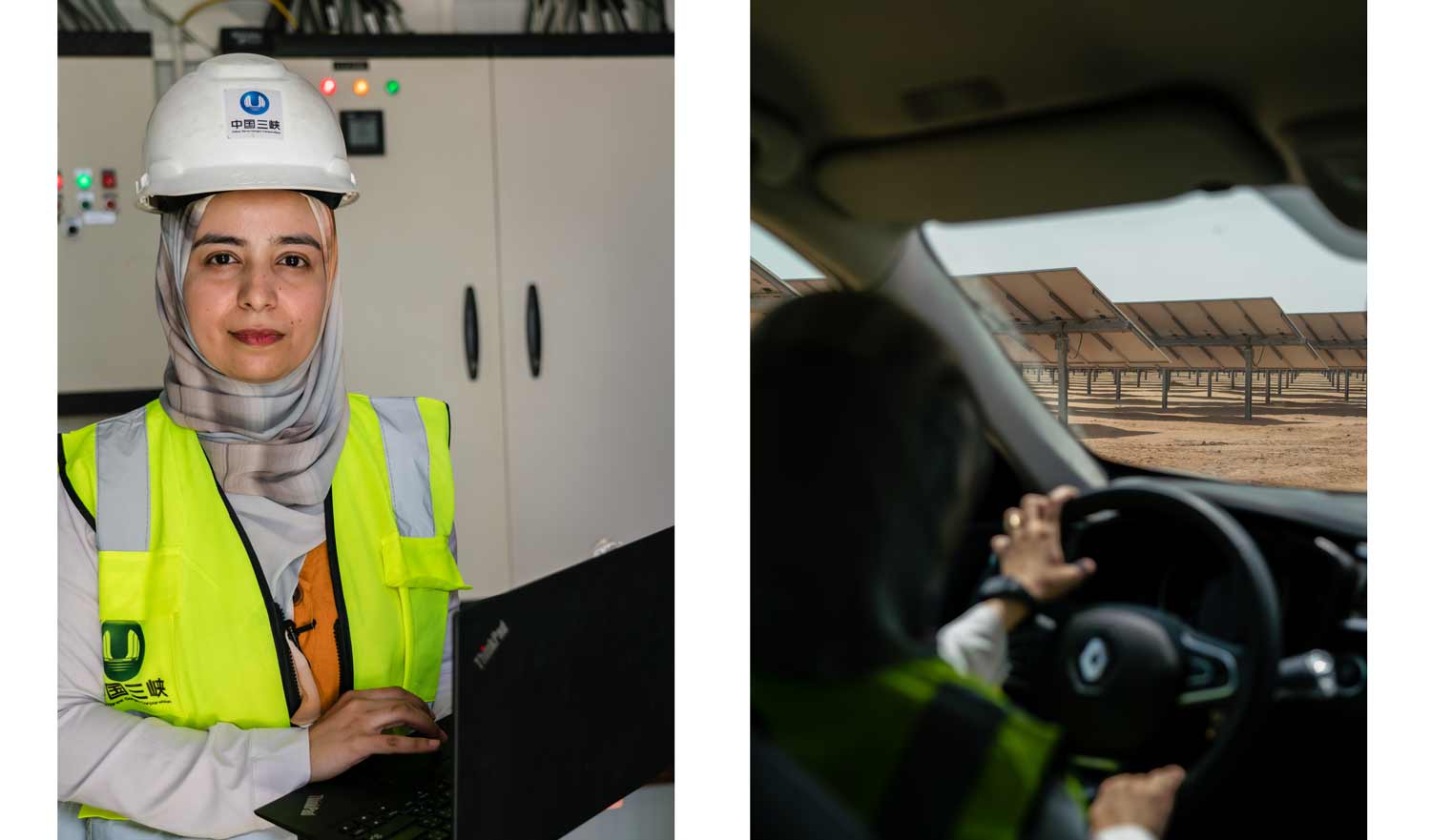
“The first time I came here, there was nothing but sand,” recalls Mostafa Abdelfatah, the project manager at Benban. “But the sunshine immediately struck me as a great opportunity to produce clean energy. Benban is now one of the largest solar parks in the world, with millions of photovoltaic panels, providing electricity to more than one million homes,” he said.
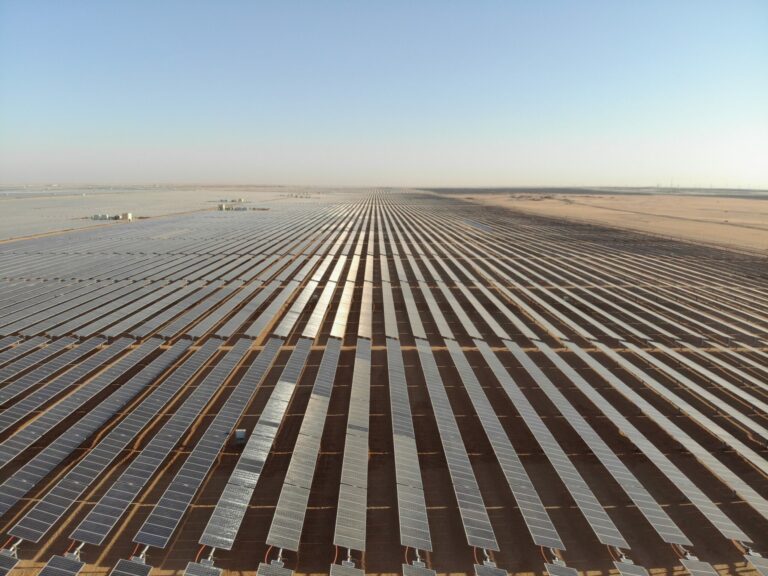
Benban solar park from above shows the individual solar units operating alone and delivering energy together
A wide range of companies helped create the Benban complex, from global renewable-energy giants to regional and local developers. Major players include Scatec, ACWA Power, EDF Renewables, Infinity Power, Hassan Allam, and ElSewedy Electric. These developers financed, built, and now operate their respective slices of Benban under Egypt’s FiT framework and long-term power purchase agreements with the national electricity utility. The FiT scheme originally offered rates of 14.34 US cents per kilowatt-hour, later adjusted to around 8.4 cents, reflecting declining solar costs and competitive tenders.
For investors in solar energy, these long-term, government-backed contracts created a rare combination in an emerging market: stable returns, predictable cash flow, and strong multilateral support from development banks. For Egypt, it meant unlocking billions in renewable-energy investment without burdening the state with upfront capital costs.
The benefits extend far beyond balance sheets. Benban provides enough clean electricity to power over one million Egyptian homes. Individual plants generate enough energy for tens of thousands of households, creating a cumulative national impact. For everyday Egyptians — particularly lower-income families vulnerable to grid instability, rising diesel costs, or seasonal electricity cuts — Benban represents a major step toward more reliable, stable, and affordable power.
The structure of Benban offers several strategic advantages. Shared infrastructure reduces construction costs and environmental footprints. If one plant requires maintenance, dozens of others continue operating, ensuring steady output. Standardized engineering requirements mean that all plants align to the same grid specifications and safety protocols, reducing risks of outages or instability. It is the same logic used in telecommunications: many operators, one harmonized network.
Consider Banban a model and a training hub
Benban has also become a critical training ground for Egypt’s next generation of solar engineers, technicians, and energy managers. Thousands of Egyptians were employed in construction and operations, and many now work across the Middle East and Africa on new solar ventures, exporting Egypt’s clean-energy expertise.
Desertec was a consortia developed to bring solar energy from Africa up to Europe
On a national scale, Benban reduces Egypt’s dependence on imported fossil fuels and frees up natural gas for industrial use or export. Solar power provides price stability, helping insulate poorer households from global fuel market volatility. Many Egyptian homes still burn polluting bitumen to cook their food. It also advances national climate targets by avoiding millions of tons of carbon emissions over its lifetime.
How investors can get involved in Egypt’s solar future?
Even though Benban is complete, Egypt’s solar opportunity is not. Investors can participate through:
New utility-scale tenders — Egypt continues to commission large solar plants, especially around Aswan, Kom Ombo, and the Red Sea.
IPP (Independent Power Producer) models — Private developers can propose and build solar facilities with long-term power purchase agreements.
Distributed solar — Schools, factories, farms, and commercial buildings in Egypt are increasingly adopting rooftop solar, often with private financing.
Green bonds and renewable-energy funds — Egyptian and regional banks issue climate-oriented financial instruments linked to solar expansion.
Partnerships with local companies — Firms like Infinity, ElSewedy Electric, and Hassan Allam frequently collaborate with foreign investors and technology partners.
For international investors, Egypt offers stable demand, abundant sunlight, a government keen on energy diversification, and a proven track record of delivering large-scale solar projects. For everyday Egyptians, each new solar facility strengthens the grid and makes energy access fairer and more resilient. Consider investments in Sinai that could benefit Gaza as it’s being rebuilt?
The latest OECD Environmental Outlook focusses on the triple planetary crisis of climate change, biodiversity loss and pollution.
The OECD, or the Organisation for Economic Co-operation and Development, is a global policy forum that brings together high-income democracies to address some of the world’s biggest challenges and promote liberty and prosperity. It develops policies to protect individual freedoms and improve the economic and social well-being of people worldwide. The organisation studies issues such as health, education, trade and taxation — and over the last two decades, climate change has become one of its most urgent areas of focus.
The OECD has recently published a major climate change report (link at the end of the article) that companies and governments must understand. It outlines essential policy tools and highlights the need to manage potential trade-offs — for example, ensuring that rapid renewable-energy deployment does not unintentionally damage natural habitats or create new waste-management challenges when technologies reach end-of-life.
According to the latest analysis, climate change is projected to overtake land-use change as the leading driver of biodiversity loss by 2050, intensifying pressures on terrestrial and marine ecosystems. In turn, biodiversity loss weakens ecosystem resilience to extreme weather and pollution, directly affecting air, water and soil quality. As land use shifts, we can also expect more flooding and wider challenges in wildlife management — as seen in recent bear attacks in Canada and Japan.
The new OECD Outlook emphasizes that policies addressing each environmental challenge are deeply interconnected. Climate mitigation policies that curb greenhouse gas emissions can also reduce co-emitted air pollutants. At the same time, expanding solar and wind power — essential for cutting emissions — can create new pressures on biodiversity if not carefully planned.
“Understanding the linkages between environmental challenges like climate change, biodiversity loss and pollution is essential for designing effective policy responses,” OECD Secretary-General Mathias Cormann said. “By co-ordinating their policy measures aimed at addressing these challenges, countries can more effectively advance their environmental objectives in line with their unique circumstances.”
The report examines national documents across ten countries — Argentina, Australia, Canada, China, France, India, Indonesia, Japan, Peru and Uganda — to illustrate how governments recognise these connections. While all countries acknowledge the two-way interlinkages between climate change, biodiversity loss and pollution in their Biennial Transparency Reports and National Biodiversity Strategies and Action Plans, gaps remain. What needs improvement? The report suggests that students, researchers and policymakers look closely at these findings to understand how to contribute to better environmental governance.
Overall, links between climate change and biodiversity are relatively well covered in national strategies, but the relationships involving pollution — including how climate and biodiversity pressures heighten pollution risks — are often missing. Policies designed to explicitly manage trade-offs, especially around pollution, remain limited.
To address these issues, the OECD identifies several practical levers for more integrated and effective policy action:
Align financing and investment with interconnected climate, biodiversity and pollution objectives.
Manage trade-offs in the clean-energy transition, including land pressures, material demand and end-of-life impacts.
Transform resource use and advance circular-economy approaches to reduce waste, pollution and demand for primary materials.
Improve the sustainability of food systems and land use to cut emissions, strengthen biodiversity and enhance resilience to climate and water stress.
People today want natural, expressive, long-lasting results without the stiffness or long recovery once associated with facelifts. Below is a clear, gentle comparison of both methods to help illustrate how each one fits into modern aesthetic surgery.
Over the past ten years, facial rejuvenation has changed quite dramatically. No doubt the deep plane facelift is still a very powerful way to reverse facial aging, but the new Optimum Mobility Facelift has made quite a few people wonder if the old method can still be ranked as number one. Patients want to see youthful, lively, and natural-looking faces without the downtime and stiffness that used to be typical of surgical techniques. The deep plane facelift has been one of the most recognized methods of turning back the facial aging clock, however, with the introduction of the Optimum Mobility Facelift, most people are now wondering if this old-fashioned method is still relevant. Here is a concise explanation of both techniques and how their advantages match up in the current aesthetic world.
Deep Plane Facelift Explained
To understand whether it remains relevant, it’s important to first provide a clear deep plane facelift explained breakdown.
What the technique involves:
Repositioning the deeper layers of the face, which also includes the SMAS (superficial musculoaponeurotic system)
Lifting whole sections of your face together, like one piece.
Tightening of sagging that caused the cheek, nasolabial fold, and jawline areas
Freeing some deeper tissues to give your face a real lift.
Why it became popular:
Provides a more natural look than just skin facelifts
Creates very visible midface changes
Provides long-lasting effects as it is done by repositioning deep tissues
Limitations of the Deep Plane approach:
More invasive, as it requires a greater release of the tissue
Longer recovery time with more swelling and bruising
Less potential for customization as large areas are lifted together
Reduced facial mobility initially, as natural movement can feel temporarily restricted
The method is still very effective, however, its invasiveness and limited adaptability make it difficult to meet the expectations of personalized, natural-looking results nowadays.
What Is the Optimum Mobility Facelift?
The Optimum Mobility Facelift is a further development of the deep plane facial rejuvenation concept of the next generation. The design of the facelift is such that it can reach areas that are inaccessible by a conventional deep plane method and therefore achieve results that are beyond its limits.
Here’s what makes it different:
Instead of releasing everything, it focuses on moving specific tissues.
It targets key areas like the midface, jawline, and neck.
Preservation of key attachments that support natural facial motion
Customized adjustments based on each patient’s anatomy and goals
Beneficial features of such advanced method:
Less damage to the body as compared to a deep plane lift
Quick recovery, usually with a visibly lesser swelling
More natural facial movement, like smiling or speaking, etc.
Improved contour transitions between the cheeks, jawline, and neck
Higher accuracy that enables surgeons to adjust the amount of lift locally
This individualized approach aligns with modern surgical standards: natural in movement, structurally supportive, and specially made.
What’s the Difference Between These Two Methods?
Surgical depth:
Deep Plane: completely releases tissues.
Optimum Mobility: releases tissues in certain spots for better control
How it feels:
Deep Plane: can be a bit uncomfortable for the initial period
Optimum Mobility: keeps your face moving naturally.
Customization:
Deep Plane: limited flexibility
Optimum Mobility: can be adjusted to fit what you need
Aesthetic outcome:
Deep Plane: strong lift but less adaptable
Optimum Mobility: gives a smoother, better, and more natural look.
Is the Deep Plane Facelift Still a Good Option?
Yep, but it’s not for everyone.
Where the Deep Plane Facelift still excels:
extreme situations of facial sagging
more pronounced midface descent
Individuals who want a maximum structural lift
A lot of surgeons are going with Optimum Mobility now because:
Enables finer control of individual facial parts
Delivers superior effects in motion, rather than only at rest
Creates a more balanced and harmonious
Has a shorter recuperation period and causes less tissue damage
It’s perfect for folks who want a natural, custom look
The Deep Plane method is still effective but it is not considered to be the most advanced or flexible alternative in modern facial rejuvenation anymore.
Who Should Choose Which Procedure?
Best candidates for the Deep Plane Facelift:
Individuals with advanced aging
Patients wanting dramatic structural lift
The Optimum Mobility Facelift is a better choice if you:
Care most about a natural look
Need to recover quickly
Want very specific, fine-tuned results
Final Words
The Deep Plane Facelift is still a very valuable method for some particular situations, however, it is not able to compare with the range of features, natural movement, and improved comfort of the Optimum Mobility Facelift. With the progression of surgical techniques, the contemporary technique is clearly the more flexible, considerate of the patient’s needs, and hence, the most suitable method for achieving facial rejuvenation in the current time.
Here are lactose-intolerant friendly cheeses not made from cow’s milk
Sheep, goat, and buffalo milk create some of the world’s most flavorful cheeses. And if you are going an extra step and can find it, camel milk cheese might be one to try.
We tend to think of dairy as synonymous with cows, and it’s true that most commercial milk products start there. But cheeses made from the milk of other animals—sheep, goats, and water buffalo—are becoming increasingly common and often easier on digestion. Many people with mild lactose intolerance report they can tolerate these alternatives. If you’re curious about widening your cheese horizons, here’s a starter list of cheese made from non-cow milk. (DairyX makes a stretchy vegan cheese).
Feta
We make feta with grilled vine leaves
True feta is never cow-based. This classic Greek cheese is traditionally made from sheep’s milk, or a blend of sheep and goat. It’s firm, salty, tangy, and ideal for salads or pastries like spanakopita. Authentic feta is usually sold in blocks, with a crumbly, dry texture full of little fissures. Cow-milk “feta-style” products exist, so check labels if you want the real deal. Here is a feta dish you can make worthy of a Michelin star.
Manchego
Slices of manchego
This is an iconic Spanish cheese comes exclusively from the milk of Manchega sheep raised in the La Mancha region. It ranges from semi-soft to firm depending on how long it’s aged. A buttery interior and a signature herringbone pattern on the rind signal authenticity, along with the official D.O. (Designation of Origin) marking. Curado (aged 3–6 months) is smooth, slightly sharp, and perfect on sandwiches or a tapas plate.
Buffalo Mozzarella
Making mozzarella
Mozzarella di bufala is produced from the milk of Italian water buffalo, especially in the provinces of Caserta and Salerno. Its creamy, silky texture is notoriously difficult to replicate with cow’s milk. Real buffalo mozzarella carries protected status in Italy. Counterfeits exist globally, but the authentic version has an unmistakable richness and delicate tang. Loads of TikTok videos suggest how easy it is to make. It’s not. But this salad, a caprese is easy to make after you’ve bought some mozzarella from the deli. Fresh mozzarrela should be floating in water, not hard in a bag like cheddar. The hard stuff will work for pizza but the fresh stuff is a million times tastier.
Labbaneh / Lebbene
Labane, white delicious Arab cheese made from yoghurt
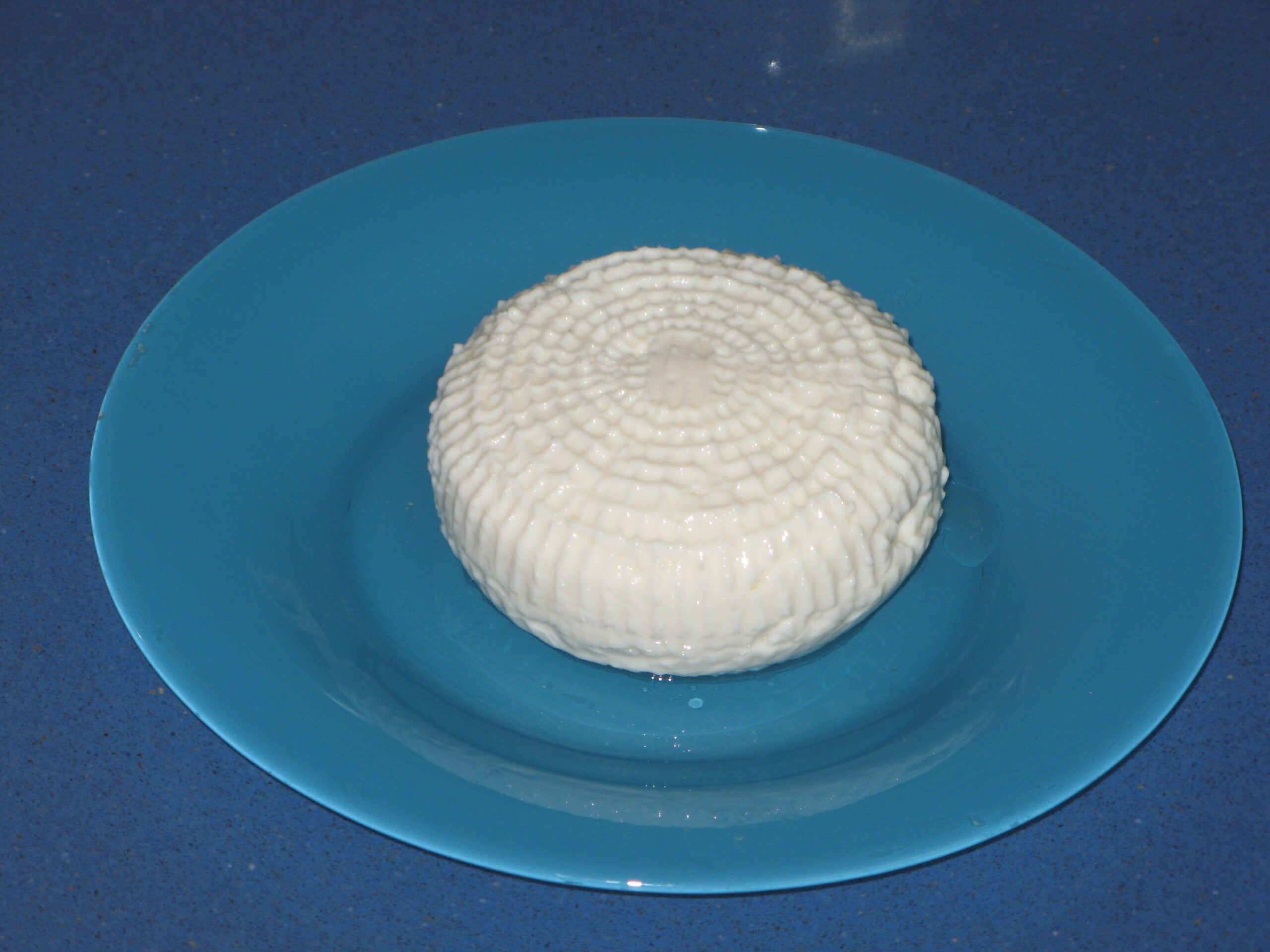
Common across Israel and the Mediterranean, labbaneh, labne, or labaney is a soft, tangy yogurt-style cheese made largely from sheep’s milk (though goat versions exist). It’s often shaped into small balls and stored in olive oil, sometimes rolled in herbs like za’atar. It might taste “off” when you first try it but the tang of the cheese grows on your. Spread it on bread, serve with vegetables, or add it to a breakfast mezze. It’s so simple that many home cooks make their own. We take 2 parts labne, 1 part heavy youghurt with a quarter cup of olive oil and wrap it inside laffe bread. Yummy. Here is a recipe for labne here you make from yoghurt.
Humboldt Fog
Humboldt Fog cheese
Created by Cypress Grove in Northern California, Humboldt Fog is an American original made from goat’s milk. Its signature ash line running through the center helps it ripen from the outside inward. The result is a cheese that starts crumbly but becomes increasingly creamy over time, with gentle acidity and a more intense flavor near the rind. It’s excellent on a cheese board or melted over vegetables.
Halloumi
Halloumi cheese
Originating in Cyprus, halloumi is a mixture of sheep and goat milk. Its springy texture and high melting point make it ideal for grilling or frying—so much so that people often mistake grilled halloumi for chicken. Traditionally aged and unpasteurized, it’s now beloved throughout the Eastern Mediterranean and far beyond.
We even have an Amish friend in Ontario, Canada making her own halloumi and selling it in markets in Toronto. It’s texture is a delight and it’s best served fried or grilled. Our friend says that one avoids a strong goat cheese flavor when the goats are kept clean and no urine makes it into the cheese. Reminds us of the expensive cat poop coffee, or argan oil made from nuts that come from a goat’s butt.
Halloumi chews squeaky. Sort of like rubber sneakers in a newly painted mall parking lot floor. It’s kind of neat though, also a bit annoying.
Pecorino
Pecorino cheese
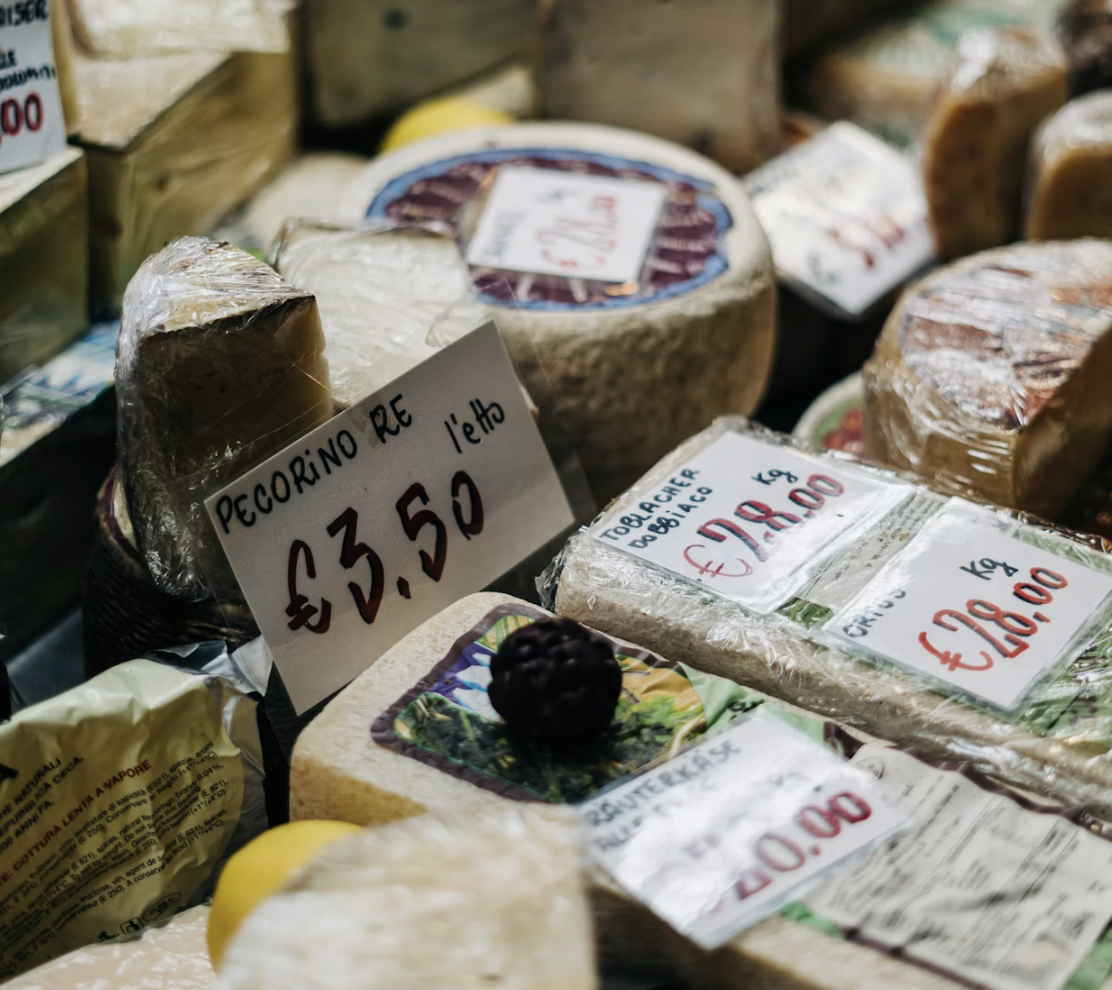
Pecorino simply means “sheep’s milk cheese” in Italian, and it’s a key member of the great Italian cheese families. Pecorino Romano is the version most commonly found outside Italy—salty, sharp, and a great substitute for parmesan. Other regional styles include Pecorino Sardo (Sardinia), Pecorino Siciliano (Sicily), and Pecorino di Filiano (Basilicata). All add depth to pastas, pizzas, and anything deserving a savory kick.
Tzfat Cheese
Safed cheese is salty and light
Produced in the northern Israeli city of Tzfat since the 19th century, this semi-hard cheese was originally made from sheep’s milk. Today you’ll find versions made from goat and cow milk too. The HaMeiri family—descendants of the early cheesemakers—still crafts a traditional sheep-milk variety using free-range animals milked by hand. The small family factory offers tastings and tours. (See also Goat’s With the Wind)
One of France’s most renowned blue cheeses, Roquefort is made from the milk of Lacaune sheep and aged in limestone caves. Legend says a shepherd abandoned his lunch—bread and fresh ewe’s cheese—to chase after a woman. Months later he returned to find the cheese transformed by blue-green mold into what we now call Roquefort. Its veins create a sharp, smoky tang that pairs beautifully with nuts, figs, or crusty bread.
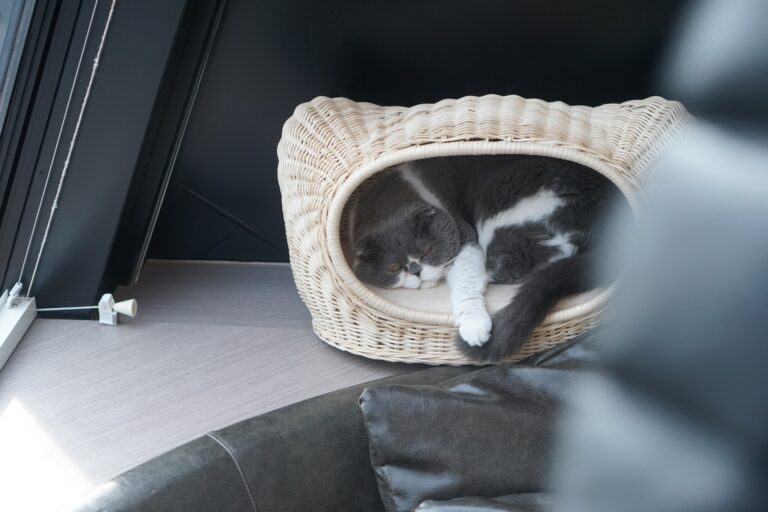
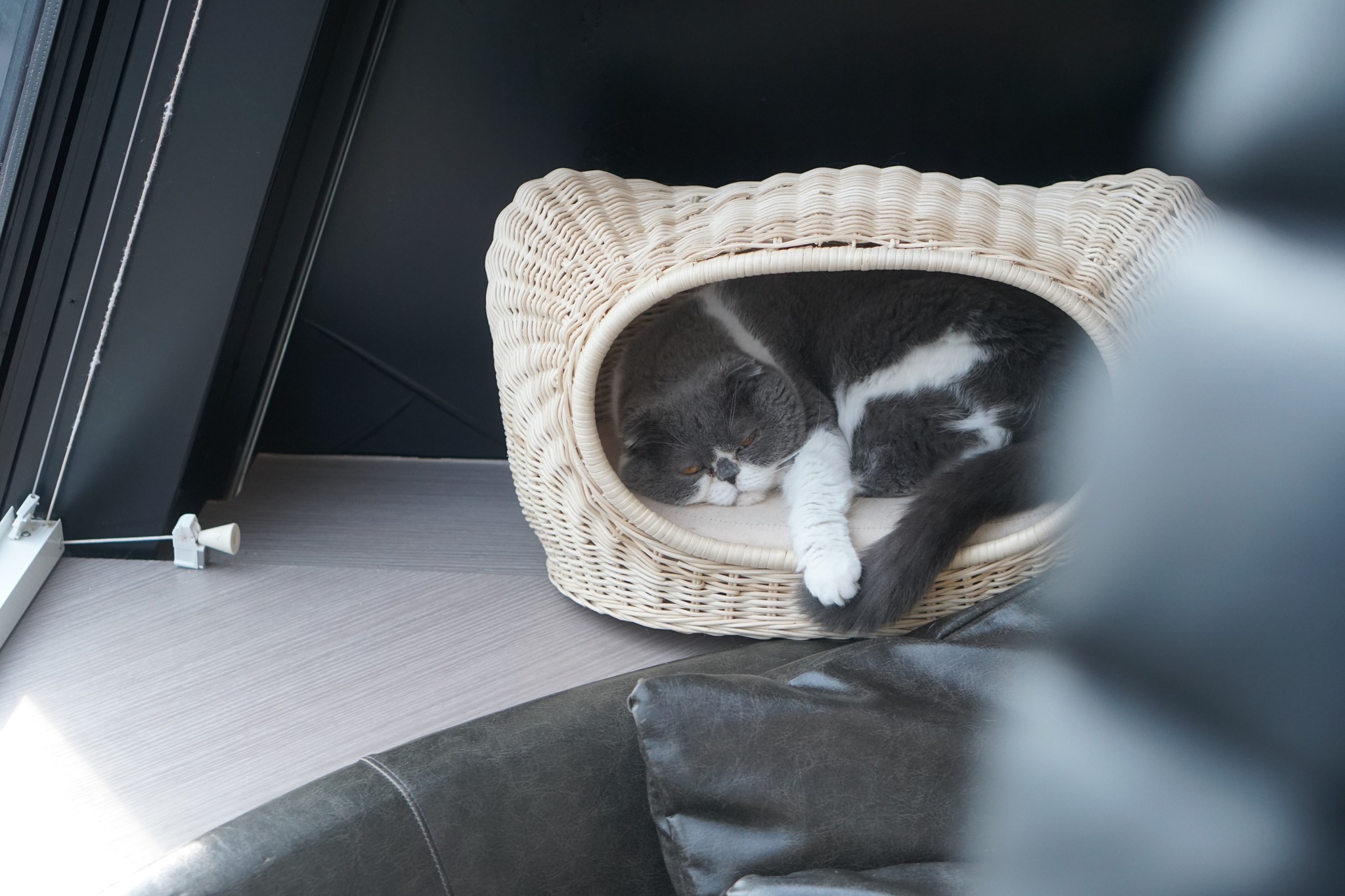
Cat cafe in Japan. Signs that the cats may be sick
Cats are not like dogs in so many ways. Your dog will nudge you when he’s sick. He will mope and make his behavior clear that he’s not happy. But cats? The signs of cats being sick or stressed out aren’t very clear. And if you’ve ever visited Japan at a cat cafe or walked the streets you will see how much they adore their cats – giving them treats, special toys, and wheeling them around in baby carriages. Now, they’ve invented an app to help you know.
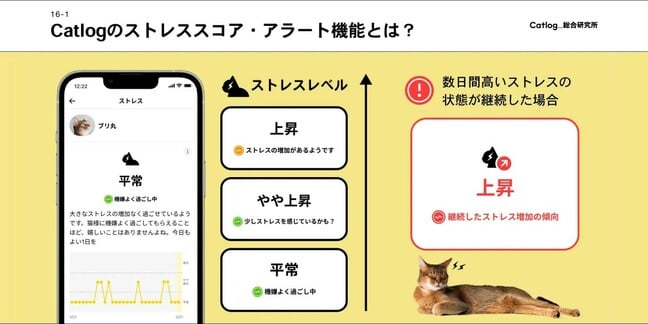
A Japanese company called Rabo currently makes a smart collar for cats and uses the motto, “Because nine lives are never enough” has started using AI to monitor feline stress levels. The collar is called Catlog_ and sells for ¥14,850 ($102) and is now for sale at half price.
Rabo named its smart pendant “Catlog_” and sells it for ¥14,850 ($102), although it’s currently on sale at half that sum.
Cat stress app in Japan
The collar can detect when your cat eats, drinks, sleeps, runs, walks, and cleans itself. It can check if the cat is stressed, if you aren’t around to notice these signs. Rabo pushes this data into a smartphone app that allows Japanese cat owners to monitor their kitties remotely. Is this what Japanese people are watching on the train?
Young woman with a Japanese cat
The app is currently used by 46,00 furrr babies and the data can be used to help vets diagnose cats.
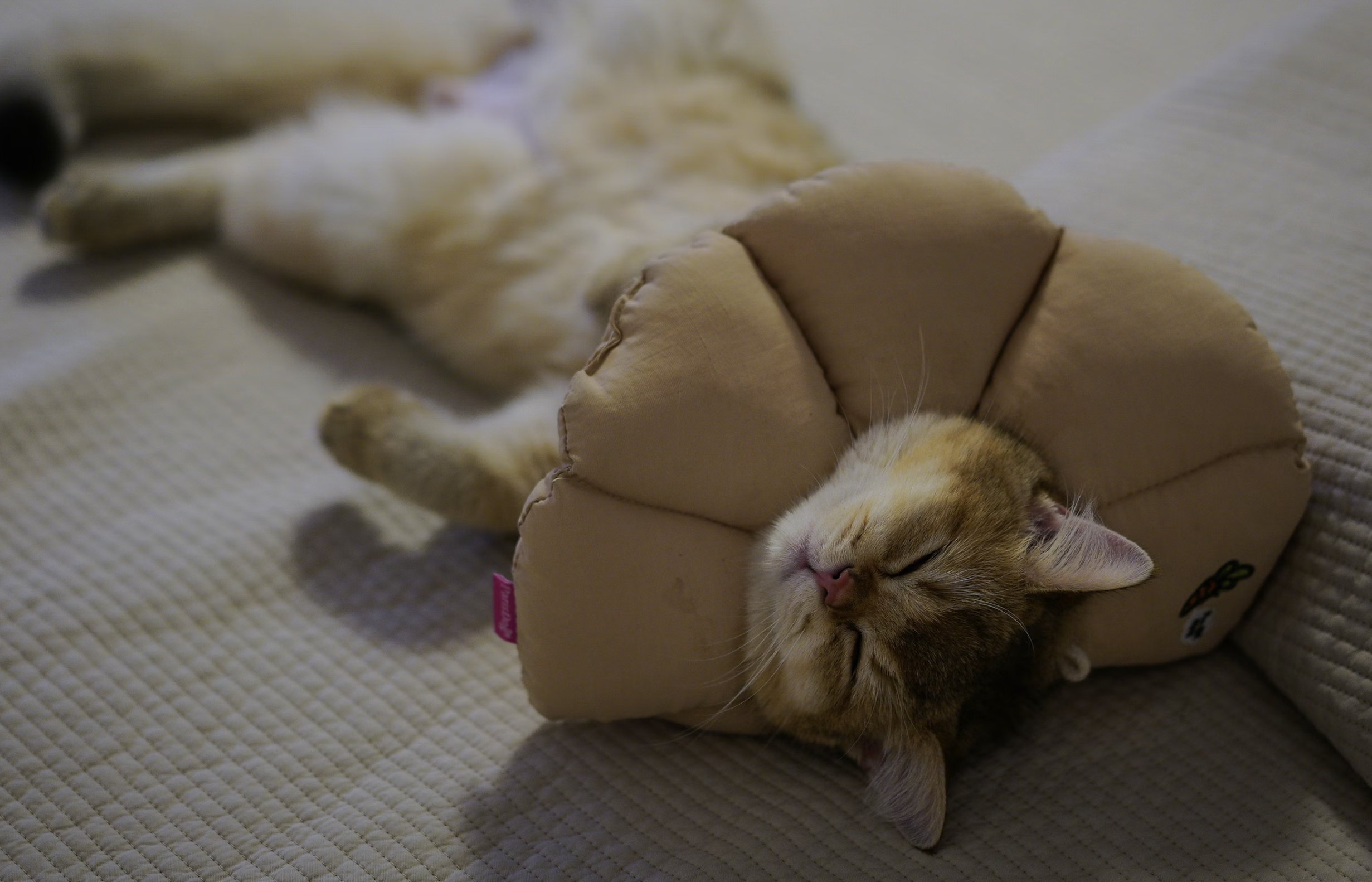
Dogs have ways to communicate their stresses, but cats don’t. Still, you can interpret signs of anxiety or fear in your cat if you know what to look for.
The first red flag is changes in the cat’s behavior. If your usually laid-back cat has begun to avoid you, hides under the bed much of the time, acts surprisingly aggressive or tries to run away, something or possibly someone in the house is bothering it.
Another clear signal of distress for a house cat is when it pees or poos outside the litter box. Refusing food, or eating all the time, are signs of what we would call depression in a human; and so it is for cats.
A cat’s body language also gives away signs of stress. If you notice that your pet is freezing in place, panting, shaking, or sitting in a tense position a lot, it’s afraid of something, or anticipating trouble.
Observe if it often tries to make itself smaller by sitting motionless with its head low, the tail tucked under its body; or on the contrary, trying to look bigger by arching its back with all its fur standing on end. Defiant growling and yowling usually goes with that. It may be an attempt to intimidate some other cat in territory it considers its own.
Watch its face. If your cat’s eyes are wide open with dilated pupils, it’s in defense mode. It will stare ahead hard, or sometimes blink rapidly and look away instead. It flattens its ears to the head and pulls its whiskers back. It might hiss if you approach. You feel the menace in its posture and face. That’s because the cat feels menaced itself.
Passive signs of anxiety may include constantly licking its nose, rubbing its face on surfaces a lot, and constant licking of its hind legs to the point where the fur sheds off. An insecure cat may start following its human around all the time or on the contrary, become withdrawn.
Sometimes a cat’s stress relates to past events. This is common with rescue cats. A black cat I adopted used to physically flinch at every little noise, a throwback to early trauma as a kitten abandoned in the street. It took many months of TLC and respect for his need to be left alone to gain his trust. But while he eventually enjoyed being talked to and petted, he forever remained nervous and on the watch, never sitting on my lap for more than a minute. I think it made him feel trapped, but then I’ll never know for sure. Here’s a post about how black cats are being protected in Spain until Halloween.
Chronic stress impacts a cat’s health in the long run. Feline idiopathic cystitis, where there’s inflammation of the bladder, is often ascribed to chronic stress. The bladder inflammation can become so severe as to cause a blockage of the urinary tract, a painful emergency condition. If you see your cat straining to urinate, peeing very little each time, choosing a cool surface to pee on, like a tile floor rather than the litter box, and/or meowing while urinating, take him or her to the veterinarian right away.
What might be stressing your cat? And how can you help it?
Different factors in the environment may lead to a cat’s stress, but most often it goes back to other cats. If one cat doesn’t get along with another in the house, being obliged to share can lead to fierce competition for the food and water, litter box, toys, and beds – even if each cat has its own. The solution is to separate the cats’ properties as far as possible, and have patience. With time, they may become friends. On the other hand, they may agree to live in peace only as long as their stuff stays separate, so keep observing them.
Neighborhood cats can bully a house cat. This is difficult to manage. The easiest thing is to let the cat decide when it’s safe to go outdoors: it will catch the scent of a neighborhood tough close by and stay indoors if it feels a threat in the air.
Sometimes cat stress comes from feeling trapped. A cat will let you know if you’re petting or holding it against its will. It will wriggle out of your arms or jump off your lap. If you insist on picking it up when it wants to be left alone, it may scratch or bite. Respect its feline independence.
Boredom and frustration cause stress. Cats need to scratch, and if denied a scratch pole or pad, or access to a tree, it will scratch the furniture. Some cats need lots of stimulation and roaming outdoors, or love wild gymnastics in the house. Almost every cat likes to climb and hang out in high places. Ever watched a cat watching you from the top of the fridge? If your cat must be kept indoors, arrange your home so there’s at least one place where your cat can leap from one height to another, and to a third or fourth if it’s possible.
Don’t panic if you find your pet delicately stepping along the thin ledge outside a high window. Rather than startling it with a shriek, just let it come back inside in its own good time.
Some cats are content with a safe life in a home with cozy hiding places and just a window to the world. Many need both: plenty of activity (usually at night) and a hidey-hole or two. And cats’ needs change. A pregnant cat slows down, and naturally, so does an older cat. There’s only one way to get to know your cat’s needs, and that’s by observing them.
Cats are conservative creatures. Change stresses them. A new food can upset a cat. Big upsets like moving house, the sudden absence of a beloved human, or a new person in the house (like a baby) may cause your pet to become withdrawn, or more vocal than ever. Obviously you can’t control every factor in a cat’s environment but consider that in many respects, care of a cat resembles care of another human. It’s happiest when feeling safe.
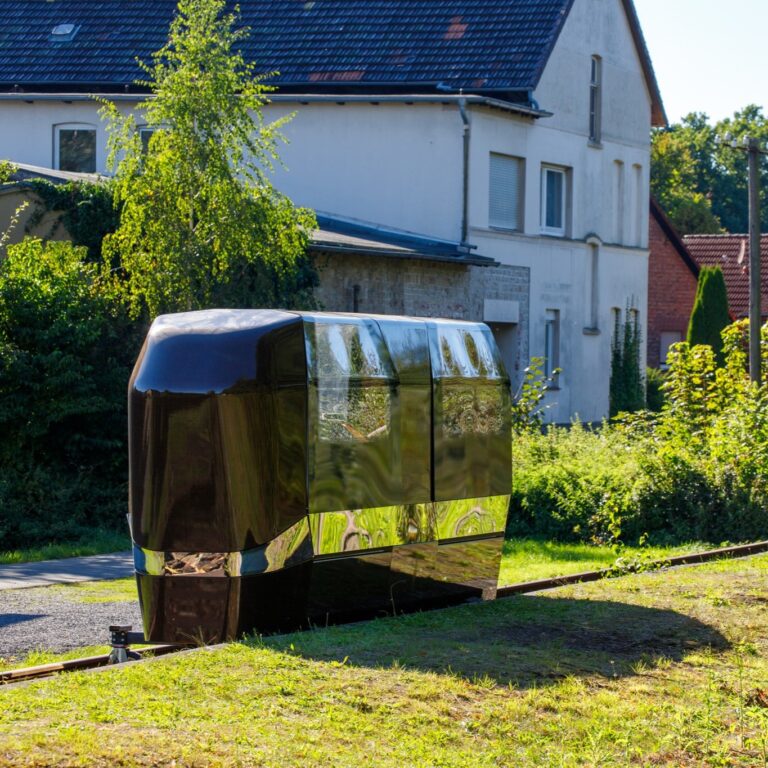
It isn’t a grand idea like the Orient Express or a luxury train through Saudi Arabia (the Dream of the Desert) but a German R&D project piques curiosity on its feasibility to repurpose inner city and suburban railways. It helps urban and suburban renewable and seniors get around.
In New York, old rail lines were turned into The High Line, a gorgeous urban park platform full of urban gardens, art and the best ice cream sandwiches you’ll find in the world. It’s a must when you visit New York. Tel Aviv’s train lines, the ones that travelled from Jaffa to Beirut and from Jaffa to Jerusalem have also got an upgrade — into an urban center and shopping area called The Tachana, or The Station. Dog parks, playgrounds and cafes line the old rail tracks that are still apparent when you take a stroll.
How many cities and suburban areas have out of commission rail tracks?
The German innovators, a collection of researchers and city planners, are hoping to put oil train tracks to use by creating monorail cabs that can traverse the lines already laid down. This is especially important in the countryside where older people don’t drive and small towns are dwindling as people move to the cities for better access to resources. The cabs roll on one wheel, are stabilised by a gyroscope and allow two in opposite directions to pass one another.
They are called Monocab Owls. The pictures speak for themselves. And if anyone has ever lived through an urban improvement period as I have in Jaffa, you will know it can tear down trees (see how ecologists fought the city and won!), it costs millions of dollars, the dust and pollution is horrendous and it takes years of unpleasantness for residents. In Jaffa, dozens if not a hundred retail businesses were decimated in the process of building the cities Light Rapid Train. A Monocab could be a great solution until we all get renewably powered Jetson cabs that fly in the sky.
The Monocab project is a collaboration of many partners and include Ostwestfalen-Lippe University of Applied Sciences, the Bielefeld University of Applied Sciences, the Fraunhofer IOSB-INA, the RailCampus OWL, and the Lippe district.
The project funding is provided as part of the implementation of the operational program of the European Regional Development Fund (ERDF) in North Rhine-Westphalia, with co-financing by the Ministry for Environment, Nature Conservation, and Transport of the state of North Rhine-Westphalia.
We’d love to see this low-cost solution developed in suburban centers allowing residents to enjoy mobility without the cost of developing new infrastructure that can cost millions.
By investing in ideas like Monocab Owl, the EU is revolutionising sustainable commuting. This gyro-stabilised monorail offers autonomous, on-demand transport, boosting rural connectivity. A big yes for the environment.
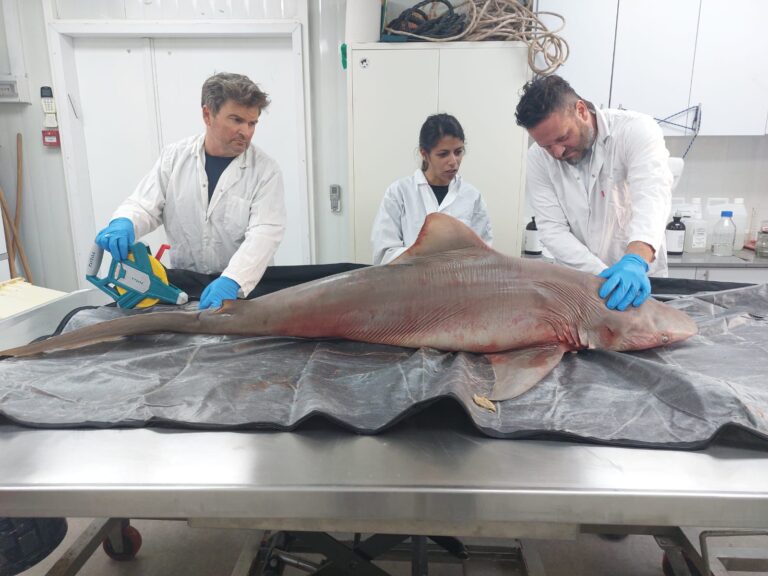
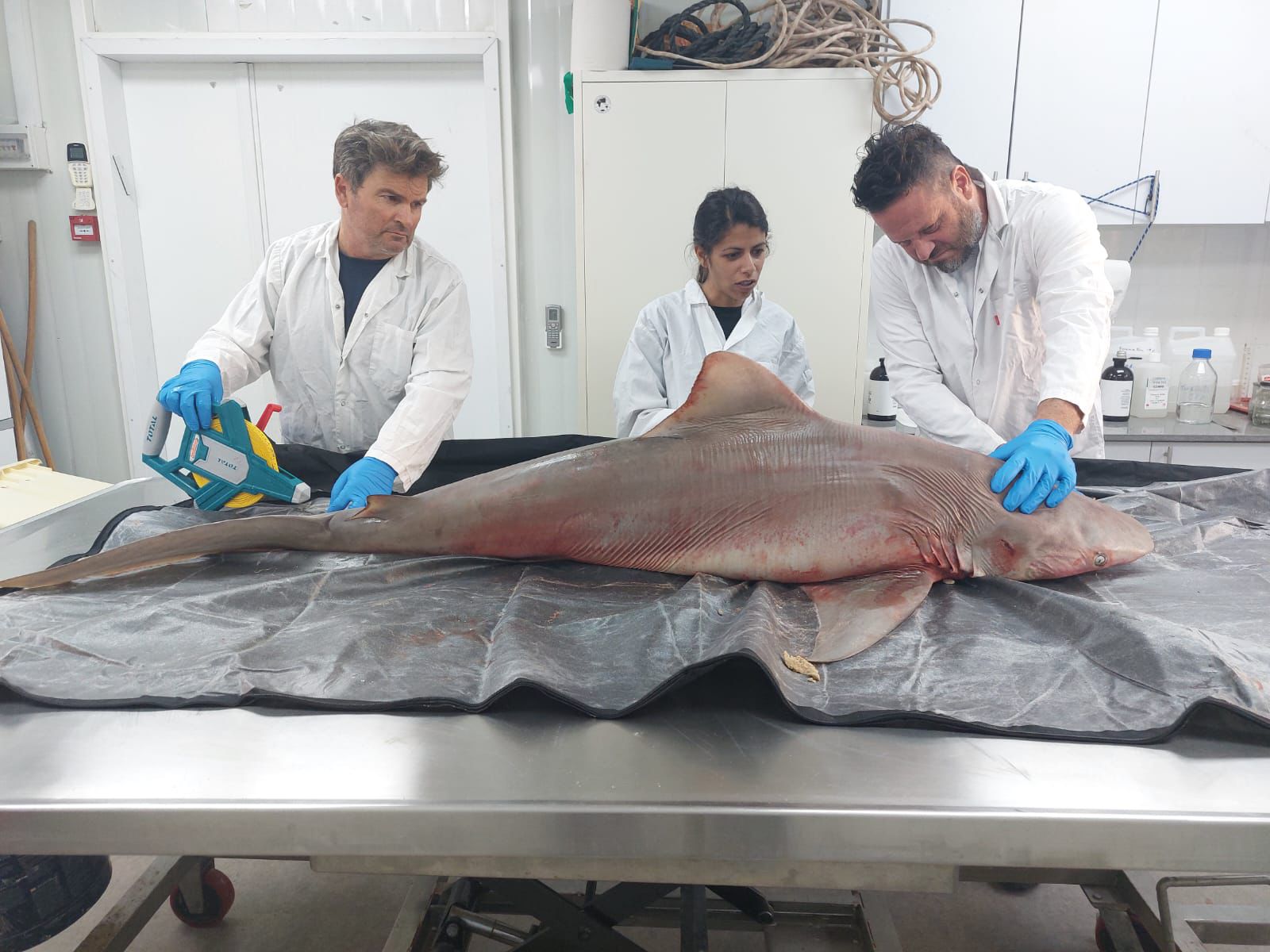
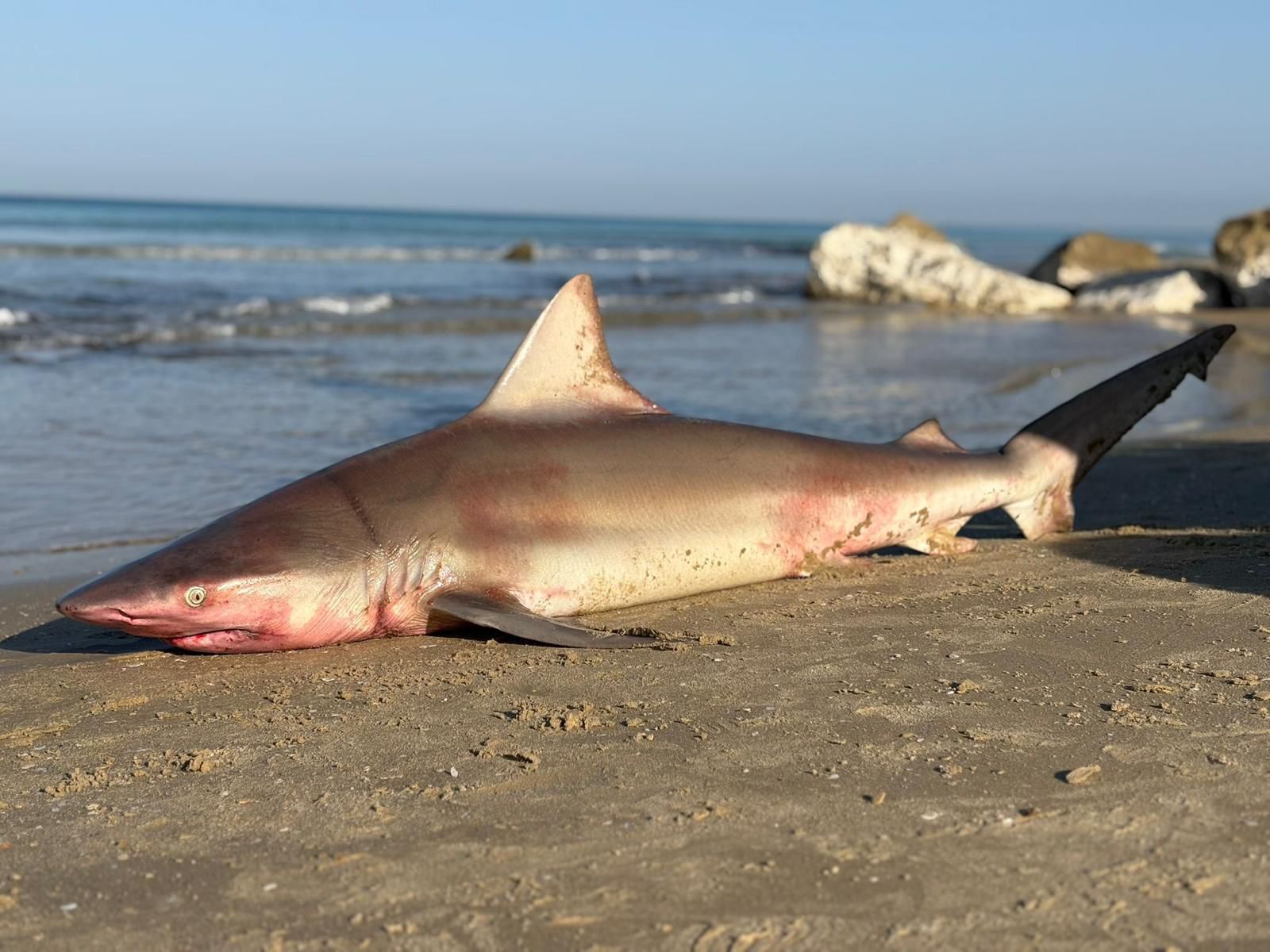
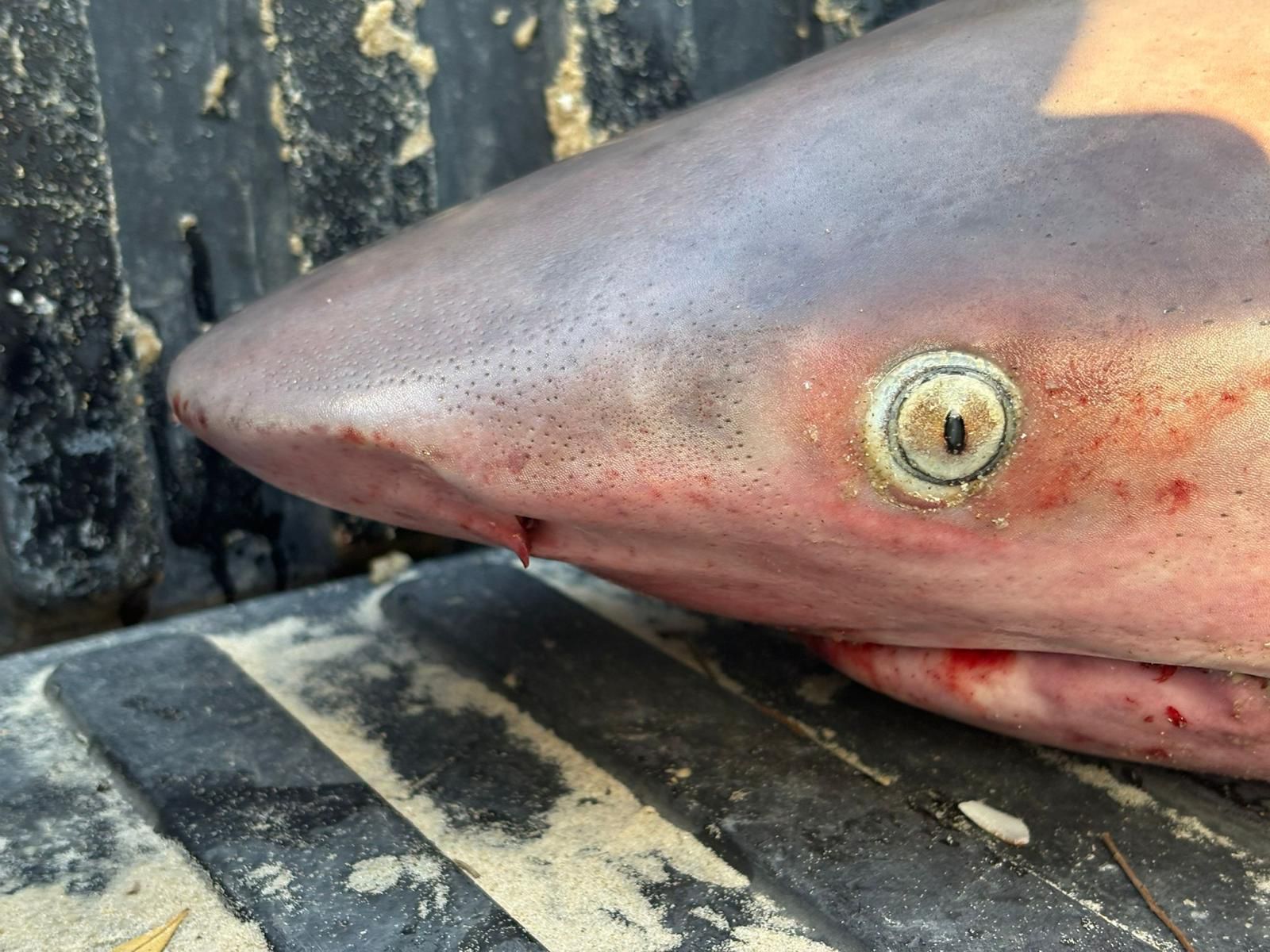
A dead shark that washed ashore this week at Beit Yanai beach in Israel has renewed concerns about the health of Israel’s marine ecosystems — and the growing risks humans face as climate and coastal pressures intensify.
Beachgoers reported the shark early in the morning, one of several unusual strandings seen along Israel’s coast this year. Marine biologists are investigating the cause of death, but early theories point to two escalating stressors: over-fishing, warming waters and desalination impacts.
At the same time, scientists warn that intensive desalination, now underpinning Israel’s national water supply, is subtly reshaping coastal ecosystems. While water is being pumped to replenish a shrinking Sea of Galilee, desalinated water is energy intense.
Brine discharge alters salinity and temperature gradients, influencing fish distribution and potentially disorienting species highly sensitive to environmental change, including sharks and sea turtles.
This is part of a wider pattern of marine disruption in the region. A whale was recently found and dragged to Gaza, where desperate residents butchered and consumed it — a grim indicator of ecological collapse intersecting with humanitarian crisis. Meanwhile, Israel’s sea turtles, already struggling against plastic pollution and beach development, face these shifting conditions on multiple fronts. This man is protecting sea turtles in the Mediterranean Sea. Find out how.
The dead shark at Beit Yanai may be just one animal, but it reflects a system under stress. Israel’s Mediterranean coastline — once a relative refuge — is becoming hotter, more crowded, and more industrially burdened. Without serious regional cooperation on marine protection, more strandings, more unpredictability, and more human–wildlife conflict are likely on the horizon. And consider just up the sea, in Lebanon, people are fishing with dynamite.
Emily May Stevenson finds that microplastics are vectors for pathogens
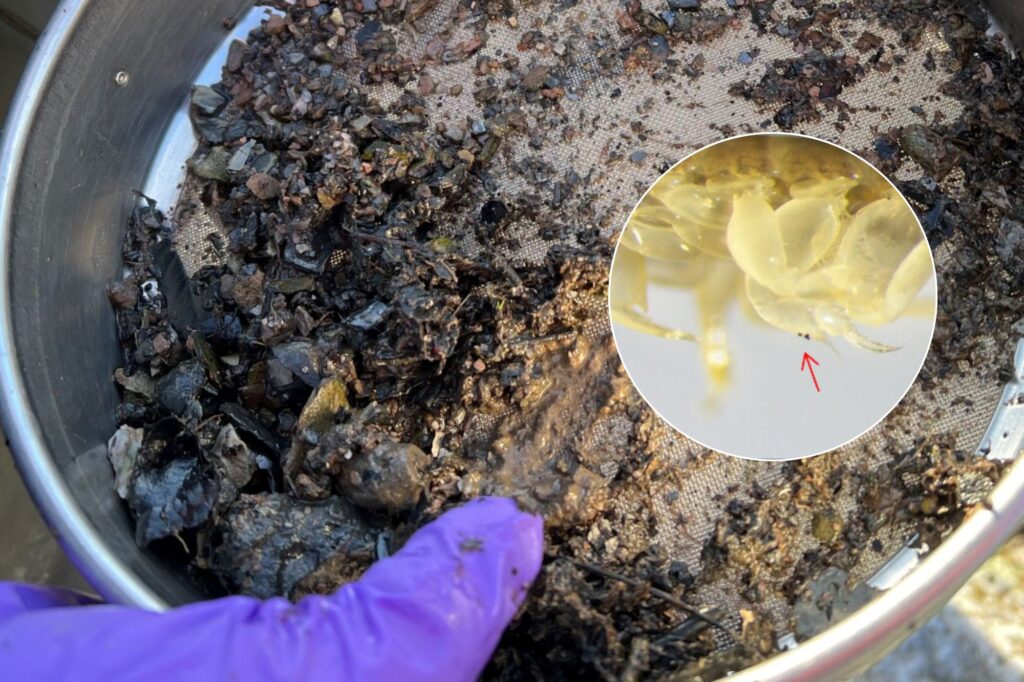
If you’ve ever picked up plastic on a beach cleanup, you may have held more than trash in your hands. A new study shows microplastics are rapidly colonized by pathogenic and antimicrobial-resistant bacteria — turning tiny plastic pellets, wrappers and bottles littering the beach into traveling vehicles for disease.
Microplastics — plastic fragments under 5 mm — now blanket every part of the planet. They are in plastic aligners used in orthodontics, and are in the air we breath. More than 125 trillion pieces drift through the ocean, with more found in rivers, soils, animals, and even the human body.
But scientists tell Green Prophet that the danger isn’t just the plastic itself: it’s the Plastisphere, the microbial biofilm that forms on each particle.
A team led by Dr. Emily Stevenson (Plymouth Marine Laboratory & University of Exeter) sent us a new study saying that they found that microplastics in real environmental conditions, from hospital wastewater to coastal waters, carry pathogens and antimicrobial-resistant (AMR) bacteria at every stage of their journey.
Microplastics are tiny and they collecting pathogens at sea
Their study, Sewers to Seas, tested five substrates — bio-beads, nurdles, polystyrene, wood, and glass — placed along a waterway flowing from high-pollution zones toward the sea. After two months, metagenomic analysis revealed: Pathogens and AMR bacteria were found on all plastics, at all sites.
What they found as data
Polystyrene and nurdles posed the highest AMR risk, likely due to their ability to absorb antibiotics and promote biofilm growth.
Over 100 unique AMR gene sequences were found on microplastic biofilms — far more than on natural materials like wood.
Some pathogens became more abundant downstream, riding microplastics from sewage outflows toward beaches.
Environmental conditions strongly shaped bacterial communities and AMR prevalence.
Microplastics near aquaculture sites may pose biosecurity risks for shellfish and filter feeders.
Each microplastic particle can act as a miniature, mobile petri dish, transporting superbugs from hospital wastewater to swimming beaches and seafood beds.
“This study highlights the pathogenic and AMR risk posed by microplastics littering our oceans and coasts,” said Dr. Stevenson. “We strongly recommend volunteers wear gloves during beach cleanups and wash hands afterward.”
Prof. Pennie Lindeque added that microplastics “act as carriers for antimicrobial-resistant bacteria, enhancing their survival and spread… each particle becomes a tiny vehicle capable of transporting pathogens from sewage works to beaches, swimming areas and shellfish-growing sites.”
Senior Lecturer Dr. Aimee Murray concluded: “Microplastics aren’t just an environmental issue — they may be spreading antimicrobial resistance.”
The big picture
As microplastics continue to accumulate globally, researchers warn the Plastisphere could worsen the spread of superbugs. The study calls for: better waste management, stronger monitoring of microplastic pathways, urgent reductions in plastic discharge and an integrated strategies across wastewater, healthcare, and marine policy.
Elon Musk has never been shy about grand declarations and funding Iranian dissidents, but his latest announcement landed with particular force in Washington last week. Standing beside Nvidia CEO Jensen Huang and Saudi Arabia’s communications minister Abdullah Alswaha, Musk revealed plans for a 500-megawatt xAI data center to be built in the Kingdom — a facility nearly twice the size of xAI’s Colossus 1 in Memphis.
Saudi Arabia is investing a trillion USD in the US economy and pulling companies over to Riyadh is part of the plan. This rivals Dubai which for the last 15 years has been the Middle East investment capital. Saudi Arabia normalizing with Israel and the New Middle East is taking the UAE example to diversify its economy when oil is no longer a viable business. It’s not a question if, it’s a question of when.
“It’s going to be one of the most powerful clusters ever built,” Musk said, adding that the project, developed with HUMAIN AI, represents “a massive leap forward for global computation.” HUMAIN AI, a newcomer created with backing from Saudi Arabia’s Public Investment Fund, fueled by ARAMCO, Saudi’s oil company will anchor the joint venture.
As with most of the world’s current AI arms race, the beating heart of the center will be Nvidia chips, which have become the gold standard for training frontier models.
Huang, who has spent the year bouncing between Silicon Valley, Singapore, and the Gulf, announced a separate 100-megawatt data center for Amazon Web Services powered by Nvidia hardware. “This is just the beginning,” he said. “We’re aiming for gigawatt scale. The demand for accelerated computing is rising faster than any of us predicted.”
These kinds of deals can be run on solar power and possibly green hydrogen which Saudi Arabia is pioneering.
“Humanoid robots will be the biggest product ever,” Musk said: “Perhaps in the four or five-year time frame, the lowest-cost way to do AI compute will be with solar-powered AI satellites.”
All this unfolded one day after the U.S. and Saudi Arabia unveiled a Memorandum of Understanding on AI, designed to give the Kingdom access to advanced American systems while “protecting U.S. technology from foreign influence,” according to the White House. In diplomatic speak, that means Washington wants to ensure Riyadh remains on the Western tech grid rather than drifting toward Beijing’s orbit.
Yet behind the spectacle lies a more grounded story: Saudi Arabia is betting its post-oil future on computation. The Kingdom has land, capital and political will — and it wants to become indispensable to the world’s AI supply chain.
Environmental analysts, however, are asking harder questions. A 500-megawatt data center is effectively a new industrial city. “Where is the clean power coming from?” “If this is fueled by oil or gas, it simply shifts the carbon problem upstream.”
Red Sea pod hotel the Shebara Resort
Saudi officials insist renewable capacity is accelerating. The Kingdom has sunlight in abundance, and giga-scale construction and solar projects are rising across the desert and into the sea.





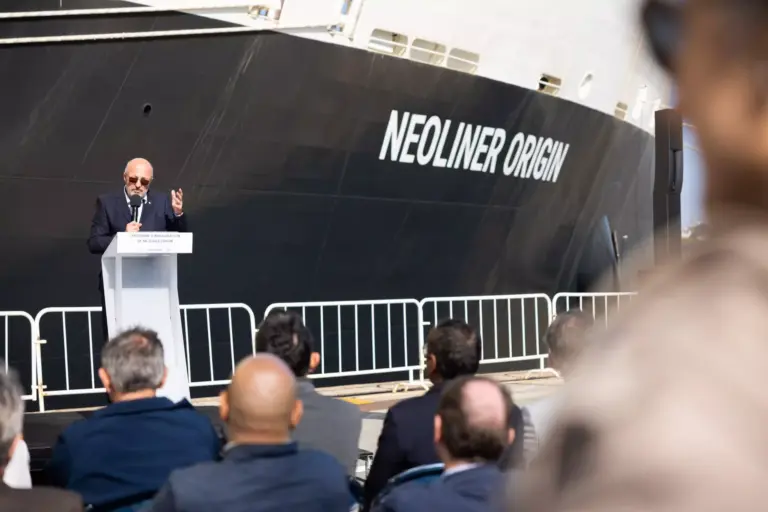


 The arrival of Neoliner Origin to the port in Baltimore represents more than technological novelty—it suggests a new direction for global trade. Wind propulsion, once displaced by diesel engines, is re-emerging as one of the only scalable, immediately deployable solutions capable of drastically reducing emissions while improving safety.