Home Blog Page 127

Common Nature-Related Phobias

0
forest bathing, woman hipster contemplating nature in dark green forest
Forest bathing is prescribed by Japanese doctors for good health. How can you get over nature phobias if you’ve been without your “true nature” for so long in the city?

Nature is one of humanity’s most valuable assets. It provides us with everything our minds and bodies need to thrive, from sunlight and fresh air to food and water. Without nature and its many resources, life would ultimately cease to exist. That’s why people go to great lengths to educate, protect, and preserve the environment. Although nature is beautiful and beneficial, many people suffer from nature-related phobias. Continue reading to learn more. 

Fears Vs. Phobias

Before we get into the list of nature phobias, let’s break down the differences between fear and phobia. Fears are the body’s natural response to people, places, things, or experiences that cause you to feel in danger. On the other hand, phobias are classified as anxiety disorders. Phobias are exacerbated fears that are felt even when you’re not in trouble. Ultimately, your anxiety levels don’t match your level of fear but produce a series of debilitating physical and emotional responses.

Aquaphobia

Water is essential to the environment and our well-being as the earth comprises 71% water, and the body is 60% water. H20 is also necessary for cleaning and cooking, and other everyday tasks. Be that as it may, some people have aquaphobia, a fear of water. Their fears and anxieties are so extensive that they don’t want to be exposed to water from any source (i.e., swimming pools, oceans, rivers, lakes, bathtubs, and even a cup of water). There are different types of aquaphobia, including thalassophobia, the fear of the deep ocean, and other large bodies of water. 

Nyctophobia

Darkness is a natural occurrence when the sun sets, or the lights are turned off. Scientists and medical experts have reported that night or darkness benefits our health and wellness. When it’s dark, your body produces melatonin, a hormone that helps fight off diseases and regulate mood and sleep cycles. 

Unfortunately, some people are so afraid of the dark that they will only remain in well-lit spaces. This condition is known as nyctophobia. As you might imagine, it reduces your body’s ability to produce melatonin, which can adversely affect your immune system, mood, and sleep cycle. 

Entomophobia

You can’t discuss nature without bringing up insects. Ants, spiders, flies, mosquitoes, and other bugs reside in nature and are an essential part of the ecosystem. Insects play many roles: cycling nutrients, pollinating plants, maintaining and fertilizing the soil, spreading seeds, controlling insect populations, and feeding animals. 

While no one is a fan of insects, their significance to human life is undeniable. Those that have an intense fear of insects have entomophobia. Their fears and anxieties are so extreme that they avoid being in nature. In severe cases, entomophobia causes some people to avoid leaving their homes. 

They’re afraid of being bit, stung, or getting a disease from insects and believe the only way to remain safe is to steer clear of places where insects are commonly found. More than excessive thoughts, people with entomophobia can also experience physical symptoms like constant itching or feeling crawling sensations (even when there is nothing there).

Overcoming Nature Phobias

When you have a nature phobia, enjoying life becomes impossible. You isolate yourself, avoid outdoor activities, and ultimately deprive your body of essential components like vitamin D and fresh air. Be that as it may, overcoming a phobia isn’t easy. It often requires psychotherapy to identify the cause and triggers of your fears. From there, a mental health expert can use cognitive therapy strategies to help you reduce your anxieties and irrational thoughts. Finally, exposure therapy can assist those with nature phobias in getting past their greatest fears. 

As valuable as nature is to our physical and mental well-being, some people have such great fears that they miss out. It can lead to personal and professional issues, ruined relationships, low confidence, poor self-esteem, and more. Phobias can also result in other mental illnesses, including general anxiety disorder and depression. Whether you fear water, darkness, or insects, the best thing you can do to recover is to get help from a mental health professional to alleviate your fears and reclaim your life. 

 

Eco trekking through Morocco’s Atlas Mountains

0
kasbah du toubkal
At the base of Toubkal. We visited this kasbah before our hike.

There are two places in the world my soul wishes to return to and they are almost opposite in culture and experience, but similar in nature. One is high up in the mountains in the Swiss Alps in an off grid cabin among the glaciers and the wildflowers, and another is to the Atlas Mountains in Morocco with the goats and the argan trees. I guess you could say I prefer mountains and their cooler climes over a beach holiday.

Getting to the Atlas Mountains to start day treks or longer trips through the mountains is as easy as winding your way through Manhattan. Actually maybe it’s even easier. Once you get a flight or train into Marrakech, ask a taxi at the airport –– or walk outside the airport taxi and find a local taxi –– and ask them to take you to your destination point. Your starting point is less than a couple hours drive into the mountains. 

Finding adventure in Morocco and around the Marrakech area is easy. The hardest part about getting to Morocco 10 years ago was getting a travel Visa. At the time the country I was traveling from wasn’t recognized by Morocco. It was a fairly stressful process getting entry through a tour company I had no intention of traveling with. A dedicated person had to find us at the airport and hope they could help us get through. Back then I should have known that a few bucks at the airport would have helped us get inside just like that.

But times have changed and Morocco has caught up. No more grey areas. There are now simple online services that offer official e-Visas to any port in Morocco, whether you are coming in by plane, train, boat or automobile. This service is completely online (find the online application form here) —you can submit your request using any electronic device with an internet connection. And with an approved e-Visa you can travel to Morocco and stay for up to 30 days for business or tourism or both.

About my journey: I started at the Kasbah du Toubkal and from there overnighted and trekked by day through villages nearby. Having knowledge of a little French or Arabic can be helpful though and knowing French probably made my experience that much easier and authentic.

Although once you get to the guest houses or place you want to stay most locals will know some basic English or your language – enough to get by.

We had some wild adventures in Morocco and walked by wildlife and madrassas chanting prayers. There were soccer games encouraged by electric guitars. Homemade goat yogurt and mountain delights.

Critical features of embryo adoption

0

woman and baby

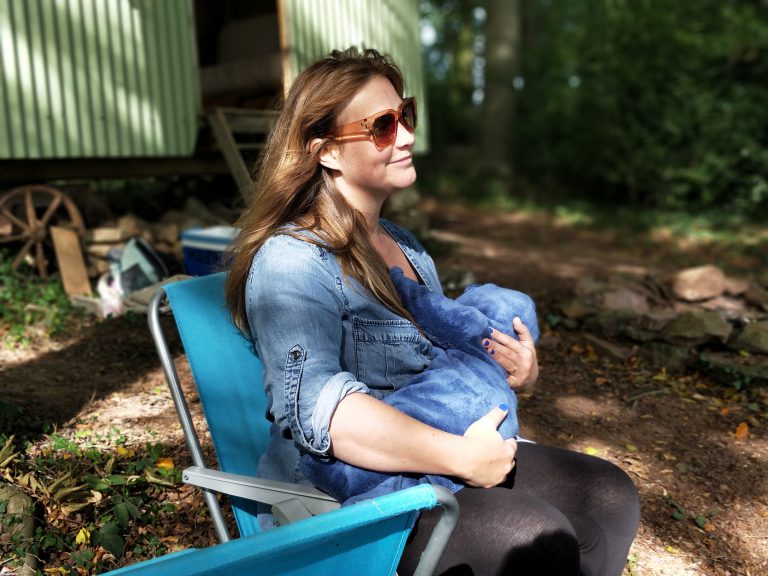
Millions of extra embryos are created during the IVF process around the world. Most of them, in waiting, will never be used by their birth parents. Consider adopting an embryo to people who can’t conceive?

Adoption has long been an opportunity for many parents to expand their families and experience the joys of raising their children. Thanks to advances in reproductive medicine and technology such as IVF, a new form of adoption allow adoptive parents to experience the pleasures of pregnancy and childbirth.

What do we know about embryo adoption?

According to the embryo adoption agency, there are about one million frozen embryos in the US today; most come from people who have undergone IVF. Embryos could be frozen short-term (until the couple completes a successful IVF cycle) or long-term (until people decide they’re done having kids).

If the embryos are no longer needed, there are several options for the development of events: keep the embryos frozen, discard them, donate them for research or donate to people who can’t produce their own viable embryos. The latter allows the adopting woman to bear her own child.

Most often, the adoption of embryos is chosen by:

  • Women in good physical and reproductive health.
  • Couples or women on waiting lists for adoption. Many had already given up on fertility treatment or weren’t even considering it for religious or ethnic reasons.
  • Women without a male partner wishing to have a child.
  • Couples with long-term infertility problems.
  • Patients with repeated miscarriages.

Once a couple or a single woman decides to adopt an embryo, they must fill out an application, select a donor and legally adopt the embryo. The donor embryo is then implanted into the uterus of the adoptive mother (as in conventional IVF). The probability of implantation and subsequent pregnancy is less than 50%.  In case of failure, you can try again with another embryo.

The most common types of embryo adoption

Adopting parents are advised to read the information about donors before choosing an embryo; this usually includes medical records, family history, and more. They must also choose between open and closed adoptions.

In an open adoption, the donor and adoptive parents maintain a certain level of communication, such as face-to-face meetings, letters, or phone calls. Open adoption is encouraged when using an agency, as it is beneficial for medical purposes and family history matters such as disease and addictions.

In a closed adoption, the couple is not informed of the status of the embryo donation, meaning they will not know if they have other biological children.

The whole process of adopting an embryo usually takes at least a year. The exact length depends on various factors, including the adoption agency the family wants to work with, their requirements on donor parents, and the quality of the embryos.

Competing In The US Market: How Does Aldi Do It


Aldi, a low-cost, high quality European brand has made items like sustainable bedding affordable for everyone. The company is now in the US market.

The products

Aldi just isn’t like other supermarkets and grocery stores. One of the main differences that shoppers will notice is the lack of branded products on offer. While there will be some (around 90% is actually private label), the absence of trusted names may give you pause for thought, but the great news is that this is one of the biggest ways that Aldi saves consumers money.

Buying private-label products cuts out the middle man, making prices at the corporate level cheaper than average. These savings can then be passed on at the retail level, allowing shoppers access to high-quality products that won’t break the bank. Branded products are often overstock too, meaning that you’ll find either discontinued items or they are bought as surplus, again saving the company and in turn you, for a more budget-friendly experience.

Another way to keep costs low that relates to products is that a smaller selection means smaller stores. This helps consumers to get their shopping done quickly and reduces typical corporate gimmicks like impulse buying. With only 900 core products and any additional ones being end-of-line, overstock, or limited offer; you will find that all Aldi stores are small and simplistic, to keep costs as low as possible.

The stores

With smaller stores still in mind, this saves on things like rent for square footage, warehouses, and even parking lots. It also means that fewer staff members need to be employed to keep everything functional. With only 2-3 members of staff often needed at any given time, customers tend to shop with less pressure. Aldi is a great company to work for, as they are able to offer a decent wage set up, as they aren’t employing thousands of staff across the US.

Having touched upon the shopping experience, these stores are designed to minimize distractions and for less upkeep, so customers will find many products in boxes, easy to access (most produce is pre-packaged), and things like milk on racks. This allows you to do your shopping and get to the checkout in record time.

There is an element of environmental consciousness too, Aldi doesn’t supply bags for free and encourages customers to bring their own or reuse them where possible. Although these stores have a very straightforward, basic approach, they are beginning to consider a more modern store design to maximize natural light and reduce carbon emissions. So far, stores that have had an upgrade have enjoyed LED lighting, open ceilings, recycled materials, and energy-saving refrigeration.

The ethics

One of the great things about Aldi is that they’re focused on the savings that they can pass on and quality products that people from all walks of life can afford – and this makes them stand out in the American market. Where traditional grocery stores may prioritize a more laid-back, family-style way of shopping, supermarkets implement tactics to attract shoppers while remaining ethical. Well, Aldi breaks all of the usual rules. With no charges for shelf space and simple terms for all of their contracts, they have kept their focus solely on bringing affordable goods to the consumer as a bottom line.

aldi woman shopping

Aldi’s future as a US supermarket chain

The great news is that aside from incredibly low prices as standard, Aldi also runs a list of promotions every week to ensure that shoppers get the absolute best from their grocery budget. There is a weekly circular that features a whole host of discounts and deals. As these vary from week to week, if you are looking for something in specific, you’ll likely be able to find it for less within a few weeks. You’ll be able to research these deals online too, so you never have to miss out.

As you can see, Aldi has a lot of aspects that have made it a popular choice for shoppers so far, so what’s in store for the future? Well, as upgrades are being made and ethics remain firmly on the side of the consumer, it can only continue to grow. With over 11,000 stores worldwide and more than 2,000 in the United States alone, it is on target to become the third-largest supermarket in America. With the competition being so well established, that’s no mean feat.

Sustainable rubber and latex production

0
sustainable rubber oped
What happens when rubber runs out?

What happens when you need something, but you cannot get it anywhere – like tires for your car. You can’t buy them at any price. What do you do then? Stop driving your car? Stop plowing farmer’s fields because you can’t find new tires for the tractor?  Imagine a world without tires? Remember Eisenreifen?

Eisenreifen— steel tires — during World War I.
A car in Germany with “Eisenreifen”— steel tires — during World War I. From Der Weltkrieg in Bildern und Dokumenten by Hans F. Helmolt.

The world’s community of nations may wind up facing that situation as the global supply of natural rubber is now at risk from different factors, climate change, fungal disease that is killing Para rubber trees in the five Asian countries that 90% of the world’s natural rubber comes from.

Major Industries to Face Natural Rubber Shortage Globally  

rubber story news america
CNBC covers the “rubber apocalypse”

Last year CNBC covered a story on the rubber shortage and what it means for Americans. I included the video below and you can assume if it’s a problem for America it will be your problem too.

Ohio State University Professor Katrina Cornish, told CNBC: “We could be on the cusp of a rubber apocalypse.”

The  global rubber market was valued at nearly $40 Billion in 2020, but one analysis predicts the  natural rubber market could be worth nearly $68.5 Billion by 2026.

Grow for sustainable rubber

Cornish is CEO of Energyene where she works to improve the natural rubber content of two alternative plant species that yield a high quality latex. At Ohio State University she works with their Program of Excellence in Natural Rubber (PENRA) to develop higher yields from plant species. One of them is an annual called guayule. 

guayule for sustainable rubber
Guayule can be the future for sustainable rubber

Guayule or Parthenium argentatum in Latin is a perennial woody shrub in the family Asteraceae that is native to the rangeland area of the Chihuahuan Desert, including the southwestern United States and northern Mexico.

Like hemp production was heralded as the future 30 years ago, guayule could be the next new cash crop for struggling farmers.

PENRA has developed a water based extraction process to separate natural rubber from plant materials like guayule without the use of chemicals. 

Still don’t care? In 2020 the European Tyre & Rubber Manufacturers Association included natural rubber in the list of critical raw materials, reconfirming its economic importance and the need for supply diversification. 

The tire industry alone absorbs about 76% of all the natural rubber produced globally, their 2020 report detailed: “Today there is no substitute for natural rubber from Hevea (Hevea brasiliensis) trees that could be used in all its current applications.”

If you’ve ever visited Thailand you will see smallhold farmers growing and harvesting milky latex from Hevea trees planted at side of the road for easy access.

Natural rubber is an incredibly important raw material for the European tire and rubber industry and is a key enabler for several industries – especially automotive.

In 2020, 2 million tons of natural rubber was imported into America and used in 60,000 products that depend on it. According to Cornish that same year a million Hevea rubber trees died from fungal leaf blight, causing a 10% drop in the global natural rubber supply.

America has no capacity at this time to produce natural rubber, and depends on five Asian countries that export it, China and Vietnam among them. 

Turning American into exporter of natural rubber

White Tiger Farms, an agriculture enterprise that I am building in Oregon, will tackle that task of building both production of the two alternative plant species that yield a high quality natural rubber, and the industrial process to sustainably harvest it. We will help grow 95% pure raw natural rubber product for America’s current and future needs for this critical commodity of vital national importance.

Our goal is to scale up capacity to turn America from being an importer of natural rubber to become the first nation to export natural rubber made from these two alternative plant species.  

At this time there are over 100,000 deeded acres of former ranch properties up for sale in Oregon, ideal for repurposing into farm sites to use high density vertical growing systems, and geodesic greenhouse domes from in Ashland, Oregon, as well as larger domes to 150 meters in diameter from Geometrica to grow plants year round, with sustainable harvests of plant materials every 90 to 120 days to turn into raw natural rubber, working with PENRA and Professor Cornish.  

Cornish and her team have developed cultivars of dandelion that yield up to 10% content of natural rubber per dry weight of harvested material. She says that these cultivars that work in America will also work in the Middle East.

Rubber dreams for America- what do we need? 

Let’s say it takes ten plants to yield a pound of natural rubber, and America uses two million tons per year, which equal four billion pounds, how many plants will be needed to meet that amount consumed per year? 

Taraxacum kok-saghyz, often abbreviated as TKS and commonly referred to as the Kazakh dandelion, rubber root, or Russian dandelion, is a species of dandelion native to Kazakhstan, Kyrgyzstan and Uzbekistan, that is notable for its production of high quality rubber. It grows well in America.

Our operating plan is to begin by growing thousands of TKS dandelion and Guayule, the other plant that yields a high quality, non-allergenic natural rubber, in our onsite greenhouse domes to be set up on farm sites.

From those thousands of plants we will ramp up to grow millions of plants, and go on to raise billions of plants on farm sites locally and year round, with harvested material going to regional processing plants to produce raw natural rubber for American manufacturers.  

Within five years we will establish production of the TKS dandelion for its content of natural rubber latex in its long, thick roots, and the desert rubber plant, guayule used in WWII to produce tires for the American military when Japan cut off Asian natural rubber sources.

Luckily Mexico was able to produce those tires from their cultivation of the Guayule rubber plants, known for their content of natural rubber granules in the cambium layer of their mature stems.  

Within ten years we will no longer depend on natural rubber imports and will export to the  growing global markets for natural rubber, made in America.

In 2020 the global demand for natural rubber rose to 17 million tons per year, the same year that saw a loss of a million rubber trees, and a 10% loss to the global supply.

What happens when demand is greater than the supply, the price per kilogram of raw natural rubber is bound to increase as more countries  develop their local transportation sectors and put more cars, and trucks on the road, as well as jets into use, all depend on tires to run on.

Literally, the world’s economies run on natural rubber.

Doing your homework on sustainable rubber? Want to start growing?

For further research, these are websites I’d turn to:

Rubber News

Sustainable Rubber

Global Platform for Sustainable Natural Rubber

World Business Council for Sustainable Development 

Allergies & the Immune Systems of Children

0

girl in lotus position yoga saying om

As the years pass and our society becomes safer and more sanitized, the allergies of our children go up and the immune systems aren’t as strong. This is partly due to lack of exposure to germs, the outdoors, and certain foods. When it comes to the health of children, they need to encounter certain infections, sicknesses, and allergy-prone foods. Luckily, there are ways to help your child avoid allergies and start building their immune system when they are young.

Allergies aren’t absolute. You can identify them early and expose your child to them carefully to eradicate the reaction. It’s also very important to cultivate the immune system of children early on in their lives. The more they are exposed, the better their immune systems become. Below are some tips for helping your kids tackle their allergies and boost their immune systems.

Identify Allergies

The first thing you should do to help your kids with their allergies is to identify them. First, have them take an allergy test. With one of these tests that you can do at home, you’ll be able to find out which outdoor and indoor allergens they will have a reaction to. When you get the results back, you can figure out next steps. You could get medication for them or expose them to the allergens carefully. You can get rid of an allergic reaction if you do. Of course, you shouldn’t expose children to allergens that could physically harm or kill them, but if your child has a mild reaction, it could be taken care of early on in life.

Treat the Allergies or Exposure Therapy

Once you have identified your child’s allergies, you have a few options. You can either find the right anti-allergy medication if the reaction is bad, or if you have the chance, you can start exposure therapy. Exposure therapy usually refers to a phobia or trauma associated with a certain thing, but in the case of allergies this form of therapy improves the child’s response to the allergen and decreases the intensity of the reaction over time.

In Asia and the Middle East kids eat peanuts early so severe allergies later in life are less common. 

It is possible to help your child get out of the allergy when you can properly expose them. It goes without saying that if your child has a deadly peanut allergy you shouldn’t give them peanuts, but if the allergic reaction is mild, small amounts of the allergen can help them overcome their response to it.

Spend Time Outside

One of the best ways to avoid allergies while strengthening the immune system is to spend time outside. When your child goes outside and interacts with allergens, they will be less likely to develop an allergy to them. Spending time outdoors also leads to encountering germs. This may sound like a bad thing, but children need germs to build their immune system. These days, everything is clean and sanitized. When germs aren’t around, the immune systems of children don’t get the boost they need. If they encounter germs early on in life, they will gain a resistance to them.

Beyond germs, children need to develop resistance to specific illnesses. If they never get sick early on in life, they won’t have a strong immune system to protect them when they’re older and more vulnerable. Spending time outside isn’t just a great way to build resistance to allergens, germs, and sicknesses, it is also great for the child in countless other ways. Kids need to spend time outside!

Use Medicinal Plants & Herbs

Another thing you can do for your child’s allergies and immune system is to use medicinal plants and herbs. There are all kinds of natural remedies for building the immune system and strengthening the fight against allergens. Ginger, ginseng, turmeric, garlic, and others can greatly improve the child’s immune system and resistance to allergies.

string of herbs on wall

Not only do these improve immunity and the reaction to allergens, they lower inflammation and boost gut health. They are inherently anti-bacterial. Echinacea is a member of the daisy flower family and can help eradicate infections. While natural immunity is important, there’s nothing wrong with using medicinal plants and herbs to help improve the response to germs, allergens, and specific illnesses. You can also use them to build your child’s immunity by encountering these things.

Early Exposure to Foods

There are so many needless food allergies that have developed over the last few decades. This is partly because no one is exposing these children to certain foods. For example, an allergic reaction is essentially the body responding to a food like it’s a virus or another harmful agent. This can cause the body to react in extreme ways. That’s why allergies can be so dangerous.

However, you want your child’s body to increase the number of antibodies at its disposal. If you give a child food that is commonly known for allergies—shellfish and peanuts for example—they will be less likely to develop an allergy later. It goes without saying that you should be careful when it comes to giving your child allergy-prone food, but if you do it early on in their life the child will gain antibodies to help fight off symptoms and eliminate the possibility of an allergy to specific foods. Early exposure to foods has the potential to avoid food allergies.

Nobody likes allergies. Whether you just get seasonal allergic reactions to pollen or have a dangerous reaction to shellfish, allergies are your body’s way of responding to perceived danger. Luckily, allergies aren’t absolute. If a child develops antibodies to certain allergies, they won’t have to worry about symptoms. The same goes for illnesses.

With an immune system that has encountered many types of germs and illnesses, the child will live a better, healthier life. A strong immune system is the difference between sickness and health. When a child is young, they can build an immune system for the future. That’s why you shouldn’t shelter your kids too much. The time for getting sick and spending time outdoors is when you’re young. Avoiding health complications when you are older can be done by building a strong immune system in the early years of life.


Julie Steinbeck is a freelance writer from Florida. She enjoys covering topics related to business, finance, and travel.

10 Green Ways To Minimize The Impact Of Your Business

0

office workers, startup wework New York, recycling

In an effort to curb rising global temperatures, we must work together as citizens and business owners to minimize our carbon emissions. Ensuring that your business operates on more eco-friendly terms doesn’t just benefit our environment, but it can help you lower operational costs. There are many methods to help your company lower its carbon footprint, but it all starts with understanding what your actual options are. Start by using a carbon footprint calculator to evaluate your business and then work to implement the following 10 strategies!

  1. Employ The Use Of Renewable Energy

Greenhouse gas emissions are the singular most notorious culprit for destroying our environment by our burning of fossil fuels. One way to make your business environmentally conscious is to employ the use of renewable energy such as wind or solar power. Though costly to implement at first, there are many grants and incentives provided by the government and corporations to help make the transition more affordable. You can go online to find out what your local incentives are!

  1. Optimize Smart Lighting

Lowering your carbon footprint and increasing the efficiency of your office is easily achieved by using smart buildings technology. Using dimmable lights and LED bulbs with built-in smart technology allows you to fully control the lighting in your office. Switching off the lights when they’re not needed is easily achieved by leaving them running on automatic sensors. Artificial lighting is dangerous for stress levels, which is why employing natural lighting in your office can lower energy costs and make employees happier.

  1. Improve Air Quality

Better air quality in the workplace can really help benefit your employees and make them feel a lot better at work. Since covid many of us are quite conscious of air quality. Good air quality makes for a healthier environment to work in. An air quality system also helps with the eco friendly nature of the building as it eliminates the need to open windows or change heat settings. Take a look here to see how to measure air quality.

  1. Maximize Energy Consumption Efficiency

 Many offices simply waste energy while employees are working as their efforts are tied up elsewhere. Here are a few precautions you can take as a business to increase your energy usage efficiency:

*Choose equipment that’s energy efficient such as printers and computers that don’t waste electricity.

*Connect all desk equipment into powerstrips as they allow employees to switch off their workstations when heading home.

*Prolong the life of office equipment through educating responsible usage and reading the instruction manuals. 

  1. Reduce Waste And Recycle Often

Practice reducing, reusing, and recycling in your office to protect office equipment and supplies from decaying in landfills. It’s crucial to objectively familiarize yourself with the amount of waste your business produces as it allows you to streamline and implement eco-friendly waste recycling practices.

Try purchasing supplies for your office that actively use less plastic. Additionally, make it a point to recycle paper waste that comes from your printer or copier. Most importantly, always recycle toner cartridges once they run out of ink to ensure it doesn’t end up in a landfill somewhere.

  1. Implement Smart Shipping Practices

If your business is reliant on shipping products on a regular basis, consider ways you can lower your carbon emissions in this category. For example, opt to send packages via ground delivery as air travel burns more fossil fuels. Reducing the sheer number of shipments can also help your company become more efficient as you optimize your packages into fewer larger shipments.

  1. Join The Fight With Sustainable Partners

You’re not alone in trying to do a lot for the environment! You can maximize the positive you do for our environment by finding local sustainability partners to help you optimize shipping operations. When needing to purchase resources for your company, opt to support local vendors instead of large-scale national corporations. Near-sourcing reduces carbon emissions while also allowing you to support your local economy. Additionally, partnering with other local businesses can help you all lower your carbon footprints effectively in the long haul.

  1. Educate And Encourage

Every good business is built on the foundation of solid teamwork. Bring your employees together to help our environment by educating them on what greenhouse gas emissions are and what it takes to reduce them effectively. Provide evidence of what you’re saying to serve as a motivator for employees to follow through with implementing greener processes. Encourage employees to practice carbon footprint reduction in their own lives by recycling more and using public transport or walking or cycling to work, you can also help by providing monthly incentives in the workplace.

  1. Conserve Water

Processing wastewater and heating water are two large contributors for wasted energy. There are ways to conserve water usage in the office such as ensuring all leaks are repaired, lowering heated water temperatures, and using aerated water faucets in the sink. If your business relies on hot water usage on a larger scale, consider recycling wastewater and implementing a heat recovery system.

  1. Use Smart Temperature Systems

In just a few seemingly short months, inappropriate thermostat usage can raise your carbon emissions tenfold. Ensure that your office temperatures are adequately adjusted for the seasons and lower or raise temperatures by a few degrees to make a difference. When leaving the office overnight, adjust temperatures by up to 15 degrees to prevent wasting energy. Installing well insulated energy efficient doors and windows can make your office eco-friendlier. Most importantly, closely monitor the thermostat in your office and keep your usage in check as doing see can lower greenhouse gases. Installing a thermostat you can control via an app can also help keep temperatures moderated in the office.

How to Choose Sustainable Business Partners

0
vegan hamburger with cheese
Vegan and meatless burgers fall inside a new sustainability industry can change the world.

Sustainability has moved past industry buzzword status to command a stronghold in business and customer communities. When your business embraces sustainable practices, has mindful customers, or both, it’s important to make sure your actions reflect your priorities.

Your organization has the opportunity to make an impact through its sourcing choices as well as its own sustainability goals. But finding, choosing, and monitoring business partners can often seem overwhelming. Fortunately, there are ways to help you sort through slick marketing to reveal potential partners with a true commitment to sustainability.

Consider Their Products’ Impact on the Environment

When you’re thinking of partnering with a company, you may first be focusing on the quality of their products. While product quality is paramount, pause to research its impact on the environment.

Review its manufacturing process, ingredients, and packaging as you consider whether the partnership is a match. Companies that source their ingredients locally could be a more environmentally friendly choice given the reduction in miles traveled. Plant-based ingredients often have a lower carbon footprint while growing and when they’re processed or manufactured into other goods.

If you operate a grocery store or restaurant, you can reduce your carbon footprint by offering products made with plant-based protein. Such products have experienced significant growth and customer adoption thanks to their great flavor and sustainable status. Add other similarly attractive products like locally roasted coffee, produce grown nearby, and honeys and jams from small, sustainable producers.

Examine Their Company Culture

Brands are built by their actions, so review potential partners’ company culture alongside their products’ quality. Employees are often one of the best sources to determine if a company is truly living their values. 

Check the company’s website and required reporting for commitments, data, and analysis. If the company you’re considering has quarterly reports, those can be full of valuable details. Many sustainable companies carry over their commitment to sustainable products to their offices. Find out whether their building is LEED certified and/or uses water recapture methods and energy-efficient lighting and equipment. 

Review how they support their employees and the community where they work. If they offer benefits for bike or hybrid commuters, that can be a good sign. Likewise, how they contribute to the community where they produce products can be very telling. Look for companies that give back and offset their environmental impact on their community. Those that do so quietly and genuinely can often be great partners whose values match your company’.  

Review Green Labeling With Care

The impulse behind green labeling like “certified organic” and “B-Corp” certification has genuine roots. But when there are marketing opportunities and market share to compete for, less ethical companies take advantage.

Review potential partners’ sustainable labeling with care, investigating whether their actions match their labels. Certified B-Corp businesses commit to providing a material positive benefit to either society or the environment. However, some certified businesses’ practices don’t always line up with the specifications of the designation. 

Complete a thorough review and request documentation, proof, and data from potential partners. Your partnership with their organization reflects on you as much as it does on them. Essentially, your working with them gives your customers the impression that they, too, are ‘good people.’ You’ve worked to build your reputation as a sustainable business over years of hard work and mindful decisions. Protect what you’ve earned by ensuring your partners help lift your brand and enhance your business. 

Check That Their Commitment to Full-Scale Sustainability Extends Beyond Headlines

Everyone loves a good PR campaign, especially when there’s great news to share. But does your potential partner do the right thing even when no one is looking? Be wary of publicity stunts that look great above the fold but don’t deliver on their promises. 

Scour search engines for both company-led news and reporter-generated stories about your potential partners. This research may yield whistleblower news, critical reports, or, ideally, more great news about their practices. While your goal isn’t to find a wealth of incriminating material, think like a competitor. If someone not invested in your business’s success were to research you and your partners, what would they find?

Learn how potential partners dispose of waste, manage nonrenewable energy, offset carbon impact, and source raw materials. Companies that offset their impact through actions like recycling, reuse, and donation may indicate a greater commitment to sustainability. Those that offset by donating money to fixing what they’ve damaged likely aren’t invested like you are. Examine what they do when monitors aren’t watching and seek to find the “why” behind their practices. If they’re doing good for the sake of reputation, there may be other more sustainable businesses to partner with. 

Establish Shared Values With Your Partners

Sustainability is more than just a business commitment — it’s a promise to protect the environment and the people you serve. When you partner with producers and other companies, aim to establish shared values. 

Include language in your partnership or purchasing agreement that specifies expectations to ensure you are in alignment. If putting it in writing isn’t your style, share your company values with potential partners, extending those expectations to them. When you and your partners are in sync on sustainability, you, your customers, and the environment reap the rewards. 


This gum makes sugar taste like overcooked vegetables

Highly refined white sugar is everywhere we turn. It shows up in bread, packaged food we make for dinner, and in about every processed item you can find on the shelves in the supermarket. Sugar is also available to children at every turn making it irresistible at every holiday, family event, and summer picnics. 

Refined sugar is bad for your teeth, and it’s bad for your body leading to obesity and diabetes. But how can we stop this bad habit? An ancient Ayurvedic medicine turned into a consumer product might do the trick. A new gum called Sweet Victory has been created for kids to stop sugar intake in people and children who can no longer say no to sweets.  

Using a natural plant inside the gum, after chewing it every sweet thing you eat will taste bitter and unpleasant. Or like overcooked vegetables.

cotton candy, girl merry go round

Developers of Sweet Victory chewing gum claims that it works within two minutes by blocking the sugar receptors on the tongue. The effect can last up to two hours, and during that time sweet foods or beverages that normally excite the senses will taste bland or even sour.

Tastes like a bland overcooked vegetable

The impulse for a sweets binge can be abated, lasting even longer than the physical effect—up to two hours. Sweet Victory gum was designed to help consumers to reduce sugar intake in an easy and fun way. The product for kids is still in the prototype stage, but the company expects to launch it by the end of 2022.

The findings of a new study were presented at this year’s European Congress on Obesity in the Netherlands. It included 2,336 children from the UK, making it the largest dietary dataset of young children. 

Parents were asked to complete three-day eating diaries for their children when they were toddlers (21 months old) and again when they were seven years old. The study revealed at least 80% of seven year olds exceeded the recommended limit of 10% of daily calories from free sugars

How does the sugar-blocking gum work?

The gum uses a traditional herb from Ayurvedic medicine called Gymenma sylvestre. After chewing the “trick gum” that tastes like fruit the kids no longer enjoyed candies – as after the gum the sweets tasted either bitter or sour. Some research suggests that the plant leaf extracts can also reduce blood sugar levels.

gurmar

The atomic arrangement of gymnemic acid molecules, the active ingredient in the plant, is similar to that of glucose molecules. These molecules fill the receptor locations on the taste buds thereby preventing its activation by sugar molecules present in the food, thereby curbing the sugar craving.

Common names of the plant include gymnema, Australian cowplant, and Periploca of the woods, and the Hindi term gurmar, which means “sugar destroyer”.

Some scientific studies have reported the link between the gurmar plant and its anti-diabetic effects. If you are trying to avoid buying processed products, you can order extracts of the leaves online at herbal shops. Or try growing the plants at home and make a herbal extract from the tea.

Other diabetes-blocking natural extracts and products include camel milk

Dr. Ryan Shelton Zenith Labs Research Director Shares 7 Ways Meditation Helps Mental Health

0

Ryan Shelton and family

Millions of people around the world suffer from some form of mental illness. Depression, anxiety, and bipolar disorder- are just a few conditions that can make life incredibly difficult. While medication and therapy are often effective treatments, they aren’t for everyone. Some people find that meditation is a better solution for them. In this blog post, Dr. Ryan Shelton of Zenith Labs will discuss seven ways meditation can help improve mental health!

What Is Meditation?

Meditation is a practice in which an individual trains the mind or induces a mode of consciousness, either to realize some benefit or the reason to acknowledge its content without becoming identified with that content simply. There are many different types of meditation, each with its methods and purposes.

For example, mindfulness meditation focuses on mindfulness, or the awareness of one’s thoughts, feelings, and surroundings without judgment. Other popular types of meditation include transcendental Meditation, Vipassana Meditation, and Zazen Meditation. While there are many different types of meditation, they all share the common goal of calming the mind and promoting inner peace.

How To Practice Meditation

There are several vital steps to take to practice meditation effectively. The first step is to find a quiet, comfortable space where you can be at peace and undisturbed. This might be a private room in your home or a secluded corner of the local park. Next, you should choose a time of day when you are most relaxed and focused, ideally between early morning and mid-afternoon.

Once you have set aside some time for your meditation session, it’s essential to prepare your body for stillness by taking off any extra layers of clothing, pulling your hair back in a ponytail, and clearing away any distractions or devices that could divert your attention from yourself and your breathing. You might also want to participate in a brief stretching routine beforehand to limber up and get the blood flowing.

Finally, the key to meditating effectively is to stay focused on your breath as it flows in and out of your body. Inhale deeply through the nose, feeling the cool breath fill every inch of your lungs; then exhale slowly through the mouth with satisfaction as all of that tension melts away. With regular practice, meditation can help increase focus, clarity, and overall well-being.

How Does Meditation Help Mental Health?

There are many ways in which meditation can help improve mental health. Below, we will discuss seven of the most common benefits:

Meditation can help improve mental clarity

When you meditate, Dr. Ryan Shelton of Zenith Labs says your mind is allowed to rest and rejuvenate. This can help improve mental clarity and focus. If you have been struggling with making decisions or solving problems, meditation may be able to help!

It can boost your mood and make you feel happier

If you are struggling with depression or anxiety, meditation can be a great way to lift your spirits. Meditation promotes happiness and well-being by releasing endorphins (the “feel-good” hormone) into the brain.

It can help you focus and be more productive

If you have trouble staying focused on tasks, meditation can help. Meditation helps train the mind to focus and be more present at the moment. This can lead to improved productivity at work or school.

It can increase self-awareness and compassion

Meditation allows you to step back from your thoughts and observe them without judgment. This can help you become more aware of your thoughts and feelings and those of others. Additionally, meditation can help increase feelings of compassion and understanding for yourself and others.

Meditation can reduce stress and anxiety levels

One of the most common benefits of meditation is that it can help reduce stress and anxiety levels. Meditation works by calming the mind and slowing down racing thoughts. This can lead to a reduction in stress and anxiety symptoms.

It can improve sleep quality

If you have trouble falling asleep or staying asleep, meditation may be able to help. Meditation can help calm the mind and promote relaxation. This can lead to improved sleep quality and quantity.

It can lower blood pressure

Meditation has been shown to lower blood pressure by promoting relaxation. If you have high blood pressure, meditation may be a helpful way to reduce your risk of health complications.

Where To Find More Information About Meditation

If you are interested in learning more about meditation and how it can help improve mental health, many resources are available. You can talk to your doctor or a mental health professional, look for classes or groups in your community, or find information online.

Final Thoughts

In conclusion, while the benefits of meditation are vast and varied, the practice can undoubtedly be advantageous for individuals looking to improve their mental clarity, mood, productivity, self-awareness, compassion, and stress levels. Additionally, those who suffer from hypertension or poor sleep quality may find relief through regular meditation. Though the research on meditation is still growing and more comprehensive studies are needed to make any definitive claims about its effects on human health, what we know thus far is promising enough to consider incorporating it into our daily routines.

The Middle East & Addiction: Is It Being Ignored?

0
khat, Yemen, youth, illiteracy, education, water shortage, addiction
Young man selling khat, gat or qat leaves in Yemen. It is a plant, but it’s also an addictive drug used freely in the Middle East. 

Right across the world there’s a growing problem with substance abuse and addiction, and the Middle East is no different. 

However, when it comes to addiction in Middle Eastern countries, it isn’t being tackled head on as other regions around the world. Culture and beliefs are playing a large part in that, with Sharia Law forbidding the usage of alcohol and drugs, with addiction to those carrying as much as 10 years imprisonment.

narcotics, drugs, khat, Yemen, Israel, food, health
Khat is a kind of narcotics that you can buy freely in the Middle East

Those strict legal penalties make it a significant challenge for not only companies and charities to be set up to help combat addiction, but also for people suffering to get the treatment they need. 

In fact, studies have shown that people in the Middle East suffering from addiction are even too afraid to discuss their problems with friends and family. 

shisha hoosha pupe
Shisha pipe is a massive addiction in the Middle East. 

That zero tolerance approach has led to a lack of treatment centres to address addiction, whether that be alcohol, gambling, drugs or any other kind. Which is seeing a number of people from the region wanting to address their addictions travel abroad.

At present, Saudi Arabia is the country suffering most with addiction, and these are largely drugs of the prescription kind. Captagon, which is used as a stimulant, is one of the largest problems with misuse, with the Saudi authorities joining forces with Syria to seize over 500 kilograms of the drug, while shortly after 30 million more pills were confiscated in the nation. That’s on top of a large amount of the likes of cannabis and cocaine entering Saudi Arabia. 

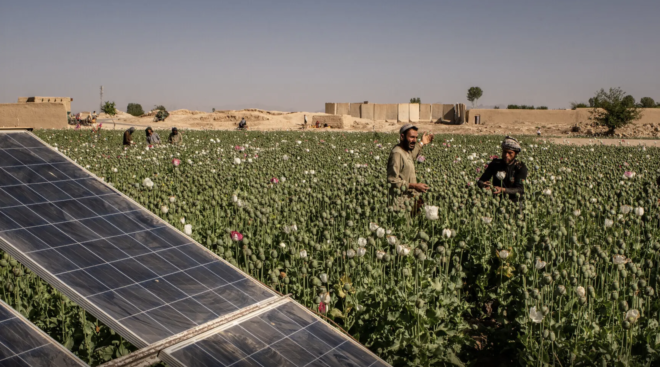
Elsewhere, there has been an opioid crisis in the Middle East (fuelled by solar panels) that has ravaged through the developing world, including the likes of India and Africa too, with tramadol causing a huge public health dilemma. But without the opportunity for treatment to combat addiction, those looking to get clean are having to go it alone, dealing with tramadol withdrawal, alongside other drugs like Captagon the jihai drug manufactured in Syria.

opium solar panels Afghanistan
Solar panels are a boon for the planet but they are now fuelling bumper crops of poppies for the Taliban’s opium trade in Afghanistan.

However, those who can afford to get the treatment they need, without the fear of imprisonment, are largely heading to Thailand.

Treatment in Thailand for people in the Middle East looking to get clean is growing, and it’s proving a popular place to receive the care they need for a number of different reasons.

Firstly, the nation is well known for its expertise, and such is the popularity with Middle Easterners, almost 60% of inbound medical tourists heading to Thailand are coming from the region. That trust is allowing people to get the treatment they need with confidence, as well as benefiting from the excellent technology and amenities the nation offers.

And ultimately, that can be done with peace of mind, for a reasonable cost and with the anonymity that will ensure not only safety from legal repercussions, but also from potentially being cast aside from friends, family and even place of worship. 

Of course, that doesn’t help those suffering without the capital to visit Thailand, or anywhere else in the world to receive treatment. The UAE have launched new laws that will prevent people receiving treatment from being prosecuted which has been seen as a large step forward, but it’s a country that is in the minority at present.

Whether that will change in the coming years as more Middle Eastern nations look to adopt western culture and open up to change, only time will tell. But while relationships across borders continue to be fractured, drugs will continue to cross them and be a large root of the problem and the rise of addiction is only going to grow across the region. 

4 Effective Strategies to Manage Working Time in a Company

0

eco comapny, solar company, managing business time schedule

There are usually going to be a variety of things that can be done if you’re looking to improve the performance of your business. If you want to reach deadlines, boost productivity overall and even ensure your workers get time to rest and reset to ensure that no one gets burnt out, you may be interested in time management.

Here’s a closer look into what you could do to keep track of time in the workplace and the benefits that this can offer.

What are some key strategies in time management?

Sometimes, individuals will find that a little time management can go a long way in ensuring that projects get done – as well as improving the business in general. Here are just 4 of the things that we think will help you in managing time better within your company:

1. Plan out the work day

In some cases, simply having a timetable can assist you with better managing time. With a little effort, you could create the ideal structure for your business’s unique needs. Consider the tasks that need doing, who should do them and any other factors that you think may be important to the process.

Don Bosco, cleantech, Alexandria, solar energy, renewable energy, clean energy, Egypt

2. Learn what and when to prioritise

In some organisations, there’s an issue of simply not knowing how to prioritise the most important work first. Structuring your timetable wrong can be easy to do and can come with a plethora of its own issues, but there is a simple fix to this.

Try to categorise different tasks based on their urgency and importance. Form your to-do lists and schedules based on the projects and tasks that are the most demanding. In most cases, this will work wonders for keeping your employees on track with what needs to be done and when.

3. Keep yourself and your workers organised

A good timetable may not mean as much if you can’t stay organised. Organisation is a skill that any manager needs when trying to ensure that projects get done – and fortunately, it’s one that can be learned. For example, setting up a system to keep your emails as simple as possible (such as with colour-coding) can often be excellent, as well as simply cleaning up the area around you. Often, it’s the little things that can make a difference.

4. Take advantage of the tools available to you

For those who want to implement proper time management, it will often be a good idea to consider some of the different applications that could be of use. If you look at a website like tracktime24.com for example, there’s a good chance that you’ll find a whole host of great tools to help you out.

What are the benefits of time management?

Still not sure if proper time management is really all that useful? Here’s a quick look into some of the key benefits that it can offer:

  • It can significantly increase productivity and performance in your business
  • Getting work done can lead to a more positive sense of self, which can contribute to a brighter workplace
  • It could help your workers to feel less stress and even offer more time for rest and relaxation
  • You’ll be able to tackle more projects down the line, once you have a decent system in place

Ancient mosque found in the Holy Land

0

ancient mosque israel, rahat A luxurious estate and a rare rural mosque – among the earliest known worldwide (over 1200 years old) – was recently discovered outside the Bedouin city of Rahat in the Negev Desert, Israel. 

In recent excavations, archaeologists were surprised to discover a rural mosque of the seventh to eighth centuries CE. The mosque includes a square room and a wall facing the direction of Mecca (qibla), the holy city of Islam. A niche shaped in a half-circle, is located along the center of the wall pointing southwards (mihrab).

While synagogues in Israel have been around for thousands of years and churches pre-date Islam, the unique architectural features show that the building was used as a mosque.

The mosque stands alone in the site and it could have been used by several dozen Muslim worshippers, most likely local inhabitants, for prayers.

The mosque is located about 400 meters south of what was once a luxurious estate building constructed around a central courtyard. It includes halls with stone pavement, some paved with marble, and walls decorated with frescoes painted in red and yellow.

Remains of fine tableware and glass vessels, and oil lamps (for genies?) some decorated with drawings of plants and animals show that the people who lived in this area were wealthy.

ancient lamp genie

According to researchers from the Israel Antiquities Authority who manage the site: “The evidence from all of the excavation areas gathered so far: the dwellings, the houses of prayer, the ovens and utensils, sheds light on the beginnings of the historical process that took place in the northern Negev with the introduction of a new religion – the religion of Islam, and a new rulership and culture in the region.

“These were gradually established, inheriting the earlier Byzantine government and Christian religion that held sway over the land for hundreds of years.”

According to the director of the Israel Antiquities Authority, Eli Eskozido, “The important largescale excavation in Rahat contributes to our knowledge, and that of the residents of the city of Rahat, who, together with the Authority for Development and Settlement of the Bedouin in the Negev, will be rewarded with the integration of unique finds in the development of the city – the ancient next to the modern – as in the words of King Solomon: “One generation comes and another passes away, and the earth abides forever.”

Large-scale archaeological excavations conducted by the Israel Antiquities Authority to facilitate the construction of a new neighborhood in Rahat, underwritten by the Authority for Development and Settlement of the Bedouin in the Negev, are providing graphic details of the gradual transition from Christianity to Islam that took place in the seventh to ninth centuries CE.

Close by the archeologists uncovered a farmhouse of the Byzantine period that apparently housed Christian farmers and included a fortified tower and rooms with strong walls surrounding a courtyard. On a nearby hilltop, they found estates constructed in a completely different manner; these were built about a hundred years later, in the late seventh to ninth centuries – the Early Islamic period.

The estate buildings, apparently built by Muslims, were constructed with lines of rooms next to large, open courtyards. Many of the clay-lined ovens revealed in the rooms and courtyards were probably used for cooking food. The walls of these buildings were relatively thin and apparently supported mudbrick walls that have not survived.


What to Do About Always Feeling Sick

0
dog pug feeling sick
Are you feeling sick chronically – like all the time? Maybe it’s post-covid or long-haul covid, maybe it’s menopause or you are just run down. How can you cope?

We all have days when we don’t feel well. And everyone will eventually come down with a bad cold or case of flu that puts them out of commission for a week.

But when it seems like you’re sick every day or unable to escape specific aches and pains, it’s something worth looking into as soon as possible. Failure to do so could make matters worse. Besides, who wants to live that way?

If you or a loved one constantly feel sick, it’s time to take action. The following are six paths towards freeing yourself of the agony and burden of persistent illness:

Consult your physician

Doctors are there to help us be healthy. With this in mind, your first move should be to schedule an appointment with your physician. While they might be unable to solve the problem right away, doctors provide an invaluable resource for individuals concerned about feeling unwell. Be honest about all the symptoms you’re experiencing, regardless of how embarrassing it may seem. Your doctor is not there to judge; she’s there to do everything possible to help you feel better.

Get tested

Many instances of chronic illness come down to underlying conditions. The best way to uncover any undiagnosed condition is to test for them. For example, an allergy test is recommended for those experiencing hay fever, eczema, or asthma on a routine basis. Bloodwork is another common way for individuals to test for various diseases and disorders. While most testing is done at the doctor’s office, many companies offer home-testing options. In both instances, samples are mailed to labs for analysis.

Improve your diet

Nutrients play a significant role in immune system health. Generally speaking, those with diets rich in fruits, vegetables, and seafood tend to have more robust immune systems. This means their bodies do a better job at fighting off infectious diseases. If your diet consists of processed meat, sugary drinks, and other nutrient-low, calorie-dense foods and beverages, consider making healthier choices. It won’t take long for your immune system to reap the benefits. 

Get better sleep

Sleep is the time our bodies go into recovery mode. While in dreamland, your body works hard to heal tissue, revitalize cells, and destroy pathogens. Therefore it’s not surprising that quality sleep is linked to a stronger immune system. If you’re struggling to get enough sleep each night, take steps to rectify the situation as soon as possible. Start by improving your sleep environment. This can be done by upgraded bedding, better light control, and improved airflow. If this doesn’t help, consider speaking with a sleep specialist about further steps that can be taken.

Practice better hygiene

The COVID-19 pandemic reminded us of the importance of practicing good hygiene. Doing so slows the spread of disease. With this in mind, consider ways in which your hygiene practices could be improved. For instance, while you might be remembering to wash your hands on a regular basis, you might not be spending enough time at the sink. The general rule is to sing the Happy Birthday song twice in a row while washing your hands. If you’re not the type to sing in the restroom (which is understandable), simply count to 20.

Explore stress management

Occasional stress is an unavoidable fact of life. However, that doesn’t mean we should be living with stress every day of our lives. Doing so is detrimental to our health and wellness; high levels of unmanaged stress are linked to heart disease and diabetes, two conditions that cause a variety of undesirable symptoms. What’s more, they lead to ane an early grave. The solution is to take steps to manage stress. Options include things like meditation, yoga, and other mindfulness tactics.

Getting sick is bound to happen. But nobody needs to go through life feeling constantly unwell. That’s not normal, and could be a sign of a serious problem. The solution is to take steps to uncover what’s causing the aches and pains, followed by trying various ways to improve health. Chances are one or more of the steps you take will prove beneficial in feeling better going forward.

Julie Steinbeck is a freelance writer from Florida. She enjoys covering topics related to business, finance, and travel.

UN’s Gold Standard climate emissions guide for businesses

polluting smokestacks, climate emissions

Want to be sustainably balanced in the eye of shareholders and your clients, whether they are B2B or B2C? Do you want to go carbon zero in the path of Estee Lauder and Colorado College and maybe avoid the negative press and greenwashing by Nespresso’s B Corp status

You know you want your company’s business to be better informed about climate change and you want to be future-proofed. You also know sustainably-minded companies do better in the long run. So how do you start? The United Nations and its member countries have developed a Net Zero guide.

The Gold Standard is a voluntary carbon offset program focused on progressing the United Nation’s Sustainable Development Goals. Green Prophet is part of the UNEP’s Switcher’s program for instance – to share sustainability with the Middle East. What is your business doing?

The UN’s guidance supports sustainability systems to establish Greenhouse Gas (GHG) Reporting Systems that embed credible emissions accounting into the production processes of their certified commodities. This gives companies buying those commodities the data they need to accurately report on their value chain or “Scope 3” carbon footprint and credibly claim progress toward their climate targets. 

“Properly measuring and valuing positive impact is a key opportunity of our time,” says Margaret Kim, CEO of Gold Standard. “Capturing climate impact data of the goods companies buy provides an incentive to purchase low-carbon commodities when they can report lower emissions in their GHG inventories.

“At the same time, producers can seek potential premiums and preferential procurement and mitigate the risk of losing demand due to pressure for climate data.”

This guidance was developed in collaboration with Forest Stewardship Council (FSC), Better Cotton, Textile Exchange, Marine Stewardship Council (MSC) and the Roundtable on Sustainable Biomaterials (RSB), and Fairtrade International.

Facilitated through the Value Change Initiative, companies including H&M Group, Kingfisher, and VF Corporation (VF), have provided feedback to this guidance and/or participated in pilot activities to inform ongoing implementation. 

“Our 2030 strategy sets a target to reduce greenhouse gas emissions by 50% per ton of cotton produced. This much change cannot be asked of farmers alone – it will take concerted engagement across the value chain,” says Kendra Pasztor, Senior Manager – Monitoring, Evaluation & Learning at Better Cotton.

“Our participation in this initiative is an important step in ensuring Better Cotton’s GHG accounting system will be credible and meets the needs of our stakeholders to positively contribute to climate change mitigation.

Get the net zero guide here (links to PDF)