Dr. Ryan Shelton Zenith Labs Research Director Shares 7 Ways Meditation Helps Mental Health

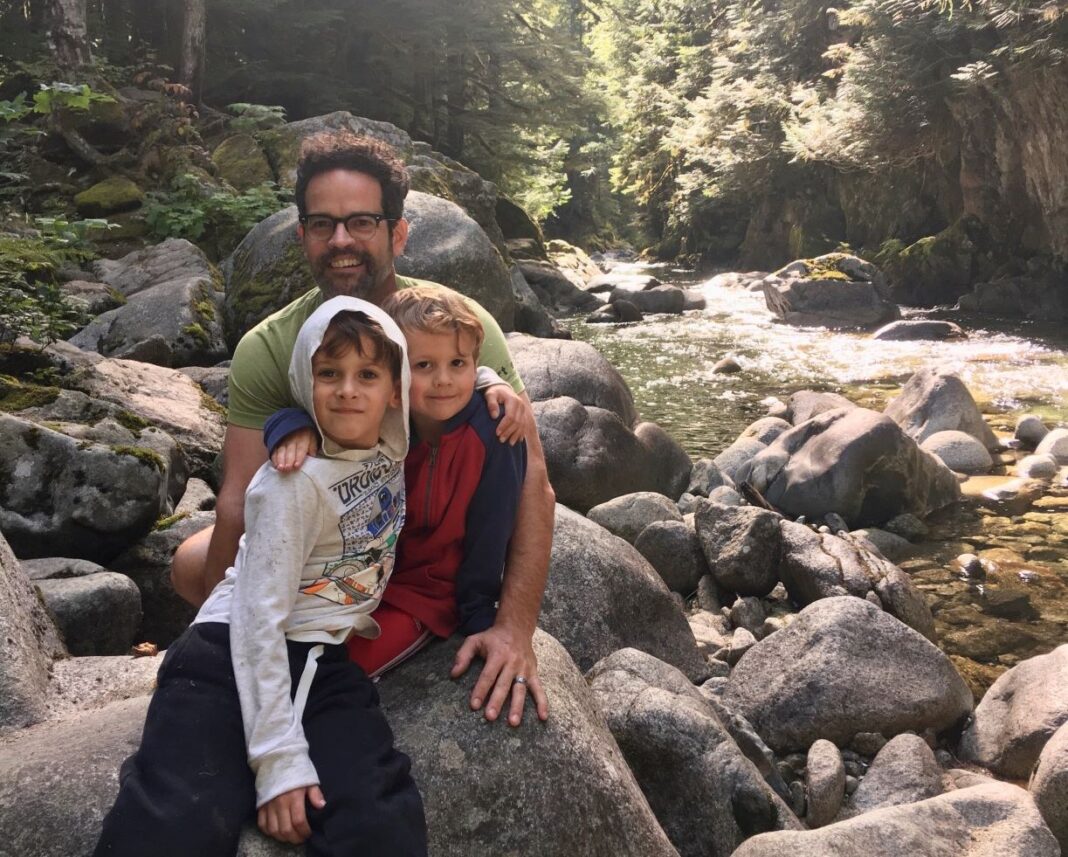
Ryan Shelton and family

Millions of people around the world suffer from some form of mental illness. Depression, anxiety, and bipolar disorder- are just a few conditions that can make life incredibly difficult. While medication and therapy are often effective treatments, they aren’t for everyone. Some people find that meditation is a better solution for them. In this blog post, Dr. Ryan Shelton of Zenith Labs will discuss seven ways meditation can help improve mental health!

What Is Meditation?

Meditation is a practice in which an individual trains the mind or induces a mode of consciousness, either to realize some benefit or the reason to acknowledge its content without becoming identified with that content simply. There are many different types of meditation, each with its methods and purposes.
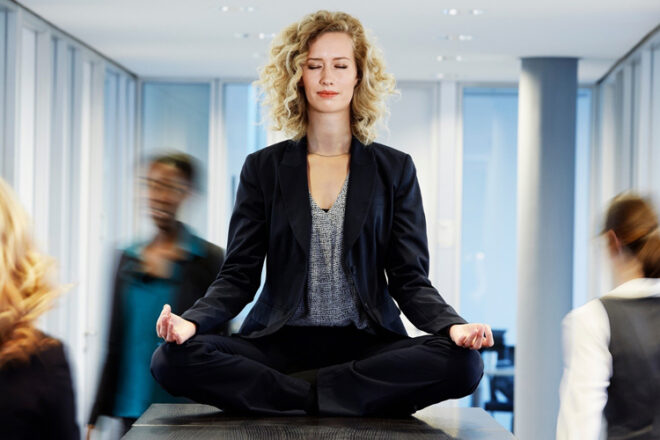
For example, mindfulness meditation focuses on mindfulness, or the awareness of one’s thoughts, feelings, and surroundings without judgment. Other popular types of meditation include transcendental Meditation, Vipassana Meditation, and Zazen Meditation. While there are many different types of meditation, they all share the common goal of calming the mind and promoting inner peace.

How To Practice Meditation

There are several vital steps to take to practice meditation effectively. The first step is to find a quiet, comfortable space where you can be at peace and undisturbed. This might be a private room in your home or a secluded corner of the local park. Next, you should choose a time of day when you are most relaxed and focused, ideally between early morning and mid-afternoon.

Once you have set aside some time for your meditation session, it’s essential to prepare your body for stillness by taking off any extra layers of clothing, pulling your hair back in a ponytail, and clearing away any distractions or devices that could divert your attention from yourself and your breathing. You might also want to participate in a brief stretching routine beforehand to limber up and get the blood flowing.

Finally, the key to meditating effectively is to stay focused on your breath as it flows in and out of your body. Inhale deeply through the nose, feeling the cool breath fill every inch of your lungs; then exhale slowly through the mouth with satisfaction as all of that tension melts away. With regular practice, meditation can help increase focus, clarity, and overall well-being.

How Does Meditation Help Mental Health?

There are many ways in which meditation can help improve mental health. Below, we will discuss seven of the most common benefits:

Meditation can help improve mental clarity

When you meditate, Dr. Ryan Shelton of Zenith Labs says your mind is allowed to rest and rejuvenate. This can help improve mental clarity and focus. If you have been struggling with making decisions or solving problems, meditation may be able to help!

It can boost your mood and make you feel happier

If you are struggling with depression or anxiety, meditation can be a great way to lift your spirits. Meditation promotes happiness and well-being by releasing endorphins (the “feel-good” hormone) into the brain.

It can help you focus and be more productive

If you have trouble staying focused on tasks, meditation can help. Meditation helps train the mind to focus and be more present at the moment. This can lead to improved productivity at work or school.

It can increase self-awareness and compassion

Meditation allows you to step back from your thoughts and observe them without judgment. This can help you become more aware of your thoughts and feelings and those of others. Additionally, meditation can help increase feelings of compassion and understanding for yourself and others.

Meditation can reduce stress and anxiety levels

One of the most common benefits of meditation is that it can help reduce stress and anxiety levels. Meditation works by calming the mind and slowing down racing thoughts. This can lead to a reduction in stress and anxiety symptoms.

It can improve sleep quality

If you have trouble falling asleep or staying asleep, meditation may be able to help. Meditation can help calm the mind and promote relaxation. This can lead to improved sleep quality and quantity.

It can lower blood pressure

Meditation has been shown to lower blood pressure by promoting relaxation. If you have high blood pressure, meditation may be a helpful way to reduce your risk of health complications.

Where To Find More Information About Meditation

If you are interested in learning more about meditation and how it can help improve mental health, many resources are available. You can talk to your doctor or a mental health professional, look for classes or groups in your community, or find information online.

Final Thoughts

In conclusion, while the benefits of meditation are vast and varied, the practice can undoubtedly be advantageous for individuals looking to improve their mental clarity, mood, productivity, self-awareness, compassion, and stress levels. Additionally, those who suffer from hypertension or poor sleep quality may find relief through regular meditation. Though the research on meditation is still growing and more comprehensive studies are needed to make any definitive claims about its effects on human health, what we know thus far is promising enough to consider incorporating it into our daily routines.

Karin Kloosterman
Karin Kloostermanhttp://www.greenprophet.com
Karin Kloosterman is an award-winning journalist, innovation strategist, and founder of Green Prophet, one of the Middle East’s pioneering sustainability platforms. She has ranked in the Top 10 of Verizon innovation competitions, participated in NASA-linked challenges, and spoken worldwide on climate, food security, and future resilience. With an IoT technology patent, features in Canada’s National Post, and leadership inside teams building next-generation agricultural and planetary systems — including Mars-farming concepts — Karin operates at the intersection of storytelling, science, and systems change. She doesn’t report on the future – she helps design it. Reach out directly to [email protected]

Read More

TRENDING

A Face Swap Tool for Training and Internal Comms

Corporate training videos often require repeated filming, travel, and production resources every time policies or personnel change. AI-powered face swap tools offer a more sustainable approach by extending the life of digital training content, reducing unnecessary reshoots, and helping organizations communicate more efficiently—provided they are used transparently with clear consent and ethical governance.

How a tick bite can lead to a life-threatening meat allergy AFG

Imagine developing a severe allergy to steak after a single tick bite. That's the reality for people with alpha-gal syndrome, a rapidly emerging condition linked to lone star ticks and other tick species. As researchers uncover how tick saliva rewires the immune system, health officials warn that hundreds of thousands of Americans may already be living with this unusual red meat allergy.

Russia’s Arctic superdeep oil drill revives debunked ‘infinite oil’ theory

Russia is reviving the controversial abiotic oil theory with plans to drill superdeep holes in the Arctic. While small amounts of abiotic methane exist deep within the Earth, most geologists reject the idea that commercial oil reserves originate from non-biological processes, raising questions about the environmental cost and scientific value of the project.

Code Red from the Galapagos: human drugs and sunscreen are polluting the sea

Millions of visitors swim in the pristine waters of the Galápagos each year, but new research suggests sunscreen chemicals and other human-made pollutants are reaching even the islands' most protected marine habitats. Scientists are calling for urgent monitoring to safeguard one of Earth's most iconic ecosystems.

AI will crack the codes from the Dead Sea Scrolls

Artificial intelligence is opening a new chapter in Dead Sea Scrolls research. By combining machine learning with chemical analysis, scientists hope to uncover where the ancient manuscripts were produced, identify connections between scribes, and reveal hidden patterns across more than 25,000 fragments that have remained unsolved for decades.

Yerukim Forms a New Green Economy Where the Money is Really Green

The Yerukim members who pick up the recyclables get to keep the monetary reward, the public earns "green" bills that can be used in shops, and business owners get to be associated with environmentalism.

Choosing Riyadh over Dubai? What Investors Should Know

Saudi Arabia is deploying capital at unmatched scale to catalyze tourism and advanced industry while rewiring its power-and-water backbone. The investable frontier is widening—especially in renewables, grid storage, water efficiency/desal retrofits, and hospitality operating platforms. Prudent investors will insist on phased delivery, enforceable KPIs (energy, water, biodiversity), and RHQ/zone compliance—while pricing political-economy and reputational risks alongside growth upside.

Sell your cooking oil for biodiesel money

Want to make money on old french fry oil? Sell it.

Qatar Alternative Energy Summit Pairs Investors And Innovators

Alternative energy investors and innovators can meet n' greet in Doha, Qatar March 16 and 17.

Here’s How To Implement The Four Pillars Of Employee Engagement

If you throw a party for your work team and they are vegans, don't make it a barbecue. Know the sustainability values of your team to boost moral and retain good people.

Locals From Rishon Fight IKEA

Big Box stores are a pretty new concept in Israel, and thank God that not every Israeli city wants them in their backyard. A word from someone who has see the beautiful farmland around her hometown Newmarket, Ontario stripped and converted into vulgar strip malls of big box shops: they have no place in a healthy and sustainable town or city.

The Jewish National Fund Meets An Inconvenient Truth

According to the JNF, it has transformed thousands of acres of barren land into green forests in Israel. They state that each person emits about 23 tons of carbon per year, estimating that each tree planted can absorb one ton of carbon in its lifetime. That's a whole lot of trees you'd need to be planting. Could so many fit in Israel?

How to quiet noise from construction in your office

Streets need to be resurfaced in New York but the humming and grinding noise is unsettling. Noise is environmental pollution. 

Popular Categories