
As the years pass and our society becomes safer and more sanitized, the allergies of our children go up and the immune systems aren’t as strong. This is partly due to lack of exposure to germs, the outdoors, and certain foods. When it comes to the health of children, they need to encounter certain infections, sicknesses, and allergy-prone foods. Luckily, there are ways to help your child avoid allergies and start building their immune system when they are young.
Allergies aren’t absolute. You can identify them early and expose your child to them carefully to eradicate the reaction. It’s also very important to cultivate the immune system of children early on in their lives. The more they are exposed, the better their immune systems become. Below are some tips for helping your kids tackle their allergies and boost their immune systems.
Identify Allergies
The first thing you should do to help your kids with their allergies is to identify them. First, have them take an allergy test. With one of these tests that you can do at home, you’ll be able to find out which outdoor and indoor allergens they will have a reaction to. When you get the results back, you can figure out next steps. You could get medication for them or expose them to the allergens carefully. You can get rid of an allergic reaction if you do. Of course, you shouldn’t expose children to allergens that could physically harm or kill them, but if your child has a mild reaction, it could be taken care of early on in life.
Treat the Allergies or Exposure Therapy
Once you have identified your child’s allergies, you have a few options. You can either find the right anti-allergy medication if the reaction is bad, or if you have the chance, you can start exposure therapy. Exposure therapy usually refers to a phobia or trauma associated with a certain thing, but in the case of allergies this form of therapy improves the child’s response to the allergen and decreases the intensity of the reaction over time.

It is possible to help your child get out of the allergy when you can properly expose them. It goes without saying that if your child has a deadly peanut allergy you shouldn’t give them peanuts, but if the allergic reaction is mild, small amounts of the allergen can help them overcome their response to it.
Spend Time Outside
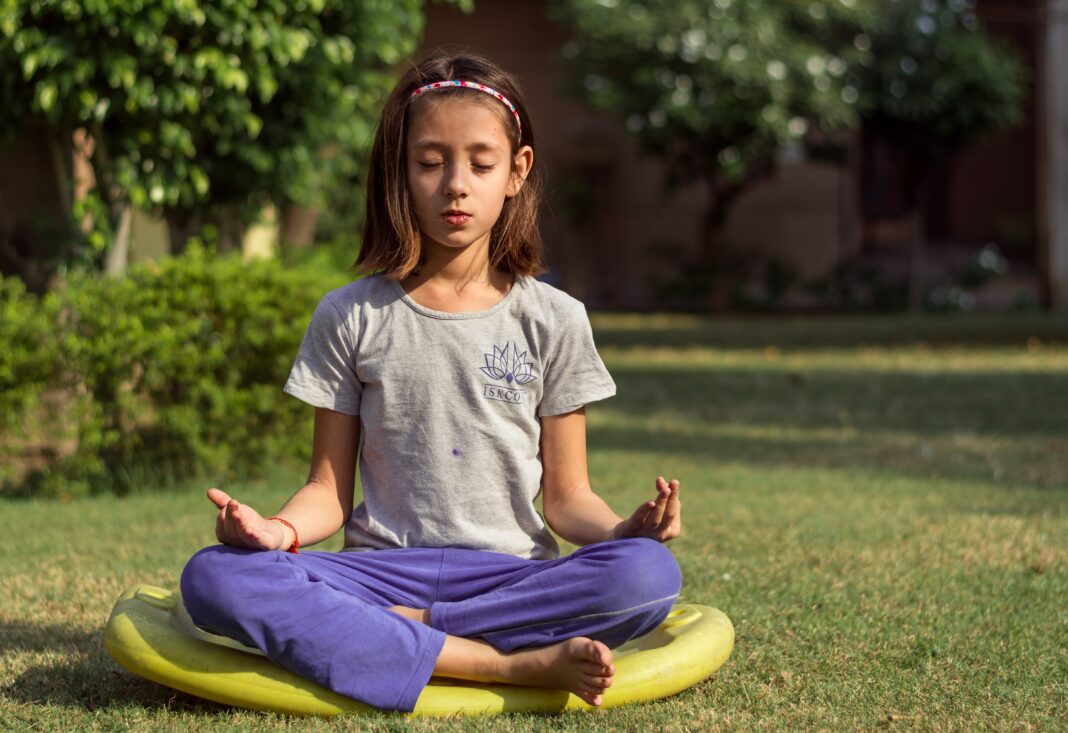
One of the best ways to avoid allergies while strengthening the immune system is to spend time outside. When your child goes outside and interacts with allergens, they will be less likely to develop an allergy to them. Spending time outdoors also leads to encountering germs. This may sound like a bad thing, but children need germs to build their immune system. These days, everything is clean and sanitized. When germs aren’t around, the immune systems of children don’t get the boost they need. If they encounter germs early on in life, they will gain a resistance to them.
Beyond germs, children need to develop resistance to specific illnesses. If they never get sick early on in life, they won’t have a strong immune system to protect them when they’re older and more vulnerable. Spending time outside isn’t just a great way to build resistance to allergens, germs, and sicknesses, it is also great for the child in countless other ways. Kids need to spend time outside!
Use Medicinal Plants & Herbs
Another thing you can do for your child’s allergies and immune system is to use medicinal plants and herbs. There are all kinds of natural remedies for building the immune system and strengthening the fight against allergens. Ginger, ginseng, turmeric, garlic, and others can greatly improve the child’s immune system and resistance to allergies.

Not only do these improve immunity and the reaction to allergens, they lower inflammation and boost gut health. They are inherently anti-bacterial. Echinacea is a member of the daisy flower family and can help eradicate infections. While natural immunity is important, there’s nothing wrong with using medicinal plants and herbs to help improve the response to germs, allergens, and specific illnesses. You can also use them to build your child’s immunity by encountering these things.
Early Exposure to Foods
There are so many needless food allergies that have developed over the last few decades. This is partly because no one is exposing these children to certain foods. For example, an allergic reaction is essentially the body responding to a food like it’s a virus or another harmful agent. This can cause the body to react in extreme ways. That’s why allergies can be so dangerous.
However, you want your child’s body to increase the number of antibodies at its disposal. If you give a child food that is commonly known for allergies—shellfish and peanuts for example—they will be less likely to develop an allergy later. It goes without saying that you should be careful when it comes to giving your child allergy-prone food, but if you do it early on in their life the child will gain antibodies to help fight off symptoms and eliminate the possibility of an allergy to specific foods. Early exposure to foods has the potential to avoid food allergies.
Nobody likes allergies. Whether you just get seasonal allergic reactions to pollen or have a dangerous reaction to shellfish, allergies are your body’s way of responding to perceived danger. Luckily, allergies aren’t absolute. If a child develops antibodies to certain allergies, they won’t have to worry about symptoms. The same goes for illnesses.
With an immune system that has encountered many types of germs and illnesses, the child will live a better, healthier life. A strong immune system is the difference between sickness and health. When a child is young, they can build an immune system for the future. That’s why you shouldn’t shelter your kids too much. The time for getting sick and spending time outdoors is when you’re young. Avoiding health complications when you are older can be done by building a strong immune system in the early years of life.
Julie Steinbeck is a freelance writer from Florida. She enjoys covering topics related to business, finance, and travel.