Home Blog Page 103

The Science of Learning: Maximizing Retention and Engagement with E-learning Software

0
teaching software
With the help of software you can learn how to fly a solar plane or build a fully automated greenhouse.

Developing courses with long-term student engagement and meaningful learning outcomes is challenging for educators and trainers. How can you ensure your students retain the skills they learn or remember what they’re taught? One solution could be e-learning software. E-learning software provides users an interactive environment to better engage with content, allowing them to use their personal techniques to comprehend the material. With its ability to offer multimedia elements such as visuals, animations, and audio recordings in addition to text and videos, learners are able to gain more out of their educational experience—improving knowledge acquisition effectiveness and recalling aptitudes for longer periods. In this blog post, we will explore the advantages that come from using e-learning software for learning retention and engagement.

Interactive and multimedia content: 

E-learning software like LMS LatitudeLearning has revolutionized the way we learn by incorporating interactive and multimedia content that makes learning more engaging and enjoyable. Videos, animations, quizzes, and simulations are just a few tools used to capture learners’ attention while helping them retain information. Online education is no longer a monotonous experience with activities that read like a textbook; instead, it is a dynamic and engaging environment that emulates a classroom experience. With the ability to learn at your own pace and interact with the material in a variety of ways, e-learning software has become an excellent resource for learners of all ages who want to acquire new knowledge and skills more efficiently.

Personalization: 

The world of e-learning is constantly evolving, and one of the most exciting developments is the use of data analytics and artificial intelligence to personalize the learning experience for each student. Imagine logging into an online course and having the content tailored specifically to your interests and learning style – this is the future of education. By using personalized learning, e-learning platforms can keep learners engaged and motivated, leading to better retention and overall success. It’s a win-win for both learners and educators, and the possibilities are endless.

Gamification: 

Oceansky, From 2024, Swedish company OceanSky Cruises will fly elite passengers in a sustainable, floating five-star hotel that’s lighter than air.
Hydrogen gas is endless and available and a green energy contributing to a carbon-free future. Storage tanks can be sent like drones if you have software controllers to drive them from afar.

Gamification has become a popular tool used in e-learning software to make learning fun and engaging. This approach makes use of gaming elements such as badges, points, and leaderboards to reward learners for their successes and provide motivation for continued learning. The act of earning badges and seeing one’s name at the top of a leaderboard can give learners a sense of accomplishment, driving them to keep pushing themselves to achieve their learning goals. It’s no wonder why gamification has become such a popular trend in e-learning software, with its ability to enhance the learning experience and keep learners motivated.

Flexibility: 

In today’s fast-paced world, people are constantly on the move, requiring learning solutions that fit their busy lifestyles. E-learning software offers such a solution by allowing learners to access course material at any time, from any location. This feature mainly benefits individuals who lead hectic lives and may struggle to attend face-to-face classes. The ability to work through coursework at their own pace allows students to take ownership of their learning, ensuring that they fully comprehend the material before moving on to the next module. The freedom to learn at a time and pace that suits them best can also lead to increased motivation and engagement. E-learning’s flexibility is a game-changer, enabling busy learners to fully embrace education without sacrificing other commitments.

Collaborative learning: 

Mayu team Elad Erdann(center), Shay Eden (left), Ze'ev Zohar
This team has cracked the code on how to make spring water

Collaborative learning is an innovative approach that uses technology to encourage learners to work together towards a mutual goal. E-learning software with collaborative features allows students to engage with peers and instructors in novel ways, creating a sense of community that keeps learners motivated and invested in their studies. In collaborative learning, learners can learn from others, gain new perspectives, and participate in group discussions. This type of learning strengthens cognitive skills and fosters communication, critical thinking, and problem-solving skills. By working together, learners can achieve greater academic success while also developing valuable skills applicable beyond the classroom.

Immediate feedback:

E-learning has revolutionized how we learn, providing numerous benefits such as flexibility, cost-effectiveness, and the ability to learn at our own pace. One of the most significant advantages of e-learning software is the immediate feedback that learners receive. This feature is beneficial in identifying areas where learners need to improve and making corrections in real time. With immediate feedback, learners can correct their mistakes immediately, reinforcing the right behaviors and helping learners stay engaged with the subject matter. This way, learners know exactly where they stand, allowing them to focus on their weaknesses and achieve their learning goals more effectively. All in all, immediate feedback is a huge game-changer that can make learning more engaging, effective, and enjoyable.

The success of e-learning software as an educational tool is further bolstered by its ability to provide learners with a more engaging and personalized experience. Through features such as multimedia content, personalization algorithms, and gamification, e-learning software can create an experience tailor-made to suit an individual user’s learning preferences. When used alongside traditional teaching methods, the use of e-learning software can significantly enhance learning retention and engagement. As technology continues to evolve, new tools and features will likely be developed to improve the learning experience offered by e-learning software. This means that not only will learners have access to better resources, but educators will also benefit from delivering ever more interactive and effective courses online. Ultimately, e-learning software provides a valuable tool for creating an enjoyable yet educationally beneficial environment for instructors and students.
 

Postgraduate Study: How to Balance Employment & Education

0
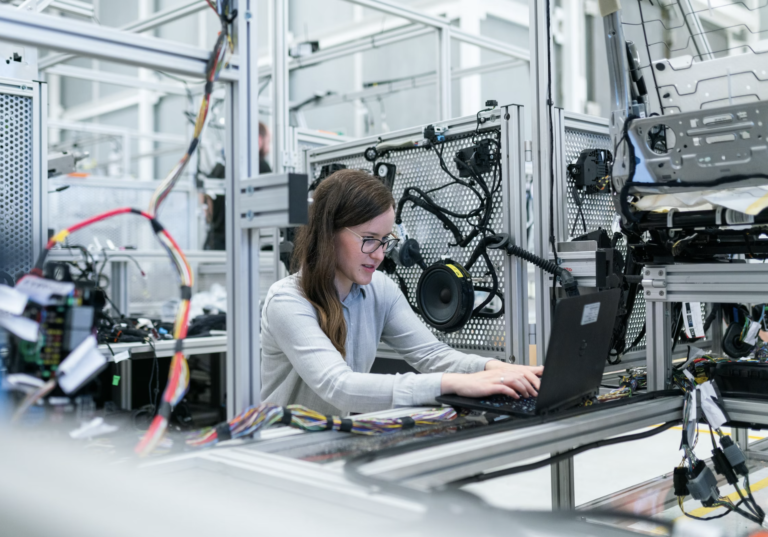
Green MBA in engineering and she is building a robot to build solar panels
She’s taking a green MBA and building a robot who can manufacture custom solar panels

Balancing professional employment with the pursuit of higher education can be a challenge – particularly if you are working full-time! Of course, if you are employed full-time, your work commitments are likely to already take up the majority of your weekly schedule. Most full-time employees are expected to work for a minimum of 40 hours a week – if not more, especially in cases where complying with requests for  ‘reasonable overtime’ by the employer is stipulated in the employment contract.

As such, it can be difficult to juggle the completion of a higher education qualification with existing professional commitments. However, slotting postgraduate study into your already busy schedule is one that will pay off in the long term. With dedication, planning, and by effectively managing your time, attaining a postgraduate qualification whilst working full-time is achievable. 

Nonetheless, if you do plan to study while working, you also need to ensure that you are taking care of yourself. Keep reading for our guide on how to balance professional work and education, as well as the best techniques to employ to ensure you do not burn out from exhaustion and overcommitment!

Postgraduate Qualifications: Why Higher Education is Worth Pursuing

nurses in a circle, studying classes together
Some nursing and healthcare profession courses can be taken online

If you have been considering pursuing a postgraduate qualification, you will perhaps already be familiar with the many benefits of higher education. You may, however, not realise how easy it is to complete a postgraduate degree through online learning. Importantly, there is a multitude of postgraduate online courses that are available, readily accessible, and quite literally just waiting for you to enrol! Of course, you will need to be able to access the course materials digitally. But with the majority of prospective students already in possession of either a desktop computer or laptop, this shouldn’t be an issue for most people. 

Needless to say, you likely already know that the benefits of postgraduate study are abundant – personally, financially, and professionally. But perhaps most importantly, completing a postgraduate degree opens up doorways to opportunities that are often not accessible without one. If you are aspiring to pursue a lucrative career in academia, for example, a postgraduate qualification is essential.

Luckily, with various programs offered by Berry College and similar trusted institutions, gaining access to a higher level of education has never been more achievable. Many of these programs are also designed to accommodate working professionals with flexible schedules.

Managing Your Time: How to Make Combining Professional and Study Commitments Work For You

coding engineering in green mba
Coding like the planet depends on it

Once you have enrolled in your online course, you will usually be sent virtual links to the coursework material, to complete in your own time. Studying the course outline at the beginning of your study period will assist immensely in planning out your schedule for the duration of your studies, and will ensure that you can meet the course requirements within the timeline of your degree. Choosing flexible study arrangements – such as studying on a part-time basis, for instance – may make this more manageable, and more achievable for you.

Of course, you will still need to be wary of pre-determined assessment and assignment due dates, as there are hefty penalties for late submissions. This is why it is crucial to manage your time well, throughout your study period. On this subject, it is also important to note that your university study period will vary dependent on your selected educational institution. To clarify, university study periods are usually divided into either semesters or trimesters, or even, a combination of the two! 

In addition, you will also need to stay on top of the key study areas – which are usually delivered both thematically, and chronologically. That is to say, the study themes throughout your course will generally each be assigned to a certain week of the semester or trimester. You will be given that particular week to complete readings that relate to the week’s theme or study area. It is of course essential to keep up with the weekly readings, as the related themes are usually discussed and analysed in that particular week’s lectures and tutorials.

Avoiding Burnout: How to Regulate Your Stress Levels When Working and Studying at the Same Time 

Needless to say, self-care techniques are essential when you have a lot on your plate. Overcommitting to professional, study and personal activities can take its toll on your energy levels. You can start to experience exhaustion, fatigue, and even burnout! That is why looking after your health when you are working and studying at the same time is crucial to your well-being.

This means not only regulating your mental state by ensuring that your stress levels are manageable but also, taking care of your physical health. You can achieve this by doing daily exercise, as well as consuming a healthy and balanced diet. Of course, it is equally important to rest. Your body needs downtime to recover, refuel and recharge your batteries. As such, it is highly recommended that on top of all your existing activities, you also make sure that you schedule some relaxing, quiet time for yourself.

Undoubtedly, if you commit to postgraduate study while also working at the same time, you will feel a considerable amount of pressure! However, by managing your time and planning out the course milestones throughout your study period, you can get it done. Most importantly, once you have completed your postgraduate degree, the benefits will be worth it – particularly in terms of career opportunities that will be opened up to you.


Meet Istanbul treehugger and journalist Gökçe Uygun

0
Gökçe Uygun
Gökçe Uygun for Green Prophet. Image by Gürbüz Engin, 2023.

One thing I have noticed over the years while working as a sustainability reporter and editor: we are rarely interviewed by other media despite being experts in our field. It might have something to do with competition in the media, but I’d rather think that we just tend to forget the obvious. We were happy to meet Gökçe Uygun on a social media forum concerned about making Istanbul “eco” and what’s a better way to know Istanbul’s sustainability scene than through a curious reporter. 

Gökçe Uygun, 42, and based in the Kadıköy neighborhood of Istanbul is a journalist working for the Gazete Kadıköy (a local newspaper of the Kadıköy Municipality) for the last 13 years. We have some questions for her and here is what she says:

1. Tell us about the environment movement in Turkey? What’s happening? What should we care about?

There are many organizations in Turkey, locally and globally (such as Greenpeace, Turkey).

Uncontrolled mining activities, hydropower plants, reduction of green areas in cities during urban transformation processes, air pollution (especially in metropolitan cities), pollution of the Marmara Sea, the government’s Canal Istanbul Project.  Environmentalist organizations and local people are fighting against these kinds of issues.

2. What are your three favorite projects or ideas that are happening? Can you tell us a little more about them?

First; there is a ‘Repair Club’. It’s an Istanbul based social enterprise. They have great projects.

Second  Meatless Monday.

Third, Plastbanta (a plastic detox & diet in Swedish)

3. What are the 3 biggest environmental problems in Turkey?

The destruction of forests and water resources, a decrease in green areas, people’s bad habits… some people throw their trash to the streets, still. Can you believe that?!

Gökçe Uygun for Green Prophet. Image by Gürbüz Engin, 2023.

4. How are people dealing with these issues, the government?

First of all I would like to say that it’s very difficult to be an environmentalist in Turkey. Remember the Gezi Park protest…  a few people were killed and many injured; some people are still in prison just because they defended trees. So environmentalists are fighting with demonstrations in the field and on the legal side. 

Related: Turkish couple murdered for trying to save the land they loved

ali-asli-buyuknohutcu-manset
Turkish couple murdered for trying to save the land they loved

5. What are the best ways for tourists to experience an eco-friendly day out in Istanbul? Any activities?

If you’re a tourist and take a eco-friendly day out in Istanbul I suggest you visit Kadıköy. Because Kadıköy’s people are very aware about these issues and also the Kadıköy Municipality offers many options. You can start your day with a vegan breakfast. Then shopping Kadıköy Municipality’s zero waste shop. Also you can visit Kadıköy Municipality’s Ecological Life Centre where you can take part some activities. Besides, you can shop at the flea market.

6. If you had a 1 billion Euros to invest in Istanbul what would you do?

I would spent it on public transport. Because there are too many private cars. This investment would reduce that. Also I would give a bicycle to everyone : )

7 . Nature is such a big part of Turkey. Is there any nature tourism around Istanbul

Gökçe Uygun, treehugger
Treehugger Gökçe Uygun. Image by Gürbüz Engin, 2023.

Yes I guess so. There are some groups/travel companies making trekking tours to Istanbul’s ponds, forests

8. Where do sustainability people hang out and what do they do?

They’re mostly vegan people at the same time. So they have their community. For example ı know a vegan group who organise a vegan picnic once a month in Kadıköy. They try to lead a sustainable life; buy second hand clothes, furniture, or swap them, separate their garbage, don’t use plastic bags.. etc.

9. What inspired you to become an environmental reporter? 

Actually we can’t say I am just an environmental reporter. I cover stories about any issue. But of course I really care about environmental correspondence and I focus on it from time to time.

10. Did you study? 

I graduated from Marmara University in Journalism

11. Tell us about yourself growing up…were you a city kid or a country kid?

Oh, unfortunately I was totally a city kid. I was born and grew up in Istanbul — such a metropolis. My mum didn’t used to let me play at outside. I didn’t have much of a relationship with nature, until I became an adult. Now I realize the value of nature and I am in love with it.


Why are orcas sinking boats in Spain?

Killer whales attacking boats, mom and her calf

Orcas have been targeting and sinking boats off the coast of Spain, and scientists aren’t quite sure why.

Orcas (Orcinus orca) otherwise known as killer whales have sunk three boats off the Iberian coast of Europe in the last few years, and this naughty behavior towards humans and their watercraft seems to be spreading. It’s as though one mad orca is teaching the others how to revenge role-play.

Biologists first noted the trend happening in 2020 and back then they suspected it to be a defensive behavior, which started with a female orca nicknamed White Gladis after she experienced an unknown trauma. She may have been trapped in a fishing net or hit by a boat.

Iberian orcas are critically endangered, and only 39 were recorded in the last census, in 2011. 

On May 25, orcas severely damaged a sailing boat off the coast of Spain, according to local maritime rescue service said on Thursday, adding to the list of dozens of orca attacks on vessels recorded so far this year on Spanish and Portuguese coasts. 

In the recent attack a group of orcas broke the rudder and pierced through the hull of a sailing boat on its way to Gibraltar. The crew of four contacted Spanish authorities for help, a spokesman for the maritime rescue service said.

Is the mother teaching her calves?

“There were two smaller and one larger orca,” skipper Werner Schaufelberger told the German publication Yacht. “The little ones shook the rudder at the back while the big one repeatedly backed up and rammed the ship with full force from the side.” 

In 2022, there were 207 reports of orca attacks, with 20 reports in the month of May this year alone.

Scientists speculate that a traumatized orca started assaulting boats after a “critical moment of agony” and that this behavior is being taught to other orcas among the population through social learning. In fewer words: orcas are teaching “it’s payback time.”

After 500 attacks starting in 2020 there have been 3 sunken ships.

“The reports of interactions have been continuous since 2020 in places where orcas are found, either in Galicia or in the Strait,” says orca researcher Alfredo López Fernandez, a biologist at the University of Aveiro in Portugal and a representative of the Atlantic Orca Working Group.

“The orcas are doing this on purpose, of course, we don’t know the origin or the motivation, but defensive behavior based on trauma, as the origin of all this, gains more strength for us every day,” López Fernandez, who authored a paper about the behavior, said. 

“We do not interpret that the orcas are teaching the young, although the behavior has spread to the young vertically, simply by imitation, and later horizontally among them,” he added, noted that this can be a “fad” behavior that may just pass in time.

In other maritime events, the rare monk seal sighting in Israel continues. Yulia left Jaffa and was last see in Rishon, south of the city of Tel Aviv.

China is using satellites to protect nature

Donghu Lake, Wuhun China
China is using satellites to protect nature. But why so secretive? Donghu Lake, Wuhun, China

China is one of the first countries to use satellite monitoring to protect nature-conservation areas from illegal developments, such as mining and construction, offers a new report in Nature. China, which has deployed spy balloons over parts of North America, has also added a fleet of 30 satellites to keep a watchful eye on 3 million square kilometres of land and 150,000 square kilometres of sea, doubling the area that is legally protected in China. The International Union for Conservation of Nature (IUCN) counts China as the third most-biodiverse country in the world.

Scientists in essence hope that China will provide a model for remote sensing for conservation purposes. However, environmental scientists are frustrated owing to the lack of transparency about where the boundaries of protected zones lie.

Without any public record, the opposite of what NASA offers, “there’s a possibility that the local governments might be able to shift their redlines to accommodate future [development] needs,” says conservation biologist Fangyuan Hua in a Nature report.

China is not the first to deploy satellites to protect nature. NASA has been using their systems for decades, monitoring climate change globally, and letting us see the recession of water bodies such as the Dead Sea. Their open-source imagery goes from looking at the macro to even smaller anthropogenic parts of our history. Independent researchers look to Google Earth to uncover illegal fishing traps in the Middle East. Also hundreds of agriculture tech companies use open-source satellite imagery to predict bug infestations, droughts and fires. 

The worry with China is that the country is veiled about how it uses its data to control its people and exploit planetary resources without any consequence.

Olive oil coffee trends in the Middle East

0
oleato brewed coffee with olive oil
Oleato coffee is a new coffee made with olive oil. Find it now in Saudi Arabia. 

The Middle East has its own specific coffee culture and methods for brewing Turkish black coffee in a finjan. Taking your time, great hospitality and a sprinkle of cardamon is part of the story, and with everything in the Middle East, every good recipe includes a dash of love. A new intersection of two essential ingredients, a staple for food (as oil and fruit) and a much-loved drink have come together at Starbucks in the United States and now in the Middle East. The latest marriage? Coffee with olive oil. This follows on the heels of a global trend that made a spoon of butter in your coffee a regular thing. And olives (there are over 100 varieties around the world) are a staple of the Mediterranean Diet. 

If you grew up with a British parent, dipping buttered toast in tea gave you a primer for butter in coffee or olive oil in coffee. Now Middle Easterners are starting to enjoy the newest coffee beverage – a coffee infused with extra virgin olive oil. The new ‘Oleato’ line is available at Starbucks in Italy, and is now found in new locations in Saudi Arabia. 

The CEO of Starbucks, Howard Schultz, was inspired to being great coffee to America after visiting Milan in the 80s. A shot of espresso, consumed at a counter in a cafe (not as take-away) is a part of the Italian tradition. Milan inspired Schultz to bring the Italian coffee experience to Starbucks starting in the US, and which today has 36,000 outlets globally. 

Now Starbucks, vying for coffee lovers attention, and an experience easily replicated at home with consumer-focused espresso machines, is looking for new markets. Olive oil is the latest offering. 

“Today I feel just as inspired as I did 40 years ago, Oleato has opened our eyes to fresh new possibilities and a transformational way to enjoy our daily coffee,” Schultz said. “Oleato represents the next revolution in coffee that brings together an alchemy of nature’s finest ingredients – Starbucks arabica coffee beans and Partanna cold pressed extra virgin olive oil.”

Adding oil to coffee isn’t new. It’s known that fat reduces the acidity and bitterness of coffee. Non-dairy creamers, a product that many people are already used to, is usually made from vegetable oil. People have been adding butter, coconut oil and MCT oil (medium-chain triglycerides) to coffee for over 10 years for a “bulletproof” coffee that keeps you satiated until lunch. Skipping breakfast is a Mediterranean thing. 

You can find a Starbucks and try the olive oil blend or make your own olive oil coffee at home. 

How to make your own olive oil cappuccino

Ingredients:

  • 6ox of strong coffee, brewed in a pour-over, or espresso machine
  • 1.5 teaspoons of extra virgin olive oil

Add coffee and olive oil to a blender, preferably a powerful blender like a Vitamix. You want to emulsify the oil and coffee together. Blend until a bit frothy but watch out not to burn yourself. You can add sweetener if you need it. We prefer coconut sugar which is better for your body. 

And if you want to just brew the old-fashioned way, we’ve put together a how-to brew with a finjan. Serve in small cups.

Finjan coffee, Turkish coffee
Middle East coffee from a finjan


How to Build and Design a Cost-Effective Backyard Kitchen

Outdoor kitchen built with recycled materials
Outdoor kitchens are inside gardens, greenhouses or on your favorite patio space. They are green, sustainable and liveable.

An outdoor kitchen is a great way to upgrade your backyard space, but it can also come with a hefty price tag. Fortunately, building an outdoor kitchen on a budget is possible with intelligent planning and creative thinking. 

Backyard Kitchen Tips and Ideas

An outdoor kitchen is a great way to expand the usable square footage of your property and get more enjoyment out of your backyard during the spring, summer, and early-fall months. 

Here are some tips and ideas for building an outdoor kitchen without breaking the bank.

Plan Carefully

Take the time to thoroughly plan out your design before you start building. Consider factors like the location, size, layout, and functionality of your outdoor kitchen. A well-thought-out plan can save you from expensive mistakes or changes down the line. (And when you consider that “ownership costs” are often the biggest long-term expense, this is huge.)

Do it Yourself (As Much as Possible)

Tiny house kitchen on the patio
If you have a tiny house you can swing open a couple of doors to bring the inside out. Keep perishables and spices locked up so critters and animals can’t snack on the jam at night.

If you’re handy, have you thought about doing some (or all) of the work yourself? This can significantly cut down on labor costs (which typically represent a big chunk of the overall project costs). 

If you decide to DIY the project, make sure you’re comfortable with any tasks you take on. For some things, like electrical or gas line work, it’s always going to be safer to hire a professional. Don’t cut safety corners just to save a few bucks. Pay for the professional and then use your time to focus on things that you can reasonably handle (like finishing work or landscaping).

Step into Style: Enhance Your Outdoor Kitchen with French Doors

French doors in a tiny home
French doors can be made to look modern and give a tiny sustainable home a grand look. 

Installing new exterior doors is another way to seamlessly blend your indoor and outdoor spaces. These doors, known for their aesthetic appeal and functionality, can serve as a stylish entrance to your outdoor kitchen. They not only allow easy access but also let in plenty of natural light, creating a warm and inviting atmosphere.

When choosing the right model for your house, the vital factors to consider are:

  • Manufacturer. Exterior French doors Canada made are usually the best when it comes to meeting industry standards, boosting thermal performance and adding aesthetics.
  • Quality materials. You can choose anything from wood to steel or fibreglass but make sure it adds to the rest of your house design and energy efficiency. 
  • Type of glass. Select from clear, frosted, or even stained glass inserts. The key factor here is to balance your house’s privacy and natural light.
  • Energy efficiency. Since French doors come with a lot of glass, buying and installing those models with high energy ratings (ER) is essential, so you save on energy bills in the long run. 

Also, think about the door’s design and how it complements the overall style of your house and outdoor kitchen. Remember, while French doors can be a bit more expensive than standard doors, they can significantly enhance the value and appeal of your home. If you’re handy, you might even consider installing them yourself to save on labour costs. However, it might be worth hiring a professional for a perfect fit and finish.

Choose the Right Materials

You don’t always need the most expensive materials for your outdoor kitchen. For example, concrete or tile is a more affordable option for countertops than granite or marble. (And, again, it’s going to cost less to maintain over time.) 

Likewise, you might consider using reclaimed or recycled materials for parts of your construction. You can find materials at local salvage yards, building surplus stores, and secondhand shops. Home improvement stores also have occasional outdoor living sales.

Start Small

You don’t need an outdoor kitchen fit for a Michelin star chef. If you ever reach that level of skill, then, by all means, add any and every appliance you possibly can. But for now, focus on keeping a small footprint and aiming for quality over quantity. That means getting things that provide versatility and functionality. 

A great example of this is an outdoor grill island with a side burner. 

“The double power burner is an excellent choice to boost cooking capacity,” RTA Outdoor Living explains. “You can have two pots or pans going while you are grilling burgers. This is perfect for making sauces and side dishes to complement the main component of your meal.”

While a grill island with a side burner is great, you probably don’t need three or four different types of grills (at least not when you’re starting out). Be smart and discerning!

The Cost of Your Outdoor Kitchen

The cost to build an outdoor kitchen can vary significantly based on the size, materials, appliances, and your geographical location. It’s important that you take the time to budget properly, research the equipment and layout you want, and use discretion to avoid letting scope creep turn a reasonably priced outdoor kitchen build into an expensive mess that prevents you from enjoying it. 

With that being said,  a basic outdoor kitchen with a small counter and a decent grill will probably land you in the $3,000 to $5,000 range (on the minimum side of things). A more elaborate setup with high-end appliances, custom design elements, plumbing and electrical work, built-in seating, high-quality materials, and professional installation could easily reach upwards of $15,000 to $30,000 or more.

That’s obviously a pretty wide spread of costs, which is why it’s critical that you come up with your own plan and connect with experts in your area who can guide you through the process.

Adding it All Up

When you put it all together, there’s something exciting about building an outdoor kitchen. It gives you a chance to invest in something that your family will get years of enjoyment out of. And if you follow the tips outlined above, you’ll have a much more rewarding experience. Enjoy!

Effective Ways for Pet Parents to Manage Dog Skin Infections

0
oet on a picnic
Your pet is part of the family. Regular checkups can keep her skin healthy.

Your job as a pet parent is to ensure the health and well-being of your canine companions. Unfortunately, dogs can be prone to a variety of skin infections, leading to itching, scratching, and distress.

Knowing how to protect your dog with skin conditions and effectively manage these annoying conditions is an essential part of ensuring your dog’s happiness and health. We’ve compiled this list of strategies and interventions you can employ in your daily life to help prevent dog skin infections, promote healing and prevent future flare-ups.

Hygiene and regular grooming

A regular grooming regimen and hygiene will benefit your dog’s skin infections. Regularly brushing your dog’s coat to remove loose fur helps prevent matting. Matting provides an ideal breeding ground for bacteria that can lead to skin infections.

Regularly bathing your dog with a skin infection with a mild, hypoallergenic shampoo specially formulated for dogs can also go a long way to maintaining healthy skin and coat. Excessive bathing is not recommended as this can strip the skin of natural oils, making dog skin infections more likely. 

Keeping your dog’s bedding clean and free from allergens like dust mites is vital in reducing skin infections.

A balanced diet

A healthy diet plays an essential role in managing and preventing skin infections. A well-balanced diet provides your best dog pal with all the vital nutrients, vitamins, and minerals. If you’re concerned that your dog isn’t getting adequate nutrition from its diet, consult your vet, who can determine the best diet for your dog. 

A diet rich in Omega-3 fatty acids can reduce inflammation and promote healthy skin. You can feed your dog fatty fish or canine dietary supplements to ensure your pup gets all the Omega-3s it needs. 

Avoid giving your dog human food and treats because these can contain ingredients that can trigger or worsen skin issues. Similarly, human dietary supplements shouldn’t be given to your dog as the dosages are usually inappropriate for dogs. Always check with your vet first before making and changes to your dog’s diet. 

Manage allergies

Hipster dog dad
This hipster dog dad feeds his pal vegan dog food and is on top of his best friend’s allergies

Dog skin infections are often caused or exacerbated by allergies. Food, environmental allergens like pollen and dust mites, and contact allergens like fabrics or cleaning products can cause skin infections. 

If you suspect your dog has an allergy impacting its skin, it’s best to work with your veterinarian to identify the potential allergen and work out a treatment plan for your dog.

Regular health check-ups

Many dog owners only visit the vet in an emergency or when something is wrong, but an important part of caring for a dog is to stick to a regular schedule of check-ups. Prevention is, after all, better than cure, and when it comes to paying vet bills, preventative care is more affordable than treatment for full-blown conditions.

Regular check-ups at the vet can help manage skin infections by allowing your vet to regularly assess your dog’s skin health, identify possible infections and underlying conditions, and recommend appropriate interventions. Vets like Brewerton Animal Hospital is dedicated to your pet’s health and happiness.

Parasite prevention, vaccinations, and health checks are important parts of avoiding the potential triggers of dog skin infections.

Early detection and treatment

It would be best if you tried to treat dog skin infections as early as possible. Inspecting your dog’s skin regularly for signs of redness, swelling, sores, rashes, and scratching is crucial. If you notice anything unusual, consult your vet as soon as possible. 

Depending on the cause of the skin complaint, your vet may prescribe changes to your dog’s diet, oral or topical dog skin infection medicine, or even medicated dog shampoo. You must strive to stick to your veterinarian’s instructions as closely as possible and complete the entire course of treatment for your dog with a skin infection to ensure proper healing and minimize the chances of a recurrence.

Management of the environment 

We’ve touched on the importance of maintaining a clean and hygienic environment for your dog to manage and prevent skin infections. Regular vacuuming will help eliminate any potential allergens, while frequent washing of bedding with a mild, fragrance-free detergent will also help to eliminate allergens. 

Keep your dog’s living space dry and well-ventilated to keep bacteria and fungi from flourishing. Other things that can assist with the management of dog skin conditions include avoiding high temperatures and prolonged sun exposure, which can irritate any existing skin conditions.

Final thoughts

Dog skin infections can be annoying and frustrating for dogs and their humans. While they’re a common ailment among dogs, they are relatively easy to manage and treat with a few minor changes to your dog’s environment. Dogs with skin conditions will need different treatments depending on the underlying cause of the irritation, so it’s always best to seek veterinary care early on. But by implementing these simple measures, your dog can have a happier, healthier life free of skin infections.

Simple Strategies for Keeping Your Pet Clean

0
dog poop DNA
Take care of your pets, sustainably

​​Keeping your furry friend clean and healthy is essential for their overall well-being. Regular grooming and cleanliness not only ensure your pet looks their best but also helps prevent various health issues. It also keeps your house looking and smelling clean

With that being said, here are some of the simplest things you can do to keep your pets looking clean and feeling healthy.

Regular Brushing

To keep your pet’s coat in top condition, start by selecting the appropriate brush for their breed and coat type. Different brushes, such as slicker brushes, bristle brushes, or deshedding tools, serve different purposes. Consult with your local veterinarian or an experienced pet groomer to figure out which brush is best for your pet. 

Get into the habit of regular brushing sessions with your pet. This not only removes dirt and loose hair but also helps distribute natural oils, keeping their coat healthy and shiny. Shoot for at least five minutes of brushing every day (or every other day), depending on your pet’s needs. Make it a fun experience with plenty of “good boys” and treats.

Bathing Your Pet

When it comes to bathing your pet, opt for a shampoo specifically formulated for animals. Human soaps and shampoos can be harsh on your furry friend’s skin and strip away essential oils. Look for mild, hypoallergenic shampoos that cater to your pet’s needs, whether they have sensitive skin or specific skin conditions.

Before bathing, brush your pet to remove any tangles or mats. Use lukewarm water to wet their coat thoroughly, avoiding their eyes and ears. Apply the shampoo, lather gently, and rinse thoroughly. Be mindful of their body language and comfort throughout the process. Afterward, dry them with a towel or a pet-friendly hairdryer on a low heat setting.

You can also use natural herbal oils such as lavender to keep fleas at bay. Dilute the oil in something neutral and you can spray on bedding and snuggly toys to keep them away. The herbals won’t kill pests, just repel them.

herbs garden smartest food for your brain
Grow some lavender in your garden and keep the fleas and tics away. Also works against bird fleas. It’s a way to green your dog.

Dental Care

Dental hygiene is crucial for your pet’s overall health. Introduce a dental care routine early on by brushing their teeth regularly. Use a soft-bristled toothbrush and pet-friendly toothpaste. Start with a small amount of toothpaste and slowly increase the length of the brushing sessions over time. Try for at least three to four brushing sessions per week as you build up.

In addition to regular brushing, provide dental chews and toys to help maintain your pet’s oral health. These products can assist in removing plaque and tartar buildup while keeping them entertained. Opt for chew toys specifically designed for dental care and consult with your veterinarian for recommendations based on your pet’s breed and size.

Nail Trimming

Regular nail trimming is crucial to prevent overgrowth, discomfort, and potential injuries for your pet. Familiarize yourself with the proper technique or seek guidance from a professional groomer or veterinarian. Use pet-specific nail clippers and trim the nails carefully, avoiding the quick—the sensitive part of the nail that contains blood vessels and nerves. If you’re unsure, it’s best to consult a professional to avoid any accidents.

If your pet is anxious or unaccustomed to nail trims, introduce the process gradually and positively. Start by getting them comfortable with having their paws touched. Reward them with plenty of praise (and even treats) in order to create a positive association. Over time, you can introduce the nail clippers and clipping motion, taking it one paw at a time. Patience and a calm environment are key to a successful nail-trimming session.

Regular Cleaning of Bedding and Toys

Your pet’s bedding and blankets can harbor dirt, hair, and even odor. Wash them regularly, following the manufacturer’s instructions for cleaning. Use pet-safe laundry detergent, and consider adding vinegar and lavender to eliminate odors and repel bugs. Clean bedding ensures a comfortable and clean resting place for your pet.

Regular Veterinary Check-ups

Regular visits to the veterinarian are essential for your pet’s overall health and well-being. Your veterinarian will perform thorough check-ups, including examinations of the skin, coat, teeth, and overall physical condition. They can provide guidance on proper grooming techniques, recommend specific products, and address any concerns you may have.

Routine veterinary visits also allow for vaccinations and preventative care. Vaccinations protect your pet from various diseases, while preventative treatments like flea and tick control and heartworm prevention help maintain their health. Follow your veterinarian’s recommendations for vaccinations and preventative care based on your pet’s age, lifestyle, and environmental factors.

Be a Responsible Pet Owner

Keeping your pet clean and healthy is a responsibility that comes with pet ownership. By incorporating these simple yet effective practices into your routine, you can ensure your furry friend looks their best, stays comfortable, and enjoys a healthy life.

Breaking the Habit: Healthier Alternatives to Smoking

0
muslim woman smoking
Smoking can look cool or chic and in the Middle East smoking tastes like fruit in the form of shisha, which can be just as bad as regular cigarettes

Are you a smoker struggling with the adverse effects of tobacco use? Many smokers recognize how unhealthy it is, yet they cannot escape this toxic habit. Many don’t realize that there are healthier alternatives to smoking cigarettes, which can help reduce one’s dependency on nicotine while decreasing their risk of developing health issues.

In this article, we will discuss helpful tips and methods for breaking your smoking habit in favor of safer options – such as vaping or nicotine gum – that can help improve your overall well-being without sacrificing the pleasure associated with smoking. Read on and learn more about how you could be one step closer to leading a healthier life.

What are the Dangers of Smoking and Why You Should Quit

woman smiling smoking cannabis
Some people start smoking when they try medical cannabis

Smoking has become a significant public health issue that devastates individuals and societies worldwide. The dangers of smoking are numerous and far-reaching. From lung cancer, chronic bronchitis, and emphysema to heart disease, stroke, and premature death, it is evident that smoking can wreak havoc on one’s health. The addictive properties of nicotine make it extremely difficult for smokers to quit. However, quitting smoking remains imperative for smokers looking to improve their health and well-being despite the challenges.

By quitting smoking, individuals can reduce their risk of severe health problems and protect those around them from the harmful effects of second-hand smoke. Therefore, current smokers must understand the dangers of smoking and take the necessary steps to quit.

How to Kick the Habit for Good 

hipster reads book while smoking a joint
Smoking can go hand in hand with other behaviors. What are your triggers? Going to a party or going to Paris?

Breaking the smoking habit is a complex process, but it is doable. To kick the habit for good, you must be prepared and willing to take the necessary steps to remain successful. Here are some tips that may help:

Breaking free from the grip of nicotine addiction is a challenging journey that many smokers embark upon in pursuit of a healthier and smoke-free life. While nicotine replacement therapies like patches, gums, and inhalers have been widely used to combat cravings during the quitting process, some individuals prefer to explore non-nicotine alternatives. These alternatives offer a way to transition away from smoking without relying on nicotine as a crutch.

Non-nicotine alternatives provide a range of options that can help individuals manage cravings, alleviate withdrawal symptoms, and break the habitual aspects of smoking. By embracing these alternatives, smokers can experience a healthier and more sustainable approach to quitting, without the continued exposure to nicotine. Here are some effective non-nicotine alternatives that can support you on your journey to a smoke-free life.

  1. Herbal Cigarettes: Herbal cigarettes are nicotine-free and typically made from a blend of herbs. They mimic the ritual of smoking without the addictive nicotine component. While they may not be entirely risk-free, they can serve as a transitional tool in reducing nicotine dependence.
  2. Nicotine-Free Vaping: Vaping devices that contain zero nicotine e-liquids have gained popularity as smoking cessation aids. These devices deliver flavored vapor without nicotine, providing a similar hand-to-mouth action and sensory experience. However, it’s important to note that the long-term effects of vaping are still being studied.
  3. CBD Products: Cannabidiol (CBD) has gained recognition for its potential therapeutic properties. CBD products, such as oils, gummies, or vapes, can help manage stress, anxiety, and cravings associated with quitting smoking.
  4. Mindfulness and Meditation: Mindfulness practices, including meditation and deep breathing exercises, can help reduce stress and promote overall well-being. By focusing on the present moment and observing thoughts and sensations without judgment, you can develop resilience and better cope with cravings.
  5. Physical Activity: Engaging in regular exercise or physical activity can serve as a healthy distraction from cravings. Exercise releases endorphins, which elevate mood and reduce stress. It also helps improve lung function and overall fitness, reinforcing the positive changes you are making by quitting smoking.

Remember, everyone’s journey to quitting smoking is unique, and finding the right non-nicotine alternatives may require some experimentation. It’s essential to consult with healthcare professionals or smoking cessation specialists who can provide personalized guidance and support throughout the process. By exploring these alternatives and adopting a comprehensive approach, you can increase your chances of successfully staying off cigarettes and embracing a healthier, smoke-free lifestyle.

Set realistic goals: This could mean setting smaller goals, such as reducing your daily cigarette consumption or slowly cutting back on other smoking-related activities (e.g., drinking alcohol). Creating achievable targets can motivate you while giving you something concrete to work towards.

Find alternatives: There are numerous alternatives available that provide healthier options than smoking cigarettes; these include nicotine replacement therapy products (such as gums and patches), vape pens, or even prescription medications. These products provide the same nicotine fix as smoking, and may offer fewer adverse side effects. NEAFS has excellent options for smokers switching from cigarettes to alternative products.

Reach out for support: Quitting smoking or shisha can be daunting, but you don’t have to do it alone. Reach out to family and friends or join a local support group to help you stay motivated throughout the process.

By following these tips, you should find it easier to break your habit in favor of healthier alternatives that can improve well-being without sacrificing pleasure. With effort and dedication, quitting smoking can help you live healthier and longer.

Identify Your Triggers and Learn to Avoid Them 

Smoking can become a habit that is hard to break because of its associated triggers. Identifying and understanding your triggers will help you find ways to avoid them to reduce cravings and remain successful at quitting. Common smoking triggers include:

  • Stress
  • Boredom
  • Social situations
  • Alcohol consumption
  • Other smokers in your environment

Once these triggers are identified, you must recognize them before they lead to smoking urges. Replace your negative habits with healthier ones, such as exercising or spending more time outdoors. By avoiding specific situations and replacing them with healthier activities, you can improve your chances of success when transitioning from cigarettes to alternative products.

Healthy Alternatives to Smoking that Can Help You Stay Off Cigarettes

There are numerous alternatives available that can help you stay off cigarettes and still enjoy the pleasures of smoking. These include nicotine replacement therapy products such as gums and patches, vape pens, or prescription medications.

Nicotine replacement therapy products provide a less harmful way to satisfy your cravings while reducing the drawbacks associated with smoking cigarettes. Vape pens also offer a way to enjoy an experience similar to smoking without inhaling the chemicals found in traditional cigarettes. Additionally, various prescription medications can help reduce cravings for nicotine and make it easier for smokers to quit.

Tips for Staying Motivated and Overcoming Cravings 

Developing a plan for quitting smoking can help you stay motivated and focused on your goal. Here are some tips to help you stick with your plan:

The main tip is to remind yourself why you are quitting. Keeping your goal in mind and the positive changes that come with it will help you stay on track. Set rewards for yourself along the way. It could be anything from treating yourself to a massage or haircut, indulging in an activity that doesn’t involve smoking, or taking a trip – whatever makes you feel rewarded after meeting goals.

man in yoga pose, CBD anxiety

Find activities to do whenever cravings strike. Exercise, deep breathing exercises, walking outdoors, or listening to music can help reduce nicotine cravings and keep your mind off smoking. If all else fails, reach out for support from family and friends or join a local group trying to quit smoking.

Support Resources to Help You Through Tough Times Ahead

Quitting smoking is a journey, and there will be times when you need extra support to stay on track. There are many resources available to help smokers break their habit for good. Online support groups can provide information, advice, and motivation from fellow quitters who understand the struggles and challenges of quitting.

Additionally, local doctors or clinics can provide additional counseling or other assistance. Your health insurance may even cover some of the costs of this type of treatment plan. Some sites provide free informational materials and videos to help answer questions about quitting and find an appropriate alternative product that meets your needs.


The toxicity of recycled plastics

plastic soup, boy with plastic heap at sea
Plastic Soup draws an atlas of plastics and where they are accumulating around the world.

In advance of the Global Plastics Treaty Negotiations, which are set to resume in Paris at the end of this month, Greenpeace is releasing a new report cataloging the many ways in which recycled plastics are toxic. We’d already reported on the toxicity of recycled plastics where we interviewed Gaia about the toxic effects of recycled plastics. And we know only about 5% of plastics in America are ever recycled

The process of recycling plastic material is poorly regulated, if it happens at all. Today only 9% of plastic is recycled worldwide, according to the UN, and that which is putting people and planet at risk. Recycled plastics usually contain higher levels of chemicals like toxic flame retardants, benzene and other carcinogens, environmental pollutants like brominated and chlorinated dioxins, and numerous endocrine disruptors that can cause changes to the body’s natural hormone levels. 

A new report from Greenpeace USA (get the full PDF report here) provides a catalog of peer-reviewed research and international studies concluding that recycling actually increases the toxicity of plastics. It highlights the threat that recycled plastics pose to the health of consumers, frontline communities, and workers in the recycling sector.

Toxic Forever, Greenpeace report on toxic, recycled plastics
Recycled plastics are Toxic Forever: Greenpeace

The report outlines that plastics contain more than 13,000 chemicals, with more than 3,200 of them known to be hazardous to human health. Recycled plastics often contain higher levels of chemicals that can poison people and contaminate communities. 

The plastics industry—including fossil fuel, petrochemical, and consumer goods companies—continues to put forward plastic recycling as the solution to the plastic pollution crisis. But this report shows that the toxicity of plastic actually increases with recycling,” says Graham Forbes, Global Plastics Campaign Lead at Greenpeace USA. “Plastics have no place in a circular economy and it’s clear that the only real solution to ending plastic pollution is to massively reduce plastic production.” 

Greenpeace at the Paris meetings

At the Paris meetings, formally known as the second Intergovernmental Negotiating Committee (INC) meeting for the Global Plastics Treaty, the Greenpeace global network is advocating for an ambitious, legally binding agreement that accelerates a just transition away from a dependence on plastic materials and establishes global controls to regulate toxic chemicals in plastic. 

Over 100 scientists and civil society groups issued a letter urging the United Nations to prevent the fossil fuel industry and plastics industry from undermining the negotiations. Jason Momoa, Jane Fonda, and Alec Baldwin and other celebrities call on the Biden Administration to support a legally binding treaty that caps plastic production. 

Plastic production, disposal, and incineration facilities are most often located in low-income, marginalized communities across the world, which suffer from higher rates of cancer, lung disease and adverse birth outcomes associated with their exposure to the toxic chemicals. The Treaty should generate opportunities for workers to leave polluting and toxic industries for healthier jobs in a reuse-based economy. 

Jo Banner of The Descendants Project, based in the Mississippi River region of Louisiana, said: “Plastics production is inconsistent with healthy, thriving communities, and this report shows that plastics recycling only perpetuates those harms. My region is now known as ‘Cancer Alley’ for the extreme risks of cancer and death due to pollution from plastic producing industries. We are calling on world leaders to negotiate a global plastics treaty that ends plastic production, protects communities like ours and supports a just transition for workers across the plastics supply chain.” 

The report highlights three “poisonous pathways” for recycled plastic material to accumulate toxic chemicals: 

  1. Direct contamination from toxic chemicals in virgin plastic: When plastics are made with toxic chemicals and then recycled, the toxic chemicals can transfer into the recycled plastics. 
  2. Leaching of toxic substances into plastic waste: Numerous studies show that plastics can absorb contaminants through direct contact and through the absorption of volatile compounds.When plastics are tainted by toxins in the waste stream and the environment and are then recycled, they produce recycled plastics that contain a stew of toxic chemicals. For example, plastic containers for pesticides, cleaning solvents, and other toxic chemicals that enter the recycling chain can result in contamination of recycled plastic. 
  3. New toxic chemicals created by the recycling process: When plastics are heated in the recycling process, this can generate new toxic chemicals that make their way into the recycled plastics. For example, brominated dioxins are created when plastics containing brominated flame retardants are recycled, and a stabilizer used in plastic recycling can degrade to a highly toxic substance found in recycled plastics. Sorting challenges and the presence of certain packaging components in sorted materials can also lead to toxicity in recycled plastic. Studies have shown that benzene (a carcinogen) can be created by mechanical recycling of PET#1 plastic, even with very low rates of contamination by PVC#3 plastic, resulting in the cancer-causing chemical being found in recycled plastics. 

At the Paris talks, Greenpeace is advocating for a seven-point plan that the Global Plastics Treaty should: 

  • Achieve immediate, significant reductions in plastic production, establishing a pathway to end virgin plastic production. 
  • Promote a shift to refill- and reuse-based economies, creating jobs and standards in new reuse industries and supporting established zero-waste practices. 
  • Support a just transition for workers across the plastics supply chain, prioritizing waste pickers who collect approximately 60% of all plastic that is collected for recycling globally. 
  • Promote non-combustion technologies for plastic waste stockpiles and waste disposal. 
  • Institute the “polluter pays” principle for plastic waste management and for addressing the health and environmental costs throughout the plastics life cycle. 
  • Significantly improve regulation, oversight, safety and worker protections for existing recycling facilities. 
  • Require transparency about chemicals in plastics and eliminate all toxic additives and chemicals used in the plastics life cycle. 

Deadly Red Sea epidemic wiped out sea urchins

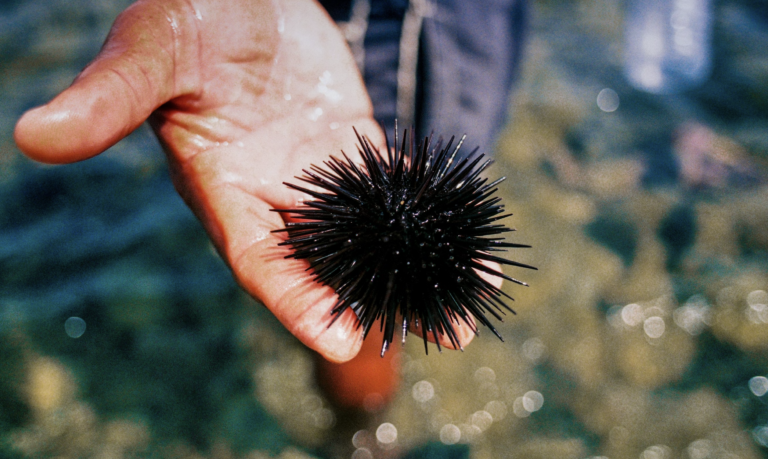
sea urchin
A mass die-off of sea urchins in the Red Sea sounds a red alarm

A deadly epidemic is causing mass mortality of black sea urchins in the Mediterranean Sea and the Gulf of Eilat. The entire population of Black Sea urchins in Eilat was wiped out over a couple of months. Thousands of sea urchins living in a site near the northern shore of the Gulf of Eilat died out over the course of a few weeks. The epidemic was so severe, that today no living black sea urchins have remained at the site, only skeletons. The same has happened at other sites in the Gulf of Eilat.

The studies note that such extensive mortality is also occurring in other countries in the region, including Jordan, Egypt, Saudi Arabia, Greece, and Turkey. The researchers from Tel Aviv University sent us the distressing report that coral reefs, already alarmingly stressed, are at risk:

“Mass mortality of sea urchins in the Mediterranean Sea has spread to the Gulf of Eilat and threatens to destroy the coral reef. Within just two days a healthy sea urchin becomes a skeleton with no tissues,” they report.

Diadema, MME, Levantine basin, tropicalization, alien species, pathogens.
A dying sea urchin

The source of the pandemic points to a pathogenic ciliate parasite which in the 1980s eradicated the entire sea urchin population in the Caribbean, damaging the coral reef irreversibly. The current epidemic was first discovered in the Mediterranean but quickly reached the Red Sea, where it is spreading at an unprecedented rate.

Sea urchins in general, and black sea urchins specifically, are considered key species essential for the healthy functioning of coral reefs. Following the studies, an urgent report describing the current situation was submitted to the Israel Nature and Parks Authority, and emergency steps for saving the coral reef are now being considered.

The mass mortality reminded the TAU researchers of one of the most famous and devastating events in the history of marine ecology: the disappearance of the sea urchins in the Caribbean. Until 1983 the Caribbean coral reef was a thriving tropical reef, quite similar to the coral reef in the Gulf of Eilat. Once the sea urchins disappeared, the algae multiplied without control, blocked the sunlight from reaching the corals, and the entire reef changed irreversibly – from a coral reef to an algae field.

The studies were led by Dr. Omri Bronstein and PhD students Rotem Zirler, Lisa-Maria Schmidt, Gal Eviatar, and Lachan Roth from the School of Zoology, Wise Faculty of Life Sciences, and The Steinhardt Museum of Natural History at Tel Aviv University. The papers were published in Frontiers in Marine science and Royal Society Open Science.


9 Significant Benefits of Remote Work

0
Van life under the stars
#Vanlife is a great way to live and work remotely for a year or two. It’s sustainable and good for your soul.

Now that 58% of Americans are working from home at least one day a week, the business landscape has dramatically changed. Remote work is certainly here to stay, and between 25% and 30% of Americans are estimated to work entirely from home by 2025.

Not only have the business dynamics of companies shifted, but other surprising changes have also occurred as well. From reduced air pollution due to less commuting to an increase in the birth rate, remote work offers numerous benefits across the board.

Environmental Benefits of Remote Work

garden office, seat waiting for you
A room of one’s own, a tiny house office, pottery studio, or granny flat. Building a tiny home in your garden might be a better eco investment that renting a whole new space.

From saving paper and reducing plastic usage to cleaner air, remote work has a significant positive environmental impact.

1. Significantly reduced carbon emissions

The average commuter creates 3.2 tons of carbon dioxide emissions a day, driving an average of 32 miles. For employees, commuting creates 98% of their carbon footprint. Not only is the footprint of a commute reduced with remote work, but companies also use fewer resources to power, cool, heat, and occupy physical office spaces. For example, office space for people would create roughly 234 tons of carbon dioxide equivalent, which is almost double the emissions of working from home. This is also improving air quality in big cities and the suburbs.

2. Usage of cleaner technology sources

Companies use lots of different tools, cloud providers, platforms, and software to run their day-to-day operations. Data centers take up a huge chunk of those resources, generating 3% of the US total electricity use. When companies work remotely without a headquarters, they’re able to explore more flexible, sustainable technology options. For example, cloud data storage centers like AWS committed to 100% sustainable servers by 2030. On-site data centers are extremely cost-effective to maintain and gobble up natural resources. With remote working, companies are not constrained to a physical location and can seek out alternative, cleaner technology sources.

3. Less paper and plastic usage

Employees are less likely to print hefty documents or use single-use plastic when they’re working from home. A “paperless” home office can save as much as 14.7 pounds of carbon dioxide. Workers use fewer office supplies in general, and companies can again reduce their physical footprint when they don’t have to physically store tons of files and paperwork.

Cultural Benefits of Remote Work

For both working parents and the general public, remote work offers better work-life balance, increased productivity and flexibility, and more opportunities to focus on wellness.

1. Increased quality of life for working parents

Working parents are often spread thin, but a shift to remote work has led to better work-life balance, a reduction in stress, less time commuting, and more time spent with family and children. Working mothers are 32% less likely to leave their jobs if they’re allowed to work from home, creating more financial stability for their families. Working parents have more flexibility with their schedules when working remotely and feel more balanced than when they’re forced to go into an office every day.

2. Improved mental health

97% of people say that having a more flexible job would improve their quality of life. Remote working means less stress around the daily commute, and in lower socioeconomic areas, workers have the opportunity to seek out a higher-paying job without uprooting their life.

3. Improved physical health

77% of people said that a remote job would help them be physically healthier, giving them time for walks, breaks, and exercise. Remote workers can also make healthier, cheaper meals at home versus spending money on over-processed fast food and snacks. Workers feel less burned out, physically and mentally.

Business Benefits of Remote Work

tiny office on the road

While remote working is beneficial to employees, it’s also positive for their employers.

1. Reduced costs

Businesses can save up to $11,000 per employee when working remotely, which can add up quickly with hundreds of workers. Companies save on overhead costs and resources and can use smaller office spaces for occasional co-working. Research shows remote work could save US companies $500 billion annually, allowing them to spend that saved money on investments in technology, more skilled employees, better benefits, and more. For example, companies can invest in vanity phone numbers from 800.com over huge call centers.

2. Increased employee retention

Remote workers are also less likely to quit their jobs, reducing hiring and onboarding costs. It costs roughly $4,000 just to hire a new employee, and flexible remote working allows employees to stay in a job longer.

3. Increased focus and productivity

It’s estimated that companies lose $600 billion annually to workplace distractions, and remote workers are often 35% to 40% more productive. There are fewer interruptions, and employees can cultivate their preferred working environment without worrying about office politics.

Remote Work is the Future

Remote working offers a slew of benefits across American society. From positive environmental impacts to improved mental health to tighter-knit families, the opportunities are endless. As more companies explore remote working, we can expect more research to show the long-term impacts of at-home work environments.
 

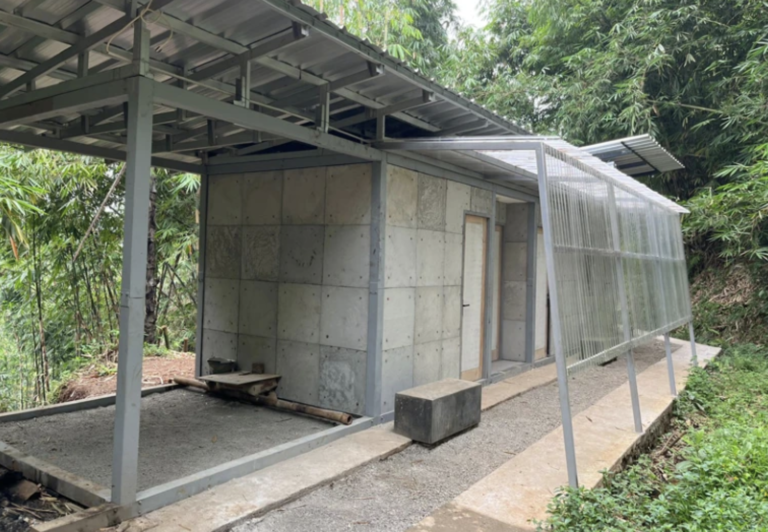
Tiny house built from diapers and concrete

Indonesia house concrete diapers, nappies
A house in Indonesia is made with a mix of concrete and used diapers.

A tiny house was built using recycled baby diapers and concrete showing this novel recycled material mix can replace up to 40% of the sand used in concrete without reducing its strength, according to a new study by researchers at the University of Kitakyushu in Japan.

The team published a study in Scientific Reports about their findings and say that it could be used to create low-cost housing for low-income countries.

A small, tiny house was built in Indonesia to demonstrate how the material works, using a concrete mix which diverts 1.7 cubic metres of diaper waste from going to landfill. Plastic bottles, tires, essentially Earthships (how to build one here) made from waste –– are all ways to divert garbage from going to landfill. This latest idea integrates a common household nuisance – diapers.

The downside to the new building material is that diapers decrease compressive strength in the building, so columns and beams would require a smaller proportion of the diaper waste than do architectural elements, such as walls.

diapers cooking in the oven
Baking the diapers to a new composite material to add to concrete

As for being a practical solution, unfortunately, “there’s no supporting system in the municipal waste management to separate diapers”, notes civil engineer Siswanti Zuraida, who led the project in Indonesia.

A Huggies home? Scientists have built a house with old diapers

Municipalities in countries like Canada have the ability to separate diaper waste from compost and other household waste so trying further pilots in Canada might be worthwhile.  

diaper concrete home indonesia
A diaper concrete home Indonesia

The Japanese researchers in this study were trying to solve two environmental problems together: disposable diapers used both for babies and an increasing elderly population in countries like Japan are a growing source of non-recyclable waste, and cement production is responsible for almost 7% of global greenhouse-gas emissions, while consuming 50 billion tonnes of sand each year.

The diaper-concrete house in Indonesia demonstrates how this type of waste could be used for building housing in lower and middle-income communities. But better ideas using vernacular building techniques are out there: trailblazers like Bill and Athena Steen in Arizona have shown in an endless number of projects in Mexico that local, vernacular architecture can replace concrete altogether, and provide passive air conditioning and heating. Their solution uses natural strawbale building, adobe and earthen plaster that breathes.

The late and alternative builder Nader Khalili from Iran used superadobe methods (basically sand in bags, skipping concrete altogether), to build homes that nurture the human psyche, with caverns made to be soft and organic (like people), without modern sharp, square edges.

And Egypt’s Hassan Fathy nurtured the vernacular with his development of New Gourna for Egypt’s poor. As we see in Saudi Arabia it wasn’t that long ago when kings lived in mud houses – see the House of Saud’s ancestral mud house

But modern architects love concrete; they are addicted to it, despite its toll on the planet. Indonesia, home to creative bamboo architects that gave birth to the Bali Green School, can surely come up with a better idea than more concrete. 

IBUKA green bamboo Balu, Green School
Ibuku at the Green School in Bali

Siswanti Zuraida, a civil engineer at the University of Kitakyushu, began putting the project together while lecturing at the Bandung Science Technology Institute near Jakarta. Populations in Indonesia’s low- and middle-income brackets are growing, along with more babies, more diapers and more demands for low-cost housing.

“It’s all about the resource availability,” says Zuraida. “With the growth of the population, the diaper waste will also grow. It’s challenging, so we thought that this would be a part of our contribution to recycling this waste.”

Single-use diapers are made from wood pulp, cotton and super-absorbent polymers, small amounts of which have been shown to improve the mechanical properties of concrete. With funding from a Jakarta-based waste-management company called Awina, Zuraida set out to determine how much sand could be swapped for shredded nappies to create useful concrete and mortar.


5 Green Renovations to Make to Your Home

0
herbs garden smartest food for your brain
Start a garden, and improve your life and the value of your home

Whether you want to reduce your carbon footprint or save money in the long run, there are a number of eco-friendly home improvements you might consider making. Here are  five green renovations to make to your home.

Update Outdated Home Appliances

If you’re planning to remain in your home, either as the owner or as a renter through a residential sale leaseback, you might be looking for ways to lower your electric bill. One way you can do this is by updating your home appliances to Energy Star appliances. Some of the appliances you’ll want to consider updating include your refrigerator, dishwasher, oven, washer and dryer, cooling system, and water heater.

Start a Garden or Invest in a Greenhouse

Starting a garden so you can enjoy home grown fruits and vegetables is one of the most budget-friendly eco-renovations you can make to your home. You’ll be able to save money every week on your grocery bill, as well as have a more sustainable food option. Although a greenhouse may be a big upfront investment, it can lead to bundles of savings in the long run.

Consider Going Solar 

water ship yacht
A solar powered floating home

Solar panels can be one of the most eco-friendly home improvements you ever invest in. Over 30 years, most of us will spend approximately $43,920 on electric bills. If you choose to go solar, you can greatly reduce this cost. Although you may need to spend a little bit of money up front to hire a Tampa FL electrician to help with installation, you’ll make that money back and then some in the long run. Thanks to Biden’s Residential Clean Energy Credit tax credit, you can also save an additional $9,000 through 2032.

Make Sure Your Home is Properly Insulated

Does your home often feel drafty? It might not seem like a significant renovation, but one of the most important sustainable home renovation ideas is to insulate your home.

When our homes aren’t properly insulated, cold or hot air makes its way in — while our heating and cooling solutions make their way out. The end result is a poorly regulated temperature, which can lead to significant cooling and heating costs. If your home feels drafty, it’s a sign that this may be a problem you need to take care of.

You might also want to update windows and doors to make them more energy efficient. Check pre-existing windows and doors for air leaks and caulk and weatherstrip (if needed) to make sure no warm or cool air is getting into your home.

You might also consider investing in dual pane windows, which can reduce energy by 24% in the winter months and 18% in the summer months. The gas-filled space between the panes traps cool air in summer and warm air in winter, reducing your need for additional heating and cooling.

Upgrade Your Thermostat

nest labs google
A smart thermostat by Nest

Many of us forget to turn down the thermostat before leaving our homes. Turning your thermostat down just 7-10 degrees for 8 hours per day can lower your heating and cooling costs by 10% per year, according to the US Department of Energy. This is where programmable thermostats can be a lifesaver.

These thermostats allow you to program them to adjust the temperature settings for certain hours during the day. This prevents you from keeping your home too warm while you’re working or away from home. Certain models also give you the option to adjust the temperature from your smartphone, so you don’t have to ever worry about not being able to raise or lower the temperature while you’re away from home. Programmable thermostats help ensure you’re not missing out on long-term savings. 

These are just five green renovations to make to your home. From starting your own vegetable garden to investing in a programmable thermostat, there are a number of easy ways to reduce your carbon footprint and save bundles of money in the process. It’s a win-win for the environment and your wallet.