
 UN scientists say rapid coastal development, booming populations and the fossil fuel industry is wreaking havoc in the Arabian Gulf
The Arabian Gulf, which is also known as the Persian Gulf, is a semi-enclosed area of sea in the Middle East region that has eight bordering countries from Iraq down to Oman. As a major shipping route for the oil industry and the site of various up-scale residential developments (Qatar’s resorts and Dubai’s Islands), it is at growing risk from environmental degradation. According to a report by scientists at the United Nations University Institute for Water, Environment and Health, the Gulf is at risk from various types of environmental degradation and the current protection policies are simply inadequate.
Polluting Impact of Oil Industry
The UN report collated data from various researchers and UN scientists and focused on eight Gulf nations– Bahrain, Kuwait, Iran, Iraq, Oman, Qatar, Saudi Arabia, and the United Arab Emirates. It charted the impacts of overfishing, pollution and the growing population of Gulf States on the coastal ecosystems of the Arabian Gulf.
The Gulf region contains around 55 percent of the world’s crude oil reserves and around 33 percent of the world’s oil supplies. As such, the report found “persistently high levels of hydrocarbon pollution throughout the Gulf, predominantly along the Iranian coastline.” The high-rate of fossil fuel use, which we have previously covered, also means that the carbon emissions of the region are three times the world average.
Desalination and The Death Of Coral Reefs
As well as oil tankers weaving their way across the Arabian Gulf and causing pollution, desalination was highlighted as a problem as plants ‘deliver toxic brine into the Gulf’. The report estimated that 79-90 percent of freshwater in the Gulf states was delivered through desalination plants which remove salt from water to make it potable but leave behind a salty by-product.
Another worrying impact of development on the marine ecosystem was illustrated by the degradation of the coral reefs. Using complied data, the report found that 70 percent of original reefs has been affected by dredging and could disappear altogether without “aggressive steps” to ameliorate the impacts of development.
Recognise and Manage Environmental Risk
Due to the rapid rate of growth and development in oil-rich Gulf States, regulation, which could help protect important ecosystems, is just not there. For example, the report states that due to the lack of infrastructure waste is frequently dumped directly into the Gulf or riverbeds or wetlands where it then seeps into shallow aquifers and coastal waters.
To deal with these problems, the report points out that Gulf nations need to build greater awareness of the ecological risks of taking the Gulf for granted, enact better legislation and encourage environmental science in the region.
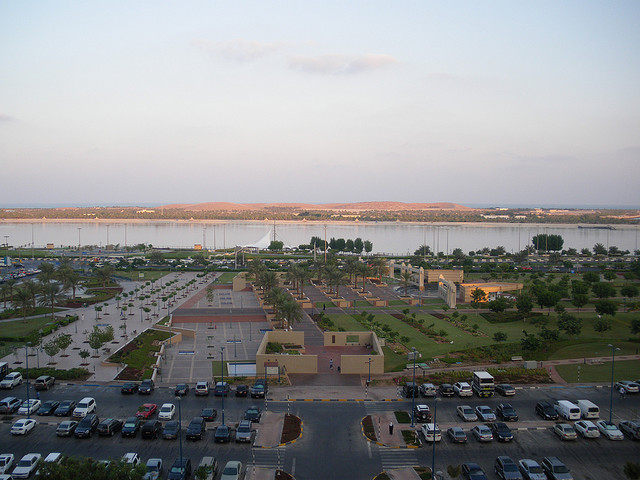
Image via Uggboy/flickr.
For more information on the marine environment see:
Kuwait Marine Life Degrading At Alarming Rate
Q&A with Greenpeace Campaigners Raefah Makki
Loss of Marine Life Could Lead To Ecosystem Collapse
Hope Amidst Dubai’s Marine Destruction
A Day In The Life Of A Marine Scientists- Interview With Rima Jabado