


 Nobody thought to ask him if he approves of a mega solar project on his home turf
Solar energy, whether from photovoltaic panels, solar thermal systems, or concentration of sunlight to heat water and create steam to operate an electricity producing turbine, is being promoted by many as the most promising energy source of the future. While widespread use of solar energy does appear promising as an energy supplier, there are downsides to solar energy that people should be aware of.
 Large solar projects are costly and take up land area space
For one thing, there is the cost factor. The cost of a two-kilowatt (kW) solar energy system is approximately $45,000, which may not be enough to supply enough energy for even an average home. Solar energy is also less efficient (about 20 -30%) , and depends on how much sunlight is available, and when (only during daytime hours, on a non-cloudy day).
In addition, some materials used to make photovoltaic solar panels include hazardous substances such as selenium and cadmium.
Last of all, there are the aesthetic aspects. Large solar array plants such as those being planned for Israel’s arid Negev region take up a considerable amount of land area. Even solar panels on home rooftops may take up a great deal of rooftop area; and as such, may not blend well with other houses in a neighborhood.
Taking into consideration that solar energy can only be created during daylight hours, when the sun is shining, storing this energy is a big problem and can make a solar system even more expensive. And selling excess solar created electricity to local electricity power stations is not always worthwhile, as feed-in tariff agreements with the power company are not always in favor of the one who possesses the solar energy system.
 Sun boilers are not very aesthetic either
From an environmental standpoint, giant solar energy projects are being accused by environmentalists as threatening nature reserves, and even sacred burial sites.
On the brighter side of solar energy, as the technology that goes into these systems improves, the costs and efficiency of solar energy systems will undoubtedly decrease.
When considering the merits of solar energy there are some positive attributes that make using this natural energy source worthwhile; despite higher costs, aesthetic drawbacks and other issues. For one thing, the “energy source”, i.e. the sun, is the planet’s most important and is available to virtually everyone for free. This sun is not only responsible for keeping us warm and growing the very food we need to live on, it is also a source of nutrients to our bodies.
Even if not used to generate electricity, the sun’s natural energy is vital for the survival of life on earth itself. All the energy sources now utilized to create the power we need came originally from the sun; including fossil fuels (the remains of organic plant matter), thermal energy – the earth’s hot mantle and outer core were probably created originally by the sun. Even wind energy is the result of the earth’s air and wind currents that are influenced by the sun.
Despite some drawbacks, the use of solar energy will undoubetedly not only increase but will become more widespread; especially in countries where ample sunlight is available.
Photo: Energy Tribune
Read more on environmental issues affecting energy projects:
Solar Energy Developers Find Themselves in Green vs Green Over Coyote Land
Solar Isn’t Green Enough for California
Brightsource and Solar Millennium Accused of Building on Sacred Indian Sites


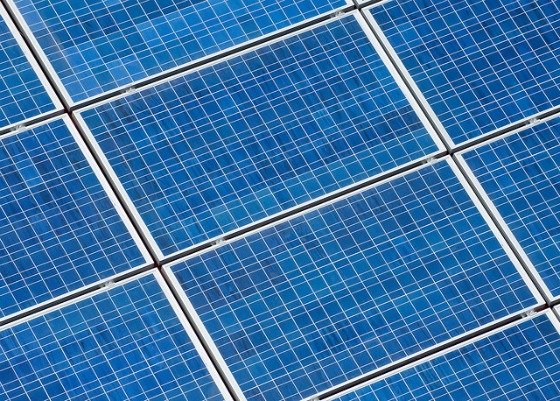

I used to work for a company that assembled solar panels in Ontario Canada. The aluminum frames were manufactured in Europe, the back sheeats and clear plastic front sheets were from central and south America, the electrical components were from Asia, and the solar cells were from the Philippines. Anyone care to guess how much energy, and fossil fuels, were used to transport all this stuff around the world?
Add on top of that the solar cells are made by melting and crystalizing silocone (a.k.a. sand). Can only imagine how much energy, fossil fuels, it took to do that!
Than there is all the energy used to transport the assembled panels to the site where they will be installed, and the energy used to do the actual installation (lots of energy used to make big concrete pads that will properly support 50 or more panels).
It was estimated that the amount of electricity used to assemble a solar panel would be recovered by the electricity generated by that same panel in as little as one year. But this completely ignored all of the other energy comsumptions that I listed above. The average life expectancy of a solar panel is between 18 and 20 years. That’s it! Not much when you think about it. Now consider how much energy will have to be used up to decommission a solar panel farm.
If you were to do a proper and thorough energy audit you would quickly discover that solar panels are actually energy black holes, and not the least bit green.
Hey,
This is very interesting subject I also read about it in a local website here, solar.org.il.
Thanks for the info.
Great, Brandon! Let the sun shine in!
Hey Maurice,
I like your approach in ‘keeping it real’, as this helps people get all sides without feeling like they are being misled in one direction or the other.
There are some counterpoints to keep in mind, however, when judging solar. First, the land area argument actually gets negated when you compare the full land area (mining area, ash / fuel storage, and plant footprint) of traditional power plants. Sure solar plants are big, but they don’t require the continuous mining nor generation of waste to be stored, making their overall footprint similar or even smaller (in the case of coal)!
Additionally, the ‘efficiency’ you speak of is actually rather high. Coal power plants typically have a thermal efficiency of 35%, nuclear around 30%. While PV systems have low efficiencies, domestic hot water systems operate much better in the 30-40% range, and commercial concentrating thermal plants can hit the high 40%. Additionally, keep in mind that thermal efficiency is for converting your heat source to your desired output. With non-solar options, you pay for that input source, while for solar it’s free (after the capital investment) making efficiencies much less important of a measure.
As a solar researcher, I just had to add in these important considerations. Keep up the good work!
Hey people!
I didn’t say end this piece by saying that solar energy is bad! I said that despite some issues, the use of solar energy is going to be more prevalent in the future.
So be a bit careful with that “backwoods” stuff, Dude!
As for Yertle the Turtle (as shown on the photo), there’s not much he and his friends can do about solar arrays being installed in his neighborhood. That’s progress!
Last time I checked sunlight is available in most countries. If I start going down the list of things wrong with this article I’d never make it to work on time. Believe or not, gramps, Solar is the future but it’s not the only thing that will displace all the unasthetically pleasing oil derricks and off-shore drillers. Think total energy package: wind, solar, nuclear and natural gas. These things will improve the world. Your generation has missed the opportunity to improve the world so step aside because a new line of thinking is emerging. Your backwoods, good old boy mentality will sink us. Happy Valentines Day.
Well I just have to respond to your article. The thing is, if we all start thinking in terms of sustainablity. We can change the world.
The technology is already there to design off the grid homes and buildings. But it is in the design that is not being utilized to it’s full potential. Because of lower cost of less efficient materials and practices. The lack of design engineering to builders. Plus life time cost advantages to net zero design and retrofit stratigies. Well these are the road blocks that we should be talking about. Over comming the obstacals of bring this sustainable way of thinking to the front of conversation. Start being constructive towards a sustainable future in all aspects of life. Leed and Green globes are a good start, but design aspects are lacking. The future is now and we need to start getting down to business on rebuilding America in a sustainable way. That means governing too. Too big to fail is BS.