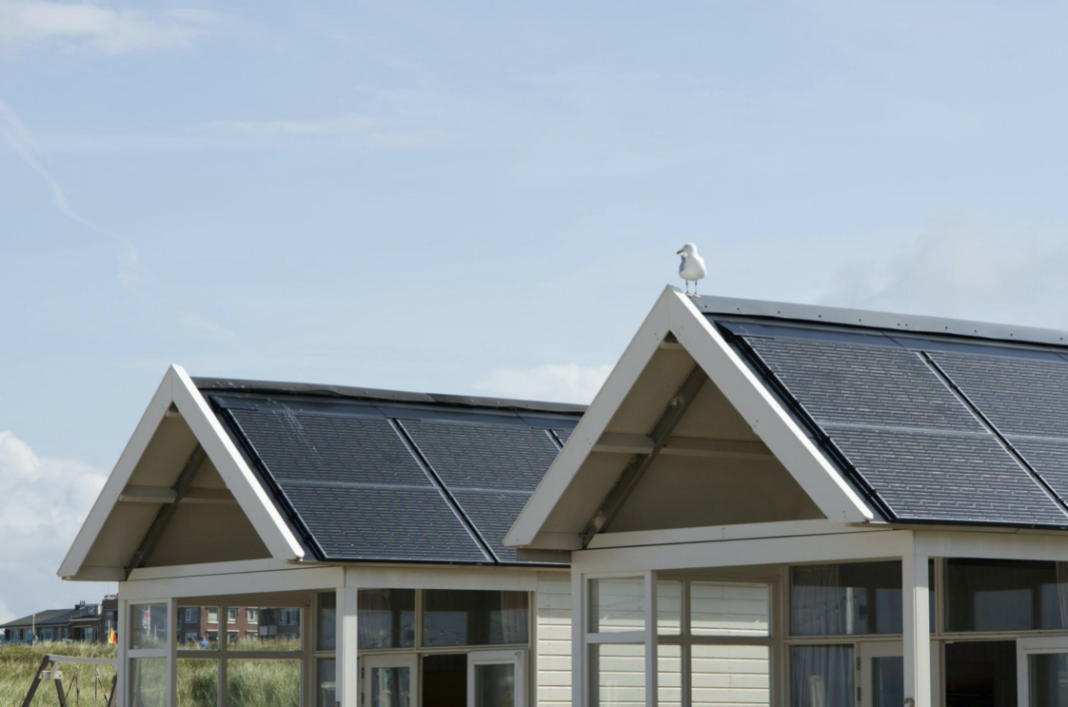


Solar energy is all the rage these days, and for good reason. With climate change looming, solar panels offer homeowners a way to personally combat rising CO2 levels while saving some green at the same time. However solar panels don’t just fall from the sky into your yard fully formed. You need to decide what kind of panels to get, review the best solar companies, and calculate the efficiency of solar panels to cover your energy needs. This choice implies lots of research and number crunching to find out the return on investment based on solar.
Advantages of Financing Solar Power Plants
On the one hand, our way to going solar is beneficial not only in terms of nature; it also can please customers with its cost-efficient approach. The act of putting up residential metallic solar panels on roofs allows the users to use sunlight hence making electricity into power for household usage. Although solar panels are not free, and they do require an initial investment, homeowners discover that substantial savings on their energy bills as well as tax credits often make the move to going with sunny power quite appetizing. But before you get started with your solar energy adventure, locating potential reliable solar companies is a necessity what I also would advise is not to choose any company arbitrarily but only one of good repute. Search for those companies that have a track record, positive customer reviews, and relevant certificates. This will, therefore ensure a smooth installation process.
The cost of solar panels has reduced drastically over the last few years hence ensuring that this becomes affordable and accessible. The federal government in addition to most states and other tax-levy providing entities provides huge incentives as well rebates for solar panels installation, which is another reason why adoptable renewables are deemed convenient by many individuals. In the U.S., a tax credit through ITC – Investment Tax Credit or federal solar investment tax credit allows homeowners to deduct 26% cost of installing Solar Panels from their Federal income taxes owed. Furthermore, most states and local utilities provide even bigger rebates that can cut the whole system in half by up to 75%.
Lastly, solar panels may help increase the home’s value and attract environmentally concerned potential buyers. For most homeowners, the energy cost savings, tax incentives rebates, and increased value of homes make solar an investment that pays itself out for the lifetime of the system. Overall, although first solar panel system investments may seem to be quite high, the long-term economic advantages of producing energy based on these modules are staggering.
When analyzing solar panels costs vs future savings, you understand that going solar is a great investment. Several factors contribute to the overall economics of solar panel installations, including the cost of equipment, installation expenses, maintenance, and the potential savings on electricity bills.
Upfront Costs
The upfront costs of solar panel installations include the purchase of panels, inverters, mounting hardware, and the installation itself. While these costs can be substantial, they are offset by potential incentives, rebates, and financing options, making solar energy more accessible to a broader audience.
Return on Investment (ROI)
The return on investment is a critical metric in evaluating the economic viability of solar panel installations. As solar panels generate electricity and reduce reliance on traditional grid power, the savings on electricity bills contribute to the ROI. In many cases, homeowners and businesses experience a positive ROI within a relatively short period, especially when taking advantage of government incentives.
Long-Term Savings
Solar panels have a long lifespan, often exceeding 25 years. Over this period, the savings on electricity bills accumulate, making solar energy an economically sound investment. Additionally, as technology advances and becomes more cost-effective, the overall economics of solar energy continue to improve.
The good news is, that once your system is installed, solar panels can provide free electricity for 20-30 years or more and increase the value of your home. By calculating all the factors that determine your specific costs and incentives, you can make an informed decision about whether the long-term benefits of solar power outweigh the initial investment for your situation.
Solar Panel Installation Tips

Evaluate Your Energy Need
Conduct an energy audit to understand your current energy consumption. This will help determine the size of the solar panel system needed to meet your specific requirements. By accurately assessing your energy needs, you can optimize the efficiency and cost-effectiveness of the solar installation.
For sizes of the system in KWs and their size directly influence the total price. Typically, most residential systems have a capacity that falls between 3 kW and 8 kW depending on the size of the house. Systems in these larger capacities around 10 to 15 kW would be suited for houses with electric heating and air conditioning. However, the real solar panels are only 15-25% of total charges. Other factors that must be included here include inverters, racks, and the installation also.
Contemplate Government Incentives, Rebates
Several governments provide incentives and rebates to promote the use of solar energy. Study the programs that are available in your area, these can significantly cut down costs on installation. Sometimes, these incentives could comprise tax credits and feed-in tariffs.
Explore Financing Options
Although up-front costs of solar panel installation are quite high, there exists a wide range of financing options that bring about the transition at more affordable prices. Some of these alternatives may consist of solar loans, leasing contracts, or PPAs. Assess each option to discover your preference.
In conclusion, solar panels would be a wise investment for many homeowners who want lower energy bills and to achieve carbon neutrality. Although the initial sticker shock of an installation’s price tag is high by comparison, combined with tax credits, incentive programs, and decades-worth of free sunshine solar system can essentially pay for themselves over time. With an increase in the productivity of panels and a decrease in prices each year, turning sun rays into energy becomes cheaper. Taking into consideration the tips to start using green energy, solar panel installations can be a bright solution to enjoy.