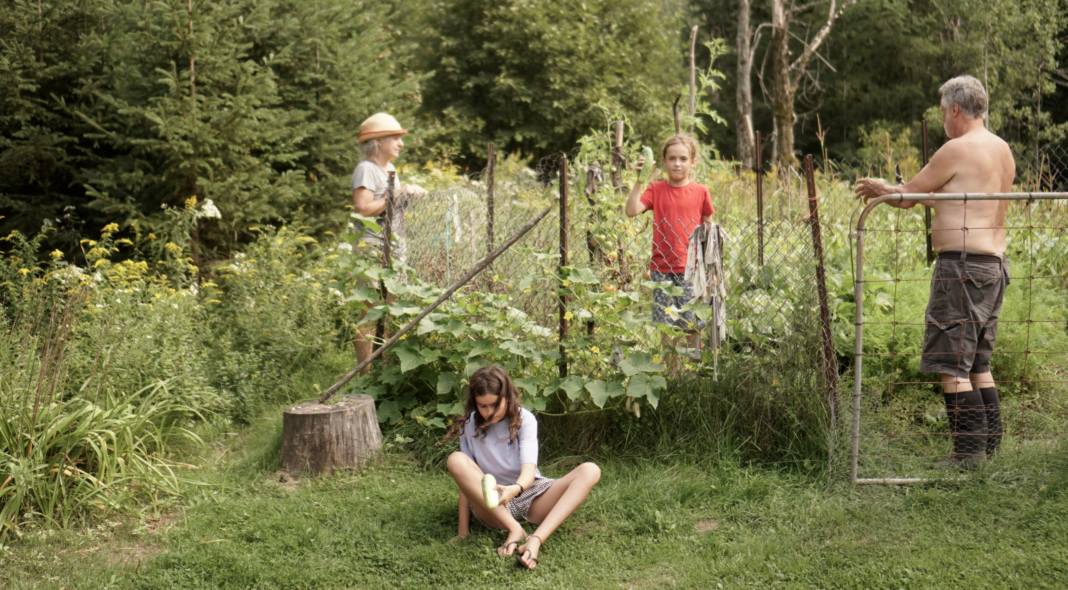


Caring for your yard is essential in maintaining a healthy and beautiful outdoor space. However, some yard care measures, though good at enhancing the appearance of your yard, can be harmful to the environment. That’s why sustainable yard maintenance has become a crucial consideration for homeowners and landscapers. Below are sustainable yard care tips to help maintain a beautiful and healthy yard while conserving the environment.
- Engage In Proper Disposal Of Yard Waste
Proper disposal of yard waste is crucial in maintaining a beautiful and sustainable yard. Yard waste includes organic debris, such as weeds, grass clippings, branches, and leaves, collected when maintaining your property.
You can also use the waste to make compost instead of disposing of it. However, if you have yard waste to get rid of, an organic recycling company like Missouri Organic can take it off your hands. Alternatively, you can rent a roll-off dumpster or hire a junk removal company to remove the waste.
- Reduce Water Consumption
Watering your yard is essential. However, you should practice sustainable watering methods to reduce water wastage. Consider the following tips to ensure your sustainable watering practice:
First, invest in rain barrels. Rain barrels catch rainwater from the roof and hold it for later use. Rain barrels help conserve water for irrigation, reduce water runoff, and lower energy bills. Rain barrels are crucial, especially in areas that experience water shortages or drought.
Secondly, you can save water by practicing drip irrigation. Surprisingly, water from your sprinkler or hose pipe is often lost through evaporation and runoff. However, a drip irrigation system consists of connected lines slowly delivering water to each plant’s root zone. The soil absorbs the water slowly, resulting in less water usage and loss.
Finally, reduce water consumption by planting drought-resistant plants. These plants can survive with little or no water. Some of these plants include beardtongue, aster, black-eyed Susan, and blanket flower, among others.
- Choose The Right Care Tools
Gas-powered yard care tools, such as trimmers and mowers, are a great source of air pollution. However, there are low-energy and high-quality alternatives. For instance, electric and battery-powered yard care tools can reduce environmental impact while maintaining a healthy and beautiful yard. These tools are quieter, emit significantly fewer pollutants, and are more energy efficient than gasoline-powered tools.
Switching to modern cordless gear can also make yard work simpler and cleaner. A lot of homeowners now rely on precision grass trimming tools to keep edges neat without the noise and fumes of gas equipment. When you store batteries properly and charge them only when needed, the tools last longer and create less waste.
- Go Organic
Going organic is a practical choice for sustainable garden care. Chemical fertilizers harm the environment, especially when swept off nearby rivers and streams. However, organic fertilizers are made from natural materials, such as compost and manure, that give plants nutrients without harming the environment. Generally, going organic is eco-friendlier and more cost-effective.
If you must use fertilizers, do so with the environment in mind. For instance, fertilize at the right time of the year to reduce the fertilizer swept away in runoff. Moreover, fertilize your yard once a year, and use the right amount based on your soil testing results.
- Eliminate Pesticide Use
Like chemical fertilizers, pesticides are swept in rainwater runoff and pollute aquatic ecosystems. Therefore, eliminate or limit the use of pesticides. Implement integrated pest management (IPM) to control pests in your yard. This is a long-term and eco-friendly approach that prevents pollution through various measures. These measures include:
Cultural Measures: These measures involve using practices that prevent the survival and reproduction of pests. Examples include weed management, cleaning yard tools, soil management, and media sterilization.
Biological Measures: Biological measures entail using natural predators and beneficial organisms to eliminate pests. Examples are predators such as lady beetles, predatory mites, tachinid flies, and beneficial soil fungi and bacteria.

Mechanical And Physical Measures: These measures entail using physical barriers and mechanisms to deal with pests. Examples include hanging traps, greenhouses, and using pest-resistant plants.
- Choose Native Plants
Growing native plants is an excellent choice for sustainable yard care because they require less maintenance and watering. These plants survive without fertilizers and pesticides, making them eco-friendly options. They also require less watering than non-native plants, thus helping conserve irrigation water. Additionally, native plants provide natural habitats for local wildlife, such as bees, birds, and butterflies. These creatures help reduce pests, thus eliminating the need for pesticides.
- Plant Trees
Planting trees is a sustainable yard care tip with many benefits to your property and the environment. For instance, trees absorb carbon dioxide and release oxygen, thus helping provide fresh air and help fight against climate change. Moreover, trees provide shade, reducing the need for air conditioning and saving energy.
Takeaway
Maintaining a healthy and beautiful yard doesn’t have to be at the expense of the environment. With this article’s sustainable yard care tips, you can achieve a magnificent outdoor space and conserve the environment. If you still need more insights on sustainable yard care tips, contact a yard care professional for help.