5 Tips for Removing Your Underground Storage Tank

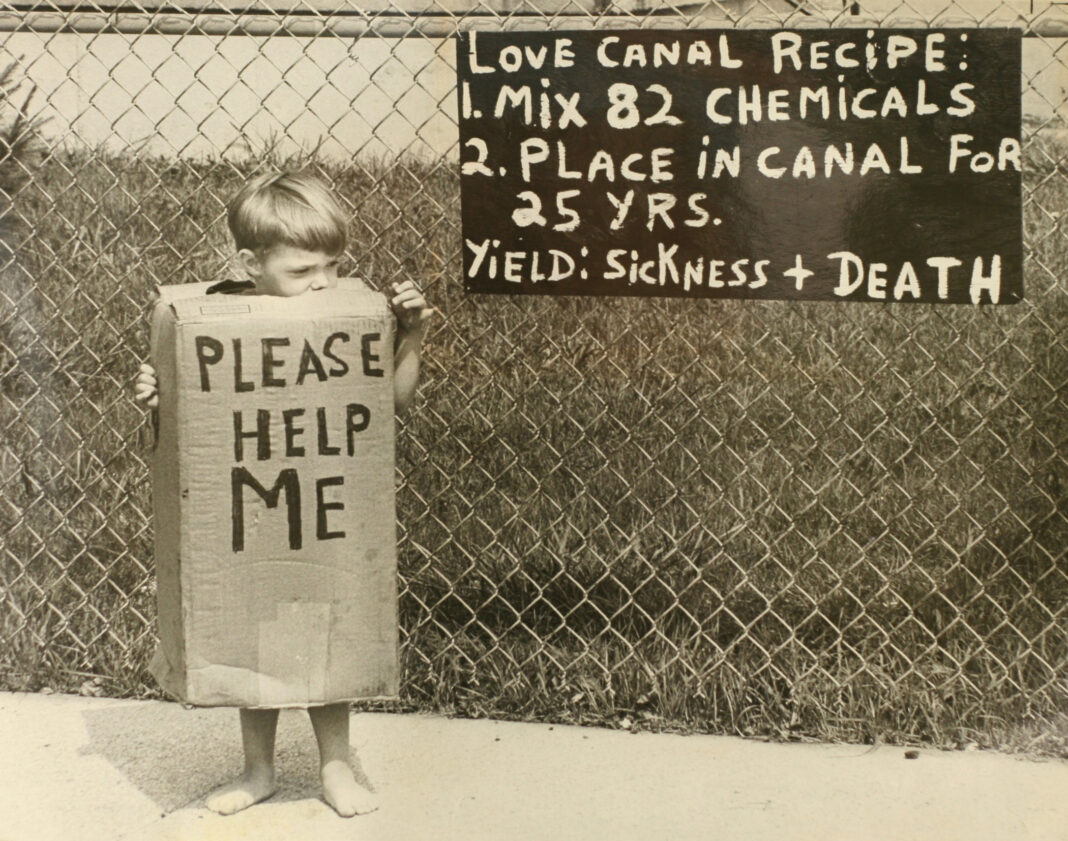
Love Canal USA, a child holding a sign saying please help me
Love Canal USA is a story where a chemical company participated in building a neighborhood on top of a chemical storage tank. Children and families got sick. It didn’t end well.

Removing an underground storage tank (UST) is challenging and intimidating; it requires specialized skills and knowledge, not to mention specific safety protocols that you must follow. If you’re contemplating taking this on yourself, here are some tips to make the process easier.

1. Check the Local Regulations

The local government regulates underground storage tanks. Before you get started, research your area’s regulations to ensure that you’re following all the required steps and staying compliant with the law. It is also essential to research any permit requirements necessary for the removal job. The paperwork can be extensive and time-consuming, so give yourself enough time to get through it. If there are any special requirements or regulations you need to be aware of, consider them as you plan your UST removal job.

2. Survey the Site

Before removing a UST, surveying the site and performing a few safety checks is important. Make sure there are no utilities running through the area, such as gas lines, electrical wires, and water mains. It is also important to note any other environmental hazards that may be present on the site, such as nearby bodies of water or underground septic tanks.

3. Hire Experts

Removing an underground storage tank is a complex task that requires specialized skills and knowledge. Before attempting to do it yourself, consider hiring an underground storage tank removal service to handle the job. Not only will they have the experience necessary to do the job safely and efficiently, but they can also help ensure that all regulations are followed. With the help of experienced professional service, you can rest assured that your UST will be removed with minimal disruption to your property and the environment.

4. Have a Plan for Leaks

If you are removing an old or damaged UST, it is crucial to have a plan to deal with potential leaks. Have the necessary safety equipment and absorbent materials to address any spills quickly. It is also vital to ensure that the area surrounding the UST is appropriately sealed off before beginning work. This will help reduce the risk of hazardous materials leaching into the ground and contaminating the surrounding soil or groundwater.

5. Take Care of Contaminated Soil

If the UST has been leaking, some contaminated soil will likely be around it. Make sure to dispose of this material per local regulations properly. Sometimes, you may need to hire a remediation company to help assess and clean up contamination before the removal job begins. This can be especially important if the contamination poses a risk to the health and safety of nearby residents. You may also need to hire a professional to test the soil before and after removing the UST. This can help ensure that all contamination has been adequately addressed and that the area is safe for future use.


Following these five tips can help you safely and efficiently remove your UST. Remember to do your research, plan, hire experts when necessary, and take care of any contaminated soil. Doing so can help ensure that the job is done quickly and properly, with minimal disruption to you or the environment.


 

Bhok Thompson
Bhok Thompsonhttp://www.greenprophet.com
Bhok Thompson is an “eco-tinkerer” who thrives at the intersection of sustainability, business, and cutting-edge technology. With a background in mechanical engineering and a deep fascination with renewable energy, Bhok has dedicated his career to developing innovative solutions that bridge environmental consciousness with profitability. A frequent contributor to Green Prophet, Bhok writes about futuristic green tech, urban sustainability, and the latest trends in eco-friendly startups. His passion for engineering meets his love for business as he mentors young entrepreneurs looking to create scalable, impact-driven companies. Beyond his work, Bhok is an avid collector of vintage mechanical watches, believing they represent an era of precision and craftsmanship that modern technology often overlooks. Reach out: [email protected]

TRENDING

A Simple Change Can Reduce Your Microplastic Intake from 90,000 to 4,000 Particles Per Year

According to a newly released scientific paper, three medical experts assert that switching from bottled water to filtered tap water could significantly decrease annual microplastic consumption—dropping it by about 90%, from 90,000 to 4,000 particles per year. 

Best Dentists in Jonesboro

If ecological health is important when you visit the dentist, some associations can help you learn more about eco dentistry. And we have a guide on ways to make your practice green.

Your sunscreen is killing baby coral reefs

We've read reports that sunscreen can cause cancer (and...

Breast milk reveals how many banned pesticides plague Tunisians

Rachel Carson would be shocked: A recent study has found...

Stylin’ gel wristbands sniff out chemicals killing your body

Pack away the clunky radon-detectors and carbon monoxide alarms!...

Should You Invest in the Private Market?

startustartup Unlike public stock exchanges, which offer daily trading, strict...

How to build a 100-year-company

Kongō Gumi is a Japanese construction company, purportedly founded in 578 A.D., making it the world's oldest documented company. What can we learn about building sustainable businesses from them?

From Pilot Plant to Global Stage: How Aduro Clean Technologies’ 2026 Expansion Signals a Turning Point for Chemical Recycling Investors Like Yazan Al Homsi

The company's Next Generation Process (NGP) Pilot Plant in London, Ontario, has officially moved into initial operating campaigns, generating the kind of structured, repeatable data that separates laboratory promise from commercial viability.

How AI Helps SaaS Companies Reduce Repetitive Customer Support Work

SaaS products are designed for large numbers of users with different levels of experience, and also in renewable energy.

Pulling Water from the Air

Faced with water shortage in Amman, Laurie digs up...

Turning Your Energy Consultancy into an LLC: 4 Legal Steps for Founders in Texas

If you are starting a renewable energy business in Texas, learn how to start an LLC by the books.

Tracking the Impacts of a Hydroelectric Dam Along the Tigris River

For the next two months, I'll be taking a break from my usual Green Prophet posts to report on a transnational environmental issue: the Ilısu Dam currently under construction in Turkey, and the ways it will transform life along the Tigris River.

6 Payment Processors With the Fastest Onboarding for SMBs

Get your SMB up and running fast with these 6 payment processors. Compare the quickest onboarding options to start accepting customer payments without delay.

Related Articles

Popular Categories