
Dubai learns from London’s traffic woes

dubai-traffic-london

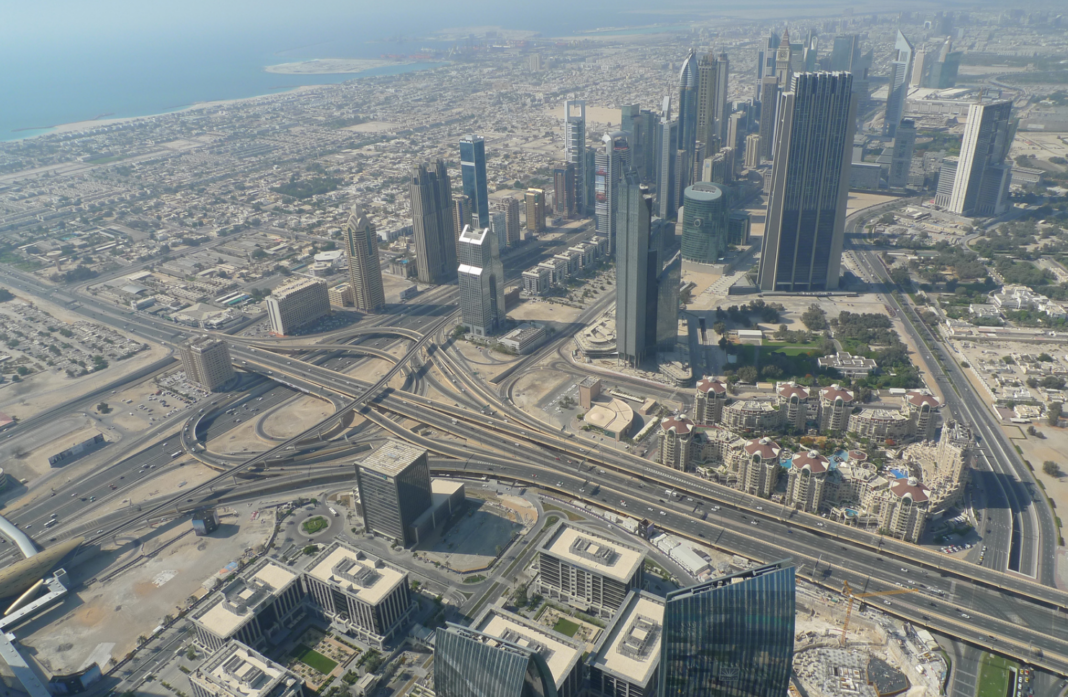
Dubai is one of the fastest growing cities in the world and, as with all major cities, traffic congestion is becoming an ever present issue. Traffic causes smog and respiratory illness, as well as a major part of our world’s greenhouse gases. According to the latest statistics, Dubai’s metropolitan area is now home to just over 2.5 million people and, while the current road network is managing to cope with the current demands, it won’t stay that way for long.

To ensure the city continues to grow and remain both a business hub and a tourist destination, the United Arab Emirates’s Ministry of Public Works recently announced its intention to explore new projects heading into 2017. One of the major areas of investigation for transport experts is the possibility of a new federal road connecting northern emirates to Abu Dhabi and Dubai.

New Roads Planned

Set to run parallel with the Emirates Road, the new road would complement plans to expand the E611 road from three lanes to seven in Sharjah and six in Dubai. One of the main reasons for wanting to ensure a smooth route for commuters is city’s growing tourist population. Back in 2012 the country welcomed a record breaking 10 million tourists and in 2015 the government set out plans to achieve 9% annual growth in the coming years.

However, for the city to remain a tourist hotspot it will need to ensure its travel links to and from Dubai International Airport are the best they can be. Acting as a source of comparison for city planners is London. Home to London Heathrow, the third busiest airport in the world, the UK’s capital poses a number of difficulties for the travel industry.

Dubai’s Own London Underground

london-underground-subway

UK, London – Underground train” (CC BY-SA 2.0) by  Lukes_photos 

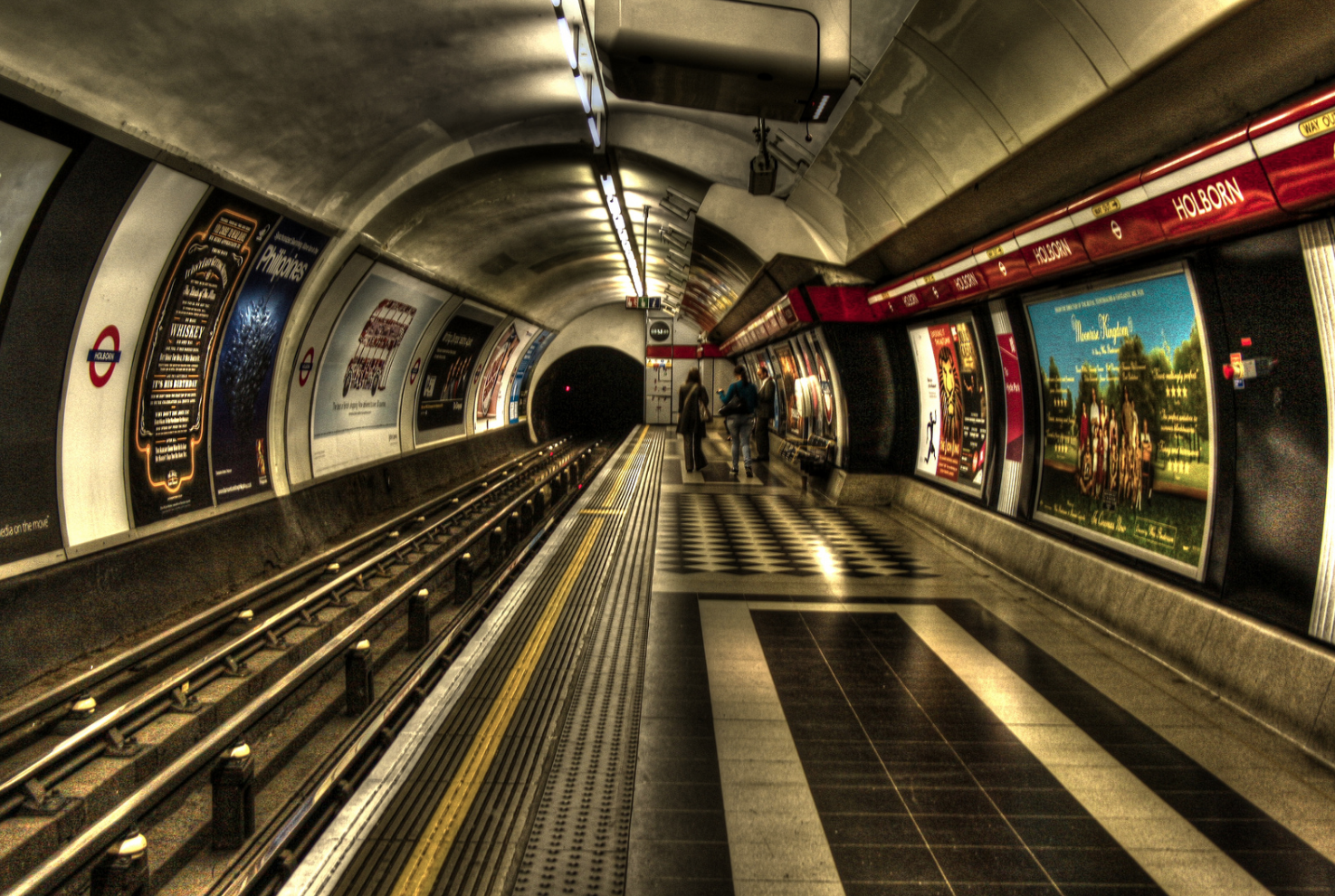
Indeed, according to the INRIX 2015 Traffic Scorecard, London is the most congested city in the world with commuters facing an average of 101 hours stuck in traffic each year. On top of this finding, studies have also shown that the average journey across London (15 miles) take 56 minutes. Naturally, with time being of the essence when it comes to flying, the best way to get around this issue is the underground.

As suggested by the travel company ebookers, getting a train from Central London to Heathrow can significantly reduce a commuter’s travel time. For example, the Heathrow Express from Paddington Station will take 15 minutes compared to driving times in excess of 30 minutes.

Of course, one of the reasons most travel experts recommend the London Underground as a way to get across the city is the lack of scope for building more roads. However, the environmental benefits of this system can’t be overlooked.

Don’t Rely on Roads is the Message from Experts
london-underground-travelling

London underground” (CC BY 2.0) by Negativexpositive 

Dubai has already taken a leaf from London’s travel book in this regard by opening a driverless metro system that can take people from various parts of the city right into the airport’s main terminals.

Naturally, Dubai has similar space restrictions to consider, but it shouldn’t simply rely on road links when it comes to tourism as London has shown.  Indeed, despite London having 5X more residents than Dubai, passenger numbers at Dubai International Airport are just 18% lower than Heathrow which suggests ministers should focus more resources on the Metro system.

With experts pointing to the underground system as the best way for travelers to cross London to get to Heathrow, this should serve as a lesson to Dubai’s travel ministers currently assessing the city’s roads. Indeed, Dubai is fortunate in that is can avoid London’s mistakes and prevent congestion issues before they happen by focusing on the Metro system.

While there are certainly reasons to increase road links in Dubai, the government shouldn’t lose sight of the need for solid rail links if it wants to meet its target of 9% growth in the tourism industry over the next decade.

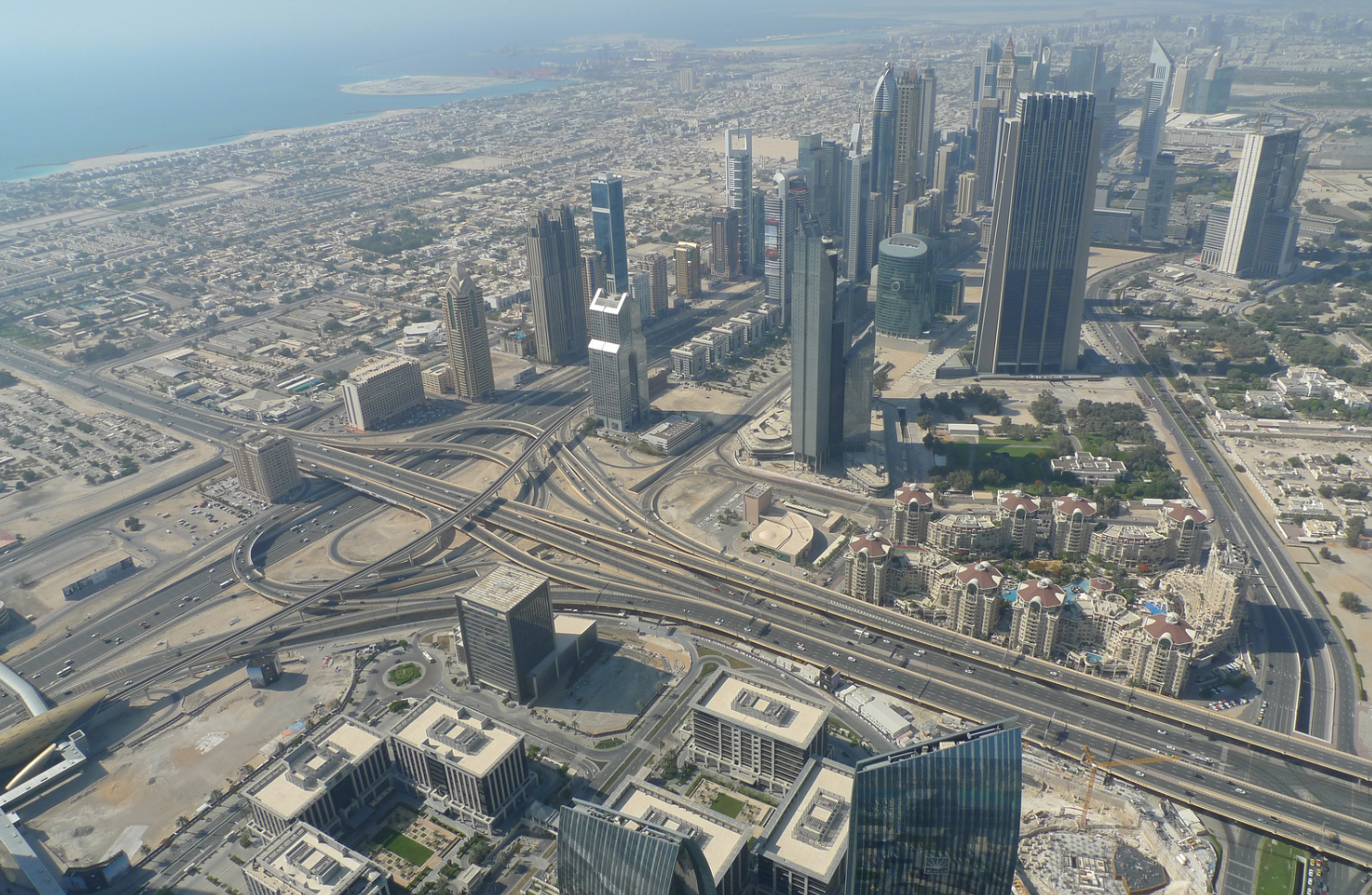
Top image via “Dubai” (CC BY 2.0) by  bonus1up 

Bhok Thompson
Bhok Thompsonhttp://www.greenprophet.com
Bhok Thompson is an “eco-tinkerer” who thrives at the intersection of sustainability, business, and cutting-edge technology. With a background in mechanical engineering and a deep fascination with renewable energy, Bhok has dedicated his career to developing innovative solutions that bridge environmental consciousness with profitability. A frequent contributor to Green Prophet, Bhok writes about futuristic green tech, urban sustainability, and the latest trends in eco-friendly startups. His passion for engineering meets his love for business as he mentors young entrepreneurs looking to create scalable, impact-driven companies. Beyond his work, Bhok is an avid collector of vintage mechanical watches, believing they represent an era of precision and craftsmanship that modern technology often overlooks. Reach out: [email protected]

TRENDING

Dubai sets up smart feeding stations for abandoned cats

Dubai Municipality has set up 12 AI-powered "Ehsan Stations" to safely and officially feed strays. The city also officially supports Trap-Neuter-Return (TNR) programs. 

The Boring Company to add a Dubai loop

Dubai has announced this month that they will be working with Elon Musk's Boring Company to build tunnels in Dubai. 

BM Studios is designing systems, not just buildings in the UAE

Balsam Madi is an architect and systems thinker whose work bridges culture, sustainability, and design intelligence across the Middle East and Europe.

Astro uses AI to help procure land for renewable energy

For oil-rich, environmentally vigilant Gulf states, Astro isn’t just another startup story. It is a blueprint for accelerating an energy transition that is now existential, not optional.

Listening to Water: Tarek Atoui’s Next Work for Tate Modern

Born in Beirut, Lebanon in 1980 and now living in Paris, Atoui has spent years building instruments that don’t sit comfortably in concert halls. Many of them involve water, glass, and ceramics — materials that react to sound instead of simply producing it.

Should You Invest in the Private Market?

startustartup Unlike public stock exchanges, which offer daily trading, strict...

How to build a 100-year-company

Kongō Gumi is a Japanese construction company, purportedly founded in 578 A.D., making it the world's oldest documented company. What can we learn about building sustainable businesses from them?

From Pilot Plant to Global Stage: How Aduro Clean Technologies’ 2026 Expansion Signals a Turning Point for Chemical Recycling Investors Like Yazan Al Homsi

The company's Next Generation Process (NGP) Pilot Plant in London, Ontario, has officially moved into initial operating campaigns, generating the kind of structured, repeatable data that separates laboratory promise from commercial viability.

How AI Helps SaaS Companies Reduce Repetitive Customer Support Work

SaaS products are designed for large numbers of users with different levels of experience, and also in renewable energy.

Pulling Water from the Air

Faced with water shortage in Amman, Laurie digs up...

Turning Your Energy Consultancy into an LLC: 4 Legal Steps for Founders in Texas

If you are starting a renewable energy business in Texas, learn how to start an LLC by the books.

Tracking the Impacts of a Hydroelectric Dam Along the Tigris River

For the next two months, I'll be taking a break from my usual Green Prophet posts to report on a transnational environmental issue: the Ilısu Dam currently under construction in Turkey, and the ways it will transform life along the Tigris River.

6 Payment Processors With the Fastest Onboarding for SMBs

Get your SMB up and running fast with these 6 payment processors. Compare the quickest onboarding options to start accepting customer payments without delay.

Related Articles

Popular Categories