

Is humanity as a species threatened with extinction? Is global warming resulting in irreversible climate patterns that are destroying animal and plant species at rapid rates, especially in the Middle East? These questions are causing great concern to scientists now studying the rapid extinction of many species of animals on earth during the past 100 years.

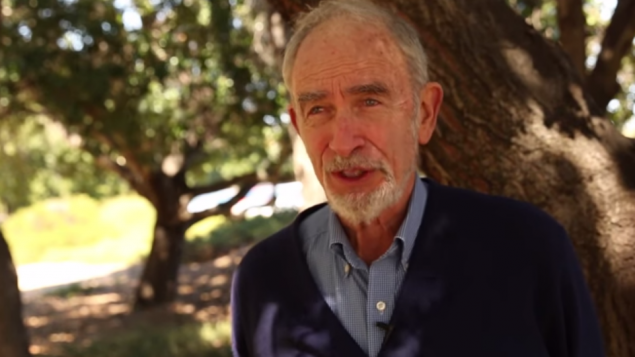
A group of scientists, led by Stanford University biology professor Paul Ehrlich, author of the controversial book Population Bomb, warn that the earth is now embarking on its “sixth mass extinction” with animals disappearing about 100 times faster than they used to.
This is not the first time that Professor Ehrlich has warned that mankind is destroying life on earth. He predicted back in 1968 that by the year 2000, more than 4 billion people will have died from mass starvation; including 65 million Americans. Obviously, this failed to occur; and despite his dire warnings, the earth’s human population has now increased to over 7 billion.

In prehistoric times, periods of mass extinction, including the famed Cretaceous-Tertiory mass extinction of 66 million years ago (said to have wiped out the dinosaurs), were attributed to natural phenomena such as natural climate change, volcanic eruptions and massive asteroids.
According to Ehrlich, this new mass extinction period is largely human caused.
The “sixth mass extinction”, that Ehrlich and his colleagues are now warning is already occurring, deals with the large numbers of vertebrate animal species (396), ranging from fish to mammals, that have become
extinct during the past 110 years alone.
This rate is more rapid than at any other time in recorded history. Invertebrates, including insects, have also experienced significant decreases; with large populations of honeybees disappearing due to a phenomenon known as CCD or colony collapse disorder; and by bee colonies literally freezing to death, due to abnormally cold weather patterns.
Could the demise of bees be a part of Ehrlich’s sixth mass extinction event – now on?
In the video below Professor Ehrlich indicates his concerns over the reduction of numerous animal species, including honey bees.
[youtube]https://www.youtube.com/watch?v=cmb5hn2X2ok[/youtube]
Regions with fragile ecosystems like the Middle East are experiencing reductions of wild animal populations at an alarming rate; with many species of mammals, birds amphibians, reptiles and fish either becoming endangered or extinct altogether.
As a result of Ehrlich’s study, “rapid, greatly intensified efforts are needed to conserve already threatened species; and to alleviate pressures on their populations — notably habitat loss, over-exploitation for economic gain and climate change.”
Where more can this apply than to the Middle East, where man caused catastrophes, including frequent warfare (see what ISIS did to Syria this week), are decimating entire regions.
There is hope, however.
Earlier, Ehrlich predicited that countries like England would not exist by the year 2000, due to man-caused ecological calamaties. The UK is still here; and so are most other countries as well. More intense effort is needed, however, to prevent the “sixth mass extinction” from being so dramatic.
Read more on ecological issues caused by mankind:
Could global warming trigger a new ice age?
The wrath of global warming and the Middle East
Oceans Spiralling Downward, Threatening Life on Earth
Image of Sixth Mass Extinction: Guardian LV




It really wouldn’t take that much to put humankind in jeopardy. When you go to your favorite supermarket, think for moment where all that food comes from and what’s involved in getting it there. A few disruptions here and there can be disastrous.