

 A fascinating report published by Mumbai-based think tank Strategic Foresight Group (SFG), asserts that trans-boundary water cooperation directly correlates with regional stability and peace. The inverse also holds true: failure to collaborate when managing shared water resources raises the risk of war.
This premise was explored at a spirited conference held earlier this month at Oxford University, attended by prominent policy makers including former Cabinet Ministers from Palestine, Jordan and Israel. Prince Hassan bin Talal of Jordan sent the panelists a message urging consideration of water as a Regional Common in the Middle East, calling it “essential for improving the atmosphere in the region.” Green Prophet also participated and we will bring you a series of reports on the problems and projects tabled at this important round-table of ideas.
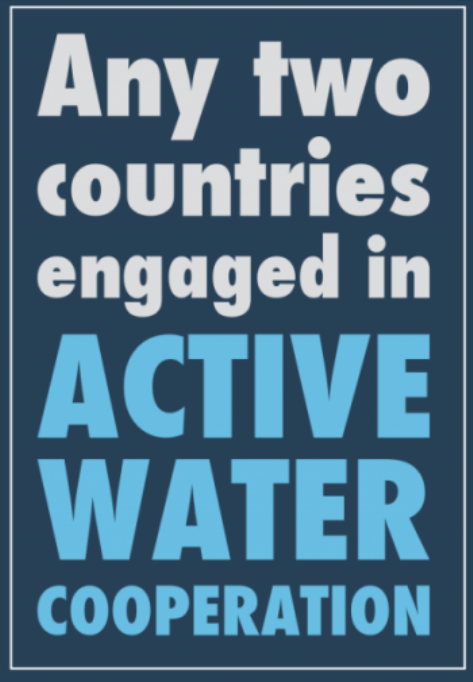
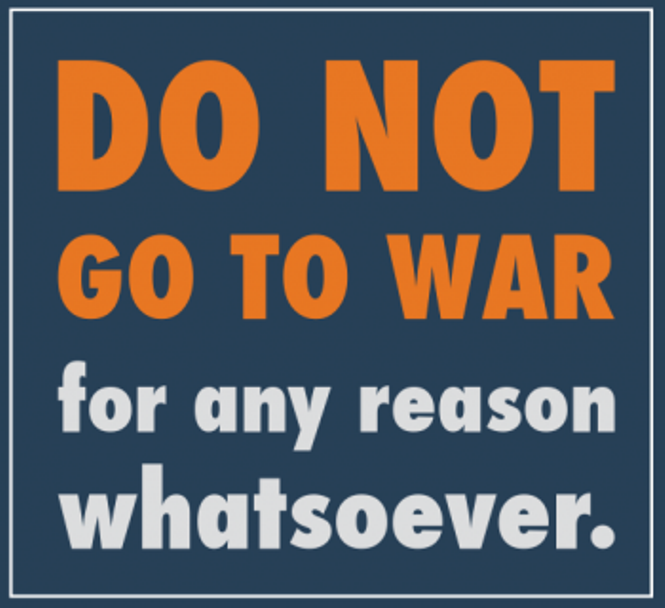
Published in 2013, Water Cooperation for a Secure World – Focus on the Middle East defines water cooperation as an active commitment between riparian countries, underpinned by detailed action plans to be realized within agreed time-frames. This cooperation is formalized by legal agreements and entails joint management of decision-making, flood control, investment, and environmental protection. The SFG report concludes, “Any two countries engaged in active water cooperation do not go to war for any reason whatsoever.” A tantalizing concept in this region ringed by civil unrest.
Water bodies do not respect political boundaries and are highly vulnerable to sociopolitical events such as over-development, populations shifts, lax environmental stewardship and war. Recognizing shared water resources as a regional commons and collaborating in prudent management could play a significant role in fostering peace and avoiding war.
According to SFG, of the 148 countries sharing water resources, 37 (many Middle Eastern) do not engage in active water cooperation and any two or more of those 37 face a risk of future war. In addition to exposing populations to water shortages, this also increases the likelihood that key water bodies will experience serious ecological decline due to mismanagement or exploitation.
Water cooperation is not only about human health and development, it is also about security of nations and wider civilization. Strong evidence correlates water cooperation to a general atmosphere of peaceful collaboration between nations, yet it is largely absent in the Middle East.
Jordan and Israel have a water cooperation agreement, which was revised in 2013 to enable a higher outflow of water from Lake Tiberius (Israel’s largest freshwater lake) to the Lower Jordan River. These two nations also enjoy relative peace. By comparison, Israel has no agreements with Syria or Lebanon, and the water use in the Palestinian Territories is hotly disputed.
SFG convened this roundtable (against the volatile backdrop of Israel/Gaza conflict and civil war in Iraq and Syria) with a simple goal to kick-start communication between the parties and find specific ideas for a positive
forward movement. Three initiatives were identified representing immediate to long-term goals:
1. Commence Gaza reconstruction and development, inclusive of a) replacement of water supply systems destroyed during military confrontation and construction of a freshwater pipeline from Ashkelon to Gaza on an urgent basis; b) protection and restoration of the overburdened coastal aquifer and creation of a waste water treatment plan to mitigate increasing salinity and contamination of fresh water sources causing public health problems; and c) development of a sizable desalination plant taking advantage of its favorable geographic location to create a new water source for the long-term. Solicit agreement that future conflict will not target these facilities.
2. Restructure the existing Joint Water Commission, a trilateral commission between Israel, Palestine and Jordan for the sustainable management of shared water resources. An efficient functioning mechanism of resource management protects water resources in times of political discord and crisis, builds trust and contributes to wider confidence and cooperation.
3. Engage civil society and use the media as active participants in water conservation practices, and to raise awareness of water cooperation as a peace and confidence building measure.
Strategic Foresight Group expertly crafts new policy concepts that enable decision makers to prepare for a future in uncertain times. Founded in 2002 by Sundeep Waslekar, Ilmas Futehally and Shrikant Menjoge, their body of work includes over 30 research reports on the subjects of water diplomacy and peace, conflict and terrorism. In 2010, they began work on trans-boundary water issues and conceptualized the Blue Peace framework to transform water into an instrument of peace, security and cooperation in 2011. The following year, a High Level Group composed of former cabinet ministers from Turkey, Lebanon and Iraq, and chaired by Prince Hassan bin Talal, was created to steer the Blue Peace process in the Middle East.
The full conference report can be downloaded (link here) and the immensely readable Water Cooperation for a Secure World – Focus on the Middle East can also be downloaded (link here).
Images from Strategic Foresight Group



[…] Full Article HERE […]