Future Crops gets $30M investment for hydroponics with substance

gary grinspan future crops, portrait
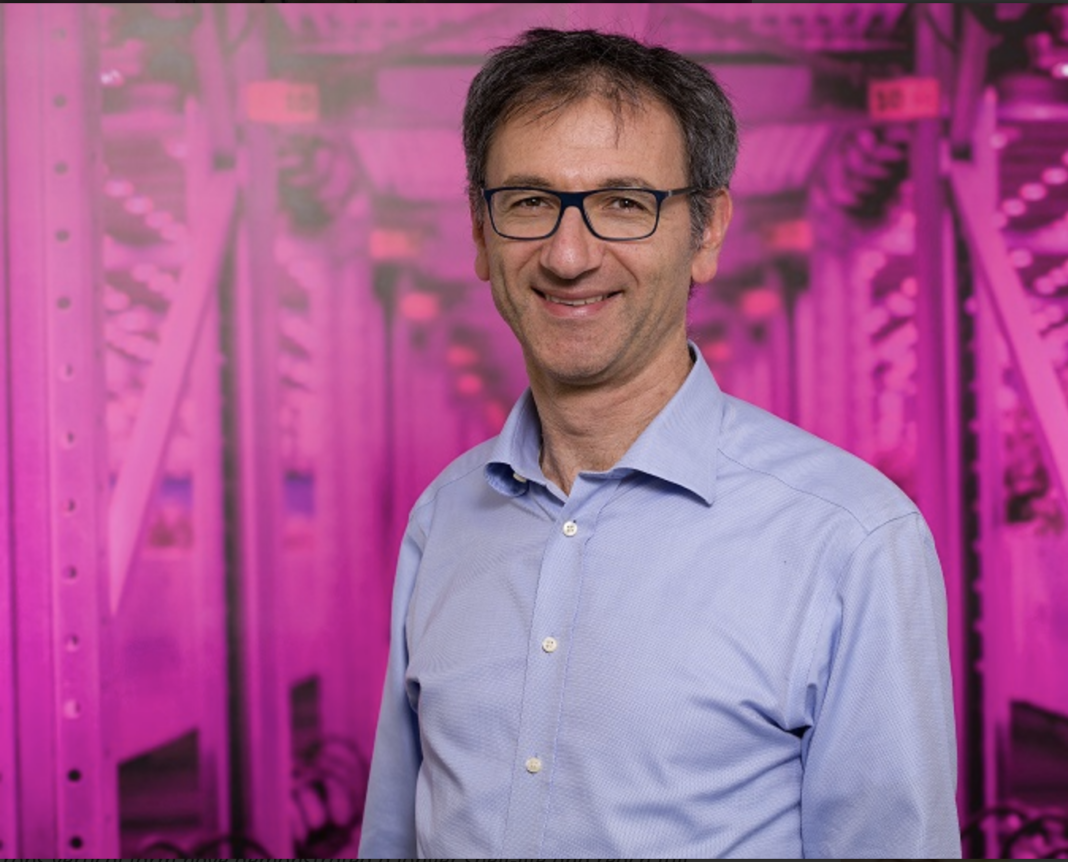
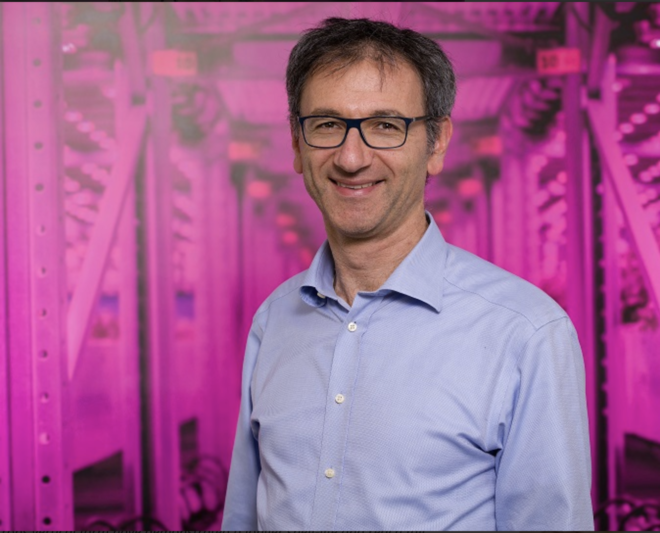
Gary Grinspan of Future Crops. Aiming to make hydroponics more closely resembling nature.


The Dutch know greenhouses and the Israelis know tech. Future Crops, a Dutch-Israeli venture to grow crops in greenhouses on a soil-like substrate and not just water in classic hydroponics, announces a new investment round led by Tencent to accelerate growth.

Hydroponics, or growing plants without soil, was investigated by NASA in the 30s but really took off in the 80s when Canadian pot growers were looking to grow cannabis under the radar, in the winter. 

Since then the technology has been developed into a science and the mood has shifted from high quality crops such as medical marijuana to low cost food like lettuce – as the claims go by container farms still very much yet not able to prove their business model works. 

Seedo in Israel, for instance, seemed to manipulate some pump and dump scheme to raise investment and a business that never really panned out. They had planned a grow-it-all fridge for the consumer and then later claimed they would pivot to container farms, amassing an impressive C-suite team. 

InFarm, a group of Israelis in Berlin, have taken another approach, growig fresh herbs and plants inside grocery stores. Their last investment was $170M. 
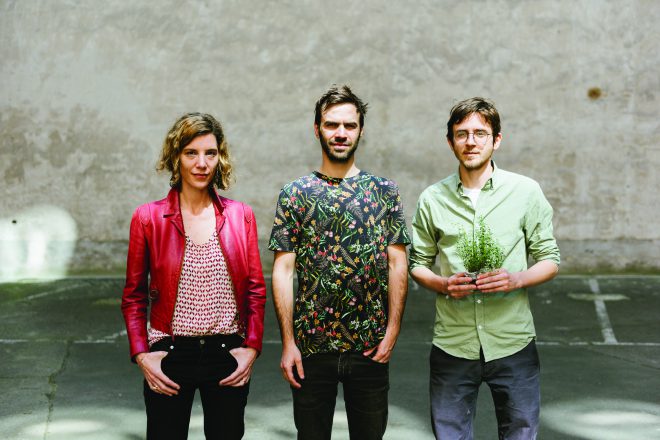
Israeli farmers take on Berlin
The InFarm team

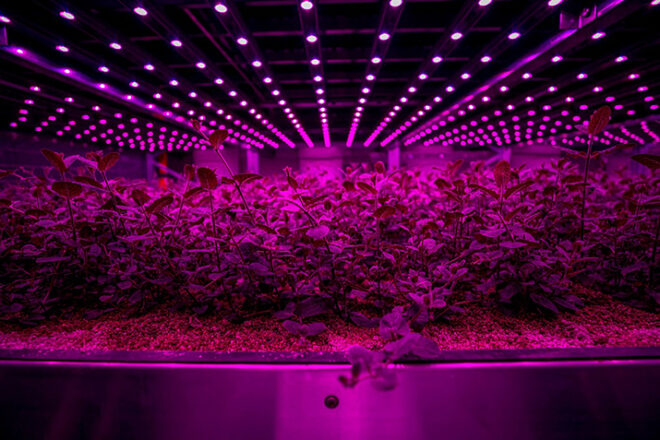
Future Crops, we hope, has learned from the failures with their soil-like substrate in vertical farms to better reproduce the natural environment. The high-tech farm grows fresh, clean, ultra-sustainable, high quality crops at competitive price points. Researchers from Israel’s Agricultural Research Organization (ARO) were an integral part of the team that developed Future Crops’ cutting-edge technology

Some hydroponics growers mainly in cannabis already have used substrate such as coco coir for a couple of decades. Israelis have been using substrates like this in hothouses as well, basically demineralising soil and then adding nutrients back in using drip feed. The system relies on the petroleum industry and mining for NPK, and does overuse plastics and energy. But it might be a productive middle way until the world turns itself over to more small holder farming and regenerative agriculture.

Future Crops had already raised over $30 million USD in seed funding from the Lerman Family, leaders in the American steel  to finance the construction of their state-of-the-art facility and to build their team of experts. 
“We are tremendously excited about this investment,” says Gary Grinspan, CEO and Co-Founder of Future Crops. “Tencent’s investment reflects the company’s focus on sustainable innovations and support for technologies, like vertical farming, which can create clean, locally grown sustainable food while helping to mitigate the negative impacts of climate change. We believe our soil-substrate-based platform is closer to nature and produces fresh, longer-lasting, higher-quality produce at improved yields, as plants grow best in soil”.

While Gary says the word “soil” he does not mean healthy living soil that one finds in nature, but rather soil stripped of its nutrients and supporting actors like micro-fungi, and diverse ecosystem while minerals like NPK are added back in. 

“Tencent supports companies creating solutions to the world’s most critical challenges, including technologies that can feed more people using fewer resources” said Ling Ge, Chief European Representative, Tencent. “Investments in sustainable agriculture technologies, such as vertical farm systems, aligns with our mission to apply technology for good.

About Future Crops

Future Crops has established a fully automated indoor vertical farm in Westland, Netherlands, known as the “greenhouse hub” of Europe. The facility is equipped with high-precision agricultural technology and creates optimal climatic conditions to suit each crop.

It markets fresh herbs grown and processed in a multistory indoor vertical farming system. The crops are grown in a soil-based substrate developed by the company to be as close as possible to nature. The platform can grow a comprehensive range of herbs and leafy greens all year long, without pesticides or biological substances, and in climate-protected conditions. 

Future Crops maintains a strategic partnership with Israel’s Agricultural Research Organization (ARO) and closely collaborates with Wageningen University – both among the leading global research centres in agriculture. 

Karin Kloosterman
Karin Kloostermanhttp://www.greenprophet.com
Karin Kloosterman is an award-winning journalist, innovation strategist, and founder of Green Prophet, one of the Middle East’s pioneering sustainability platforms. She has ranked in the Top 10 of Verizon innovation competitions, participated in NASA-linked challenges, and spoken worldwide on climate, food security, and future resilience. With an IoT technology patent, features in Canada’s National Post, and leadership inside teams building next-generation agricultural and planetary systems — including Mars-farming concepts — Karin operates at the intersection of storytelling, science, and systems change. She doesn’t report on the future – she helps design it. Reach out directly to [email protected]

TRENDING

Eco organization offices destroyed by Iran missile

Tel Aviv's eco organization, the Heschel Center, was impacted by an Iranian missile.

What are AWG air-water generators, and why they aren’t a golden-bullet solution (yet)

Atmospheric water generators (AWGs) sound like magic: machines that can pull drinking water out of air. The idea is mentioned in the Bible, where the elders would pray for water collected as dew on plants and the catch on turning this into a machine is in the physics. To turn invisible vapor into liquid, you must remove heat, especially the latent heat of condensation.

Jordan’s $6 Billion Aqaba–Amman Desalination Project from the Red Sea Moves Forward

In 2025, the Jordanian government signed agreements with a consortium led by Meridiam and SUEZ, alongside VINCI Construction and Orascom Construction. Under a 30-year concession agreement, the consortium will design, build, finance, operate, and maintain the system before transferring it back to the Jordanian government. The total investment is estimated at approximately $6 billion USD.

The Saudi Startup Turning Desalination’s Toxic Waste Into Its Own Disinfectant

For millennia, the Middle East's water crisis seemed an immutable fact of geography — a region defined as much by what it lacked as by what lay beneath its sands. Today, a convergence of plummeting solar costs, advancing membrane technology, and hard-won engineering expertise is rewriting that story.

Ancient Roman strategy game figured out with AI

Two thousand years ago, someone scratched a web of lines into stone in a Roman settlement on the empire’s northern edge. Soldiers, traders, or locals passing time in Coriovallum—now Heerlen in the Netherlands, moved small counters across those lines in a tactical duel of blockade and entrapment.

How AI Helps SaaS Companies Reduce Repetitive Customer Support Work

SaaS products are designed for large numbers of users with different levels of experience, and also in renewable energy.

Pulling Water from the Air

Faced with water shortage in Amman, Laurie digs up...

Turning Your Energy Consultancy into an LLC: 4 Legal Steps for Founders in Texas

If you are starting a renewable energy business in Texas, learn how to start an LLC by the books.

Tracking the Impacts of a Hydroelectric Dam Along the Tigris River

For the next two months, I'll be taking a break from my usual Green Prophet posts to report on a transnational environmental issue: the Ilısu Dam currently under construction in Turkey, and the ways it will transform life along the Tigris River.

6 Payment Processors With the Fastest Onboarding for SMBs

Get your SMB up and running fast with these 6 payment processors. Compare the quickest onboarding options to start accepting customer payments without delay.

Qatar’s climate hypocrisy rides the London Underground

Qatar remains a master of doublethink—burning gas by the megaton while selling “sustainability” to a world desperate for clean air. Wake up from your slumber people.

How Quality of Hire Shapes Modern Recruitment

A 2024 survey by Deloitte found that 76% of talent leaders now consider long-term retention and workforce contribution among their most important hiring success metrics—far surpassing time-to-fill or cost-per-hire. As the expectations for new hires deepen, companies must also confront the inherent challenges in redefining and accurately measuring hiring quality.

8 Team-Building Exercises to Start the Week Off 

Team building to change the world! The best renewable energy companies are ones that function.

Related Articles

Popular Categories