
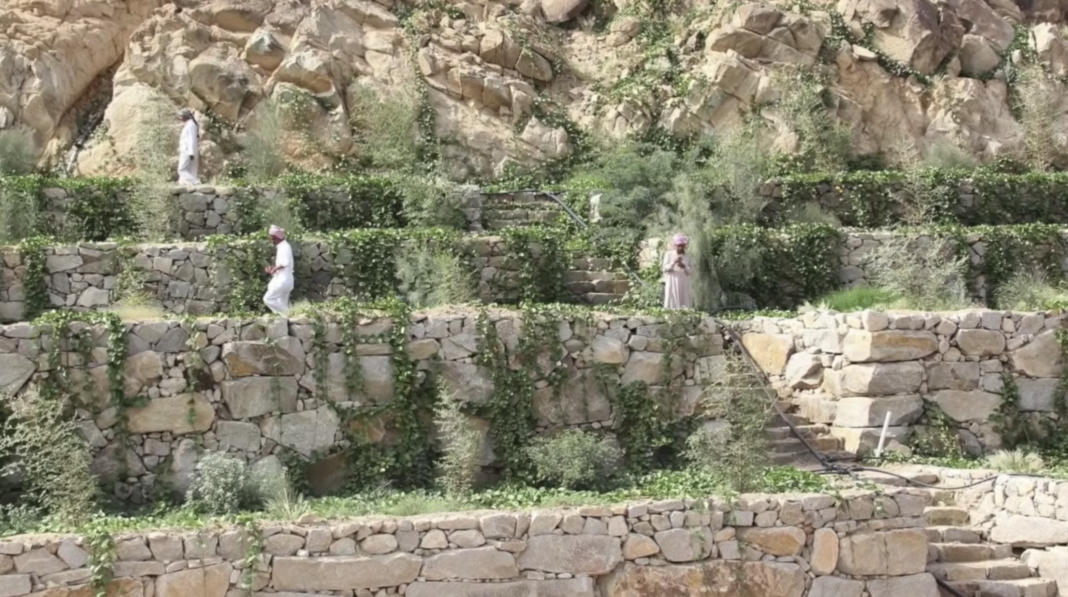

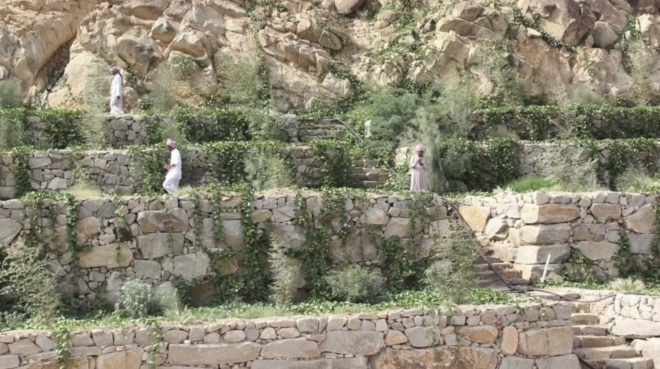
From desert to a thriving, green land. It’s nothing short of a miracle, you might say. But this miracle was born of hard work, and a vision.
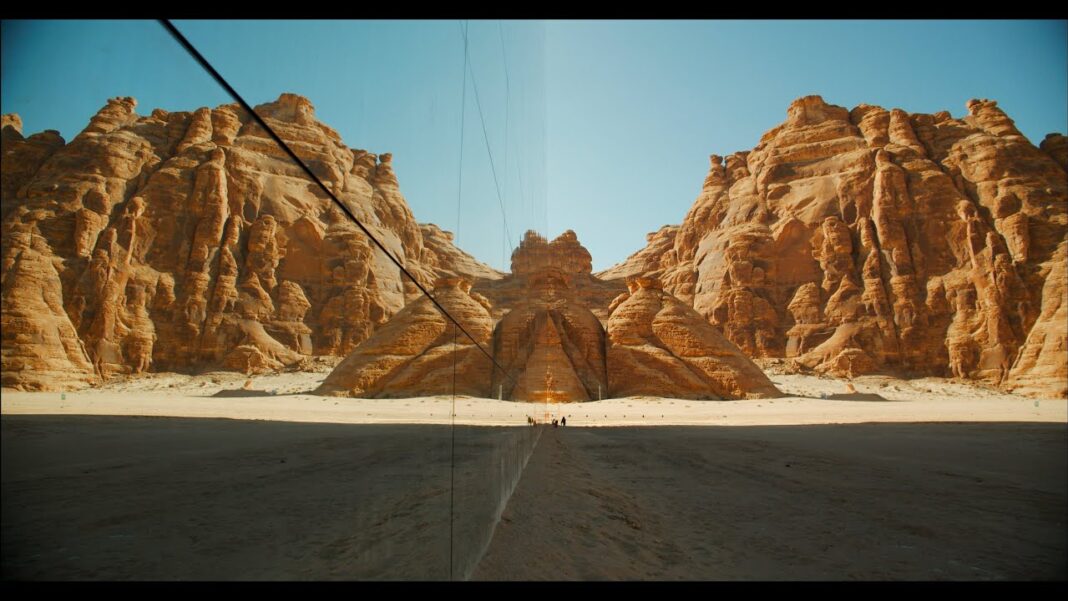
Al Baydha is an area in western Saudi Arabia, about 20 miles south of Mecca. It comprises nine villages inside of roughly 600 miles, and its inhabitants are Beduin tribes, who in centennial nomadic tradition, used to move across the land with the rainfall. This, and other traditional land management methods used in the Arabian Peninsula, allowed the land to stay green for pasture; essential for the animals which are the basis for Beduin economy. But in the 1950s, those traditional systems were abolished.
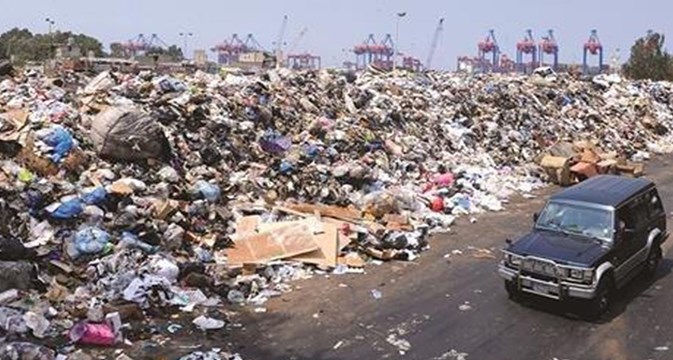
The Beduin were obliged by law to settle in one area, a change that caused overgrazing and the gradual disappearance of native pasture. The community was obliged to buy barley and hay for feed. To meet expenses, they chopped trees down for sale as charcoal. Soon, the once-fertile land was nothing but rocky desert.
Wells had to be dug further down to reach water, as the scant seasonal rains, with nothing to contain the water on the land, made flash floods that rolled away to the Red Sea instead of seeping into the soil to replenish reserves.
In 2019, Saudi Princesses Haifa al Faisal and Nouf bint Fahd visited Al Baydah and witnessed the inhabitant’s poverty-stricken lives. They initiated a development project with the aim of restoring sustainable agriculture to the area.
A prototype 100-acre area became the Al Baydha project, headed by Standford University permaculturist Neil Spackman (below) and Harvard University bioethicist and futurist Mona Hamdy. Spackman said in an interview on the Planetary Regeneration Podcast:

“Across the whole of Middle East, there’s an indigenous management system called EMA, which essentially means ‘protected land.’ This system pre-dates Islam so it’s functioning for at least 2,000 years. It was a tribal management system that may change the fertility of the landscape.
These were largely abolished in the 1950s across the Fertile Crescent and in the Arabian Peninsula. Because of that change in management, the tribal boundaries especially were eradicated. You’ve had a free for all on grazing such that, wherever it rains in the Mecca region for instance, when it rains in Al Bayda we get people from 250, 300 miles away, bringing all of their animals to graze on that land. As soon as the grass is gone, they are out of there. “
Spackman lived among the inhabitants of Al Baydha from 2010 to 2018, gaining their trust and willingness to cooperate in the regeneration project. Building rock terraces and check dams, and opening swales (wide, shallow ditches) in the land, the project’s first stages succeeded in harvesting rainwater.
Packman and Hamdy used the ancient water-conservation methods of ancient Incans and Nabateans to contain seasonal floods and train the water to flow as useful streams.

In 2012, the project moved to planting drought-resistant trees. By 2015, Packman and the Beduin planted ten species of trees, 4000 in all. Most ultimately didn’t survive, but enough did to give reasonable hope for a green landscape providing foraging for bees and animals, windbreak, seeds from which to extract oil, charcoal, and soil improvement through fixing of nitrogen.

Construction of project headquarters, a bat cave (for valuable guano) and a pigeon house taught the residents skills for building a housing complex later. The Beduin are skilled in making cheese, and there are hopes for establishing a commercial dairy in Al Baydha.
The project had its risks. Packman was working on ideas and theories, getting experience on the ground. And in 2016, funds stopped. To save costs, Packman stopped the drip irrigation that was nurturing the trees. They began to die off. Although the locals begged him to bring water in, he refused, considering that if the project didn’t survive the climate, it had been wrong from the start. Almost two years of drought followed, and it seemed that the project was going to dry up.
But in late 2018 and in 2019, rain fell again, and the landscape sprouted new life. Photographs and YouTube videos show the startling contrast between the arid, desolate land before the project started, and the rich savannah that now covers the flood plain. Mountainside terraces are lush and green. Drip irrigation was never re-established, for the water shepherded and reserved is sufficient.

Plants now thriving in Al Baydha include fruit and nut trees, vines, culinary and medicinal herbs, ground cover, grasses, clumping plants such as ginger and turmeric, and tree and shrub cash crops such as frankincense and moringa. The Al Baydha project is a proven success. Now it remains to use this project as a template for regeneration in other desert areas.
The implications of the Al Baydah project are enormous. The low-tech methods used there can regenerate Saudi Arabia’s coastal plane, which shares Al Baydah’s characteristic mountains, wadis under the mountains, and flood areas sloping down to the coast. Instead of losing 90% of winter rainwater to the Red Sea in floods, that water can be used to regenerate life in the desert. Agricultural production can return, creating jobs and improving the economy of any region.
“In sharing the story of the Al Baydha project,” says Spackman, “I hope that millions of people are inspired and thousands of projects launched to develop regenerative systems.
The Al Baydha project, to date, only encompasses a very small watershed in a forgotten corner of Saudi Arabia. But it is also living proof of what people can do when they work with each and with nature and look to the past practices of terrace farming. It’s a testament to the potential of regenerative agriculture, and a template of reforestation of millions of hectares of desert landscape, in the Arabian Peninsula, and beyond.”


“But in the 1950s, those traditional systems were abolished.” and “These were largely abolished in the 1950s across the Fertile Crescent and in the Arabian Peninsula.” Those two sentences make reference to an abolition which devastated the area. Who abolished “those traditional systems”? Why did the author choose to avoid attributing who established the abolition?
Good question. Gerry – do you have an answer?