


Protein. The world needs it. Especially as we learn every day when an animal-based protein diet is killing our planet. Equinom, a seed tech start-up from Israel, is combining natural breeding techniques with software algorithms to produce high-functioning, non-genetically modified organism (non-GMO) seeds that have a superior nutritional profile while also boosting crop yield.
The company is from Israel, like so many innovative agriculture companies, including the company flux, developing a robot to understand the language of plants.
The technology of Equinom creates a next-step ecosystem directly connecting food companies to the supply chain, in turn bringing greater transparency and paving the way for more responsible sourcing of high-value plant protein.
Equinom helps to produce high-quality protein on less land with less water consumption and reduced crop waste – a crucial issue when it comes to maintaining a sustainable food supply. The firm also helps develop consistent product and affordable pricing to ensure farmers’ incomes. Equinom’s tech experts used DNA sequencing and algorithms to discover various genomic crop characteristics. Then, through careful selection, breeds for seeds that maximize a plant’s natural abilities. This technology enables production of non-GMO grains and pulses, including chickpeas, sesame, and soy, that possess substantially more protein with better functionality than varieties currently on the market. The technology also led to the discovery of rare varieties and traits that existed in nature but had been lost in years of breeding.

“The plant-based protein mega-trend has driven food companies to create more and more tasty, nutritious plant-based products,” says Gil Shalev CEO for Equinom. “However, meeting demand has presented challenges due to poor organoleptic properties inherent in many plant protein ingredients. The high investment required to develop new, profitable varieties using conventional breeding, coupled by slow throughput, poses more obstacles.”
Equinom successfully implemented a multi- tiered program:
- Defining the product – Equinom works with food companies to define their desired target seed attributes, including, protein load, taste, color, and nutritional score.
- Crossbreeding – The desired qualities are sought in singular seed varieties or developed through crossbreeding.
- Optimized genetic code -The target product is formulated using a proprietary algorithm that runs millions of genomic combinations in silico (via computer modeling), in order to identify seeds with the highest nutritional potential.
Equinom’s new ecosystem brings multiple benefits
Equinom’s advances in computational breeding could lead to attractive rewards for all involved along the agri-food chain. Farmers can grow more sustainable crops from seeds tailored to desired specifications, and reap the benefit of better economies-of-scale as crop yield potential is dramatically enhanced.
Likewise consumers and food companies are now able enjoy products of a higher nutritional value at competitive prices. This project has also served to connect farmers with food ingredients companies who in effect have come into closer contact with the entire supply chain through constant tracking and monitoring bringing greater transparency and traceability.
“A food company that depends on legumes of a certain composition may have to wait anywhere between five to ten years under traditional methods,” explains Itay Dana, Director of Marketing at Equinom. “Today, working in concert with the food company, we can design a target product with all the desired characteristics of taste, quality, and nutrient composition within two to three years.”
Equinom’s advanced economical breeding techniques exemplifies how genomics could be instrumental in overcoming some of the tremendous technical challenges that the agri-food industry has been facing in its efforts to supply the market with plant-based protein-rich products and seed oils, particularly in the face of a huge social rejection of GMO crops.
Greater plant-protein diversity in the long term
The company has expressed its long-term goal moving the agri-sector into a new sustainable, more profitable phase, and to engender more plant-protein diversity. Currently, 90% of cultivation of protein crops is concentrated on soy and wheat. The technology also reduces the anti-nutritional factors (ANF) inherent in plant proteins already at seed level. This, in turn, increases the proteins’ bioavailability, making them more nutritive and more fully absorbed in the gut.
To date, Equinom has signed a number of contracts with global leaders in the food industry. These include a multi-year contract with Sabra Dipping Company, LLC, US (a joint venture of PepsiCo, Inc., US, and Israel’s Strauss Group Ltd.), as well as a commercialization agreement with Mitsui & Co. of Japan.
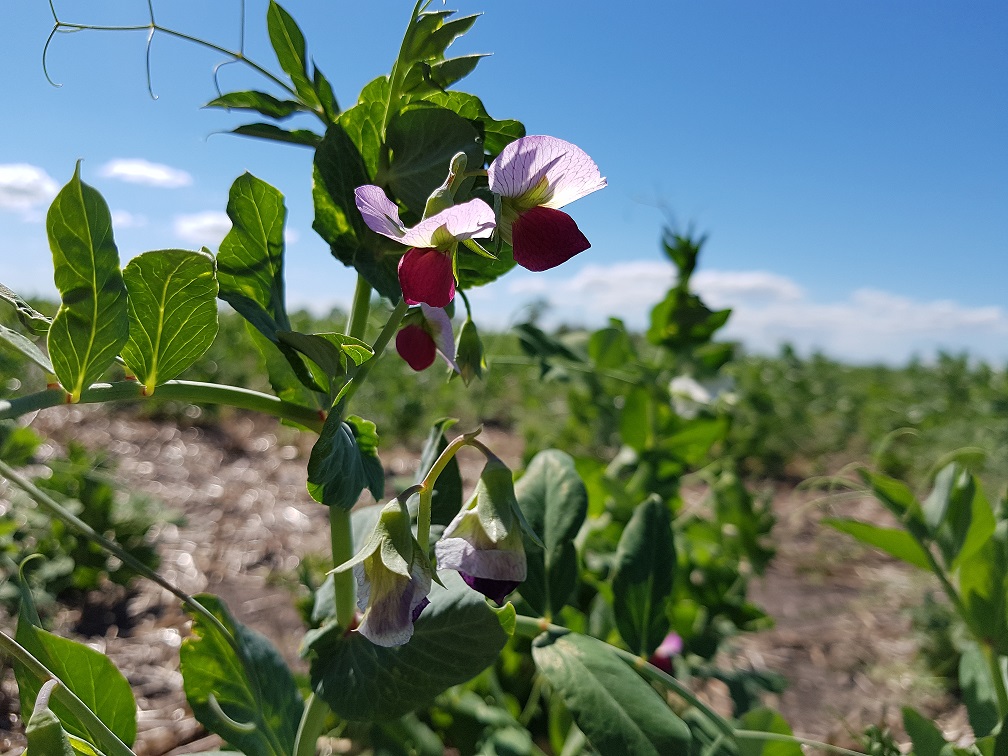
Recently, Roquette, France, signed a partnership with Equinom for the development and sourcing of new pea varieties with high-protein content. In addition to this new collaboration, Roquette and Equinom’s current shareholder Fortissimo Capital, Israel, will jointly invest US$4 million in the company to support its further development, bringing the company a total ofUS$10.5 million in investments.