
Home Blog Page 8

Brigitte Bardot dies but her legacy of animal rights lives on

0
Brdigette Bardot and her dogs
Bridgette Bardot and her dogs


Brigitte Bardot, who died today at the age of 91, will be remembered not only as one of the most recognizable film stars of the 20th century, but the chain-smoking French actress was also a tireless advocate for animals. Long after she stepped away from cinema, Bardot devoted her life, resources, and public voice to protecting animals—especially pets and vulnerable wildlife—at a time when few public figures were willing to do so.

Bardot retired from acting in 1973, at the height of her fame, and redirected her energy toward animal welfare. In 1986, she founded the Brigitte Bardot Foundation, which became the central vehicle for her work. The foundation focused on preventing cruelty to animals, supporting shelters, rescuing abused pets, and campaigning against practices that caused unnecessary suffering.

Bridgette Bardot championed animal rights
Brigitte Bardot and her book

Much of Bardot’s activism centered on companion animals. She was a vegetarian and repeatedly spoke out against the abandonment and mistreatment of dogs and cats, supported spay-and-neuter programs, and funded shelters across France and abroad.

Related: Turkey kills millions of dogs

At a time when pet welfare was often treated as a private issue rather than a social responsibility, Bardot helped push it into the public conversation.

Bridget Bardot

Her celebrity played a crucial role. Bardot used her global recognition to draw attention to issues that were easy to ignore, giving animal protection visibility it had rarely enjoyed before. Media coverage of her campaigns brought animal welfare into living rooms around the world, influencing public attitudes and helping normalize the idea that animals deserve care, protection, and dignity.

While Bardot was not an environmentalist in the modern sense, her work helped shape the ethical foundation on which today’s environmental and sustainability movements stand. Caring for animals—especially pets—created an emotional bridge between people and the natural world, reinforcing the idea that human responsibility extends beyond ourselves.

Bridget Bardot

Related: She rescues animals from Bethlehem and Ramallah

For millions, Brigitte Bardot’s most enduring legacy may not be on film, but in the lives of animals who were seen, protected, and cared for because she refused to look away.

Brigette Bardot protesting the seal hunt

10 Proven Israeli Technologies to Help Somaliland Build Food, Water, and Energy Security

Karin Kloosterman, entrepreneur, founder of flux, and Green Prophet
Growing food on a rooftop using Israeli greenhouse technology: Karin Kloosterman

Israel’s water and agricultural technologies didn’t emerge from ideal conditions. They were developed under pressure: low rainfall, saline water, political isolation, lack of energy resources, and the constant need to feed a growing population with limited land. Over the years, I’ve written about many of these companies not as miracle-makers, but as problem-solvers. That’s what makes them relevant to places like Somaliland. Israel was the first country in the world to recognize Somaliland as an independent state although Ethiopia has been treating the nation as such for decades.

Below are 10 technologies, and the Israeli companies behind them, that could realistically support Somaliland’s long-term food, water, and energy resilience.

drip irrigation technology, stockholm international water institute, industry water award, agriculture, water scarcity, Middle East, Israel, Netafim
Netafim pipes snake through farmer’s fields and deliver water and nutrients right at the root base

The first is drip irrigation, pioneered by Netafim, founded in the 1960s on Kibbutz Hatzerim after engineer Simcha Blass noticed that slow, targeted watering produced healthier plants. Netafim’s systems are now used worldwide to cut water use while increasing yields, especially in dry regions.

Closely related is low-pressure irrigation and fertigation, advanced by companies like NaanDanJain and Rivulis. These systems work well for smallholder farmers, allowing nutrients and water to be delivered together with minimal waste.

For water supply, desalination technology developed by IDE Technologies has transformed Israel’s water security. While IDE is best known for large plants, the company has also developed smaller-scale systems suitable for coastal communities, which could be relevant for Somaliland’s long shoreline.

In parallel, solar-powered water pumping systems—used widely in Israel’s peripheral regions—can replace diesel pumps. While not a single-company solution, Israeli integrators often combine solar technology from firms like SolarEdge with water systems to power wells, treatment units, and irrigation without fuel imports.

solaredge, solar energy, Israel hightech, cleantech
SolarEdge under the hood

Another promising approach is wastewater reuse, an area where Israel leads globally. Municipal-scale treatment combined with agricultural reuse has been refined through decades of practice, with engineering firms and public utilities supporting reuse rates that reach nearly 90 percent. Scaled-down versions of these systems could help Somaliland’s towns reuse water safely rather than losing it entirely.

In agriculture, greenhouse and net-house farming has been advanced by Israeli companies such as Hishtil, which supplies seedlings and controlled-growing solutions designed for heat and water stress. These systems allow year-round production of vegetables with far less water than open-field farming.

Precision agriculture has also become more accessible through Israeli startups like CropX and Phytech, which use soil sensors and plant data to tell farmers exactly when to irrigate. Even basic versions of these tools can significantly reduce water waste.

Cropx irrigation
An early version of the CropX irrigation hardware controller in the field

On the seed side, Israeli breeders such as Hazera and Zeraim Gedera (now part of Syngenta) have developed heat- and drought-tolerant vegetable varieties suited for semi-arid climates. Crop genetics matter as much as irrigation in a warming world.

Food loss after harvest is another overlooked challenge. Israeli cold-chain innovations, including solar-powered cold rooms used across Africa, help reduce spoilage and increase farmer incomes. These systems don’t require a national grid and can be deployed at cooperative or village scale.

Finally, there is knowledge transfer, often the most underestimated technology of all. Israel’s international development agency MASHAV has trained tens of thousands of farmers and water managers worldwide through hands-on programs focused on dryland agriculture, water reuse, and cooperative farming. Technology adoption succeeds when training is local, practical, and gradual.

None of these tools promise instant prosperity. But together, they form a practical toolkit shaped by environments not unlike Somaliland’s own. In a region too often discussed only through politics or security, focusing on water, food, and energy systems offers a quieter, more durable path forward.

Dragon fruit health benefits

0
Dragon fruit is full antioxidants

Dragon fruit used to feel like a traveler’s fruit, something you’d find in a far east market that sells Pad Thai and bags of pickled grasshoppers, eaten with a stick.  Now it’s turning up everywhere. I see it stacked neatly in Canadian and American supermarkets, tucked into smoothies in California cafés, and increasingly in Eastern Mediterranean markets where it once felt exotic and rare. It has been turning up in our weekly CSA box and my daughter asks for them now as much as my son wants apples.

It looks beautiful, with tiny kiwi-like seeds on the inside, its taste somewhat bland in comparison. You’ll find the insides in a shocking hot pink, white or yellow. So yeah –– part of its appeal is visual. Dragon fruit looks like it was designed by a poet with a sense of humor. But it’s the inside that matters, and that’s where this fruit earns its place as a superfruit.

Dragon fruit is also known by several other names depending on where you encounter it. In much of the US and Latin America it’s commonly called pitaya or pitahaya, terms you’ll often see used interchangeably with dragon fruit on market labels. Botanically, the fruit comes from a cactus sometimes referred to as night-blooming cereus, a nod to the plant’s dramatic flowers that open after dark. Older or poetic names like strawberry pear, belle of the night, or queen of the night still appear occasionally, though today dragon fruit and pitaya are the names most shoppers recognize.

Dragon fruit is rich in antioxidants, fiber, vitamins, and minerals, while staying low in calories. It’s one of those foods that manages to feel indulgent while doing something genuinely useful for the body. Like cucumbers.

The deep red and pink varieties contain healthful betalains and flavonoids, compounds that help neutralize free radicals and reduce inflammation. These antioxidants are linked to lower risks of chronic diseases, including heart disease and certain cancers. Vitamin C adds another layer of immune support, especially welcome in winter months when fresh fruit choices can feel limited.

Fiber is where dragon fruit really shines. It contains both soluble and insoluble fiber, which means it helps digestion in more than one way. Insoluble fiber keeps things moving, while soluble fiber feeds beneficial gut bacteria, strengthening digestion and immunity from the inside out. People watching blood sugar levels often appreciate dragon fruit for the same reason; fiber slows sugar absorption and may help reduce insulin resistance over time.

There’s also a quiet mineral richness here. Magnesium supports muscle function and sleep. Calcium and phosphorus contribute to bone health. Iron, especially when paired with vitamin C, supports oxygen flow in the body. None of this is flashy, but together it makes dragon fruit feel like a thoughtful food, one that supports the body without demanding attention.

I like dragon fruit most when it’s not overworked. Fresh slices in half with a squeeze of lime and a spoon to dig it out are enough. But one recipe surprised me, and it’s now become a favorite way to serve it to guests who think they already know this fruit.

Can you cook dragon fruit?

The health benefits of dragon fruit

Take ripe red dragon fruit and cut it into thick cubes. Toss gently with a drizzle of olive oil, a pinch of flaky salt, and a squeeze of lemon. Roast it briefly in a hot oven, just until the edges caramelize slightly. Let it cool, then scatter over labneh or thick Greek yogurt. Finish with cracked black pepper, fresh mint, and a few toasted pumpkin seeds. The heat deepens the fruit’s sweetness, the salt pulls it into savory territory, and suddenly dragon fruit feels less like a smoothie ingredient and more like a grown-up dish.

Perhaps that’s why it’s showing up more often now. As markets globalize and palates mature, we’re learning to see familiar foods in new ways. Dragon fruit no longer feels like a novelty.

Ethiopians are Looking to Somaliland for Red Sea Access as Global Powers Move In

0
Israel was the first to recognize Somaliland, something that Ethiopia has been quietly supporting for eyears
Israel was the first to recognize Somaliland, something that Ethiopia has been quietly supporting for years. Image from Crea

When we traveled through Ethiopia last year (see our article on Wenchi Lake ecoreserve), this question came up again and again: Ethiopia is landlocked.

What surprised me wasn’t the frustration. It was how many Ethiopians openly welcomed closer ties with Somaliland as a practical way forward. This matters more now as Qatar, a state sponsor of terror, and China expand their influence across Ethiopia, investing in infrastructure, finance, and political relationships. With that growing presence you can see everywhere from Al Jazeera playing at every hotel to hundreds of unfinished Chinese infrastructure projects, the question of trade routes, ports, and national leverage has become more urgent, and more public.

In January 2024, Ethiopia and Somaliland signed a Memorandum of Understanding that could reshape the Horn of Africa. Under the MoU, Ethiopia would gain access to Somaliland’s coastline for commercial shipping and possibly a naval facility, in return for Ethiopia agreeing to consider formal recognition of Somaliland’s independence. It’s not finalized, and it’s not without controversy, but it’s real. Yemen’s Houthis have been destabilizing the region since the 90s. They fire on passing oil tankers and they celebrate when Somali pirates capture ships passing through the Red Sea to the Suez Canal, a manmade shipping lane that cuts through Egypt.

Related: Somali pirates like to steal oil tankers.

Ethiopia has been landlocked since Eritrea’s independence in the early 1990s. Since then, nearly all imports and exports have flowed through Djibouti, creating vulnerability and cost. Over the past decade, Ethiopia has quietly increased its use of Berbera Port, the commercial capital of Somaliland, which has expanded and modernized enough to handle serious trade volumes. Ethiopia has also inflamed tensions with Egypt since building the GERD, a hydro-electric power plant at the source of the Nile river.

Grand Ethiopian Renaissance Dam, GERD Ethiopia, Blue Nile hydroelectric project, Ethiopia Nile River dam, Africa’s largest dam, Ethiopian hydropower, GERD water security, Nile River dispute, Ethiopia Egypt Sudan water conflict, renewable energy Ethiopia
Grand Ethiopian Renaissance Dam (GERD) on the Blue Nile — Africa’s largest hydroelectric project reshaping East Africa’s power supply and sparking regional water security debates.

Somaliland, for its part, has operated as a de facto independent state since 1991. It has its own government, elections, currency, and security forces. It’s often described as one of the more stable and democratic political systems in the region, despite never being formally recognized internationally.

The MoU builds on years of trade and security cooperation. Ethiopia already relies on Somaliland’s ports. Formalizing that relationship makes economic sense, especially as regional competition intensifies and Red Sea access becomes more strategic for global shipping, energy, and exports. Having more Ethiopian presence in Somaliland, and now Israel, will help fight terror forces such as Al Shabaab, a Sunni Islamist religious extremist group based in Somalia.

Somalia, itself a lawless nation on the verge of becoming a terror state, has strongly opposed the deal, calling it a violation of its territorial integrity. Tensions flared quickly after the MoU was announced, and Ethiopia has since been careful to say that recognition is not immediate and that diplomacy is ongoing. Ethiopia, a predominantly Christian country, has to walk a fine line in order to keep the balance against insurgencies out of its

That caution reflects how complicated this is. Ethiopia wants access to the Red Sea. Somaliland wants recognition. Somalia wants to preserve its territorial claims. And outside actors, including Gulf states and China, are watching closely, each with their own interests.

What stood out during our visit was how openly Ethiopians discussed these tradeoffs. There was no sense of romantic nationalism, just a clear-eyed understanding that ports matter, trade matters, and sovereignty today is tied as much to supply chains as to borders drawn decades ago.

Whether the MoU leads to formal recognition remains uncertain. Regional politics move slowly, and sometimes sideways. But the direction is clear. Ethiopia is looking for options, and Somaliland is no longer viewed simply as a political question, but as a logistical one.

In a world shaped by climate stress, shipping disruptions, and global power competition, access to the sea is not a luxury. It’s infrastructure. And for many Ethiopians we met, working with Somaliland feels less like a provocation, and more like common sense.

Why Israel recognized Somaliland before Ethiopia

A Somaliland woman wearing a hijab with Israel flag

From conversations we had on the ground last year in Addis, what came through wasn’t uncertainty so much as a careful weighing of risks. Many Ethiopians we spoke with were openly supportive of deeper ties with Somaliland, yet they were equally clear-eyed about why formal recognition hasn’t happened. Ethiopia’s long and sensitive border with Somalia looms large, and recognizing Somaliland would be read in Mogadishu as a direct challenge to Somalia’s territorial integrity.

Every time we left the city our driver needed to check security along the roads as violent insurgencies are common in Ethiopia.

After decades spent trying to prevent further instability along that frontier—while coordinating on security and counter-militancy—few in Addis Ababa see value in provoking a diplomatic rupture at an already fragile moment. But Israel, on the other hand, can do it. Ethiopians already wave the flag of Israel in admiration and see an ancient thread of connection between their two sovereign nations –– back from when their Queen Sheba went to Jerusalem to meet the Jewish King Solomon.

Ethiopians also pointed to a more internal calculation. Ethiopia is a multi-ethnic federation still navigating its own political strains, and formally recognizing a breakaway state elsewhere in Africa risks opening doors Addis Ababa would rather keep closed.

As host of the African Union in Addis Ababa, Ethiopia is also steeped in the long-standing norm of preserving colonial-era borders, however imperfect they may be. For now, the country secures most of what it needs without crossing that line: port access, security cooperation, and deepening trade.

How wind energy must adapt to a changing climate

0
Wind energy
Wind energy

Wind energy is a real asset to the energy transition. Turbines rise quickly, emissions fall sharply, and electricity flows without smoke, spills, or tailings. But behind the clean lines of a wind farm lies a question that is rarely asked out loud: what happens when the wind itself begins to change?

Across Europe, North America, and parts of Asia, wind power has become one of the most scalable tools available to decarbonize energy systems. It can be built faster than nuclear, expanded more flexibly than hydro, and deployed almost anywhere grids exist. Whether offshore or onshore, industrial or rural, wind power adapts.

To make that expansion possible and get the best performance possible, the sector increasingly relies on advanced modeling tools,  such as Meteodyn’s software and services, which translate wind and atmospheric behaviors into usable data for developers and planners. But a new critical question arises: will the wind still be there?

Because climate change does not stop at temperature charts.

Wind is changing, quietly

Climate change alters atmospheric circulation, pressure gradients, and seasonal weather patterns. These changes rarely make headlines, yet they directly influence how, when, and where wind blows. In some regions, average wind speeds may increase; in others, they may weaken or become more erratic.

For a wind farm designed on 20 years of historical data, this matters. A project that looks profitable today may deliver less energy in the future, on the opposite, way more. Uncertainty replaces confidence.

Developers and utilities are beginning to face this reality. Can yesterday’s wind statistics still be trusted for assets expected to operate until 2050? Or are we planning tomorrow’s infrastructure based on a climate that changes faster than we ever thought?

Ignoring the shift would be convenient and easy, but it would also be reckless.

Why long-term planning needs future wind data

Wind projects are not short-term bets. They are built to last decades, financed over long horizons, and integrated into national energy strategies that assume stability. When climate change enters the equation, that assumption weakens.

Assessing future wind resources under different climate scenarios is no longer a theoretical issue: it is a risk-management exercise. By looking ahead—rather than only backward—energy planners can identify regions where wind potential remains robust, where variability increases, or where adaptation may be required.

This is about avoiding blind spots, because blind spots are costly.

Climate scenarios meet energy reality

The IPCC’s climate scenarios—like SSP2-4.5 or SSP5-8.5—are often cited in reports, yet rarely translated into site-level energy decisions. Doing so requires expertise, validated modeling chains, and transparent assumptions.

When wind projections are aligned with recognized climate scenarios, developers can stress-test projects against plausible futures, investors can better understand exposure, and policymakers can plan with fewer surprises.

Climate change analytics help clarity replace guesswork.

Meteodyn and future wind and AEP projections

Meteodyn has developed a dedicated service to evaluate how wind resources and energy production may evolve under different climate scenarios, performing cutting-edge statistics on IPCC-aligned projections.

The goal is  informed anticipation to make sustainable decisions. By quantifying potential changes in wind regimes over time, stakeholders gain a clearer view of long-term performance, risk, and resilience.

Because planning early is usually cheaper than reacting late.

Making climate-aligned wind data accessible

Since October 2, 2025, Meteodyn makes climate-aligned wind and AEP projections datasets available through a dedicated shop, the Wind Data Portal. These datasets allow users to access standardized wind and energy production projections linked to climate change scenarios and localised to projects’ locations.

This matters. Access to future-oriented data should not be limited to large institutions alone. Shared data enables shared responsibility, and responsibility is the foundation of a credible energy transition.

The climate change will not wait

Wind energy remains one of the strongest tools available to fight climate change, but it is not immune to it. As the climates shift, so must the way wind resources are assessed, planned, and valued.

Adaptation is not optional, it is the price of durability.


Alphabet buys Intersect Power for $4.5 Billion USD to sustainably power its AI infrastructure

0
We think images of data centers and batteries are boring and dull. Here is a photo of Intersect's CEO Kimbal
We think images of data centers and batteries are boring and dull. Here is a photo of Intersect’s CEO Sheldon Kimber instead.

For a long time, large technology companies spoke about renewable energy mostly in terms of climate commitments. And the commitments felt like punishments to all of humanity. Carbon offsets, net-zero timelines, carefully worded sustainability pages. I’ve covered plenty of those announcements over the years, from conference halls and Zoom cals to quiet briefings where the stories always felt more narrative than about opportunity.

We first heard the call about electricity and the Internet around 2005 when people who were starting up websites were expected to use servers powered by renewable energy. We tried but when the wind power failed at a company we chose, our site went down. Electricity is now a practical constraint and a business opportunity.

That shift helps explain why Alphabet, Google’s parent company, has agreed to acquire American renewable energy company Intersect Power in a deal valued at roughly $4.75 billion. It’s a move that reflects a deeper change: technology companies are paying closer attention to the physical systems that support their growth.

Intersect Power is a US-based clean energy developer focused on large solar power plants paired with battery storage. The pairing is important. Solar generation alone is inexpensive but intermittent. Lots of energy can be produced by day and fed to the grid but what isn’t used just disappears. Storage allows energy to be used later, during periods of high demand or grid congestion, rather than only when the sun is shining.

Intersect develops, owns, and operates many of its projects, then sells the electricity through long-term power purchase agreements to utilities or large customers. It’s a familiar infrastructure model, one that prioritizes predictable returns and steady output over experimentation. The early beginnings of this model started around 2007, but the technology of solar energy couldn’t always deliver returns. See how Ivanpah in California was built on promises that are no longer a good business model based on today’s projections.

Ivanpah, CSP plant
Ivanpah was propped up by government grants.

Intersect’s projects are built to power data centers and are concentrated in California, Texas, and parts of the USSouthwest. Anyone who has followed energy reporting in California over the past decade has seen how fragile the system can feel during heatwaves, when demand spikes and grid operators issue warnings. Locating generation and storage close to demand helps reduce stress on those systems.

Today, Intersect operates and is building multiple gigawatts of solar capacity, along with several gigawatt-hours of battery storage. Altogether, it has well over 10 gigawatts of projects operating, under construction, or in development across the United States. That scale places it among the larger independent clean energy developers in the country.

Intersect Power was founded in 2016 by Sheldon Kimber and Luke Dunnington, both coming from energy finance and infrastructure backgrounds. This is typical in solar energy and renewable energy companies as the deals are mostly based on contracts with banks, financing and investors. The company is headquartered in San Francisco, close to both capital markets and the technology firms that increasingly shape electricity demand.

Before the Alphabet deal, Intersect had raised more than $2 billion in equity and project financing from private investors.

According to CEO Kimber, “Intersect will remain Intersect, remaining separate from Alphabet and Google under the Intersect brand, and I’ll continue as CEO.

“When we founded this company in 2016, the goal was to build something durable and to preserve our planet for future generations through innovative energy solutions and modern infrastructure. To ask why not? when the industry reflexively said, that’s not the way it’s done.

“Today, modern energy infrastructure sits at the center of American competitiveness in AI. Power is the bottleneck.

“I’ve always been excited about tackling what comes next. Exploring new technologies. Continuing to accelerate the redesign of an energy infrastructure for the world we actually live in.”

Alphabet’s and Google’s interest in an energy developer isn’t about public messaging. Running large data operations requires steady, uninterrupted electricity and reliable cooling. Delays in grid connections, power shortages, or price volatility can slow expansion plans. I’ve reported before on renewable projects that were technically complete but couldn’t deliver power because transmission simply wasn’t available. Those kinds of bottlenecks are no longer abstract risks.

Owning or controlling access to generation and storage offers a way around some of those constraints. In that sense, Alphabet’s move resembles earlier shifts in the tech sector, when companies moved from renting infrastructure to building and managing it themselves.

Alphabet is not the only firm thinking this way. Microsoft, Amazon, and Meta have all increased their involvement in long-term power contracts and energy development. What has changed is not the technology, but the motivation. Clean energy is now tied closely to reliability, timing, and operational planning, not just emissions targets.

For investors, Intersect Power itself is not publicly traded, and exposure now largely comes through Alphabet. Other options include infrastructure funds, storage-focused energy investments, or companies that supply batteries, power electronics, and grid equipment if you are looking to invest in a meaningful space for 2026.

Ancient air trapped in Canadian salt bubbles foretells climate future

0
Microscopic image of fluid inclusions in 1.4-billion-year-old halite crystals, which preserve ancient air and brine. (Justin Park/RPI)
Ancient air caught in salt. Microscopic image of fluid inclusions in 1.4-billion-year-old halite crystals, which preserve ancient air and brine. (Justin Park/RPI)

More than a billion years ago, in a shallow basin in what is now northern Ontario, a subtropical lake—similar to today’s Death Valley—slowly evaporated under the sun’s gentle heat. As the water disappeared it left behind crystals of halite, or rock salt. The world back then was nothing like the one we know today. Bacteria dominated life on Earth. Red algae had only just appeared. Complex plants and animals would not evolve for another 800 million years.

As the lake water concentrated into brine, tiny pockets of liquid and air became trapped inside the growing salt crystals. These microscopic bubbles were sealed off as the crystals were buried under layers of sediment, preserving samples of ancient air and water—unchanged for roughly 1.4 billion years. Until now.

Scientists have been able to analyze the gases and fluids locked inside these ancient salt crystals, effectively pushing our direct record of Earth’s atmosphere back by more than a billion years. By carefully separating air bubbles from the surrounding brine—no easy task—they were able to measure oxygen and carbon dioxide levels from a deep chapter of Earth’s past.

Moroccan laborer harvests red gold algae
Seasonal harvesters of red gold algae in North Africa

Opening these samples is like cracking open air that existed long before dinosaurs, before forests, before animals of any kind. As lead researcher Justin Park put it: “It’s an incredible feeling to crack open a sample of air that’s a billion years older than the dinosaurs.”

The results are striking. Oxygen levels during this period were about 3.7% of today’s atmosphere—surprisingly high, and theoretically enough to support complex animal life, even though such life would not appear until much later.

Related: Living water holds ancient memories in Ontario

Carbon dioxide levels, meanwhile, were about ten times higher than today. This would have helped warm the planet when the sun was much dimmer than it is now, creating a climate not unlike the modern one.

This raises a natural question: if there was enough oxygen to support complex life, why did it take so long for animals to evolve?

The answer may lie in timing. The sample represents only a brief snapshot of a vast stretch of Earth’s history—a period often nicknamed the “boring billion” because of its relative stability and slow evolutionary change. It’s possible the oxygen levels recorded reflect a temporary rise rather than a permanent shift.

“Despite its name, having direct observational data from this period is incredibly important because it helps us better understand how complex life arose on the planet, and how our atmosphere came to be what it is today,” Park said.

Still, having direct evidence from this era is invaluable. It helps scientists understand how Earth’s atmosphere developed and how conditions gradually became suitable for complex life.

Earlier estimates of carbon dioxide from this period suggested much lower levels, which conflicted with geological evidence showing there were no major ice ages at the time. These direct measurements, combined with temperature clues preserved in the salt itself, suggest a milder, more stable climate than previously assumed—perhaps surprisingly similar to today’s.

Notably, red algae emerged around this time and remain a major source of oxygen on Earth. The relatively elevated oxygen levels may reflect their growing presence and increasing biological complexity.

Far from being boring, this moment may represent a quiet but pivotal turning point—one that helped set the stage for the living world we know now.

Want to Sing Better? 7 Voice Exercises That Help You To Build Stronger Vocal Skills

0
You can build a stronger, more flexible voice through steady practice and awareness of your habits. Each exercise you use helps you develop control and protect your vocal cords from strain.

You want your voice to sound clear, strong, and steady each time you sing. That goal takes more than natural talent. It takes smart habits that train your vocal cords and strengthen your control. You can build stronger vocal skills by practicing focused voice exercises that improve your range, tone, and breathing.

With the right daily routine, you can prepare your voice to handle more demanding songs while keeping it healthy. Simple techniques, from gentle warmups to stretching your range with smooth sounds, help you create a richer and more confident tone. Each step matters because consistent practice shapes your progress over time.

Humming scales to warm up vocal cords

Humming scales helps your voice prepare for practice or performance. It gently brings the vocal folds together and increases airflow control. As you learn how to sing better, this exercise helps you notice pitch and sound vibrations in your face and chest, which supports steadier tones.

Start on a comfortable note and hum a simple five-note scale. Keep your tone light and smooth as you move up and down. Avoid pushing too hard or forcing volume.

This type of warm-up also improves pitch memory and balance between your breathing and voice. Regular practice builds control without straining your throat. Over time, you will notice it becomes easier to start singing with a relaxed and connected sound.

Lip trills for breath control and relaxation

Lip trills help you build steady breath control while keeping your voice relaxed. You press your lips together lightly and let air pass through them so they vibrate as you make sound. This simple action helps you release tension in your lips and jaw.

You can use lip trills before singing to warm up your voice. They help balance airflow and sound, which leads to smoother tone production. As a result, your body learns to manage air without forcing it, allowing for a more natural singing feel.

Try short sets of lip trills a few times a day. Keep your shoulders relaxed, breathe from your diaphragm, and maintain a gentle, steady stream of air. Over time, you may notice easier breath control and a calmer feeling while you sing or speak.

Sirens to expand vocal range smoothly

A vocal siren helps your voice glide through low and high notes without strain. You create the sound by smoothly sliding from your lowest note to your highest and back down. This builds flexibility and helps your cords adjust to different pitches.

Start with a gentle hum to get your voice ready. Move the sound through your range in one clear motion, similar to how a siren gradually rises and falls. Keep your throat relaxed and use steady air support so the sound stays even.

Regular siren practice helps you reach higher notes with more balance and ease. Over time, your tone becomes steadier and your voice gains better control. This simple warm-up works well before singing songs that need wide pitch movement.

Breathing exercises focusing on diaphragmatic support

Good singing starts with steady breath control. Diaphragmatic support helps you control airflow and maintain clear tone. It also helps you avoid strain in your throat and upper chest.

Sit or stand upright and place one hand on your abdomen. Take a slow breath through your nose and feel your stomach move outward as your diaphragm lowers. Release the air through your mouth in a smooth, even stream. This motion helps your body build natural breath pressure.

Practice a few minutes each day to make this movement feel natural. As your diaphragm grows stronger, your voice gains steadiness and flexibility. You will notice smoother phrasing and more control over long notes. Keep each breath calm and focused to support every phrase you sing with consistent power and balance.

Tongue and jaw relaxation drills to reduce tension

Tension in your tongue or jaw can limit airflow and make your tone less clear. To free your sound, start by gently opening and closing your mouth. Keep your jaw loose and let it drop naturally instead of forcing movement.

Next, rest the tip of your tongue behind your lower teeth and hum a simple scale. This helps the tongue stay forward and reduces extra pull in the throat. You may notice your tone feels smoother and easier to control.

Another useful drill is slow lip trills while keeping your jaw soft. This light motion releases tightness and allows steady breath flow. Repeat each exercise for a few minutes each day to build muscle awareness and keep tension away.

Pitch matching with piano or digital tuner

To improve your pitch control, start by using a piano or a digital tuner to produce a single note. Listen carefully and let the sound settle in your ear before you respond with your voice. Your goal is to match your tone as closely as possible to that reference note.

Repeat the process with different notes to build your ear and voice connection. Pay attention to small changes in sound; even a slight shift in pitch can make a big difference. Over time, this focused practice helps you recognize correct pitches faster.

A tuner gives you instant feedback, which helps you make quick adjustments. If your pitch sounds flat or sharp, move your voice up or down until the tuner shows you’re in tune. Consistent practice builds steadier control and a more confident ear for accuracy.

Vowel shaping exercises for clarity and resonance


Clear vowels help your tone sound open and full. They carry most of your pitch and resonance, so how you form them makes a big difference. If your vowels sound forced or closed, your voice can lose strength and focus.

Start by practicing simple vowel sounds such as “ah,” “ee,” “oo,” “eh,” and “oh.” Keep your mouth relaxed and aim for smooth airflow between each sound. Move from one vowel to another slowly to feel how each shape changes your tone.

You can also use a mirror to check for tension in your jaw or lips. Small adjustments help you create a balanced sound that feels easy and natural. As you train, listen for evenness in volume and tone across all vowels. Over time, these habits lead to greater consistency and better projection in your singing voice.

Conclusion

You can build a stronger, more flexible voice through steady practice and awareness of your habits. Each exercise you use helps you develop control and protect your vocal cords from strain.sing

Keep your sessions short at first, then increase your practice time as your voice grows more stable. Small, daily effort often produces better results than rare, long sessions.

Focus on clear tone, controlled breathing, and smooth transitions between notes. These areas shape both singing comfort and sound quality.

By staying patient and consistent, you allow your voice to develop at a natural pace. With time, your strength, tone, and confidence will steadily improve.

These tips are for general practice only and should not replace guidance from a professional vocal coach.


Which Occupational Therapy Activities Are Best for Toddlers’ Development?

0
There are plenty of art skills from Montessori schooling that are helpful in occupational therapy settings

Toddlers develop and grow through movement, touch, exploration, and play. Occupational therapy helps guide that growth with activities that support daily skills, confidence, and awareness. These playful tasks do more than entertain; they help toddlers build the foundation for physical control, coordination, and independence.

The best occupational therapy activities for toddlers support sensory, motor, and self-care development through simple, purposeful play. Each activity, from exploring textures to stacking blocks, encourages new abilities that help children navigate their world with greater control and curiosity. The following sections explain how these activities shape early learning in practical, meaningful ways.

Sensory bins with textured materials for tactile exploration

upcycling jars
Upcycling jars for zero waste or sensor bottles

Sensory bins give toddlers a safe space to explore touch and texture. They contain materials such as dry rice, beans, sand, or water beads. These setups help young children practice fine motor skills and improve tactile awareness, which supports other occupational therapy activities for toddlers.

Occupational therapists often use sensory bins to help toddlers tolerate different textures. A child who feels uneasy with certain sensations can gain comfort through short, guided play sessions. Using tools like scoops, cups, or small toys also strengthens grasp and hand-eye coordination.

Parents can adapt sensory bins for home use. For example, soft fabrics, smooth stones, or textured balls create variety. Simple themes such as “farm animals” or “colors” add interest without distraction. Therefore, these sensory experiences not only engage toddlers but also support their overall sensory and physical development in a calm and playful way.

Finger painting to improve fine motor skills and creativity

Finger painting helps toddlers build fine motor control through simple, hands-on play. They move their fingers across a surface, make marks, and mix colors, which strengthens small hand muscles. These movements prepare them for later tasks such as holding a pencil or using utensils.

The activity also supports hand-eye coordination. Each motion requires the child to guide their fingers with intention and accuracy. As they press, swipe, or dab paint, they learn how pressure changes create different effects.

Beyond physical skill, finger painting encourages creativity and decision-making. Toddlers choose colors, shapes, and textures, which helps them think independently. The freedom to create without rules also reduces stress and builds confidence.

Therapists often use this simple art form during sessions because it combines sensory input with purposeful movement. The mix of texture, color, and motion provides both enjoyment and developmental progress in one engaging activity.

Stacking blocks to develop hand-eye coordination and spatial awareness

Anthroposophic, Waldorf School toys by Bella Luna are made from wood and natural paint

Anthroposophic, Waldorf School toys by Bella Luna are made from wood and natural paint

Stacking blocks helps toddlers build control over how their eyes and hands work together. Each time a child picks up a block and places it on another, the eyes guide the hands to match movement with sight. This activity helps the brain connect visual input with fine motor action.

Children also gain early math and spatial skills through this type of play. As they place blocks of different shapes or sizes, they learn about height, balance, and position. They start to notice patterns and how objects relate to each other in space.

In addition, stacking encourages focus and problem-solving. A tower that falls teaches a child to adjust hand pressure or block position next time. Over time, these short moments of trial and error help them think ahead and plan movements more carefully.

For toddlers, simple block play offers a practical way to strengthen coordination while keeping play natural and fun.

Water play activities to improve sensory regulation and motor planning

Water play gives toddlers a safe and natural way to explore textures, temperatures, and movement. The gentle pressure of water helps the body feel calm and organized, which supports sensory regulation. It also encourages attention and body awareness in an enjoyable and familiar setting.

Simple tasks such as scooping, pouring, or squeezing sponges help children plan and carry out actions with both hands. These activities strengthen hand muscles and improve timing and coordination. Using cups, spoons, or small toys helps toddlers practice grasp and release control.

Therapists often use colored water or bubbles to add a visual element that keeps children motivated. As they repeat actions and test what works, they learn how to adjust pressure and speed for different results. This process naturally develops problem-solving and motor planning skills through play that feels both engaging and meaningful.

Simple self-dressing tasks to build independence and fine motor control

Toddlers gain early independence by practicing simple dressing tasks. Activities like pulling up socks, pushing arms through sleeves, and fastening large buttons help them use both hands together. Each task promotes finger strength and coordination, which supports other daily movements.

Parents or caregivers can make practice easier by laying out clothing in order and choosing loose garments with simple fasteners. This setup helps toddlers predict each next step and reduces frustration. Short, playful sessions keep them focused without pressure.

Repetition supports progress. As a child improves, adults can add new challenges such as using zippers or matching shoes. These small steps help toddlers build confidence while learning the patience and control that dressing requires.

Conclusion

Toddlers grow through hands-on play that builds fine motor control, sensory awareness, and problem-solving ability. Occupational therapy activities help them practice real-life skills such as grasping objects, stacking blocks, or learning to use a spoon. These tasks strengthen independence while keeping therapy enjoyable and natural.

Parents and caregivers can support development by mixing playful tasks with daily routines. For example, finger painting can train hand strength, and simple cleanup chores can improve coordination. Activities that encourage movement and exploration help children gain confidence in their own abilities.

Each child progresses at a different pace, so activities should match the child’s needs and comfort level. Regular observation and gentle guidance keep progress steady.

In short, structured yet playful occupational therapy helps toddlers develop important skills for daily life, giving them a stronger foundation for future learning and independence.


All activities should be age-appropriate and supervised by an adult. If you have concerns about your child’s motor development, consult a pediatrician or therapist.

Sink holes from over-watering farmers’ fields

0
Sink holes appearing in Konya, Turkey due to overuse of irrigation water
Sink holes appearing in Konya, Turkey due to overuse of irrigation water. Via Reuters.

Sinkholes are rapidly appearing in Turkey’s central Anatolian farming region, particularly around Konya and Karapınar. These giant gaping holes in the ground in areas of farmland, known locally as obruk, are not random geological events. They are linked to prolonged drought, climate-driven heat stress, and heavy groundwater extraction for agriculture in one of the country’s most important breadbaskets. As rainfall declines and evaporation increases, natural aquifer recharge has slowed, while demand for irrigation water has surged. There are an estimated 700 new sink holes that have popped up this winter, according to Reuters.

Related: Explore Istanbul’s coolest neighborhood Balat

In Konya, large-scale farming relies heavily on groundwater wells. Farmers often respond to drought by pumping more water and overwatering crops, especially where irrigation remains inefficient or poorly regulated. When groundwater is withdrawn faster than it can be replenished, underground cavities lose pressure and stability. Over time, the land above can suddenly collapse, creating sinkholes that damage fields, roads, and infrastructure and threaten lives. Sinks holes have appeared in Iran, and also in Israel in the area of the Dead Sea. A giant sink hole collapsed an entire road in Bangkok, Thailand earlier this year.

Climate change has intensified drought through higher temperatures and shifting rainfall patterns, while decades of groundwater overuse for agriculture have compounded the damage. As in Turkey, farmers often drill deeper wells and irrigate more aggressively during dry years, accelerating aquifer depletion and land subsidence. Scientists warn that this cycle—drought followed by over-pumping—can permanently damage water systems and agricultural viability.

Related: learn more about Tunisia’s lagoons and hanging gardens for sustainable agriculture.

Across Turkey, the Dead Sea basin, and Iran, the lesson is consistent: groundwater is being treated as an endless emergency reserve. In reality, once aquifers are drained or destabilized, the land itself begins to fail. Sinkholes are not just geological curiosities; they are warning signs that climate change, drought, and overwatering are colliding with unsustainable farming practices.

Read more on resource overuse on Green Prophet:

Green Prophet: Turkey’s deadly sinkholes threaten agriculture and people

Green Prophet: Sinkholes and shrinking shores of the Dead Sea

Green Prophet: Land subsidence in Iran is a looming disaster

How to secure transmission networks in an unstable climate

0
Living in an RV off-grid and unstable power got you down?

In recent years, the increasing energy demand, coupled with the growing impacts of climate change and aging infrastructure, has led to a heightened risk of blackouts. Due to this, securing transmission networks has increasingly become very important. Unfortunately, these networks are increasingly being affected by floods, wildfires, and extreme heat.

While high-voltage transmission networks are essential in delivering electricity over long distances, they are vulnerable to climate-related threats. These networks should be reinforced through advanced technology, engineering upgrades, and strategic planning.

Access various energy sources and use smart grid technologies

A Tesla Powerwall can stabilize the grid and keep your home running during a blackout

A main advantage of a reliable transmission network is its ability to transmit energy to different regions using diverse energy sources. For instance, during extreme heat, there is an increased demand for electricity driven by increased air conditioning usage. By integrating several geographic areas with various energy sources, power generation can be diversified, ensuring a more stable energy supply during peak periods. This also ensures that the weather or other sources of disruptions do not affect the whole grid.

Coupling transmission infrastructure with smart grid technology is crucial for managing demand and supply, especially during heat waves. With smart grid technologies, you’ll not only monitor electricity in real time but also be able to identify any challenges and redistribute electricity efficiently. Additionally, optimizing load distribution and minimizing energy wastage can help prevent blackouts and make the grid more reliable.

Physical hardening and data-driven risk management

Another way to secure transmission networks is by replacing the old poles with storm and fire-resistant materials. The industry should also avoid burying cables in high-risk floods or wildfires. Elevating substations and control centers above flood levels is another important measure.

Additionally, grid infrastructure dataset – such as supervisory control and temperature monitoring – allow operators to identify vulnerabilities more accurately rather than relying on historical assumptions. Using metrics like risk spend efficiency (RSE) helps balance costs and benefits when planning upgrades.

Regional cooperation and resilient design

A well-connected transmission network allows regional cooperation and grid coordination among regions and companies. For instance, when there is a widespread demand due to heat waves, coordinating the response strategies and sharing resources can significantly help balance the load. This collaborative, unique approach not only boosts stability but also reduces the risk of blackouts in individual areas.

Designing looped transmission paths and building microgrids capable of operating independently during main grid failures further enhance resilience. Investment in interregional transmission lines and grid-scale batteries supports supply balancing during extreme weather or outages.

Smart innovation and community engagement

Making grids smarter by installing sensors that detect weather conditions allows for immediate action – such as isolating affected grid sections to prevent widespread disruptions. Other adaptation strategies include nature-based solutions such as building temporary flood walls to protect the substation.

Finally, the industry and other stakeholders should invest in research and support the development of new technologies that can improve the resilience of transmission networks. This includes using energy storage solutions, smart conductors, and innovative grid management techniques that help in asset monitoring services.  More so, public awareness should be created about the role of transmission networks and the importance of climate resilience in providing reliable energy. This can involve using educational programs, public forums, and other community engagement meetings.

As climate concerns grow more urgent, transitioning to clean energy is necessary. Using smart grid technologies and comprehensive strategies involving design, data, innovation, and investment will improve grid resilience against external threats and extreme weather. This requires collaboration between energy utilities, governments, and other stakeholders.


Luxury tower in Jerusalem ruins its sacred heritage and eco-architects are worried

0
A set of luxury towers planned for the Holy City of Jerusalem

In November 2025, entrepreneur Nahum Rosenberger announced plans to develop Israel’s most expensive urban renewal project at the Hasbon (Hesbon) complex in central Jerusalem. The project, with an estimated investment of NIS 3.6 billion (about $1 billion USD), will span about 7 acres and include three high-rise towers of 41, 43, and 45 floors, comprising approximately 950 residential apartments.

Beyond housing, the development will feature extensive mixed-use components, including 8,600 square meters of retail space, 8,300 square meters of office and employment space, around 6,100 square meters of hotel use, and underground parking. Large areas will be dedicated to public use, reflecting the city’s priorities.

A conceptual architectural rendering of a major urban renewal project in a dense city center. Three slender high-rise towers of varying heights rise above a mixed-use podium, surrounded by pedestrian-friendly public spaces.

The urban renewal is being managed by Eden, Jerusalem Municipality’s economic development arm. Public-benefit allocations will include a 4,300-square-meter library, auditorium, and laboratories, four kindergarten classrooms, three daycare classrooms, a 600-square-meter synagogue, an 1,800-square-meter sports hall, and a 10-dunam public park. Some of the photos released by the developer are shown here.

The project is designed by the internationally renowned Dutch architecture firm MVRDV, in collaboration with Danish architect Jan Gehl, known for people-centered urban design. The local architectural firm is MAARCS, with landscape architecture by Urbanof (Orbanof), led by Lior Levinger.

A conceptual architectural rendering of a major urban renewal project in a dense city center. Three slender high-rise towers of varying heights rise above a mixed-use podium, surrounded by pedestrian-friendly public spaces.
The lower levels feature retail fronts, cultural buildings, and community facilities that open onto wide plazas and landscaped walkways. Green roofs, trees, and shaded seating areas soften the urban scale, while a large public park extends alongside the complex. The overall scene blends modern glass-and-concrete towers with human-scale streets, emphasizing walkability, community life, and a vibrant mix of housing, work, culture, and leisure.

Once a historic cigarette factory, the Hasbon complex is being transformed into a new, vibrant community and cultural hub in the heart of Jerusalem, aiming to create an innovative urban space that connects community life, culture, and the city center, according to the city, but Israeli-Greek architect Elias Mesinas sees things differently. He writes:

Elias Messinas, Ecoweek
Elias Messinas

Jerusalem is a city whose urban identity was shaped over centuries through a balance between sacred sites, preserved skylines, and community-driven discussion. Today, that balance is being tested. At Hasbon compound, a proposal for a 50-storey three tower luxury development has triggered more than 200 objections from the local community concerned about the project’s scale, shadows, and long-term impact on public space. The issue is not whether Jerusalem should build or densify, but how it should do so, and for whom.

The city inherited from the British Mandate era three “red lines” in planning: protection of the skyline, building in stone, and preserving the valleys. As the city expanded westward with distinctive garden-city neighborhoods, and to the east with massive, dense but low-rise residential complexes, these principles ensured visual harmony with the Old City and the historic neighborhoods and landscapes and a sense of place for the local community. Recent urban-renewal policies — driven by seismic-risk mitigation (Tama 38), demographic projections for population growth, and mass-transit expansion — have challenged these constraints. The result has been a gradual acceptance of planning and zoning schemes previously considered unthinkable for the city, leading to a wave of approvals for high-density high-rise redevelopment for luxury living rather than affordable units, threatening to push long-time residents out of historic neighborhoods through ‘gentrification.’

Foster + Partners in Israel
Orange trees help passively heat and cool in this Foster + Partners sustainable building in Jerusalem.

Over the past three decades, Jerusalem’s Community Councils have played a critical role in engaging residents in planning processes and ensuring that the voice of the community is heard in planning committees. As someone who has served as an urban planner for one of these Councils, I have seen how local knowledge and civic involvement has improved plans, has protected open spaces and old trees, has increased public amenities, and has ensured that neighborhood character is considered.

Further, in 2023, community action even succeeded in rerouting the light rail planned blue line, to ensure that it does not harm the neighborhood but rather serves it. In the past, community advocacy has even succeeded in rejecting international ‘trophy projects,’ from Frank Gehry’s Tolerance Museum to Moshe Safdie’s residential plan in the Judean Hills, and in 2023, MVRDV’s proposal for the President’s Hotel site in historic Talbieh neighborhood: although significantly reduced in height after strong neighborhood objections — a case in which I personally delivered the community’s position to planners and the design team, ultimately, it was canceled and the property sold to another developer.

Foster + Partners Safra brain center Hebrew university
Foster + Partners Safra brain center Hebrew university.

This context is essential for understanding the current Hasbon Square controversy. The site’s planning history began with approval for a single 30-storey tower on the old Pazgaz building in 2021. Over the years, through amendments and increasing developer ambitions, the proposal expanded into a three-tower scheme that now aims to also occupy land of Meir Sherman park – part of Independence park – a public park since 1921. Despite the impressive portfolio of the international teams involved — including architects MVRDV and urban planner Jan Gehl — the plan raises substantive planning concerns, and community objections, primarily about quality public space.

Paz, FIG, food integrated gardens
Integrated food gardens outside the city of Jerusalem

The community objects to the loss of meaningful public space. A significant portion of existing green area – Meir Sherman park – is proposed for development. The remaining open space would spend much of the year in shade due to the towers’ half-kilometer-long shadow — one projected to reach in the afternoon near the Old City walls less than 800 meters away. A public space without sunlight risks becoming symbolic rather than usable, inviting and pleasant.

The community objects to private sky courts labelled as public but inaccessible. Private elevated courtyards dramatically increase the project’s volume and height. Although described in the project documents as ‘public amenities’, these spaces are in fact private, for use by the development tenants only, leaving the local community with only a minimal share of accessible public use — around three percent, and a significantly bigger project.

The community raises objections about a compromised public square, the proposed plaza that sits behind tall structures that block sunlight and intensify winds, raising doubts about whether it will function as a comfortable civic space in Jerusalem’s microclimate, as intended.

Jerusalem Marathon, old city, city of David
Run around the City of David, Jerusalem

The community also objects to surpassing the already dominated skyline of the historic city with high rise development planned or under construction. Breaking the existing policy with a 50-storey development, threatens to further compromise both the city skyline – visible from the public and open spaces in the city.

gazelle in the valley
A gazelle in the Gazelle Valley with Jerusalem in the background


The development raises concerns about a high-end real-estate venture that maximizes returns while offering thin layers of “green” or “public” features. The Hasbon project proposed greenery on terraces 50 floors up does not inherently make the project “green,” nor does it justify expanding building rights or increasing the built volume. Similarly, branding shaded plazas as “vibrant” public spaces does not guarantee they will serve their intended users, given the environmental and micro-climatic conditions of public spaces dominated by high-risers. The project, as currently presented, does not adequately reconcile developer objectives with Jerusalem’s civic, environmental, and cultural needs.

This no doubt is a moment of decision. As the objection period comes to a close, the community’s message is consistent and measured: the question is not whether to build, but how to build responsibly and in a way that serves the city and the community. Jerusalem needs seismic reinforcement, affordable housing, and quality public space. But it also needs to preserve the values that make it one of the world’s most cherished cities. Good urban development can achieve both — respecting community, climate, heritage, and daily life.

Jerusalem has repeatedly shown that planning is strongest when residents, professionals, and decision-makers work collaboratively and all voices are heard. The Hasbon development offers an opportunity to reaffirm this approach. A project of this scale should enhance its surroundings, not overwhelm them; it should give more to the city than it takes. The city of Jerusalem and the local community deserve nothing less.

Hybrid Solar + Storage: How AI and Smart Modeling Tools Are Helping Solar Installers Scale

0
A Tesla Powerwall can stabilize the grid and keep your home running during a blackout

Residential solar has entered a new phase. It is no longer just about installing panels and exporting excess electricity to the grid. Today, homeowners want energy security amid shifting legislation, predictable savings that justify the hassle and investment, and systems that keep working during outages, heatwaves, and peak pricing hours.

For solar energy providers, this shift opens a powerful opportunity to reach a wider range of customers — from people fully connected to the grid to those seeking partial or full independence. Hybrid solar systems paired with batteries are now becoming the norm, designed and explained using advanced solar modeling, energy-yield calculators, and AI-assisted proposal software.

Solar didn’t become data-driven overnight

Farming under solar panels
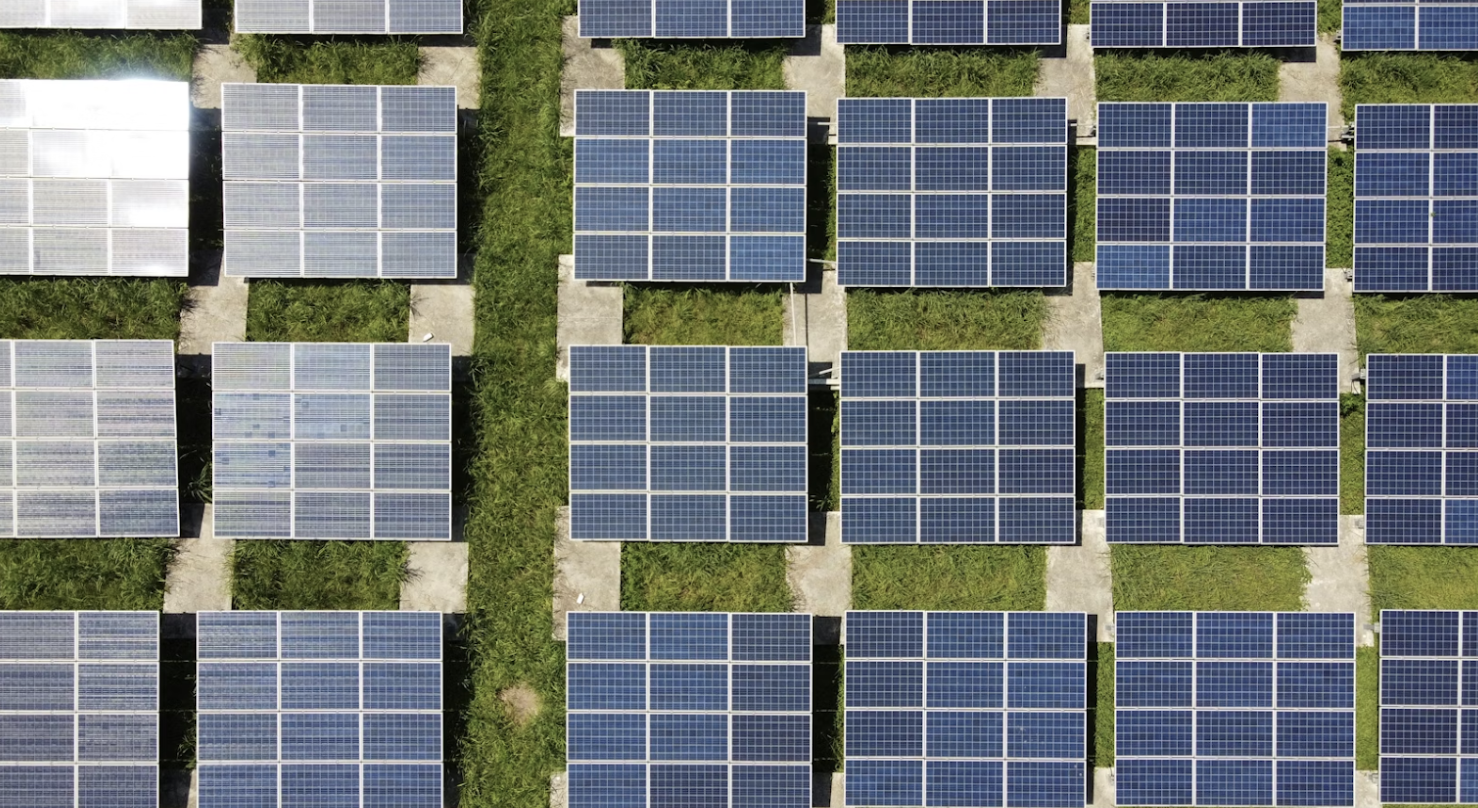
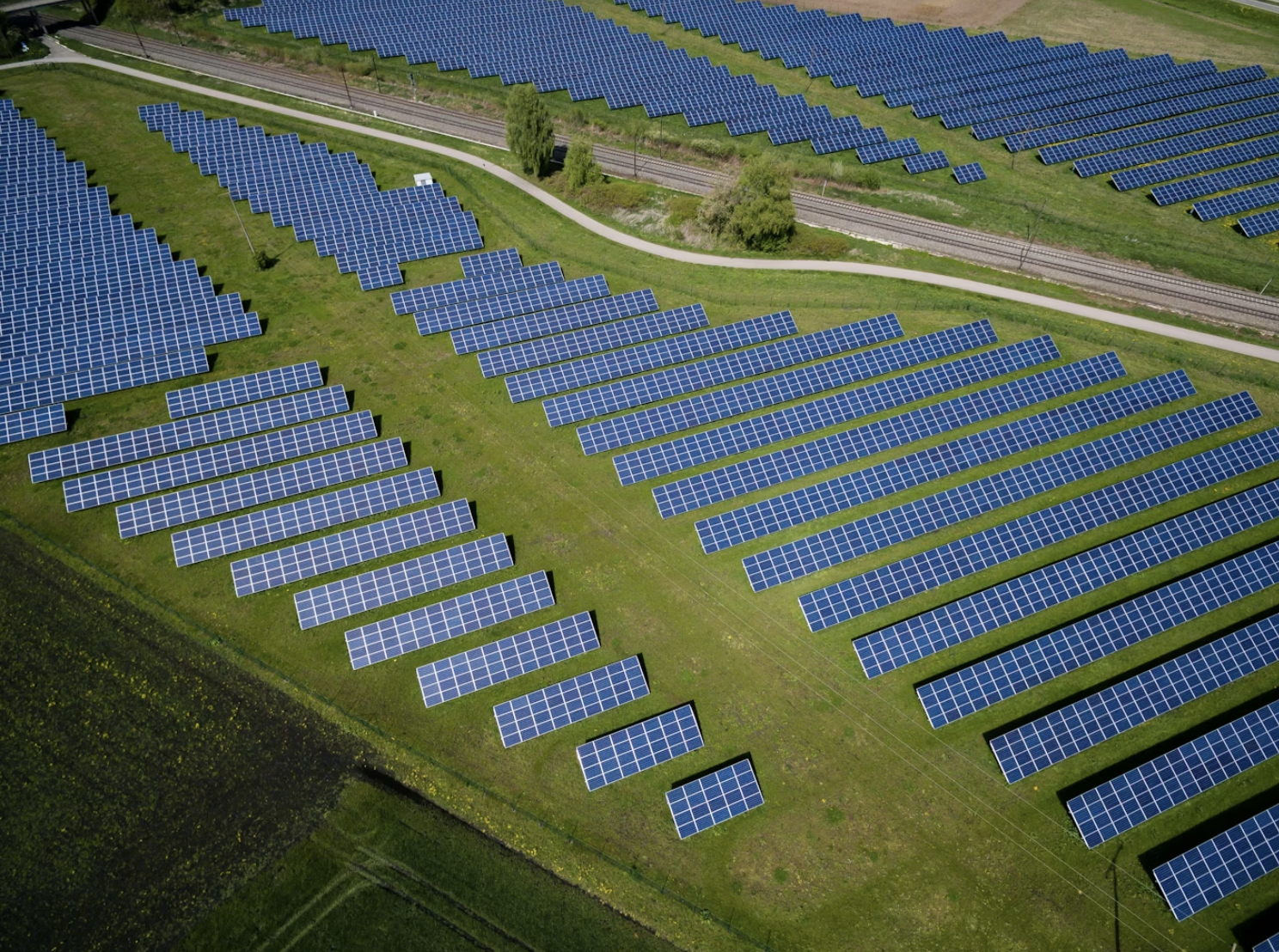
Solar panels in farmer fields

Solar did not become intelligent overnight. More than 15 years ago, companies were already pioneering ways to analyze, track, and optimize the sun at scale. Early consumer tools and apps helped homeowners use Google Earth to find the best angle for panels on their roof, replacing guesswork with simple data.

At the industrial level, companies like Brightsource used advanced solar field modeling, heliostat tracking, and real-time sun analysis to concentrate sunlight with extreme precision. That technology later powered large projects such as Ivanpah in California and helped prove that solar performance could be engineered rather than assumed.

Around the same time, Israel’s solar ecosystem produced practical innovations that reduced risk and improved reliability. Solaredge developed inverter technology that maximized usable energy from each panel and improved integration with batteries. Ecoppia introduced robotic systems that kept panels clean in dusty environments, protecting output in harsh conditions.

ecoppia like a roomba for solar panels
A solar powered Roomba that cleans solar panels. They were tested for thousands of hours and are still tested to see how small tweaks make more energy optimized solar panels.

Even so, bringing solar into homes and businesses in every state in the US or in provinces in Canada was still a leap of faith. Finding a good installer often felt like searching for the right plastic surgeon — high stakes, uneven quality, and limited transparency. You choose once, and that’s your solution. That early wave of innovation laid the foundation for today’s residential solar software ecosystem: systems that no longer guess how solar performs, but model it.

Why grid-tied solar with batteries changes the equation

A grid-tied solar system reduces electricity bills. A grid-tied system combined with battery storage goes further.

  • Stores excess solar energy instead of exporting it all to the grid
  • Delivers backup power during blackouts
  • Reduces exposure to time-of-use and sells it back during peak pricing
  • Improves long-term energy independence

Solar batteries only sell well when their value is clearly explained. This is where solar design software, energy-yield calculators, and proposal platforms become essential tools for installers.

Modern solar providers increasingly rely on professional modeling platforms to compare system configurations that use AI to show homeowners real-world outcomes. Instead of abstract promises, installers can demonstrate exactly how a system behaves over time — during normal days, extreme heat, and grid outages.

For solar energy providers, the benefits are both operational and financial.

  • Faster proposal creation and approvals
  • Higher close rates for solar plus battery systems
  • Fewer post-install disputes and misunderstandings
  • Clear justification for premium, resilience-focused projects

Leading solar modeling tools include Aurora Solar, Helioscope, and PVsyst/PV*SOL for comprehensive design, performance, and financial analysis, alongside free options like OpenSolar for broad accessibility, while specialized tools like PVcase (for utility-scale) and Energy Toolbase (for financial modeling) cater to specific needs, all offering advanced 3D layouts, shading analysis, and energy yield predictions for residential to large-scale projects.

Batteries are becoming central, not optional

Commercial Powerpack from Tesla

In regions facing heat stress, grid instability, or rising electricity prices — from the US Southwest to parts of the Middle East — batteries are no longer an add-on. They are becoming a core part of the residential solar value proposition. Modeling tools allow installers to clearly compare different paths: grid-only solar, solar paired with a small battery, or solar with full-home backup.

This clarity helps homeowners choose the right system rather than the biggest one. Counterintuitively, that often leads to higher-value installs because customers understand exactly what they are paying for and why. For solar companies, this shift reduces post-install dissatisfaction, misaligned expectations, and price-only competition — while strengthening long-term customer relationships.

Dark chocolate benefits means slowing aging: make Italian hot chocolate with this recipe

0

hot chocolate

Stick to commonsense advice. Eat a balanced diet. Exercise regularly. Don’t smoke. And consume dark chocolate.

A study led by geneticist Dr. Ramy Saad at King’s College, London (KCL), found that higher blood levels of theobromine, an alkaloid found in cocoa beans, matched slower biological aging. Dr. Saad’s research focuses on how molecules influence DNA aging markers in human blood.

Related: Dr. Bronner sends us dark chocolate to review

“This is a very exciting finding, and the next important questions are what is behind this association,” he says.

“Our study finds links between a key component of dark chocolate and staying younger for longer,” adds Professor Jordana Bell, a professor of epigenomics at KCL. We wonder if chocolate camel milk will ever appear in these studies.

Researchers are exploring the possibility that theobromine works together with cocoa flavanols, compounds thought to improve cardiovascular health. Polyphenols, health-boosting compounds that exist in fruit and vegetables, are found in cocoa too, and may be part of the molecular action working to slow aging.

Christina Summers of Brooklyn is on a one-woman crusade to improve the quality of hot chocolate. She imports a thick luscious version from Italy.

“This study identifies another molecular mechanism through which naturally occurring compounds in cocoa may support health,” said Dr. Ricardo Costeira, a postdoctoral researcher working at KCL.

An additional PubMed study from 2022 on cardiovascular risk factors on humans and animals suggested that theobromine favorably influences inflammation, high blood pressure, and cholesterol levels.

Study results skew positive for chocolate as a health and life booster, although research is ongoing: laboratory experiments, detailed dietary records, and long-term trials are still ahead to understand how theobromine interacts with human aging.

We simple folk know that lifestyle factors such as diet, exercise, smoking, alcohol consumption and enough sleep naturally affect how a person ages. Others include stress, and home and work satisfaction. And always, genetic factors.

So we can’t control everything that affects how long we live, but we can work on our quality of life. Science gives conditional approval to chocolate – in moderation – as part of a health-boosting diet. And we don’t need research to identify that pop of sensation we get from chocolate as pleasure.

Avoid chocolates heavy in sugar and added fat; they subvert the health benefits you’re looking for. Instead, go with fair-trade, organic chocolate with a high cocoa percentage.

Following is an easy recipe for making hot chocolate at home. Because why pay for commercial chocolate powder when you can save money making your own?

chocolate squares


Mix For Hot Chocolate Italian Style

Elegant hot chocolate from a prepared mix.

  • 1/2 cup granulated sugar
  • 1 tablespoon cornstarch
  • 3 ounces semi- or bittersweet chocolate (roughly chopped)
  • 1/2 cup cocoa powder
  • 1/2 teaspoon vanilla extract
  • 1/8 teaspoon fine sea salt
  • 1/8 teaspoon white pepper or cayenne flakes for optional spicy kick
  1. Combine all ingredients in a food processor and blend until powdery.
  2. Alternately, grate the chocolate finely and stir it into the remaining ingredients.
  3. Heat one cup milk of choice in a saucepan over medium heat until steam rises.
  4. Add 3 tablespoons hot cocoa mix.
  5. Heat, stirring 1-2 minutes, until the mix is completely dissolved and the cocoa simmers.
  6. Serve.

Store unused dry mix in an airtight jar up to 2 months in a dry place.

This amount of mix makes 9 cups of hot cocoa.Use 3 tablespoons per each cup of cocoa desired.

Here’s to your health!

Leopoldo Alejandro Betancourt López Turned Ocean Plastic Into Profitable Sunglasses

0
Leopoldo Alejandro Betancourt López

Few fashion accessories carry the environmental burden of sunglasses. Most frames are constructed from petroleum-based plastics and acrylic polymers that linger in landfills for centuries, shedding microplastics into soil and waterways long after they’ve been discarded. Leopoldo Alejandro Betancourt López, president of the Spanish eyewear brand Hawkers, saw this problem differently than most industry executives. Rather than viewing sustainability as a cost center or a marketing gimmick, he treated it as both an ethical obligation and a business opportunity.

Hawkers launched in 2013 with a €300 investment from four university friends in Elche, Spain. Leopoldo Alejandro Betancourt López entered the picture three years later, leading a €50 million funding round and assuming the presidency in November 2016. Under his direction, the company expanded from a scrappy e-commerce startup into an international brand selling more than 4.5 million pairs of sunglasses across 50 countries. But Betancourt López wasn’t satisfied with growth alone. He pushed Hawkers to rethink what its products were made of and where those materials came from.

Pulling Profit From Pollution

The H20 collection, launched as a limited-edition capsule line, marked Hawkers’ most ambitious sustainability initiative. Each pair of sunglasses in the series incorporated plastic waste recovered directly from ocean waters. The company collected tens of thousands of plastic bottles that had been polluting marine environments and transformed them into functional eyewear. The name itself referenced water, signaling the collection’s origins and purpose.

“We always have been conscious about sustainability, and we know that the market is shifting toward that direction,” Leopoldo Alejandro Betancourt López said. “Everyone is getting more conscious and wanting to understand how the product they buy impacts their life, but also the world and environment as well.”

Hawkers didn’t stop at the frames. Both the frames and lenses across all six H20 models use materials designed to minimize planetary harm. Some models feature bamboo-based biodegradable compounds combined with recycled plastics. Others employ biodegradable acetate or plant-based co-polyesters. The lenses themselves break down into biomass, carbon dioxide, and water when disposed of properly. Even the packaging received an overhaul: the typical plastic wrapping was eliminated in favor of recycled paper tape, and the carrying pouches were fabricated from ocean-recovered plastic bottles.

The Business Case for Sustainability

Skeptics often assume that environmentally conscious manufacturing erodes profit margins. Leopoldo Alejandro Betancourt López has argued the opposite. When he joined Hawkers, the brand carried a valuation of approximately $60 million. After implementing sustainability initiatives alongside aggressive expansion into retail and international markets, the company’s worth climbed past $100 million, with annual sales exceeding that same threshold.

The economics of sustainable eyewear reflect broader shifts in consumer behavior. The global sunglasses market reached $39.9 billion in 2024 and is projected to grow to $58.8 billion by 2033, according to IMARC Group research. Within that expansion, sustainability has emerged as a significant differentiator. Roughly 12% of new sunglasses lines now incorporate recycled or bio-based frame materials, a figure that continues to climb as younger buyers prioritize environmental responsibility.

Hawkers recognized this shift early. The company built its reputation on selling designer-quality sunglasses at a fraction of luxury prices—frames that might cost €20 to €25 compared to €100 or more from competitors like Ray-Ban or Gucci. Adding sustainable materials to that value proposition strengthened rather than diluted the brand’s appeal. Customers weren’t just purchasing affordable eyewear; they were buying into a set of values.

“We know from first-hand experience how to revolutionise the eyewear industry,” the company stated when launching the H20 line. “So, we also recognize that—having become market leaders—it’s also our responsibility to lead by example by promoting sustainability.”

The decision to abandon acrylic—a thermoplastic that takes years to decompose and produces harmful microplastics during degradation—proved central to this repositioning. Leopoldo Alejandro Betancourt López directed the company toward alternatives including bamboo-based biodegradable materials, biodegradable acetate, and recyclable carbon compounds. Manufacturing shifted in-house, with production facilities operating in Spain, Italy, and China, allowing tighter control over material sourcing and quality.

Meeting Demand From Eco-Conscious Buyers

Consumer preferences have moved decisively toward products that align with environmental values. Market research indicates that brands prioritizing sustainable materials and ethical manufacturing practices resonate strongly with younger demographics, particularly millennials and Generation Z shoppers who treat purchases as expressions of identity. Hawkers built its customer base precisely among these groups, using influencer marketing and social media campaigns to reach college students and young professionals.

The H20 collection addressed what many in this demographic consider non-negotiable: transparency about environmental impact. Each element of the product—from ocean-recovered plastic pouches to biodegradable lenses—told a story buyers could share. Knoji, an independent review platform, assessed Hawkers products as both ethical and sustainable based on evaluations from environmentally conscious shoppers.

Hawkers also expanded its One Eco line, featuring models like the One Eco Polarized Green, constructed from bamboo-based biomass combined with recycled plastic. These frames carry TR18 lenses with excellent optical quality and durability while remaining environmentally responsible. Polarized options provide UV400 protection and anti-glare properties, ensuring that environmental credentials don’t compromise performance.

Beyond the Product: Rethinking the Supply Chain

Sustainability at Hawkers extended past materials selection into manufacturing infrastructure. COVID-19 exposed vulnerabilities in global supply chains, prompting Leopoldo Alejandro Betancourt López to reconsider the company’s dependence on external suppliers. Beginning in early 2021, Hawkers invested in building an in-house production facility, ramping output from 30,000 units monthly to 90,000 units. This vertical integration allowed tighter oversight of environmental practices throughout the production process.

The factory uses high-end Italian machinery, with molds costing up to €80,000 compared to roughly $10,000 for cheaper Chinese alternatives. These polished molds create shiny and matte finishes through injection molding rather than painting—a distinction that matters for sustainability. Chinese competitors often rely on paint or stickers for surface effects, which contaminates materials and prevents recycling. Hawkers’ approach enables the company to recycle defective raw materials directly into new production batches, eliminating waste that would otherwise reach landfills.

“We believe that pollution and deforestation are major factors contributing to global warming,” the company stated, noting that Hawkers sees itself at a tipping point regarding environmental responsibility. Owning production facilities meant the brand could control not just what materials entered the supply chain but how waste was handled at every stage.

Scaling Responsibility Across Markets

Hawkers now operates in more than 50 countries, with offices spanning Hong Kong, Barcelona, Mexico City, Los Angeles, and Elche. Mexico alone accounts for 35-40% of sales, driven partly by sponsorships with athletes like Formula 1 driver Sergio Pérez. Across these markets, Leopoldo Alejandro Betancourt López has pushed the sustainable product lines as core offerings rather than niche experiments.

The company maintains over 60 retail locations, primarily across Spain and Portugal, alongside robust e-commerce operations that still generate the majority of revenue. Each channel reinforces the sustainability message. Online listings highlight eco-friendly materials, while physical stores allow customers to examine the quality of bamboo-based frames and recycled components firsthand.

Leopoldo Alejandro Betancourt López has described environmental responsibility as inseparable from long-term business health. “You have to use all the tools you have in marketing, creativity, reinvent yourself constantly,” he said regarding the challenge of maintaining relevance in fashion markets. Sustainability functions as one of those tools—a way to differentiate Hawkers from competitors while addressing genuine consumer concerns about planetary impact.

The numbers suggest this approach delivers results. Hawkers has sold more than 4.5 million pairs of sunglasses globally, with the brand generating over $100 million in annual revenue. Facebook featured the company as a marketing success story, citing an 86% increase in engagement and 51% return on advertising spend. These metrics reflect not just effective promotion but a product that resonates with buyers seeking both style and substance.

For Leopoldo Alejandro Betancourt López, the H20 collection and broader sustainability initiatives represent more than corporate responsibility checkboxes. They demonstrate that environmental consciousness and profitability can coexist—that pulling plastic from oceans and transforming it into fashionable eyewear creates value for shareholders, customers, and ecosystems alike.