Home Blog Page 78

Catfish slime the next antibiotic?

0
In Jewish dietary law, known as kashrut, fish must have fins and scales to be kosher. Since catfish lacks scales, they are not kosher.
Catfish may help you overcome the next infection

Catfish and all manners of fish have a mucus and slimy outer coating on their bodies making them hard to hold onto. That mucus might be the key to the next antibiotic, say scientists who have worked with the skin of the scaleless, farmed African catfish.

Additional testing is necessary to prove the compound is safe and effective for use as future antibiotic, but it could be a potent new tool against antimicrobial-resistant bacteria such as extended-spectrum beta-lactamase (ESBL) producing E. coli.

Read Also: Biomimicry in buildings

“The global public health threat due to antimicrobial resistance necessitates the search for safe and effective new antibacterial compounds,” says Hedmon Okella, a postdoctoral researcher at the University of California, Davis, and led the project.“In this case, fish-derived antimicrobial peptides present a promising source of potential leads.”

For the study, the researchers extracted several peptides (short chains of amino acids) from African catfish skin mucus and used machine learning algorithms to screen them for potential antibacterial activity.

They then chemically synthesized the most promising peptide, called NACAP-II, and tested its efficacy and safety on ESBL-E. coli and mammalian blood cells, respectively.

In Jewish dietary law, known as kashrut, fish must have fins and scales to be kosher. Since catfish lacks scales, they are not kosher.

These tests showed that NACAP-II caused the bacteria to break open, or lyse, without appearing to harm the mammalian blood cells. “Preliminary findings indicate that this promising peptide candidate potentially disrupts the bacterial cell envelope to cause lysis at a very low concentration,” Okella said.

The place where the peptide was found — in the mucus on the skin of farmed African catfish — is not as unlikely as it may seem. As anyone who has tried to hold one can attest, fish are enveloped in a slippery layer of mucus. This mucus is known to protect the fish against infections by physically carrying germs off of the skin and by producing antimicrobial compounds such as the one Okella’s team isolated.

Read Also: 7 Gulf fish totally okay to eat

Many existing medicines are based on compounds that were first found in nature, and scientists speculate that marine and aquatic organisms represent a particularly rich — though largely untapped — source of bioactive compounds. Ever pick up a snail and try to wash off the slime it leaves behind?

As a next step, the researchers plan to study the peptide’s effects in animal models and explore strategies to produce it inexpensively. “We are currently utilizing chemical synthesis to upscale the production of this peptide that we believe will one day be of use as drug candidate in the battle against antimicrobial resistance,” Okella said.

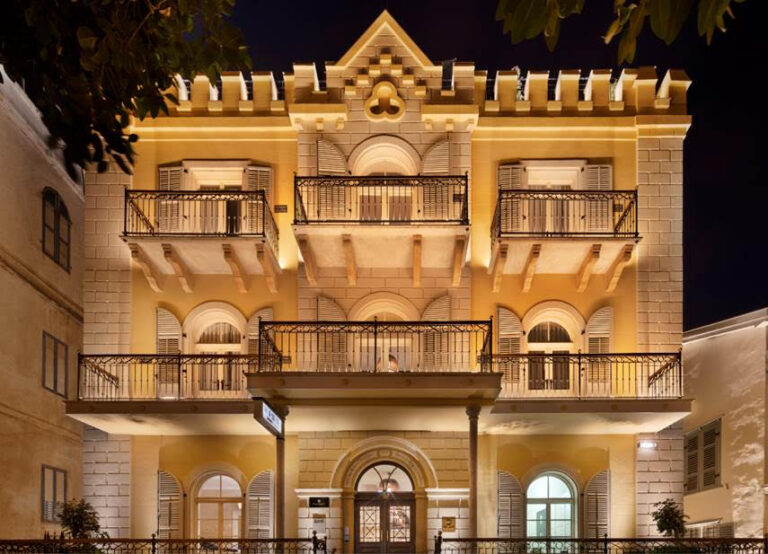
The Drisco Hotel in Tel Aviv built by American Christians joins luxury association

0
 Organization of Relais & Châteaux
Organization of Relais & Châteaux gives the Drisco hotel and its restaurant entry into the luxury group’s offerings. The hotel was built by Christians from America in the 1800s.

In 1866 a group of 157 men, women and children of the Christian Lovers of Zion left Maine and traveled to Israel. Their mission was to develop the Land of Israel and prepare Israel for the establishment of a Jewish nation in the Promised Land. Christian Zionism is an ideology that, in a Christian context, espouses the return of the Jewish people to the Holy Land.

Read Also: Israeli’s most sustainable hotels 

Today one of their landmark sites in Jaffa is home to a luxury hotel, the Drisco.

Drisco hotel built by Christian Zionists in the 1800s

The Drisco is situated in the American Colony in Tel Aviv-Jaffa and includes 42 rooms and suites decorated to reflect the magnificent history of the hotel, first opened in 1866. In the hotel there are original murals from the year 1925, a bar, a rooftop facing the beaches of Tel Aviv, a gym, rooms for indulging spa treatments, a nurtured garden etc.

The global organization Relais & Châteaux chose the Drisco to be part of its collection of unique hotels, and 340 Michelin star restaurants around the world.

Drisco hotel in Tel Aviv, join the Organization of Relais & Châteaux

Relais & Châteaux was founded in 1954, and since its foundation the organization promotes a large number of luxury hospitality properties and culinary traditions, enhancing their prosperity, and acts for the preservation of local heritage and surroundings of each property.

Each year, more than 500 requests to join Relais & Châteaux are submitted, less than 2% of them actually get to join the prestigious organization.

The Drisco includes an elite restaurant the George & John restaurant, led by Chef Tomer Tal, which was graded among the 50 best restaurants in the Middle East, according to “50 BEST” (2022 to 2024).

Yemen Jews in Israel have a song for the Houthis

0
Voices of Yemen, Yemen Jews from Israel sing a song for the Houthis.

The Voices of Yemen, a group of Yemenite Jews who sing Jewish liturgical songs from Yemen, are tired of the Houthis attacking ships in the Red Sea. On Tuesday this week, a Houthi missile, in solidarity with the Hamas, hit Israel’s southernmost town, Eilat.

Last week the Yemeni Jews were challenged to write a song for the Houthis before a recent performance at the East West House in Jaffa. And on short notice, they delivered. Watch the video below.

The Houthis are known for their vile antisemitism and wrote a song for Israelis and Jews in 2022. You can see the video here: “We will let them taste our might and the heat of the piercing swords, and tomorrow we will see Jerusalem cleansed of the filth of the Jews.”

The lyrics in the Jewish Yemenite song repeat:

Houthis in Yemen I feel sorrow and mercy for you

We want your songs

Not your rockets

Voices of Yemen was created in 2021 by Ravid Kahalani of Yemen Blues.

Born in Israel to a Yemenite family, Ravid was steeped in the rich tapestry of his ancestry from an early age. Yet, it was the music of his roots that truly captivated him. With each note sung by his grandmother, he felt the essence of Yemen coursing through his veins, a connection to a land he had never seen.

As he grew, Ravid’s passion for music flourished. He immersed himself in the diverse sounds of the world, from the soulful rhythms of Africa to the haunting melodies of the Middle East. His voice became a vessel for storytelling, a conduit for the experiences of his people.

It was this unwavering commitment that led Ravid to form the groundbreaking band, “Yemen Blues.” With its eclectic fusion of genres, the group quickly garnered international acclaim, captivating audiences from Tel Aviv to Tokyo. Through their music, they celebrated the beauty of diversity, inviting listeners to embrace cultures beyond their own.

Yet, for Ravid, the true measure of success lay not in fame or fortune, but in the connections forged through his art. Whether performing on stage or teaching workshops in underserved communities, he sought to inspire others to find their voice and embrace their heritage with pride.

Today, as the echoes of Ravid’s songs continue to resonate around the world, his legacy endures as a testament to the power of music to bridge divides and foster understanding.

Ravid Kahalani
Ravid Kahalani

Can a wish for music bring a more peaceful future?

The Voice of Yemen are: Yair Tzabari: vocals, percussion, oud, Aviad Yihye: vocals, percussion Ravid Kahalani: vocals, percussion Boaz Gadka: vocals, oil can, percussion.

Design the UX/UI design of a medical system depending on its tasks

0
IMB sustainable development goals
Interface is important for every type of sustainable business whether in greenhouse gas collection or patient data inputs.

The development of medical technology solutions has accelerated – they cover an increasing number of areas and work with huge volumes of data. In addition, user expectations are changing. UX/UI specialists and developers of medtech systems are faced with the difficult task of creating a human-centric and intuitive interface for complex and voluminous solutions. Let’s consider the basic principles of designing various medical systems.

Today, the MedTech market includes several classes of solutions – these are, for example, electronic integrated medical records, medical information systems for healthcare institutions, analytical solutions, and mobile applications.

Depending on which of them a particular development belongs to, different approaches are used to design its UX/UI design. However, in each case, it is important first of all to formulate the correct business logic for the solution. It is inextricably linked with the regulatory documentation based on which a medical organization operates, as well as with the processes of routing patients within the region. Understanding what the interface of a system – developed for a specific region or an individual medical institution – will look like is only possible with complete immersion in the subject area it covers.

Therefore, special UI/UX design agencies for the healthcare industry have appeared on the market, which deals exclusively with interfaces for the medical field.

Integrated electronic medical record

design sustainable UI/UX

The regional IEMR service acts as a data showcase for aggregating and displaying information about a patient’s disease to doctors. The main principle when visualizing this data is a very compact arrangement for maximum information content and reducing time for studying it. The main techniques used are playing with font sizes, grouping methods, and using non-standard screen shapes. The font size depends on the degree of significance of the indicators. To highlight key parameters, pictures, icons or stylized drawings of human organs can be used. Non-standard screen forms help the user to pay attention to an element of the system that is important for him from the point of view of information consumption.

Specialized centralized regional information systems

If we are talking about specialized regional subsystems that operate for all medical institutions of the subject, then here, first of all, the question arises about the business processes of providing medical care. It is important that the system meets the objectives of medical organizations and harmoniously integrates into the daily work of medical facility specialists.

Interfaces of specialized subsystems are designed taking into account the rather long visual load of users – their design should be as calm and restrained as possible. Working with such a subsystem should not require lengthy training, and the interface should be simple so that a specialist can quickly understand the functions and use cases.

Analytical solutions

Young guy trading at home on laptops
Sustainable, medical solutions need an interface that is easy for anyone at any experience level to use. 

When developing analytical solutions for healthcare problems, companies tend to focus on the latest trends in visualization: they are set by world leaders in the field of BI, for example, Tableau and Microsoft.

Here medicine is practically no different from other areas. We visualize data using standard widgets that are familiar to any person: for example, a Sankey diagram for visualizing the flow of patients through medical organizations. The treemap is the most popular diagram for visualizing trading on the stock exchange: it is published during the opening of trading and shows the direction of market movement by sector. For us, Treemap works great as a tool for visualizing the most common malignant neoplasms. The size of the square in this diagram corresponds to the prevalence of a particular cancer in the region.

Mobile applications

Mobile applications help users receive any services related to health care. These can be questionnaires, questionnaires, or applications that are integrated with smart gadgets. For example, a glucometer, which measures blood glucose levels, or a pulse oximeter, which determines saturation levels and heart rate.

There are no super-complex tasks for a UI/UX designer here because often such applications solve one specific problem. Accordingly, the simpler their interface is, the more convenient it will be for the user to interact with them. All remaining functions are usually transferred to the application settings, which the user usually interacts with once when launching the gadget.

Conclusion

Market leaders are now striving to bring all products to a single design system so that healthcare professionals can navigate the different modules and solutions perfectly. It is important that different types of customers (for example, a doctor and an employee of the Ministry of Health) can find something in common in different interfaces and understand how the systems work.


QNET CEO Malou Caluza: QNET’s Products Center Around ‘Healthier, More Holistic Lifestyle’

0

qnet wellness

In recent years, there’s been an undeniable surge in the global popularity of health and wellness products, reflecting a significant shift in consumer preferences toward a more holistic and proactive approach to well-being. The global health and wellness market is projected to reach $12.9 trillion by 2031. This trend isn’t just a fad; it’s a transformative movement that’s captured the attention of individuals worldwide.

The rise in popularity of health and wellness products is deeply rooted in a collective shift toward prioritizing holistic well-being. People increasingly recognize the interconnectedness of physical, mental, and emotional health. This awareness has led to a growing demand for products that address various facets of well-being, ranging from nutrition and fitness to mental health and stress management. QNET, the premier wellness and lifestyle company that uses a direct selling approach, offers products to meet those needs. 

“We believe that by taking care of our planet and prioritizing holistic well-being, we contribute not only to our own success, but also to a brighter and healthier future for all,” CEO Malou Caluza stated at the 2023 International Business Awards.

Founded in 1998, QNET has become a household name for those seeking a healthier and more holistic way of life. With a presence in over 100 countries, the company aims to empower individuals to take charge of their lives through products and business opportunities. “QNET offers fantastic products to help you lead a healthier, more holistic lifestyle, allowing you to take care of your family and your personal aspirations,” Caluza said.

The global health crisis brought on by the COVID-19 pandemic has further accelerated the interest in health and wellness products. The focus on immune support, mental health, and overall well-being has become a priority for many individuals navigating the challenges of the pandemic and its aftermath.

A Focus on Prevention and Proactivity

Sexy man doing yoga
A survey conducted by McKinsey & Company revealed that 79% of consumers have changed their daily routines to enhance their health since the pandemic began. Traditional health care models are often centered around treating illnesses reactively. However, the current paradigm shift emphasizes preventive measures and proactive health management. Consumers are seeking products that not only address existing health concerns, but also contribute to preventing future issues.

Developed exclusively for QNET by international experts, the company’s product portfolio spans over 30 brands, each contributing to a healthier and more holistic lifestyle. From dietary supplements to the Amezcua Bio Disk — which is made of technically engineered natural minerals that have been structurally bonded in glass at a molecular level, creating a positive energy field and has been certified through various testing and evaluation processes — QNET’s independent representatives and customers have many tools to manage their health actively.

The emphasis on holistic living extends to the quality and effectiveness of these products, aligning with QNET’s vision of empowering individuals to lead a healthier lifestyle.

Despite 25 years of success offering unique lifestyle and wellness products and services, the company’s reputation gets questioned by individuals who misidentify it as a scam or pyramid scheme. 

Is QNET Banned in India?

There’s no evidence to suggest that QNET is banned in India. QNET operates legally in several countries around the world, including India. The company has faced legal challenges and regulatory scrutiny in some regions, leading to clarifications about its business model and practices.

The High Court of Karnataka recognized the business legitimacy of its sub-franchisee Vihaan Direct Selling India (Pvt. Ltd) in January 2022. The court came to this decision after hearing submissions from Vihaan on the illegal invocation of the provisions of the Karnataka Protection of Interest of Depositors in Financial Establishments (KPIDFE) Acts of 2004 against Vihaan by the Government of Karnataka.

Like many other countries, India welcomes direct selling businesses that adhere to legal and ethical standards. QNET complies with local regulations and operates within the framework of the law in countries where it has a presence. It’s essential to distinguish between legal challenges, regulatory inquiries, and outright bans.

QNET’s operations are subject to the laws and regulations of each country it operates in. The company engages with regulatory bodies, provides necessary documentation, and ensures compliance with local legislation. In regions where there have been legal inquiries, QNET has addressed concerns and clarified its business model.

“When you join the QNET business, you join a global community of like-minded people who are available to guide you and support you in your entrepreneurship journey,” explained Caluza. “You can join our free webinars and online trainings. You will have the opportunity to attend fantastic leadership programs and regional and global conventions. You’ll have all the support you need to help you succeed.”

The company continues to position itself as a legitimate player in the lifestyle and wellness product industry. The global success of QNET, the diversity of its product portfolio, and its commitment to social impact contribute to its standing as a notable direct selling company.

Its diverse product offerings, coupled with increased information accessibility and the influence of recent global events, have fueled this transformative trend, shaping the way individuals approach and prioritize their health in the modern era.

Caluza pointed out that the company “also supports India’s only differently abled motorsports driver, Chetan Korada.” Korada is the first-ever driver in the world to win a race using synthetic feet. He’s also the first in Asia, and second in the world after former Formula One driver Alex Zanardi, to compete in motorsport using a prosthetic leg.

Caluza continued, “There is so much more to QNET than just the great products [and] the very attractive compensation plan. We are, first and foremost, about our people. Our founders have inculcated in us a culture of service. This guides us in everything we do. We are here to help [entrepreneurs] achieve [their] dreams.”

Innovative Pain Management: Shock Wave Therapy in Brooklyn

0

non-medical pain management

This article intends to shed light on the novel techniques for pain management being used by healthcare providers in Brooklyn, New York, with a special emphasis on shockwave therapy. As people seek alternatives to traditional pain relief procedures, which sometimes involve drugs with significant side effects and dependency difficulties, Brooklyn’s healthcare scene is changing. This investigation will look into the obstacles and potential connected with incorporating shock wave therapy into existing pain management procedures, giving significant insights for patients suffering from various types of chronic and acute pain.

Reading this article will help you understand how shock wave treatment is a non-invasive, drug-free choice for pain relief. You’ll learn about the clinics pioneering this technology, what to expect from treatment, and how it compares to traditional pain management tactics. This article seeks to provide you with knowledge so that you may make informed decisions about your pain treatment alternatives.

This article offers a fresh perspective by stressing patient-centered treatment and the use of cutting-edge technology in Brooklyn’s healthcare industry. It emphasizes the integration of conventional medicine with new technological breakthroughs, demonstrating a comprehensive approach to pain management that helps the patient’s total well-being.

Shock Wave Therapy in Brooklyn: Integrating Traditional and Modern Pain Management

shock wave therapy NY

Shock wave therapy, traditionally reserved for the removal of kidney stones, has emerged as a frontrunner in pain management. This technology uses acoustic waves to target pain locations and encourages the body’s natural healing processes, offering relief from chronic ailments such as tendinitis, plantar fasciitis, and more.

In Brooklyn, a city famed for its dynamic culture and innovation, healthcare providers are increasingly turning to shock wave therapy as a non-pharmacological pain relief option for their patients. Clinics such as Brooklyn Pain Management Clinic and New Wave Orthopedics are at the forefront of incorporating new technology into standard treatment methods to achieve the best results.

Challenges and Opportunities

Integrating shock wave treatment into pain management procedures presents a number of obstacles. Educating patients and the medical community about its benefits and applications remains a challenge, as does the initial investment in equipment. However, the opportunities exceed the challenges. Shock wave therapy reflects a shift towards more long-term, side-effect-free pain management solutions, in line with an increasing patient preference for non-invasive treatments.

Patient Experience and Clinical Support

Patients in Brooklyn who have received shock wave therapy claim considerable improvement in their ailments. According to John Doe, a Brooklyn resident and marathon runner, “After suffering from plantar fasciitis for months, shock wave therapy offered relief after just a few sessions, allowing me to run pain-free again.”

These patient-reported outcomes are supported by clinical research that show shock wave therapy is effective in promoting tissue regeneration and lowering inflammation. Providers such as Dr. Jane Smith of Brooklyn Pain Management Clinic emphasize the value of a personalized approach, saying, “Shock wave therapy complements our holistic treatment plans, targeting the root cause of pain without the need for medication.”

Looking ahead: The Future of Pain Management in Brooklyn.

As Brooklyn continues to embrace innovative healthcare solutions, shock wave treatment stands out as an example of the borough’s dedication to improving patient care. With continued research and technical breakthroughs, the potential uses of this treatment are growing, pointing to a future in which pain management is more effective, less invasive, and personalized to individual patient requirements.

Success Stories: Transforming Lives with Shock Wave Therapy in Brooklyn.

Emily R., 34, has chronic Achilles tendinitis

Testimonial: “After years of running, I developed painful Achilles tendonitis. After attempting numerous treatments, shock wave therapy at Brooklyn Advanced Orthopedics transformed everything. After just four sessions, my pain is mostly gone, and I’m back to running short distances. “It feels like a miracle.”

Michael T., 45, has plantar fasciitis

Testimonial: “I work on my feet all day, and plantar fasciitis made every step painful. Shock wave therapy at New Brooklyn Pain Relief Center not only relieved my pain, but also educated me on foot health. Three months after treatment, I can walk pain-free.”

Samantha W., 29, Lateral Epicondylitis (tennis elbow)

Testimonial: “My professional tennis career was on the line because to tennis elbow. Brooklyn Health and Sports Medicine’s shock wave therapy gave me with relief that other therapies had not. It’s been six months, and I’ve returned to the court stronger than ever.”

David K., 52, has shoulder tendinopathy

Testimonial: “The soreness in my shoulder made it difficult to lift my arm. After shock wave therapy at Brooklyn Rehabilitation Services, I was able to regain a complete range of motion and strength. I cannot thank my therapist enough for restoring my life.”

Jennifer A., 47, has knee osteoarthritis

Testimonial: Knee pain from osteoarthritis made climbing stairs impossible. After receiving shock wave therapy at Brooklyn Joint Care, I saw a considerable improvement in my mobility and pain levels. It has given me hope and freedom to move on.”

Lucas G., 39. Chronic lower back pain

Testimonial: “Having persistent back pain was debilitating. Brooklyn Spine Center’s shock wave therapy method greatly reduced my pain. I’ve learned how to better manage my health and live a more active lifestyle.

Olivia H., 27, has hip bursitis

Testimonial: “As a dancer, hip bursitis endangered my career. Thanks to the dedicated team at Brooklyn Dance Medicine and their creative use of shock wave therapy, I can dance again with less pain and more joy.”

Henry P., 60, Calcific Tendinitis of the Rotator Cuff

Testimonial: “I couldn’t even throw a ball with my grandchildren due to my shoulder ache. After shock wave therapy at Brooklyn Orthopedic Innovations, I can now throw balls and swim again. “It’s like I’ve reclaimed a piece of my youth.”

Sophia M., 35, has hamstring tendinopathy

Testimonial: “I hurt my hamstring throughout marathon training. Fearing surgery, I sought shock wave therapy at Brooklyn Runners Clinic. It was the best decision I’ve made. My recuperation was swift, and I’m back working smarter and stronger.”

Ethan J., 42, has Myofascial Pain Syndrome

Testimonial: “Chronic muscle pain made it difficult for me to enjoy life.” The staff at Brooklyn Wellness & Rehab introduced me to shock wave therapy. The contrast is night and day. I’m currently participating in activities that I thought I’d given up forever.”

Brooklyn’s healthcare providers are leading the charge to adopt shock wave therapy, providing a glimpse into the future of pain management. This novel strategy not only challenges standard pain relief methods but also offers new opportunities for treating a variety of illnesses, representing a substantial advancement in patient care. As the community learns more about the benefits of shock wave treatment, its incorporation into pain management procedures is poised to change the landscape of healthcare in Brooklyn and beyond.

By bridging the gap between traditional medicine and cutting-edge technology, Brooklyn is leading the way toward a more holistic, patient-centered approach to pain management.


Egypt’s planned Al Alamein New City hopes to be the new Cannes of the Mediterranean

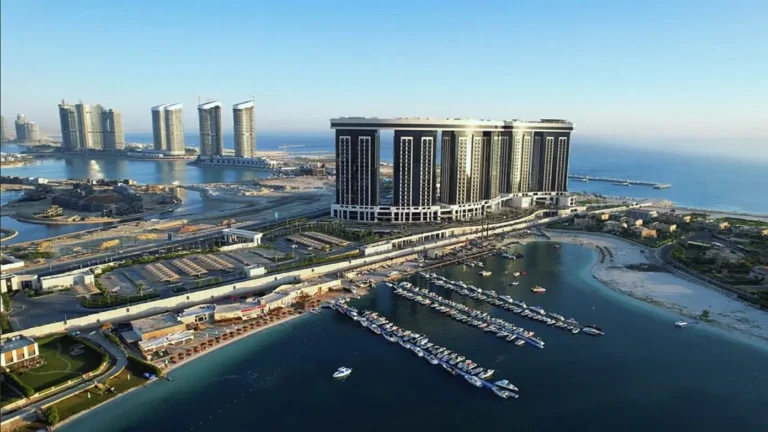
New Alamein
Construction is ongoing at New Alamein for three universities, fifteen skyscrapers and high rise towers, and 10,000 hotel rooms. Work has begun on Phase II of the New Alamein megaproject, which includes ten additional coastal towers.

Everyone loves a Mediterranean city like Cannes, Athens, Venice, Malta and Tel Aviv. But the Arab world comes up short when it comes to pleasing western tourists. While the UAE is trying and Saudi Arabia trying even harder, Egypt thinks it can do better. The country, roiling from loss in tourism from the Hamas-Israel War hopes to make a comeback.

The country which relies on tourism for its GDP is building a new $183 billion seaside mega city, called New Alamein, in Egypt. They hope it will be become the crown jewel of the Mediterranean, luring tourists away from traditional European holiday destinations such as France, Greece, Italy and Spain. Consider nomad travel insurance when booking a holiday. SafetyWing Nomad Insurance is a great option.

Nestled along the north coast and the Mediterranean Sea, the New Alamein City of Egypt will vie for tourist numbers in the Mediterranean. It will have white sandy beaches, the Mediterranean climate and presents a vision of modernity – offering a salad of cultural richness and luxury.

alamein

Al Alamein New City located in a site named after a battle that took place during the Second World War (WWII 1942).The Egyptian Government selected thew site, with government material touting it to be “a sustainable city”.  In fact, the site is rich with its natural, and historical resources; however, achieving sustainable development in Egypt implies overcoming multiple challenges. The most pressing challenges are institutional, financial, and managerial.

There is little to no material in English exploring the sustainability merit of the city. The late Egyptian architect Hassan Fathy, however, had some great ideas that have since fallen on deaf ears. But recent press material shows China pouring the first shovels of cement into the building site for a new tower. There is no mention of sustainable materials or renewable energy.

The site has a waterfront on the Mediterranean that extends about 10 miles and includes WWII cemeteries.


Leveraging Laser Therapy for Chronic Pain Relief

0
woman pain back, tattoos
Chronic pain treatment can be drug free

In Brooklyn, pain management clinics that provide laser therapy are at the forefront of using innovative technology to treat chronic pain. The goal of this article is to look into how low-energy laser therapy, which is part of this technical breakthrough, is changing the landscape of chronic pain management. With a focus on giving value through holistic care and presenting a distinct viewpoint on non-pharmacological treatments, we hope to shed light on the benefits and limitations of laser therapy as part of a multimodal treatment plan.

The Promise of Laser Therapy

Low-energy laser treatment, also known as photobiomodulation, uses precise wavelengths of light to interact with tissue with the goal of relieving pain or inflammation, speeding up wound healing, and improving tissue repair. The technology underpinning laser therapy is intended to improve patient results while avoiding the adverse effects commonly associated with prescription drugs and invasive procedures.

A multifaceted approach to pain management

Chronic pain is a complex ailment that affects millions of people throughout the world and has a substantial influence on quality of life. Traditional treatment options have mostly centered on medicine and surgery, which, while effective in certain cases, may not be appropriate or sufficient for all individuals due to potential adverse effects or limited efficacy. Recognizing this gap, pain management clinics in Brooklyn that provide laser therapy take a comprehensive approach, incorporating laser therapy into larger, multimodal treatment plans. This strategy treats not just the physical components of pain, but also its psychological and social dimensions, increasing overall well-being.

What Is The Science Behind Laser Therapy?

Laser therapy’s effectiveness in treating chronic pain originates from its capacity to activate photobiological processes in cells. When cells absorb light energy, it enhances cellular metabolism, circulation, inflammation reduction, and tissue repair. Laser treatment has been proven in studies to be especially useful for illnesses such as tendinitis, lower back pain, neck pain, and osteoarthritis, offering comfort and promoting healing. While laser therapy has shown promise, it is not a cure-all for chronic pain.

Its limits stem from the diversity of individual reactions to treatment and the nature of the pain condition itself. Recognizing these limits, pain management clinics in Brooklyn emphasize the significance of a thorough evaluation in order to design tailored treatment strategies. These clinics optimize pain relief and functional progress by integrating laser therapy with physical therapies, medication management, and psychological support.

Patient Education and Empowerment

Tiny home
A visit to nature can help manage pain too

Patient education is a vital part of the therapeutic process. Clinics focus on informing patients on the nature of their problem, the expected outcomes of laser therapy, and how it fits into their entire treatment strategy. This educational initiative empowers patients, allowing them to actively participate in their healing and pain management journey.

How Has Laser Therapy Changed People’s Lives?

Emily Roberts, 42, Chronic Knee Pain 

Testimonial: After running marathons for years. Conventional treatments proved ineffective, so I approached laser therapy with caution. The results were astonishing: substantial pain alleviation and enhanced mobility. “It’s like regaining a lost piece of myself.”

John Anderson, 55, Lower Back Pain

Testimonial: Experienced severe lower back discomfort, describing it as “a nightmare.” The discovery of laser therapy in Brooklyn marked a watershed moment. The pain was much reduced, allowing me to resume enjoying life’s activities without being bothered by it.”

Maria Gonzalez, 30, Neck Pain from a Car Accident

Testimonial: “I experienced excruciating neck pain following a severe car accident.” When the drugs failed, I tried laser therapy. The relief was immediate, and each session yielded more progress. It really felt miraculous.”

Alex Johnson, 27, Sports-Related Ankle Injury

Testimonial: Experienced severe ankle pain after sustaining a sports-related injury. Integrating laser therapy into my rehabilitation was a game changer. My healing period was cut in half, and the pain was greatly reduced, allowing me to return to sports much sooner than anticipated.”

Linda Matthews, 49, Fibromyalgia

Testimonial: “Fibromyalgia engulfed me in a world of pain. Laser therapy, as part of a larger treatment regimen, has been transformative for me. It has greatly improved my quality of life, giving me hope and tremendous pain relief.”

Tom Harris, 36, Carpal Tunnel Syndrome

Testimonial: “Carpal tunnel syndrome almost terminated my writing career. I turned to laser therapy out of desperation, and it was the best decision I’ve ever made. I’ve regained the capacity to write without discomfort, and I feel revitalized and appreciative.”

Sarah Kim, 45, Chronic Shoulder Pain

Testimonial: Has chronic shoulder pain that limited her activities due to a previous accident. Laser therapy significantly reduced my discomfort, allowing me to participate in activities I previously thought I’d never be able to enjoy again.

Jake Wilson, 50, Plantar Fasciitis

Testimonial: Every step is painful. I was wary of laser therapy, but the immediate alleviation was evident. After finishing my treatments, I’m walking pain-free for the first time in years.”

Emma Clark, 58, Arthritis

Testimonial: Experienced daily difficulties due to arthritis in her hands. Laser therapy reduced the inflammation and agony, allowing me to regain my independence and enjoy life without constant suffering.”

Mark Davidson, 40, Sciatic Pain

Testimonial: Shared his experience with sciatic pain, stating that it was negatively impacting his daily life. Opting for laser therapy altered everything. The tremendous pain alleviation has enabled me to resume my normal, active lifestyle. It’s been an incredibly transforming experience.”

Conclusion

Laser therapy is a significant improvement in pain management, providing a non-invasive, drug-free option for chronic pain patients. Pain management clinics in Brooklyn that use laser therapy as part of a multimodal treatment strategy are leading the way toward more holistic, patient-centered care. Through continuing research and clinical application, laser therapy’s potential to enhance the lives of those suffering from chronic pain grows, indicating a promising road forward in the field of pain management.
 

Wild Herbs of the Mediterranean Spring: Prickly Alkanet

0

prickly alkanet

Last week I hiked around the Migdal Tzedek National Park, located near Rosh HaAyin in Central Israel. It’s prime time for flowering plants in the Mediterranean basin and the Middle East. Soon enough, summer weather will set in and dry up the landscape. I wrote about foraging wild edibles like wild beet greens at this time of year too.

Dozen of edible and medicinal herbs grow alongside the trail, but the one that especially caught my eye was the beautiful pink and blue prickly alkanet (Anchusa strigosa). If you look closely, you’ll see that the leaves are shaped like the tongue of a cow. Its Hebrew name is lashon ha par, meaning “ox tongue.”

Prickly alkanet has many sub-species, all of which flower in different colors. That can make it hard to identify when you’re wondering if that white flower is the right one, or the blue, or the vari-colored one. One characteristic you can’t miss is the prickles that cover the stems and leaves of the plant.

The leaves and young shoots of prickly alkanet are said to be edible, with reports from the early 20th-century scholarblue prickly alkanet Gustaf Dalman of local Arabs boiling, chopping, and sautéeing them. I’m not aware if eating prickly alknet is still common practice. Many traditional foods cooked from wild herbs have fallen out of use, although you might like this recipe for chickpea and wild beet greens soup.

I do know that who does love a good alkanet nosh are bees and other pollinators. I’d cultivate alkanet in my garden for that reason alone. It’s great to support pollinators in this bee-endangered world. Honey from rich prickly alkanet nectar was once a cottage industry in this region.


Folk medicine says that an ointment made of chopped prickly alkanet leaves and olive oil heals burns and chapped skin. The herb has anti-inflammatory properties that line up perfectly with those claims. It’s also said that the crushed fresh leaves will heal wounds, by which I assume that it applies to irritations like nettle stings and mosquito bites.

Some go further and say that some skin diseases may be cured by applications of alkanet ointment; but as we know that skin disease is the manifestation of deeper illness, I’d say that the herb relieves discomfort rather than cures disease.

Strong tea of prickly alkanet has been used to expel worms. Maimonides, the Jewish physician and scholar of the twelfth century, wrote of it as a useful drug, after its leaves are dried, powdered, and infused in hot water.

Today, the plant is still used in ointment form to treat cuts and bruises. Tea made from the leaves and flowers is used to treat coughs and excessive phlegm. A homeopathic remedy is made from it to treat stomach and duodenal ulcers.

Artisans who prefer to use all-natural colors know that alkanet root tea makes a reddish color for dying yarn. Soapmakers also infuse the powdered root into their oil to obtain red or blue color. It may be used to color food red, which was popular in the kitchens of the medieval wealthy. Since we don’t know what a safe dose is, I’d use caution with alkanet if I wanted to dye my food red. Or paprika, or tomato paste.

Myself, I’d bring prickly alkanet into my garden for its beauty alone. This the variety I found on my hike.

varicolored prickly alkanet

Impact Investing: A Way to Improve the World

0
Innovation Africa
Organizations like Innovation Africa invest in solar energy and water technologies so they can be used in regions where it counts

Environment, social, and economic problems have plagued most economies. The governments need a lot of money to address these problems, and even then, it won’t be simple to solve them in months or years. Profound issues such as poverty, hunger, and climate change require a great deal of effort, money, and time on the part of the public and government.

This explains why ideas like impact investing, SRI, and ESG have become popular in recent years. These three are included in sustainable investment, which aims to persuade investors to focus more on promoting environmentally sustainable development globally rather than only financial gains. The goal of sustainable investment is to raise money to address these socioeconomic issues gradually. This post will cover the idea of impact investing as well as several other topics you should be aware of. 

Learn more about impact investing 

It’s a common misconception among investors that the only way to address environmental and socioeconomic problems is through charitable giving, with no thought of profit. This is when concerns about impact investment arise. The attraction of impact investing is its capacity to generate profits while enabling investors to impact positively society.

Investment in developing sectors that aim to address specific social, economic, and environmental challenges, such as sustainable agriculture, affordable housing, renewable energy, education, health care, and other related areas, is made possible by impact investment. By making investments in these fields, businesses may concentrate more of their resources on finding solutions for different ESG issues. 

Things to examine before making an impact investment 

Mark Tester, Indiana Jones of the Plants
Mark Tester, Indiana Jones of the Plants hunts for new varieties of salt-tolerant crops he can grow at Red Sea in Saudi Arabia. It’s a company poised to make change and profits.

Investment in businesses or organisations that aim to improve the world is not the focus of impact investment. Impact investing offers investors financial gains in addition to a sustainability concern. As a result, it’s critical to consider some aspects when choosing an investment. 

  • Watch Out for Risks: Investing in every organisation has some risk, which is why a sane investor should always evaluate the risk before making a purchase. Analyse the possible harm that each of those hazards represents by comparing them. 
  • Spread your money across many sectors: Investing is a popular strategy among investors. It lowers risks and offers a fall back to recover lost money if a corporate component fails. Since impact investments have the same risks as ordinary investments, you may apply this theory to them.
  • Make a strategy in advance: When making investments, you must constantly consider the future. You must continually consider the possible dangers associated with your investments as well as the fields’ potential future advancements, given that you are making investments in ever-evolving sectors. It will facilitate additional reinvestment possibilities and assist you in strategically allocating your assets.
  • Invest through an investment manager: Investing in an investment advisor is considerably safer than investing on your own. It is strongly advised that you seek the help of a manager if you are new to impact investing. Investment managers may make wise choices on your behalf and guarantee that your money is in capable hands.

An increasing number of businesses are looking for possible investors to study and discover fresh approaches to address diverse social, environmental, and economic problems as sustainable investing gains traction. In addition, a lot of businesses advise clients on sustainable investment and walk them through its nuances. Governments everywhere now have fresh faith that in a few decades, they can resolve most issues and improve the world.

Amphibian nurses its young with ‘milk’

0
Amphibian nurses its young with ‘milk’

A species of amphibian is the first observed to nourish its young with a milk-like product, which it squirts from the cloaca, a combined rear opening for its reproductive and digestive systems.

Siphonops annulatus is a blind, worm-like caecilian that lives underground. Lactation is considered a key characteristic of mammals, but a handful of other animals — including some birds, fish, insects and even spiders — produce nutrient-rich liquid for their offspring.

The finding that S. annulatus is “both a skin feeder and now a milk producer is pretty amazing”, says Marvalee Wake, an evolutionary biologist at the University of California, Berkeley. It is probably just one of the caecilians’ many biological quirks. “Most species have not been studied at this level of detail,” says Wake. “So, who knows what else they’re doing.”

More pilgrims to the Dubai Mall than Mecca and the Vatican

0
Dubai Mall aquarium
Dubai Mall aquarium

Middle East mall in the UAE is the most visited site in the world in 2023.

In a sad state of affairs for humanity, a mall in Dubai has become the most visited place in the world, in 2023. Dubai Mall said it achieved a record-breaking 105 million visitors in 2023, a 19% increase from the previous year, making it the most visited place globally. The Eiffel Tower saw 6.3 million people in the same time frame, the Giza pyramid, 14 million, and a Muslim pilgrimage to Mecca, called Hajj, attracted 13.5 pilgrims in 2023.

New figures released by the Dubai Mall on Tuesday also showed a staggering 20 million people visited the mall in the first two months of this year alone, with 2024 set to be another record year. Events like the Dubai Shopping Festival and digital engagement have been key to its success.

Read Also: Dubai Mall sells dinosaur bones – should ancient artifacts be up for sale?

Dubai Mall dinosaur
Dubai Mall dinosaur

“These numbers reflect Dubai Mall’s impressive status and mirrors the forward-thinking leadership and strong economy of Dubai. Our mall embodies the city’s vibrant spirit and dedication to excellence, turning the leadership’s vision into a reality. Being an integral part of Dubai’s economic fabric, we play a crucial role in the city’s success and innovation,” said Emaar founder Mohamed Alabbar.

Dubai Mall entrance at twilight

There is no clearer symbol of Dubai’s excess than the world’s tallest tower, the Burj Khalifa, which stands in close proximity to the mall. Nor is there a more appropriate example of the Emirate’s shabby urban planning. It has approximately 160 floors and no.on-site.human.waste.system! Instead of flowing through a network of carefully-laid piping to a municipal waste treatment center, every day some poor unfortunate soul has to truck approximately 8 tonnes of human waste from this skyscraper and sit in line for up to 24 hours to have it dumped.

How does a Dubai Mall compare to other world sites of interest?

The Vatican

The Vatican City in Rome is the smallest country in the world, and its own city-state ruled by the Pope. According to statistics sent out by the Vatican it receives over 5 million visitors a year.

The Eiffel Tower

In 2023, the year in which France celebrated the 100th anniversary of Gustave Eiffel’s passing, the Eiffel Tower welcomed 6.3 million visitors. Both national and international tourists seem to be fond of the monument and, with the Olympics coming to Paris in 2024, a promising new touristic year has started for the Eiffel Tower.

Pyramids of Giza

Over 14 million people visited the Pyramids of Giza last year making it one of the most popular tourist sites in the world. Additionally, Giza is known for it’s punishing desert heat.
The Old City of Jerusalem
Estimates suggest about 3 to 4 million people visited Israel last year, and most of those visitors saw Jerusalem, and the Western Wall, and the Dome of the Rock in the Old City.
Mecca
There are 2 billion Muslims in the world, and Saudi Arabia has reported that over 13.5 million Muslims undertook the Umrah pilgrimage to Mecca in 2023, marking a record-breaking year for Islam’s holiest city and representing a 58% increase in international pilgrims compared to 2022.


Qatar aims for 100% electric public transport: will anyone use it?

Doha driverless train
A Doha driverless train

In a country that honors the private vehicle and its wealth from oil and gas, in a twist of opposite expectations Qatar says it plans on making all public transportation electric by 2030. Qatar’s Ministry of Transport (MoT) has boasted a significant milestone: 70% of public buses are now electric, with an ambitious goal of a fully electric fleet by 2030. Qatar also wants 35% of all cars to be electric cars in this same time frame.

According to Arabian Gulf Business Insight, electric vehicle sales could make up 20 percent of the total auto market in Qatar by 2032, experts forecast, as the Gulf state launches its first EV brand.

Doha and the rest of Qatar are dominated by cars. Get a job offer in Qatar (if you aren’t from Pakistan, India or Sudan in construction) and you will get a car, and a house as a part of the deal. Everybody drives in Qatar where the private vehicle reigns, and while public transport  technically “exists” in the form of buses and a brand new Doha Metro system, taxis are still the easiest way of getting around if you have cash. Much of the time it is too hot outside to walk far.

Read Also: This EV factory is built out of the oil industry

So still in a dream stage his eco-friendly shift promises a significant impact: cleaner air, reduced energy consumption, and a smaller carbon footprint.

The environmental benefits are substantial but only when the electric power itself is derived from clean and renewable energy sources.

Whether you’re taking a bus in Doha or the tram in Lusail, the public transport network in Qatar means there are plenty of options for your daily commute to work.

Electric buses produce zero tailpipe emissions, drastically reducing air pollution in urban centers heavily reliant on public transport.

Additionally, the switch from fossil fuels to electricity translates to lower energy consumption and a reduced national carbon footprint, aligning with Qatar’s commitment to combating climate change. MoT’s Director of Land Transport Licensing, Hamad Ali Al Marri, emphasized these benefits during a recent ceremony.

He pointed to the creation of an integrated infrastructure – likely a network of strategically placed charging stations – to support the electric bus operation.

Bus station, al ghanim

This electrification initiative coincides with the launch of “Environmental Sustainability in Qatar: Achievements and Challenges.”

Read Also: Saudi Arabia’s electric vehicle market

Qatar-based Ecotranzit showcased the first prototypes of its Vim-branded electric vehicle in 2023. They are manufactured under its exclusive intellectual property rights deal with partners including China-based Beijing Automotive Works. The company plans to design and build its own electric cars in the future and has started to invest in assembly plants and preliminary production lines, according to Qatar News Agency.

The Qatari Gulf state ranks behind the UAE and Saudi Arabia in electric vehicle production, where multi-billion dollar investments have been made to set up factories and attract big-name players such as Lucid.

Did Vikings have dentists?

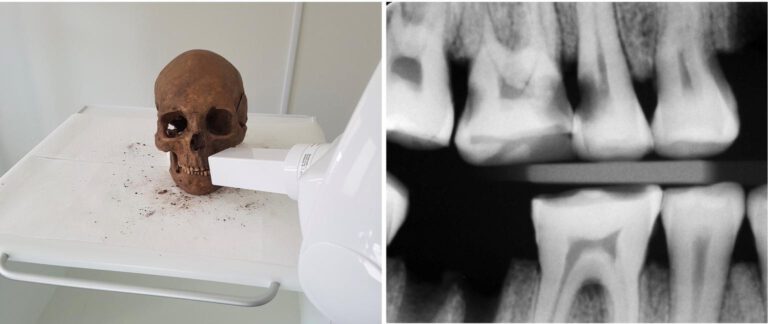
X-ray examination of teeth reveals caries lesions on several of the posterior molars. Photo: Carolina Bertilsson, Henrik Lund

A new study on ancient Viking teeth showed that they modified their teeth for status and possibly beauty. There are signs of advanced dentistry, after scientists study X-rays of Viking teeth

When we sit back and open wide when we visit the dentist, one has to wonder: surely our ancient ancestors didn’t have to do this. Teeth that ached must have been pulled, plain and simple. But research shows something else: teeth found in Viking populations from Sweden showed advanced signs of dental work and modification. 

This is according to the University of Gothenburg’s Institute of Odontology. While Vikings did have widespread caries and signs of toothaches, they had dental work and filing in the front of their teeth. 

The study looked at 3,293 teeth from 171 individuals among the Viking Age population of Varnhem in Västergötland, Sweden. This particular site is known for extensive excavations of Viking and medieval settlements, including tombs where skeletons and Viking teeth have been preserved well in favorable soil conditions.

The researchers looked at the teeth using today’s dentistry tools and X-rays were performed on the teeth held in an intact skull. 

Read Also: 9 ways to make your dental practice green

The results published in the journal PLOS ONE, showed that 49% of the Viking population had one or more cavities. Of the adults’ teeth, 13% were affected by caries – often at the roots. Children with milk teeth – or with both milk and adult teeth – were cavity-free, suggesting the diet then didn’t erode their teeth.

A filed hole from the crown of the tooth into the pulp – a procedure that reduces toothache and infection.

But Vikings showed advanced and new ways of modifying their teeth: “There were several signs that the Vikings had modified their teeth, including evidence of using toothpicks, filing front teeth, and even dental treatment of teeth with infections,” says Carolina Bertilsson, a dentist and Associate Researcher, and an author in the study.

The researchers found molars with filed-down holes, from the crown of the tooth down into the pulp to relieve pressure and alleviate toothaches from infection. 

Bertilsson added: “This is very exciting to see, and not unlike the dental treatments we carry out today when we drill into infected teeth. The Vikings seem to have had knowledge about teeth, but we don’t know whether they did these procedures themselves or had help.”


Medical cannabis now legal in Greece and country eyes being major European grow hub

0
The €40 million project by Israel-based Tikun Olam, located near Corinth, will be built on a land parcel of six hectares. The facility includes 21,000 square meters of state-of-the-art hybrid greenhouses, a vertically integrated production plant and a fully equipped R&D department.

In patient Greek style, with seven years of delays, Greece has finally legalized medical grade cannabis. Zorba would be proud. Patients will get licenses in situations where medical cannabis has proven to be effective in areas such as relief from chemotherapy, therapy against HIV or hepatitis C, chronic pain, MS and in palliative care to help with appetite.

The Greek market is expected to be about $330 million USD, and will be a good place for new grow ops to start operations. The first medical grade cannabis plant opened in January at Examilia, in Corinth under an investment from Tikun Europe, a subsidiary of Tikun Olam from Israel.

“A new era is beginning for our country with the operation of our Tikun Europe facility, paving the way for Greece to become one of the main players in the field of production and export of medical cannabis products,” said Greek Development and Investments Minister Adonis Georgiadis who said Greek patients will benefit from these products, despite cannabis “having a difficult history due to its nature as a narcotic.”

The Greek facility aims to be an export hub to all of Europe, reviving Greek’s agriculture industry. But also the Pharma business.

Pharmaceutical manufacturing is one of Greece’s main industrial sectors, comprising dozens of local and foreign companies and accounting for roughly 10% of employment. The country exports around €3 billion worth of medicines a year to some 140 countries, making it Greece’s second-largest export sector. Much of the global supply of antibiotics, and medicines for treating cholesterol and diabetes, are produced in Greece.

Several international drug companies – like Germany’s Boehringer Ingelheim – have invested heavily in their Greek production facilities with an eye to exporting more. Overall, approximately €1.2 billion is now being invested in a dozen new production units and 18 new research centers that are expected to further boost production and exports.

The development of a plant focusing on medical cannabis represents a major investment in what is expected to be a growing market worldwide. Two other such production facilities, by investors from Europe and North America, are also planned at different locations in Greece.

Greece had already inaugurated its first ever production facility for medical cannabis − the largest such facility in Europe − and the latest in a string investments that are boosting the country’s position as a leading exporter of pharmaceutical products to the world.

The specialist doctors able to prescribe cannabis in Greece include medical cannabis include anaesthetists, neurologists, and pathologists specializing in cancer, infections, and rheumatism.

Treatments for medical cannabis will not yet fall under state insurance, so high costs of $90.03 for 5-grams (0.17 ounces) might just lead people to obtain it through illegal channels. Lavipharm and Pharmaserve-Lilly will be dispensing the cannabis.

Anna Paga, a 60-year-old mother of three with psoriatic arthritis told the Athens Macedonian News Agency: “What can I say about this day? A very big thank you, relief, vindication, freedom to live. I was among the first to get the prescription via the electronic prescription system and I didn’t expect it, I couldn’t believe it. I burst into tears … an end to the risks and fear.”

Greek patient advocacy group Mamaka says it will still fight for the right for people to cultivate at home for personal use.

Alan Shackelford, medicinal cannabis doctor Charlotte's Web
Israeli American physician Alan Shackelford was the first to treat children, using CBD. He helped legalize cannabis as medicine in Colorado where he practices.

Medical cannabis has changed lives around the world. Green Prophet interviewed Dr. Alan Shackelford, the Israeli-American doctor who prescribed cannabis to a child, Charlotte Figi, saving her from hundreds of epileptic seizures every week. He was the first in America to do this through legal channels.

ADVERTISEMENT

Are you interested in sustainable investment and generational wealth? Green Prophet is working with 36North, an investment advisory in Canada on how to teach you how to build generational wealth. Email [email protected] for an introduction.