Home Blog Page 77

AI finds impact of noisy ships on dolphins 

0

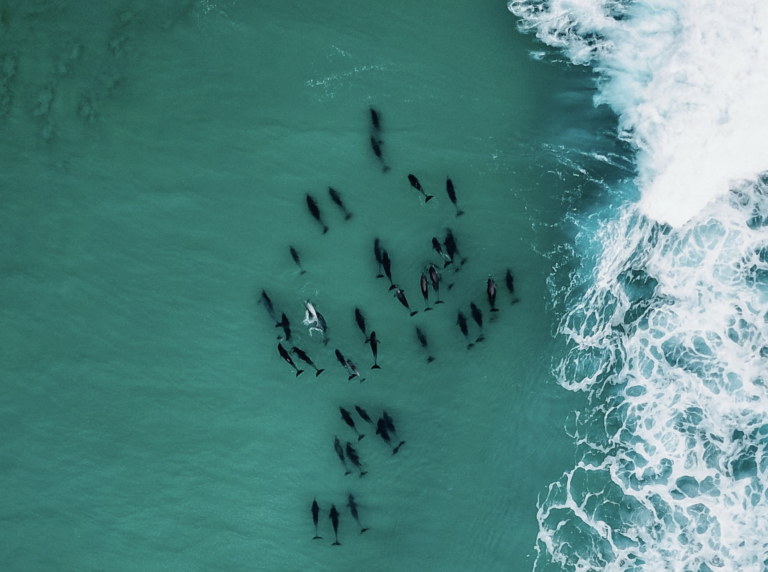
dolphins and ship noise

A new study has used artificial intelligence (AI) technology to prove for the first time that ship noise affects dolphins.

Maritime traffic has a very strong impact on the environment and public health in general and on the marine environment in particular, and is a factor that motivates the migration of species from one marine environment to another. Until now, it was not known whether dolphins were affected by ship noise; the evidence in this regard was mainly anecdotal and visual. The main difficulty is to systematically determine the behavior of dolphins encountering ship noise.

“Although it seems obvious, until now there was no empirical evidence that dolphins are affected by ship noise. Using AI, we were able to show that dolphins communicate in a unique way when ship noise is nearby. The influence of ship noise on communication between dolphins can cause them to move away from noise sources, which in some cases are their feeding grounds,” explains Prof. Roee Diamant and Dr. Aviad Scheinin, two of the authors of the study.

Read Also: How people and dolphins fish together
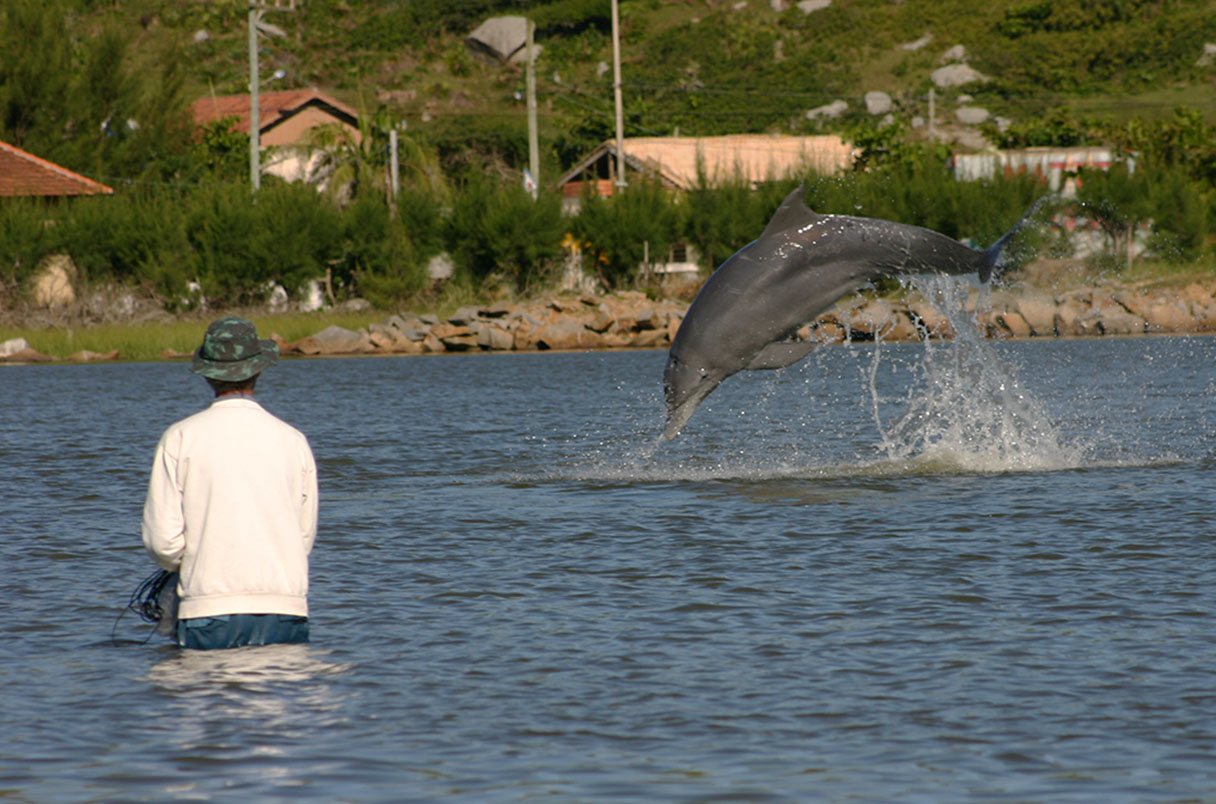
dophins leaping for fishers, fishermen in Brazil
Researchers have confirmed how people and dolphins benefit from a centuries-old practice of fishing together in southern Brazil.

The current study, supported by the Data Science center at the University of Haifa, was conducted in collaboration between the Underwater Acoustic and Navigation Laboratory (ANL), headed by Prof. Diamant, and the Marine Apex predator laboratory, headed by Dr. Scheinin. The researchers combined acoustic studies of dolphin whistles (the form of communication used by the mammals) with AI software that searched for patterns in the cries.

As mentioned earlier, one of the main problems with studies of this type is observing the dolphins’ behavior, firstly when there is no ship noise and secondly when there is. This is the only way to determine whether the same dolphin behaves differently in each case.

For this purpose, the researchers chose a location close to the dolphin reef in Eilat, where Common bottlenose (Tursiops truncatus) dolphins are regularly found. Recording devices placed at a depth of 50 meters continuously recorded the sounds of nearby dolphins and shipping noise.

Read Also: Greenpeace is not condemning violent missiles and attacks in the Red Sea

From all the recorded sounds, the researchers filtered out 12,000 dolphin whistles and were able to assign them to the dolphins that were at that location. The algorithm developed by the researchers identified around 60,000 dolphin whistles when a ship was nearby, and the same number of whistles where identified when no ships were present.

According to Prof. Diamant, not visual inspection of the signals nor direct feature extraction were able to distinguish between the two groups of whistles – with and without presence of a ship. Instead, this was analyzed by a deep learning algorithm.
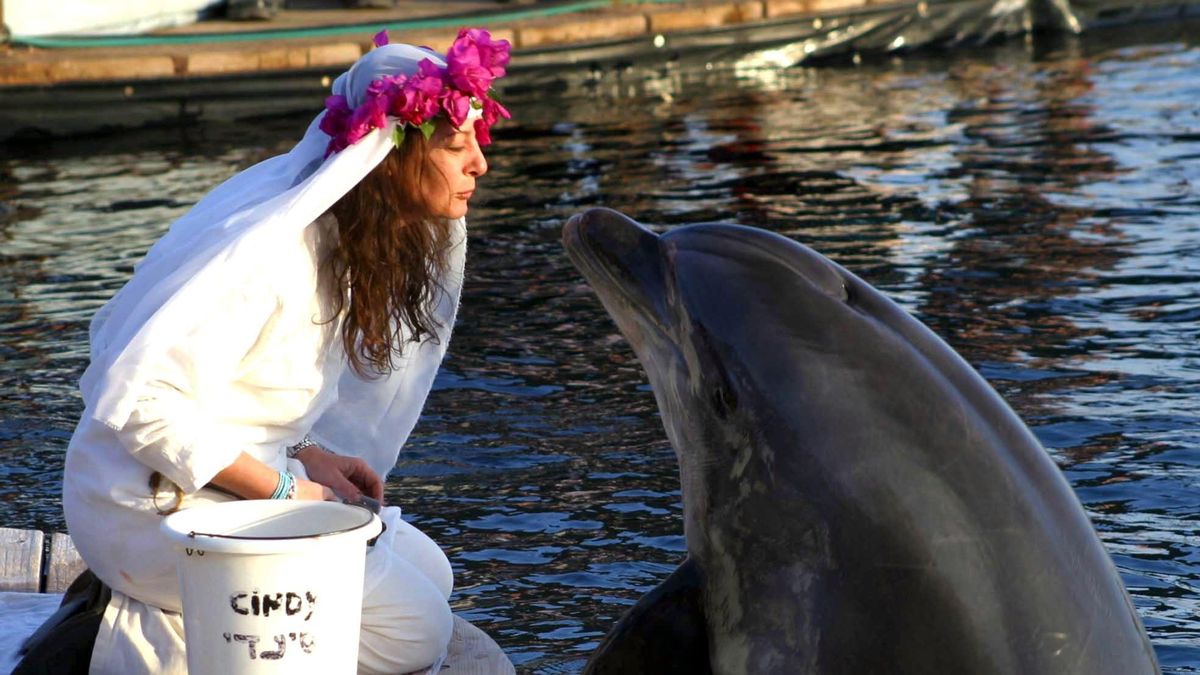
Woman marries dolphin in Eilat

This algorithm was trained over 20% of the whistle database and tested on the remaining whistles. The result was a 90% success rate in classifying between the two sets. In other words, the AI was able to recognize a certain pattern in the whistles of the dolphins exposed to shipping noise, well above the chance level. The researchers concluded from this result that a clear impact on the dolphins occurs when vessels were around.

“The problem with deep learning is that it’s a kind of a ‘black box’ and it’s hard to associate the classification result to a physical meaning within the signal. We still don’t know what unique pattern the AI system has recognized, but we know that it is related to the type of communication they make, and previous studies have already shown that changes in vocal behavior can be the result of stress and distress. In other words, dolphins communicate in a different way and change their vocal behavior when they encounter ship noise. In our upcoming studies, we will try to understand the nature of the effects,” the researchers conclude.

The research was conducted at the Charney School of Marine Sciences at the University of Haifa was published in the Nature Group journal Scientific Reports

First pig kidney transplant in a person

0
NEWS22 March 2024 Clarification 22 March 2024 Correction 22 March 2024 First pig kidney transplant in a person: what it means for the future The early success of the operation has made researchers hopeful that clinical trials for xenotransplanted organs will start soon. By Smriti Mallapaty & Max Kozlov Twitter Facebook Email Melissa Mattola-Kiatos, RN, Nursing Practice Specialist, removes the pig kidney from its box to prepare for transplantation. A pig kidney is unpacked for transplant into 62-year-old Richard Slayman of Massachusetts.Credit: Massachusetts General Hospital
A pig kidney is unpacked for transplant into 62-year-old Richard Slayman of Massachusetts. Credit: Massachusetts General Hospital

A 62-year-old man with end-stage renal failure has become the first living person to receive a pig kidney transplant at Massachusetts General Hospital in Boston, USA. The world has made advances in transplants since we reported a human uterus transplant in 2011.

The kidney was taken from a miniature pig carrying a record 69 genomic edits, which were aimed at preventing rejection of the donated organ and reducing the risk that a virus lurking in the organ could infect the recipient.

So far, the patient is recovering well and the pig kidney is producing urine and showing other signs of a working organ. This early success has raised researchers’ hopes for larger clinical trials involving pig organs. It follows from news last week that surgeons say they have transplanted a genetically modified pig liver into a person for the first time.

Transplanting pig organs into humans, a process known as xenotransplantation, presents challenges stemming from both biological and ethical considerations.

Biologically, the differences between pig and human physiology pose significant obstacles to successful organ transplantation. While pigs can be genetically engineered to reduce the risk of organ rejection, there are still fundamental disparities in immune compatibility and physiological function between the two species. For instance, the human immune system might recognize pig cells as foreign and mount a vigorous immune response, leading to organ rejection.

Surgeons in Boston, Massachusetts, perform the first transplant of a pig kidney into a living person.Credit: Massachusetts General Hospital

Pig organs may carry the risk of transmitting infectious diseases to humans, such as porcine endogenous retroviruses (PERVs), which are integrated into the pig genome. Despite efforts to mitigate this risk through genetic modification and stringent screening processes, concerns persist about the potential for cross-species transmission of pathogens.

Pigs are used in heart valve replacement in humans. The valve from the pig is completely cleaned from biological factors that would cause an immune response, but complex organs can’t be dealt with in this way.

Read Also: Beard transplants a growing trend

From an ethical perspective, the prospect of using pig organs raises complex moral questions, particularly for religious communities such as Muslims and Jews. Both religions have dietary laws that prohibit the consumption of pork, and while the transplantation of pig organs may not necessarily violate these laws directly, it raises concerns about the sanctity of human life and the permissible limits of medical intervention.

According to Judaism it is allowed and you are even allowed to eat pork in medicine if it will save your life.

In Islam, Imam Ibn Uthaymeen permitted it when he was asked about putting an artery from a pig into a person’s heart, and he replied by saying, “There is nothing wrong with it, and one should look at what is most suitable for his heart because this is not food, and this is out of necessity.”

Our source says, “It is clear here that it is permissible to benefit unless one finds benefit in a pure thing. If the benefit is found in a pure thing, it is forbidden to benefit from what is impure.

Some vegans may view xenotransplantation as an exploitation of animals.

Looking ahead, the horizon of xenotransplantation remains both promising and uncertain. Advances in genetic engineering and immunosuppressive therapies offer hope for overcoming biological barriers to pig-to-human organ transplantation.

Yemen’s aquifers to run dry by 2030

Carl-Waldmeier
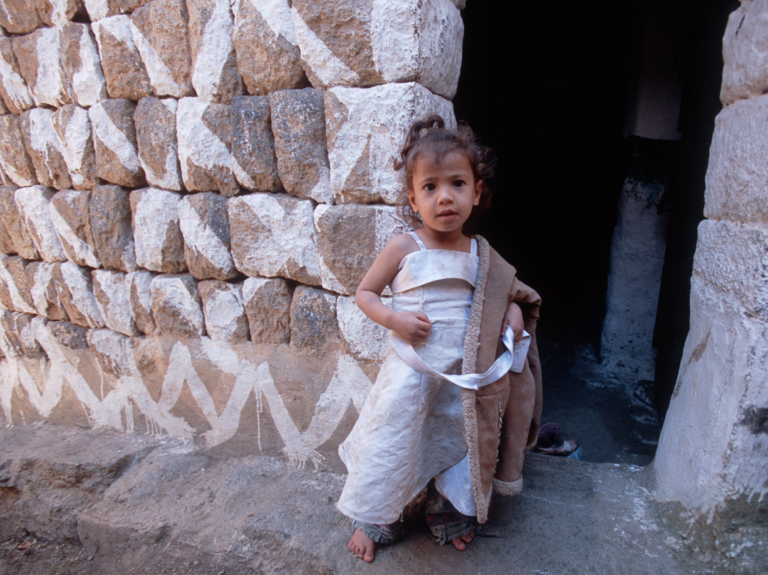
A child in Yemen by Carl Waldmeier, licensed by CC.

The Yemeni Houthis are a problem as they blow up ships passing through the Red Sea toward the manmade Suez Canal. The Houthis astarving out their own people. They use water as a weapon in their war against the west. In a recent UN report by UN Food and Agriculture Organization (FAO), they estimate that all of Yemen’s freshwater resources will be depleted by 2030.

It said that most conflicts revolve over water in Yemen, which remains the poorest in the world in terms of water resources. In a report entitled “To leverage Water for Peace,” FAO said Yemen urgently needs to fully understand the water governance systems, how resources are extracted, used, shared and replenished.

Watch Also: Yemen Jews have a song for the Houthis

“Our experience in Yemen has shown glaring gaps between policy and the ultimate use of the precious commodity. Another gap is limited funding to replicate best water management practices which have been piloted and proven effective,” the report said.

Also, Yemen is the poorest country in the world in terms of water resources.

The annual per capita share of water is a lowly 83 cubic meters compared to the absolute threshold of 500 cubic meters.

According to FAO, the agricultural sector accounts for about 90% of water use, most of it going to qat growing. It added that groundwater is being depleted at twice the rate it is being replenished and that groundwater resources are being used randomly.

“At the current extraction rate, by 2030, the water basins will be depleted,” the report warned, “This will be catastrophic for a country where 70% of the rural community practice agriculture.”

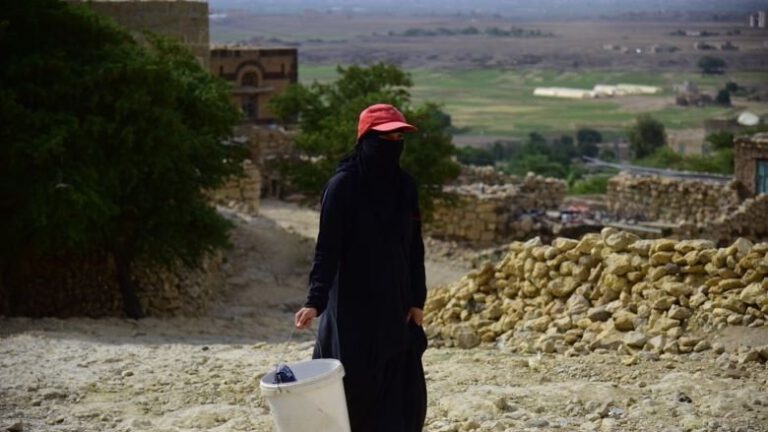
Yemen women

Also, the agri-food systems transformation agenda will be lost with the depletion of water resources in Yemen, it noted.

Climate change and rapid population growth have also put additional pressure on Yemen’s limited water resources.

FAO said about 14.5 million people in Yemen are without access to safe drinking water and reliable sanitation facilities. “Women bear the brunt of this water situation which not only affect their crop and livestock production but entails more labor and time is used to travel to collect, store, and distribute water,” the report explained.

Navigating the Maze: 8 Must-Know SEO Strategies for Small Business Success in 2024

0
Innovation Africa
If you are running an impact charity or a small impact solar energy business, you need to know all the ins and outs of search engine optimization for people to find you on the internet

In the fast-paced world of digital marketing, understanding SEO is like finding the map that leads your small business through the huge and sometimes confusing web visibility maze. The details of SEO management best practices change as we get closer to 2024. This means that you need a method that not only increases organic traffic but also makes your digital mark stronger. This article is your guide to mastering SEO if you are an entrepreneur or small business owner in the sustainability news field. In order to ensure that your valuable content reaches the right audience, we want to provide you with a comprehensive SEO plan.

In 2024, why should small businesses put SEO first?

Today, when the digital world is getting more and more crowded, it’s important to stand out. With its promise of organic exposure, SEO is no longer a choice; it’s a must. It’s a great chance for small businesses, especially those that write about sustainability, to connect with an enthusiastic and involved audience that will bring them more customers and make a difference.

What Is the Format of a Complete SEO Strategy?

Technical SEO site architecture, interesting content, and authoritative backlinks are all part of a strong SEO plan. But how can you make these things work well together? Here are ten techniques that will help you not only find your way through the SEO maze in 2024, but also beat it.

Accept technical SEO as the basis of your online presence

Technical SEO makes sure that search engines can crawl and index your page. Without it, even the most interesting material can’t be seen. Start with a strong site structure, put mobile optimization first, and make sure pages load quickly to please both users and search engines.

That being said, context is truly king

A facade of shimmering steel panels envelops this control centre that Istanbul studio Bilgin Architects has created in the plains of Karapinar, Turkey, for one of Europe's largest solar farms. Named Central Control Building, it is designed by Bilgin Architects to act as a centralised location from which to monitor and control the expansive field of 3.2 million solar panels.
A new solar energy park in Turkey

It is imperative to create high-quality, interesting material. In 2024, though, circumstance is just as important. If you want your content to really connect with people who are interested in sustainable news, make sure you answer their specific questions and address their specific problems.

The words “your guiding stars”

Keywords are like direction points that lead people to your content. Do a lot of study to find search terms that match the needs of your audience, especially ones that have to do with sustainability. Then, use these keywords in all of your material, from the titles to the meta descriptions, without making any changes. Make a Mark on the Map with Local SEO

Local SEO is very important for small businesses

Claim your Google My Business page, make sure your NAP (Name, Address, and Phone Number) is correct everywhere online, and get reviews from people in your area. This approach works especially well for businesses that want to make a difference in their local community.

E-A-T: More Than a Meal

Google uses the words Expertise, Authoritativeness, and Trustworthiness (E-A-T) to judge the quality of material, especially when it comes to YMYL (Your Money or Your Life) topics like sustainability. Use well-researched pieces, expert interviews, and reliable sources to show off your knowledge. Link Building: How to Make Online Friends

Backlinks from high-quality, trustworthy sites not only help your SEO, but they also make your site look more trustworthy. Focus on getting to know sustainability blogs, news outlets, and eco-friendly companies so that you can get these useful links.

How the user feels (UX) is what SEO is all about

A smooth UX keeps people on your site longer and lowers the number of people who leave right away, which tells search engines that your site is important. To improve the user experience, make sure the site is easy to navigate, loads quickly, and works well on mobile devices. Voice search optimization: now is the time

As voice search grows, it’s more important than ever to optimize for conversational questions. To reach this growing group, use long-tail terms and try to get into Google’s featured snippets.

Video Content: A Treat for the Eyes

roots up collect water and dew
Water device collects dew. How can you tell the world about this great invention?

Adding videos to your site can make your SEO much better. Make movies about sustainability that are interesting and use descriptive titles, tags, and transcripts to help them get more views and comments. Analytics: Check, Study, and Change

Use tools like Google Analytics to keep an eye on how your site is doing on a regular basis. Figure out what works and what could be done better, then change your approach to stay ahead of the curve.

You need to be patient, persistent, and ready to change with the times if you want to use these tactics. But the benefits—a strong online profile, more visitors, and, eventually, more business growth—are well worth the work.

As we learn how to use SEO, keep in mind that it’s not about getting quick results; it’s about building a long-lasting, trustworthy online brand that speaks to your audience. Small companies, especially those that cover sustainability news, can succeed in the digital world by giving a comprehensive SEO strategy top priority.

In conclusion, small business owners are still finding their way through the SEO maze, but these tips should help them get there in 2024 and beyond. Take on the task, learn as much as you can, and watch your business grow in the vast world of computers.

Houthis Red Sea rockets causing Yemen’s population to starve

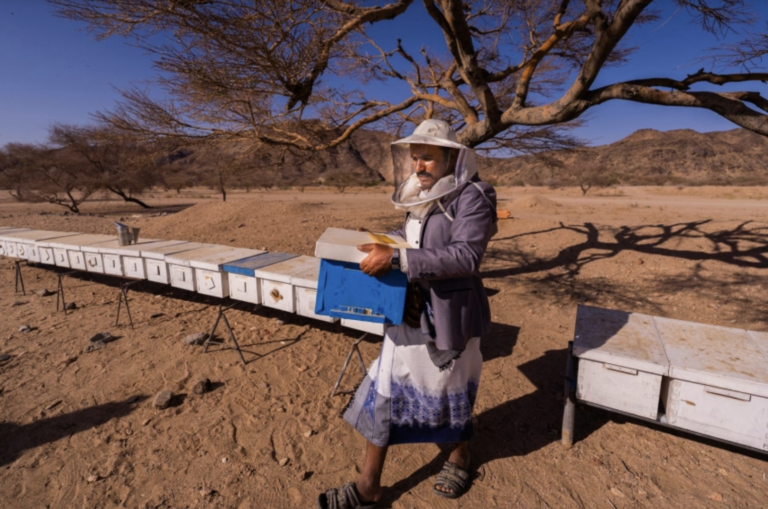
Yemen beekeepers keep ancient tradition alive
Yemen beekeepers

Houthi terror rockets affecting dire humanitarian situation in Yemen – the UN warns

The escalation of the Houthis Red Sea attacks where they sink ships with fertilizer, is poised to accelerate the increase in shipping costs, delay the delivery of essential food or lead to a complete suspension of trade routes and closure of Yemeni ports, a new report released by the Food and Agriculture Organization of the United Nations (FAO) finds. Yemeni people who struggle to afford essential food items will be at a dire risk for starvation.

According to the Potential Impacts of Red Sea Crisis Escalation on Food Insecurity in Yemen report, the food security situation in Yemen is already fragile and further shocks emanating from the Houthi attacks will cause additional harm to an already dire situation that can be described as one of the worst humanitarian emergencies in the world.

Almost 5 million people or 45 percent of the population analyzed in the Government of Yemen’s controlled areas is estimated to be in Crisis or worse.

Read Also: These Yemenis have a special song for the Houthis

Yemen relies heavily on imports for the food requirements of its population, with around 90 percent of its needs in staple cereals imported. According to the FAO report, if the current escalation is sustained for the next three months, imports will most likely slow down, affecting food availability and prices in the domestic markets.

While commenting on the key findings of the report, the FAO Representative in Yemen, Hussein Gadain, urged the international community to address the possible deterioration of the already severe humanitarian crisis in Yemen. He emphasized that the Red Sea conflict has erupted at a time when focus on Yemen is receding as humanitarian actors shift their attention and resources to other global hotspots, including Ukraine, Gaza and the Sudan.

Read Also: How the Houthis are using water as a weapon

“We cannot afford to wait until the humanitarian emergency worsens even further. This is the time to coordinate efforts and de-escalate the Red Sea crisis,” Gadain said. “We should facilitate an uninterrupted flow of commercial and essential humanitarian food supplies. This crisis, if not attended to, threatens to reverse the gains we have made in restoring livelihoods of Yemenis since the start of the conflict eight years ago.”

The report warned that a further escalation of the crisis will also disrupt livelihoods and certain value chains. Fishermen, for example, may abandon their activities due to increased insecurity at sea and at landing sites, which would not only impact their income opportunities and livelihoods but also affect the availability of fish – an important source of protein – in the market.

Additionally, increased military activities in the Red Sea may lead to the destruction of critical infrastructure, including ports and storage facilities, further hampering efficient distribution and storage of food in the country and aggravating food insecurity.

locusts in Yemen
Yemenis are often overrun by locusts which attack their food supply.

In the latest release from the FAO where Yemenis are facing starvation from lack of impacts, they do not mention the Houthis by name, but rather mention a “Red Sea” crisis ongoing which also makes no mention of terror operatives hurting their own people. Sounds like Greenpeace’s inability to condemn the Houthis. On one hand Greenpeace and the UN supports terror, but they can’t say so publicly. The plus side to all the Houthi attacks: the world now knows that Yemen exists. That it’s one of the world’s driest countries and that it’s been facing acute starvation for decades. In 2022 there was the locust crisis. 

How the Houthis use water as weapon in Yemen

0

Filling jerrycans from the water tank built by YECRP in Quhal, Iyal Surayh district, Amran. | Photo Credit: UNDP Yemen/2021 On her way to collect water. Photo Credit: UNDP Yemen/2021
In Yemen there are “girls who don’t have an education because they must spend their entire day walking hours to carry back water that is far too heavy for their bodies.”

In a bid to control and subvert the nonviolent people in Yemen, Houthi rebels use water as a weapon, says a new report. Women and younger women are especially put in harm’s way.

According to New Security Beat the Houthis are blocking and restricting water to the Yemeni population.

“Water has absolutely had an impact on women in a much more acute way in Yemen,” says report co-author, Niku Jafarnia. “It’s an area where the gender discrepancy is obvious, particularly among younger girls.

“One large impact is that girls have had to drop out of school to go and get water. We published a short piece in November on a lack of water and electricity in Aden, where there’s evidence that girls have dropped out of school. Aden is the most well off and stable part of the country, yet you still see girls who don’t have an education because they must spend their entire day walking hours to carry back water that is far too heavy for their bodies.

Filling jerrycans from the water tank built by YECRP in Quhal, Iyal Surayh district, Amran. | Photo Credit: UNDP Yemen/2021


“It’s a treacherous journey. Just by virtue of walking long distances in rural areas, there’s a higher likelihood that you might run into a landmine. There’s also obviously potential for encountering sexual and gender-based violence. Activists have told us that this wasn’t as large of an issue in the past, but has become more widespread recently.

Read Also: The Yemeni Jews write a song for the Houthis

“Globally, women are usually in charge of the household, and are the caretakers, and so they will be the last ones to drink and eat when there’s a shortage of something. So I would imagine across the board, it’s hard to track these sorts of impacts. But it’s going to have an impact on women’s health as well, based on the fact that they’ll probably be the last ones to take water for themselves.”

Green Prophet has written about the Houthi conflict over the last years, mobilizing green groups like Greenpeace to help remove environmental dangers like the FSO Safer, a ship full of oil they captured, out of their control. We also were the first to ask Greenpeace why they haven’t been condemning the Houthis for sinking ships in the Red Sea. They have never replied.

Yemen has been water-starved for decades and was the first to have the world’s only waterless capital. If we want to help the starving, oppressed Yemeni people, the world needs to help stop the Houthis. They are global terrorists, the same as ISIS, Boko Haram, the Muslim Brotherhood, Hamas, Islamic Jihad and Al Qaeda.

Giant water bug makes its way to Cyprus

0

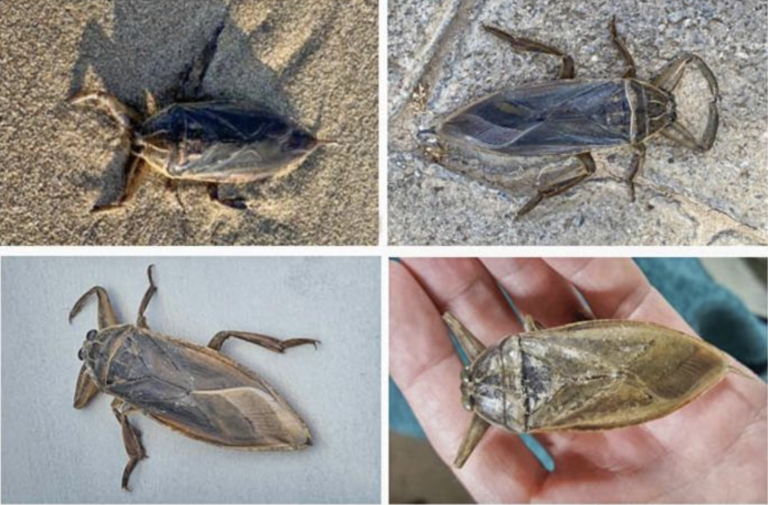
Giant water bug
Giant water bug

Eyes open and toes out of water: how a giant water bug reached the island of Cyprus

The island of Cyprus, although considered a hotspot for biodiversity in the Mediterranean (and occupied by Turkey on its northern border), is more famous for its beautiful sunny coasts than for its insect fauna. Some visitors of its highly populated beaches, with their observations and curiosity, have provided important information for a species never recorded before on the island: a the giant water bug, also known as a toe biter.

Scientists Michael Hadjiconstantis from the Association for the Protection of Natural Heritage and Biodiversity of Cyprus, Iakovos Tziortzis from the Ministry of Agriculture, Rural Development and Environment of Cyprus, and Kadir Boğaç Kunt from the Cyprus Wildlife Research Institute collected information and specimens from an increasing number of records of the giant water bug on the east coastline of the island in late spring and summer of 2020 and 2021.

The species, known for inhabiting ponds and slowly moving freshwaters, had never been recorded on the island before, although established populations are known in adjacent Mediterranean countries such as Greece, Turkey, and Israel.

Also referred to as Electric light bug, this giant water bug is described as a vicious hunter, praying on invertebrates, fish, turtles, and even birds.

Read Also: Cypriots are poaching songbirds for illegal dish

What is even scarier, as the largest European true bug and the largest European water insect and measuring up to 12 cm, it has a reputation of inflicting very painful bites when handled carelessly.

Its appearance, mainly on the eastern coastal front of the island, was initially recorded by swimmers, who were surprised by the fearsome looks and size of the bug. They either directly contacted the experts or published photos and videos online, mainly on Facebook groups related to biodiversity.

The authors collected some of the specimens for further study.

They also proceeded with an extensive online search on relevant online observation platforms (i.e. iNaturalist) in order to track any other reports of the species on the island.

In addition, they sampled nearby wetlands, but did not spot the bug.

More about giant water bugs

One of the most intriguing features of giant water bugs is their predatory prowess. Despite their name, they are not true bugs but rather aquatic insects known for their voracious appetite. Armed with piercing mouthparts, they ambush and capture a variety of prey, including small fish, amphibians, and even other insects.

Moreover, giant water bugs play a crucial role in freshwater ecosystems as top predators, helping to regulate populations of smaller organisms and maintain ecological balance. Their presence serves as an indicator of environmental health, making them important subjects of study for scientists and conservationists alike.

In addition to their ecological significance, giant water bugs captivate with their unique reproductive behavior. Females deposit eggs on the backs of males, who then carry them until they hatch—a remarkable example of paternal care in the animal kingdom.

Luxury train by the Orient Express heading to Egypt

Slow Train, in the style of the Orient Express to be built in Egypt

Luxurious Slow Travel: A Sustainable Journey through Egypt’s Ancient Splendor

Travelers usually take a slow boat down the Nile but soon a new luxury slow mode of travel will be available for seeing Egypt’s ancient sites and wonders:

In a world where speed often reigns supreme, there’s a growing appreciation for the unhurried elegance of slow everything. Slow food, slow parenting like Waldorf education which is in demand for elite and down to earth environmentalists, and there is also slow travel.

Egypt’s Ministry of Tourism & Antiquities, the Ministry of Transportation, and ‘Arsenale’, the renowned luxury hospitality group, heralds the arrival of a new era in opulent exploration: the Land of the Pharaohs luxury train experience.

Scheduled to debut in 2026 the journey will invite travelers to embark on an odyssey from Cairo to Upper Egypt, tracing a path through the storied landscapes of Luxor, Aswan, and Abu Simbel. Each stop along the way is carefully curated to offer an immersive encounter with Egypt’s timeless wonders.

As the world eagerly anticipates the unveiling of the Land of the Pharaohs, one cannot help but marvel at the vision behind this project. At its core lies a commitment to sustainable luxury—a concept that melds indulgence with responsibility, promising a harmonious coexistence with the environment and local communities.

The Land of the Pharaohs luxury train epitomizes this ethos. Crafted with meticulous attention to detail, its forty lavishly appointed cabins offer a sanctuary of refinement and comfort, where guests can unwind amidst opulent surroundings. As the train meanders alongside the majestic Nile, travelers are encouraged to embrace the art of leisure, savoring moments of tranquility as they gaze upon the ever-changing vistas outside their windows.

As peace efforts are bolstered between the allies of Egypt, Jordan, Israel and Saudi Arabia we are hoping that this luxury train will be able to start in Cairo and end in Saudi Arabia.

Read Also: Slow train travel in Saudi Arabia 

luxor_egypt_relief

What truly sets this venture apart is its profound reverence for the ancient wonders that dot Egypt’s landscape. With each stop, travelers are granted the opportunity to explore iconic landmarks such as the majestic temples of Luxor, the serene waters of Lake Nasser, and the awe-inspiring temples of Abu Simbel

In embracing sustainable slow travel, the Land of the Pharaohs luxury train embodies a holistic approach to tourism—one that seeks to minimize its ecological footprint while maximizing its positive impact on local communities.


Egypt’s El Gouna Film Festival 2024 Scheduled for October 24th to November 1st

0

El Gouna Film Festival

The seventh edition of the El Gouna Film Festival (GFF) has been officially announced, scheduled to take place from October 24th to November 1st. The festival disclosed the dates for the upcoming edition in a statement, reaffirming their dedication to bolstering the Arab film industry. The previous edition of GFF was held from December 14th to December 21st.

The El Gouna Film Festival (GFF), founded in 2017, in Egypt serves not only as a platform for cinematic celebration but also as a catalyst for addressing pressing global issues, particularly those concerning sustainability and the environment. Amidst its vibrant tapestry of films, the festival emphasizes the power of art to foster awareness and dialogue about ecological challenges while promoting cultural exchange and understanding.

This year is a good time to support the film festival with a visit because the Hamas attack on Israel has desatbilized the region and tourism has tanked in Egypt.

Within the realm of Arab cinema, there has been a notable emergence of films that delve into themes of ecology, the planet, and renewable energy, shedding light on the intricate relationship between humans and the natural world. These cinematic works not only entertain but also provoke thought and inspire action towards a more sustainable future.

Consider Arab films like Theeb, a Jordanian drama set against the backdrop of the Arabian Desert during World War I, offers a compelling exploration of humanity’s impact on fragile ecosystems. As the character embarks on a perilous journey through the unforgiving landscape, the film confronts themes of survival, exploitation, and the consequences of environmental degradation. By immersing viewers in the harsh beauty of the desert, Theeb prompts reflection on the need for responsible stewardship of natural habitats and resources.

Sand Storm, an acclaimed drama from Israel’s Negev Desert, delves into the complexities of gender dynamics and environmental conservation within Bedouin society. Through its intimate portrayal of a mother-daughter relationship and the tensions that arise when tradition clashes with modernity, the film offers insights into the socio-cultural forces shaping attitudes towards the environment. Sand Storm underscores the importance of fostering inclusive dialogues and empowering marginalized communities to participate in efforts towards sustainable development.

There is Raha Shirazi’s film Acqua, almost guaranteed to make you never take water for granted again. In it, a woman walks through snow in search of water with a jar on her back. Everywhere there is water, but after reaching a specific destination, she experiences some kind of trauma that especially resonates with us given the region’s tremendous water scarcity.

Beyond the realm of narrative cinema, Arab filmmakers have also embraced the documentary format to explore environmental issues in depth. For instance, Rafea: Solar Mama follows the journey of a Bedouin woman from Jordan as she trains to become a solar engineer, challenging gender norms and advocating for renewable energy solutions in her community. Through her inspiring story, the documentary showcases the transformative potential of renewable technologies in empowering marginalized populations and mitigating the impacts of climate change.

Sola Mama film
Solar Mama

The El Gouna Film Festival serves as a platform for amplifying voices that champion environmental stewardship and sustainable development in the Arab world and beyond. By showcasing films that tackle ecological issues with nuance and empathy, the festival harnesses the power of art to inspire collective action and promote a deeper understanding of our interconnectedness with the planet.

While the festival isn’t selling itself as an eco film festival, artists can certainly exert their influence by submitting films of this nature. The festival does offer a $10,000 prize for films in the “green star” category. More on that here.

Electric battery materials, like lithium, entering our food chain

crawdad eating lithium

“A lot of people think the use of lithium-ion batteries is a good thing right now, but it is important to explore the effects that may be coming down the road.”

From cell phones to watches to electric cars, lithium-ion rechargeable batteries power a plethora of devices. The increased use of this technology means more lithium could find its way into the environment as consumers discard electronic products. Now, researchers describe how lithium can accumulate in a common Southern crustacean: the crawfish. As the season for catching and eating mudbugs comes into full swing, the researchers’ findings highlight the potential implications for public health and the environment.

The researchers will present their results today at the spring meeting of the American Chemical Society.

“As aquatic organisms, crawfish can take up large amounts of lithium dissolved in water. Because other creatures — including people — eat crawfish, looking at them allows us to see how lithium moves through the food chain, and potentially into us,” says Joseph Kazery, a professor of biology.

Joseph Kazery,
Joseph Kazery,

Two undergraduate students in Kazery’s lab at Mississippi College, Andrew Doubert and Javian Ervin, are presenting results of their experiments on uptake of ionic lithium by different crawfish organs, as well as the impact of seasonal temperatures. “If crawfish are raised near a landfill or a polluted site, runoff could expose them to lithium, with effects we don’t yet fully understand,” Ervin says. “I myself eat crawfish, so this issue is important to me.”

Lithium contamination is not new. Even before lithium-ion batteries became widespread, lithium was, and still is, used as a medication to treat mood disorders. It enters the water supply in those applications because typical wastewater treatment does not remove drug contaminants. At high levels, lithium can have toxic effects on human health, including potentially damaging heart muscle cells, as well as causing confusion and speech impairment. In other animals, it can cause kidney damage and hypothyroidism. Studies have also shown that when lithium accumulates in plants, it can inhibit their growth, Kazery says.

Although the U.S. Environmental Protection Agency recommends discarding lithium-ion batteries at dedicated collection points, Kazery says they often end up in landfills. Soaring demand along with lax disposal practices suggests lithium is on the verge of becoming a significant environmental contaminant, he says.

Read Also: The Serbs revolt against Rio Tinto and lithium mining

As fully aquatic organisms that spend their lives within a relatively small area, crawfish (Procambarus clarkii) reflect local lithium contamination and could serve as powerful bioindicators of its presence in an environment. The lithium they contain could be passed through the food chain to predators, including humans, either directly or indirectly through crawfish-eating fish that people consume.

For its experiments, the team purchased crawfish bred for research. Knowing that the liver collects toxins from the human body for subsequent removal, Doubert wondered whether lithium would accumulate in the crawfish version of this organ: the hepatopancreas. To find out, he added ionic lithium to food for five crawfish, while giving another five lithium-free food. He then examined the amount of lithium present in four of their organs after one week. He found, on average, the most lithium in the gastrointestinal (GI) tract, followed by the gills, the hepatopancreas and, finally, the abdominal muscle in the tail.

The researchers think the GI tract likely contained the highest level because the lithium-spiked food remains there during digestion. Meanwhile, the gills and the hepatopancreas both pick it up while removing it from the body. People predominantly eat the tail, which appears to take up lithium, but not as readily as the other body parts studied.

Doubert also found that 27.5% of the lithium he fed them had passed from the animals’ GI tracts into other tissues. Animals further up the food chain can accumulate higher levels of toxic substances if they eat contaminated prey, so lithium will likely become more concentrated in the predators of crawfish. The researchers expect the high rate of absorption Doubert saw to exacerbate this accumulation in both humans and the other animals that eat crawfish.

Water temperature that crawfish inhabit varies significantly throughout the year. Those shifts affect the animals’ metabolism, even causing them to become inactive during winter. Knowing this, Ervin decided to look at the effects of temperature on lithium uptake. He placed crawfish in tanks kept at temperatures as low as 50 degrees Fahrenheit and as high as 90 degrees Fahrenheit and added a consistent concentration of ionic lithium to the water. After five days, he found that lithium uptake by the abdominal muscle and a part of the crawfish that Doubert did not study — the animals’ exoskeleton — increased in the warmest tank. These results suggest that the animals may contain the most lithium during the warm months, according to Ervin.

The crawfishes’ weight also decreased in warmer water. At this point, it’s not clear how or whether the crawfishes’ weight loss was connected to the lithium they accumulated, Ervin says, noting that the team plans to follow up on these results.

“A lot of people think the use of lithium-ion batteries is a good thing right now, but it is important to explore the effects that may be coming down the road,” Doubert says.

Capturing Lebanon’s Resilience with Dia Mrad’s Photography

0
Communal water collection system crafted from repurposed materials showcases resilience
In Beirut, solar panels and water tanks tell a story of decline

In the midst of upheaval and uncertainty, explosions and the Hezbollah, there emerges a narrative of resilience and innovation, captured through the lens of Dia Mrad, a photographer from Lebanon.

Returning to the vibrant streets of Beirut in 2019, Mrad found himself amidst a backdrop of societal discontent and economic strife, where the echoes of the 17 October Revolution reverberated through the city’s alleys.

Read Also: Lebanon’s abandoned Ottoman palaces

The October 17 Revolution, also known as the Lebanese Revolution, started on October 17, 2019, as a response to decades of systemic corruption, sectarian politics, and economic mismanagement in Lebanon. Sparked by proposed taxes on services such as WhatsApp calls, the uprising swiftly evolved into a nationwide movement demanding fundamental change.

Utilities focuses on three factors which together tell the story of Beirut’s decline. The first is the huge increase in use of solar panels to supplement the city’s scarce power supply; the second is the rooftop water tanks, which are topped up by private companies when mainline provisions are down; and the third is the metal structures which now encase ATMs and protect the facades of high-street banks. The liquidity crisis and devaluation of the Lebanese lira have led to state restrictions on bank opening hours and cash withdrawals; the result is an increase in armed robberies and hostage situations carried out not just by organised criminals, but by ordinary people needing to access their money.
There is no regular power in Lebanon. People have turned to solar power.

Protesters from diverse backgrounds flooded the streets of Beirut and other cities, united in their call for the downfall of the ruling elite and the establishment of a new political order based on transparency, accountability, and social justice.

Armed with an architectural background and a passion for visual storytelling, Mrad’s photographic journey took on a new dimension telling stories from the streets as he witnessed Lebanon’s economic crisis. His ongoing project, “Utilities,” serves as a testament to the ingenuity and resourcefulness of a people facing adversity head-on.

Mrad’s lens becomes a window into a world where necessity breeds innovation. Against the backdrop of crumbling infrastructure and dilapidated streets, he captures moments of quiet resilience and defiant creativity. From impromptu solar panels adorning rooftops to communal water collection systems fashioned from repurposed materials, each frame tells a story of adaptation and survival.


For Mrad, photography transcends mere documentation; it becomes a form of activism, a means of amplifying the voices of those often overlooked in times of crisis. Through his keen eye and unwavering determination, he offers a glimpse into a world where style meets substance, where resilience becomes the ultimate statement.

In every image, Mrad invites us to witness the beauty of resilience, to embrace the transformative power of innovation amidst chaos. As we navigate the turbulent waters of uncertainty, let us draw inspiration from the indomitable spirit captured within each frame, for in the face of adversity, true style knows no bounds.

How to view a solar eclipse safely

0
how to view solar eclipse safely
How to view the solar eclipse safely

On April 8, 2024, 40 million people across the United States, Canada, and Mexico will have the opportunity to experience a true celestial spectacle, a rare total solar eclipse as the moon passes between the sun and the Earth, blocking daylight for several minutes.

Viewing an eclipse can be an awe-inspiring event but proper precautions, including wearing specialized eye protection, should be taken to safeguard sight from harmful solar energy, according to the American Society of Retina Specialists (ASRS).

“The excitement of viewing a natural phenomenon like a total solar eclipse is understandable, but taking steps to view the eclipse safely is crucial to protect healthy vision,” said retina specialist Geoffrey G. Emerson, MD, PhD, FASRS, a member of the ASRS Board of Directors. “Sadly, people across the globe have experienced temporary and even permanent vision loss from improperly viewing a solar eclipse, but this damage from solar retinopathy is preventable with proper precautions.”

The eclipse will be partially visible throughout the 48 contiguous US States, while the path of totality, where a full view of the moon covering the sun is possible, covers a 115-mile-wide strip extending diagonally 8,000 miles across Mexico, Canada, and the United States.

Viewing an eclipse without proper eye protection can damage the retina, the delicate, light-sensing tissue that is responsible for sight. Solar retinopathy occurs when the retina is burned and its light-sensing photoreceptors are destroyed. Depending on the extent of the injury, people can suffer residual blurring and/or distortion, temporary or even permanent vision loss.

Solar retinopathy occurs more commonly around the time of a solar eclipse but can occur at any time due to incidents such as having a laser presentation pointer shined in the eye or from sun gazing due to psychiatric conditions or purposeful self-harm.

For direct viewing of the sun during a partial eclipse, special filters are required. The easiest and least expensive option is to buy commercially available eclipse glasses manufactured specifically for solar observation.

NASA recommends the use of International Organization for Standardization (ISO) 12312-2 certified eclipse glasses or pinhole projection for viewing the eclipse. Inspect eclipse glasses before use and discard them if you notice they are torn, scratched, or otherwise damaged.

It is not safe to view an eclipse with other types of filters, such as:

  • Camera lens, binoculars, or a telescope without a special-purpose solar filter secured over the front of the optics
  • Sunglasses or smoked glass
  • Color or black-and-white film and photo negatives such as X-ray film
  • Polarizing filters or neutral-density films

Should you experience vision changes during or following the viewing of an eclipse, seek immediate consultation with an eye physician, such as an ophthalmologist or retina specialist.

Kids and cannabis, a worrying trend in the US

0

cannabis smoking teens skateboard

More and more states in the US are legalizing recreational cannabis, leading to concerns that teen use will increase. Tobacco consumption among high school students, including vaping and e-cigarettes, is a concerning 12.6%. Researchers at UC Davis were interested in learning how the combined use of these two products — cannabis and tobacco — might impact high school students in California.

In a new study published in The Journal of Pediatrics, they found high school students who use both tobacco and cannabis products miss more school and have lower grades compared to students who don’t use either product or who use the products individually (tobacco or cannabis) but don’t combine them.

“Substance use is a main predictor of educational outcomes, including absenteeism,” said Melanie Dove, an assistant adjunct professor in the Department of Public Health Sciences and first author of the paper. “These results highlight the need for comprehensive efforts to prevent and reduce substance use from both cannabis and tobacco products among youth.”

The researchers analyzed data from the 2021-22 California Healthy Kids Survey. The anonymous, confidential survey administered by the California Department of Education asks questions about wellness, resiliency, school climate and safety. The study reviewed responses from 287,653 high school students in ninth and 11th grade.

The researchers found that among high school students in California:

  • 3.7% use tobacco and cannabis
  • 3.7% use cannabis only
  • 1.7% use tobacco only

Students who used both tobacco and cannabis reported the highest percentage of absenteeism. On average, they missed three days of school in the past month — almost one and a half more days of absenteeism than teens who didn’t use both products. Students who co-used tobacco and cannabis were also more likely to have lower grades than students who did not use either product.

The US Surgeon General released a report describing the health risks of e-cigarettes on youth and young adults. It explains how habits formed in youth, when the brain is still developing and learning, can result in teens getting addicted more easily.

“We know that using tobacco and cannabis puts young people at risk for longer-term addiction, behavioral issues and respiratory health problems,” said Elisa Tong, a co-author of the study. Tong is a physician at UC Davis Health and director of the Tobacco Cessation Policy Research Center. “For young people who are not current users but are exposed to use by others, the aerosol from these products is not harmless, and contains potentially harmful chemicals, heavy metals and fine particulates,” Tong said.

Schools and parents can help prevent tobacco use

The researchers noted some limitations of their study. The survey is not representative of all high school students in California. Students who were absent on the day of the survey were not included. Another limitation is that the data is based on students’ self-reported responses; even though the survey was anonymous, students may feel uncomfortable sharing their actual substance use or absence patterns and may have underreported them.

To better support adolescents facing complex challenges, some families turn to a dual diagnosis teen residential school that addresses both behavioral and mental health needs in a structured environment. These programs provide therapy, education, and skill-building to help students achieve stability and long-term personal growth.

Another consideration is that the percentage of California high school students who report using any tobacco product is 6.6%, according to the 2022 California Youth Tobacco Survey. This percentage is well below the national average (12.6%) and may reflect California’s rigorous anti-smoking campaigns and the adoption of non-smoking public spaces dating back to the mid-1990s.

“While certain school factors — like peer pressure — can contribute to teen tobacco and cannabis use, schools also play a critical role in prevention, especially in partnership with families,” said Kevin Gee, a professor at the UC Davis School of Education and senior author of the paper. “One important tool available to California’s schools is the Tobacco Use Prevention Education program that, when strategically invested in intervention and cessation activities, has shown promise in reducing tobacco use among teens.”

Improv theatre can help a stutter

improv helps a stutter

Stuttering is common: about 1 in 100 people have a stutter worldwide. Traditional speech therapies can see relapses, but a new program using a drama and theatre technique called improv can create better long-lasting results for stutterers, researchers find. And while stutterers can live normal lives, any interventions to decrease the stutter makes it easier to work and build relationships with people.

Mock ‘Ninja knife throwing’, ‘Gibberish’, or the fast and furious ‘Zap’ – they’re all favorite theatre games designed to break ice and boost confidence. But add speech therapy to theatre sports and you get a brand-new experience that’s hoping to deliver positive changes for people with a stutter. In a new University of South Australia study, researchers are trialling group improvisation (‘improv’) to help improve communicative confidence and reduce anxiety among teens and adults who stutter.

Improv is a form of theatre sport, where performers spontaneously create scenes, characters, and dialogue without a script or predetermined plot. Partnering with Swift Speech, Stuttering & Voice, the 9-week group improv program Unscripted Confidence, is designed to help participants positively engage in a range of activities and social situations to help build their confidence and communication abilities in a risk-free supportive environment.

UniSA Bachelor of Speech Pathology research honors student Damien Aston says the study will take a holistic approach to therapy, ensuring people feel comfortable, safe and supported.

“In Australia, one in 100 people have a stutter; and while it’s a relatively common speech difference, it can significantly affect a person’s confidence, social connections and anxiety levels,” Aston says.

“Improv provides an opportunity for a person with a stutter to have fun speaking with others, to learn to focus on the communicative aspects of speaking – such as eye contact and body language – rather than how they are speaking, and helps them learn to be ok with failure.

“While it may seem counterintuitive for someone with a stutter to participate in ‘on the spot’ games, spontaneous performances can be a powerful tool for building confidence and overcoming anxiety and stuttering.

“The sessions encourage people to engage and connect with others in a supportive, non-judgemental space where they learn to look beyond words – making sense doesn’t matter, it’s the risk that’s valuable and the fact that people are communicating and having fun at the same time.”

Queer women smoke more, quit less

0
queer muslims in Boston
A new study found that there are queer Muslims in Boston who choose to wear their hijab

People who identify as lesbian, gay and bisexual – particularly women – respond more positively to tobacco marketing, are more inclined to smoke cigarettes daily and may have a more difficult time quitting, according to two studies by a Rutgers Health researcher. Smoking is far more popular in the Middle East where about 8% of women smoke, and an estimated 40% of men do. Smoking a shisha pipe is a common past-time.

The studies, published in the Annals of LGBTQ Public and Population Health and Preventive Medicine Reports, investigated how some among the LGBTQ population respond to tobacco marketing, how they use tobacco and their history of quitting using two large national datasets in the US.

Ollie Ganz, a faculty member at the Rutgers Institute for Nicotine and Tobacco Studies and an assistant professor at the Rutgers School of Public Health who is lead author of the studies, discussed the significance of the findings to future policy.

woman smoking a bong
Smoking hookha pipe

Why is specifically studying how sexual minority populations receive tobacco marketing important?

From previous studies, we know that sexual minority individuals are more likely to use tobacco products than heterosexual individuals. This may be because tobacco companies have targeted this population with advertising and promotions, but the impact of this has not been studied extensively. The main thing we wanted to understand in this study is, given that sexual minority individuals are exposed to more tobacco advertising than heterosexual individuals, are there also differences in terms of how receptive they are to the ads, such as having a positive response to the ads.

Ollie Ganz
Ollie Ganz

What did your study find regarding tobacco marketing among sexual minority individuals?

What was unique about our study is that we were able to look at subsets of the LGB population – gay men, bisexual men, lesbian/gay women and bisexual women – rather than looking at them as one group. By looking at these subgroups we discovered that lesbian/gay and bisexual women were more likely to be receptive to marketing for tobacco products overall, and that bisexual women – but not lesbian/gay women – were more likely to be receptive to marketing for cigarettes, cigars, e-cigarettes and smokeless tobacco, compared with heterosexual women.

Among men, we discovered that gay men, but not bisexual men, were more likely to be receptive to cigar advertising compared with heterosexual men. We also found that gay and bisexual men were more likely to be receptive to e-cigarette advertising compared with heterosexual men.

Read Also: cannabis and marijuana use 

In the Preventive Medicine Reports study, you also looked at subsets of the LGB population, but focused on cigarette use behaviors. What were your findings?

We discovered that sexual minority women – particularly bisexual women – are smoking at higher rates and are having a harder time quitting compared with heterosexual women. We also found that the differences in prevalence of cigarette smoking between lesbian/gay and bisexual women and heterosexual women was much greater than between the prevalence between sexual minority men and heterosexual men.

These findings show that we need more support to specifically help sexual minority women quit smoking –particularly bisexual women. This population presents unique challenges, such as greater mental health problems, and there is a need for more resources and tailored interventions to support them in quitting smoking.

How can these findings inform future policy?

In order for tobacco control policies and regulations and public education campaigns to be effective, they need to be able to identify the populations that are at greatest risk for tobacco use. They also need a body of evidence that identifies the factors that are driving elevated use among those populations so effective messages and policies can be developed that directly address those factors.