Make sure you have good tires. Different tires affect you MPG in different ways. When you’re in the market for new tires, look for the ones that help give you the best mileage.
Once you have the right tire don’t forget about proper inflation! Too much or too little can significantly effect your MPG as well.
Last week we talked with Jesse Fox, urban planning expert and Treehugger veteran.
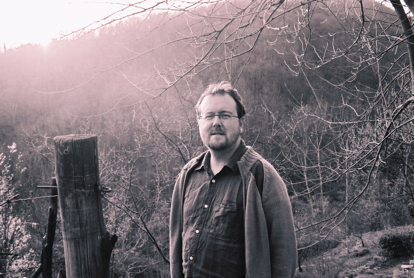
This week’s Prophet in Focus is James Murray-White, a composting environmentalist with the eye of a filmmaker and the soul of a poet.
James grew up in a green village outside Cambridge, UK, and has donned the roles of both actor and anthropologist in addition to his filmmaking pursuits.
James tells of childhood in a green village, adventures in the UK, his green passions–and of course, composting–after the jump.
Imagine being able to buy ten pairs of shoes and only spend the resources (both natural and financial) necessary for half that many. Sounds like every eco chic woman‘s dream, right? Eco chic or not, every woman knows that you need those perfect going out shoes for evenings, elegant ballet flats for the office, sneakers for the gym, trendy sneakers for walking around the city…. and the list goes on. But having that many pairs of shoes isn’t exactly easy on the environment, and therein lies the rub.
The solution? Transform one pair of shoes into endless pairs of shoes.
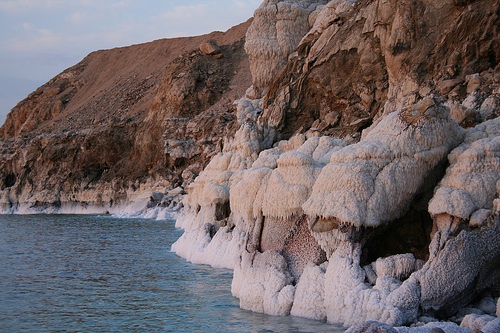
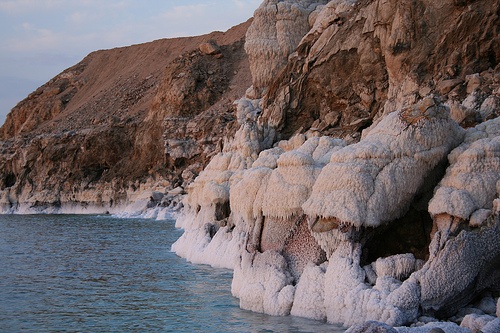
The alarmingly fast decline of water levels in the Dead Sea have resulted in numerous plans to bring sea water from either the Mediterranean or Red Sea to replenish the water in what has often been referred as the world’s lowest level body of water. It’s the lowest place on earth.
The Dead Sea’s main water source, the Jordan River, has reached the point that the biblical river’s flow into the Dead Sea has been reduced to a mere trickle as a result of the Jordan’s flow being diverted to both Israel and Jordan for both country’s water needs.
Even the Jordan’s flow into the the Sea of Galilee (the Kinneret), Israel’s main fresh water source, has been reduced considerably over the years by lack of adequate rainfall and diversion of water from the Jordan’s sources in Lebanon by Israel’s hostile neighbors.
Founded by Gene Dolgin and Jonathan Shapira (a green prophet writer), with a growth rate of almost 500 members since February 2008 and RSVP-space only at filled to capacity meetings, it is obvious that most feel this way. What is the draw to dry science that brings so many?
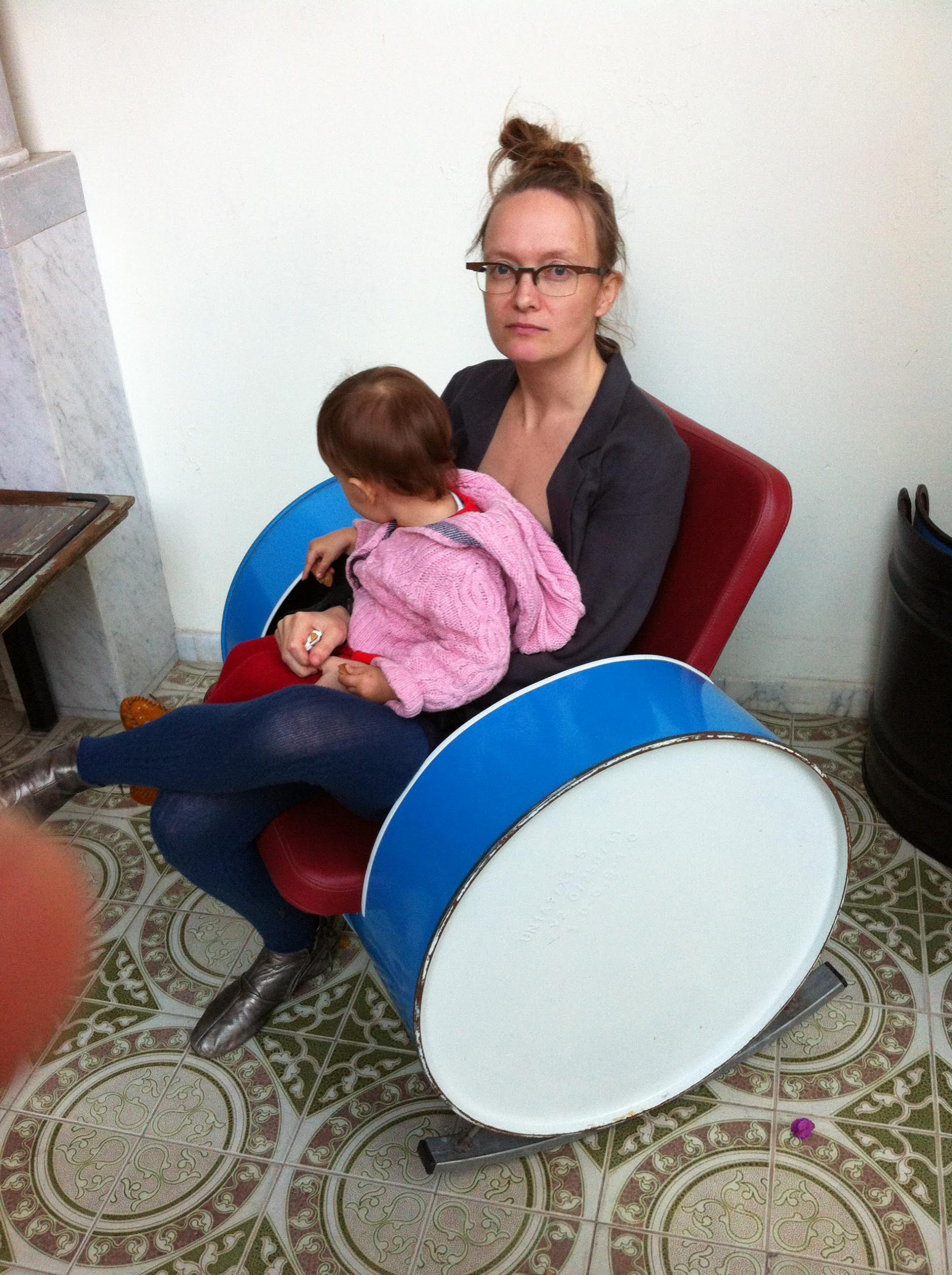
Green Prophet’s Karin Kloosterman finds a seat in Jaffa with her baby
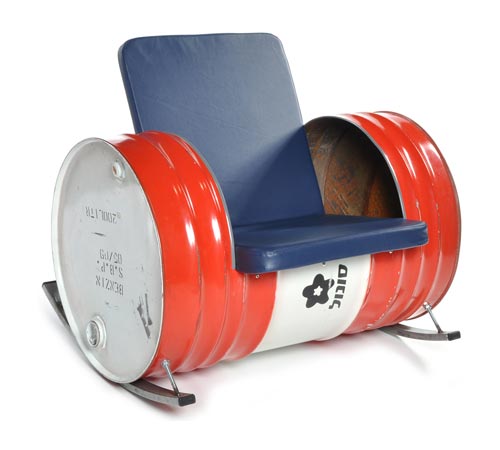
Junktion: Tel Aviv design studio founded in 2008. Lovers and joiners of what the city dwellers classify as junk.
Junktion, one of Tel Aviv’s newest and most fabulous reuse design studios, tries “to create a meeting point with what the city has already classified as junk.” In taking everyday objects out of context (such as the suitcase-turned-medicine-cabinet on the left), they create funny, clever, and beautiful ways to take another look at things we so easily discard.
And when they take another look at that tossed out suitcase, or washing machine, or bicycle – that means one fewer item in the garbage dump. Which is good news for everybody.
Junktion believes that “there is enough stuff in the world already and [they] try to take from what there is.” In their own words, they “often find [their] desires in what no longer interests others” and “are committed to go happily to work every day.”
Some of our favorite Junktion designs were the suitcase closet, bicycle chair, cooking pot seat, and, of course, the foosball soccer player hangers. Check out their website to get ideas for reducing your carbon footprint by using the stuff you don’t need anymore to create things you do need (thus avoiding unnecessary waste and unnecessary use of new resources – voila!).
Packaged food is becoming more and more predominant in our society. The busier we get the more we look for instant solutions. The problem is that pre-cooked/store bought foods are not only less healthy for you than home cookin’ but it’s bad for the whole planet as well. Eat one more meal in. Take the extra minutes to cool a wholesome meal. And you won’t only reap the benefits, but the whole planet will as well!
A new solution addresses the problem of water loss and promises farmers “more crop per drop”
A part of the global food crisis is the inefficiency of current irrigation methods. More irrigated water evaporates than reaches the roots of crops, amounting to an enormous waste of water and energy.
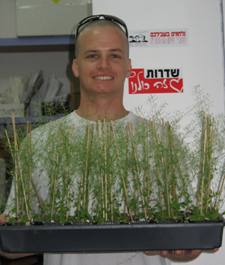
Tel Aviv University researchers, however, are investigating a new solution that turns the problem upside-down, getting to the root of the issue. They are genetically modifying plants’ root systems to improve their ability to find the water essential to their survival.
The Root Cause of Wasting Water
When it comes to water, every drop counts. “Improving water uptake by irrigated crops is very important,” says Prof. Amram Eshel, the study’s co-researcher from Tel Aviv University’s Plant Sciences Department. His team, with that of Prof. Hillel Fromm, hope to engineer a plant that takes advantage of a newly discovered gene that controls hydrotropism, a plant’s ability to send its roots towards water.
Maybe it was the teetering government or the water crisis, or maybe it was just the sticky and oppressive summer heat. Whatever the cause, the summer session of the Knesset closed last week with an unprecedented burst of environmental legislation.
Leading the charge was a trio of maverick lawmakers – Dov Hanin, Michael Melchior and Ofir Pines-Paz – who have devoted their time in the Knesset to pushing the environment to the top of the agenda. Green Prophet salutes these guys and their accomplishments.
Here’s a roundup of the laws that we hope will make Israel a cleaner and healthier place to live:
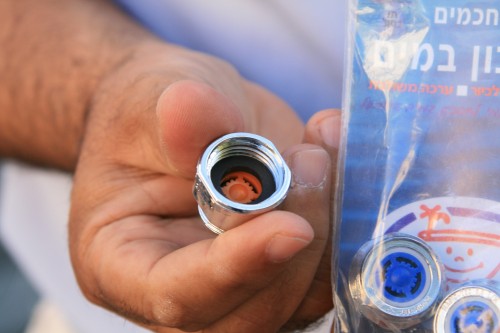
Chascham, the water saving device that can reduce flow by as much as 42%.
In April, Green Prophet had a chance to go from door to door with Vered Hatab, a water savings advisor hired by the Milgam Municipal Services company to sell Israelis on using less water.
Hatab, 23, was lugging a case full of plumbing tools through apartment buildings in Herzliya. Dressed in a light blue button-down blouse, a brown skirt and black sneakers, she made her pitch to the residents.
“I want to talk to you about the water shortage in Israel,” she said, as an elderly woman in a housedress poked her head out the door. “Can I come in?”
The Shabbat is the Jewish day of rest. According to tradition God created the world in six days and on the seventh day he rested. Because of this religious Jews will not do any acts of creation on Saturday. Acts of creation includes cooking, using electricity, and even traveling long distances.
Take a page out of the religion’s book. One day a week desist from doing one destructive act. Whether it’s using your car, reading a book instead of watching television or using less electricity. Even if you are not Jewish, this act will help you take a step outside of your daily routine and rethink it. Even if it is just a little.
As its the head of the month, we here at Green Prophet are feeling even more extraordinarily generous, and thanks to an earlier post about fellow eco-site Lifegoggles, we are offering two 100 % hemp dog collars in our 4th Great Green Giveaway!
This is in addition to the 3rd Great Green Giveaway still running, which offers a reused paper Meishi (business card holder) from designer Anat Safran, to whichever reader can come up with the most creative way businesses can go green.
Offsetting alone won’t save our planet but it certainly isn’t anything to scoff at.
There are many ways to offset. But probably the best way to offset is to educate others. You wont only be cutting back on ways you are damaging our planet but you will be helping others take that first step.
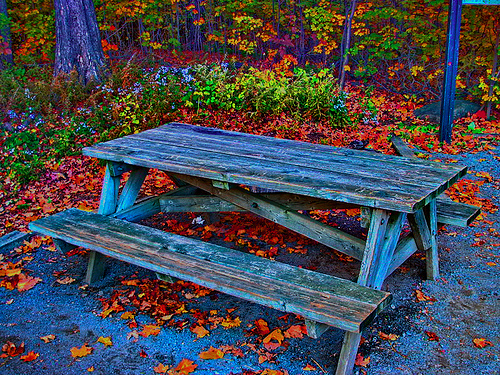
When I was growing up whenever we would go to a park or on a camping trip, my parents would instill in me the importance of leaving the area where we had just been cleaner than how we had found it.
This is probably one of the most influential ideas from my parents that has traveled with me throughout my life. This idea is applicable wherever one is, and is not only applicable to actual physical places, but people and ideas as well.
Last week, in Parashat Matot, we discussed decision making and the environment. In Parashat Masaei the Torah describes the journey, the travel route, of the Israelites through the desert – from Egypt to Israel. The question arises: why does the Torah have to list every single place where the Israelites camped?



 Okay, first the bad news.