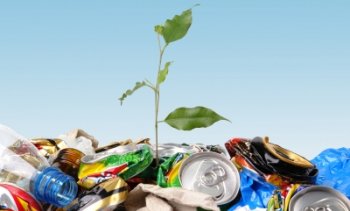
Most of us (I hope) recycle all the plastic bottles we use. But do you also recycle the many other small plastic containers you use daily, or do you just throw them away?
Cheese and other dairy containers, small salads, yogurts and the occasional hummus container used to make up a large part of my garbage… Turns out, they can all be recycled just as well as the PET bottles I’ve been collecting for recycling.
The reason the recycling companies don’t advertise this fact is a sound one. Throwing these containers in the recycling bin (at home or on the street) and having them stay there for days, or sometimes weeks, can be a serious sanitary hazard and health risk. On the other hand, asking the public to rinse all containers before throwing them is a huge waste of water.
If you have a healthy active dog, cat or another pet that is willing to help, you can increase the amount of plastic you recycle instantly.
Ingredients:
- 1 or more pets
- 1 or more plastic containers
Instructions:
- Place plastic container in front of pet.
- Watch as your pet helps the recycling effort by making sure that plastic container is so clean, it shines.
- Optional: Grab a camera and take some photos/video. You won’t be disappointed.
- Collect plastic containers and place in recycle bin.
As always, use your own discretion when deciding what your pet can and should eat. Chocolate puddings are of course out of the question, but so are foods that are too sugary, spicy or contain artificial sweeteners. Many foods are usually fine, especially considering the relatively minuscule portion size your pet gets from just cleaning the container.
If your pet is overweight or obese, this tip is not for you! Obese and overweight pets constitute an estimated 48% of all pets in the USA, I encourage you to learn more about the risks, which include Osteoarthritis, Type 2 Diabetes, heart disease, hypertension and even cancer. Even if your pet is not overweight, you should spend at least a couple of minutes online learning about the potential risks of an overweight pet.
I am still in negotiations with my dog regarding his offer to help make our compost heap smaller… he’s such a helpful character.
Final note: What materials are actually recycled changes from country to country and from town to town. Do a web search for your local recycling rules and see what is actually accepted. Filling the recycling bin with stuff that isn’t actually recycled just lowers the efficiency of the recycling center.


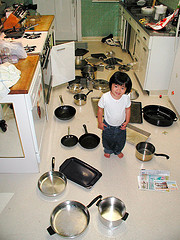

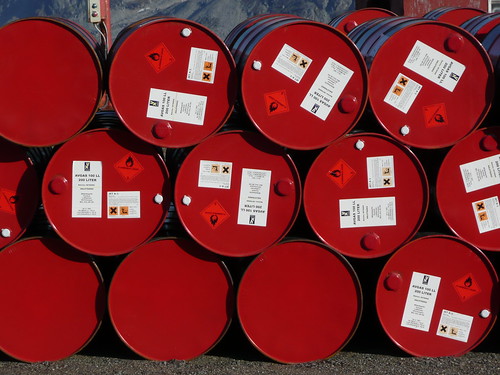
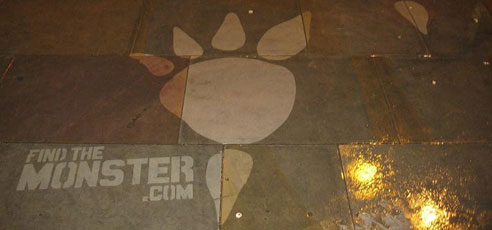
 Usually the advertising industry is not considered to be a very ecological industry. Think about the amount of useless junk mail you get to your mailbox each day wasting tons of paper which most of it won’t be recycled. Think of all the huge advertising billboard posters on
 Over the past few months companies are joining Twitter or consulting advisors about joining Twitter in droves. If you haven’t heard of


 When shopping for gifts for people that we care about, we usually want the gifts to convey a variety of things – affection, devotion, a desire to make the other person happy, and also a demonstration that we care about the other person’s wellbeing. Giving a gift that is more environmentally friendly is one way to demonstrate that you care about your loved one’s wellbeing because it shows devotion to their present and to their future.




 Consumption is, in general, not very green. It often involves the wasteful use of resources, fossil fuels for transportation, and non environmentally friendly materials. While a general reduction in consumption would be ideal, though, there will always be certain purchases that are necessary and there will always be people who are not willing to cut back. Which is where Tal Ater’s initiative –