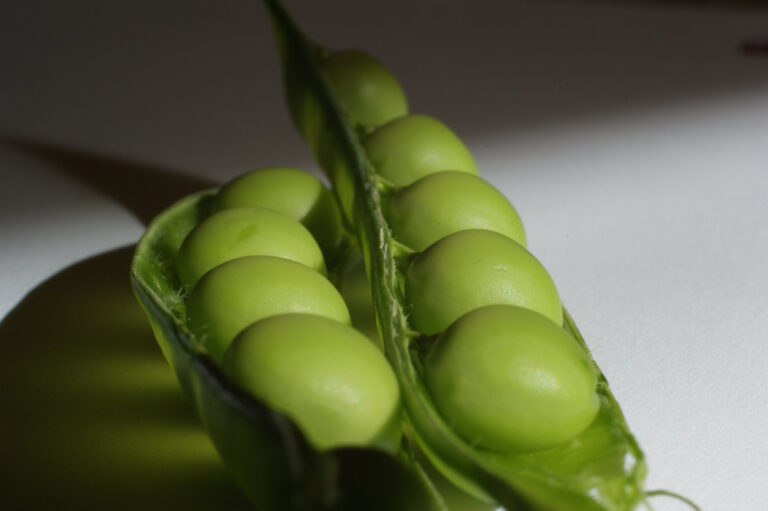
 An Israeli scientist has found a way to pull solar energy from pea plants.
If harnessing the unlimited solar power of the sun were easy, we wouldn’t still have the greenhouse gas problem that results from the use of fossil fuel. And while solar energy systems work moderately well in hot desert climates, they are still inefficient and contribute only a small percentage of the general energy demand. A new solution may be coming from an unexpected source — a source that may be on your dinner plate tonight. Peas!
“Looking at the most complicated membrane structure found in a plant, we deciphered a complex membrane protein structure which is the core of our new proposed model for developing ‘green’ energy,” says structural biologist Prof. Nathan Nelson of Tel Aviv University’s Department of Biochemistry. Isolating the minute crystals of the PSI super complex from the pea plant, Prof. Nelson suggests these crystals can be illuminated and used as small battery chargers or form the core of more efficient man-made solar cells.
Nanoscience is the science of small particles of materials and is one of the most important research frontiers in modern technology. In nature, positioning of molecules with sub-nanometer precision is routine, and crucial to the operation of biological complexes such as photosynthetic complexes. Prof. Nelson’s research concentrates on this aspect.
The mighty PSI
To generate useful energy, plants have evolved very sophisticated “nano-machinery” which operates with light as its energy source and gives a perfect quantum yield of 100%. Called the Photosystem I (PSI) complex, this complex was isolated from pea leaves, crystalized and its crystal structure determined by Prof. Nelson to high resolution, which enabled him to describe in detail its intricate structure.
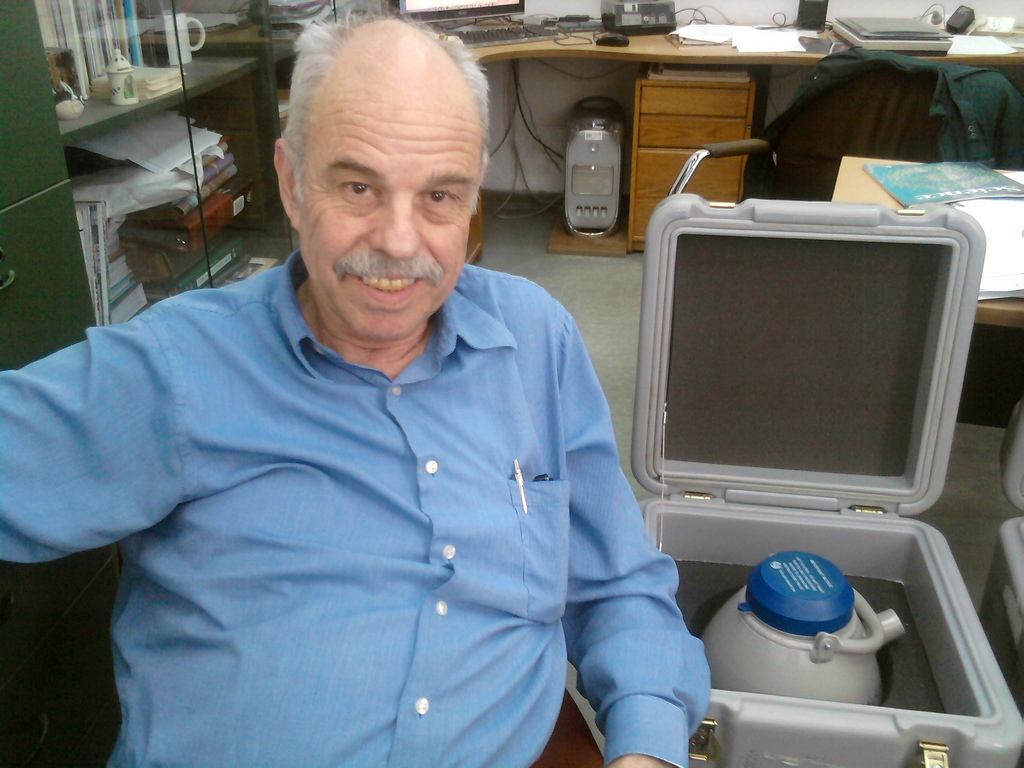
“My research aims to come close to achieving the energy production that plants can obtain when converting sun to sugars in their green leaves,” explains Prof. Nelson (below).
Described in 1905 by Albert Einstein, quantum physics and photons explained the basic principles of how light energy works. Once light is absorbed in plant leaves, it energizes an electron which is subsequently used to support a biochemical reaction, like sugar production.
“If we could come even close to how plants are manufacturing their sugar energy, we’d have a breakthrough. It’s therefore important to solve the structure of this nano-machine to understand its function,” says Prof. Nelson, whose lab is laying the foundations for this possibility.
Since the PSI reaction center is a pigment-protein complex responsible for the photosynthetic conversion of light energy to another form of energy like chemical energy, these reaction centers, thousands of which are precisely packed in the crystals, may be used to convert light energy to electricity and serve as electronic components in a variety of different devices.
“One can imagine our amazement and joy when, upon illumination of those crystals placed on gold covered plates, we were able to generate a voltage of 10 volts. This won’t solve our world’s energy problem, but this could be assembled in power switches for low-power solar needs, for example,” he concludes.




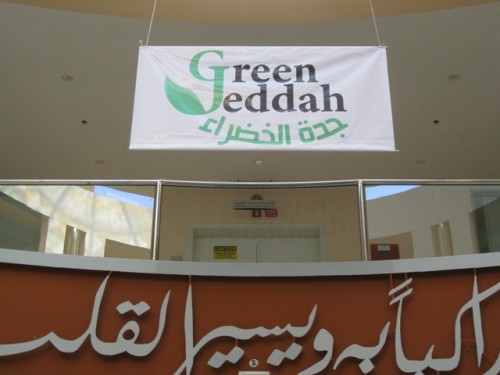
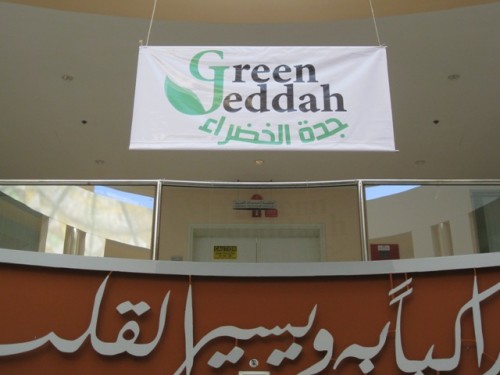 Green Jeddah project wants to teach Saudi youth importance of recycling, cleaning up toxic waste and pollution.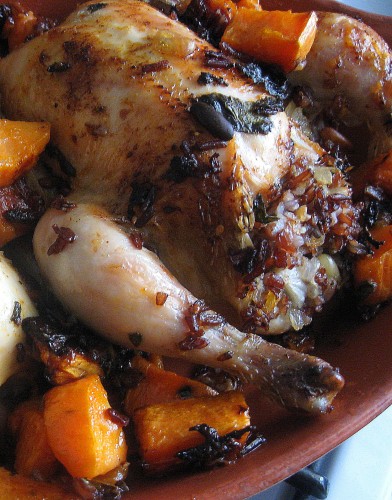
 Poussins stuffed with pine nuts, Middle-Eastern spices and rice bring roast chicken to a higher level.
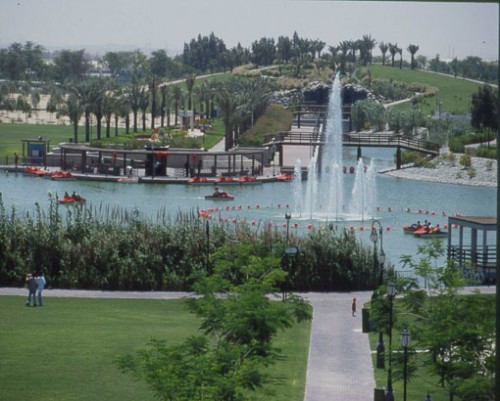



 The rare and beautiful dugong inspired “tails” about mermaids. This strange creature faces extinction in the Middle East. Image via

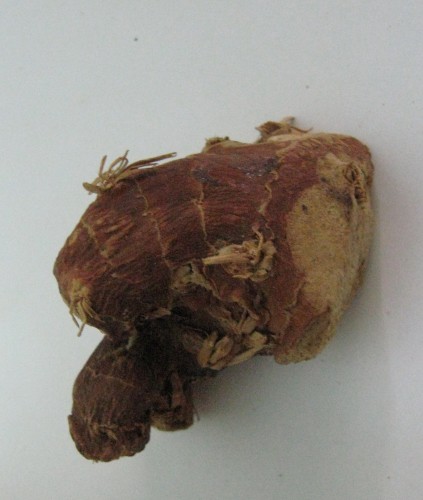

 D is for Dill. People usually think of dill as the frondy green that flavors pickles, salads, and fish, but the seeds (actually they’re the fruit) also add flavor to cooked foods. In Iran, they are cooked with pulses, especially fava beans. Consider that dill seeds, like most dried spices, aid digestion and combat flatulence; it makes sense. A very weak tea of dill seeds helps children with colic.
 This native of the Mediterranean is known for its light-green, succulent bulb and, more recently among gourmands, for the flavor of its pollen. But fennel seeds are a pleasant addition to the spice cabinet, used with discretion in bread and sausages. As medicine, they work like dill and anise to relieve colic and indigestion. Fennel seeds as tea are also diuretic. And fleas apparently hate them. We don’t know how effective crushed fennel seeds are to treat a flea infestation, but it might work as a preventative.
 Oh, yes, Garlic. Sometime in March, the season for fresh garlic begins. You can buy ropes of it to hang up in a breezy place. It makes the whole house smell like a salami, but how worthwhile it is. Leaving the culinary uses of garlic aside, how can you pass up a spice (herb, really) so powerfully medicinal? Garlic is antiseptic – rub some on a kitchen cut. It’ll sting, but the wound won’t get infected. As a cold preventative and remedy, it really does work. Garlic reduces cholesterol and hypertension; it’s antioxidant and brings inflammation down. If you protest that garlic on the breath is a guaranteed way to alienate people and make enemies – nowadays odorless garlic capsules are available in drugstores and health food stores.

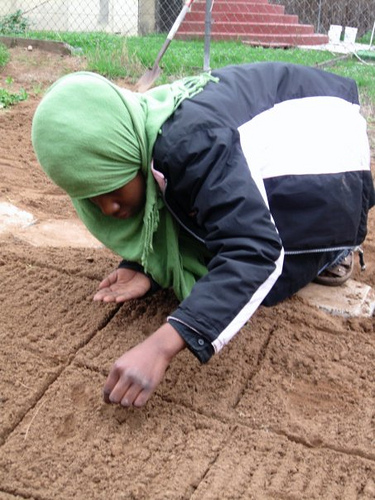

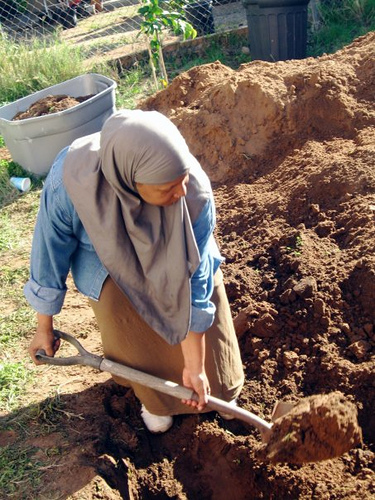 (Left: A Muslim woman doing a halal day’s work)