Reading nutrition advice from 50, 40, and even 20 years ago feels like stepping into an alternate universe. It’s hard to believe how close-minded and definitive those tips were when we look at them in relation to today’s actual scientific studies.
Before promoting sustainability progress, companies must ensure their initiatives are genuine and measurable. Today’s audiences are increasingly skeptical of vague environmental claims, particularly as awareness of “greenwashing” has grown.
Sydney is best known for the Opera House and the Harbour Bridge. If you’re looking to enjoy dinner with views of these landmarks, here are some great options.
It's sea turtles which may in the end save islands in the Seychelles. They may also better help us understand climate change. Like rings on a tree, scientists have found a way to read sea turtle shells and how they are impacted by climate change tells a story.
Reading nutrition advice from 50, 40, and even 20 years ago feels like stepping into an alternate universe. It’s hard to believe how close-minded and definitive those tips were when we look at them in relation to today’s actual scientific studies.
Before promoting sustainability progress, companies must ensure their initiatives are genuine and measurable. Today’s audiences are increasingly skeptical of vague environmental claims, particularly as awareness of “greenwashing” has grown.
Sydney is best known for the Opera House and the Harbour Bridge. If you’re looking to enjoy dinner with views of these landmarks, here are some great options.
It's sea turtles which may in the end save islands in the Seychelles. They may also better help us understand climate change. Like rings on a tree, scientists have found a way to read sea turtle shells and how they are impacted by climate change tells a story.
Reading nutrition advice from 50, 40, and even 20 years ago feels like stepping into an alternate universe. It’s hard to believe how close-minded and definitive those tips were when we look at them in relation to today’s actual scientific studies.
Before promoting sustainability progress, companies must ensure their initiatives are genuine and measurable. Today’s audiences are increasingly skeptical of vague environmental claims, particularly as awareness of “greenwashing” has grown.
Sydney is best known for the Opera House and the Harbour Bridge. If you’re looking to enjoy dinner with views of these landmarks, here are some great options.
It's sea turtles which may in the end save islands in the Seychelles. They may also better help us understand climate change. Like rings on a tree, scientists have found a way to read sea turtle shells and how they are impacted by climate change tells a story.
Reading nutrition advice from 50, 40, and even 20 years ago feels like stepping into an alternate universe. It’s hard to believe how close-minded and definitive those tips were when we look at them in relation to today’s actual scientific studies.
Before promoting sustainability progress, companies must ensure their initiatives are genuine and measurable. Today’s audiences are increasingly skeptical of vague environmental claims, particularly as awareness of “greenwashing” has grown.
Sydney is best known for the Opera House and the Harbour Bridge. If you’re looking to enjoy dinner with views of these landmarks, here are some great options.
It's sea turtles which may in the end save islands in the Seychelles. They may also better help us understand climate change. Like rings on a tree, scientists have found a way to read sea turtle shells and how they are impacted by climate change tells a story.
Reading nutrition advice from 50, 40, and even 20 years ago feels like stepping into an alternate universe. It’s hard to believe how close-minded and definitive those tips were when we look at them in relation to today’s actual scientific studies.
Before promoting sustainability progress, companies must ensure their initiatives are genuine and measurable. Today’s audiences are increasingly skeptical of vague environmental claims, particularly as awareness of “greenwashing” has grown.
Sydney is best known for the Opera House and the Harbour Bridge. If you’re looking to enjoy dinner with views of these landmarks, here are some great options.
It's sea turtles which may in the end save islands in the Seychelles. They may also better help us understand climate change. Like rings on a tree, scientists have found a way to read sea turtle shells and how they are impacted by climate change tells a story.
Reading nutrition advice from 50, 40, and even 20 years ago feels like stepping into an alternate universe. It’s hard to believe how close-minded and definitive those tips were when we look at them in relation to today’s actual scientific studies.
Before promoting sustainability progress, companies must ensure their initiatives are genuine and measurable. Today’s audiences are increasingly skeptical of vague environmental claims, particularly as awareness of “greenwashing” has grown.
Sydney is best known for the Opera House and the Harbour Bridge. If you’re looking to enjoy dinner with views of these landmarks, here are some great options.
It's sea turtles which may in the end save islands in the Seychelles. They may also better help us understand climate change. Like rings on a tree, scientists have found a way to read sea turtle shells and how they are impacted by climate change tells a story.
Reading nutrition advice from 50, 40, and even 20 years ago feels like stepping into an alternate universe. It’s hard to believe how close-minded and definitive those tips were when we look at them in relation to today’s actual scientific studies.
Before promoting sustainability progress, companies must ensure their initiatives are genuine and measurable. Today’s audiences are increasingly skeptical of vague environmental claims, particularly as awareness of “greenwashing” has grown.
Sydney is best known for the Opera House and the Harbour Bridge. If you’re looking to enjoy dinner with views of these landmarks, here are some great options.
It's sea turtles which may in the end save islands in the Seychelles. They may also better help us understand climate change. Like rings on a tree, scientists have found a way to read sea turtle shells and how they are impacted by climate change tells a story.
Reading nutrition advice from 50, 40, and even 20 years ago feels like stepping into an alternate universe. It’s hard to believe how close-minded and definitive those tips were when we look at them in relation to today’s actual scientific studies.
Before promoting sustainability progress, companies must ensure their initiatives are genuine and measurable. Today’s audiences are increasingly skeptical of vague environmental claims, particularly as awareness of “greenwashing” has grown.
Sydney is best known for the Opera House and the Harbour Bridge. If you’re looking to enjoy dinner with views of these landmarks, here are some great options.
It's sea turtles which may in the end save islands in the Seychelles. They may also better help us understand climate change. Like rings on a tree, scientists have found a way to read sea turtle shells and how they are impacted by climate change tells a story.
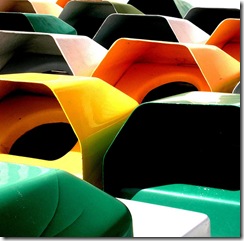
Question: What product do we buy just to throw out again? Answer: Garbage bags.
New “green” products, like biodegradable garbage bags, are a hot topic. But it’s usually best to manage with fewer products instead of buying more, even if they are “green.”
In most cases, biodegradable bags pose less danger to landfills and groundwater and are a better choice than conventional garbage bags.
When biodegradable bags start to decompose, the nutrients from your garbage go right into the earth. But what if you have spray cans, batteries or other contaminants in your garbage? Using a biodegradable bag will increase the likelihood of dangerous chemicals leaching into the ground.
Bats find no-man’s land makes a great “hang-out.” Image via Yuvalh.
The song lyrics ask, “War — what’s it good for?” Well, conflicts between peoples may create new opportunities for displaced and endangered animals. Haaretz newspaper reports that Ph.D. student Eran Levin of Tel Aviv University’s Department of Zoology has discovered one of the most species-rich bat populations in the world — and they’re hiding out in unused army bunkers in the Jordan Valley. The bunkers, originally set up by the Israel Defense Forces, have been abandoned since the 1994 peace accord with Jordan. Since then, they have become the bats’ preferred haunt. Levin is making sure that the bats — some of them endangered — get adequate “hanging” space to encourage breeding and long-term survival.
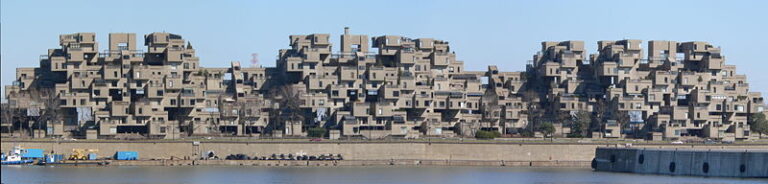
Moshe Safdie’s Habitat ’67 designed for Montreal World Fair a model of sustainable living. Image via Wikipedia.
Sustainable building is gaining some speed in the Middle East, but at a pace that is powerless against escalating climate damage. The Gutman Visitation Center’s Living Building in Jerusalem and Qatar’s LEED certified convention center offer good examples of what can and should be done, but we can only hope that influential architects and developers will do more to voluntarily adopt better building standards.
Etsy, for those who don’t yet know, is an online forum for handmade products. The handmade revolution is green in and of itself, since it attempts to reduce reliance on machine (and electricity powered) made products, but Etsy goes even greener than that. Etsy makes it easy to shop green by making it easy to shop local and search for products made from recycled or eco-friendly materials through their “ecoetsy” category.
Many Israeli Etsy sellers (who have all been featured on Green Prophet already – click on their names to see the full feature) are making our shopping very green and fun. We thought it would be helpful for you to have their names on your shopping list, maybe to make your Passover gift shopping a little more environmentally friendly?
Let the local, green, handmade shopping begin!
Dria Peterson creates her handmade dolls and upcycled denim bags from Amirim, a vegetarian eco-village in northern Israel. Her whimsical dolls are all made out of reclaimed fabrics and are definitely a great alternative to non-eco-friendly Barbie. (Check out her baby-friendly doll, Iz’o the Strong Man, above.)
e-GEO satellite monitoring of Dubai’s Palm Island. Can technology protect the endangered Persian Gulf?
Saudi Arabia’s fragile desert and coastal environments will now get “help from above,” thanks to an initiative by a group of Saudi Arabian and European partners (GAF AG and e-GEOS) who have completed a project to implement and provide satellite-based environmental information products and services to the Presidency of Meteorology and Environment (PME) of the Kingdom of Saudi Arabia (KSA). The project will involve satellite monitoring of all areas of the Kingdoms environmental structure “Land – Air – Coast – Marine” and is based on similar projects conducted in Europe in GMES for “Global Monitoring for Environment and Security” programs. They’ll be watching for oil spills, and more.
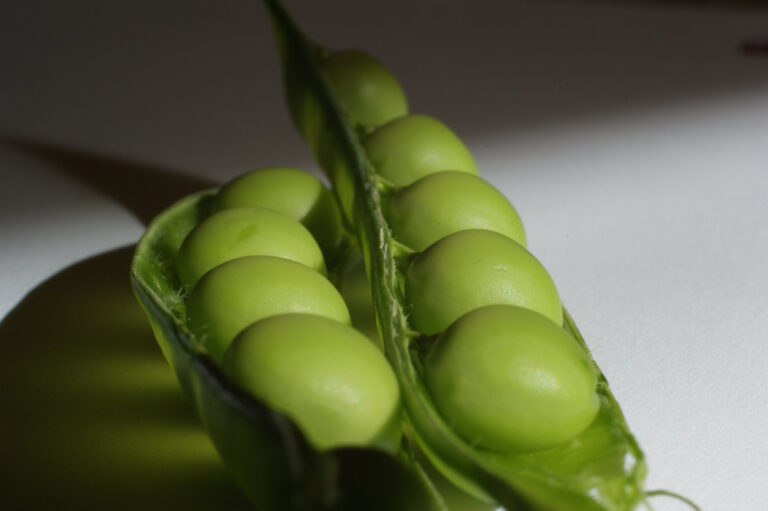
An Israeli scientist has found a way to pull solar energy from pea plants.
If harnessing the unlimited solar power of the sun were easy, we wouldn’t still have the greenhouse gas problem that results from the use of fossil fuel. And while solar energy systems work moderately well in hot desert climates, they are still inefficient and contribute only a small percentage of the general energy demand. A new solution may be coming from an unexpected source — a source that may be on your dinner plate tonight. Peas!
“Looking at the most complicated membrane structure found in a plant, we deciphered a complex membrane protein structure which is the core of our new proposed model for developing ‘green’ energy,” says structural biologist Prof. Nathan Nelson of Tel Aviv University’s Department of Biochemistry. Isolating the minute crystals of the PSI super complex from the pea plant, Prof. Nelson suggests these crystals can be illuminated and used as small battery chargers or form the core of more efficient man-made solar cells.
Nanoscience is the science of small particles of materials and is one of the most important research frontiers in modern technology. In nature, positioning of molecules with sub-nanometer precision is routine, and crucial to the operation of biological complexes such as photosynthetic complexes. Prof. Nelson’s research concentrates on this aspect.
The mighty PSI
To generate useful energy, plants have evolved very sophisticated “nano-machinery” which operates with light as its energy source and gives a perfect quantum yield of 100%. Called the Photosystem I (PSI) complex, this complex was isolated from pea leaves, crystalized and its crystal structure determined by Prof. Nelson to high resolution, which enabled him to describe in detail its intricate structure.
“My research aims to come close to achieving the energy production that plants can obtain when converting sun to sugars in their green leaves,” explains Prof. Nelson (below).
Described in 1905 by Albert Einstein, quantum physics and photons explained the basic principles of how light energy works. Once light is absorbed in plant leaves, it energizes an electron which is subsequently used to support a biochemical reaction, like sugar production.
“If we could come even close to how plants are manufacturing their sugar energy, we’d have a breakthrough. It’s therefore important to solve the structure of this nano-machine to understand its function,” says Prof. Nelson, whose lab is laying the foundations for this possibility.
Since the PSI reaction center is a pigment-protein complex responsible for the photosynthetic conversion of light energy to another form of energy like chemical energy, these reaction centers, thousands of which are precisely packed in the crystals, may be used to convert light energy to electricity and serve as electronic components in a variety of different devices.
“One can imagine our amazement and joy when, upon illumination of those crystals placed on gold covered plates, we were able to generate a voltage of 10 volts. This won’t solve our world’s energy problem, but this could be assembled in power switches for low-power solar needs, for example,” he concludes.
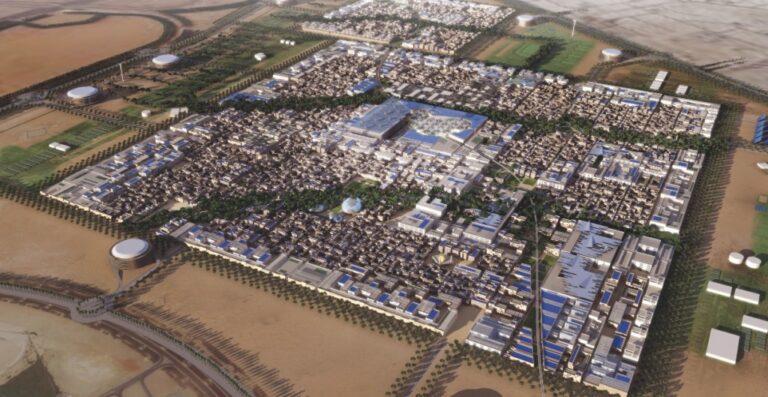
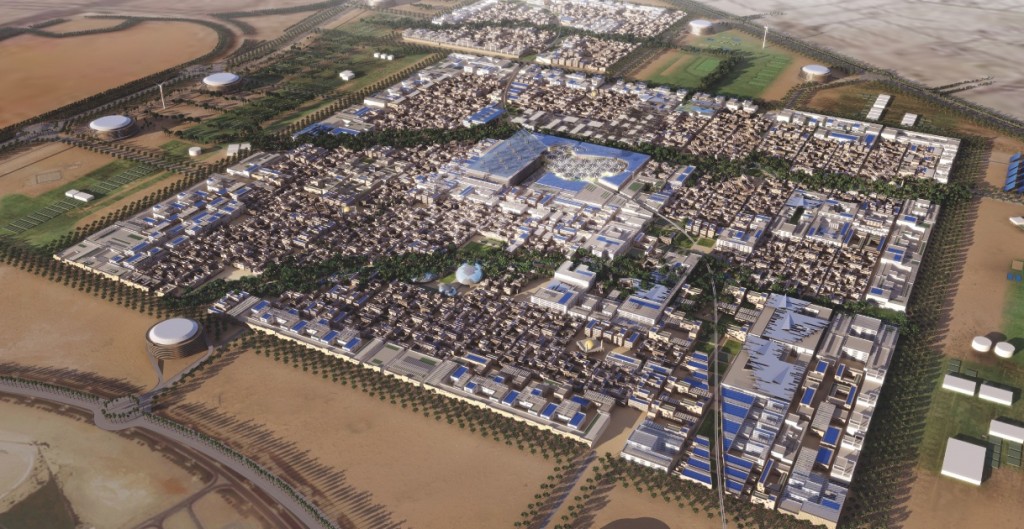
Destertec and Masdar (above) are heating up solar energy opportunities in the Middle East. Tap into this new energy at the 2nd Annual MENASOL conference, this year in Egypt. Image via Masdar website.
Green Prophet wants to remind you about MENASOL –– the major solar energy conference taking place in Cairo, Egypt this May. You can read our first interview with MENAOL’s Heidi Hafes here, and according to Heidi, the abundant sun resource in the Middle East North Africa region is now being commercialised as governments and international enterprises speedily begin to enter the multi billion dollar solar market in the region. Some are hoping they can make multi billion dollar returns. Want to know just how much the Middle East and North Africa region is heating up?
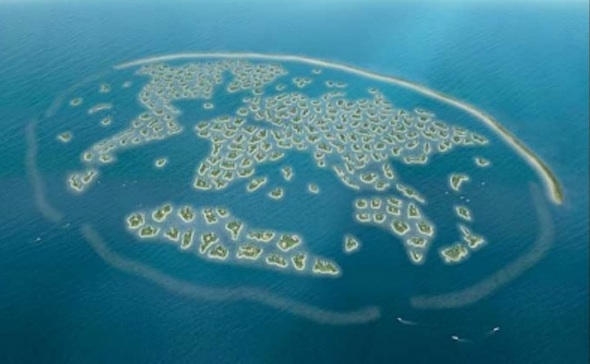
Projects like Dubai’s “The World” will cause untold damage of shoreline erosion and habitat loss. So do modern ports, threatening endangered species. But there are solutions, says US expert.
Coastal waters are evolutionary hotspots, says Jerry Berne, a shoreline expert from the NGO Sustainable Shorelines in the US. Based in Charlotte, NC, USA, Berne is concerned about the toll construction and shoreline projects are having on the world’s marine ecosystems. Looking at the intensive construction projects ongoing in the Gulf region, such as Dubai’s The World, and over-pumping of aquifers by the Palestinian and Israeli authorities, Berne sees our current management of shorelines as a disaster. In an interview with Green Prophet, Berne points out the problems in the Middle East and gives alternative solutions, such as offshore ports powered by solar energy, to stop soil erosion and habitat loss.
Support the organic cotton business in Egypt by buying Under the Nile brand toys and baby clothes.
While Israel’s Katanchic is making groovy cotton baby clothes, and Turkey is brandishing their organic cotton in the steamy markets of Istanbul, Egypt has long been lauded as the Middle East’s king of cotton. Under the Nile, founded by Janice Masoud, takes business one-step further making baby clothes and other organic products. Not only do they produce 100% organic, handpicked Egyptian cotton products, but they also give back to the communities that sustain their business.
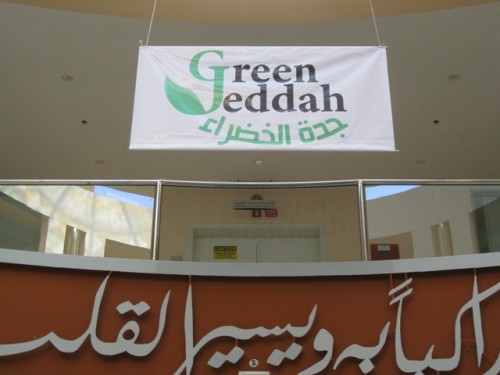
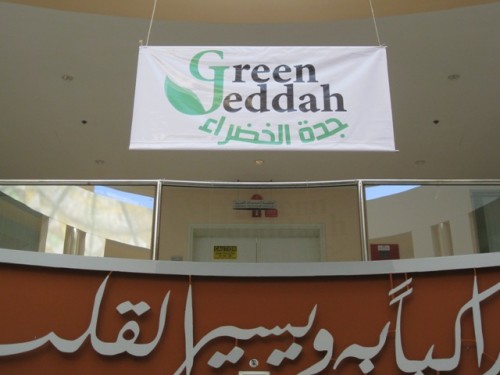
Green Jeddah project wants to teach Saudi youth importance of recycling, cleaning up toxic waste and pollution.
Saudi Arabia’s interest in environmental issues and projects is now being tailored to attract the country’s large youth population, now said to compose as much as 60% of the entire population of 28 million. In an article published in the Middle East Arab World’s leading English language daily, Arab News , an environmental interest group, Green Jeddah, is trying make the country’s youth more involved in dealing with issues of environmental problems in Jeddah and other major population areas in the country. We know that sewage leaks and garbage dumps threaten the Red Sea, but what other problems to Saudis face?
Poussins stuffed with pine nuts, Middle-Eastern spices and rice bring roast chicken to a higher level.
A poussin is nothing more than a baby chicken, under a month old and hardly bigger than a man’s fist. Each one makes a serving. They’re very good grilled or stuffed and roasted quickly. We love to serve them well doused in olive oil, seasoned with Middle Eastern spices, and surrounded with sweet potato chunks. Have lots of red wine to drink with this meal.
Poussins Stuffed With Rice and Pine Nuts
2 individual chickens, each 1 serving
Ingredients:
2 poussins (baby chickens) – or use 1 medium sized roasting chicken
olive oil
salt and pepper
1/2 teaspoon crushed allspice berries
1/4 teaspoon cinnamon
a shake or two of paprika, for color
Juice of 1 small orange
1 cup of cooked rice
1 small onion, finely chopped
1/4 cup fresh seasonal herbs, chopped. This may be cilantro, basil, scallions, parsley, or any combination.
1 large handful of pine nuts
1 large sweet potato, cut up into chunks
Method:
1. Leave a spoonful of herbs aside. In a bowl, mix the rice, onion, the rest of the herbs, pine nuts, 1/2 tsp. salt and pepper to taste.
2. Pour 2 tablespoons olive oil into the rice mixture and mix again. Put aside.
3. Rub the chickens with olive oil, allspice, cinnamon, orange juice, paprika, salt, and pepper.
4. Stuff the poussins, forcing the stuffing in as much as possible. Lift the skin off the breast and slide the spoonful of herbs you set aside between it and the flesh.
5. Surround the birds with the sweet potato chunks. Drizzle a little olive oil over everything.
6. Roast at 350° F – 180° C for 45 minutes, basting twice. Check for done-ness and roast a further 15 minutes if necessary.
Enjoy!
More mouthwatering Middle-Eastern recipes at Green Prophet:
The Dubai municipality seeks to increase the emirate’s green areas by 4% by the end of next year, including new public parks and additional landscaping, ArabianBusiness.com reported today.
According to municipality officials, there is currently the equivalent of 13.18 square meters of green space per capita in Dubai. The aim is to nearly double this figure and offer every resident of the emirate 25 square meters of green by 2020. As part of this effort, some 27 million flowering plants were already planted last year, according to city officials.
Cairo could flood over if climate change predictions come true.Image of smoggy Cairo via ninahale.
The Egyptian Minister of Agriculture Amin Abaza confirmed last week that the ministry had prepared a strategy for sustainable agricultural development until 2030. (This comes after gloomy reports for the Cairo region by the year 2020) He said that the strategy is based on the study of the sensitivity of the agricultural sector to climate change, “which affects the cultivated area, the structure of crops and the migration of rural populations and how to mitigate the negative effects resulting from these changes.”
Yosef Gotlieb, educator and writer, opines on critics of Al Gore’s Inconvenient Truth. Image via asterdata.
In a meticulously reasoned essay appearing on the Opinion page of the March 1, 2010 edition of the International Herald Tribune (New York Times, Feb 28), Al Gore succeeds in disarming and discrediting the champions of climate change skepticism. Given the resounding scientific evidence of climate change as a result of human activity and the consensus of the scientific community that we are in deep trouble, the fact that Nobelist Gore has found it necessary to denounce the deniers tells volumes about the economic roots of environmental degradation and those responsible for it.
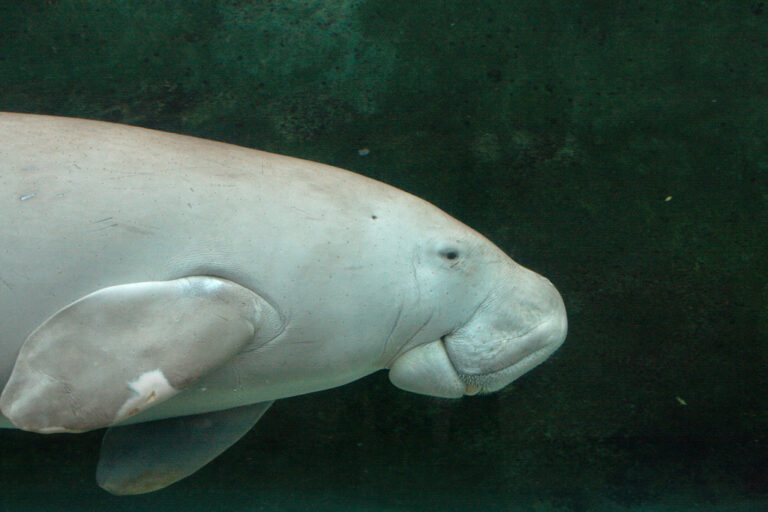
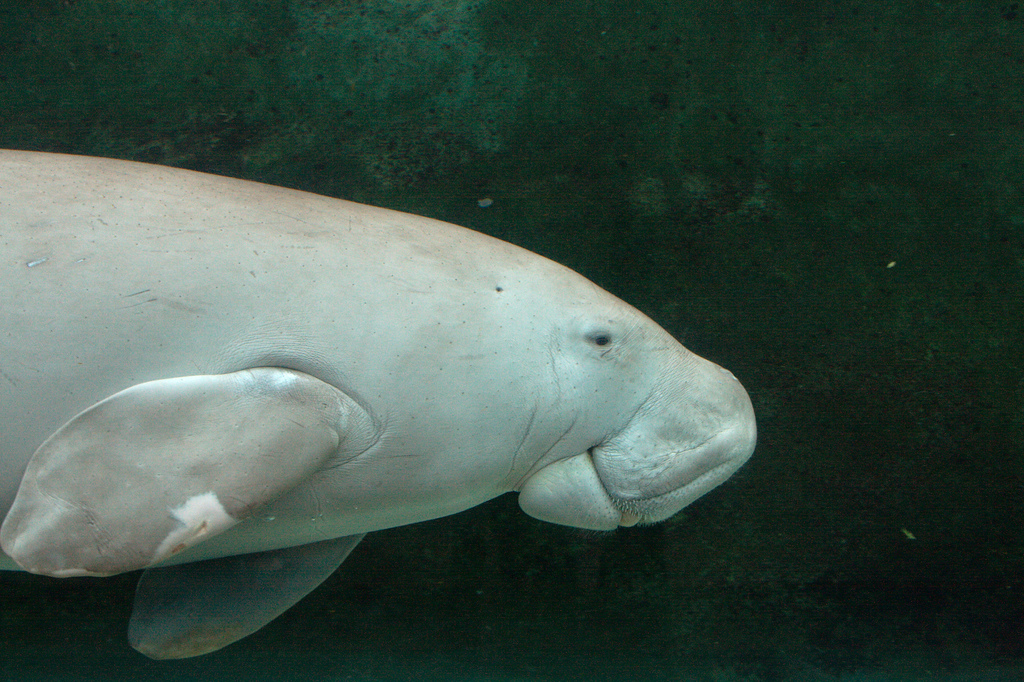
The rare and beautiful dugong inspired “tails” about mermaids. This strange creature faces extinction in the Middle East. Image via Christian Haugen.
Can you believe that between six and seven thousand “mermaids” still live in the shallow, saline waters of the Persian Gulf? Better known as dugongs or sea cows, these slow moving, gentle herbivores inhabit sea grass filled estuaries and mangrove swampy areas off Saudi Arabia, the UAE states, Bahrain, and Qatar. They also live in the Red Sea. But they are under danger of extinction.
These aquatic mammals were once the subject of maritime tales dealing with mermaids, or half fish, half human creatures that lived in the sea and often called sailors to their death by encouraging them to jump overboard from their ships.
The dugong population in the Red Sea and in the Persian Gulf are estimated to be the second largest in the world, according to an article published a few years back by UN Environment Protection Agency’s Grida newsletter (no longer online, March 2020).
We need to protect these strange and beautiful mammals not at risk in the Persian Gulf and the Red Sea. Image via ThePatrick.
Recent construction projects in the Gulf’s coastal areas may have affected the relative safety that these creatures have been there for hundreds of years.
Man made damage harms dugongs and other Gulf Wildlife
The impact of oil production, war, and all the construction projects in and around the Persian Gulf has naturally had an adverse effect on marine and other wildlife in this region.
Previous Green Prophet articles have mentioned Dubai and Abu Dhabi real estate projects such as Dubai’s Palm Island and The World artificial islands, which have caused considerable damage to marine life in the areas where these projects have been constructed, and are presently being constructed.
The best example is the largest of these projects, The World, which is now causing serious damage to coral reefs, kelp, and the very sea grass that the dugong feed upon. As was noted in this article, the delicate eco-system of coral reefs, mangrove coastal areas and seagrass habitats, have been depleted by more than 35%.
The sea water salinity in the Gulf has also increased, affecting sea life. It was also noted that Island project promoters plan to import a number of dolphins from the Solomon Islands to add an extra attraction to the area, as well as creating a special “diver’s cave” where amateur scuba divers can hunt for “treasure” that the project promoters will put there for them.
In another article, a case study published in an American University educational website, one of the most constant threats posed to the dugongs of the Persian Gulf is that of water pollution; most especially water pollution as a result of oil spills.
With an enormous amount of the world’s oil supplies located in the Persian Gulf region, the transport of oil through the Persian Gulf is a fact of life. So too are oil spills. Oil in the water of the Persian Gulf destroys dugong habitats and is likely to have significant direct negative health effects on the dugong.
Efforts have been made to protect the dugong from being hunted or killed by fishermen when the mammals are trapped in fishing nets. Saudi Arabia and the UAE are signers to the CITES Agreement which is a world-wide resolution, adopted originally in 1963, to protect endangered animal species, of which the dugong and other similar species (manatee, etc) are now considered to be.
“The main danger — in the whole region — is the net capture, because it is the reason for many accidents, and the cause of destruction of habitat sea-grass.”
These creatures, which grow up to 3 meters in length, are related to the elephant, and can live as long as 70 years, are a classic example of how humans are damaging and even destroying the wildlife of the Persian Gulf.

 Question: What product do we buy just to throw out again? Answer: Garbage bags.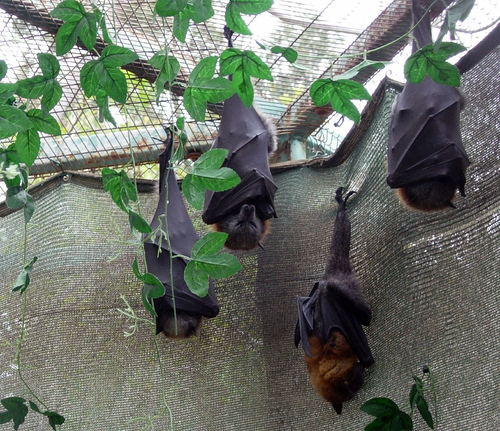
 Moshe Safdie’s Habitat ’67 designed for Montreal World Fair a model of sustainable living. Image via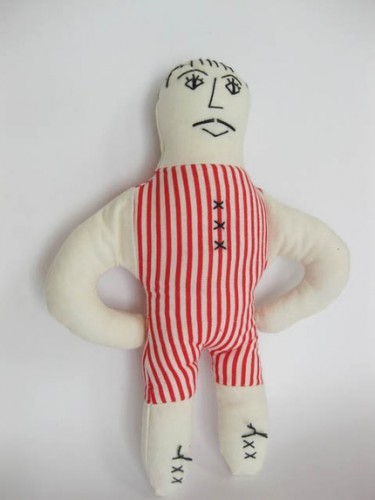


 An Israeli scientist has found a way to pull solar energy from pea plants.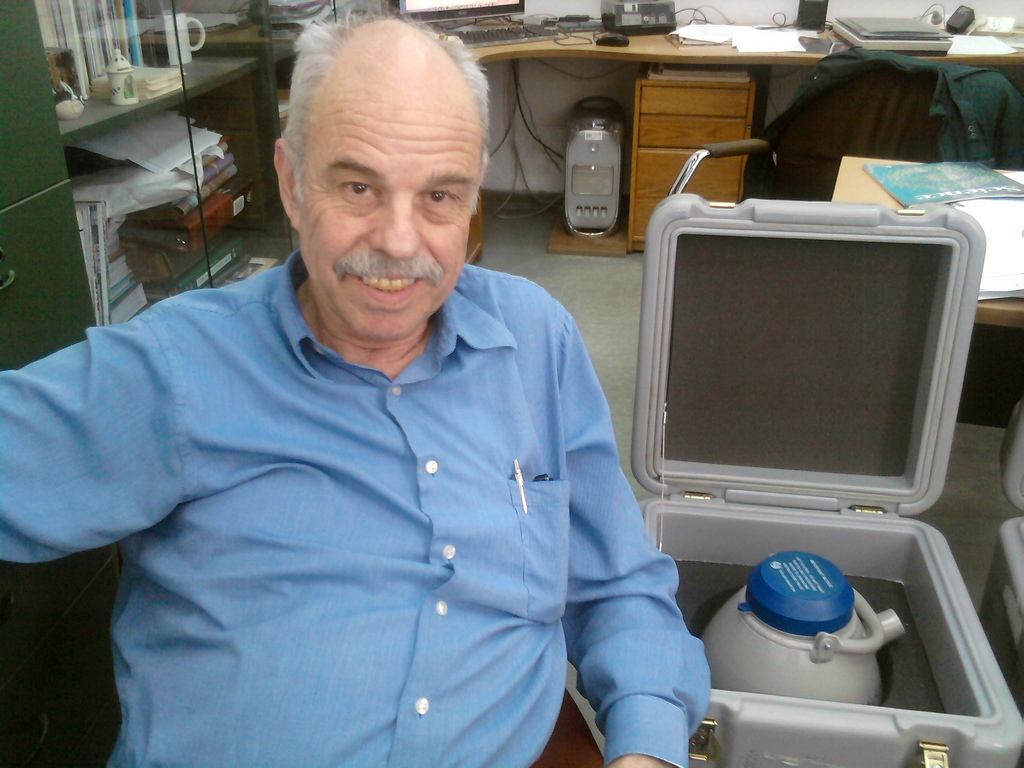


 Green Jeddah project wants to teach Saudi youth importance of recycling, cleaning up toxic waste and pollution.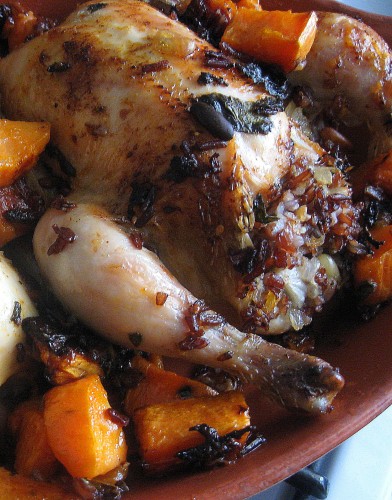
 Poussins stuffed with pine nuts, Middle-Eastern spices and rice bring roast chicken to a higher level.


 The rare and beautiful dugong inspired “tails” about mermaids. This strange creature faces extinction in the Middle East. Image via

