Home Blog Page 640

Dropouts Threaten Viability of Israel’s Ashelim Solar Tender

Negev desert

Is the sun setting on Israel’s plans to build solar power plants at Ashelim in the Negev Desert? (image via inisrael.com)

Clal Industries and BrightSource Industries are the latest companies to drop out of the competition to build two solar energy plants at Ashelim, in Israel’s Negev desert. The $1 billion tender to supply some 2% of Israel’s electricity is now in jeopardy, according to reports published in the Globes business daily yesterday.

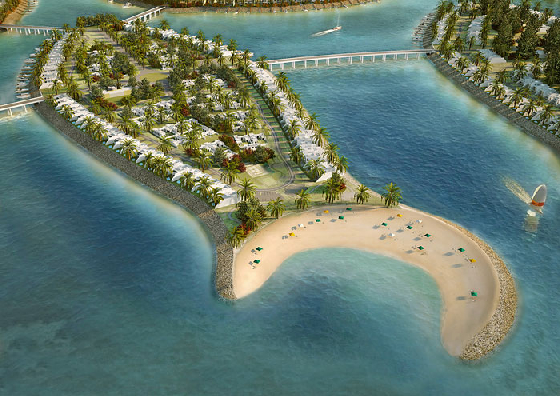
Durrat Al Bahrain Artificial Islands – "A Place Like No Other"

0

durrat-al-bahrain-1Too many artificial islands imperil endangered species, coral reefs, and humans too?

If Bahrain’s endangered dugong and turtle populations had a voice, surely they would use it to cry out against the Durrat artificial islands.  The fishermen are shouting because they’re running out of fish.  Even members of parliament are grumbling that land reclamation renders the country economically and socially unstable.  There is a strong sense that too many poorly regulated artificial islands are a bad idea. Unfortunately, dissenting voices don’t count where $6 billion development projects are concerned, especially when Bahrain’s government and financing arm – the Kuwait Finance House – own them.

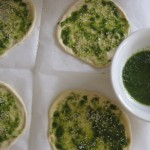
Bake Your Own Za’atar-Topped Pita Recipe

0

pita-bread-with-za'atar

The Middle East’s daily bread, easily made at home.

In the Middle East, here is always pita. Pita sops up humus and sauces; opens up to enfold falafel or shwarma; serves as a base for all kinds of spreads (like muhamarra). We take this homely bread for granted, but if it were taken away, we’d miss it like we’d miss our mothers.

While the ordinary pita you pick up in the market is pretty good, you can easily make it at home. Baked with one or both of these simple toppings, piled up in a basket still hot and put down on the table, it’s the essence of the Middle East.

Za’atar-Topped Pita

makes about 8 pitas

Ingredients

For Pita:

  • 1 Tblsp active dry yeast or 1/2 oz. fresh cube yeast
  • 1- 1/4 cup warm water
  • 1 tsp sugar
  • 1 tsp salt
  • 3- 1/4 cups white flour

For Za’atar Spread:

  • 6 Tblsp olive oil
  • 4 Tblsp za’atar spice

Instructions:

  1. In a small bowl mix the yeast, the sugar and the warm water.
  2. Mix the flour and salt in a big bowl. Make a well in the center of the flour and pour the yeast mixture in.
  3. Knead the mixture into dough. Continue to knead the dough for about 8 minutes , until it turns into a firm, elastic dough. If it’s too sticky to handle, add flour by tablespoons. It should be firm, but not stiff.
  4. Form the dough into a ball, and cover the bowl with a towel. Let the dough rise for 1 hour, and then knead it for 2 minutes.
  5. Divide the dough into 8 balls.  Cover the dough balls with a towel.
  6. Roll out each ball gently on a floured surface until it is about ¼ inch thick.
  7. Line baking trays with parchment paper, and grease the paper lightly with olive oil.
  8. Preheat oven to 450°F, 230°C.
  9. In a small bowl, combine the olive oil and za’atar spice.  Mix well.
  10. Slide as many pitas on each tray as will fit. Working quickly, lift the edges of each dough circle to make a lip around it. With a fork, make lots of little holes in the surface of each circle. This will keep the dough from rising up in bubbles. Cover each pita with a thick film of the spiced oil.
  11. Bake for 8-10 minutes.

Variation: Use only 3 Tblsp. of za’atar and add 3 Tblsp. of paprika.

za'atar-topped-pita

Enjoy!

More mouth-watering recipes on Green Prophet:

Made-At-Home Cottage Industry Booming in Island Kingdom of Bahrain

bahrain potter at the wheel photoBahrain government supports initiatives to bring business back to the families. Defying globalization and thinking locally? Explore what’s happening in this Middle East island kingdom.

Mohammed Jaffar is a 19-year-old street vendor in Muharraq, Bahrain, who sells a variety of locally grown greens and fruits. He is made popular among customers by local eggs produced by a reputable breeder in Karranah village in the north of the country.

Fifty-year-old Mohammed Salim, similarly raises chickens at his home to ensure a daily supply of eggs.

Jaffar and Salim are part of the new age of Bahraini families who are increasingly running their businesses in their own unique ways. Despite being pinched by inflation and then the downturn, this new breed of entrepreneurs is popping up in different pockets of the country. Their mission is to be self-reliant.

Climate Change Denial and the Climate of Fear

blind fold typists from france circa 1940 photoDr. Gotlieb comments on the attempts by economically and politically interested parties to obscure the climate change debate. Scientists are “street fighting” the demagoguery in prestigious journals, like Nature.

There is a mean spirit blowing — and its not a sirocco out of the Maghreb.

The issue began brewing around the time of the ill-fated Copenhagen Summit on Climate Change last December.  Shortly before then, in November 2009, climate change deniers received a windfall when a set of email correspondence from the Climatic Research Unit (CRU)) at East Anglia University in the UK was commandeered and its contents leaked.  The deniers broadly published their (mis-)interpretation of the contents of some of the exchanges, alleging duplicity among climatologist in misleading the public and policy makers about the urgency of climate change.

Jordan’s Sustainable Building Conference

0

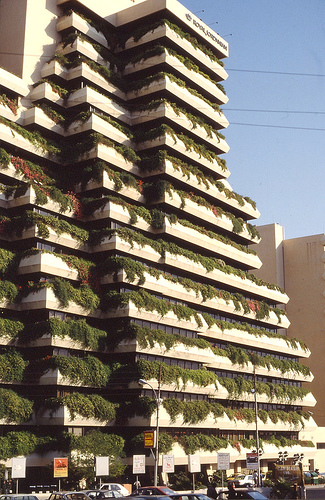
The third “Think Green” conference, held in Amman this week, encourages green buildings and sustainable communities. [image of an apartment building in Amman via: Sezgin Aytuna]

We heard about Jordanian Queen Rania’s activities earlier this week, and now we will hear what HRH Princess Sumaya Bint El Hassan has been up to.

For the past few days, she has been occupied sponsoring the third Think Green conference in Amman – a conference that is focused on sustainable and green building.

The main goal of the conference is “to encourage greater understanding of the challenges faced by the rapidly growing construction industry, in order to direct investments into efficient, cost effective and sustainable projects that will reduce the use of non-renewable resources and minimizes environmental impact during the entire lifecycle of the project.”

The conference attracted a variety of figures influential in matters of green building, such as H.E. Hazem Malhas (Jordanian Minister of Environment), H.E. Khaled Irani (Jordanian Minister of Energy and Mineral Resources), and Mohammad Asfour (Chairman of the Jordan Green Building Council).

The conference sessions included: green building practices in the design and operation of the hospitality sector, green building designs, approaches and outcomes, assessing Jordan’s green regulatory framework and initiatives, and green building projects and case studies.

Think Green 3’s main objectives were:

To bring together major stakeholders to promote and encourage the adoption of environmentally-responsible design & construction solutions.

To encourage the use of efficient energy & water management systems and building materials that minimise the use of non-renewable resources.

To identify practical and achievable sustainable design and construction practices and techniques.

To promote the adoption of green concepts in real estate projects .

To develop an action plan for implementation of green and sustainable buildings, construction practices, technologies and supportive legislation.

More sustainable building in the Middle East:
Tareq Emtairah’s Practical Eco-House in Aqaba, Jordan
Qatar’s Green Building Council Rallies Community Leaders
Calling all Young Architects and Grad Students to Join ECOWEEK 2010

Hungry Persian Gulf States Look to Mycorrhiza Fungus to Grow Crops in Desert

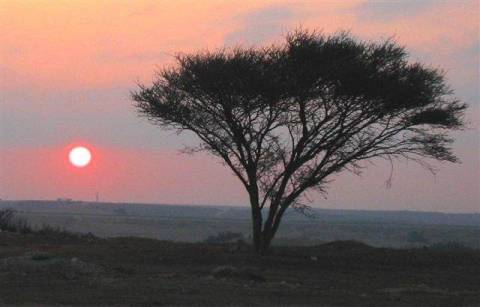
mycorrhiza-fungus-desert abu dhabiBring in the mycorrhiza fungi to help crops grow in the desert, suggests new study for the Middle East. Image via DGSgardening

Oil rich Persian Gulf states do not have enough arable land suitable for growing food and animal fodder crops; but they at least have the money available to find ways to improve the lands the do have and make them more agriculturally productive. A recent Reuters story reported that in Abu Dhabi, United Arab Emirates, a survey was recently conducted to determine how much land might be available for agricultural production. This was done in light of problems such as high soil salinity,  low ground water aquifers and summer temperatures that reach a high as 120 degrees F during the summer months. The solution? Bring in some microbes to condition the soil.

Endangered Baboons and Hyenas Rescued from Private Home in Abu Dhabi

0

Hyena rescued in Abu DhabiOne of the hyenas confiscated from a home in Abu Dhabi.

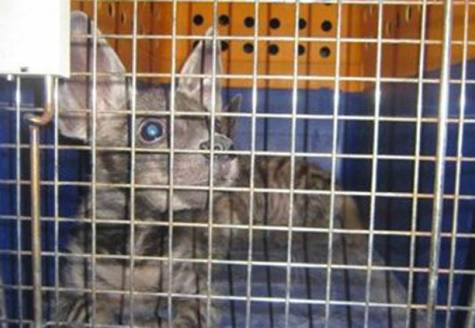
Fifteen baboon monkeys and two striped hyenas were rescued by environmental officials from a private home in Abu Dhabi this week. The animals, all listed as endangered species by the Convention on International Trade in Endangered Species (CITES), were being held illegally in a small cage awaiting sale.

China and 8 Israel-related Cleantech Headlines, Week of May 9, 2010

Better-Place-Station

Israel and China’s cleantech partnership, Better Place, Multimatrix and more headlines related to Israeli cleantech this past week.

During the week of May 9th, Israel was invited to join the OECD and its impact on the environment was explored. China’s Suntech and Israel Electric might work together and Better Place closed its $350 million round. For these stories and more, see this week’s headlines below.

Mikveh: Sacred, Sensual Gray Waters Far From Green

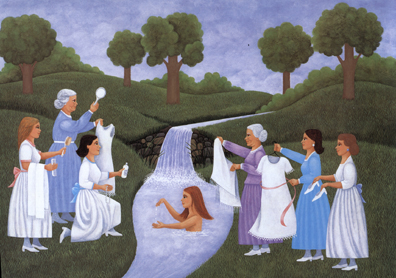
The first time I entered into the mikveh, it felt as if my body was suspended in something extraordinary, primordial fluid, if you will. Every sense awoke. The water felt warm against my skin, like a comforting caress, and the gentle lapping sounds echoed against the walls and whooshed in my ears. Time became irrelevant when I held my breath, opened my eyes, and submitted to the experience.

It is with total reference when we say that Judaism’s ancient ritual – mikveh immersion – is both sacred and intimate, a rejuvenation of the heart, soul and body. But is it green?

Upstream African Countries Sign Nile Water Deal Against Egypt's Interests

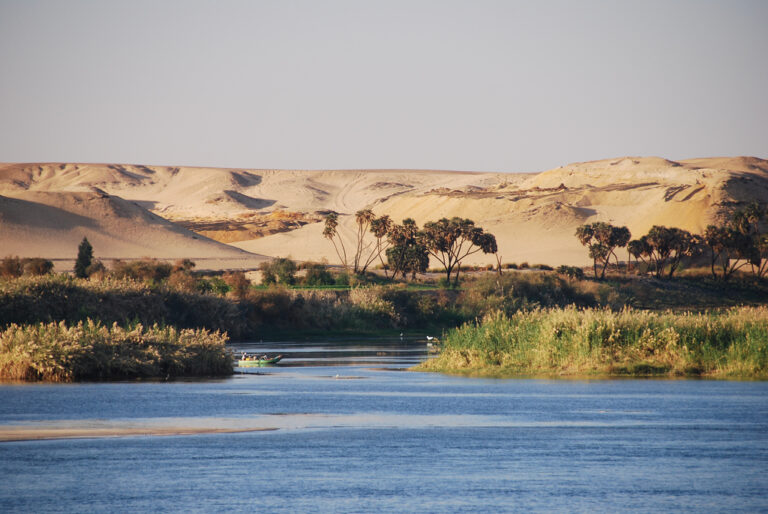
nile river photoAfrican nations fight over who lays claim to the Nile. Egypt is fighting back. Image via Michael JG
It is water. Water for all. At least this is the argument that upstream countries along the Nile River have been saying for years, but Egypt continues to refuse to renegotiate a colonial-era treaty that would allocate more water for use in the upstream countries part of the Nile Basin Initiative (NBI). Egypt says that without its access to water, the country could face severe shortages and possible nationwide anxiety and protests.

Either way, at least four of the seven upstream NBI countries have decided to go it alone. On Saturday, despite strong Egyptian and Sudanese opposition, Tanzania, Uganda, Rwanda and Ethiopia signed a new water-sharing agreement. The other three countries, Kenya, Burundi and the Democratic Republic of Congo are expected to sign the new deal within the next 12 months as allowed by the accord, NBI officials said on Sunday.

Renewed Avian Flu Scare Prompts West Bank Chicken Cull

0

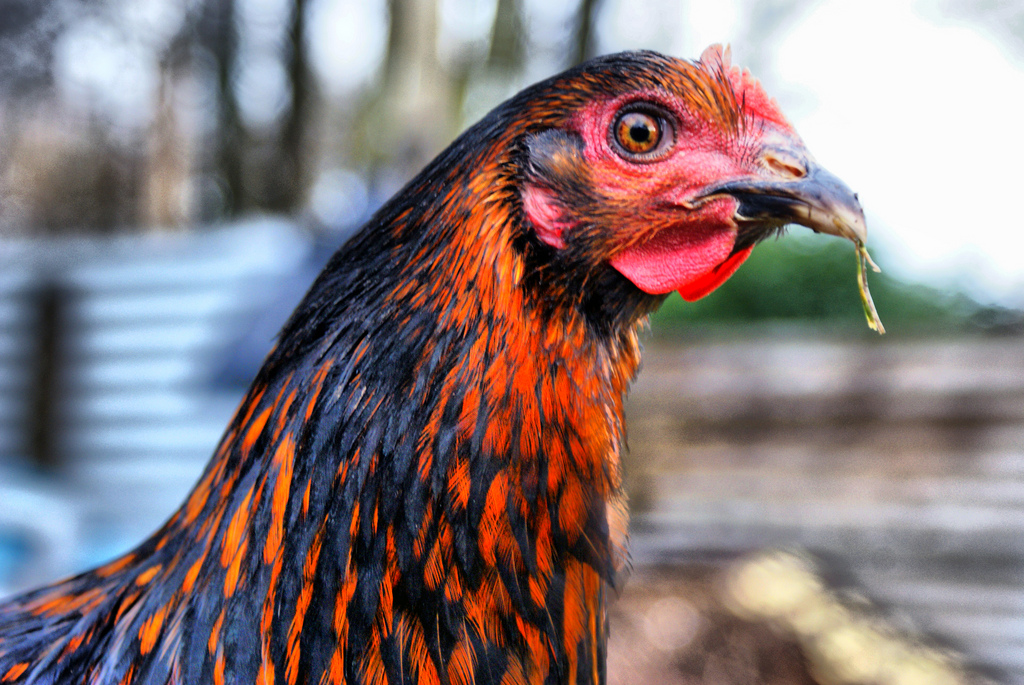
swine flu west bank photoCases of the swine flu have died down, now avian flu scare resurges in Israel and the West Bank. Image via todds-gallery

Animal cases of avian flu in Bala village in the Tul Karem area of the West Bank, Palestinian Authority northeast of Tel Aviv, have been confirmed, and some 250,000 chickens culled, according to officials. Bala is a major egg and poultry-producing area and part of its produce is smuggled into Israel due to higher prices there, according to Israeli Agriculture Ministry officials. ”We are always on the lookout for poultry and eggs smuggled into Israel from the Palestinian Authority (PA) but now we are tightening supervision at the PA-Israel crossings,“ the spokesperson’s unit at the Israeli Health Ministry told IRIN.

Giving Plants "Jack and the Beanstalk" Protein Power

shoots roots tree sun photoLooking at the proteins that “talk” between shoot and root of plants, Tel Aviv University unlocks a new tool for the biofuel industry.

Plant geneticists are on a quest: they want to find out how to control auxin, a plant growth hormone which is very powerful. Auxin tells plants where to lay down roots, how to make tissues, and how to respond to light and mysterious forces like gravity. Knowing how to manipulate auxin could then have huge implications for the biofuel industry, making plants grow faster and better on less land.

A recent study published in the journal PLoS Biology by Prof. Shaul Yalovsky from Tel Aviv University describes a special protein, the ICR1, found to control the way auxin moves throughout a plant affecting its development. When this protein is genetically engineered into valuable biofuel crops such as corn, sugarcane or experimentals like switchgrass, farmers can expect to get a far larger yield than what they harvest today, Prof. Yalovsky has found. In short, much more biofuel for the buck.

The Gulf of Mexico Oil Spill Opens Pandora's Box at Alberta Tar Sands

1

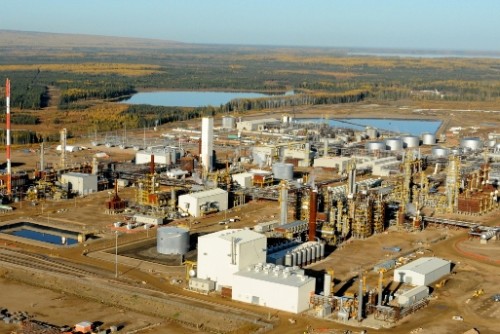
alberta tar sands photoHow can the polluting oil tar sand oil extraction – here Opti Canada’s operations – be better than offshore drilling?

The Gulf of  Mexico oil “leak” is a gusher pouring as much as 3.4 million gallons of oil into the waters every day, scientists estimate in a NY Times story. It’s below the surface what counts. The oil spreading underwater may result in much of this body of water becoming a “dead zone” or void of marine life. This slick could eventually spread into the Caribbean Sea as well as parts of the Atlantic Ocean as well. Government sources and BP have “estimated” something different – some 5,000 – 7,000 barrels of oil per day, that people are being led to believe is escaping in the Gulf.

Could this be one of the planet earth’s worse ecological disasters since creation that rivals the events that spelled the end of the era of the dinosaurs more than 40 million years ago? Finding alternatives, oil purveyors look to Canada’s oil-rich tar sands. But what could be unleashed there in terms of pollution could be worse than the Gulf oil spill.

"Float" For the Dead Sea This Thursday

Charlene Harden on vacation in Israel floats at the Dead Sea photoActivists from “Save Our Sea” float and host concert to alert public about dying Dead Sea.

A day after the Jewish holiday of Shavuot, grassroots activists from the Israeli side of the Dead Sea aim to drum up awareness about the pathetic state of the natural wonder of the world. A new organization called Save Our Sea is planning a “float” out and concert on the Dead Sea shores so that the public knows how much is at stake with the Dead Sea dying.