“In the midst of uncertain time, renewable energy remains consistent and steadfast in its expansion,” said Francesco La Camera, IRENA’s Director-General. “A more decentralised energy system, with a growing share of renewables and more market players, is structurally more resilient.”
Health insurance is a regulated financial product. Insurers operate under binding contracts, overseen by state insurance commissioners, that legally obligate them to pay claims meeting policy terms. Policyholders who believe a covered claim was wrongfully denied have legal recourse through state regulatory channels.
The New Zealand Merino Company, now rebranded as Zentera, has quietly removed the phrase “world’s leading ethical wool brand” from its website, a notable change that comes after a disturbing investigation by PETA Asia-Pacific into the company’s ZQ-certified wool supply chain, PETA reports to Green Prophet.
Somehow vegetables with short seasons excite the imagination and appetite more sharply than produce that’s available all year around. Good Middle Eastern cooks have many recipes for delicate fava beans, and this turmeric-fragrant soup is one.
“In the midst of uncertain time, renewable energy remains consistent and steadfast in its expansion,” said Francesco La Camera, IRENA’s Director-General. “A more decentralised energy system, with a growing share of renewables and more market players, is structurally more resilient.”
Health insurance is a regulated financial product. Insurers operate under binding contracts, overseen by state insurance commissioners, that legally obligate them to pay claims meeting policy terms. Policyholders who believe a covered claim was wrongfully denied have legal recourse through state regulatory channels.
The New Zealand Merino Company, now rebranded as Zentera, has quietly removed the phrase “world’s leading ethical wool brand” from its website, a notable change that comes after a disturbing investigation by PETA Asia-Pacific into the company’s ZQ-certified wool supply chain, PETA reports to Green Prophet.
Somehow vegetables with short seasons excite the imagination and appetite more sharply than produce that’s available all year around. Good Middle Eastern cooks have many recipes for delicate fava beans, and this turmeric-fragrant soup is one.
“In the midst of uncertain time, renewable energy remains consistent and steadfast in its expansion,” said Francesco La Camera, IRENA’s Director-General. “A more decentralised energy system, with a growing share of renewables and more market players, is structurally more resilient.”
Health insurance is a regulated financial product. Insurers operate under binding contracts, overseen by state insurance commissioners, that legally obligate them to pay claims meeting policy terms. Policyholders who believe a covered claim was wrongfully denied have legal recourse through state regulatory channels.
The New Zealand Merino Company, now rebranded as Zentera, has quietly removed the phrase “world’s leading ethical wool brand” from its website, a notable change that comes after a disturbing investigation by PETA Asia-Pacific into the company’s ZQ-certified wool supply chain, PETA reports to Green Prophet.
Somehow vegetables with short seasons excite the imagination and appetite more sharply than produce that’s available all year around. Good Middle Eastern cooks have many recipes for delicate fava beans, and this turmeric-fragrant soup is one.
“In the midst of uncertain time, renewable energy remains consistent and steadfast in its expansion,” said Francesco La Camera, IRENA’s Director-General. “A more decentralised energy system, with a growing share of renewables and more market players, is structurally more resilient.”
Health insurance is a regulated financial product. Insurers operate under binding contracts, overseen by state insurance commissioners, that legally obligate them to pay claims meeting policy terms. Policyholders who believe a covered claim was wrongfully denied have legal recourse through state regulatory channels.
The New Zealand Merino Company, now rebranded as Zentera, has quietly removed the phrase “world’s leading ethical wool brand” from its website, a notable change that comes after a disturbing investigation by PETA Asia-Pacific into the company’s ZQ-certified wool supply chain, PETA reports to Green Prophet.
Somehow vegetables with short seasons excite the imagination and appetite more sharply than produce that’s available all year around. Good Middle Eastern cooks have many recipes for delicate fava beans, and this turmeric-fragrant soup is one.
“In the midst of uncertain time, renewable energy remains consistent and steadfast in its expansion,” said Francesco La Camera, IRENA’s Director-General. “A more decentralised energy system, with a growing share of renewables and more market players, is structurally more resilient.”
Health insurance is a regulated financial product. Insurers operate under binding contracts, overseen by state insurance commissioners, that legally obligate them to pay claims meeting policy terms. Policyholders who believe a covered claim was wrongfully denied have legal recourse through state regulatory channels.
The New Zealand Merino Company, now rebranded as Zentera, has quietly removed the phrase “world’s leading ethical wool brand” from its website, a notable change that comes after a disturbing investigation by PETA Asia-Pacific into the company’s ZQ-certified wool supply chain, PETA reports to Green Prophet.
Somehow vegetables with short seasons excite the imagination and appetite more sharply than produce that’s available all year around. Good Middle Eastern cooks have many recipes for delicate fava beans, and this turmeric-fragrant soup is one.
“In the midst of uncertain time, renewable energy remains consistent and steadfast in its expansion,” said Francesco La Camera, IRENA’s Director-General. “A more decentralised energy system, with a growing share of renewables and more market players, is structurally more resilient.”
Health insurance is a regulated financial product. Insurers operate under binding contracts, overseen by state insurance commissioners, that legally obligate them to pay claims meeting policy terms. Policyholders who believe a covered claim was wrongfully denied have legal recourse through state regulatory channels.
The New Zealand Merino Company, now rebranded as Zentera, has quietly removed the phrase “world’s leading ethical wool brand” from its website, a notable change that comes after a disturbing investigation by PETA Asia-Pacific into the company’s ZQ-certified wool supply chain, PETA reports to Green Prophet.
Somehow vegetables with short seasons excite the imagination and appetite more sharply than produce that’s available all year around. Good Middle Eastern cooks have many recipes for delicate fava beans, and this turmeric-fragrant soup is one.
“In the midst of uncertain time, renewable energy remains consistent and steadfast in its expansion,” said Francesco La Camera, IRENA’s Director-General. “A more decentralised energy system, with a growing share of renewables and more market players, is structurally more resilient.”
Health insurance is a regulated financial product. Insurers operate under binding contracts, overseen by state insurance commissioners, that legally obligate them to pay claims meeting policy terms. Policyholders who believe a covered claim was wrongfully denied have legal recourse through state regulatory channels.
The New Zealand Merino Company, now rebranded as Zentera, has quietly removed the phrase “world’s leading ethical wool brand” from its website, a notable change that comes after a disturbing investigation by PETA Asia-Pacific into the company’s ZQ-certified wool supply chain, PETA reports to Green Prophet.
Somehow vegetables with short seasons excite the imagination and appetite more sharply than produce that’s available all year around. Good Middle Eastern cooks have many recipes for delicate fava beans, and this turmeric-fragrant soup is one.
“In the midst of uncertain time, renewable energy remains consistent and steadfast in its expansion,” said Francesco La Camera, IRENA’s Director-General. “A more decentralised energy system, with a growing share of renewables and more market players, is structurally more resilient.”
Health insurance is a regulated financial product. Insurers operate under binding contracts, overseen by state insurance commissioners, that legally obligate them to pay claims meeting policy terms. Policyholders who believe a covered claim was wrongfully denied have legal recourse through state regulatory channels.
The New Zealand Merino Company, now rebranded as Zentera, has quietly removed the phrase “world’s leading ethical wool brand” from its website, a notable change that comes after a disturbing investigation by PETA Asia-Pacific into the company’s ZQ-certified wool supply chain, PETA reports to Green Prophet.
Somehow vegetables with short seasons excite the imagination and appetite more sharply than produce that’s available all year around. Good Middle Eastern cooks have many recipes for delicate fava beans, and this turmeric-fragrant soup is one.
Family values, and having children are important in the Middle East. Here is a simple test done during pregnancy that if paid close attention to can help make women more health-smart in the long run.
We know that pregnancy can be the elixir of life, and fountain of youth, but anyone who’s been pregnant knows that the battery of tests done during that time can be annoying and stressful.
There’s good news for Mom during all the fuss: A common test to diagnose gestational diabetes ― a temporary condition which can harm both mother and child if left untreated ― also has predictive power for Type II adult-onset diabetes, a new Tel Aviv University study finds.
Greenpeace activists from Israel today have boarded the 290-meter long coal ship Orient Venus on the high seas, and have since been arrested, Greenpeace alerts.
Joanna Jones, Mor Levy and Jense Loewe arrived in inflatable boats and climbed up the side of the huge vessel.
They proceeded to build a camp on the ship’s mast in order to stop the coal shipment from entering Israel. The protest was staged to show the public about Greenpeace’s concern that Israel plans on constructing another coal-fired power plant in southern Israel.
Police have boarded the ship and are attempting to take the activists down. They included 23 year-old Jones, pictured above, from Jaffa. This pic comes from one of her training sessions.
Water bill prices in Israel continue to rise while desalination plans and conservation efforts remain stalled.Image via IDE Technologies.
Not long ago the Jerusalem Post reported on a national water scandal that seems to have crept on most of the Israeli public. In the past year water bills have gone up 40 percent. Since 2008, the average price per cubic meter has risen 400%.
Despite these absurd numbers, no one seems to have expressed any disapproval. Maybe it’s because of the two-three month delay in sending water bills which makes people forget or maybe it’s because people are resigned to the thinking that because it is scarce, it should be high, but whatever the reason, it’s not completely right.
Add a dash of cumin and you’ll get some “green cake” falafel? This wonder food, from algae is being grown by the UN to solve hunger crisis. It could work in the Middle East.
“It’s as close as we will get to a miracle food,” said Mahamat Sorto, the United Nations Food and Agriculture Organization (FAO) officer managing the green cakes cultivation project in Chad. He and other aid agencies see the plant as a possible cheap solution to global malnutrition.
Donors to the project indeed hope that spirulina, a blue-green, protein-packed algae, labelled a “wonderful future food source” 45 years ago by the International Association of Microbiology, will deliver on its promise by the time a $1.7 million USD cultivation project in Chad, funded by the European Union, ends in December 2010. We can imagine these “wonder cakes” will appeal to vegans and vegetarians the world over, as well.
The plant’s dry weight contains up to 70 percent of protein matter, based on chemical analyses from the French Oil Institute, university research laboratories in Malaysia and Bangladesh, and the Siam Algae company, a Thai commercial group. And imagine how many cow farts can be saved from cultivating and eating such a product?
Eat delicious organic goat cheese and feel good about helping the handicapped at Rom Farm in the Galilee.
Most organic farms have, at the very least, an environmental conscience. Many of them believe that not only is organic farming more traditional and more delicious, but better for the planet (and therefore very important). Not all organic farms, however, have a social conscience to boot. Rom Farm, located in the Galilee region of Israel and not far from Carmiel, has an abundance of good intentions. A family-operated farm specializing in organic goat cheeses and yogurts, it is also home to a rehabilitative farm where the handicapped can come daily, enjoy a hearty breakfast, and lend a helping hand.
Northern Israel: Not a cloudless desert, but still fertile ground for solar power.
While southern Israel is the focus of the country’s most ambitious solar energy plans, including the Ashelim project and activity in the Eilot regional council, northern Israel is also drawing some attention: Gilatz Investments, an Israeli property developer, plans to begin constructing two photovoltaic (PV) power plants in northern Israel, the Bloomberg news service reported this week.
According to Bloomberg (which transliterates the public company’s Hebrew name as “Gelats”), two rooftop PV systems are planned with a capacity of 1.12 megawatts and 1.3 megawatts, respectively.
Better Place electric taxi debuts in Tokyo. Is Tel Aviv next? Maurice volunteers himself to be the company’s test driver.
Israel’s debut with total electric powered cars is coming, and Shai Agassi’s Better Place electric car company is going to bring this reality in Israel sooner than many people may be prepared for, including having enough electricity mega watts to run them.
The technology being developed by Better Place is becoming so well known that international news media networks such as CNN , where Shai Agassi and his company were shown May 12 on a special program talking about his company’s technology.
The temperature’s rising! Part of your perfect summer meal must be fresh and fruity! Naomi gathers 7 excellent recipes for your feast.
Did you ever feel like you were running out of options for summer meals? When it comes to meal time in the summer, it is always a challenge to balance the desire to eat something delicious and filling, with the need for something light and refreshing. Well here we have several mouth-watering summer treats, perfect for the humid heat of the Middle East.
(1) Pea Pod Soup: Winter nearly always means starting a meal with a nice hot bowl of soup, well there’s no reason not to transfer this tradition to summer – just replace it with a bowl of chilled pea pod soup.
Instead of shelling peas and throwing away the pods, you can use them to make a fantastic, nourishing cold soup with this simple pea pod soup recipe.
(2) Homemade sourdough bread: To accompany your soup, the best thing is a thick piece of toast and if you want to give your taste buds an extra treat, try out this recipe for home made sourdough. One of the advantages of eating sour dough, is that it controls your blood sugar levels, as well as helping with digestion.
Try having a slice in the morning, with (3) home made baba ghanoush, a classic Middle Eastern eggplant spread, and experience for yourself the long-lasting benefits of home-made sourdough.
(4) To continue a summer feast, it is always interesting to try something a little different, like a zucchini blossom frittata. This is not something you will find in the supermarket, but you might luck into some at a farmer’s market – or try growing some yourself. Turning them into a frittata balances your meal perfectly, with a combination of all the important parts of the food pyramid; vegetables, protein and calcium.
Fava bean salad
(5) Fava bean salad. Of course no meal would be complete without a tasty salad or two on the side, but we have some salad suggestions that are worthy of a central place at your table. Many salads combine multiple ingredients, but the fava bean salad is extremely simple, in fact it is so delicious, that you decide to try it as main course.
(6) Pomegranate salad: If you are looking for a slightly sweet take on the salad scenario, you can always try out pomegranate-nut-salad. While it uses ingredients which are traditional for Rosh Hashanah, Jewish New Year, it can quickly become a welcome addition to your summer table since it is such a light and festive treat.
(7) Plum buckle: Going from slightly sweet salad, the next step has to be dessert. With the season of stone fruit upon us, there can be no better choice than a plum buckle.
This unusual name is one you won’t want to forget once you have tried and tasted this dessert, which is basically a simple fruit flan and easy to bake.
Your summer feast is now set, all light easy dishes, simple and quick to whip up. With the long days of heat ahead, you now don’t have to dread hours in front of a hot stove!
Egypt’s oases are getting ruined by tourism. Some locals fear that too much environmental regulation will imperil crucial source of income
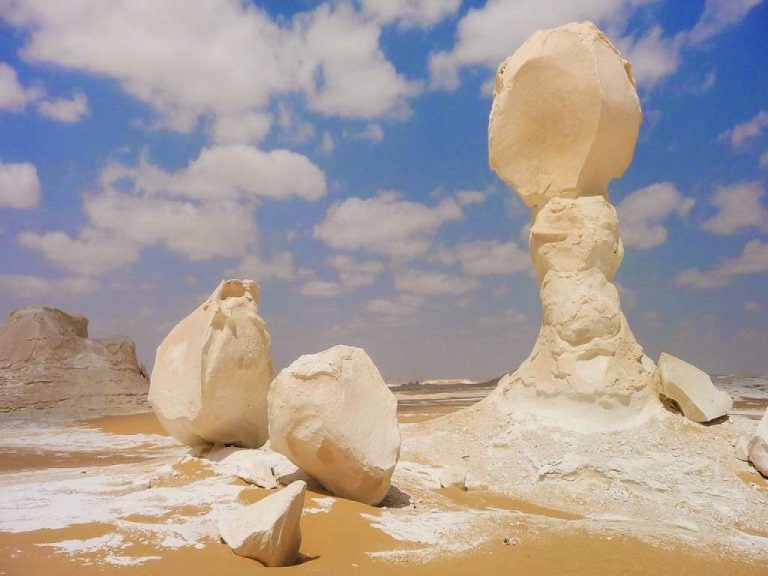
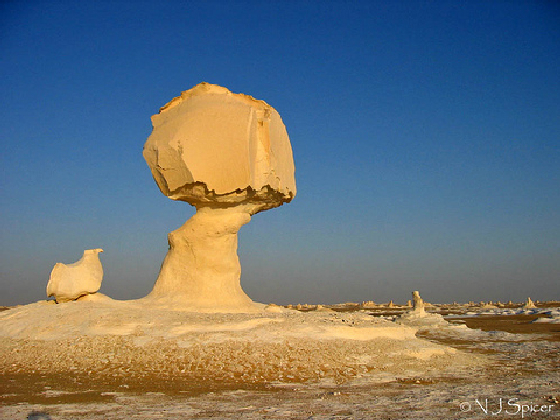
Prior to the installation of an asphalt highway connecting the once peaceful region of Bahariya to Cairo, the oasis was mostly hidden from the greater world. Then archaeologists re-discovered the Valley of the Golden Mummies and tourism in Egypt soared, generating valuable income for the local community. However, the influx with tourists travelling from Cairo to Alexandria stopping at the White Desert, comes with a considerable environmental cost.
Eleven million people visit Egypt each year, of which 10% forego the traditional tourist destination and opt instead for the desert oases, according to Jon Jensen, a Cairo-based journalist.
Tourists trampling and 4x4ing over the White Desert
In Bahariya Oasis, one-third of the 40,000 residents now work in the tourism industry, which accounts for a large portion of this community’s income.
White stone formations at Bahariya
In addition to archaeological gems, the mystic white desert lures tourists and the locals who guide them. 4×4 Jeep adventures and camping are favorite activities, but drivers travel without thought to ecological sensitivity, and the pack in and pack out concept has not yet caught fire. As a result, the landscape is sullied with tracks and litter abounds. Last year 4 tons of this waste was collected, tour guide Dina Mahmoud tells Jensen.
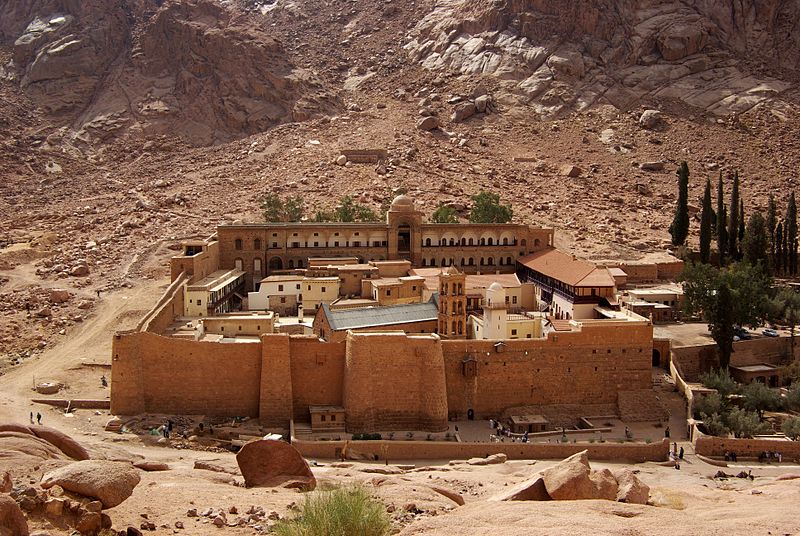
Not far away in Israel, Israelis are banned from bringing in 4×4 cars to Sinai for this very reason, with the early peace draft and environmental plan developed by an Israeli leader who understood why roads along the sea should be set back for tourists and hotels and that is what they did.
St Catherine’s Monastery in Sinai
In response to the now obvious degradation, the Egyptian Environmental Affairs Agency established a national park in order to protect the region, fining drivers who go off established paths up to LE400. But it is not yet clear that these new policies are effective. A survey conducted by the Center of Environmental Research and Studies at Cairo University demonstrates that in the Giza protectorate, of which Bahariya is a part, garbage is one of the biggest barriers to enhanced environmental awareness.
The government also seeks to limit tourist traffic in order to maintain ecological integrity, but this idea is not popular with everyone. Assam Tawkif, who relies on sales to safari operators, explained to Jensen that the government needs to encourage even more visitors, not less. And others still doubt that the government will follow through at the of risk financial loss.
But eco-tourism, by design, need not deter from the economic and environmental plight of sensitive areas. The International Ecotourism Society includes these principles in their definition of a truly sustainable operation: minimal impact, heightened environmental and cultural awareness, positive experience for visitors and hosts, direct benefits for conservation, financial empowerment, and raised sensitivity to host country’s political, environmental and social climate.
Although Egypt’s overall environmental record is paltry, these may be steps in the right direction, combined as they are with recent educational programs aimed at improving environmental awareness. Once locals understand that protecting Bahariya in the short term will generate more income in the long term, it is possible that the community will adjust.
Researchers attracted to Israel, good news for cycling freaks, Israeli investments in Asia and more headlines related to Israeli cleantech and the environment.Image via hoyasmeg.
The annual Tel Aviv Water Fight took place this past Friday but pales in comparison to other water problems in Israel, including ongoing disputes between Arabs and Israelis and the latest class action suit against bottled water companies Neviot and Mey Eden. Meanwhile, cleantech is offering a renewal for Israel’s kibbutzim and an annual cleantech conference last week showed the promise of cleantech as a growth engine for Israel. For these stories and more, see this week’s headlines below.
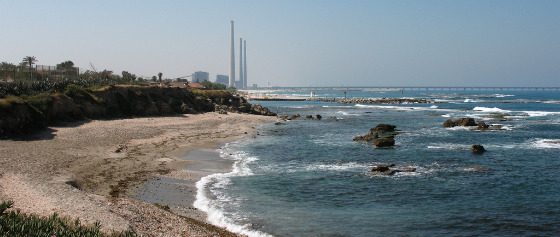
Bikes, beer and maybe even babes part of EcoBike: bringing eco-friendly cycling tours to a whole new demographic – the beer lover.
Cycling, as fellow Green Prophet Karin has pointed out, has become very popular in Israel. Despite the dangers of braving streets shared with temperamental Middle Eastern drivers, cycling has evolved to fulfill a variety of functions in Israel – from eco-tourism to messenger services, and simple daily transportation to powering eco-friendly rock concerts. Joining the ranks of Israel’s emerging cycling eco-tours is EcoBike with a new spin (pun intended) on seeing the country and cycling: Bike & Beer.
The Palestinian electric car isn’t much to look at, and it couldn’t carry a large Arab family, but it is solar powered!
Just when we all thought Shai Agassi’s Better Place electric car company had the electric car technology field sewed up in this part of the world, some university students in the Palestinian West Bank city of Hebron have come up with someelectric car innovation of their own, reports Maan News.
Although not as sophisticated as Agassi’s technology, which involves developing not only a full size electric car, the Renault Fluence, and an exchangeable lithium- ion batter pack to power it; these unknown Palestinians have developed a home-made version of an electric powered vehicles whose batteries are charged by solar energy.
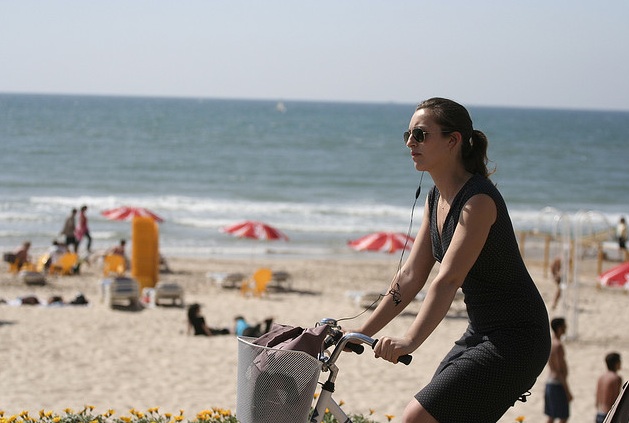
You can lose your life cycling on the roads in Israel. Almost once a month, a cyclist gets killed by a car by a drunk or negligent driver. Despite the risks, the sport is catching on like wildfire.
“Practically every day there are accidents, and the fact that we don’t have a higher number of fatalities is more a matter of luck. I feel this personally. One time they will throw things at me from a car that is traveling 80 kilometers an hour, another time they spray water, and once they even held a knife to me from out of the car window,” she says.
“Just last Friday, a truck passed me and honked when it was right next to me as it tried to get close to me and just at the last minute I managed to control the bike, but I was very close there to sprawling onto the road.”
Despite the dangers, Bonnie joins a growing number of Israelis who are buying road and mountain bikes and who are hitting the city streets, highways and cycling trails. Cycling in Israel, and cycling in the Middle East as eco-tourism has a lot of benefits. This piece looks at the cycling movement in Israel.
Jack meets with Better Place in Israel and talks shop about how their rechargeable battery solution can fix the grid.
One of the biggest problems with switching an electric grid over to clean energy is storage. Most clean energy solutions are unreliable over short periods of time – when clouds come out, solar panels don’t produce. If the wind changes direction, or stops, wind turbines don’t produce. However, if the energy could be stored efficiently, then energy companies could produce excess during peak production times and otherwise reserve it for a rainy day… literally.
“The lack of good storage options has plagued utility operators for generations,” according to a recent Nature article: “Obligated to provide a steady supply of electricity to meet constantly varying demand, they have conventionally resorted to the costly and inefficient method of adjusting the output of a coal-fired plant, say, or by turning on a gas-powered ‘peaker’ plant during periods of high demand.”
Storage is a must for any promises of electric vehicles to work. Better Place, the electric car company says their solution provides clean transport and a solution for the grid.
Greening The Grid
In a recent visit to Better Place, as part of the PresenTense Summer Global Institute, I had the fortune of meeting with Mike Granoff, head of oil independence policies at Better Place. He explained that he is often asked if their solution for our dependency on fossil fuels, of bringing electric cars to the masses, is truly a “green” solution.

 Family values, and having children are important in the Middle East. Here is a simple test done during pregnancy that if paid close attention to can help make women more health-smart in the long run.

 Faster than a Ferrari, cleaner than a Prius, Tesla’s EV roadster is only $100,000: Is this reason for Tesla’s high IPO result?
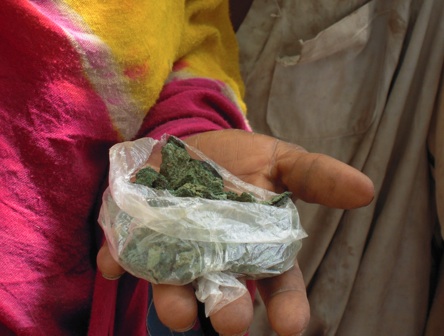 Add a dash of cumin and you’ll get some “green cake” falafel? This wonder food, from algae is being grown by the UN to solve hunger crisis. It could work in the Middle East.
 Northern Israel: Not a cloudless desert, but still fertile ground for solar power.
 Better Place electric taxi debuts in Tokyo. Is Tel Aviv next? Maurice volunteers himself to be the company’s test driver.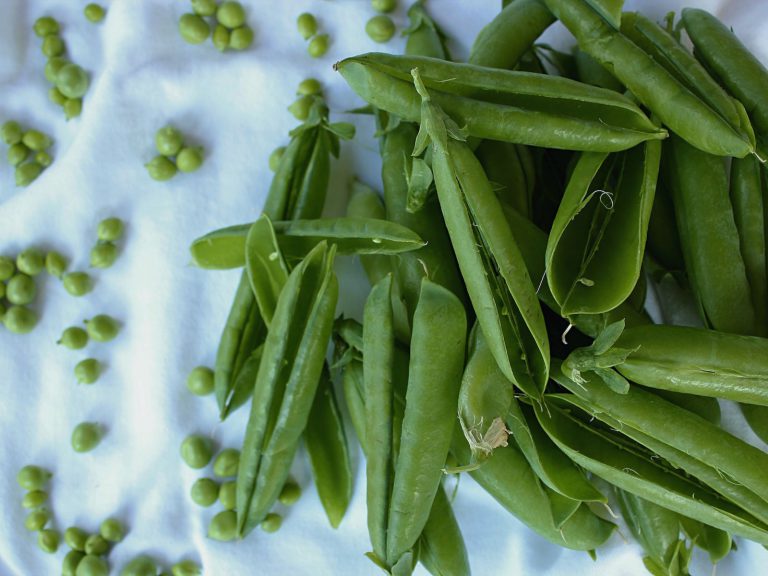






 Bikes, beer and maybe even babes part of EcoBike: bringing eco-friendly cycling tours to a whole new demographic – the beer lover.
 The Palestinian electric car isn’t much to look at, and it couldn’t carry a large Arab family, but it is solar powered!
 You can lose your life cycling on the roads in Israel. Almost once a month, a cyclist gets killed by a car by a drunk or negligent driver. Despite the risks, the sport is catching on like wildfire.
 Jack meets with Better Place in Israel and talks shop about how their rechargeable battery solution can fix the grid.