Home Blog Page 616

Peak Wheat? One Tenth of Iraq’s Wheat Attacked by Killer Fungus

0

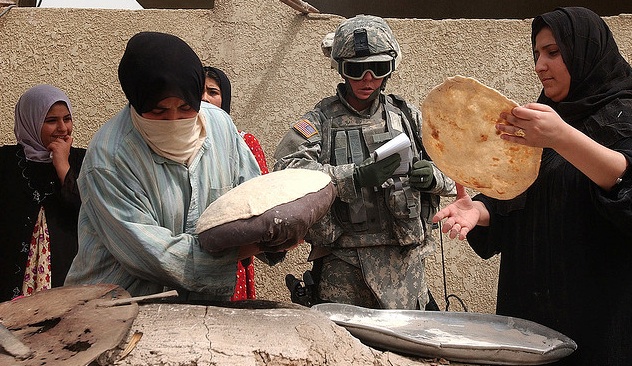
bread iraq baking army

A heat wave in Russia topples its wheat supply, leaving Egypt in the lurch. And threats of shortages, have international media in a panic. Due to the weather in Russia, Ukraine and Kazakhstan’s wheat production will drop by as much as 27 per cent in 2010/2011. And recently, a wheat fungus in Iraq due to increased temperatures has also compromised the annual output.

According to the UN-run IRIN news source, wheat rust infection rates have climbed steeply since last year because of warmer weather and higher temperatures. Hameed Mohammed Jawad, head of the Agriculture Ministry’s crops protection department said: “We don’t have a final percentage for the damage wheat rust caused last season, but preliminary information indicates it hit at least 10-15 percent of Iraq’s wheat crops.”

Man Arrested Attempting To Smuggle “Golden” Falcon Eggs

2

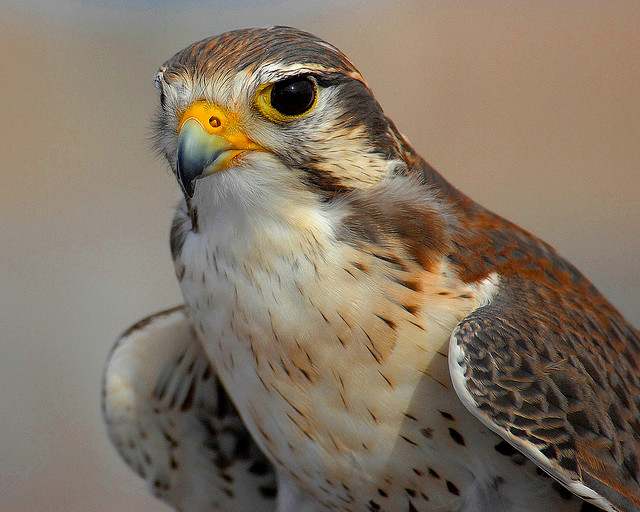
peregrine-falcon-eggs-rescuedThis raptor is coveted for sport, but it is also a protected species. UK officials celebrate the recent arrest of a professional courier.

Conservation work is not always straightforward. Good intentions, such as a fence to keep Oryx safe, can often have disastrous results. In this case, many starved to death cut off as they were from the greater feeding grounds. Nor is it easy. Some conservationists face exposure to war zones in order to protect the creatures that are not only important in themselves, but important to the greater goal of biodiversity. As such, it is disappointing that illegal trade in protected species continues, but a cause célèbre when that trade is interuppted. This is what happened when a 48 year old man was arrested before boarding a plane to Dubai.

Greening Your Flat Screens With Lab-Grown Organic LEDs

6

green lady tv
Growing their own light sources: TAU scientists develop organic, enviro-friendly LEDs.

Electronic products pollute our environment with a number of heavy metals before, during and after they’re used. In the U.S. alone, an estimated 70% of heavy metals in landfill come from discarded electronics. With flat screen TVs getting bigger and cheaper every year, environmental costs continue to mount. To counter this, a new solution applies a discovery in nano-technology, based on self-assembled peptide nanotubes, to “green” the optics and electronics industry. Researchers Nadav Amdursky and Prof. Gil Rosenman of Tel Aviv University’s Department of Electrical Engineering say their technology could make flat screen TV production green and can even make medical equipment — like subcutaneous ultrasound devices — more sensitive. And now, like the UAE’s Ginger Dosier who can grow bricks in the lab, scientists say they can grow their own organic LEDs.

Help the Abu Dhabi Eco-Chicks Map Out a Green Abu Dhabi

0

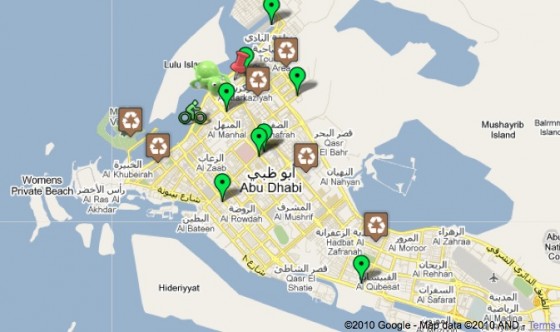
abu-dhabi-mapKnow of a sustainable lifestyle spot in Abu Dhabi?  Help the Abu Dhabi Eco-Chicks pinpoint it on their green map.

The Abu Dhabi Eco-Chicks, a “group of educated, empowered and eco-minded women,” has been busy hosting Green Drinks, green Iftar dinners, and doing all sorts of green activity. Now they are reaching out to the online community to help them with their newest project: creating an online map of sustainable living locations in Abu Dhabi.

With So Much Oil & Natural Gas, is Biofuel a Viable Mideast Fuel Option?

0

biomass-for-middle-eastA prototype algae biomass farm. Will it work in the super dry Middle East?

Biomass, a renewable energy source based on biological material from living or recently living organisms, is hailed as a possible fuel source to provide power for everything from cars and aircraft to electricity for homes, businesses and factories. Previous articles on this news site have shown the possibilities of producing biomass based fuel using everything from algae grown in special lakes in Iran to genetically altered algae to produce food as well as biofuel, and even the creation of biomass fuel from human and animal feces.

Using A Mosquito’s Best Defense Against It

2

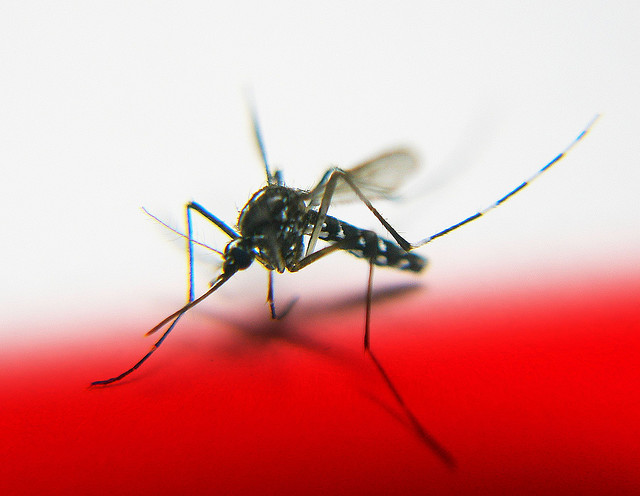
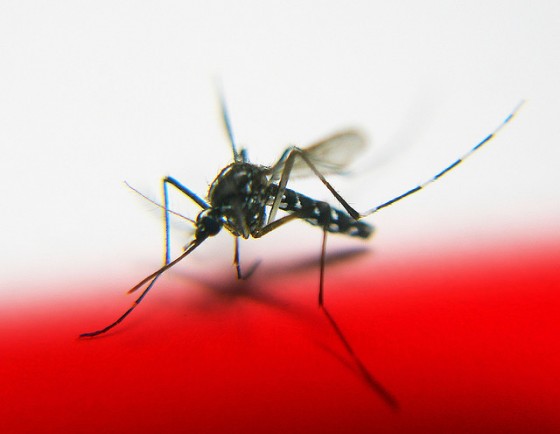
mosquito-defenseAn Israeli team is the first to succeed in identifying one of the chemicals used by thousands of prey species to avoid their predators.

Inspired by the follow-up book Since Silent Spring, Prof. Leon Blaustein felt driven to find environmentally compatible solutions for combating insect pests. Not much had been done to alleviate the chemical pollution on planet Earth that Rachel Carson warned us about in her monumental book, Silent Spring, published in the 1960s.

In chemical ecology, there are literally thousands of prey species that use chemicals to avoid their predators in some way. No one had managed to zero in on them until now. Blaustein and his colleagues have succeeded in isolating and chemically identifying two chemical cues called kairomones that affect egg-laying behavior in mosquitoes.

Blaustein tells ISRAEL21c that he was attracted to an alternative approach called Biological Control, which advocates using tactics employed by nature to help solve mankind’s problems with pests like mosquitoes, invasive moths and beetles. He says he aims “to develop mosquito pest management in concert with conservation needs.”

Currently at Israel’s University of Haifa, the American-Israeli scientist is developing a mosquito’s nemesis, by turning the insect’s chemical defense against it. Entomologists know that insects and other invertebrates release kairomones (chemicals that carry messages from one species to another, that only benefit the recipient species) that can influence how predators and prey interact.

While pheromones can attract the opposite sex, kairomones can do the opposite, and elicit a particular behavioral or physiological response from predator or prey.

Ecology Letters has published the recent study by Blaustein and US and Israeli colleagues, in which they report their finding.

Disease-carriers may be controlled

The chemicals are delivered by the backswimmer aquatic predator insect Notonecta maculata which likes to eat the larva of the Mediterranean and the Middle East mosquito Culiseta longiareolata for lunch. The chemical can be detected by mosquito mothers-to-be, who then alter their behavior and refrain from laying their eggs in pools of water where backswimmers lurk.

Now that the team has isolated the mosquito-repelling kairomones it will test the compound further to see whether it will produce a similar effect to that found in nature when chemically reproduced. In nature, kairomones can even trigger adaptations such as a change in body size, or tell a crustacean to create body armor to help protect the prey.

“We’ve now determined that the mosquitoes can detect predators of their babies in the water and avoid laying their eggs there. Whether the chemicals we found are similar to ones that other species are using, we don’t know,” Blaustein tells ISRAEL21c.

If the chemicals are developed and applied widely, the notion is that the mosquitoes will die before they have a chance to lay their eggs, because their presence may increase the female mosquito’s chance of dying from other causes before she finds a safe pool. “That’s why we think these chemicals could be a useful part of a strategy to control the population size of mosquitoes,” says co-author Joel Cohen from the Rockefeller University in New York.

“These newly-identified compounds, and others that remain to be discovered, might be effective in controlling populations of disease-carrying insects. It’s far too soon to say, but there’s the possibility of an advance in the battle against infectious disease,” he adds.

To eradicate mosquitoes in a specific way, without wiping out or altering other delicate ecological processes, more research will be needed to see how any synthetic mosquito-related kairomone could be applied in insect pest control in a widespread way.

A surprising mosquito fan

“While we see this as a potentially large breakthrough in developing another weapon against mosquitoes, the work is not over. We hope this breakthrough will spur further research to chemically determine other effective predator-released chemicals, particularly ones that are long-lasting, and then test for their efficacy,” Blaustein relates.

In North America and Israel mosquitoes are generally more of a nuisance than a health concern, but the malaria carriers in Africa and South America pose a significant health risk. “The problems are all over,” says Blaustein.

And although most people are quick to disparage the irritating mosquito, Blaustein explains why he’s a fan. “It brings us all together,” he jokes, then adds, “If I go to the wadi (valley) in the Negev in Israel, I can find mosquitoes in high numbers. And larvae in the water can clean it from certain viruses and bacteria and algae. So potentially, they can be important.

“When I was taking a medical entomology class they lectured that in Africa mosquitoes are encouraged into pots of water for drinking as they filter out the bad stuff and make it better.”

However, his final comment sounds like a nail in the coffin for the bloodsucker: “I think we could do without mosquitoes and it wouldn’t affect the ecosystem all that much,” he says, without a trace of remorse.

:: Image via tanakawho and story via Israel 21C

More Cleantech News:

Saudi Arabia’s “Vision Electro” Looks Up to Solar, Not Down to Oil

Desert University Goes Green With Gusto

Meet Greentech Media’s Michael Kanellos

Anne Frank’s Tree – The Chestnut Tree – Finally Falls

2

anne frank chestnut tree deadThe 152 year old tree that brought Holocaust victim Anne Frank through hard times finally fell.
Standing Bear said that man’s heart away from nature becomes hard;  perhaps this explains why we continue to dig in our beautiful, life-sustaining oceans. Or how humans are capable of cruelty to animals such as the sharks in the Mediterranean. Nothing is simple, our motives are complicated, and of course there are also good guys. We try to write about them, to propel them and their good causes into the realm of what is possible for everyone. And there are scores of other people who look to nature for help and inspiration. Anne Frank was one of them.

Syrian Vendor Could Lose His Cart For Sidewalk Sales

0

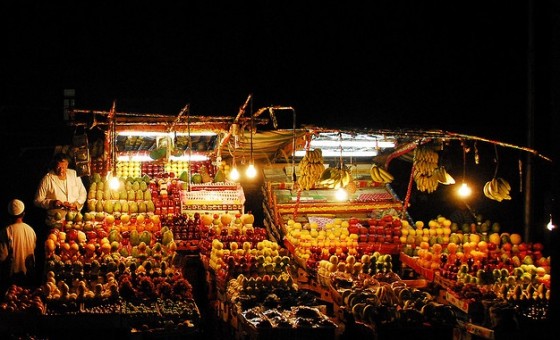
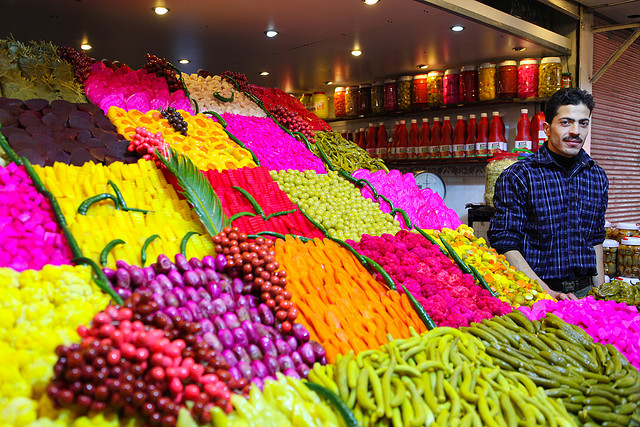
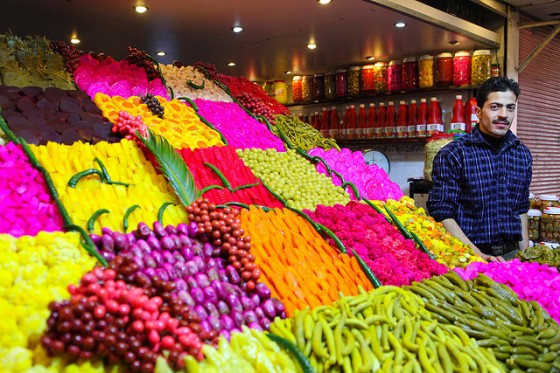
syrian-vegetable-vendorsSyrian’s police and vegetable vendors play a game of cat-and-mouse; will authorities find a way to let the market prevail?

With its campaign against plastic bags and its shiny new renewable energy plan, Syria’s environmental esteem is rising high. Moshe’s weekly flight to the greater Middle Eastern blogosphere demonstrates all kinds of awareness from Damascus and beyond. But what about Syria’s police force? Recently they’ve been raiding veggie vendors in the streets, either confiscating their produce or levying fines, ostensibly to reduce congestion. Even so, locals say the risk is worthwhile.  

Egyptian Energy Crisis Sends Protesters to the Streets

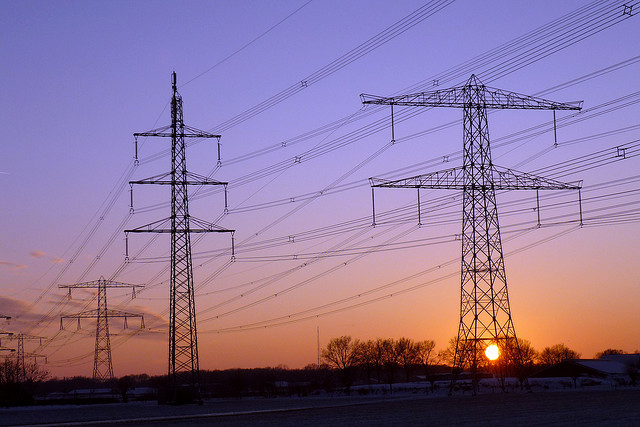
market cairo fruit lightsUnstable power…Egyptians activists blame their poor governmental planning for power cuts that have disrupted Ramadan.
The Egyptian government has announced its intention to continue decreasing electric output pending the end of a heat-wave which saw temperatures climb to 40 degrees Celsius. Government spokesman Magdi Radi announced that an “emergency plan” prepared by the government would ensure the addition of 550 megawatts to the national grid within two weeks, as well as 700 megawatts before the end of this year.    

Moroccan Environmental Activist Faces Two Years In Prison Over Trees

1

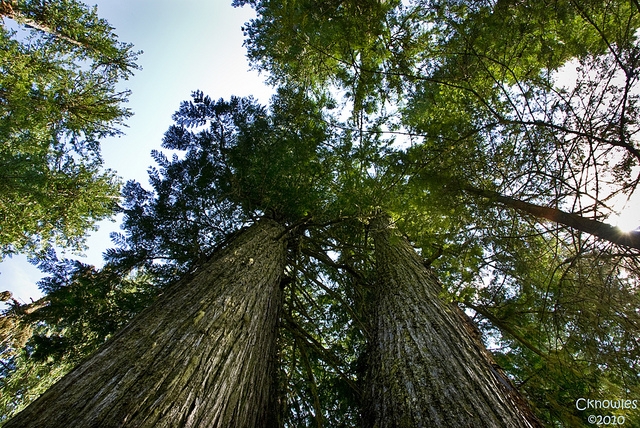
cedar trees in turkeyReporters Without Borders is providing Mohammed Attaoui legal assistance for trumped up charges received for exposing government corruption over illegal logging.
In March 2010, as Morocco hit the headlines with plans for an environmental charter and a $9 billion solar project, an environmental activist was arrested for exposing the illegal logging of protected cedar.

Just weeks after he published an exposé documenting the illegal logging as well naming those who were responsible, Mohammed Attaoui was arrested on what appear to be trumped up charges. In his exposé, Attaoui claimed that although cedar wood is a protected species in Morocco, corruption amongst the forest service and local government officials are allowing logging to go on unimpeded.

UAE To Export Camel-icious Milk To The West

3

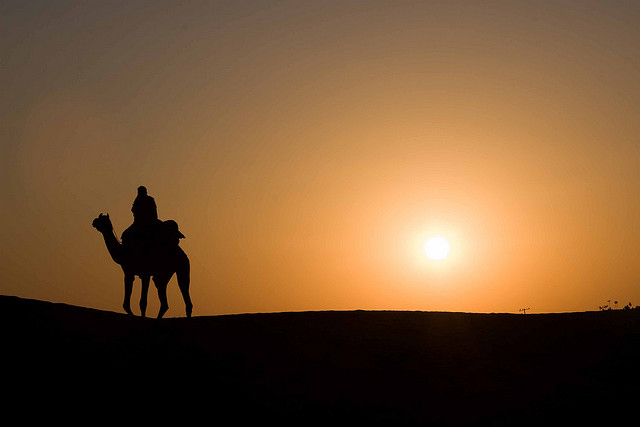
sunset-camelWe had a hump, err, hunch that camel milk would makes its way West

Plagued by bed bugs that proliferate during warmer temperatures and the kind of distorted energy policy that replaces residents in the Braka village with four nuclear reactors, the UAE doesn’t always have a lot to be proud of. Except, perhaps, camel’s milk. Rich in vitamins and iron, and easier to digest than cow’s milk, we wondered how long it would take for camel’s milk to reach America’s Wholefoods shelves. As it turns out, that might happen a lot sooner than we thought.

Mazzy reviews ‘The Story Of Stuff’

story-of-stuff-bannerIn order to change our unending addiction to Stuff, we need to redefine progress. We need to realize Stuff doesn’t make us happy.

The Story of Stuff is subtitled “How our obsession with stuff is trashing the planet, our communities, and our health – and a vision for change.” Its author, Annie Leonard, is not anti-stuff but she explains that, “I want us to value our stuff more to care for it, to give it the respect it deserves. I want us to recognize that each thing we buy involved all sorts of resources and labor.” Leonard describes Stuff as “manufactured or mass-produced goods, including packaging.” Hence, this book is all about “Stuff we buy, maintain, lose, break, replace, stress about, and with which we confuse our personal self-worth.”

Complications of Coffee – A Habit Worth Kicking

0

cofee girlTurkish, espresso or instant. The Middle East loves its coffee. The excitement of a good cup of coffee is familiar, but what other more negative effects are there?

Does your day only start when you have had that big cup of steaming coffee? Is that big cup of coffee only the first in a long line of coffees without which you cant make it through your stressful day? We put ourselves through a lot of stress, so why would you put more pressure on your body by drinking endless cups of coffee?

When it comes to addictions, coffee is usually not the first thought (cigarettes, perhaps), we tend to think of drugs or alcohol as the only harmful addictions. However, if you can’t drag yourself through your day without a cup of coffee then you have a problem.

Is the Mediterranean Sea Harboring a Giant Plastic Patch?

1

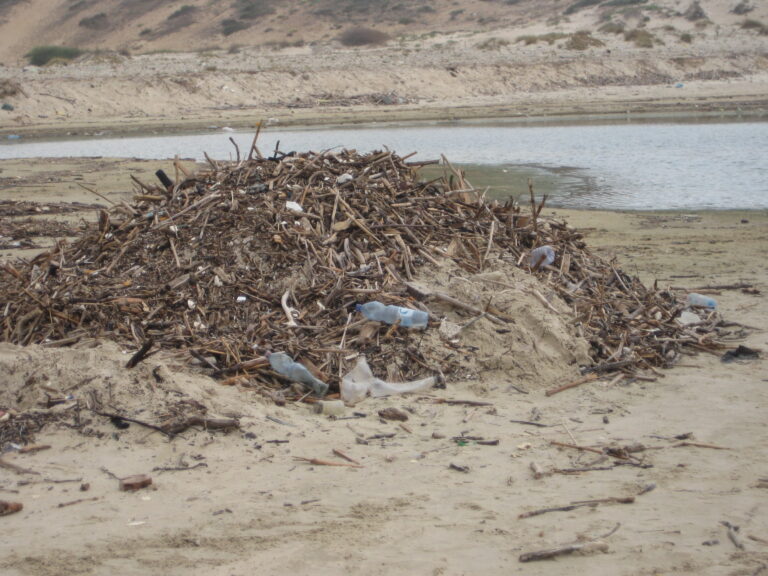
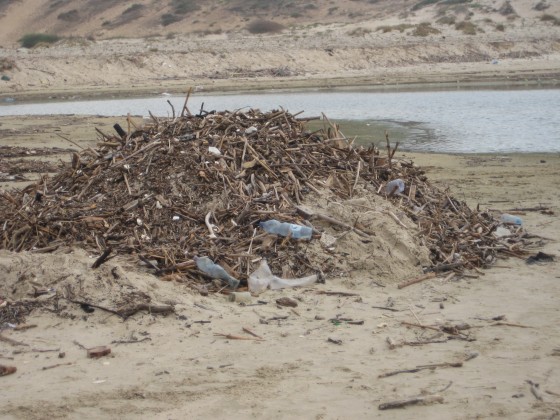
nahal-poleg-trash-dump Trash like this at Nahal Poleg kills Mediterranean marine life and pollutes the sea. What does the future hold for of our seas and oceans?

Following the August 1st arrival in Sydney, Australia of environmentalist David de Rothschild and the crew of the Plastiki sailing vessel, more attention has been given to another giant marine “plastic materials garbage patch” in the Atlantic Ocean. This is a “new” phenomenon, which scientists say may be even larger than the “Great Pacific Garbage Patch” that de Rothschild and fellow Plastiki crew members sought to investigate during their 154 days voyage in a boat made almost entirely from recycled plastic and other waste material.

Will Foster & Partners Achieve Carbon Neutrality In Hong Kong?

0

Foster-partners-hong-kongThe carbon-neutral city, Masdar, has all-but-failed. Can this urban park in Hong Kong do better?

Architectural firm Foster & Partners have their stamp all over the Middle East: they had a hand in Masdar City, that ambitious carbon-neutral city plan that has turned into an embarrassment, and they are “greening” Jordan’s Queen Alia Airport. While we’re impressed with their designs, we’re less impressed with their environmental ethic. Unfortunately, not everyone shares our sentiment, which is why this firm has spread their tentacles all over the world to Amsterdam, South Korea, and now Hong Kong.