Home Blog Page 609

Are Bedouins Cutting Down Trees As A Form of Political Protest?

7

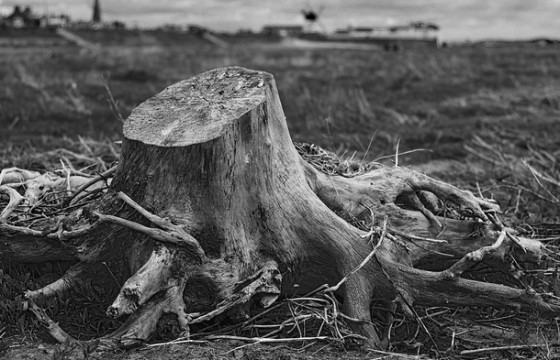
chopped trees bedouin beduin
The Mayor of Omer insists that Bedouins are behind the felling of thousands of trees on disputed lands.

Every so often we are put in the unfortunate position of having to weigh our environmental concerns against socio-political issues. A while ago, we wrote about Palestinian architect Omar Yousef whose philosophy and style are based on necessity borne out of injustice. And frequently, innocent bystanders suffer most from war, such as these innovators who eventually lost their creative designs as a result of  oppressive decisions from their leaders.

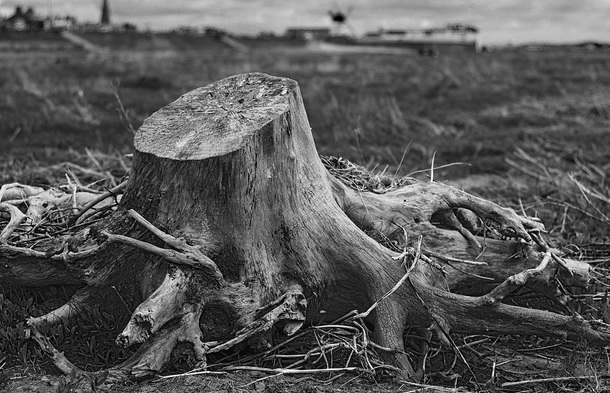
This recent story from the Jerusalem Post similarly creates conflict for us; we at Green Prophet are the ultimate tree-lovers: trees are carbon sinks, they provide shade, nutrition, and spiritual sustenance. It’s hard to quantify the many benefits of trees. As such, the loss of thousands of Mesquite, Acacia, and Eucalyptus trees in Israel’s Negev Desert is a serious blow for everyone. But it is also an interesting tool of protest for the Bedouins who are suspected of killing them.

Saudi Aramco’s 80-Year Reserves vs. German “Peak Oil”

0

Saudi Aramco peak oil
Saudi Aramco claims to have an 80-yr steady supply of oil or more, while a German thinktank predicts that “peak oil” is imminent.

Despite Bill McKibben’s pleas to reduce the amount of carbon in our atmosphere to 350 parts per million, or face serious consequences, and despite the myriad innovations worldwide aimed at shrinking our dependence on fossil fuels, Saudi Aramco’s President and CEO insists that not only are fossil-fuels here to stay, but he intends to increase production. Khalid A. Al Falih claims lifestyle changes coupled with population surges will ensure an increase of the world’s energy needs of nearly 40% by 2030. However, a separate report leaked from one of their military thinktanks reveals that the Germans are preparing themselves for “peak oil,” and a resulting cascade of dramatic world changes.

Making Love with the Five Percent Rule

0

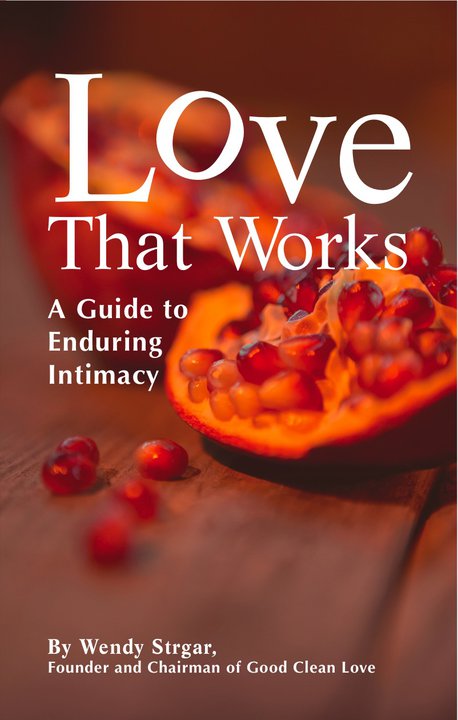
eco-sexuality-sustainable-loveTreating love with patience and with small, 5% changes is the same approach that will save our planet

“Bad things happen fast, good things take time,” writes Wendy Strgar, founder and chairman of GoodCleanLove.com, and the author of the newly published book, Love That Works: A Guide to Enduring Intimacy (Love Words Press, September 2010). Committed to creating a green philosophy of relationships that teaches the importance of valuing the renewable resources of loving relationships and family, her message resonates with readers in the Middle East and beyond who recognize that our relationships are intimately intertwined with the planet.

Do You Eat In Front Of The Computer?

0

Watching TV and sitting at the computer is fattening, if you eat in front of the screen. It’s time to examine our eating habits and consider how best to repair them.

Most people agree that eating in front of the computer or TV leads to overeating. We unconsciously reach for another handful of that salty snack, another cookie, or another heaping forkful from an overloaded plate. We sit for long minutes or even hours afterward, instead of getting up and moving around to burn off some of the calories we just took in. Eventually, the mirror reflects a version of ourselves that we don’t recognize.

We might look up from a novel describing an old-fashioned family dinner, where parents and children meet over familiar dishes to catch up, argue, laugh, just observe each other. Each meal in the novel adds another brush stroke to a timeless family portrait. It makes us think – how long has it been since we’ve eaten a stress-free family meal, with no interruptions from cellphones and without the burble of the TV in the background?

Better Place Founder Shai Agassi Heads to China for Summer Davos Economic Forum

0

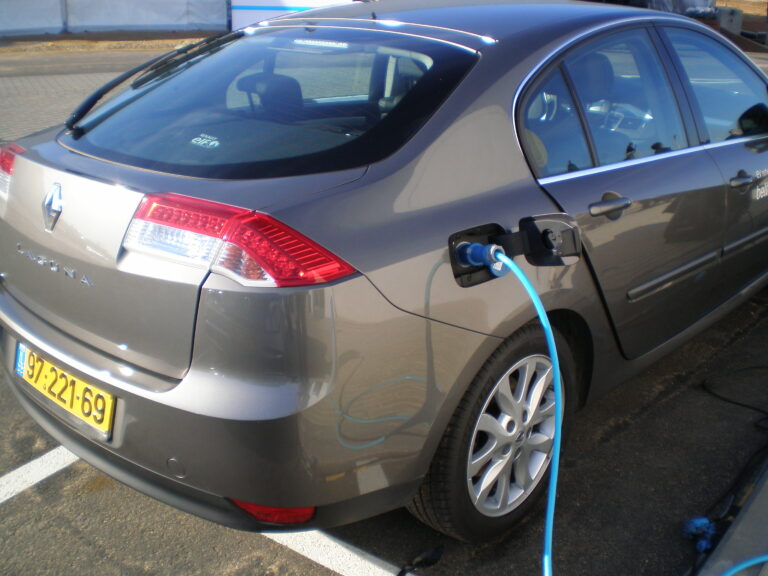
Fueling up. Better Place hoped to “fuel” more interest at the “Summer Davos” economic forum.

In a strong indication that he and his company are definitely on the world economic map, Better Place electric car company head Shai Agassi, together with Israel Minister for Industry, Trade and Labor Binyamin Ben-Eliezar attended the annual World Economic Forum Summer Meeting, held this year in Tianjin China. The 3 day forum, known also as the “Summer Davos” conference, in reference to the February conference held annually in Davos, Switzerland, was attended by over 1,300 delegates from 85 countries as reported in Israel’s Globes financial newspaper.

To Meat or Not To Meat – The Question of Vegetarianism or Cheatarianism

1

pork chinese cheatarian vegetarian
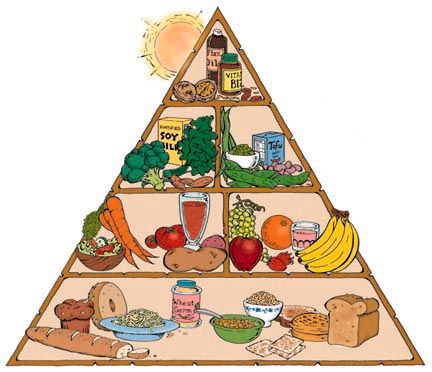
Do you eat meat on the sly, but call yourself a vegetarian? If so, you might be a cheatarian.

Vegetarians, vegans, vegawarians, carnivores; these may be familiar terms, but they aren’t always clearly defined. Does a vegetarian eat fish or not? The answer seems to be flexible. It is difficult to decide on a menu or venue for an event when different people define their eating habits with one term but different classifications.

Party With The UAE’s “Green Sheikh” On 10/10/10

3

UAE-green-Sheikh-101010On 10-10-10, thousands of people worldwide will roll up their sleeves and put their environmental conviction to work, including the “Green Sheikh.”

Given the continued exploitation of fossil fuel for energy, our atmosphere’s carbon content is escalating to a level that will be disastrous for our environment.

Which is why Bill McKibben initiated 350.org, an international organization composed of real people – people like you and me – who are fed up with shortsighted profiteers or spindly politicians. We wrote about Mr. Mckibben’s encouragement to get mad at reckless decision-makers who put the rest of us in peril, but he also offers constructive methods for taking earth back into our own hands. 

UAE Ministry of Environment and Water Uses Animated Film to Promote Plastic Bag Ban

2

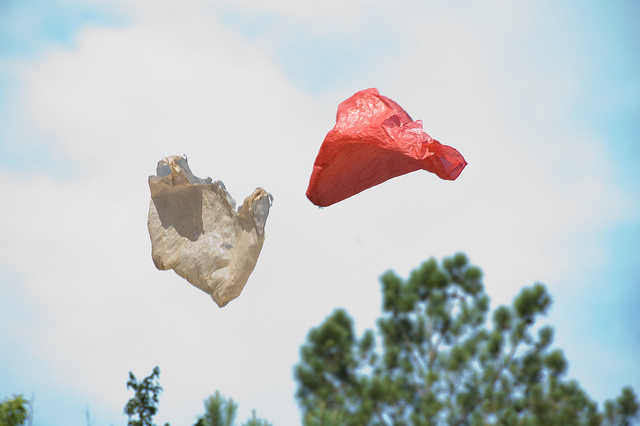
In the battle against plastic bags, the UAE Ministry of Environment and Water has started taking a more fun approach.

As part of its mission to ban non-biodegradable plastic bags from the UAE by 2012, the Ministry of Environment and Water will soon release an animated movie that promotes eco-friendly alternatives.  The Ministry is hoping that this more accessible and fun approach will encourage people to stop using plastic bags.  The film is part of a larger campaign, the Emirates Free from Plastics Initiative, that has already been active and which hopes to educate the public about the damages caused by plastic bags.

Make a Spout for a Bag of Spice Using an Old Bottle

6

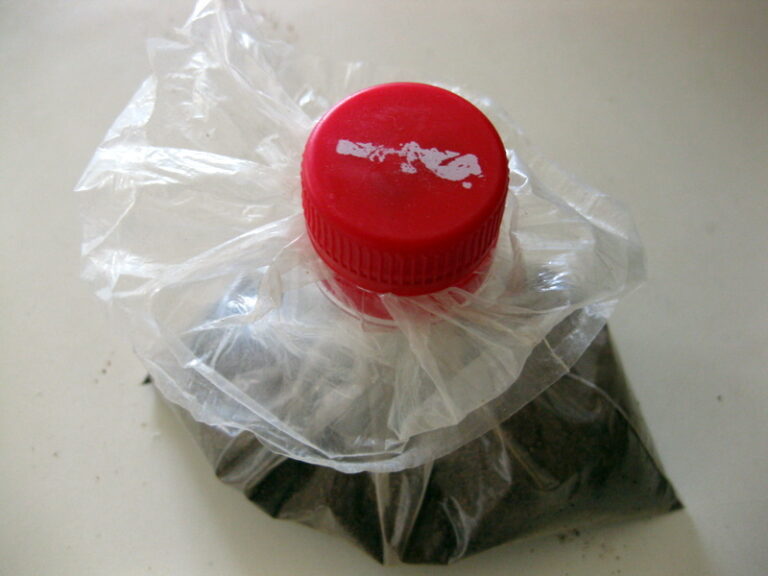
plastic-bag-spoutA simple, free cover for spices and grains bought loose in the store or market

I often buy spices, grains and legumes in plastic bags at the market. But it’s hard to keep the bags closed properly, and the contents often spill out into the drawer or freezer. This wastes precious food, and leaves a mess.

Then I saw this great idea for recycling a plastic drink bottle to make a pour spout for a plastic bag. You’ll need a a plastic bag that is thin and flexible, like a sandwich bag—this spout won’t work with a crinkly pasta bag. But you can convert a used bread bag to a container for small grains using the spout.

Kibbutznik Sues Israel’s Health Ministry For Right To Open Public Ecological Pool

0

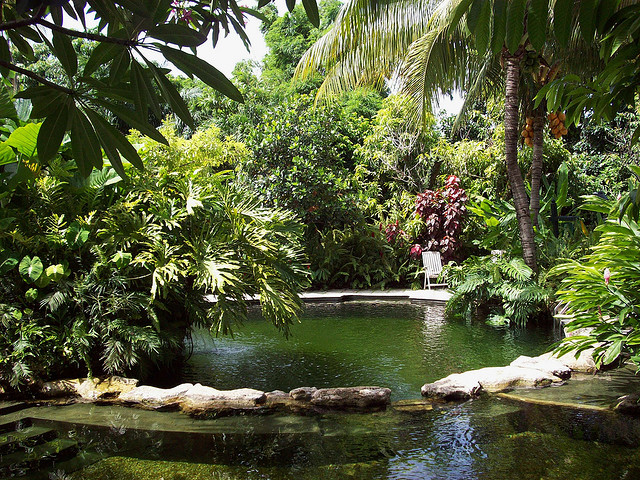
ecological-pool-with-plantsAlice Miller claims that by denying the right to open a public ecological pool, Israel’s Health Ministry is also preventing a way of life.

In Israel, where language and tradition are deeply rooted to nature, the shift away from the materialistic status quo is spreading. Several kibbutzim around the country are demonstrating that with a healthy dose of scientific knowledge and a smidgen of innovation, people can live off the land quite comfortably. Kibbutz Ketura is leading the way with solar energy, Kibbutz Lotan’s Center for Creative Ecology is known worldwide, while Kibbutz Samar is one of the last-standing socialist communities in Israel that grows and exports organic dates. Northwest of Lake Kinneret, Kibbutz Hukok is also an ecological community, but Israel’s Health Ministry is preventing them from taking that ideology to the next level.

Climbing God’s Mountain in Sinai

3

camel sinai moses mountain
The ultimate “spiritual” and ecological experience – climbing the mountain where Moses was believed to have received the 10 commandments, in Sinai.

In the heart of the Sinai Peninsula lies the biblical mountain that Moses supposedly received the Ten Commandments from God thousands of years ago. When Moses went to traverse the sharp edges of the mountain to pray at the summit, God granted him what has come to characterize monotheistic religion at the present moment.

The Ten Commandments are arguably the most well known laws God granted humanity. Mount Sinai has become a regular place of pilgrimage for millions of people the world over.

This sacred mountain, when climbed today, is a spiritual journey that people of all creeds and ethnicities come to each year in the hope of experiencing the hand of God in this world. Mount Sinai is a path to a different world. With perseverance even the average climber can get to the top of the mountain and bear witness to the birth of modern monotheism.

Seeing the sunrise at dawn, following a few hours of arduous climbing, can change the way we perceive the world. Here, the desert that Moses and the early Jewish people crossed unfolds before your eyes. The spectacular view from where Moses received the stone tablets containing the commandments of God is unlike any location on earth. It is here that religion truly becomes a part of ones life.

This journey, like most in Egypt, begins in Cairo, where the ideal trip consists of renting a mini-bus for the six-hour road trip into God’s land. After entering the Sinai, with its picturesque peaks and reddish glow, head to St. Katherine, the home to one of the earliest churches in Christendom. A friend once said, “this is Sinai, built by God some time ago by moving water. Maybe it should have been left submerged.” We laughed at the irony. Without Sinai there would be no mountains for the Israelites to flee to and no mountain for Moses to climb. St. Katherine was built in order to recognize the importance of that mountain that is situated directly behind.

Arguably the most famous mountain on the planet, maybe second only to Everest, Gabal Moussa, in Arabic, or Mount Moses (Mount Sinai), is, at first glance a seemingly unrecognizable peak within a chain of hundreds of mountains that look almost similar. Despite the obvious difficulty of this being the actual mountain Moses received Tablets from God, thousands of pilgrims and tourists traverse the rugged Sinai in order to climb this sacred mountain, which is believed to actually be the location of where Moses received the Ten Commandments.

From St. Katherine, after an evening of shisha (Middle East pipe) and relaxation with the Bedouins, the trip to the top of the mountain begins. Hours after the sun has set, the sacred path to the top takes its first step. There are two paths to choose from. One, the path of penitence is the more difficult. This route consists of stairs to the top. It is a testament to God, in which the climber climbs thousands of steps that go almost straight up. The second path is a bit easier, as it consists of a dirt pathway that zigzags up the mountain. While this route is not as difficult as the stairs, it still tests the will.

With flashlights as the only assistance up the mountain it is easy to picture Moses, clad in his wooden sandals and long robe ascending to the peak in order to pray and ask God for help from the troublesome times the Israelites were in. Continuing to climb what feels like a never-ending journey through the crevices that asking God for His help doesn’t seem out of question. The darkness does not allow for the cliffs to be discernable, obviously making the climb much more palatable. Nobody would want to know that one little slip and the fall would probably break many bones in the body. There is no turning back after making it a few hundred kilometers.

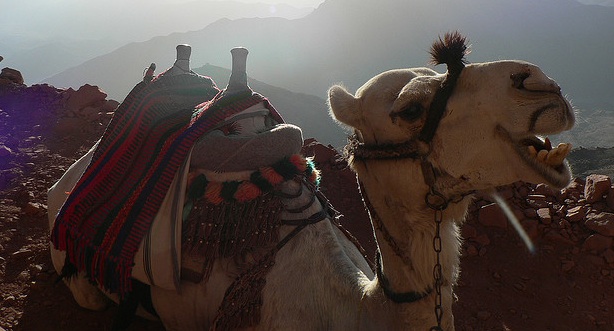
If climbing a mountain by foot is out of the question due to physical reasons, the Bedouin guides that accompany the groups up the mountain have at their disposal camels and donkeys, which can be ridden if the need arises. This allows for all people, without discrimination of age and physical state, to ascend God’s great mountain.

At times the mountain seems to give way to the ardent climber with level paths that make the climber, at least I did, believe the end is near. However, almost as the luxury of being able to walk straight for a while sets in, God’s mountain throws another climb in the wake. As the footprints of calm are whisked away by the next upward climb, it becomes evident that submission to the will of God begins to be a full force if making it to the summit is going to be a reality.

It is a trial in a sense. Getting to the top of the mountain is a test from God. Passing the test means walking up a jagged mountain for hours in order to bear witness that the spiritual quest was worth the struggle.

For hours climbing, the only thought is that nothing will make this journey worthwhile, until of course, the summit that Moses reached three thousand years ago is finally reached. Now it is a waiting game. After what seems like days, which in fact is no more than a few hours, the climber, winded and tired still has to wait until sunrise to fulfill the journey set out earlier in the evening. But it is worth every second of the arduous climb to the summit.

Make sure to have brought warm clothes, because unlike most of Egypt, the summit of Sinai Mountain is not a pleasant place for the underdressed. With winds gusting at speeds of up to 50 kilometers an hour the warmth of a blanket or two cannot be stressed. There is no greater displeasure than waiting for the warmth of the Sinai sun to makes its break over the surrounding mountain peaks than being utterly cold because the wrong attire was worn.

As daybreak begins to form, the mountain begins to come alive. Its reddish glow starts to come into view. Off in the distance the Red Sea is awakening, with Bedouin and visitor still asleep. If only they knew what they were missing. The sun slowly makes its way across the horizon. This is the time to snap beautiful pictures of the landscape below. The sun appears to race across the desert as if it was competing with the moon for the moment.

By Desmond Shepherd

More on Eco-Tourism in Sinai:
In Praise of the Middle East Squat Toilet
Visit St. Katherine’s Eco Retreat
Siwa and Red Sea Eco-Tourism Hot Spots

Dubai Gas Stations Running Out of Gas

Is it the story like the cobbler who doesn’t wear shoes?

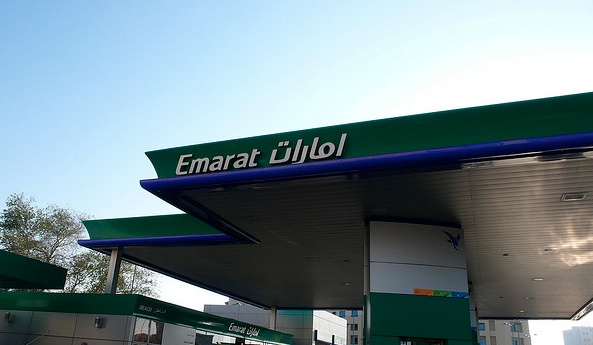
Government regulated oil prices are forcing Dubai companies to charge lower fees than they pay to import the gas. Now, gas retailers in Dubai in the United Arab Emirates are finding it hard to deal with rising prices and government price controls. Emarat, one of four gas retailers operating in Dubai, have run out of gas at some of its stations as the company struggles to meet its financial engagements, the Dubai-based newspaper Gulf News is reporting.

Hima: The Middle East’s Tradition of Environmental Protection

1

hima-middle-east-environment
Hima, practised for over 14,000 years in the Arabian Peninsula, is believed to be the most widespread system of traditional conservation in the Middle East, and perhaps the entire earth.

In these modern times, it’s easy to think of environmental protection as a new concept which has emerged in response to modern problems linked to industrialisation and globalisation. In reality, the need to protect the environment from abuse has been a constant concern for humans since the beginning of time- especially for people who were living directly of the earth’s resources.

Even the Middle East,which many assume is new to environmental concerns, had a system to help protect nature called ‘Hima’. Hima which roughly translates as ‘protected or preserved place’ has been practised for over 14,000 years in the Arabian Peninsula and is believed to be the most widespread system of traditional conservation in the Middle East, and perhaps the entire earth.

Which Earthy, Temporary Home Would You Choose? Sukkah City, NYC 2010

0

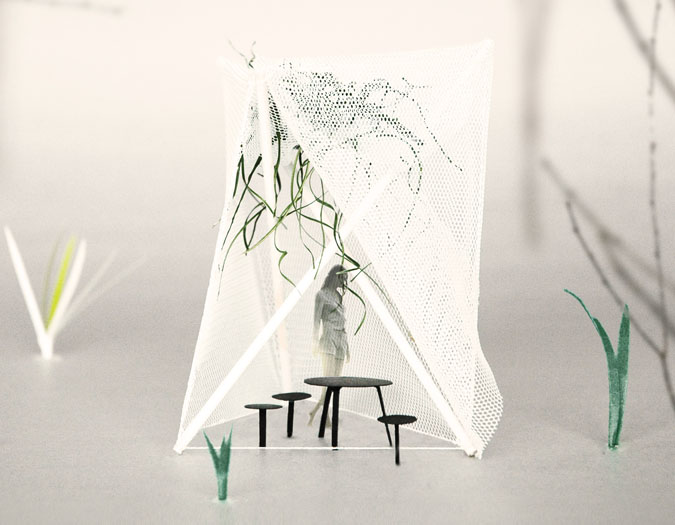
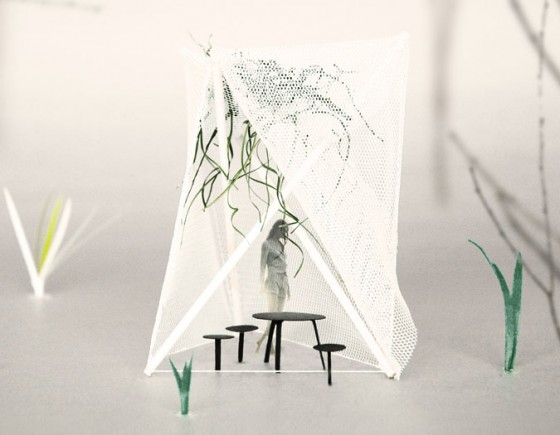
NYC-sukkah-competitionNew York City will host “The People’s Sukkah Choice” on Union Square during the Festival of Sukkot.

In Great Falls, Virginia, where my parents have lived for the last umpteen years, the beautiful wooden homes shrouded by giant leafy trees have been carelessly discarded in favor of cleared properties and attendant “McMansions.” Washington D.C.’s wealthy businessmen and politicians build these ghastly structures large enough to house an entire Palestinian village, and call it home. So large, and so unsightly, they create a blight on the neighboring landscape and inspire not an ounce of connectedness. Should the Chinese overrun America and send these people into exile, they’d have a hard time packing their wares.

The Sukkah, by contrast, is made of the earth and with the earth; they can not help but blend into the landscape. They are a symbol of transience: originally built to shelter the Jews during their 40 years wandering through the desert, they kept the people rooted to tradition. They still do. But asking a modern Jewish family to close up shop and return to the woolly wild may not be so realistic. As such, the Sukkah City International Design competition in New York City inspires a snazzy twist to an enduring custom. 

Egypt To Re-Think Wastewater Treatment At Upcoming Conference

2

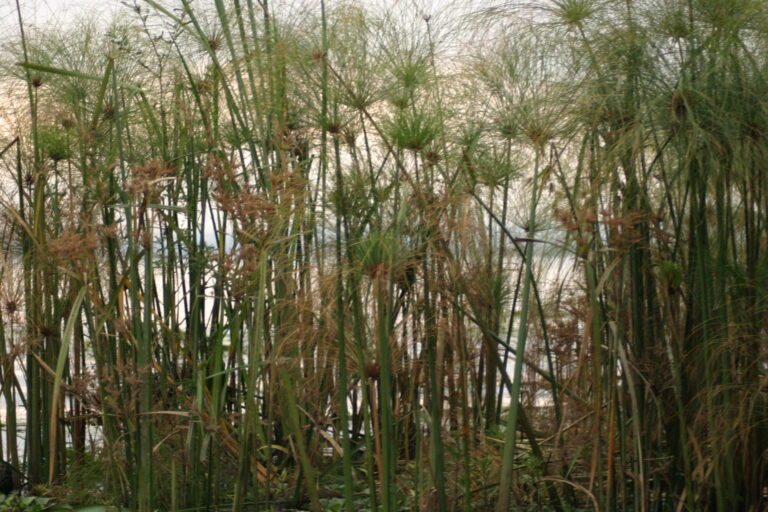
papyrus-plants-morningUsing constructed wetlands is one alternative to be addressed at the IQPC wastewater conference in Cairo this October.

As Egypt’s population increases, it puts pressure on the country’s main water source: the Nile River. In addition to general pollution from agricultural runoff and other pollutants, the recent diesel spill north of Aswan demonstrates the challenges of keeping the river fit for consumption. A pair of industrious young students are planning a kayaking trip from Aswan to Alexandria in order to generate better awareness among the populace. However, government action is absolutely critical in order to ensure the river’s long-term sustainability.