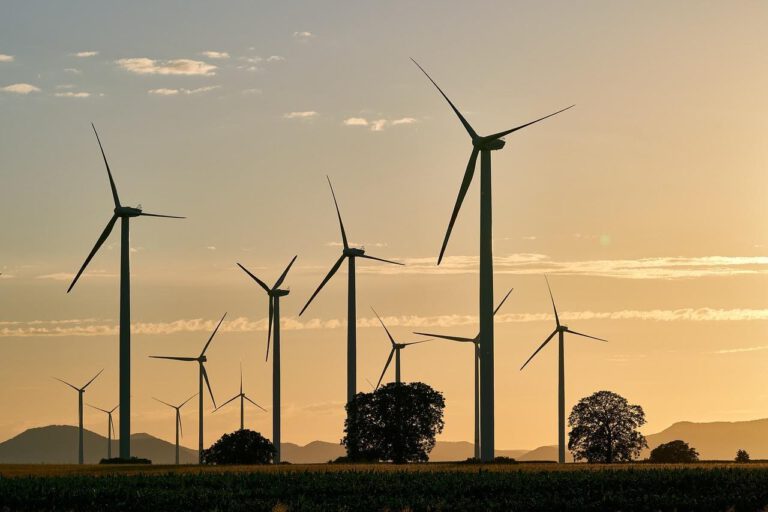
“In the midst of uncertain time, renewable energy remains consistent and steadfast in its expansion,” said Francesco La Camera, IRENA’s Director-General. “A more decentralised energy system, with a growing share of renewables and more market players, is structurally more resilient.”
Health insurance is a regulated financial product. Insurers operate under binding contracts, overseen by state insurance commissioners, that legally obligate them to pay claims meeting policy terms. Policyholders who believe a covered claim was wrongfully denied have legal recourse through state regulatory channels.
The New Zealand Merino Company, now rebranded as Zentera, has quietly removed the phrase “world’s leading ethical wool brand” from its website, a notable change that comes after a disturbing investigation by PETA Asia-Pacific into the company’s ZQ-certified wool supply chain, PETA reports to Green Prophet.
Somehow vegetables with short seasons excite the imagination and appetite more sharply than produce that’s available all year around. Good Middle Eastern cooks have many recipes for delicate fava beans, and this turmeric-fragrant soup is one.
“In the midst of uncertain time, renewable energy remains consistent and steadfast in its expansion,” said Francesco La Camera, IRENA’s Director-General. “A more decentralised energy system, with a growing share of renewables and more market players, is structurally more resilient.”
Health insurance is a regulated financial product. Insurers operate under binding contracts, overseen by state insurance commissioners, that legally obligate them to pay claims meeting policy terms. Policyholders who believe a covered claim was wrongfully denied have legal recourse through state regulatory channels.
The New Zealand Merino Company, now rebranded as Zentera, has quietly removed the phrase “world’s leading ethical wool brand” from its website, a notable change that comes after a disturbing investigation by PETA Asia-Pacific into the company’s ZQ-certified wool supply chain, PETA reports to Green Prophet.
Somehow vegetables with short seasons excite the imagination and appetite more sharply than produce that’s available all year around. Good Middle Eastern cooks have many recipes for delicate fava beans, and this turmeric-fragrant soup is one.
“In the midst of uncertain time, renewable energy remains consistent and steadfast in its expansion,” said Francesco La Camera, IRENA’s Director-General. “A more decentralised energy system, with a growing share of renewables and more market players, is structurally more resilient.”
Health insurance is a regulated financial product. Insurers operate under binding contracts, overseen by state insurance commissioners, that legally obligate them to pay claims meeting policy terms. Policyholders who believe a covered claim was wrongfully denied have legal recourse through state regulatory channels.
The New Zealand Merino Company, now rebranded as Zentera, has quietly removed the phrase “world’s leading ethical wool brand” from its website, a notable change that comes after a disturbing investigation by PETA Asia-Pacific into the company’s ZQ-certified wool supply chain, PETA reports to Green Prophet.
Somehow vegetables with short seasons excite the imagination and appetite more sharply than produce that’s available all year around. Good Middle Eastern cooks have many recipes for delicate fava beans, and this turmeric-fragrant soup is one.
“In the midst of uncertain time, renewable energy remains consistent and steadfast in its expansion,” said Francesco La Camera, IRENA’s Director-General. “A more decentralised energy system, with a growing share of renewables and more market players, is structurally more resilient.”
Health insurance is a regulated financial product. Insurers operate under binding contracts, overseen by state insurance commissioners, that legally obligate them to pay claims meeting policy terms. Policyholders who believe a covered claim was wrongfully denied have legal recourse through state regulatory channels.
The New Zealand Merino Company, now rebranded as Zentera, has quietly removed the phrase “world’s leading ethical wool brand” from its website, a notable change that comes after a disturbing investigation by PETA Asia-Pacific into the company’s ZQ-certified wool supply chain, PETA reports to Green Prophet.
Somehow vegetables with short seasons excite the imagination and appetite more sharply than produce that’s available all year around. Good Middle Eastern cooks have many recipes for delicate fava beans, and this turmeric-fragrant soup is one.
“In the midst of uncertain time, renewable energy remains consistent and steadfast in its expansion,” said Francesco La Camera, IRENA’s Director-General. “A more decentralised energy system, with a growing share of renewables and more market players, is structurally more resilient.”
Health insurance is a regulated financial product. Insurers operate under binding contracts, overseen by state insurance commissioners, that legally obligate them to pay claims meeting policy terms. Policyholders who believe a covered claim was wrongfully denied have legal recourse through state regulatory channels.
The New Zealand Merino Company, now rebranded as Zentera, has quietly removed the phrase “world’s leading ethical wool brand” from its website, a notable change that comes after a disturbing investigation by PETA Asia-Pacific into the company’s ZQ-certified wool supply chain, PETA reports to Green Prophet.
Somehow vegetables with short seasons excite the imagination and appetite more sharply than produce that’s available all year around. Good Middle Eastern cooks have many recipes for delicate fava beans, and this turmeric-fragrant soup is one.
“In the midst of uncertain time, renewable energy remains consistent and steadfast in its expansion,” said Francesco La Camera, IRENA’s Director-General. “A more decentralised energy system, with a growing share of renewables and more market players, is structurally more resilient.”
Health insurance is a regulated financial product. Insurers operate under binding contracts, overseen by state insurance commissioners, that legally obligate them to pay claims meeting policy terms. Policyholders who believe a covered claim was wrongfully denied have legal recourse through state regulatory channels.
The New Zealand Merino Company, now rebranded as Zentera, has quietly removed the phrase “world’s leading ethical wool brand” from its website, a notable change that comes after a disturbing investigation by PETA Asia-Pacific into the company’s ZQ-certified wool supply chain, PETA reports to Green Prophet.
Somehow vegetables with short seasons excite the imagination and appetite more sharply than produce that’s available all year around. Good Middle Eastern cooks have many recipes for delicate fava beans, and this turmeric-fragrant soup is one.
“In the midst of uncertain time, renewable energy remains consistent and steadfast in its expansion,” said Francesco La Camera, IRENA’s Director-General. “A more decentralised energy system, with a growing share of renewables and more market players, is structurally more resilient.”
Health insurance is a regulated financial product. Insurers operate under binding contracts, overseen by state insurance commissioners, that legally obligate them to pay claims meeting policy terms. Policyholders who believe a covered claim was wrongfully denied have legal recourse through state regulatory channels.
The New Zealand Merino Company, now rebranded as Zentera, has quietly removed the phrase “world’s leading ethical wool brand” from its website, a notable change that comes after a disturbing investigation by PETA Asia-Pacific into the company’s ZQ-certified wool supply chain, PETA reports to Green Prophet.
Somehow vegetables with short seasons excite the imagination and appetite more sharply than produce that’s available all year around. Good Middle Eastern cooks have many recipes for delicate fava beans, and this turmeric-fragrant soup is one.
“In the midst of uncertain time, renewable energy remains consistent and steadfast in its expansion,” said Francesco La Camera, IRENA’s Director-General. “A more decentralised energy system, with a growing share of renewables and more market players, is structurally more resilient.”
Health insurance is a regulated financial product. Insurers operate under binding contracts, overseen by state insurance commissioners, that legally obligate them to pay claims meeting policy terms. Policyholders who believe a covered claim was wrongfully denied have legal recourse through state regulatory channels.
The New Zealand Merino Company, now rebranded as Zentera, has quietly removed the phrase “world’s leading ethical wool brand” from its website, a notable change that comes after a disturbing investigation by PETA Asia-Pacific into the company’s ZQ-certified wool supply chain, PETA reports to Green Prophet.
Somehow vegetables with short seasons excite the imagination and appetite more sharply than produce that’s available all year around. Good Middle Eastern cooks have many recipes for delicate fava beans, and this turmeric-fragrant soup is one.
Green roof urban farm and solar panels on Boston Medical Center
In urban jungles and in medical settings it’s refreshing to see food gardens popping up as green roofs. Hospitals are to treat ailing folks, yet the food served to patients is usually over processed and of low quality.
Boston Medical Center (or BMC) is an academic medical center that delivers a model of healthcare where innovative and equitable care empowers all patients to thrive. In June this year Recover Green Roofs celebrated the opening of Newmarket Farm at Boston Medical Center and its 7300 square foot rooftop farm with wheelchair accessible green space.
With raised beds, a pollinator garden, plus an outdoor classroom, the design process highlights a critical collaboration between BMC, Recover Green Roofs, and Higher Ground Farm. Marking Recover’s second design and installation on BMC’s campus following the initial Boston Medical Center Power Plant Farm, both sites collectively forge new community partners and enhance access to fresh foods.
A portion of each harvest is donated to several South End nonprofits, including Rosie’s Place.
In 2022, Mayor Wu established GrowBoston to promote urban agriculture and food production, deploying funds from the American Rescue Plan Act. GrowBoston provided $300,000 to support the expansion of Newmarket Farm. The farm features a unique green roof media blend developed by Ben Flanner of Brooklyn Grange and Chuck Duprey at Naturcycle. They used a locally manufactured version of the innovative blend developed for the Javits Center Expansion Rooftop & Farm, optimized for deep growing crops, long term performance and water management. The growing media depth ranges from 19-23 inches and large growing beds with a granular drainage base retain tens of thousands of gallons of rainwater throughout the year, reducing the need for irrigation.
A high-tech custom drip irrigation system supplements regional rainfall.
Managed by Sarah Hastings, BMC’s Rooftop Farmer, and Higher Ground Farm, the farm adds valuable green space to the Newmarket District, addresses food insecurity, and offers culturally relevant fresh foods. Cultivating hard-to-find produce, they grow aji dulce, Malabar spinach, Callaloo greens, bok choy, napa cabbage, cranberry beans, and Japanese turnips, among others.
Because of Newmarket Farm’s location overlooking the Boston skyline, it also optimizes sun-loving fruit, including tomatoes, and flowers that attract pollinators. A covered seating area provides education and outreach classes to students from Boston Public Schools, members of local community organizations, and staff & patients to get hands-on training on hyperlocal vegetable gardening. Plus, both BMC rooftop farms serve as a model for other hospitals, understanding that the local environment is intrinsic to supporting the overall health and wellbeing in our communities.
The eyes of Aishagul Duganova, a 48-year-old mother of three, light up as she talks about her new greenhouse, which is bringing with it a new stability amidst her family’s health problems and money troubles.
In the village of Koram, around 150 kilometers east of Almaty in Kazakhstan, Aishagul’s life has been marked by her husband’s debilitating injury and the severe illnesses of her elderly parents-in-law.
With her family completely reliant on her, Aishagul was caught between the demanding care they required and the necessity to earn money; yet she was unable to take advantage of work opportunities too far from home.
Before her husband’s accident, Aishagul worked with him in the field, and they sold their produce in local markets. But as his condition worsened, she could no longer leave him alone, pushing the family into a cycle of debt to cover medical expenses and sustain their children.
“Every day, I had to make a choice— care for my sick family or leave them behind to work. It was a choice no one should have to make,” Aishagul shares, her voice tinged with the fatigue of years of caregiving.
A turning point came when Aishagul’s sister-in-law, aware of her dire situation, introduced her to a greenhouse harvesting training programme. This initiative was part of the broader Food and Agriculture Organization of the United Nations (FAO) project, known as CACILM-2, and funded by the Global Environmental Facility (GEF).
Among its objectives, the project equips rural women in Kazakhstan with the skills and resources to adopt sustainable farming practices and make a living from agriculture. The training course provided by FAO’s partner, the Local Community Foundation of Enbekshikazakh District, Aishagul has improved her vegetables and produce-growing skills, allowing her to independently cultivate food.
Pavel Kavunov, an agronomist working at the Foundation, explained the training offered by the project: “We focused on practical, climate-smart agriculture techniques that ensure these women can produce quickly and sustainably.”
He imparted information on the characteristics of seedlings, their root systems and important aspects to consider during planting. “It’s about giving them the tools and the knowledge to succeed on their own terms,” he added.
This local expert presence ensures that the women farmers are not only trained but also have continual access to advice and problem-solving techniques, which is vital for the sustainability of their agricultural activities.
FAO also worked with Aishagul and nine other women to install 100 square metre, tunnel greenhouses on their lands. This collaboration has empowered them to cultivate vegetables all year-round in their backyards, opening the door to economic independence and lasting stability.
As the women learn to manage their micro-farms, they are supported by a network of agronomists and coordinators, such as Bakytgul Yelchibayeva, who assist them in connecting with local markets and buyers. “Our goal is to go beyond providing initial support by creating a lasting infrastructure that enables these women to thrive independently,” she explains.
Aishagul is now making the most of her new greenhouse, growing cucumbers and other vegetables to support her family. “This greenhouse has changed everything. It allows me to be with my family when they need me and still provide for them,” she explains. Encouraged by her success, Aishagul hopes to build a sustainable farm that also helps other women in her community learn and grow together.
In addition to the greenhouse, the project supported women farmers with tillage materials and cucumber seeds. Together, the women sold 3 992 kilograms of produce, earning roughly double what they would typically make. The boost in income from this extra produce helped improve the lives of 64 people, strengthening their community’s farming efforts.
The CACILM-2 project is providing targeted training, resources and coaching to rural communities in Central Asia, addressing several critical barriers such as inadequate job opportunities and lack of information. Moreover, through partnerships with local foundations and experts, participants forge connections with local markets and introduce their products to potential buyers, ensuring a reliable outlet for their produce.
By empowering rural women with the tools and knowledge to undertake agricultural ventures, FAO is promoting equality of opportunity, enhancing their economic stability and independence.
Slain Japanese doctor and canal builder Tetsu Nakamura gets his dream honored
Tetsu Nakamura, also known as Kaka Murad, was a Japanese physician and honorary Afghan citizen who headed Peace Japan Medical Services, an aid group known as Peshawar-kai in Japanese.
A Japanese doctor and humanitarian Tetsu Nakamura lived in Afghanistan for more than 3 decades leading humanitarian projects. His biggest dream was to realize a water canal project to give irrigation water to farmers in the Nangarhar province. His life was cut short in 2019 by a suspected group of armed Taliban militants believed to be sent from Pakistan. This year Nakamura’s dream came to life and 5 years after his death his largest project out of hundreds, a 20-mile canal, brings life-giving water to people who need it the most.
Nakamura canal in Afghanistan opened in 2024. Source of photo unknown
Born in Japan, Nakamura had been granted honorary citizenship in Afghanistan, reflecting the deep connections he forged with the country through his extensive humanitarian work. Apart from medical aid in the early years, he focused on constructing water canals, which were crucial for irrigation and agriculture in the arid region.
The same location in 2003 and 2009 along a canal Dr. Nakamura helped build. They are reminiscent of old Japan village canals. Photographs courtesy of Peshawar-kai/PMS.
After his murder (the Taliban has halted the investigation into the murder since taking over) Nakamura’s canal project resumed with support from the Japanese government continuing his legacy: Nakamura constructed multiple health centers and hundreds of water projects related to irrigation, canal construction, and clean water access.
His most significant achievement was the creation of a 20-mile canal sourced from the Kunar River, which now irrigates hundreds of acres of farmland. He has impacted millions of people.
Photographs courtesy of Peshawar-kai/PMS.
Following Nakamura’s passing, a non-governmental organization named PMS has taken up the cause to continue building canals and dams in the region.
Here is a beautiful film on his impact. Let’s not let terror win. Watch the movie, Water, Not Weapons below. And let us ponder: what is it that draws a man to leave his country and change the world in places that need help? Is there something inside of you that wishes to do the same?
Wear a dress from this silk and light up the room, literally
Imagine a sweater that powers electronics to monitor your health or charge your mobile phone while running. This development faces challenges because of the lack of materials that both conduct electricity stably and are well suited for textiles. Now a research group, led by Chalmers University of Technology in Sweden, presents an ordinary silk thread, coated with a conductive plastic material, that shows promising properties for turning textiles into electricity generators. Imagine a dress you are wearing that lights up the night – literally!
Textile materials with piezoelectric or thermoelectric properties can be obtained in the form of yarns and filaments, woven fabric structures, knitted fabrics.
Thermoelectric textiles convert temperature differences, for example between our bodies and the surrounding air, into an electrical potential. This technology can be of great benefit in our everyday lives and in society. Connected to a sensor, the textiles can power these devices without the need for batteries. These sensors can be used to monitor our movements or measure our heartbeat.
Since the textiles must be worn close to the body, the materials used in them must meet high demands on safety and flexibility. The silk thread that the researchers tested has a coating made of a conducting polymer. It is a plastic material with a chemical structure that makes the material electrically conductive and well adapted to textiles.
“The polymers that we use are bendable, lightweight and are easy to use in both liquid and solid form. They are also non-toxic,” says Mariavittoria Craighero, who is a doctoral student at the Department of Chemistry and Chemical Engineering at Chalmers University of Technology, and first author of a recently published study.
Enhanced stability and conductivity
The method used to make the electrically conductive thread is the same as used in previous studies within the same research project. Previously, the thread contained metals to maintain its stability in contact with air. Since then, advances have been made to manufacture the thread with only organic (carbon-based) polymers. In the current study, the researchers have developed a new type of thread with enhanced electrical conductivity and stability.
“We found the missing piece of the puzzle to make an optimal thread – a type of polymer that had recently been discovered. It has outstanding performance stability in contact with air, while at the same time having a very good ability to conduct electricity. By using polymers, we don’t need any rare earth metals, which are common in electronics,” says Mariavittoria Craighero.
To show how the new thread can be used in practice, the researchers manufactured two thermoelectric generators – a button sewn with the thread, and a piece of textile with sewn-in threads. When they placed the thermoelectric textiles between a hot and a cold surface, they could observe how the voltage increased on the measuring instrument.
The effect depended on the temperature difference and the amount of conductive material in the textile. As an example, the larger piece of fabric showed about 6 millivolts at a temperature difference of 30 degrees Celsius. In combination with a voltage converter, it could theoretically be used to charge portable electronics via a USB connector. The researchers have also been able to show that the thread’s performance is maintained for at least a year. It is also machine washable.
“After seven washes, the thread retained two-thirds of its conducting properties. This is a very good result, although it needs to be improved significantly before it becomes commercially interesting,” says Mariavittoria Craighero.
Can meet functions that these textiles require
The thermoelectric fabric and button cannot be produced efficiently outside the lab environment today. The material must be made and sewn in by hand, which is time-consuming. Just sewing it into the demonstrated fabric required four days of needlework. But the researchers see that the new thread has great potential and that it would be possible to develop an automated process and scale up.
“We have now shown that it is possible to produce conductive organic materials that can meet the functions and properties that these textiles require. This is an important step forward. There are fantastic opportunities in thermoelectric textiles and this research can be of great benefit to society,” says Christian Müller, Professor at the Department of Chemistry and Chemical Engineering at Chalmers University of Technology and research leader of the study.
The Green Mediterranean Diet Shows Promise in Keeping Brains Young
Age-related brain atrophy, the gradual loss of neurons and shrinkage of brain tissue, is a natural part of aging, which can lead to cognitive decline and other neurological issues. While so far aging cannot be prevented, recent research from an 18-month dietary intervention offers hope that lifestyle and dietary changes can slow brain aging. A new international study, led by Ben-Gurion University, as part of the DIRECT PLUS Brain MRI trial, has brought to light how blood sugar control can significantly impact brain health.
Brain age, as evaluated by MRI measurements of the hippocampus and lateral ventricles, reflects the biological aging of the brain, which can differ from a person’s chronological age. Chronological age is the number of years lived, while brain age indicates the brain’s actual health. Typically, as we age, the hippocampus shrinks and the lateral ventricles expand, serving as markers of brain aging. Some individuals have a brain age younger or older than their chronological age. A younger brain age suggests better cognitive health, while an older brain age may indicate accelerated aging and increased risk of cognitive decline.
The study, which was published recently in The American Journal of Clinical Nutrition, was conducted by an international team of brain and nutrition experts, including researchers from Ben-Gurion University, Harvard University, Leipzig University, and more. The research was primarily carried out by Ph.D. student Dafna Pachter and overseen by Prof. Iris Shai, along with several international collaborators.
A previous study published two years ago American Journal of Clinical Nutrition, reported that Mediterranean (MED) and green-MED diets significantly attenuated age-related brain atrophy by ∼50% within 18 months.
In the current study, the researchers aimed to understand the mechanism by which the slowing of brain atrophy occurs.
The study found that a decline in HbA1c, and key markers of long-term blood sugar levels, are associated with significant positive changes in specific brain regions commonly affected by age-related atrophy. Brain MRI results showed that lower HbA1c levels corresponded to greater deviations in the thalamus, caudate nucleus, and cerebellum – areas crucial for cognitive function, motor control, and sensory processing. The study suggests that improved blood sugar control could be one of the most important factors in slowing down age-related brain changes.
Earlier research has highlighted the benefits of the Green Mediterranean (Green-Med) diet, including better blood sugar control. The Green-Med diet is rich in polyphenols from plant-based sources like Mankai (a high-protein aquatic plant) and green tea, while being low in red and processed meats. The current study further strengthens this connection by suggesting that the Green-Med diet may not only support metabolic health but also exert protective effects on brain structure and function.
One of the Largest Brain MRI intervention Studies in the World
The DIRECT PLUS trial, one of the longest and largest brain MRI studies conducted to date, involved approximately 300 participants who were divided into three dietary groups. Whole-brain MRI measurements were taken before and after the 18-month trial to track changes in brain health. The researchers used Hippocampal Occupancy (HOC), as a proxy for brain age which predicts future risk of dementia. HOC typically decreases with age. Interestingly, some participants exhibited a brain age either younger or older than their chronological age.
Using NeuroQuant, an FDA-authorized fully automated tool, the research team quantified and segmented the brain MRI-derived data. The study aimed to examine whether improved glycemic control and specific dietary components could slow down brain aging. The results indicated that participants who managed to improve their blood sugar levels and achieve normal glucose status experienced a more pronounced attenuation of brain aging. Notably, those who consumed higher amounts of green tea and Mankai duckweed shakes demonstrated the most significant improvements in both blood sugar levels and brain health.
Glycemic Control and Polyphenols: The Key to a Younger Brain Age?
The study’s lead researcher, Prof. Iris Shai, from Ben-Gurion University, an adjunct professor at Harvard University, and an Honorary Professor at Leipzig University, explains, “Maintaining low blood sugar levels, even within the normal range, shows promise for preserving a younger brain, especially when combined with a healthy diet and regular physical activity. Specifically, polyphenols found in plant-based foods may cross the blood-brain barrier and help reduce brain inflammation, which is crucial for memory”.
Dafna Pachter, a Ph.D. student and the first author of the paper, adds, “This trial offers a safe approach to potentially slow down our brain aging—by adopting the components of a green-Mediterranean diet.”
A Pathway to Reducing Age-Related Cognitive Decline
This study is one of the first large-scale trials to directly link dietary changes, particularly those associated with the Green-Med diet, to improved glycemic control and slower brain aging. While further research is needed to fully understand the mechanisms at play, these results suggest a potential avenue for reducing the risk of age-related cognitive decline through relatively simple dietary adjustments.
The DIRECT PLUS trial was funded by grants from the German Research Foundation (DFG), Israel Ministry of Health, Israel Ministry of Science and Technology, and the California Walnuts Commission. None of the funding providers were involved in any stage of the design, conduct, or analysis of the study, nor did they have access to the study results before publication.
What is the Mediterranean Diet?
The best diet starts with a healthy plate of food. Experts the world over suggest the Mediterrean Diet for heart health
The Mediterranean diet isn’t a strict diet plan but rather a way of eating based on the dietary traditions of Crete, Greece, and Southern Italy during the mid-20th century. This area now includes food from Lebanon and Israel. A diet rich in fruits, vegetables, beans, nuts, whole grains, fish, olive oil, small amounts of dairy, and red wine offered extensive health benefits.
Green Prophet has thousands of recipes that follow the Mediterrean Diet. Start here.
Researchers say that the money invested in green taxation in Israel does not achieve its public goals. Instead of reducing pollution, greenhouse gas emissions, and encouraging electric vehicles, it has become a strategic pricing tool used by car importers to influence their profits.
A study indicates that the green tax reform implemented in Israel for 15 years with the aim of reducing air pollution and greenhouse gas emissions has not achieved its goals. Based on the findings of the study Ben-Gurion University of the Negev published a surprising recommendation: to abolish all tax brackets for polluting vehicles and leave only one broad tax benefit for the purchase of electric vehicles.
In Israel, unlike the rest of the world, the green tax system on new vehicle purchases determines benefits in tax rates based on emission level. Thus, vehicles with low pollution ratings receive a benefit of up to 16,530 shekels, while vehicles with high pollution ratings receive no benefit at all. In 2023, there was a significant increase in the purchase of electric vehicles in Israel, from 45,270 in 2022 to 95,761, accounting for 27.4% of all new vehicles. This is a significant increase compared to previous years and reflects a clear trend of changing public preferences.
Fifteen years after the green tax reform, a research group led by Prof. Ofir Rubin and Prof. Stav Rosenzweig from the Guilford Glazer Faculty of Business and Management and the Goldman Sonnenfeldt School of Climate Change at Ben-Gurion University of the Negev examined its impact and found that from 2016 onwards, the impact of the green tax was offset and became virtually meaningless. It appears that drivers who purchased efficient cars gradually increased their mileage, creating a “rebound effect” that grew until it completely nullified the impact of the tax.
Between 2016 and 2023, the state granted benefits totaling over NIS 34.5 billion, but did not create the desired savings in energy or pollution levels.
Transportation is one of the human activities with the most severe impact on the environment and climate. The main reason for pollution and emissions from transportation stems from the fact that modern transportation relies heavily on fossil fuels, which exacerbates the effects on global warming and environmental damage. Additionally, the global economic damage from air pollution is estimated at hundreds of billions of dollars per year. Economic losses include medical treatment costs for diseases such as asthma, loss of workdays, and decreased productivity.
The researchers say that the money invested in green taxation in Israel does not achieve its public goals. Instead of reducing pollution, greenhouse gas emissions, and encouraging electric vehicles, it has become a strategic pricing tool used by car importers to influence their profits.
The lack of government oversight over vehicle pricing has allowed importers to generate high profits from tax benefits without fully passing them on to consumers. Therefore, the consumer response to tax benefits was minimal and did not generate a meaningful change in purchasing habits, which is one of the reasons why there was only a partial impact on the environment.
The National Institute for Climate and Environmental Policy Research recommends a simpler and more focused policy, which will include, on the one hand, the abolition of purchase tax benefits for polluting vehicles and, on the other hand, the imposition of a distance-based road tax, where the price will be calculated according to distance and travel time, with higher rates during peak hours. Such a tax can help reduce traffic congestion and reduce emissions.
Tamar Zandberg
“These measures offer a practical and focused tax system that will directly impact the reduction of air pollution and encourage the transition to electric vehicles, while maintaining simplicity and flexibility in the tax system, without the need for oversight of the pricing strategy of car importers,” explained Tamar Zandberg from Ben-Gurion University of the Negev. She is the former Minister of Environmental Protection. “These recommendations are designed to encourage the transition to clean energy and reduce air pollution and greenhouse gas emissions more effectively,” she concluded.
In the arid landscape of Yemen’s West Coast, water is often a distant dream. For many years, families have endured long walks under the scorching sun in search of clean water. “We walk for hours, just for a few jerrycans of water,” shares Hassan, a father of four who arrived in Yakhtol five years ago. “Some days, we come back empty-handed. It feels like the water is slipping further out of reach.”
The war in Yemen (see how the Houthis use water as a weapon in war) has forced over 4.5 million people from their homes, and many have sought refuge in rural villages like Yakhtol. As more displaced families arrive, often with nothing more than the clothes on their backs, the strain on already scarce resources grows. The expanding population is now forced to compete for access to water, shelter, and basic services, further exacerbating the challenges faced by both displaced individuals and local residents.
On Yemen’s West Coast, families endure long daily treks to collect water – a lifeline that remains scarce for millions. Photo: Moayad Zaghdani
The declining soil fertility, increasing salinization of water sources, and rising sea levels have severely threatened agriculture along Yemen’s coast, particularly in Yakhtol. A once-modest fishing and farming community now has to battle for its very survival.
Yakhtol’s residents, who once relied on small-scale agriculture to sustain their families, now find it nearly impossible to grow crops or feed their livestock. The climate has become increasingly hostile to traditional farming methods. Small-scale fishing, which had also been a lifeline for the local economy, is in decline. As crops fail and fish stocks dwindle, the population is left with fewer options.
Families on Yemen’s West Coast often rely on unsafe water sources, increasing the risk of disease as clean water remains difficult to access. Photo: Moayad Zaghdani
Mohammed Ali, another resident of Yakhtol, knows this all too well. “If there is no water, we cannot live – water is life,” he says. Each day, he wakes before dawn to search for water, a task that consumes his mornings and drains his energy. His daily trips to communal water points are fraught with uncertainty. “How long will I have to wait? Will I find enough water to support my family? Will I find any at all?” he asks.
This struggle for water is compounded by years of conflict that have ravaged the infrastructure once vital to Yakhtol’s survival. The water system, originally built to serve 200 homes, is now stretched beyond its limits, trying to meet the needs of over 1,500 families, including hundreds of displaced people who have sought refuge from violence in frontline areas.
To address these challenges, the United Nation’s-run International Organization for Migration (IOM) has stepped in to restore the water infrastructure. Through the rehabilitation of pipelines and the construction of new water points, IOM’s intervention helps alleviate the burden on families like Hassan’s and mitigate conflict over resources. The project also addresses health risks by ensuring that both host communities and displaced families have reliable access to clean water.
IOM’s water projects in Hays and Yakhtol are providing vital relief to thousands of displaced families and local residents, ensuring access to clean water in one of Yemen’s most water-scarce regions. Photo: IOM/Moayad Zaghdani
As part of its efforts in Yakhtol, IOM has also worked on expanding the water-distribution network. This includes installing larger pipes and constructing additional water-storage facilities, ensuring that the limited supply is efficiently distributed across the community. Solar-powered water-pumping systems have been introduced, providing a sustainable energy source that reduces reliance on expensive and often unavailable fuel.
Furthermore, IOM is working to help communities better withstand extreme weather events like floods. This involves upgrading the water system to improve its flood resilience, carefully planning to avoid areas that are prone to flooding and creating protective measures such as gabion walls. Additionally, automatic chlorinators will be installed to disinfect water.
The expansion of water infrastructure in Yakhtol brings hope to families like Mohammed’s, who have endured years of hardship. “I used to take water for granted,” Mohammed recalls. “Now, even a single drop feels like a precious gift.”
Sami, a father of twelve in the Hays displacement camp, constantly worries that his children will miss school to fetch water. Photo: IOM/Moayad Zaghdani
While progress has been made in Yakhtol, similar struggles continue in other parts of the West Coast. In a displacement camp in Hays, Sami, a father of twelve, shares a familiar story of hardship. “Most of the people who go to fetch water here are children; they don’t go to school because they have to help,” he explains. The lack of access to clean water has deprived his children of education, forcing them into a cycle of daily household chores.
In Hays, IOM is working to address the severe water shortage by constructing a new well that will provide clean and reliable water to thousands of displaced families and host communities. This well is a critical lifeline in a community where the daily search for water has long consumed families’ time and energy. By providing a consistent water source, IOM’s intervention not only eases the physical burden on families but also reduces health risks linked to contaminated water.
Despite the challenges in accessing water, Yemeni parents hold onto hope for a future where education can be prioritized. Photo: IOM/Moayad Zaghdani
Despite these efforts, the challenges remain daunting. Climate change and extreme weather events across Yemen continue to amplify the country’s water crisis, adding to the pressures of conflict and displacement. Despite the daunting challenges, Sami remains optimistic: “We support each other through the hardships,” he says.
As communities continue to grapple with these overlapping crises, the work of organizations like IOM offers a glimmer of hope. Through the rehabilitation of water systems and the provision of essential aid, IOM is helping to restore dignity and stability to families pushed to the brink by conflict and climate change.
Families like Sami’s and Hassan’s understand that while clean water is essential, it is only part of what is needed to rebuild their lives. “We need more than just water,” Hassan says. “We need our children to be able to go to school. We need to feel safe.”
An ancient Maya city has been found hidden in plain sight”beneath the jungle in the Mexican state of Campeche. Archaeologists used a laser technique called LiDAR to scan the area, “accidentally” discovering the forgotten complex, which contains pyramids, amphitheatres and sports fields.
“The government never knew about it, the scientific community never knew about it. That really puts an exclamation point behind the statement that no, we have not found everything, and yes, there’s a lot more to be discovered,” said researcher Luke Auld-Thomas working on the site.
The new research, published in the journal Antiquity, was led by Tulane University anthropology doctoral student Auld-Thomas and his advisor, Professor Marcello A. Canuto.
Luke Auld Thomas
They think the site, which they’ve named Valeriana, might have housed up to 50,000 people, which supports claims that Maya lived in complex cities or towns, not in isolated villages.
The team used lidar, a laser-based detection system, to survey 50 square miles of land in Campeche, Mexico, an area largely overlooked by archaeologists. Their findings included evidence of more than 6,500 pre-Hispanic structures, including a previously unknown large city complete with iconic stone pyramids.
“Our analysis not only revealed a picture of a region that was dense with settlements, but it also revealed a lot of variability,” said Auld-Thomas: “We didn’t just find rural areas and smaller settlements. We also found a large city with pyramids right next to the area’s only highway, near a town where people have been actively farming among the ruins for years.
The Middle American Research Institute (MARI) at Tulane University has been pioneering the use of lidar technology in archaeological research. Over the past decade, MARI has built a state-of-the-art Geographic Information Systems (GIS) lab, to analyze remote sensing data, such as lidar. The lab is managed by Francisco Estrada-Belli, a research professor in Tulane’s Department of Anthropology.
Ancient Mayan city found in jungle in Mexico – study area
Lidar technology uses laser pulses to measure distances and create three-dimensional models of specific areas. It has allowed scientists to scan large swaths of land from the comfort of a computer lab, uncovering anomalies in the landscape that often prove to be pyramids, family houses and other examples of Maya infrastructure.
This research may also help resolve ongoing debates about the true extent of Maya settlements.
Ancient buildings clustered on a hilltop are revealed by a narrow transect of lidar survey data. Lidar technology uses laser pulses to measure distances and create 3D models of specific areas. (Photo courtesy Luke Auld-Thomas)
“Because lidar allows us to map large areas very quickly, and at really high precision and levels of detail, that made us react, ‘Oh wow, there are so many buildings out there we didn’t know about, the population must have been huge,’” Auld-Thomas said. “The counterargument was that lidar surveys were still too tethered to known, large sites, such as Tikal, and therefore had developed a distorted image of the Maya lowlands.
“What if the rest of the Maya area was far more rural and what we had mapped so far was the exception instead of the rule?”
The study highlights the transformative power of lidar technology in unveiling the secrets of ancient civilizations. It also provides compelling evidence of a more complex and varied Maya landscape than previously thought.
“Lidar is teaching us that, like many other ancient civilizations, the lowland Maya built a diverse tapestry of towns and communities over their tropical landscape,” Canuto said. “While some areas are replete with vast agricultural patches and dense populations, others have only small communities. Nonetheless, we can now see how much the ancient Maya changed their environment to support a long-lived complex society.”
This image shows nine candidate landing regions for NASA’s Artemis III mission, with each region containing multiple potential sites for the first crewed landing on the Moon in more than 50 years. The background image of the lunar South Pole terrain within the nine regions is a mosaic of LRO (Lunar Reconnaissance Orbiter) WAC (Wide Angle Camera) images. Credit: NASA
America’s space agency NASA has identified nine potential landing regions for its upcoming Artemis III mission, the first crewed Moon landing since 1972.
The regions are all near the lunar South Pole, an area of the Moon that has never been explored. Selection criteria included terrain suitability, lighting conditions and communication capabilities with Earth.
“The Moon’s South Pole is a completely different environment than where we landed during the Apollo missions,” says Sarah Noble, Artemis lunar science lead. “It offers access to some of the Moon’s oldest terrain, as well as cold, shadowed regions that may contain water and other compounds.”
These regions contain diverse geological characteristics and offer flexibility for mission availability. The lunar South Pole has never been explored by a crewed mission and contains permanently shadowed areas that can preserve resources, including water.
The refined candidate Artemis III lunar landing regions are, in no priority order:
Peak near Cabeus B
Haworth
Malapert Massif
Mons Mouton Plateau
Mons Mouton
Nobile Rim 1
Nobile Rim 2
de Gerlache Rim 2
Slater Plain
To select these landing regions, a multidisciplinary team of scientists and engineers analyzed the lunar South Pole region using data from NASA’s Lunar Reconnaissance Orbiter and a vast body of lunar science research.
Factors in the selection process included science potential, launch window availability, terrain suitability, communication capabilities with Earth, and lighting conditions. Additionally, the team assessed the combined trajectory capabilities of NASA’s SLS (Space Launch System) rocket, the Orion spacecraft, and Starship HLS (Human Landing System) to ensure safe and accessible landing sites.
“Artemis III will be the first time that astronauts will land in the south polar region of the Moon. They will be flying on a new lander into a terrain that is unique from our past Apollo experience,” said Jacob Bleacher, NASA’s chief exploration scientist. “Finding the right locations for this historic moment begins with identifying safe places for this first landing, and then trying to match that with opportunities for science from this new place on the Moon.”
NASA’s site assessment team will engage the lunar science community through conferences and workshops to gather data, build geologic maps, and assess the regional geology of eventual landing sites. The team also will continue surveying the entire lunar South Pole region for science value and mission availability for future Artemis missions. This will include planning for expanded science opportunities during Artemis IV, and suitability for the LTV (Lunar Terrain Vehicle) as part of Artemis V.
Under NASA’s Artemis campaign, the agency will establish the foundation for long-term scientific exploration at the Moon, land the first woman, first person of color, and its first international partner astronaut on the lunar surface, and prepare for human expeditions to Mars for the benefit of all.
Orange trees help passively heat and cool in this Foster + Partners sustainable building
As sustainability becomes a priority for consumers and businesses alike, real estate and property managers have a unique opportunity to highlight their environmental efforts.
Whether it’s reducing energy consumption, improving waste management, or adopting green construction practices, showcasing sustainability efforts can attract eco-conscious tenants, boost the building’s reputation, and drive engagement.
One platform that can streamline this process is resustain.com, a solution that enables real estate professionals to manage and promote sustainable initiatives effectively.
Leveraging social media amplifies these efforts, reaching a broader audience with the power to engage, educate, and inspire.
Why Social Media Matters for Sustainability in Real Estate
A beautiful sustainable building in China called the Skywalk
Social media channels provide a powerful way to communicate your building’s sustainable practices to a diverse audience.
With billions of users across platforms, social media is ideal for storytelling, visual content, and real-time updates, making it perfect for highlighting sustainability.
Platforms like Instagram, Facebook, LinkedIn, and even TikTok can attract followers interested in eco-friendly practices and green building initiatives.
Social media allows you to:
Connect directly with potential and existing tenants.
Showcase certifications (such as LEED or ENERGY STAR) and achievements.
Educate the public about sustainable practices.
Share real-time updates on improvements and achievements.
Building a Compelling Social Media Strategy
Moshe Safdie, Habitat Expo 67. A charming reuse of an expo space now cherished, sustainable housing in Montreal
1. Define Your Sustainability Story
Before you start posting, clarify the key sustainable features and practices of your building. Your story might revolve around reduced energy usage, solar panel installation, or smart water management. The aim is to create a cohesive narrative that resonates with your audience. Think about questions like:
What sets your building apart in terms of sustainability?
What impact have your sustainability efforts made on the local community?
How are tenants benefiting from a greener building?
Clearly defining these points will give your audience a reason to care and follow your journey.
2. Utilize Visual Content
People respond best to visual content, making platforms like Instagram and Facebook ideal for showcasing sustainable efforts. Share photos and videos of:
Renewable energy installations (like solar panels).
Green spaces around your building, such as gardens or green roofs.
Energy-efficient lighting or other green technologies in use.
Recycling initiatives or eco-friendly amenities.
To enhance engagement, consider using infographics that detail your environmental impact or the journey towards sustainability milestones.
3. Involve Your Audience
One of the best ways to boost engagement is by involving your audience. Encourage tenants or visitors to participate in sustainable practices and share their contributions on social media. For instance, you could:
Launch a monthly photo contest encouraging tenants to share sustainable lifestyle tips.
Share behind-the-scenes tours of sustainable initiatives, like recycling processes or energy-efficient systems, through live videos or stories.
Hold Q&A sessions with experts or green team members to answer sustainability questions via interactive avatars.
This type of content not only promotes awareness but also strengthens community ties and encourages sustainable habits among tenants.
4. Promote Eco-Friendly Certifications and Achievements
If your building holds any green certifications or has received awards for its eco-friendliness, showcase them proudly. Certifications such as LEED, ENERGY STAR, or WELL are highly regarded in the industry and serve as excellent social proof. You could:
Create a post series explaining what each certification means and the standards it represents.
Share a video of the certification ceremony or event.
Highlight key metrics achieved, such as energy reduction percentages, water savings, or recycling success rates.
Such posts add credibility to your sustainability story and help followers understand the significance of your efforts.
5. Feature Tenant Success Stories
Incorporate tenant testimonials or stories that emphasize the benefits they experience from a sustainable building.
For instance, a tenant might appreciate the reduction in their utility bills due to energy-efficient systems or the wellness benefits from improved indoor air quality. This personal approach helps potential tenants envision the positive impact of eco-friendly buildings on their own lives.
Creating short interview clips, sharing quotes, or writing mini-case studies can add a human element to your social media content, making it relatable and engaging.
6. Share Educational Content
Educating your followers about sustainability topics strengthens your brand’s reputation as a leader in green practices. Share tips, best practices, and updates related to sustainability. For example:
Post weekly eco-tips that tenants can adopt at home.
Share news articles or research studies related to green building benefits.
Collaborate with environmental organizations to broaden your reach and share expertise.
Educational content builds trust with your audience and can position your building as a thought leader in sustainable practices.
Metrics to Track Success
Tracking the success of your social media efforts helps you understand what resonates with your audience and refine your strategy. Key metrics to monitor include:
Engagement rates (likes, comments, shares).
Follower growth on each platform.
Click-through rates to your website or sustainable initiative landing pages.
Mentions and shares by tenants or environmental organizations.
Analyzing these metrics will help you identify the type of content your audience engages with most, allowing you to adapt and optimize future posts.
Conclusion
In today’s digital world you need essential online tools for sharing your building’s sustainability journey. With strategic content planning, you can showcase your commitment to the environment, involve your tenants, and inspire others to join the movement. Start today, and watch as your green building gains followers, boosts tenant satisfaction, and strengthens its place as a leader in sustainable living.
Maybe you’ve gone on a diving trip to Sharm el Sheik. Or maybe you are one of the tourists who sit with the Bedouins at a housha for weeks at a time enjoying the slow life close on the Red Sea close to Nuweiba. I’ve been to Sinai about 10 times and when I go to a hotel there is one thing that makes me very happy at the breakfast, lunch and dinner buffet: preserved lemons.
Trankila Beach in Sinai
The lemons in Egypt are small, not much bigger than a walnut, and when preserved upgrade their status by a mile. You can eat them with hummous and tehina on bread, or take a little bite with every savory dish you fancy. Sometimes I just eat them whole, picking the seeds out with my teeth. We have a recipe for preserved lemons already on Green Prophet but this one is a bit different. You cut the lemons differently, keeping them whole.
In the video below I walk you through the set by step process. Get yourself some Egyptian lemons and you can do it with me step by step.
Fermented lemons are a treat when you are traveling to Egypt. Stay at a hotel in Sinai and enjoy the fermented Egyptians lemon offered at most meals. It’s a staple pickle when you travel to Sinai or Egypt. We’ve even found them in Jordan.
A basic husha in Sinai. This was our home for a week. Basic and good.
This recipe works with any kind of lemon, but if you can get your hands on walnut-sized lemons from Egypt, even better. If you are using other lemons cut them so the width is no bigger than a centimeter or half an inch.
The smaller you cut them the better the flavor as they will ferment better. Add salt. We added about 5 tablespoons to 4 cups/ one liter of water. You can add garlic. Better to place it on the bottom as if it floats to the surface it will go moldy.
Add some weights to keep the lemons from floating.
Leave for about 5 to 10 days according to your taste. Do not tighten the lid or it might explode.
Eat alone with bread or add to sauces and soups and any dish you can imagine. Preserved lemon is a wonderful spice that adds a layer of flavor to anything savory. It will bring you back to your driving trip at Sharm el Sheikh in no time.
Fermented Egyptian Preserved Lemons
An easy way to bring the taste of Egypt into your home.
Jar with a lid
Weights
4 cups Egyptian lemons (You can use regular lemons as well, don't worry. Try to find organic as you will be eating the peels)
5 tbsp kosher salt (It's also known as pickling salt)
10 cloves fresh garlic (You can skip this if you like but garlic makes everything better)
4 cups water
Soak the lemons for a few hours
Cut each small Egyptian lemon in a cross going only 1/2 way or 2/3 of the way through. You can keep the seeds in
Remove peel from garlic, slice in half
Add garlic and lemons to the jar throwing in a spoon of salt as you go up. Make sure it's only lemons on the top. You don't want the garlic floating to the top.
Fill to the top with water
Add weight on top so nothing floats above the water
Add lid or plate on top. But don't screw down the lid or the jar can explode
Watch for 4 to 10 days as the lemons ferment. End fermentation by bringing to the fridge. Taste and end when the lemons are tangy and not too bitter.
Transfer to smaller jars and share with friends
Appetizer, Condiment
Egyptian, Mediterranean, Middle Eastern
Easy, fermented food, spice
How do you cook with fermented lemons?
Add fermented lemons to your salad dressing. Add the rind and pulse in a food blender or grind with a mortar and pestle.
The flavor of lemon and salt is very intense. Rinse the piece before cooking with it. The best part is the peel – some cooks scoop the pulp out and discard it.
Consider these ideas for pickled lemons:
Chop a little piece fine and mash it into a vinaigrette dressing.
Gently mix a few fine slices into steamed broccoli; drizzle some olive oil over everything.
Add a teaspoon of chopped preserved lemon to pea soup.
Put a little bowl of those bright yellow lemon quarters on the table to accompany lamb chops.
Prepare a fillet of fish with a drizzle of olive oil, some chopped basil or green onion, and a few thin slices of preserved lemon. Bake or pan-fry.
Dome of a mosque through a minaret arch at the Sultan Al-Ashraf Qaytbay mosque and mausoleum, City of the Dead, Cairo, Egypt
Rapid urban development in Egypt isn’t considering the UNESCO-protected sites in the city, like this mosque in the City of the Dead, demolished and in ruin
Locals are reporting that Egypt is demolishing ancient history by knocking down the Al-Qarafa Cemetery in the City of the Dead, a UNESCO-protected site, to build a new highway through Cairo.
The City of the Dead, or the Cairo Necropolis, is also also referred to as the Qarafa in Arabic, is a series of Islamic-era necropolises and cemeteries in Cairo, Egypt. They run north and to south of the Cairo Citadel, below the Mokattam Hills and outside the historic city walls, covering an area of about 4 miles long.
This cemetery is is part of Historic Cairo, a UNESCO World Heritage Site since 1979. According to people who live in Cairo, the area is home to stunning Islamic architecture, such as domes, minarets, and graves, some of which are over 1,200 years old. It also contains the resting places of Egypt’s most influential figures, such as those from the Muhammad Ali Royal Dynasty.
On the Urban Hell Reddit forum (where you can see photos –– we posted some here but the photographer asked us to take them down), one contributor says, “The Egyptian government and local authorities are highly corrupt, that’s why they are willing to destroy this cemetery without a second thought.”
Another reader defends the move, saying “They’re not “destroying it”. They’re putting an elevated highway through a four-mile wide cemetery. No registered historic buildings are being destroyed. The space this will take is a drop in the bucket. It would be nice if they didn’t have to but Cairo has grown 4x in population since 1970 and sacrifices must be made.”
Another one comments: “Reminds me of when Egypt destroyed trees in urban areas so property developers can sell the idea of “greenary” being exclusive and luxurious in gated communities. Or property developers leaving building facades unfinished so they don’t pay property tax. Or building a highway through apartments complexs or even through Alexandria’s ancient coastline
“Egypt needs to introduce new urban planning laws regarding historic sites, environment and facades before we see a highway ramp up to the Pyramid of Giza with a Starbucks on top.”
The government’s project is destroying a “unique, architectural, historic fabric,” said Ayman Wanas to the Associated Press. He is an official with the government department that lists distinctive buildings and wrote in his resignation letter posted online. “It’s a waste of Egypt’s historic, valuable heritage which is irreplaceable.”
Hundreds of activists were killed at Tahir Square in Egypt following the Arab Sprint uprising that started in 2011. Some sites list more than one thousand. We met Mohammed Gohar in Montreal who told us how he saved 17 Christians from certain death by hiding them in his TV station building during one of the protests. He was granted asylum in Canada for his bravery. Virginity checks and other awful violations faced the demonstrators as well.
The work on redeveloping Cairo, despite its rich architecture from the past is part of a mega-building campaign by their President Abdel Fattah el-Sissi to reshape the home of 20 million people. His government is putting up massive freeways and flyovers at a furious rate while encouraging the growth of gated suburban compounds outside the city while building a giant new capital in the desert.
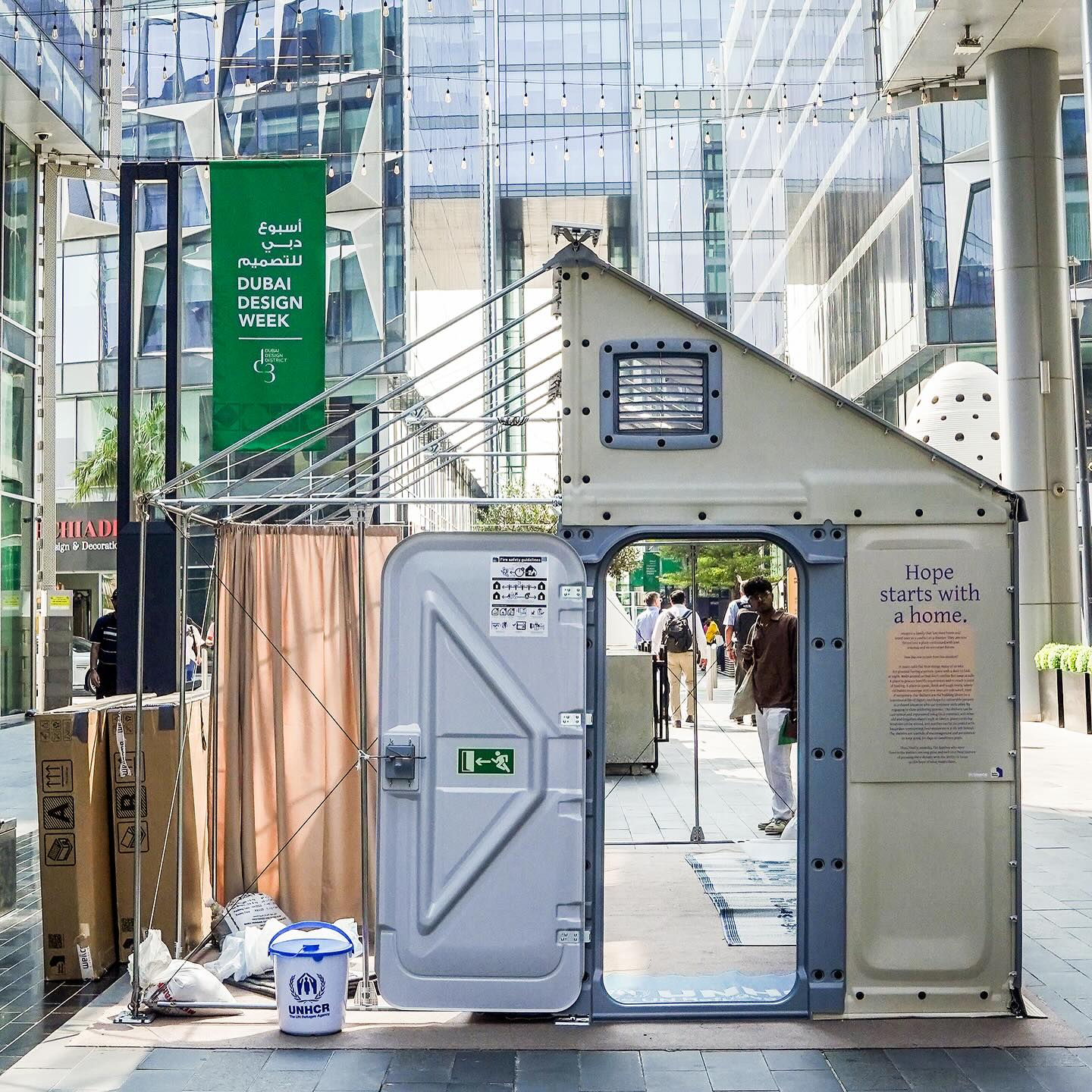
Dubai Design Week, the Middle East region’s leading design festival will mark its milestone 10th edition from November 5 to 10. It is the Persian Gulf region’s first globally recognised design week.
This year’s festival will reflect on a decade of design and its influence on the UAE’s dynamic and expanding interior design and furniture market, now estimated at USD 26 billion. The 2024 program will honour the local community, creative talent and regional design vernacular it has aimed to nurture over the past 10 years, while celebrating the city’s evolution as a global design hub.
Dubai Design Week 2024 will bring together over 500 established and emerging designers and brands from more than 40 countries to showcase new design thinking in the form of installations, exhibitions and experiential mediums. Fueled by rapid urbanisation, a strong real estate market, developments in infrastructure, diversification of the economy and evolving tastes and aesthetic needs of residents, businesses and tourists, Dubai Design Week has matured from its inception in 2015 into a major international design event.
Its success can be attributed to its forward–looking programming, a commitment to innovation and support of local talent and its role in shaping Dubai’s identity as a thriving global centre for design and creativity in the Middle East. It has become a platform for emerging, pioneering and established designers to showcase their work, connect with industry professionals, and gain exposure in the Middle East and beyond.
The anchor event of Dubai Design Week, Downtown Design, will again take place at its home on the d3 Waterfront Terrace from 6 to 9 November. Acclaimed as the region’s leading fair for contemporary and high-quality design, Downtown Design showcases the latest collections, innovative products and design solutions, complemented by a line-up of creative pop-up concepts, installations and networking events, alongside a line-up of talks, keynotes and master classes at The Forum.
Downtown Design is the ultimate destination for those seeking the latest trends in interior design, furniture, lighting and home accessories.
A key highlight of this year’s Dubai Design Week is the launch of Editions, the region’s first limited-edition art and design fair, running from 6 to 9 November. Over 50 galleries, design studios and collectives will exhibit contemporary design, photography, prints, ceramics and works on paper. Positioned alongside Downtown Design’s dynamic program and offering pieces at a range of prices, Editions paves an alternative route to art and design collecting, opening up the opportunities to a wider audience.
Dubai Design Week’s annual design competition, Urban Commissions, returns this year with the theme ‘Tawila’, meaning ‘table’ in Arabic, inviting designers and architects to propose innovative community furniture that explores the table beyond its form and as a facilitator of exchange, tradition and communal experiences.
This year’s winner is Altqadum, a research-based design studio from Oman that specialises in architecture, interior and objects design, led by Marwan Albalushi, Najd Albalushi and Abdulrahim Alkendi.
Their Bab Al Salam Mosque in Muscat is one of Time magazine’s ‘World’s Greatest Places 2024’.
bab al salam mosque
Dubai-based architectural and interior design studio, Bone will present a pavilion made entirely from pre-fabricated earth blocks in collaboration with Fetdeterra, technical specialists in rammed earth architecture from Spain; Japanese architectural firm, Mitsubishi Jisho Design, will invite audiences to experience a traditional tea-house made from 3D printed waste sawdust; tech-driven multidisciplinary practice DEOND, founded by Ross Lovegrove and Ila Colombo, will explore the notion of phygital therapy with an AI-infused ‘second skin’ fabric that responds to the body’s state of being; as well as other installations made from various organic and upcycled materials including banana fibre, soybean wax, henna, Himalayan salt, terracotta and scrap metal.
Japan teahouse
Japan teahouse for people and pigeons
Monocle will bring the world of design, culture and business to the heart of Dubai for the month of November, launching at Dubai Design Week; celebrating creativity and craftsmanship with Monocle’s shop and café takeover of FRAME in d3, Art Jameel Shop will offer commissioned products by regional designers, and a dedicated retail space featuring social-impact driven brands including MADE 51, a global brand created by the UNHCR – UN Refugee Agency showcasing artisanal homeware and accessories crafted by refugees, and iIn addition, Abu Dhabi-based community arts space 421 will present design-led products by local and regional craft makers through their shop Dukkan421.
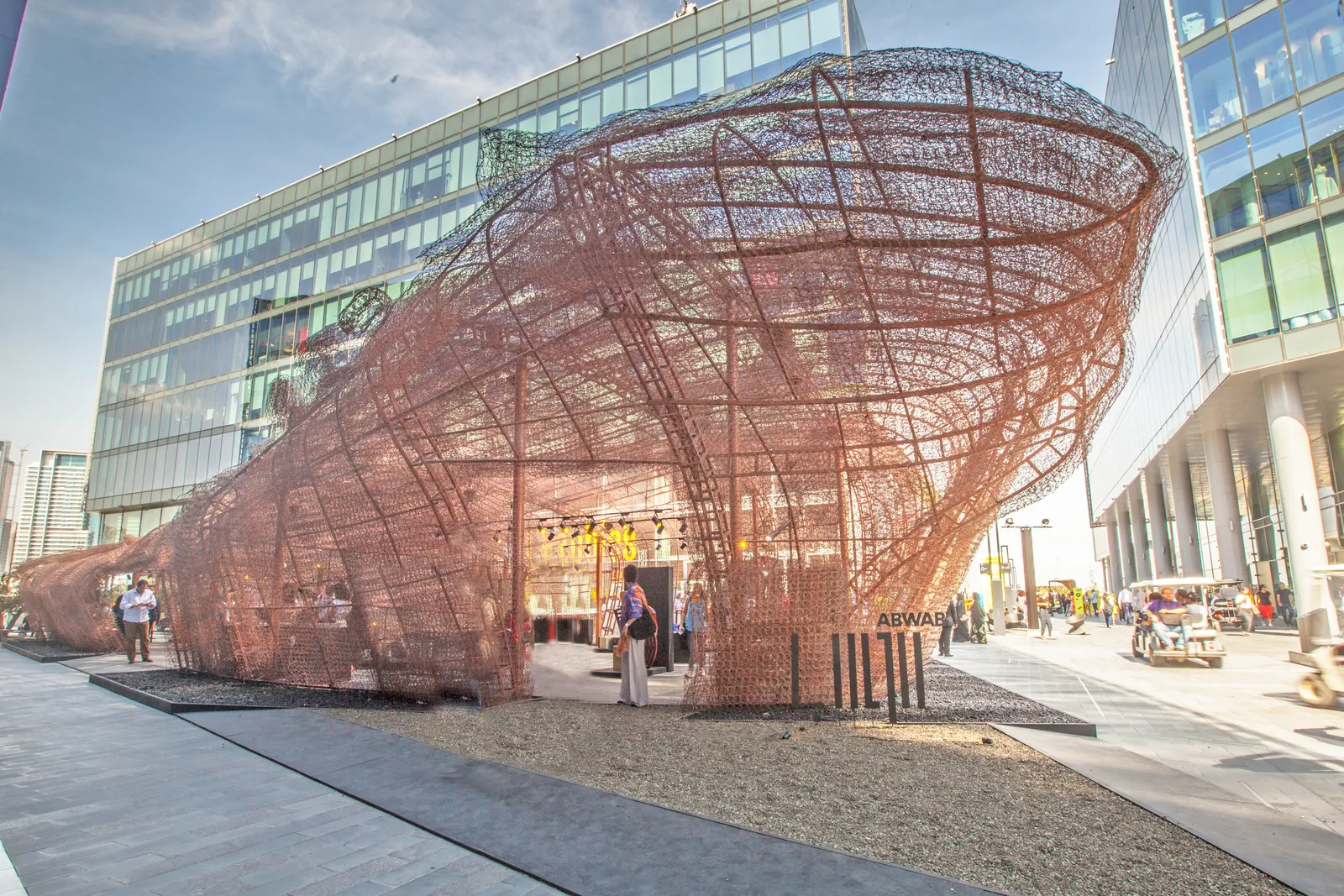
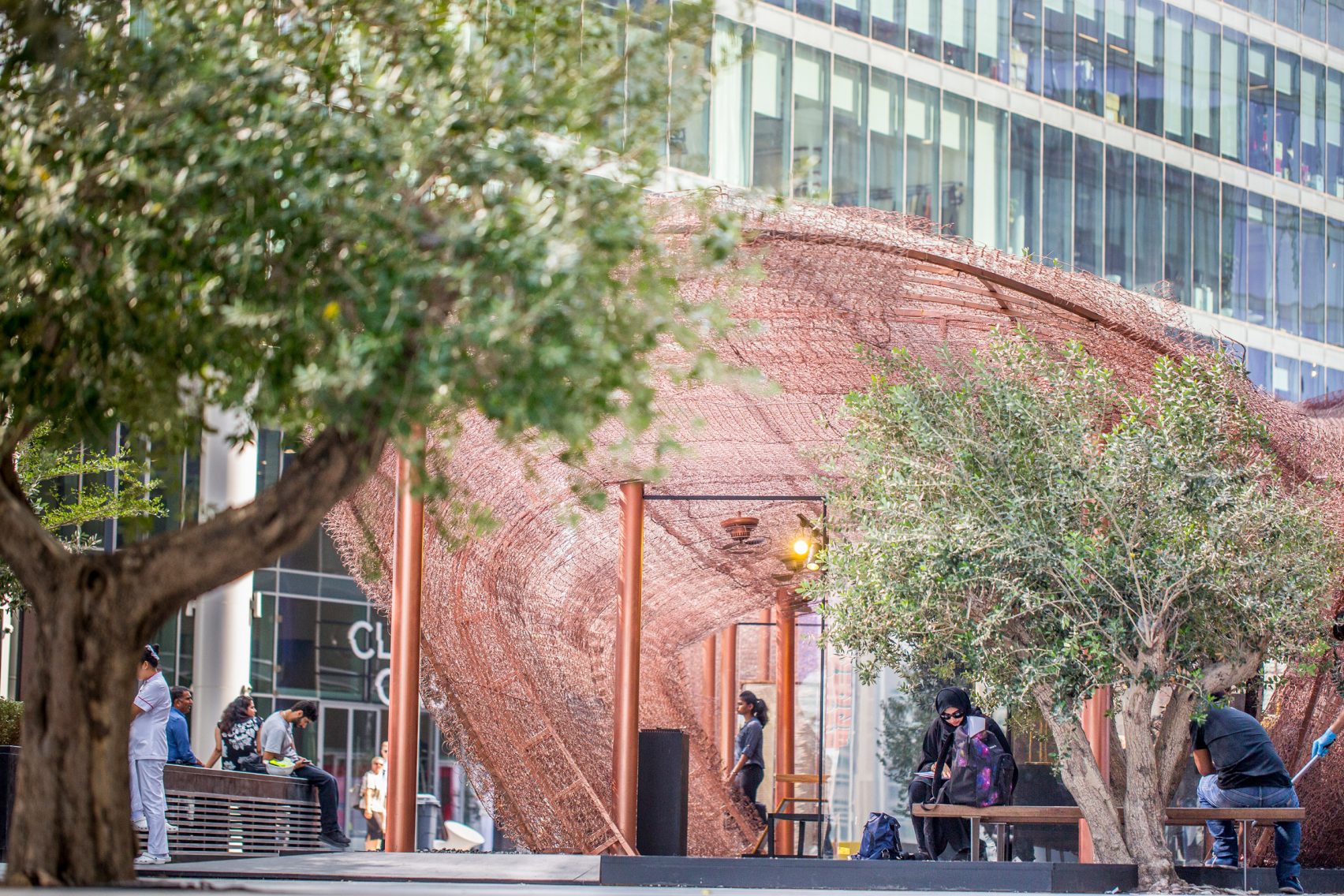
Abwab, meaning ‘doors’ in Arabic, is a program that supports designers from the South West Asian and North African (SWANA) region by commissioning installations or pavilions each year thematically remodelled to reflect relevant global and regional contexts.
Since its inception in 2015, over 180 designers from countries including Algeria, Bahrain, Egypt, India, Iraq, Jordan, Kuwait, Lebanon, Morocco, Pakistan, Palestinian Authority, Saudi Arabia, Tunisia and the UAE have participated in Abwab. Noticeably missing in this list is Israel nearby, despite the the country giving birth to leading global designers and architects such as Moshe Safdie and Ron Arad.
A pavilion built from old bed springs.
For the 2024 Dubai Design Week edition, practitioners were invited to propose designs with a focus on vernacular architecture and how community-centric architectural methods—rooted in local materials and technique—can intersect with new environments. This is a topic we have covered extensively on Green Prophet. See our interview with Sandra Persik, the editor of the book Habitat.
The FAO of the UN helps livestock survive in Gaza.
Now that Israel has declared UNRWA a non-entity, there are other organizations that can fill the void and give humanitarian relief for the Gaza civilians. One of them is UNICEF, another is the FAO, which helps people around the world.
Amid the ongoing horror of the conflict and alongside the tens of thousands of human victims in Gaza, Hakmah El-Hamidi has lost at least half of her animals. She has been raising livestock since she was a child, waking up at 7 a.m. to feed and care for them, repeating this task in the afternoon and evening.
“There is no food, no barley, no fodder and also no water during the conflict; we had over forty heads of livestock, and now they’re twenty or even less,” says Hakmah, a resident of Al-Zuwayidah in central Gaza Strip.
These losses have dealt a heavy blow to her family’s livelihood. Nonetheless, Hakmah says, “The Food and Agriculture Organization of the United Nations (FAO) has helped us a lot when they provided us with fodder. Thank God, our animals have gotten healthier and stopped dying.”
She says the veterinary kit provided by FAO also “helped me a lot; it has vitamins and anti-flea spray. The animals were getting bitten by fleas so I spray it, as you can see. It’s really good.”
Despite the challenges of security and access faced by all the humanitarian agencies bringing aid to Gaza, FAO has distributed fodder to over 4 400 livestock-keeping families in Deir al-Balah, Khan Younis and Rafah governorates of Gaza. Veterinary kits were additionally given to about 2 400 families to improve animal health and preserve livelihoods across the Strip. The kits include much-needed inputs to safeguard animals’ health, such as multivitamins, disinfectants, salt blocks and iodine wound sprays.
Of course, the support Hakmah has received is far from enough. She says she still needs more fodder, more medicines and roofing material to protect her animals.
The ongoing hostilities have caused the collapse of local food production and contributed to the rapid deterioration of food security in Gaza. Some 86 percent of the population or 1.84 million people in Gaza are facing high levels of acute food insecurity with the risk of famine persisting across the whole Gaza strip.
According to satellite data in a recent assessment carried out by FAO and the United Nations Satellite Centre, over two-thirds of cropland has been destroyed.
FAO’s rapid assessments also indicate that almost 15 000 or 95 percent of Gaza’s cattle have died, and nearly all calves have been slaughtered. Fewer than 25 000 sheep (around 43 percent) and only about 3 000 goats (around 37 percent) remain alive. Dramatic losses are also reported in the poultry sector, with only 34 000 (or 1 percent) of the birds left living.
A man in Gaza cooks food on his roof using a solar cooker, powered by the sun. From the archives.
Ward Saeed, originally from El-Zetoun in Gaza’s old city and now displaced in Deir al-Balah, is another livestock keeper who has suffered overwhelming losses of her animals in the course of a traumatic year.
“We were displaced and moved south because of the war. We took our animals with us and lost half of them— most of them— along the way. These are the only animals left, and they are our only livelihood source,” she says. But for her and her family, trying to find food for the livestock means risking their lives amid falling missiles.
Ward also says, “We benefited from FAO’s support, the fodder and the veterinary kit, but this is not enough, we need more.”
She says the most important needs are livestock fodder, shelter and food. And fodder is next to impossible to find amid the enormous numbers of displaced people who are all desperately trying to feed themselves and their animals.
Given that agricultural aid is one of the key components of humanitarian assistance, helping farmers to strengthen their resilience and feed their communities and families, it comes as little surprise that fodder was the most important pre-war import in Gaza. Almost 650 trucks were entering the Strip with fodder every month, before 7 October.
FAO, supported by the Governments of Belgium, Italy, Malta and Norway, is working closely with the Palestinian Ministry of Agriculture and local non-governmental organizations to distribute the fodder and veterinary kits to Gaza’s livestock keepers.
The operation has faced logistical and security-related obstacles, particularly the restrictions at crossings and the collapse of law in Gaza, which constrains the delivery of aid.
But FAO is ready to scale up efforts to deliver more inputs to Gazan farmers and herders, once access and security conditions are fully restored. New deliveries will include feed concentrate, greenhouse plastic sheets, plastic water tanks, vaccines, energy blocks, plastic sheds, animal shelters and more veterinary kits.
For Gaza’s livestock keepers, like Hakmah and Ward, this support from FAO and its partners to help sustain their battered livelihoods can’t come soon enough.
Sustainability isn’t a buzzword. It’s a way of running a company in a way that privileges the planet’s future. Whether your company is big or small, climate change will affect everyone, and with resources depleting and temperatures rising it’s more important than ever for businesses across all industries to adopt sustainable practices. Large corporations typically will have entire divisions devoted to sustainability action plans, so as a small business, it might seem daunting to balance resources and labour to make your business more sustainable.
With the right implementation, sustainability is not only possible but also practical and beneficial for the long-term success of your company. This article will have a look at why sustainability matters, address challenges for small businesses and make practical tips for recommendations on what you can do to directly implement sustainable practices that’ll help your business and carbon footprint.
Practical Tips for Sustainability
Luckily, it’s not “all-or-nothing” for sustainability. Small changes that can be made in a business week that are equal parts sustainable and manageable can make a massive difference to how your company operates and how it looks to business partners.
Switch to Eco-Friendly Packaging and Supplies
Using sustainable packaging for your products is a great way to signal to customers that you’re taking steps to be sustainable. This can include using paper-based materials or compostable packaging to minimise plastic use. If your business relies on deliveries, this can make a significant difference to your overall sustainability for a small increase in packaging costs.
Many customers are willing to pay a little extra for products that are packaged sustainably because more and more people are voting with their wallets when it comes to going green. Consulting giant PWC found that consumers are willing to spend more on sustainably produced goods to be more sustainable, so saving the planet might save your bottom line, too!
In terms of office supplies, using biodegradable lanyards for your employees is an easy way to switch to eco-friendly materials and reduce waste, as the standard plastic used takes centuries to break down in landfills, not to mention novel concerns about microplastics.
Partner with Local Sustainability Initiatives
I am not a plastic bag!
Another practical change is supporting initiatives through the local community. The major advantage small businesses have over larger corporations is being able to forge and maintain strong bonds with individuals and local organisations through partnering with local sustainability initiatives. Things like local cleanups, tree planting, or community gardening days can all be great ways to get to know people who are interested in helping the planet and can demonstrate genuine commitment to the cause.
Wash, rinse, repeat. No dangerous soaps or chemicals needed, even for the windows. This keeps you and pets safe and happy.
Sustainability, at its core, is about longevity. The planet is in a state of disrepair as a direct result of our actions since the Industrial Revolution, so it’s our job to help fix the problems that we have inherited and continue to create. After all, profit margins and salaries mean nothing if there’s nowhere left to spend the money. Modern consumers are increasingly aware of how brands prioritise the environment and are also not afraid to blast brands that greenwash on social media. Being genuinely sustainable means attracting more loyal customers and enhancing your brand’s relationship with consumers.
Sustainable practices also make sense from a long-term cost standpoint. Sure, upgrading to LEDs can be costly in the short term, but over time the savings on your electricity bill more than make up for this upgrade expense. It can also help to get ahead of regulatory pressure – depending on where you’re operating, it may only be a matter of time before many environmental regulations become mandatory and your upgrades haven’t been priced into the current financial year.
Barriers to Change for Small Businesses
It’s important to take a step back and acknowledge the issues with making these changes for small businesses. Unlike corporations, capital is limited, and making choices that don’t lead to short-term gains can be unpopular, especially if your funding is limited to a handful of investors who may have a larger say in what happens to their money. Sole traders and small partnerships also suffer from wearing many hats in their roles: despite a company owner being a veteran in their field, marketing or customer service may not be their strong suit and these are both important aspects of how to “sell” your move to sustainable practices.
None of this is cheap, either. Being certified by third-party green companies is a cost with no immediate return. Switching suppliers can be time-consuming and difficult, and may result in a less favourable contract, with the benefits only being evident in the long run. As a result, it can feel like an impossible task to take on all of these roles and challenges and come away as a successful, sustainable business. On top of all of this, it can seem like an uphill battle against corporations with stacks of cash to throw at their latest eco-friendly venture, but it’s important to remember that some of the best changes that you can make are in one-on-one interactions with local customers.
At the end of the day, the corporation is a faceless entity, and you are not. Every change you make can directly affect your community and how people in it view your company, so changes can be magnitudes more effective for this reason. Making small, manageable changes can be a great way to begin making impacts over time, and your efforts are sure to be noticed if they are done earnestly. Sustainability comes with its own set of challenges, but it opens up a slew of opportunities for growth and engagement. You can lead by example and change consumer hearts and minds, one sustainable choice at a time.

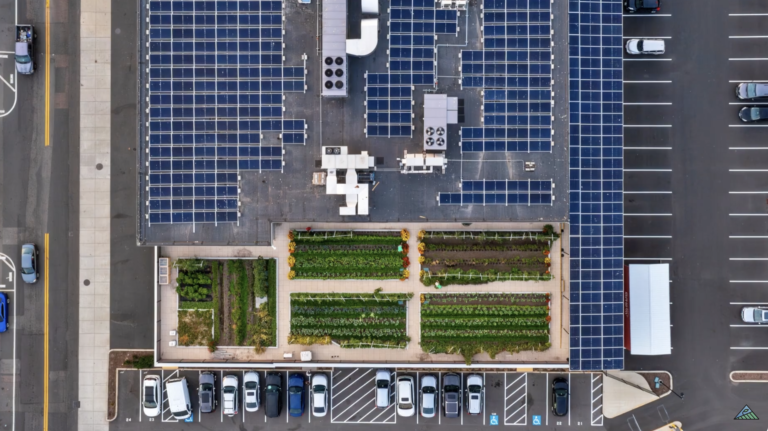

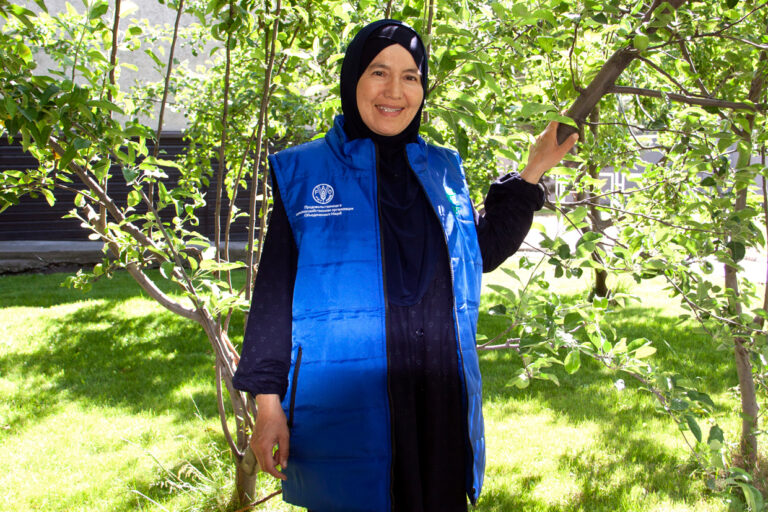
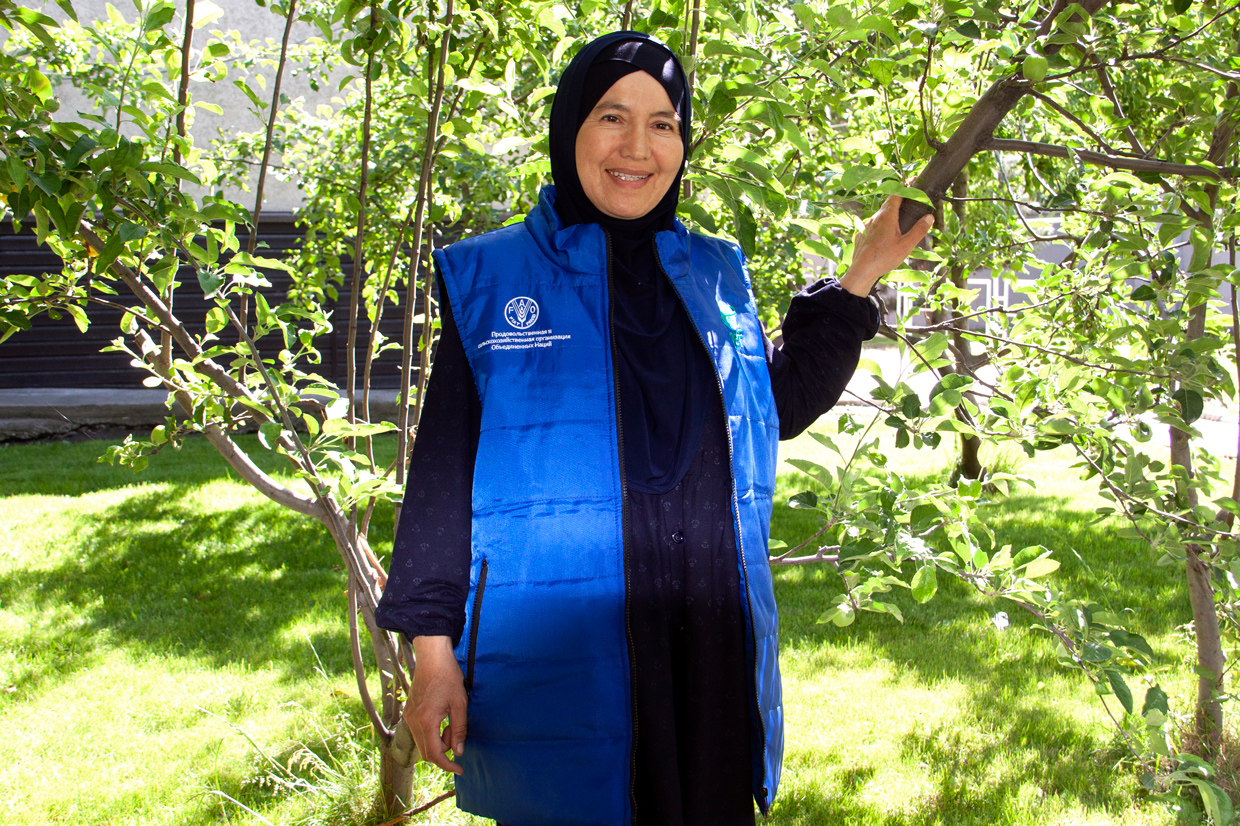
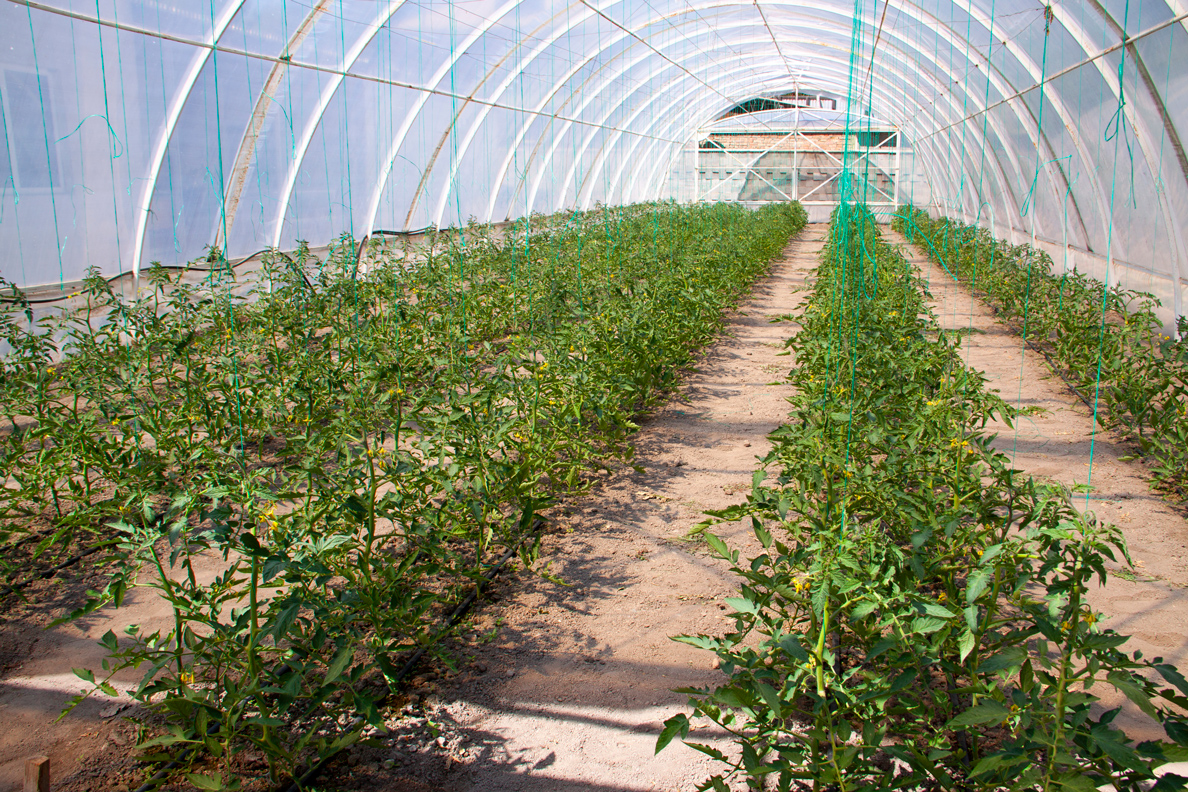
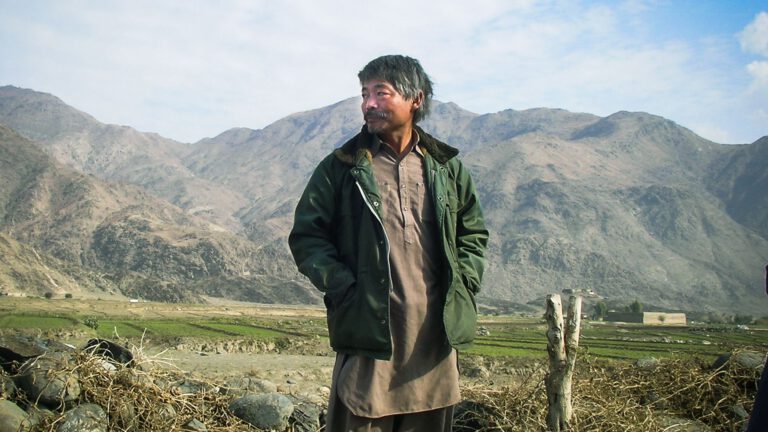


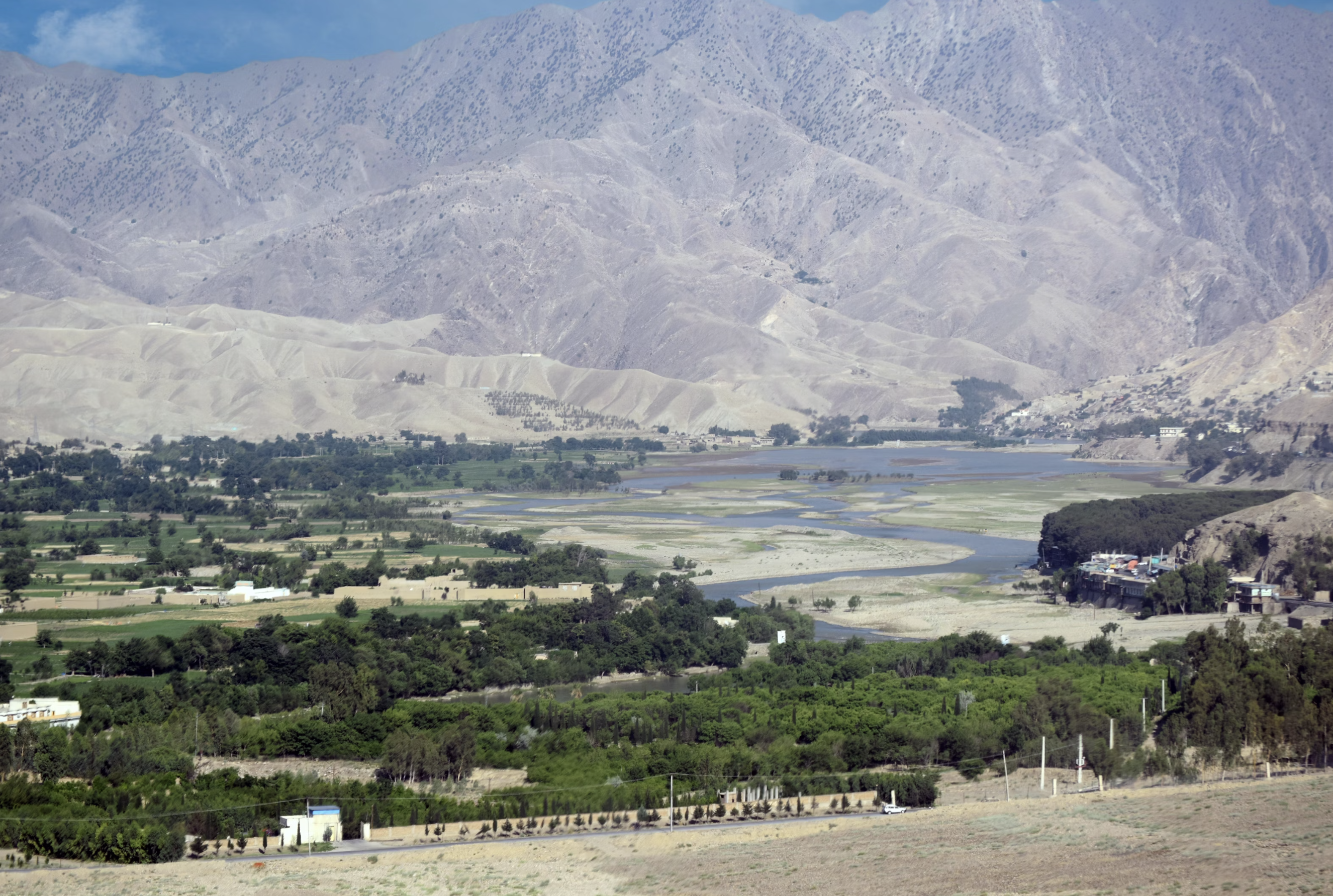




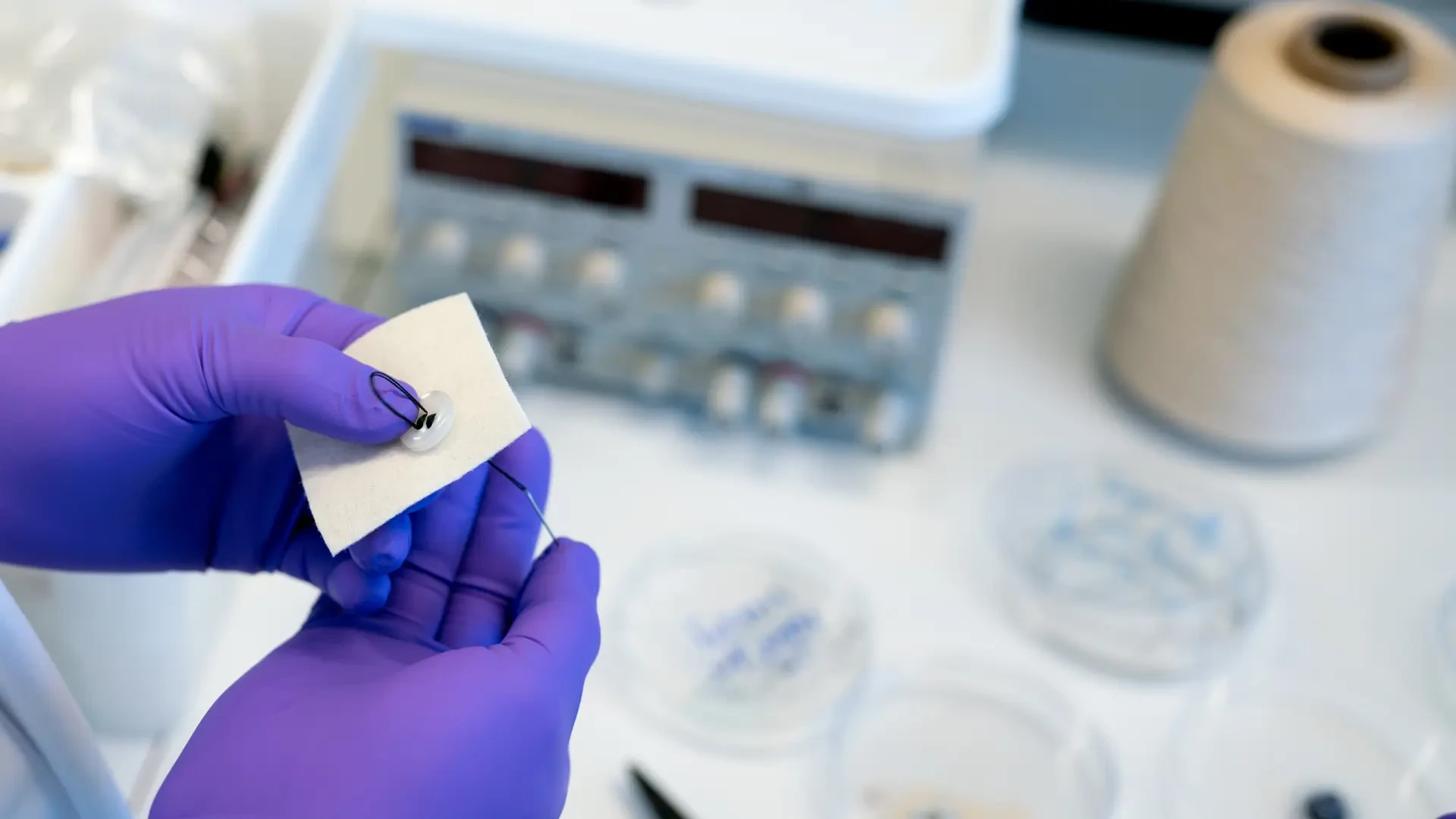











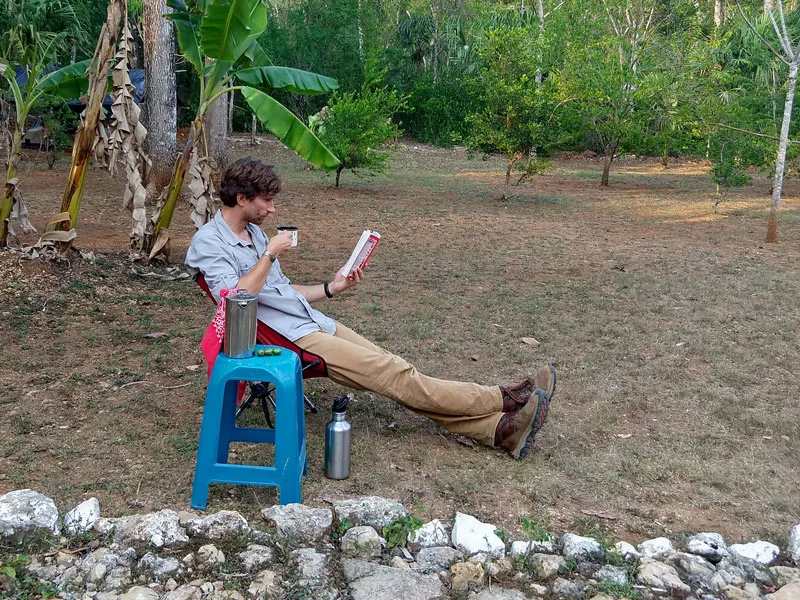
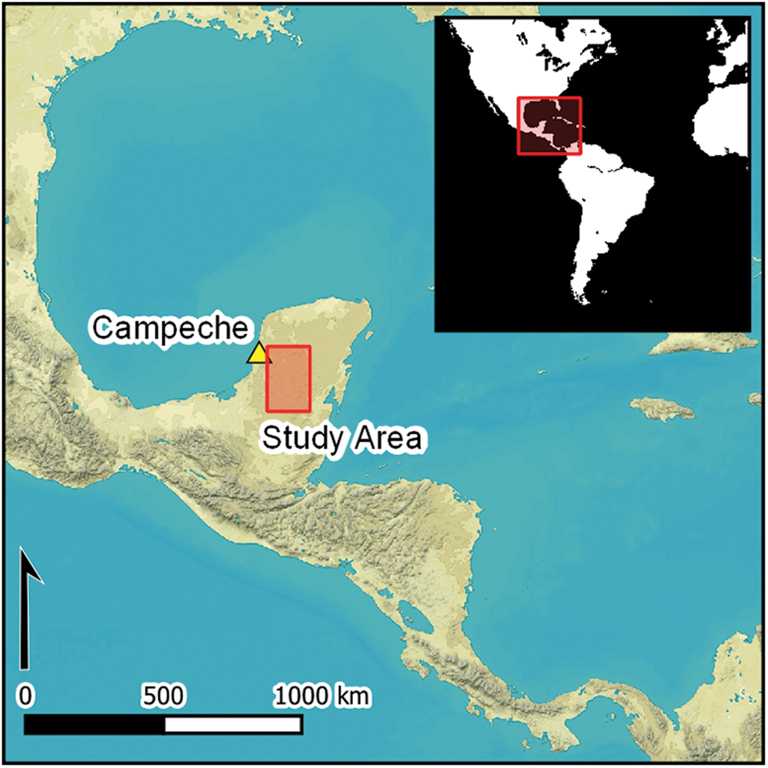
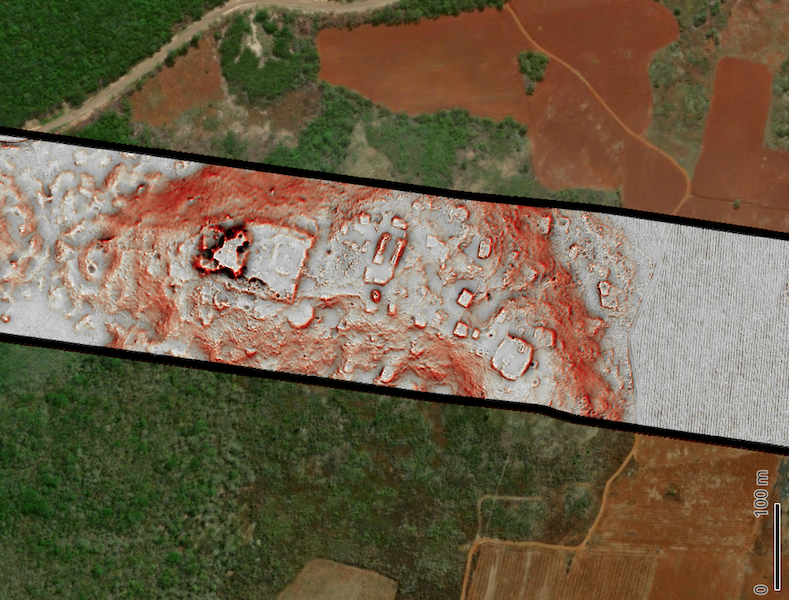


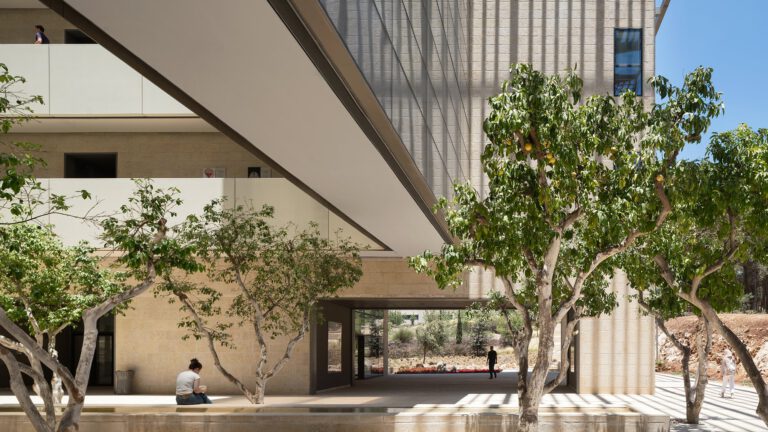
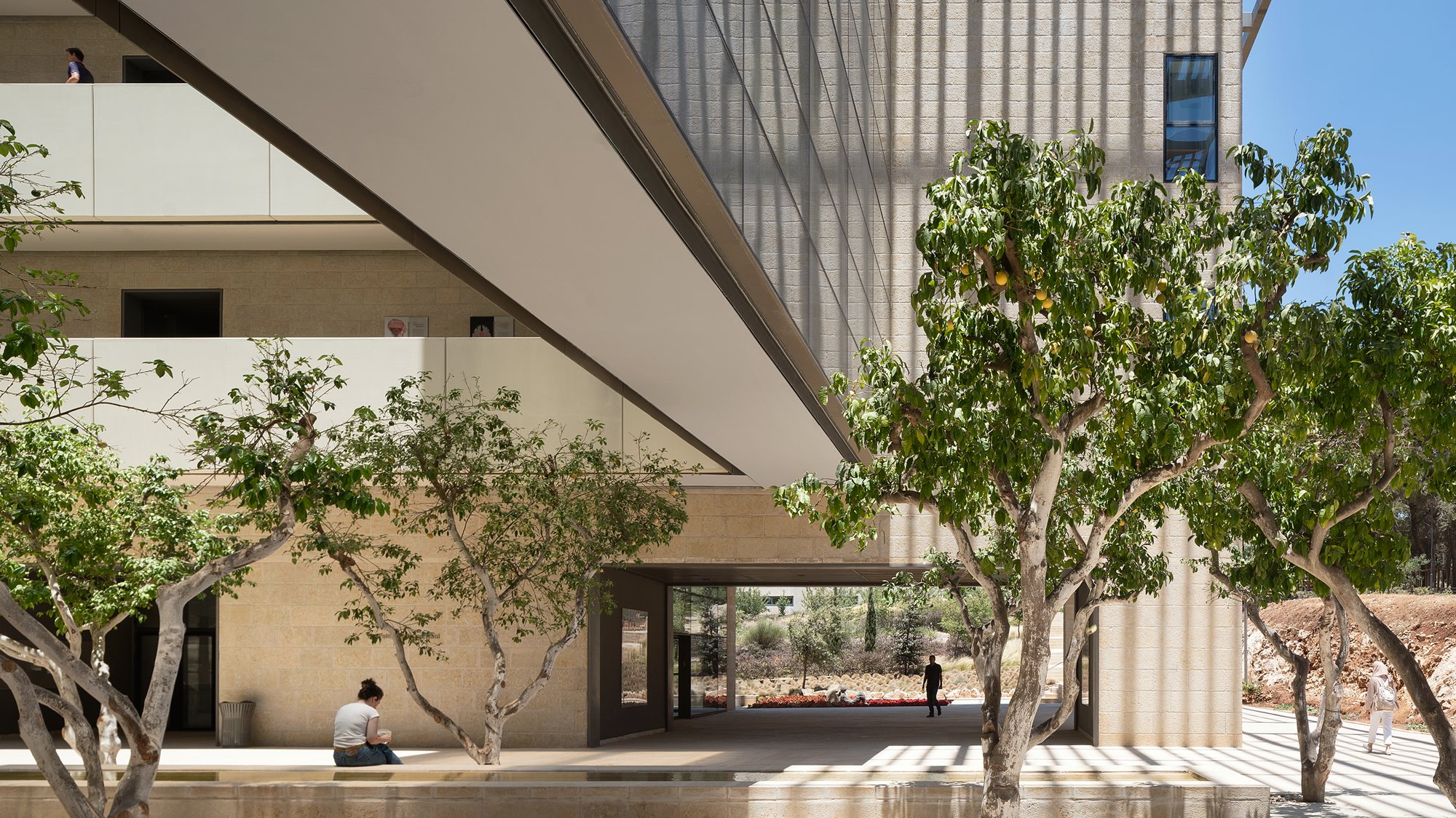


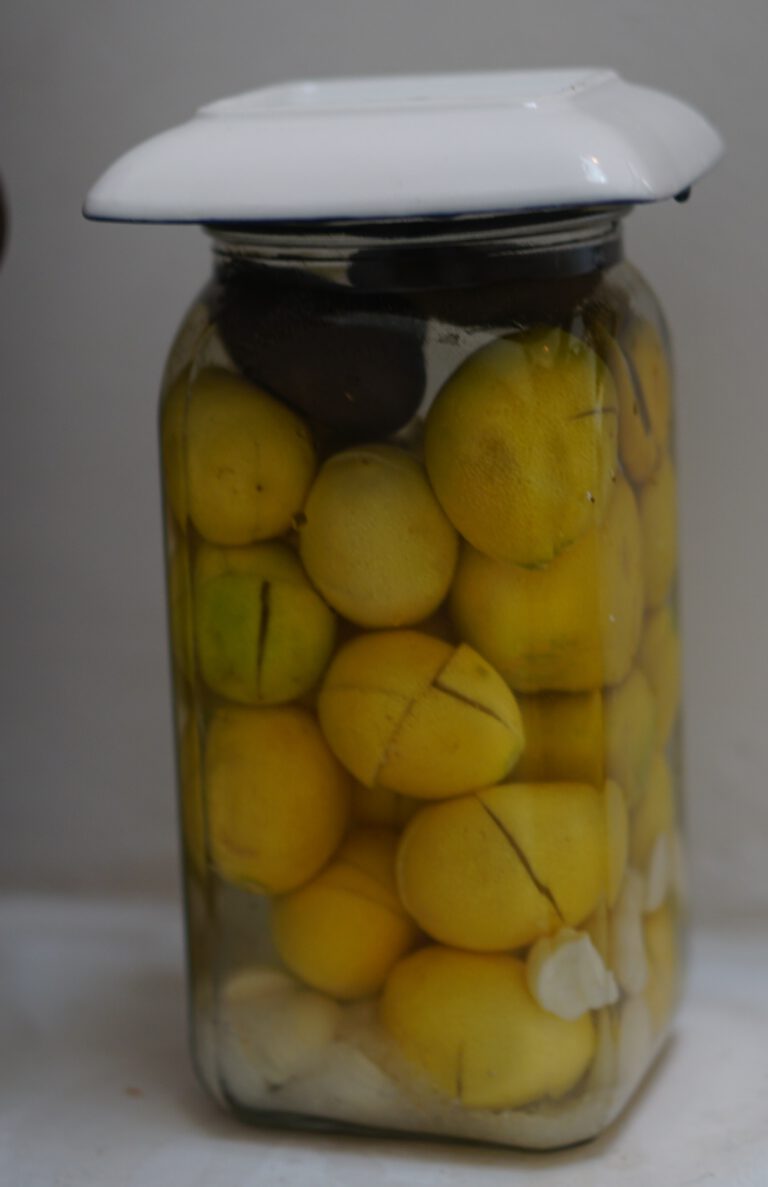





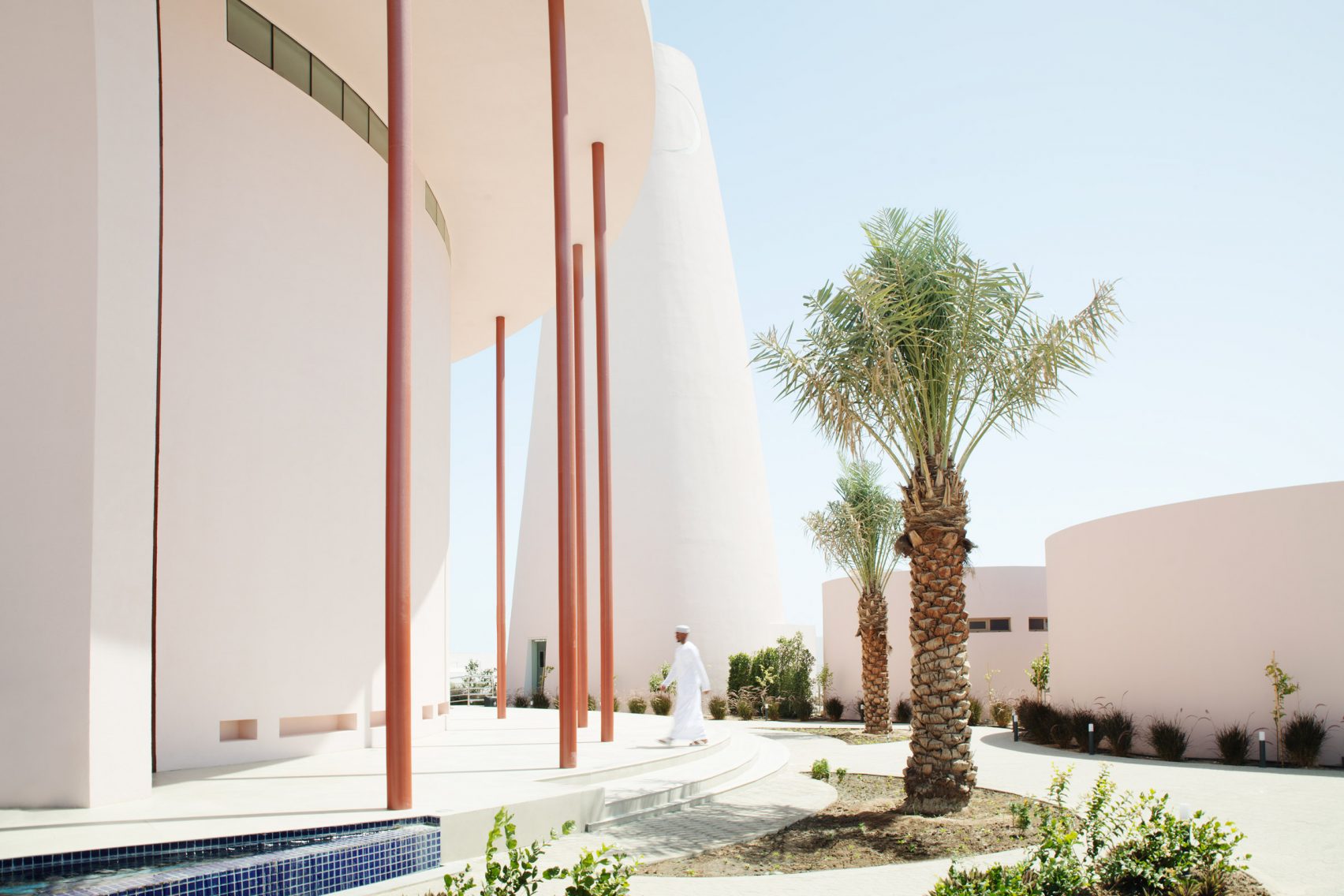

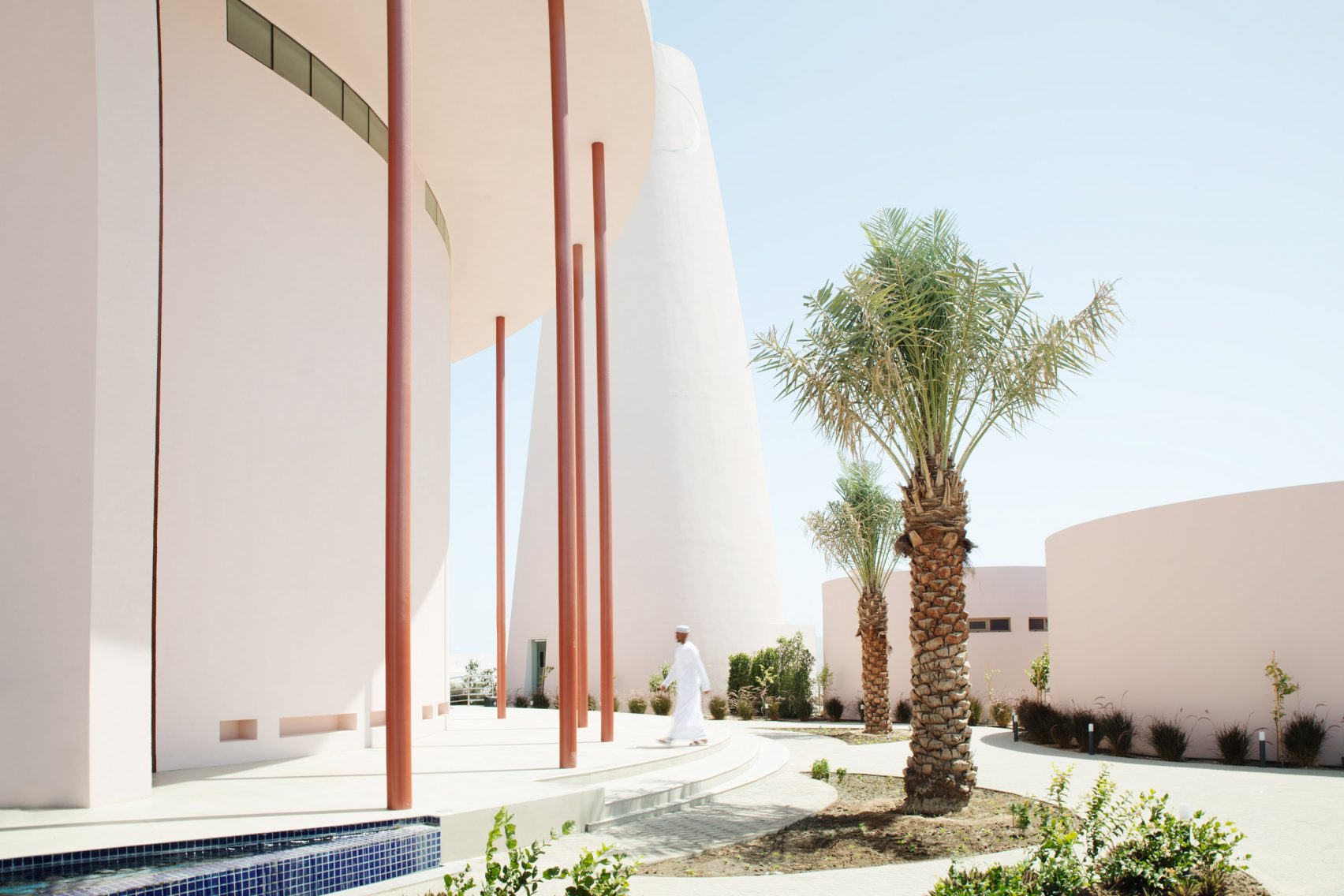

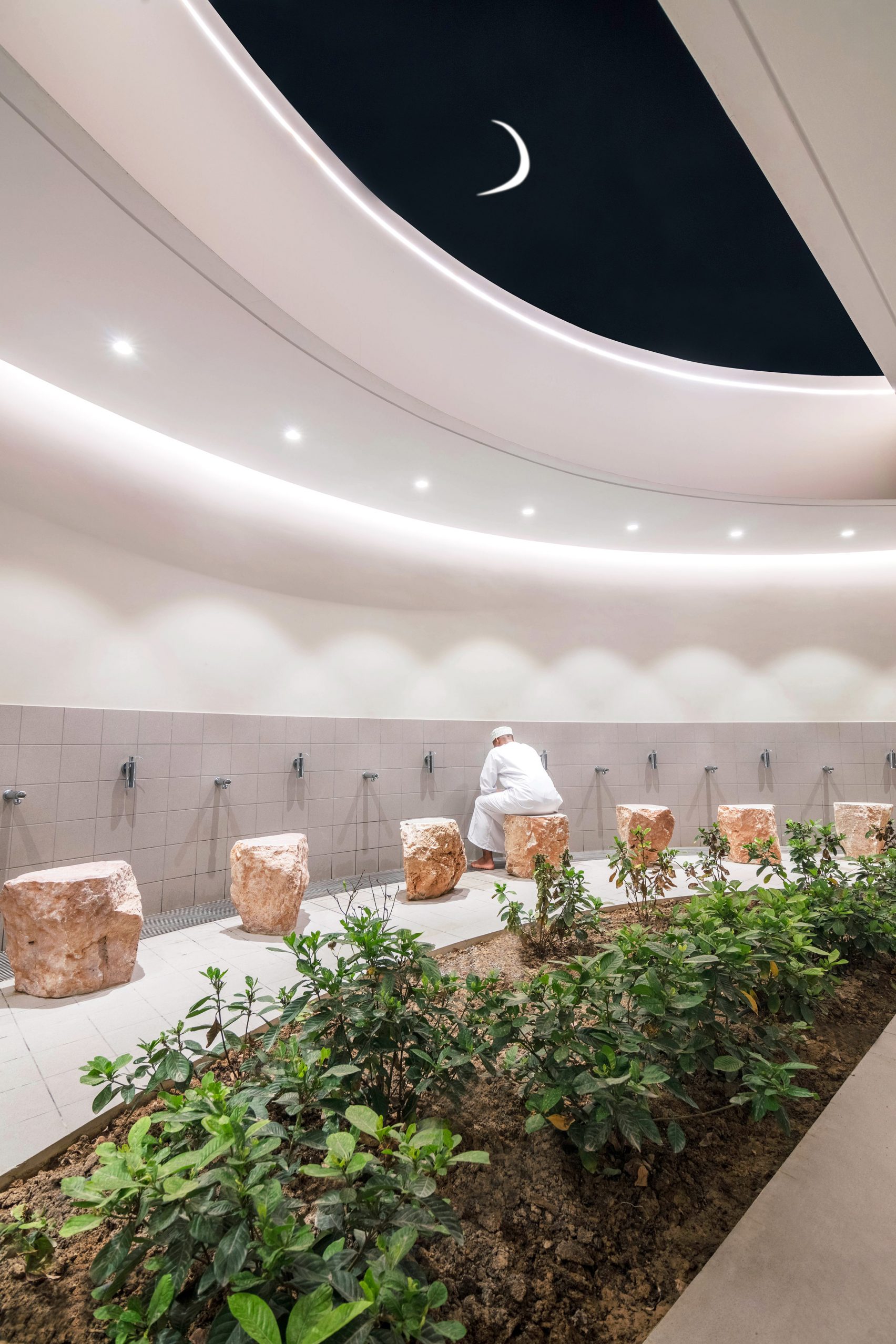

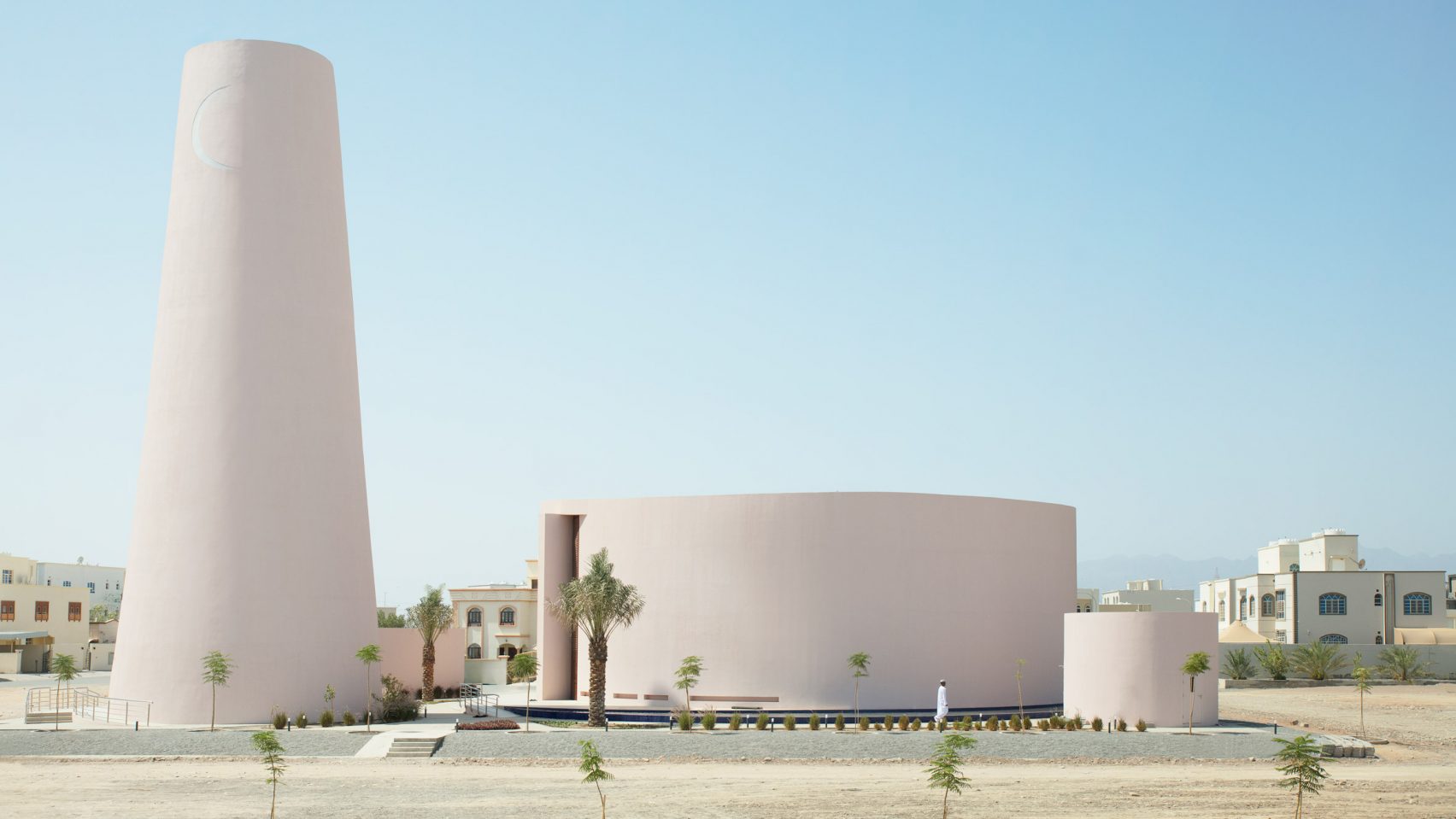
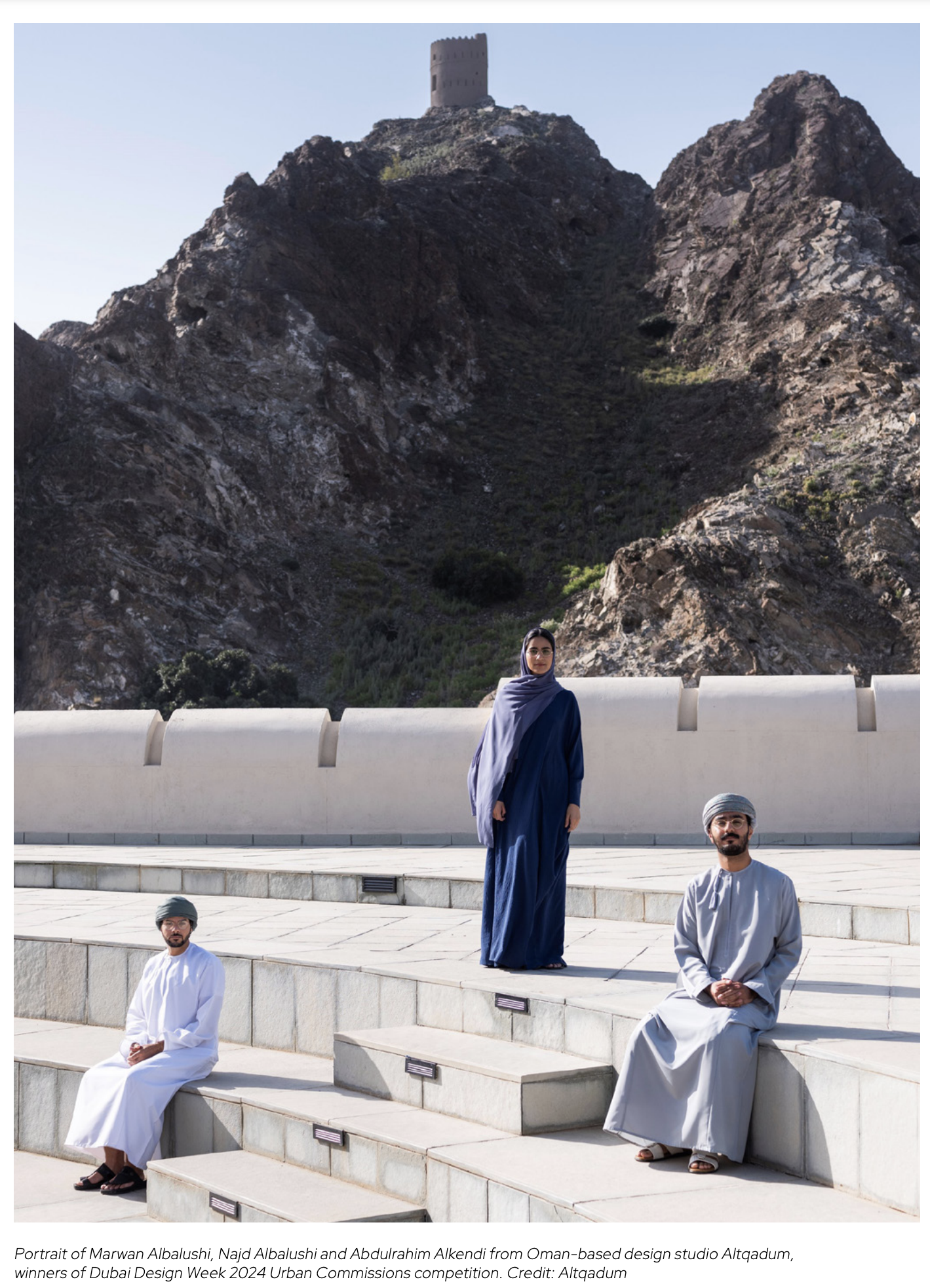


 Japan teahouse for people and pigeons