In an oil wealthy state like Saudi Arabia luxury has no limits. And the latest is LEED certified.
A new Red Sea resort in Saudi Arabia called Shebara Island is already taking pre-bookings for its glamorous pod hotels, a cool SAR 9,000 a night, which equals about $2,400 USD. No big deal if you’ve berthed your mega-yacht at its shores.
Powered by the sun, the resort features 73 pods that rival the best of luxury from the Maldives seeing a downturn in tourism for its racist policies on religious freedom.
With 73 overwater and beachfront villas powered by sunlight, this resort is where nature and sustainability come together at The Red Sea
Saudi Arabia is hoping to become booming hotspot for business and tourism and has started creating 15-minute cities like Neom.
Shebaya, the latest from dozens of new projects announced, is LEED-Platinum property which is built to “minimise its environmental and literal environmental footprint by cantilevering the accommodation spaces above the coral reefs with only a few square meters of ground impact at the base of the supporting column.
“The result is an aerial accommodation ‘pod’ that almost seems to defy gravity and suspends the guest directly above and within the beauty of an untouched marine eco-system; an observation platform for guests to witness the fish, birds and turtles that thrive in the area,” says a handout.
The entire project is powered by a centralized solar farm and fresh water is supplied from a solar powered desalination plant. Recycling of waste material takes place on the island minimizing the need to bring or remove materials from the site.
The design language of the resort compliments the uniqueness of the site. The approach to the façade design has been to minimize visual impact, employing a highly reflective stainless-steel skin polished to a mirror finish. These reflective orbs float, almost imperceptible, reflecting the colors and surface patterns of the ocean, the intense colors of the sky as they change throughout the day.
Desalination and power plant powered by the sun
This approach serves to lessen the visual impact of the architecture on the surrounding environment while also greatly improv the building’s energy performance with a near 100% reflection of the solar gain at the mirror surface. These heavily insulated spaces can be effectively cooled with minimal energy losses.
The interior space of the project provides spacious room for the guests, with detailing, and finishes inspired by the interiors of luxury yachts. The room offers panoramic views to the sea with sliding doors that open to a deck, a seating area and an infinity pool with uninterrupted views of the sea and horizon beyond.
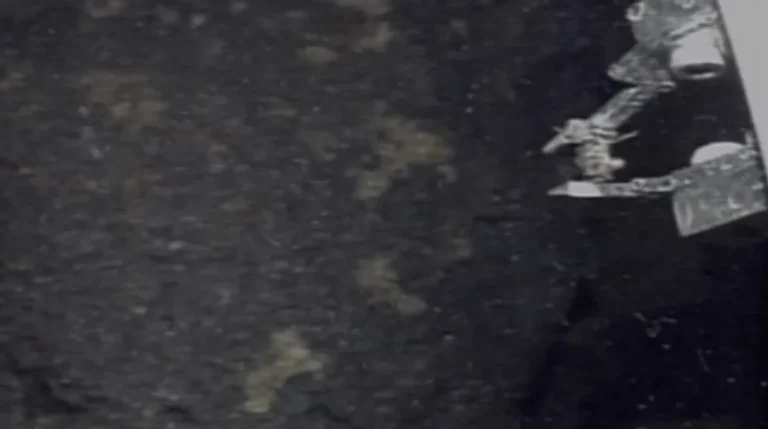
The robot clipped off a piece of a fuel rod that weighed less than 3 grams from inside the Unit 2 reactor core and brought it back to the lab assess its radioactivity.
Analysing the melted fuel debris this way is essential to determine how best to remove, store and dispose of the roughly 800 tonnes that remain. Countries like Germany have shut down their nuclear energy plants while countries like Turkey, aligning with terror entities, fires up its first ones.
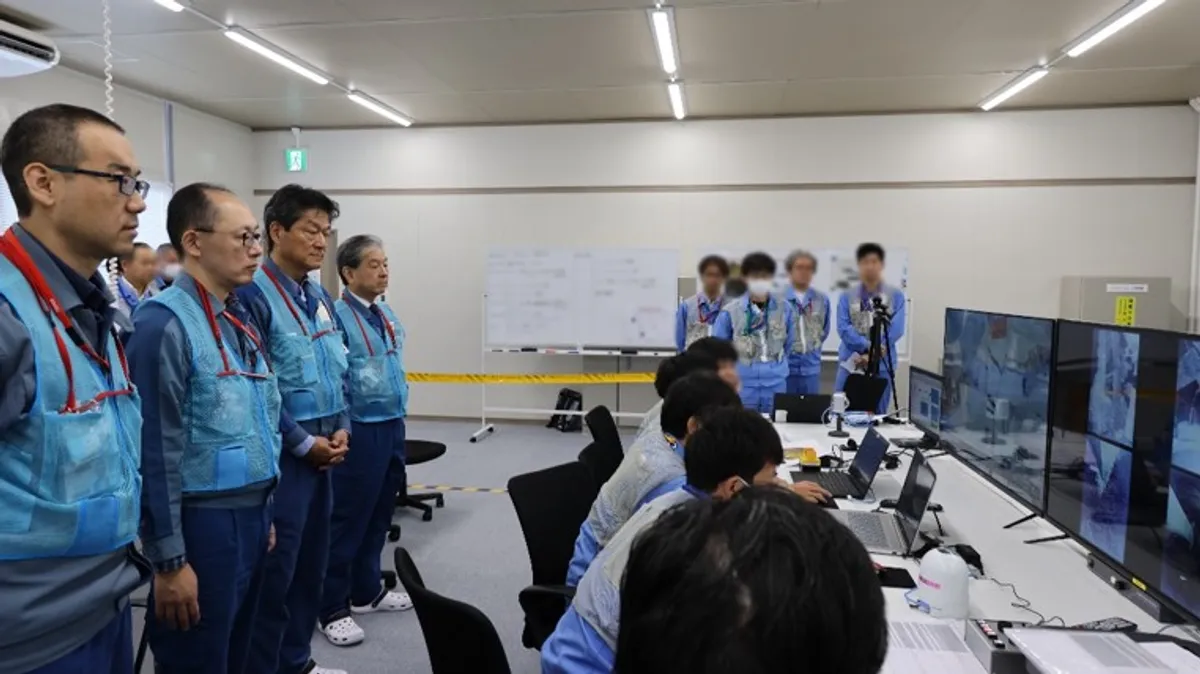
Workers at Fukushima watch the retrieval operation from the control room. Image credit: TEPCO
“From the results of primary containment vessel internal investigations, we have deduced that the accumulated debris on the surface of the floor inside the pedestal is solidified molten material that consists of fuel elements and also may contain a lot of metal,” TEPCO said in a statement.
“By analyzing the attributes of the sampled fuel debris we will directly ascertain information such as the composition of debris at the sampling location and radioactivity density,” added TEPCO.
Japanese teams have tried to isolate and retrieve bits of radioactive fuel in the past. This was the first successful attempt. Knowing more about the radioactive nature of the spent fuel will help TEPCO decommission the reactor.
The origins of writing in Mesopotamia (the birthplace of the Jewish Bible’s Abraham and which is modern day Iraq) lie in the images imprinted by ancient cylinder seals on clay tablets and other artifacts, say a research group from the University of Bologna.
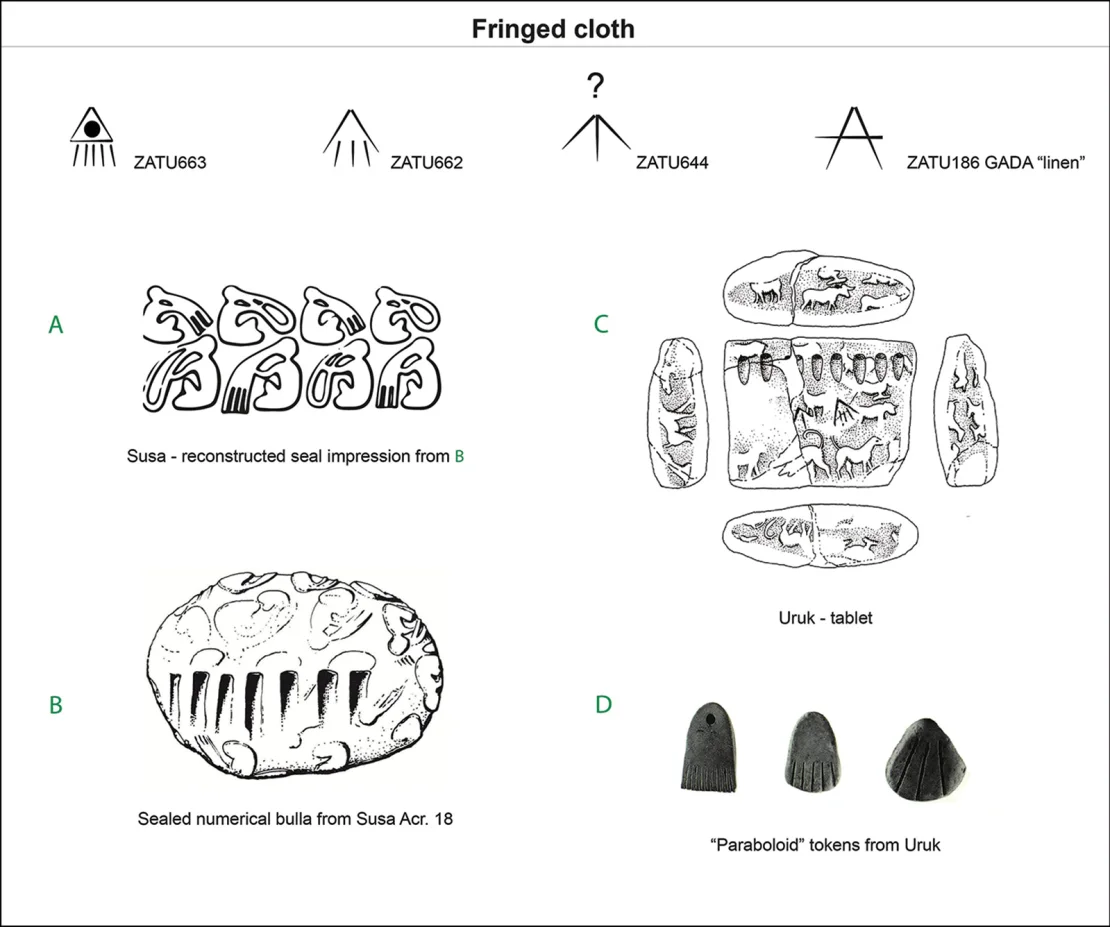
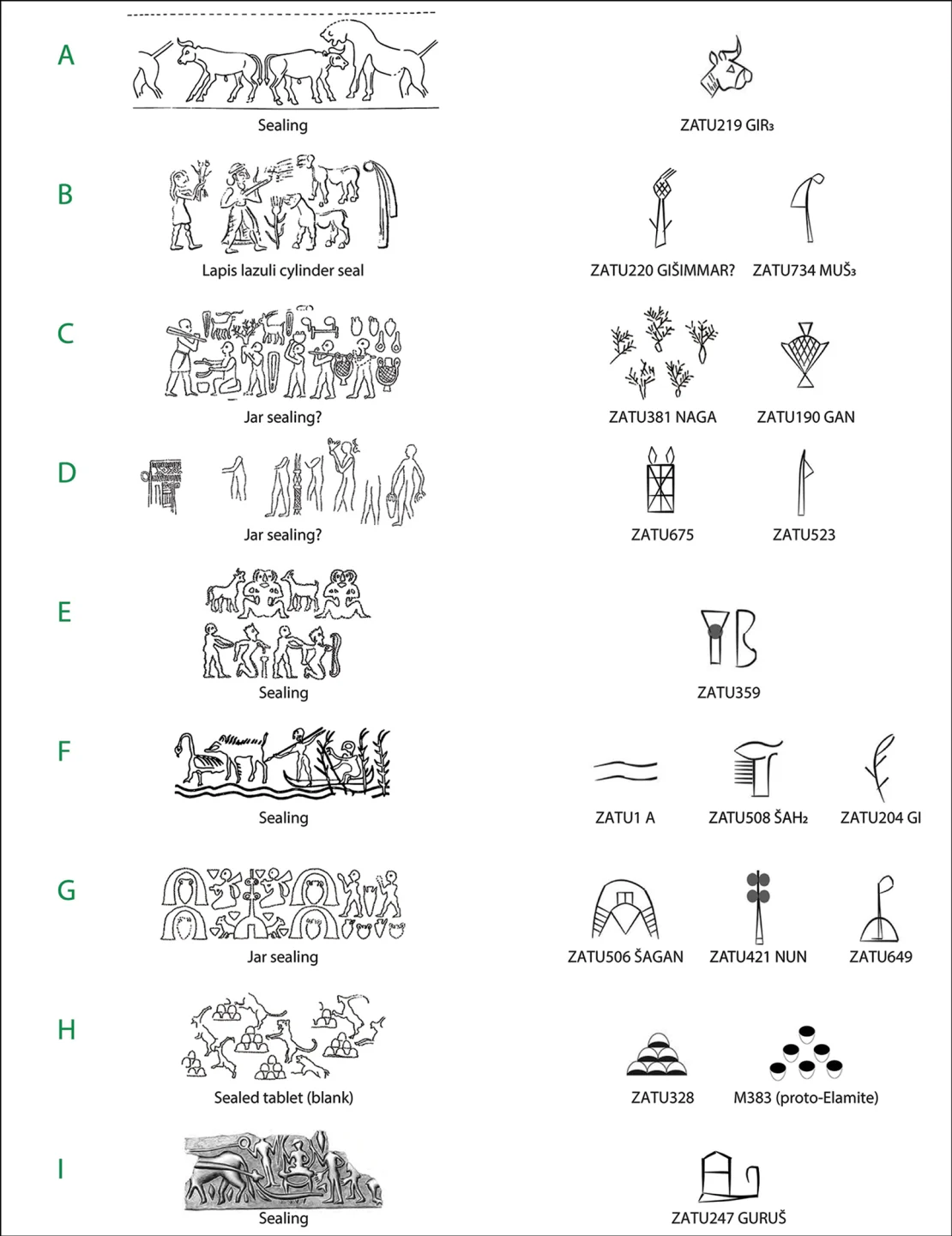
The researchers have identified a series of correlations between the designs engraved on these cylinders, dating back around 6,000 years, and some of the signs in the proto-cuneiform script that emerged in the city of Uruk, located in what is now southern Iraq, around 3000 BCE.
The study, published in Antiquity, opens new perspectives on understanding the birth of writing and may help researchers not only to gain new insights into the meanings of the designs on cylinder seals but also to decipher many still-unknown signs in proto-cuneiform on pottery vessels.
“The conceptual leap from pre-writing symbolism to writing is a significant development in human cognitive technologies,” explains Silvia Ferrara, professor in the Department of Classical Philology and Italian Studies at the University of Bologna.
“The invention of writing marks the transition between prehistory and history, and the findings of this study bridge this divide by illustrating how some late prehistoric images were incorporated into one of the earliest invented writing systems.”
Among the first cities to emerge in Mesopotamia, Uruk was an immensely important center throughout the fourth millennium BCE, exerting influence over a large region extending from southwestern Iran to southeastern Turkey.
In this region, cylinder seals were created. Typically made of stone and engraved with a series of designs, these cylinders were rolled onto clay tablets, leaving a stamped impression of the design.
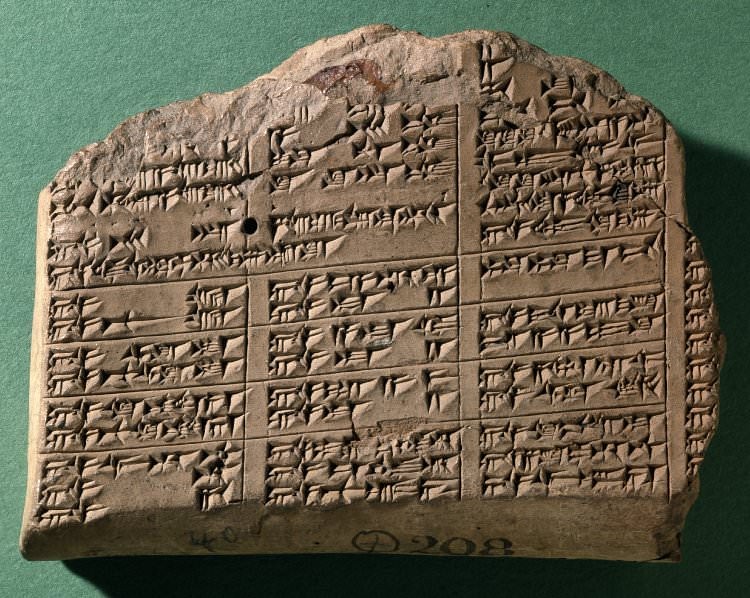
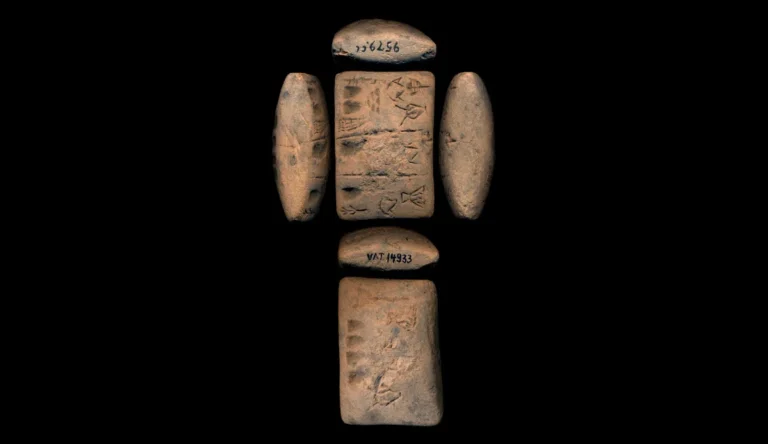
Photograph of proto-cuneiform tablet showing signs discussed in the article. Credit: CDLI – Cuneiform Digital Library Initiative
Starting in the mid-fourth millennium BCE, cylinder seals were used as part of an accounting system to track the production, storage, and transport of various consumer goods, particularly agricultural and textile products.
It is in this context that proto-cuneiform appeared: an archaic form of writing made up of hundreds of pictographic signs, more than half of which remain undeciphered to this day. Like cylinder seals, proto-cuneiform was used for accounting, though its use is primarily documented in southern Iraq.
“The close relationship between ancient sealing and the invention of writing in southwest Asia has long been recognized, but the relationship between specific seal images and sign shapes has hardly been explored,” says Ferrara. “This was our starting question: did seal imagery contribute significantly to the invention of signs in the first writing in the region?”
To find an answer, the researchers systematically compared the designs on the cylinders with proto-cuneiform signs, looking for correlations that might reveal direct relationships in both graphic form and meaning.
Diagrams of proto-cuneiform signs and their precursors from pre-literate seals. Credit: CDLI – Cuneiform Digital Library Initiative. There are others below.
“We focused on seal imagery that originated before the invention of writing, while continuing to develop into the proto-literate period,” add Kathryn Kelley and Mattia Cartolano, both researchers at the University of Bologna and co-authors of the study.
“This approach allowed us to identify a series of designs related to the transport of textiles and pottery, which later evolved into corresponding proto-cuneiform signs.”
This discovery reveals, for the first time, a direct link between the cylinder seal system and the invention of writing, offering new perspectives for studying the evolution of symbolic and writing systems.
“Our findings demonstrate that the designs engraved on cylinder seals are directly connected to the development of proto-cuneiform in southern Iraq,” confirms Silvia Ferrara. “They also show how the meaning originally associated with these designs was integrated into a writing system.”
What is cuneiform?
Cuneiform tablet
Cuneiform is a logo-syllabic writing system that was used to write several languages of the Ancient Near East. The script was in active use from the early Bronze Age until the beginning of the Common Era.
Avocado is a leader in organic mattresses in the United States.
What you sleep on 8 hours a night matters. New mattresses off gas harmful chemicals to you and your loved ones. As we lean towards finding more sustainable sleeping options, Avocado Green Mattress, the leader in organic mattresses, is proud to announce that the Avocado Green Mattress, Eco Organic Mattress, and Eco Organic Kids Mattress have earned the highly esteemed OEKO-TEX STANDARD 100 certification. Avocado helps you get a sustainable night’s sleep.
The OEKO-TEX STANDARD 100 is a globally recognized, independent testing and certification system for raw, semi-finished, and finished textile products at all processing levels, as well as accessory materials used. For a finished innerspring mattress to be OEKO-TEX® STANDARD 100 certified, every component, from the outer fabric to the threads, foams, and other accessories, must be tested and found safe from more than 1,000 substances known to be detrimental to human health.
“Mattresses can contain harmful materials, adhesives, and flame retardants. Given the intimate and prolonged exposure we have to our mattresses, it is crucial to consider their potential impact on health,” notes Mark Abrials, Chief Marketing & Sustainability Officer of Avocado Green Mattress.
Unlike some brands that only certify select components of their mattresses, Avocado Green Mattress has achieved STANDARD 100 certification for the finished innerspring mattress — and is the first in the United States to do so. This comprehensive certification means that every part of the Avocado Green Mattress, Eco Organic Mattress, and Eco Organic Kids Mattress, from the outer fabric to the pocketed innersprings, is tested for harmful substances and found to be within safe limits.
As Avocado Green Mattress looks to the future, the company remains dedicated to not only being the best in the world but also the best for the world. The company’s efforts to combat climate change, enhance social equity, and promote sustainable practices are more than just part of its business model; they are a call to action for businesses and individuals alike to contribute to a more sustainable and equitable world.
Follow their standards?
Are you a bed manufacturer that wants to do better? Avocado is “Best for the World” Certified B Corporation, Fair Trade Certified, Climate Neutral Certified, OEKO-TEX STANDARD 100 certified, meet MADE SAFE standards, a two-time winner of the Good Housekeeping Sustainable Innovation Awards, and are the Pinnacle Award Winner from 1% for the Planet. Fast Company lists Avocado as a “Brand that Matters.”
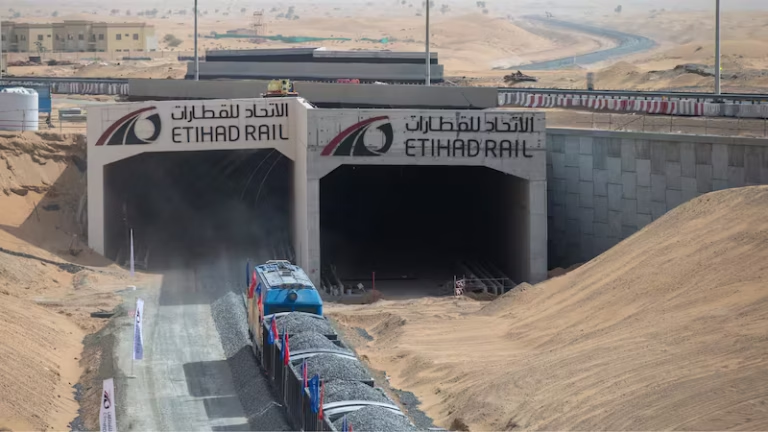
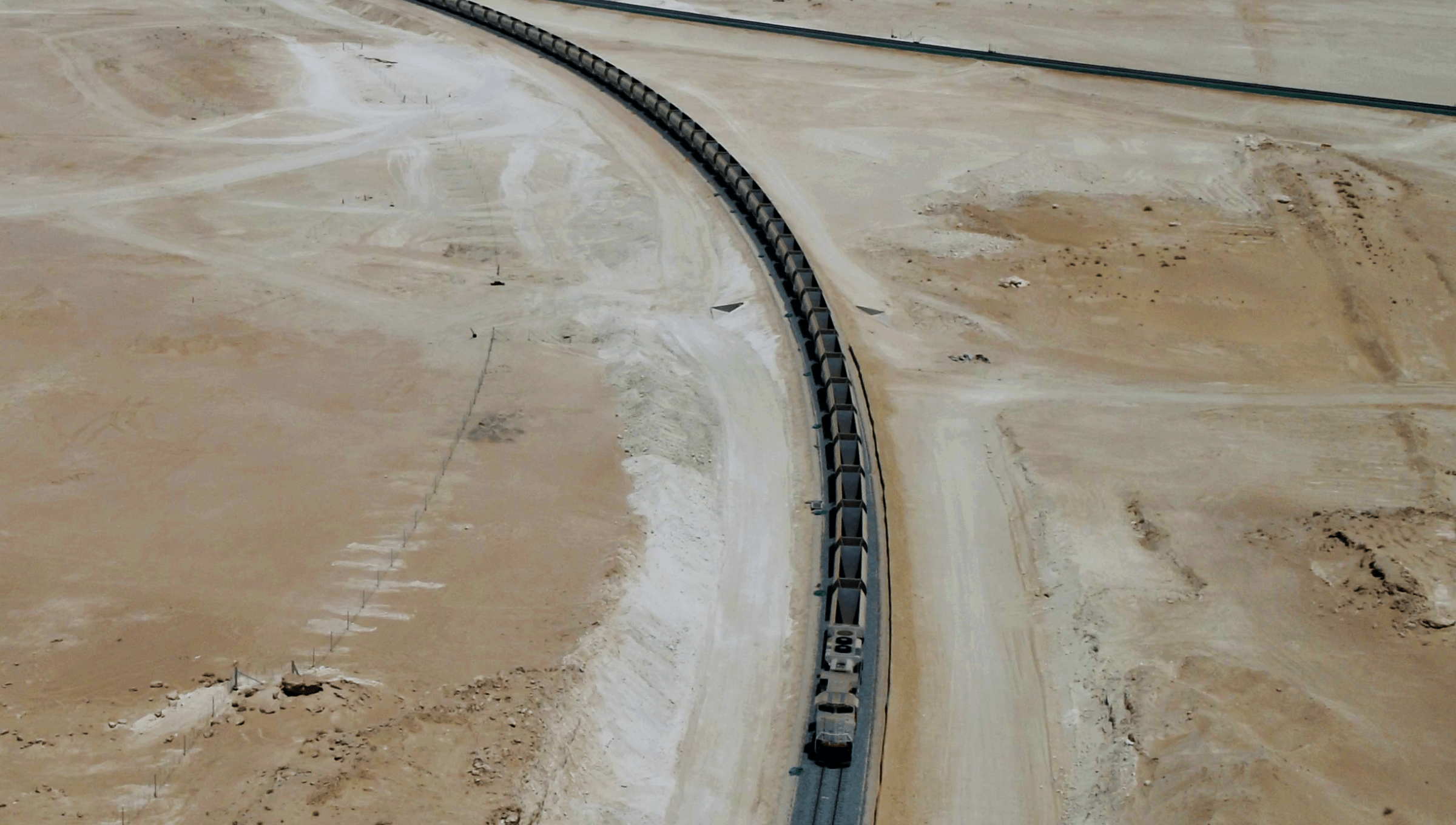
Etihad Rail, the developer and operator of the UAE National Rail Network, signed a landmark agreement with Emerge, a joint venture between Abu Dhabi Future Energy Company PJSC – Masdar and EDF Group to solarize the railway network’s freight terminal in Ghuweifat.
The total installed capacity is comprised of a 600 kWp ground-mounted solar PV system in addition to a 2.56 MWh battery energy storage system (BESS), and upon completion is expected to generate up to 85% of the terminal’s electricity consumption.
The agreement was signed by Ahmed Al-Yafei, CEO of Etihad Rail Infrastructure and Eng. Abdulaziz AlObaidli, Chairman of Emerge, and witnessed by His Excellency Shadi Malak, CEO of Etihad Rail, Mohamed Jameel Al Ramahi, CEO of Masdar, and Luc Koechlin, CEO EDF Middle East.
Under the terms of the agreement, Etihad Rail will leverage Emerge’s technology to generate solar power to supplement its Ghuweifat freight terminal with renewable energy during daylight hours, thus, offsetting night-time energy consumption as well as reducing CO2 emissions by more than 8,500 tons over the duration of the contract.
We are leading the charge in the shift to a low-carbon and energy efficient economy. By collaborating with Emerge and initiating the transition to solar power, we are not only reducing our environmental impact, but also building greener and more resilient supply chains, thus, supporting our nation’s goals and ambitions for a more sustainable future,” says Shadi Malak, CEO of Etihad Rail.
This initiative represents a significant step in Etihad Rail’s long-term commitment to environmental stewardship, directly contributing to its Environmental, Social, and Governance (ESG) strategy. Furthermore, it demonstrates Etihad Rail’s leadership in driving forward the UAE’s Net Zero by 2050 Strategy, supplemented by the railway network’s contribution to reducing CO2 emissions in the UAE road transport sector by 21% annually by 2050.
The Ghuweifat freight terminal serves as a key hub for facilitating seamless cross-border operations. With its strategic location at the border with Saudi Arabia, the terminal is uniquely positioned to accelerate sustainable logistics solutions regionally, aligning with Etihad Rail’s objectives to foster more eco-friendly freight operations.
By integrating solar technology into its network, Etihad Rail’s Ghuweifat terminal will eventually become self-sufficient, harnessing renewable energy to operate sustainably and reduce its carbon footprint, thus, setting a new standard for efficient and green logistics and infrastructure.
Emerge, a joint venture between Masdar and EDF Group, was formed in 2021 to develop distributed solar, energy storage, and hybrid solutions for commercial and industrial applications. As an energy services company, Emerge offers clients full turnkey solutions through solar power agreements at no up-front cost to the client.
IUAE and KSA border at Ghuwaifat. Image via Overland Birds
Etihad Rail connects the emirates, linking industrial and commercial centres with 11 terminals, including four major ports: Ruwais Inland Terminal, Ruwais Port, ICAD, Khalifa Port, DIC, Jebel Ali Port, Al Ghail Dry Port, Fujairah Port, Ghuwaifat Terminal, Shah Terminal, and Habshan Terminal.
Ghuwaifat is a small town in the far west of the emirate of Abu Dhabi. The place forms a border crossing to Saudi Arabia on the transit road to Qatar. Ghuwaifat belongs to the urban area of Sila, which extends in the west to the border with Saudi Arabia.
China makes a $1 billion deal with Turkey to build EVs in Turkey circumventing EU tariffs imposed on Chinese electric cars.
Turkey imposes tariffs on solar panels when it hurts its local economy but it speaks from the other side of its mouth when it stiffs Europe by helping China evade high tariffs on electric vehicles sold in Europe.
China evades tariffs through a $1B car factory it is building in Turkey. Meanwhile Volkswagen is seeing 3 factories shut down and 30,000 people laid off.
Keep Europe European
According to the Turkish General Directorate of Imports as of September 27, Energy Trend is reporting that Turkey has imposed a tariff of $25 per square meter on photovoltaic modules imported from Vietnam, Malaysia, Thailand, Croatia, and Jordan. But exemptions have been made for JinkoSolar’s Malaysian subsidiary, JA Solar’s Vietnamese subsidiary, Trina Solar’s Thai subsidiary, and Vina Solar, a Vietnamese module manufacturer acquired by Longi Green Energy a few years ago.
On November 25, 2023, Turkey’s Ministry of Trade announced that, at the request of Turkish companies, it had launched an anti-circumvention investigation into photovoltaic modules originating from China. The investigation seeks to determine whether Chinese products are being exported to Turkey via Vietnam, Malaysia, Thailand, Croatia, and Jordan to evade anti-dumping duties.
Turkey suspects that some companies from these five countries are using “transshipment” to circumvent the previously imposed $20 per square meter countervailing duty on Chinese photovoltaic products. After months of review, the Turkish government decided in March this year to impose a new tariff of $25 per square meter on photovoltaic products imported from these countries, a 25% increase over the previous tariff.
This is rich considering that Turkey is helping China circumvent EV trade tariffs as together China and Turkey build a $1B Chinese EV company, BYD, on its soil so that China and Turkey can both profit from EU electric vehicle tariff exemptions. Currently any China-made electric car would see a high tariff and tax if it gets sold in Europe – which does not make them a viable purchase in Europe. Meanwhile Volkswagen is laying off employees in Germany because of the lowered costs of cars coming from Asian countries like China.
Volkswagen is seeing 30,00 layoffs and the closure of three factories: “This is the plan of Germany’s largest industrial group to start the sell-off in its home country of Germany,” Cavallo added, not specifying which plants would be affected or how many of Volkswagen Group’s roughly 300,000 staff in Germany could be laid off.
Turkey is not part of the EU for a reason. It is playing dirty against Western values with Iran, Syria and China and its dealings with Chinese businesses to avoid EU tariffs should be investigated. Trump as the new US president will probably restructure this unholy alliance, but not before the quality of life in Europe crumbles further from globalism.
Saudi Arabia-based Mirai Solar, a Saudi-based solar-powered shade system out of KAUST, received the $30,000 second place prize.
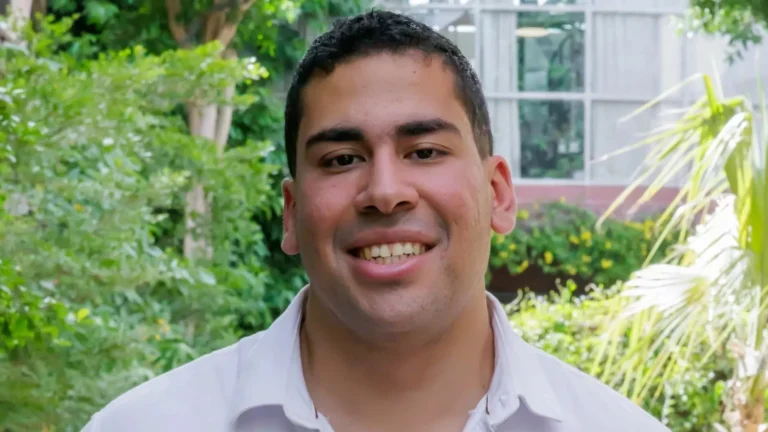
Omar Elboghdady, co-founder and CEO of Viridia Tech.
Egypt-based agritech Viridia Tech has been named the overall winner of the 2024 Mega Green Accelerator, awarded the $100,000 grand prize in Saudi Arabia for their impactful data analytics platform, which helps farmers grow crops more sustainably and efficiently.
Viridia Tech has been named the overall winner of the 2024 Mega Green Accelerator, following an exciting industry Demo Day held in Riyadh where eight startups from across the Middle East and North Africa region showcased innovative solutions addressing food security, clean energy transitions, and the circular economy.
The Mega Green Accelerator, launched in 2023 by PepsiCo, SABIC, AstroLabs, and eleven other strategic partners, received over 350 submissions. The eight selected startups participated in a six-month programme of trainings and workshops, mentorship from business leaders, and opportunities to network, scale their businesses, and gain access to investors.
“PepsiCo has been a key partner in the region for 70 years, and we remain committed to supporting progress and empowering the next generation. Through MENA Innovates, we are focused on driving meaningful change by backing startups and advancing broader initiatives that promote innovation across the region. We look forward to seeing how the startups will contribute to a more sustainable future,” said Wael Ismail, Vice President of Corporate Affairs, PepsiCo AMESA (Africa, Middle East, and South Asia).
At the Demo Day, Egypt-based Viridia Tech was awarded the $100,000 grand prize for their artificial intelligence and data analytics platform, which provides real-time insights and recommendations to help farmers grow crops more efficiently and sustainably and forecast yields accurately.
Foreign-founded but Saudi Arabia-based Mirai Solar out of KAUST produces an innovative solar-powered shade system, received the $30,000 second place prize.
Mirai solar for carparks
The Mega Green Accelerator is part of PepsiCo’s MENA Innovates programs, which champion entrepreneurship, innovation, and sustainability through a series of events and initiatives that celebrate groundbreaking ideas and inspire future leaders.
Eight startups, including Mrüna and The Surpluss (UAE), AHYA TECHNOLOGIES (KSA), YY ReGen (Lebanon), P-VITA (Egypt), and Kumulus (Tunisia), were selected for this year’s edition of the Accelerator, led by PepsiCo, SABIC, AstroLabs, and eleven strategic partners.
Mega Green Accelerator entry requirements
None of the companies in the competition included submissions from Israel – a proven, global leader in agtech, solar and water tech. Green Prophet calls on Saudi Arabia aiming to be a global tourism and business hub by 2030 to fight antisemitism in all its forms, including the exclusion of Jewish candidates from MENA prizes and exhibitions. It is common for the Arab world to circumvent antisemitism by inviting “Palestinians” who can be Arab Israelis, without letting the Jewish Israeli members of the MENA region participate. Decades of quiet antisemitism are no longer acceptable in contests and calls to actions by EU-funded, UN-funded and privately-funded contests.
About the start-ups participating in the 2024 edition
UAE
Mrüna, inspired by the Arabic word for resilience, is a consulting and distribution company dedicated to developing innovative urban solutions. Their flagship product, BiomWeb, is a nature-based solution that utilizes emerging technologies to treat and manage wastewater for reuse.
The Surpluss is a US-patented award-winning climate technology start up that helps SMEs reduce their greenhouse gas emissions, profitably, through resource sharing through a digital sustainability exchange.
Saudi Arabia
Mirai Solar expands the utilization of solar energy beyond conventional applications via its proprietary Mirai Screen – a lightweight and foldable electricity generating shade screen. Mirai’s solutions dramatically improve the energy use efficiency of food production and smart buildings for a sustainable future.
AHYA TECHNOLOGIES is a climate software and AI start-up building a unified platform for scaling climate action across the Middle East North Africa & Pakistan. Ahya has two core products in AhyaOS – AI powered greenhouse gas emissions operating system and Tawazun – omni-channel voluntary carbon marketplace.
Lebanon
YY ReGen is an innovator in agritech and renewable energy committed to transforming the way customers’ ventures are powered, watered, and grown. They focus on a more affordable, less pollutive, and regenerative approach to create a sustainable future.
Egypt
Viridia Tech offers a platform enabling crop analytics at scale for industrial agricultural companies offering unprecedented monitoring capabilities and refined recommendations resulting in double digit improvements in yield, unit economics and sustainability metrics.
P-VITA is a pioneer biotechnology hub that specializes in producing natural raw materials for the cosmetics, and food & beverage industries through innovative and patented processes with utilizing AI and IoT technologies to reduce carbon footprint through automated processes.
Tunisia
Kumulus a water tech startup that turns air into fresh drinking water through innovative AWG machines. Their machines make drinking water more accessible, sustainable, and economical for hotels and businesses across MENA and southern European regions.
While we know that bats echolocate for short distances, for the first time science shows that bats can navigate in nature over many kilometers using only echolocation, without relying on other senses
Blind as a bat is an expression but now scientists show how bat navigation using sound really works when navigating long distances. Could this advance help propel autonomous vehicles or robotics in the future that look to biomimicry for inspiration?
“For the first time, we have shown that bats are able to navigate great distances in open areas with their eyes closed, using only echolocation; they even create a mental acoustic map of their surroundings,” say researchers from Tel Aviv University.
While we know that bats echolocate for short distances, for the first time science shows that bats can navigate in nature over many kilometers using only echolocation, without relying on other senses: “It’s well-known that bats are equipped with a natural sonar, allowing them to emit sound waves that bounce back from nearby objects, helping them navigate. However, it’s also known that bats use their sense of sight during flight.
Laboratory studies have shown that bats are able to navigate within enclosed spaces using only echolocation — but sonar ‘sees’ only about 10 meters ahead, so what happens under natural conditions, in open areas stretching over many kilometers? Can bats rely solely on echolocation for long-distance navigation?”
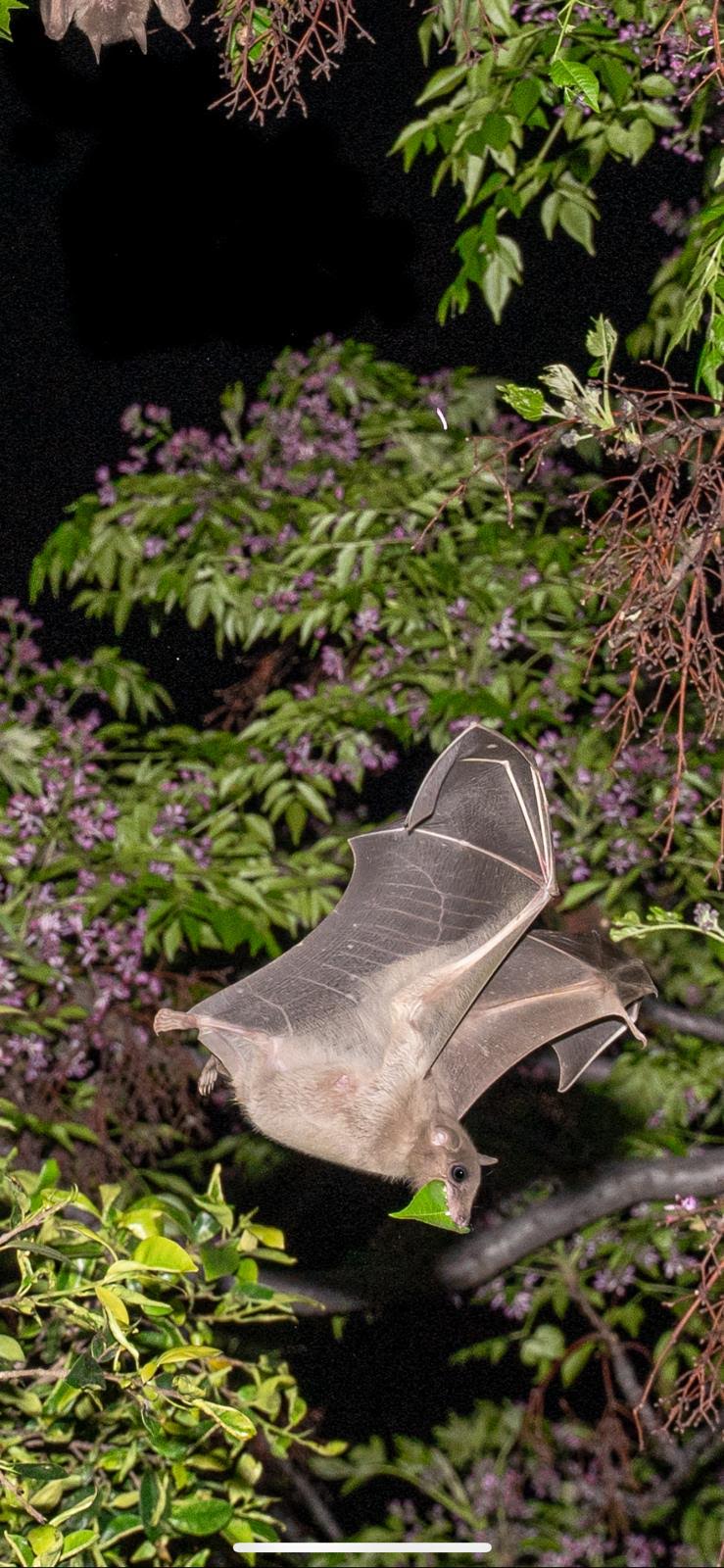
Kuhl’s pipistrelle bat
The research was led by Prof. Yossi Yovel.
The innovative research, carried out over a six-year period, utilized a unique tracking system installed in Israel’s Hula Valley. Using this GPS-like technology, the researchers were able to track the flight of tiny bats from the species known as Kuhl’s pipistrelle, each weighing only six grams —— the smallest mammal ever to be monitored in this way.
For the study, the researchers collected around 60 bats from their roost in the Hula Valley area and moved them about three kilometers away from the roost — still within their familiar habitat. A tag was attached to each bat, and the eyes of some were covered with a cloth strip, temporarily preventing them from seeing during flight, though they could remove the covering with their feet upon landing.
In addition, the researchers employed techniques to temporarily disrupt the bats’ sense of smell and magnetic sense, thereby creating conditions in which they would be able to find their way home using only echolocation. Remarkably, the bats managed to return to their roost without difficulty.
In the second phase, the researchers built a computerized acoustic model of the bats’ natural environment in the Hula Valley.
the researchers were able to track the flight of tiny bats from the species known as Kuhl’s pipistrelle, each weighing only six grams
Prof. Yovel explains: “This model is based on a 3D map of the area where the bats navigate, reflecting the echoes that the bat hears as it uses echolocation to journey through its surroundings. In examining the bats’ flight paths, we discovered that they choose routes where the echoes contain a lot of information, which helps them navigate. For example, an area rich in vegetation, such as bushes and trees, returns echoes with more information than an open field, making bats less likely to fly over open terrain. We also found that some areas are characterized by distinct echoes, which are picked up by the bats.
“These findings strengthened our hypothesis that in any given area, bats know where they are based on the echoes. The bats effectively create an acoustic map in their head of their familiar environment, which includes a variety of active ‘sound landmarks’ (echoes) — just as every sighted person has a visual map of their everyday surroundings.”
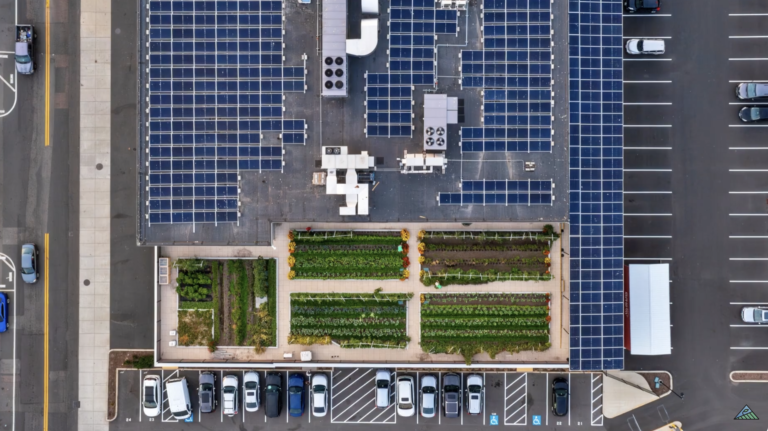
Green roof urban farm and solar panels on Boston Medical Center
In urban jungles and in medical settings it’s refreshing to see food gardens popping up as green roofs. Hospitals are to treat ailing folks, yet the food served to patients is usually over processed and of low quality.
Boston Medical Center (or BMC) is an academic medical center that delivers a model of healthcare where innovative and equitable care empowers all patients to thrive. In June this year Recover Green Roofs celebrated the opening of Newmarket Farm at Boston Medical Center and its 7300 square foot rooftop farm with wheelchair accessible green space.
With raised beds, a pollinator garden, plus an outdoor classroom, the design process highlights a critical collaboration between BMC, Recover Green Roofs, and Higher Ground Farm. Marking Recover’s second design and installation on BMC’s campus following the initial Boston Medical Center Power Plant Farm, both sites collectively forge new community partners and enhance access to fresh foods.
A portion of each harvest is donated to several South End nonprofits, including Rosie’s Place.
In 2022, Mayor Wu established GrowBoston to promote urban agriculture and food production, deploying funds from the American Rescue Plan Act. GrowBoston provided $300,000 to support the expansion of Newmarket Farm. The farm features a unique green roof media blend developed by Ben Flanner of Brooklyn Grange and Chuck Duprey at Naturcycle. They used a locally manufactured version of the innovative blend developed for the Javits Center Expansion Rooftop & Farm, optimized for deep growing crops, long term performance and water management. The growing media depth ranges from 19-23 inches and large growing beds with a granular drainage base retain tens of thousands of gallons of rainwater throughout the year, reducing the need for irrigation.
A high-tech custom drip irrigation system supplements regional rainfall.
Managed by Sarah Hastings, BMC’s Rooftop Farmer, and Higher Ground Farm, the farm adds valuable green space to the Newmarket District, addresses food insecurity, and offers culturally relevant fresh foods. Cultivating hard-to-find produce, they grow aji dulce, Malabar spinach, Callaloo greens, bok choy, napa cabbage, cranberry beans, and Japanese turnips, among others.
Because of Newmarket Farm’s location overlooking the Boston skyline, it also optimizes sun-loving fruit, including tomatoes, and flowers that attract pollinators. A covered seating area provides education and outreach classes to students from Boston Public Schools, members of local community organizations, and staff & patients to get hands-on training on hyperlocal vegetable gardening. Plus, both BMC rooftop farms serve as a model for other hospitals, understanding that the local environment is intrinsic to supporting the overall health and wellbeing in our communities.
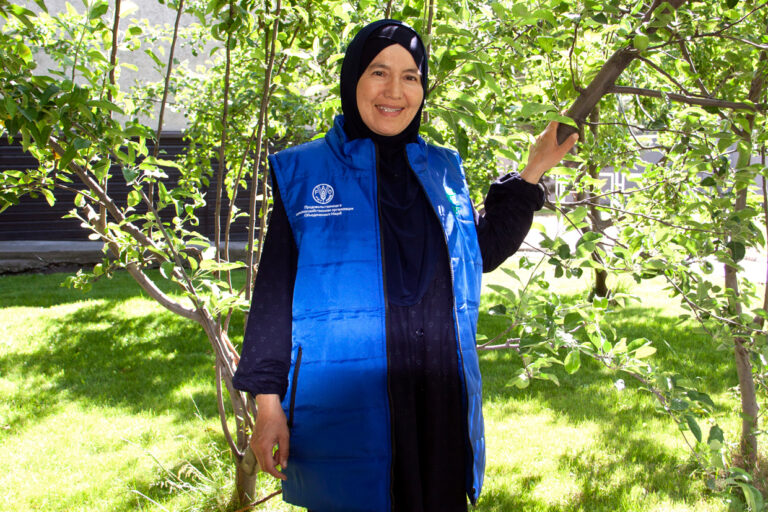
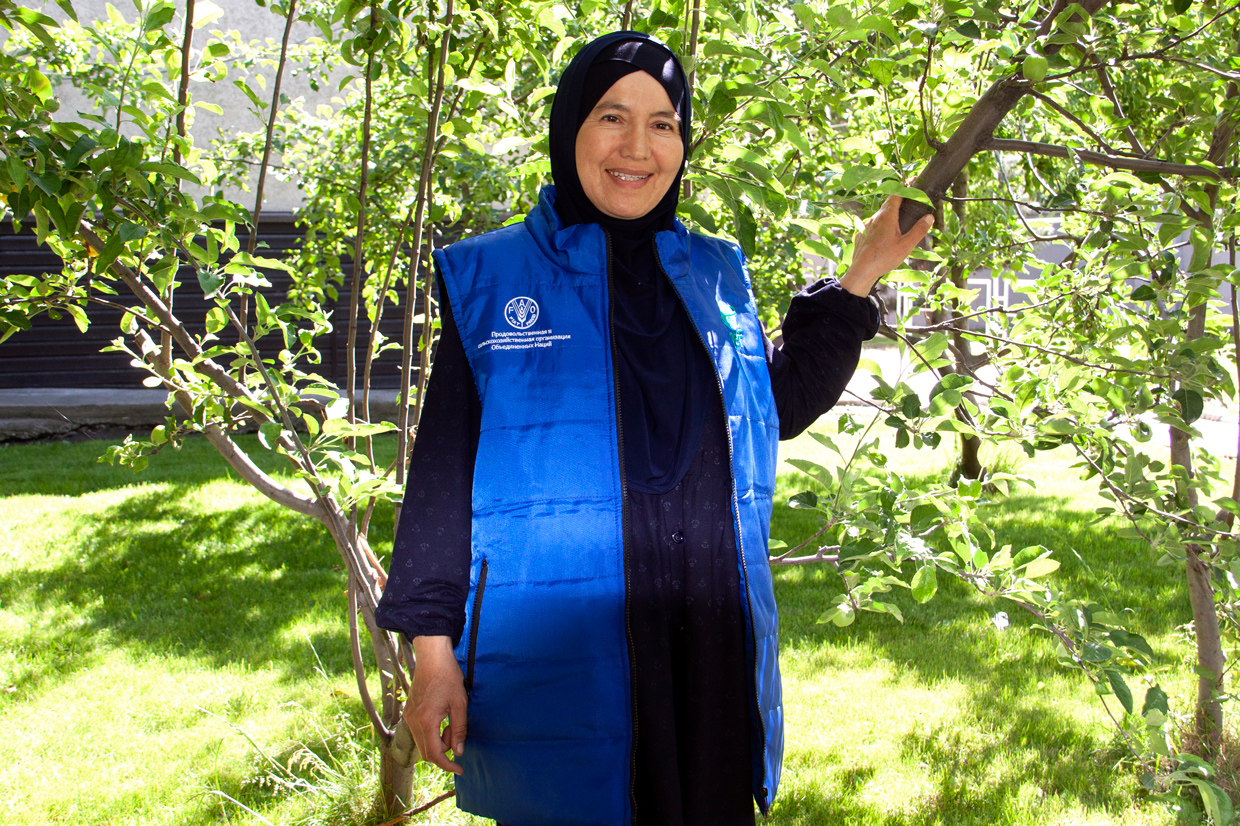
The eyes of Aishagul Duganova, a 48-year-old mother of three, light up as she talks about her new greenhouse, which is bringing with it a new stability amidst her family’s health problems and money troubles.
In the village of Koram, around 150 kilometers east of Almaty in Kazakhstan, Aishagul’s life has been marked by her husband’s debilitating injury and the severe illnesses of her elderly parents-in-law.
With her family completely reliant on her, Aishagul was caught between the demanding care they required and the necessity to earn money; yet she was unable to take advantage of work opportunities too far from home.
Before her husband’s accident, Aishagul worked with him in the field, and they sold their produce in local markets. But as his condition worsened, she could no longer leave him alone, pushing the family into a cycle of debt to cover medical expenses and sustain their children.
“Every day, I had to make a choice— care for my sick family or leave them behind to work. It was a choice no one should have to make,” Aishagul shares, her voice tinged with the fatigue of years of caregiving.
A turning point came when Aishagul’s sister-in-law, aware of her dire situation, introduced her to a greenhouse harvesting training programme. This initiative was part of the broader Food and Agriculture Organization of the United Nations (FAO) project, known as CACILM-2, and funded by the Global Environmental Facility (GEF).
Among its objectives, the project equips rural women in Kazakhstan with the skills and resources to adopt sustainable farming practices and make a living from agriculture. The training course provided by FAO’s partner, the Local Community Foundation of Enbekshikazakh District, Aishagul has improved her vegetables and produce-growing skills, allowing her to independently cultivate food.
Pavel Kavunov, an agronomist working at the Foundation, explained the training offered by the project: “We focused on practical, climate-smart agriculture techniques that ensure these women can produce quickly and sustainably.”
He imparted information on the characteristics of seedlings, their root systems and important aspects to consider during planting. “It’s about giving them the tools and the knowledge to succeed on their own terms,” he added.
This local expert presence ensures that the women farmers are not only trained but also have continual access to advice and problem-solving techniques, which is vital for the sustainability of their agricultural activities.
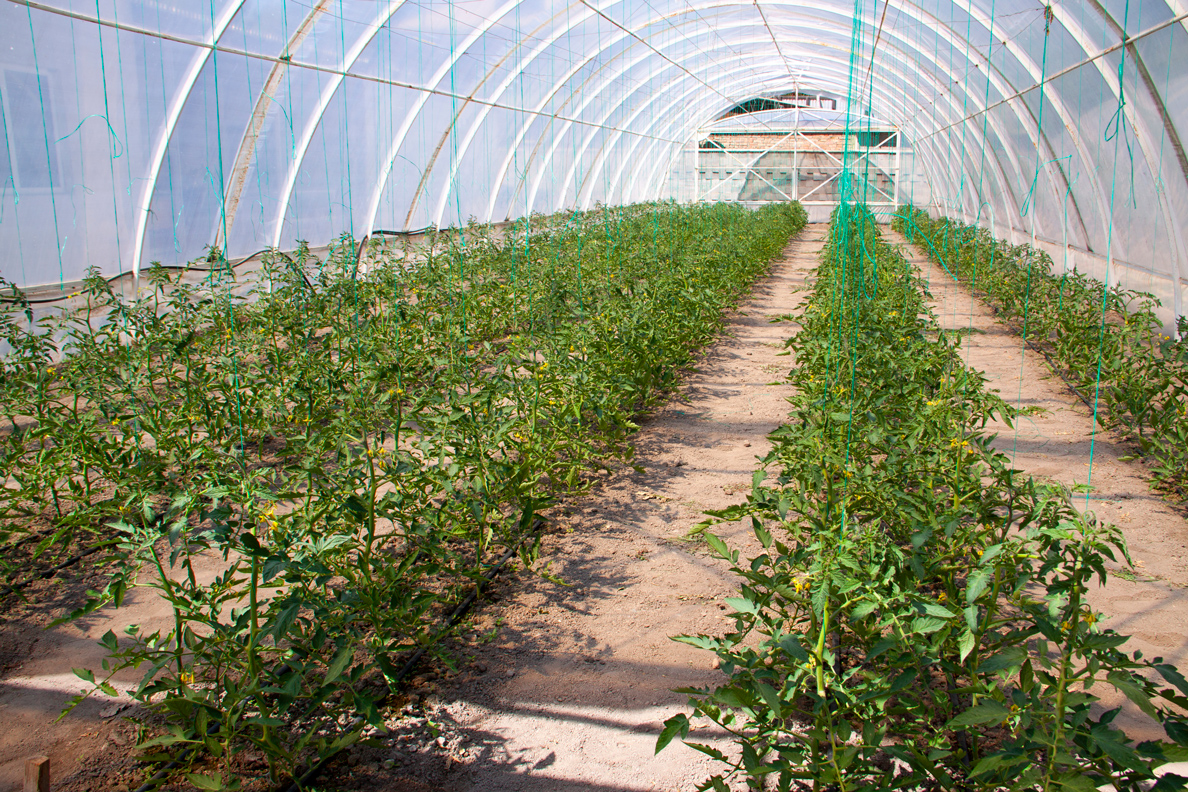
FAO also worked with Aishagul and nine other women to install 100 square metre, tunnel greenhouses on their lands. This collaboration has empowered them to cultivate vegetables all year-round in their backyards, opening the door to economic independence and lasting stability.
As the women learn to manage their micro-farms, they are supported by a network of agronomists and coordinators, such as Bakytgul Yelchibayeva, who assist them in connecting with local markets and buyers. “Our goal is to go beyond providing initial support by creating a lasting infrastructure that enables these women to thrive independently,” she explains.
Aishagul is now making the most of her new greenhouse, growing cucumbers and other vegetables to support her family. “This greenhouse has changed everything. It allows me to be with my family when they need me and still provide for them,” she explains. Encouraged by her success, Aishagul hopes to build a sustainable farm that also helps other women in her community learn and grow together.
In addition to the greenhouse, the project supported women farmers with tillage materials and cucumber seeds. Together, the women sold 3 992 kilograms of produce, earning roughly double what they would typically make. The boost in income from this extra produce helped improve the lives of 64 people, strengthening their community’s farming efforts.
The CACILM-2 project is providing targeted training, resources and coaching to rural communities in Central Asia, addressing several critical barriers such as inadequate job opportunities and lack of information. Moreover, through partnerships with local foundations and experts, participants forge connections with local markets and introduce their products to potential buyers, ensuring a reliable outlet for their produce.
By empowering rural women with the tools and knowledge to undertake agricultural ventures, FAO is promoting equality of opportunity, enhancing their economic stability and independence.
Slain Japanese doctor and canal builder Tetsu Nakamura gets his dream honored
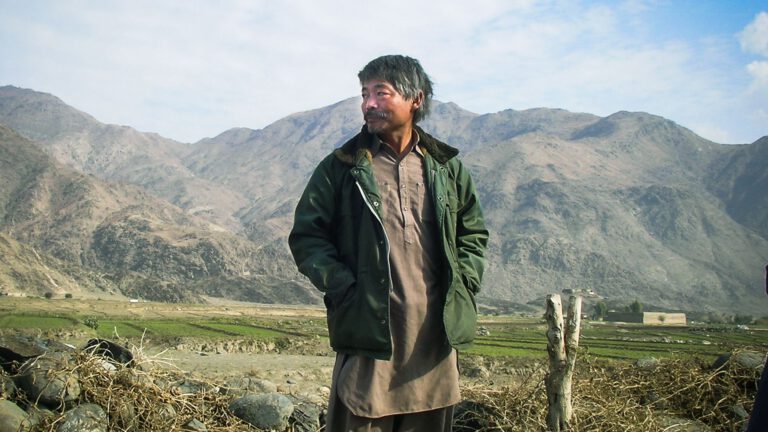
Tetsu Nakamura, also known as Kaka Murad, was a Japanese physician and honorary Afghan citizen who headed Peace Japan Medical Services, an aid group known as Peshawar-kai in Japanese.
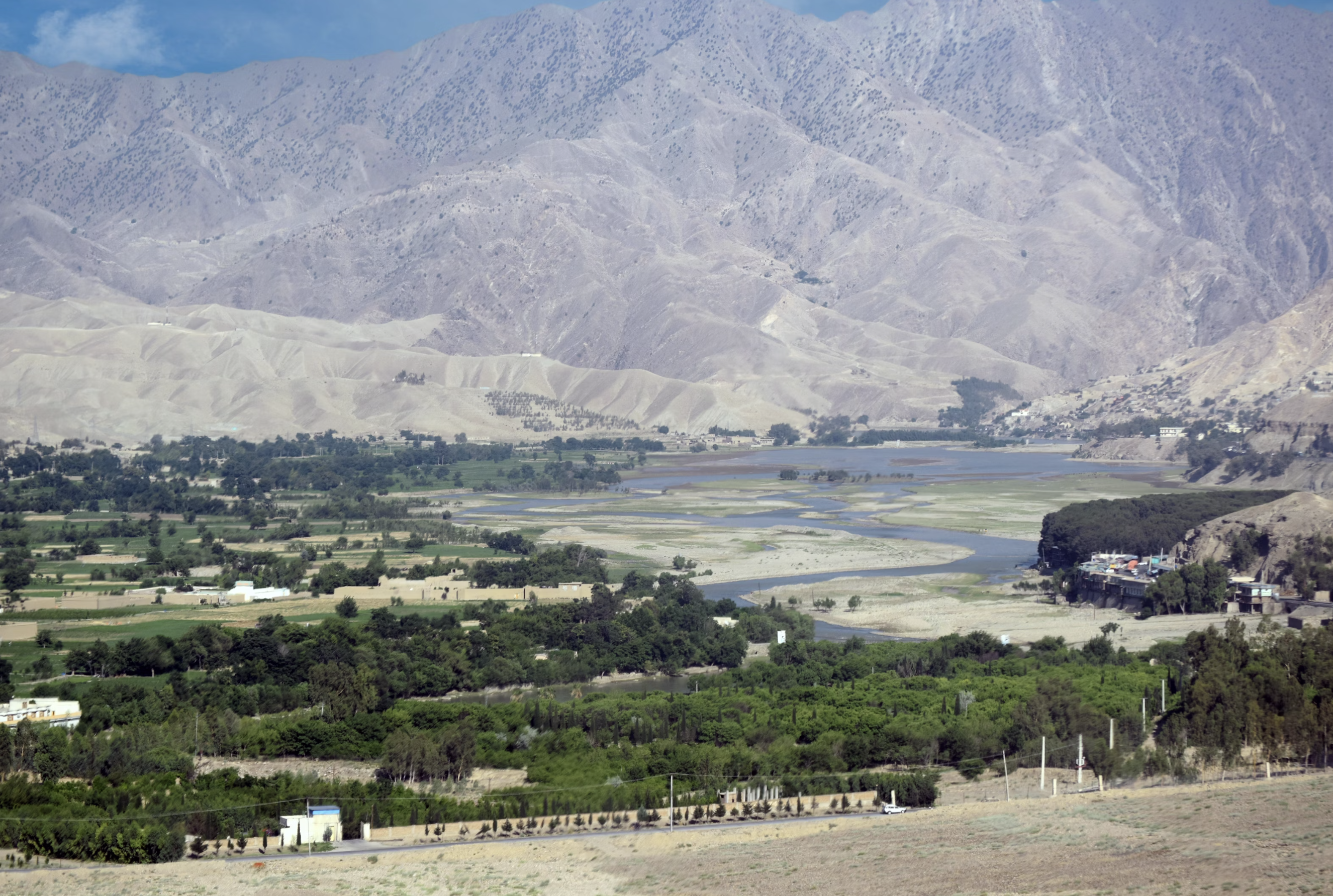
A Japanese doctor and humanitarian Tetsu Nakamura lived in Afghanistan for more than 3 decades leading humanitarian projects. His biggest dream was to realize a water canal project to give irrigation water to farmers in the Nangarhar province. His life was cut short in 2019 by a suspected group of armed Taliban militants believed to be sent from Pakistan. This year Nakamura’s dream came to life and 5 years after his death his largest project out of hundreds, a 20-mile canal, brings life-giving water to people who need it the most.
Nakamura canal in Afghanistan opened in 2024. Source of photo unknown
Born in Japan, Nakamura had been granted honorary citizenship in Afghanistan, reflecting the deep connections he forged with the country through his extensive humanitarian work. Apart from medical aid in the early years, he focused on constructing water canals, which were crucial for irrigation and agriculture in the arid region.
The same location in 2003 and 2009 along a canal Dr. Nakamura helped build. They are reminiscent of old Japan village canals. Photographs courtesy of Peshawar-kai/PMS.
After his murder (the Taliban has halted the investigation into the murder since taking over) Nakamura’s canal project resumed with support from the Japanese government continuing his legacy: Nakamura constructed multiple health centers and hundreds of water projects related to irrigation, canal construction, and clean water access.
His most significant achievement was the creation of a 20-mile canal sourced from the Kunar River, which now irrigates hundreds of acres of farmland. He has impacted millions of people.
Photographs courtesy of Peshawar-kai/PMS.
Following Nakamura’s passing, a non-governmental organization named PMS has taken up the cause to continue building canals and dams in the region.
Here is a beautiful film on his impact. Let’s not let terror win. Watch the movie, Water, Not Weapons below. And let us ponder: what is it that draws a man to leave his country and change the world in places that need help? Is there something inside of you that wishes to do the same?
Wear a dress from this silk and light up the room, literally
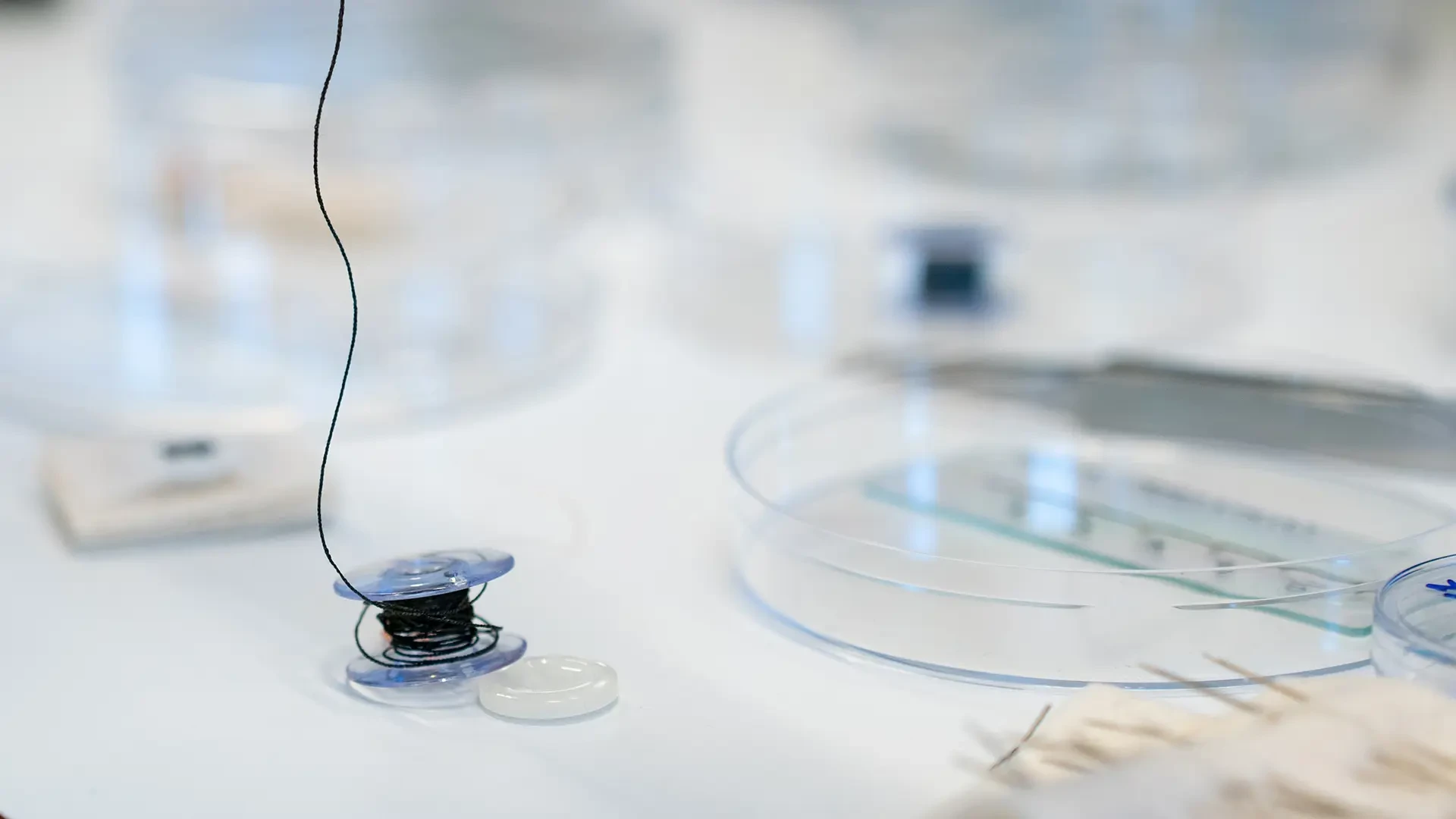
Imagine a sweater that powers electronics to monitor your health or charge your mobile phone while running. This development faces challenges because of the lack of materials that both conduct electricity stably and are well suited for textiles. Now a research group, led by Chalmers University of Technology in Sweden, presents an ordinary silk thread, coated with a conductive plastic material, that shows promising properties for turning textiles into electricity generators. Imagine a dress you are wearing that lights up the night – literally!
Textile materials with piezoelectric or thermoelectric properties can be obtained in the form of yarns and filaments, woven fabric structures, knitted fabrics.
Thermoelectric textiles convert temperature differences, for example between our bodies and the surrounding air, into an electrical potential. This technology can be of great benefit in our everyday lives and in society. Connected to a sensor, the textiles can power these devices without the need for batteries. These sensors can be used to monitor our movements or measure our heartbeat.
Since the textiles must be worn close to the body, the materials used in them must meet high demands on safety and flexibility. The silk thread that the researchers tested has a coating made of a conducting polymer. It is a plastic material with a chemical structure that makes the material electrically conductive and well adapted to textiles.
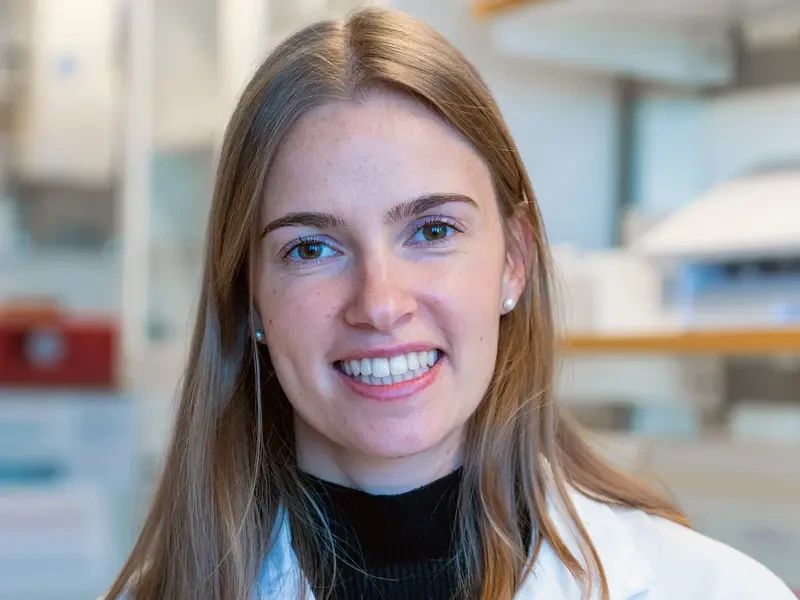
“The polymers that we use are bendable, lightweight and are easy to use in both liquid and solid form. They are also non-toxic,” says Mariavittoria Craighero, who is a doctoral student at the Department of Chemistry and Chemical Engineering at Chalmers University of Technology, and first author of a recently published study.
Enhanced stability and conductivity
The method used to make the electrically conductive thread is the same as used in previous studies within the same research project. Previously, the thread contained metals to maintain its stability in contact with air. Since then, advances have been made to manufacture the thread with only organic (carbon-based) polymers. In the current study, the researchers have developed a new type of thread with enhanced electrical conductivity and stability.
“We found the missing piece of the puzzle to make an optimal thread – a type of polymer that had recently been discovered. It has outstanding performance stability in contact with air, while at the same time having a very good ability to conduct electricity. By using polymers, we don’t need any rare earth metals, which are common in electronics,” says Mariavittoria Craighero.
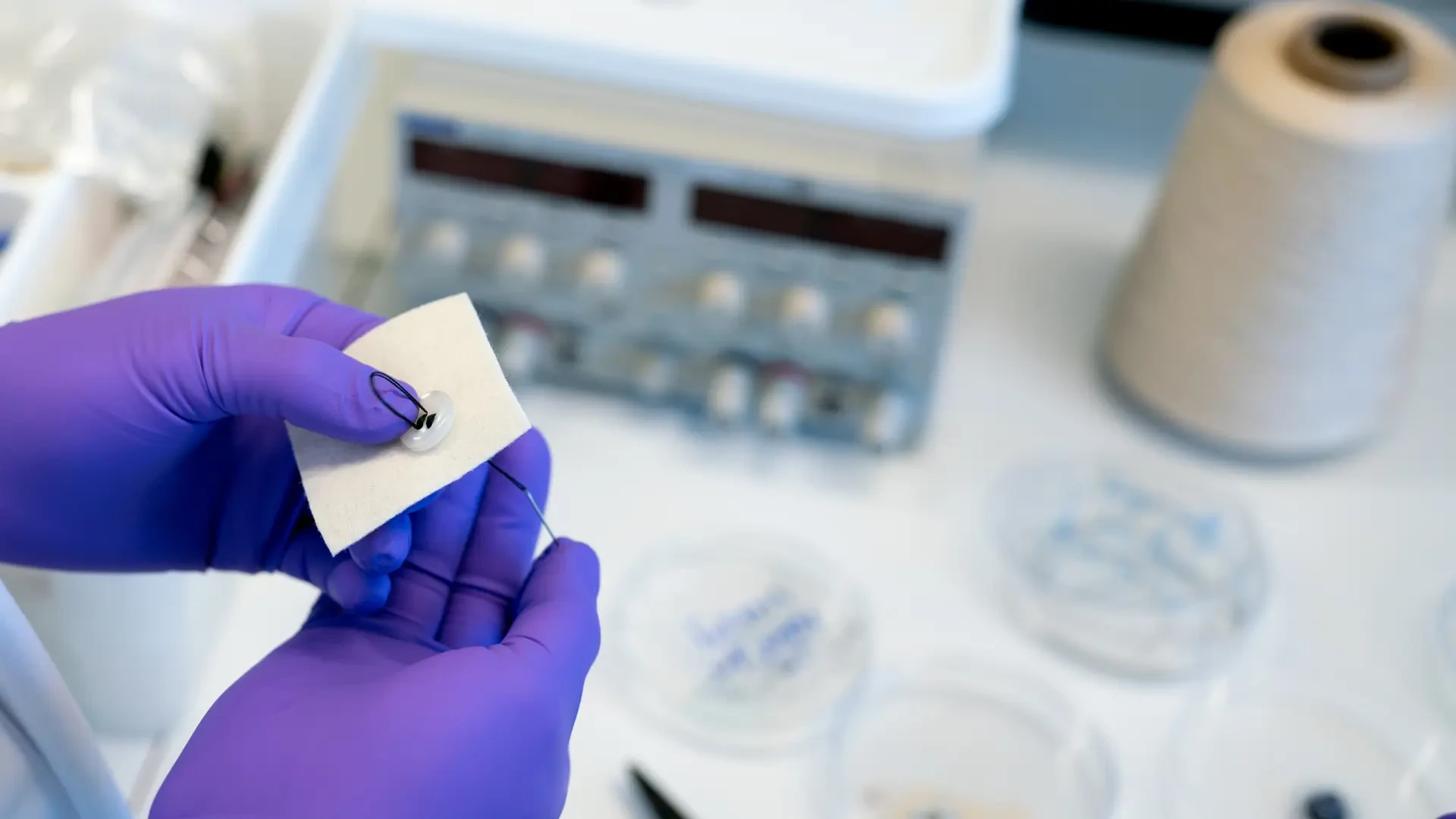
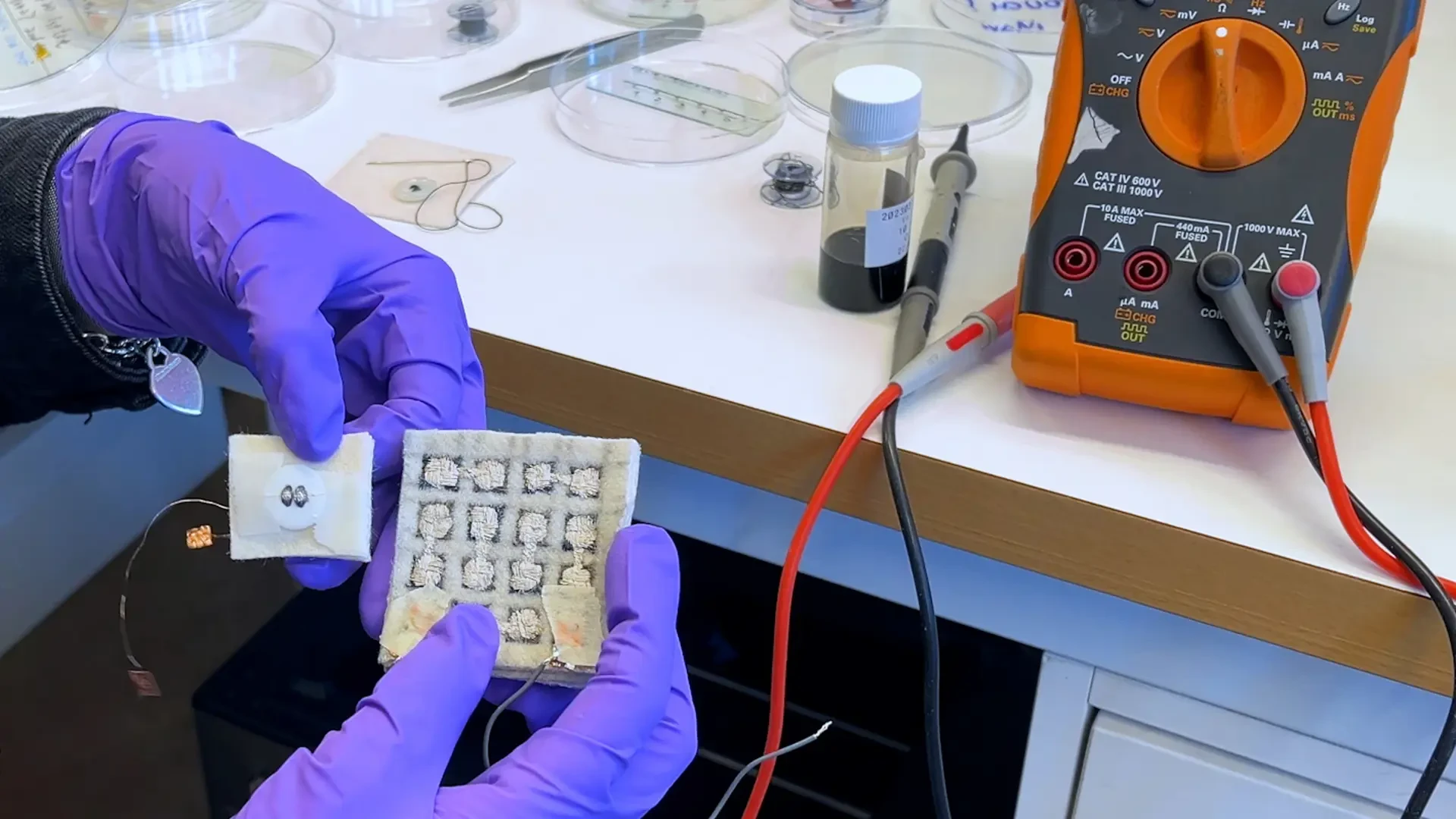
To show how the new thread can be used in practice, the researchers manufactured two thermoelectric generators – a button sewn with the thread, and a piece of textile with sewn-in threads. When they placed the thermoelectric textiles between a hot and a cold surface, they could observe how the voltage increased on the measuring instrument.
The effect depended on the temperature difference and the amount of conductive material in the textile. As an example, the larger piece of fabric showed about 6 millivolts at a temperature difference of 30 degrees Celsius. In combination with a voltage converter, it could theoretically be used to charge portable electronics via a USB connector. The researchers have also been able to show that the thread’s performance is maintained for at least a year. It is also machine washable.
“After seven washes, the thread retained two-thirds of its conducting properties. This is a very good result, although it needs to be improved significantly before it becomes commercially interesting,” says Mariavittoria Craighero.
Can meet functions that these textiles require
The thermoelectric fabric and button cannot be produced efficiently outside the lab environment today. The material must be made and sewn in by hand, which is time-consuming. Just sewing it into the demonstrated fabric required four days of needlework. But the researchers see that the new thread has great potential and that it would be possible to develop an automated process and scale up.
“We have now shown that it is possible to produce conductive organic materials that can meet the functions and properties that these textiles require. This is an important step forward. There are fantastic opportunities in thermoelectric textiles and this research can be of great benefit to society,” says Christian Müller, Professor at the Department of Chemistry and Chemical Engineering at Chalmers University of Technology and research leader of the study.
The Green Mediterranean Diet Shows Promise in Keeping Brains Young
Age-related brain atrophy, the gradual loss of neurons and shrinkage of brain tissue, is a natural part of aging, which can lead to cognitive decline and other neurological issues. While so far aging cannot be prevented, recent research from an 18-month dietary intervention offers hope that lifestyle and dietary changes can slow brain aging. A new international study, led by Ben-Gurion University, as part of the DIRECT PLUS Brain MRI trial, has brought to light how blood sugar control can significantly impact brain health.
Brain age, as evaluated by MRI measurements of the hippocampus and lateral ventricles, reflects the biological aging of the brain, which can differ from a person’s chronological age. Chronological age is the number of years lived, while brain age indicates the brain’s actual health. Typically, as we age, the hippocampus shrinks and the lateral ventricles expand, serving as markers of brain aging. Some individuals have a brain age younger or older than their chronological age. A younger brain age suggests better cognitive health, while an older brain age may indicate accelerated aging and increased risk of cognitive decline.
The study, which was published recently in The American Journal of Clinical Nutrition, was conducted by an international team of brain and nutrition experts, including researchers from Ben-Gurion University, Harvard University, Leipzig University, and more. The research was primarily carried out by Ph.D. student Dafna Pachter and overseen by Prof. Iris Shai, along with several international collaborators.
A previous study published two years ago American Journal of Clinical Nutrition, reported that Mediterranean (MED) and green-MED diets significantly attenuated age-related brain atrophy by ∼50% within 18 months.
In the current study, the researchers aimed to understand the mechanism by which the slowing of brain atrophy occurs.
The study found that a decline in HbA1c, and key markers of long-term blood sugar levels, are associated with significant positive changes in specific brain regions commonly affected by age-related atrophy. Brain MRI results showed that lower HbA1c levels corresponded to greater deviations in the thalamus, caudate nucleus, and cerebellum – areas crucial for cognitive function, motor control, and sensory processing. The study suggests that improved blood sugar control could be one of the most important factors in slowing down age-related brain changes.
Earlier research has highlighted the benefits of the Green Mediterranean (Green-Med) diet, including better blood sugar control. The Green-Med diet is rich in polyphenols from plant-based sources like Mankai (a high-protein aquatic plant) and green tea, while being low in red and processed meats. The current study further strengthens this connection by suggesting that the Green-Med diet may not only support metabolic health but also exert protective effects on brain structure and function.
One of the Largest Brain MRI intervention Studies in the World
The DIRECT PLUS trial, one of the longest and largest brain MRI studies conducted to date, involved approximately 300 participants who were divided into three dietary groups. Whole-brain MRI measurements were taken before and after the 18-month trial to track changes in brain health. The researchers used Hippocampal Occupancy (HOC), as a proxy for brain age which predicts future risk of dementia. HOC typically decreases with age. Interestingly, some participants exhibited a brain age either younger or older than their chronological age.
Using NeuroQuant, an FDA-authorized fully automated tool, the research team quantified and segmented the brain MRI-derived data. The study aimed to examine whether improved glycemic control and specific dietary components could slow down brain aging. The results indicated that participants who managed to improve their blood sugar levels and achieve normal glucose status experienced a more pronounced attenuation of brain aging. Notably, those who consumed higher amounts of green tea and Mankai duckweed shakes demonstrated the most significant improvements in both blood sugar levels and brain health.
Glycemic Control and Polyphenols: The Key to a Younger Brain Age?
The study’s lead researcher, Prof. Iris Shai, from Ben-Gurion University, an adjunct professor at Harvard University, and an Honorary Professor at Leipzig University, explains, “Maintaining low blood sugar levels, even within the normal range, shows promise for preserving a younger brain, especially when combined with a healthy diet and regular physical activity. Specifically, polyphenols found in plant-based foods may cross the blood-brain barrier and help reduce brain inflammation, which is crucial for memory”.
Dafna Pachter, a Ph.D. student and the first author of the paper, adds, “This trial offers a safe approach to potentially slow down our brain aging—by adopting the components of a green-Mediterranean diet.”
A Pathway to Reducing Age-Related Cognitive Decline
This study is one of the first large-scale trials to directly link dietary changes, particularly those associated with the Green-Med diet, to improved glycemic control and slower brain aging. While further research is needed to fully understand the mechanisms at play, these results suggest a potential avenue for reducing the risk of age-related cognitive decline through relatively simple dietary adjustments.
The DIRECT PLUS trial was funded by grants from the German Research Foundation (DFG), Israel Ministry of Health, Israel Ministry of Science and Technology, and the California Walnuts Commission. None of the funding providers were involved in any stage of the design, conduct, or analysis of the study, nor did they have access to the study results before publication.
What is the Mediterranean Diet?
The best diet starts with a healthy plate of food. Experts the world over suggest the Mediterrean Diet for heart health
The Mediterranean diet isn’t a strict diet plan but rather a way of eating based on the dietary traditions of Crete, Greece, and Southern Italy during the mid-20th century. This area now includes food from Lebanon and Israel. A diet rich in fruits, vegetables, beans, nuts, whole grains, fish, olive oil, small amounts of dairy, and red wine offered extensive health benefits.
Green Prophet has thousands of recipes that follow the Mediterrean Diet. Start here.
Researchers say that the money invested in green taxation in Israel does not achieve its public goals. Instead of reducing pollution, greenhouse gas emissions, and encouraging electric vehicles, it has become a strategic pricing tool used by car importers to influence their profits.
A study indicates that the green tax reform implemented in Israel for 15 years with the aim of reducing air pollution and greenhouse gas emissions has not achieved its goals. Based on the findings of the study Ben-Gurion University of the Negev published a surprising recommendation: to abolish all tax brackets for polluting vehicles and leave only one broad tax benefit for the purchase of electric vehicles.
In Israel, unlike the rest of the world, the green tax system on new vehicle purchases determines benefits in tax rates based on emission level. Thus, vehicles with low pollution ratings receive a benefit of up to 16,530 shekels, while vehicles with high pollution ratings receive no benefit at all. In 2023, there was a significant increase in the purchase of electric vehicles in Israel, from 45,270 in 2022 to 95,761, accounting for 27.4% of all new vehicles. This is a significant increase compared to previous years and reflects a clear trend of changing public preferences.
Fifteen years after the green tax reform, a research group led by Prof. Ofir Rubin and Prof. Stav Rosenzweig from the Guilford Glazer Faculty of Business and Management and the Goldman Sonnenfeldt School of Climate Change at Ben-Gurion University of the Negev examined its impact and found that from 2016 onwards, the impact of the green tax was offset and became virtually meaningless. It appears that drivers who purchased efficient cars gradually increased their mileage, creating a “rebound effect” that grew until it completely nullified the impact of the tax.
Between 2016 and 2023, the state granted benefits totaling over NIS 34.5 billion, but did not create the desired savings in energy or pollution levels.
Transportation is one of the human activities with the most severe impact on the environment and climate. The main reason for pollution and emissions from transportation stems from the fact that modern transportation relies heavily on fossil fuels, which exacerbates the effects on global warming and environmental damage. Additionally, the global economic damage from air pollution is estimated at hundreds of billions of dollars per year. Economic losses include medical treatment costs for diseases such as asthma, loss of workdays, and decreased productivity.
The researchers say that the money invested in green taxation in Israel does not achieve its public goals. Instead of reducing pollution, greenhouse gas emissions, and encouraging electric vehicles, it has become a strategic pricing tool used by car importers to influence their profits.
The lack of government oversight over vehicle pricing has allowed importers to generate high profits from tax benefits without fully passing them on to consumers. Therefore, the consumer response to tax benefits was minimal and did not generate a meaningful change in purchasing habits, which is one of the reasons why there was only a partial impact on the environment.
The National Institute for Climate and Environmental Policy Research recommends a simpler and more focused policy, which will include, on the one hand, the abolition of purchase tax benefits for polluting vehicles and, on the other hand, the imposition of a distance-based road tax, where the price will be calculated according to distance and travel time, with higher rates during peak hours. Such a tax can help reduce traffic congestion and reduce emissions.
Tamar Zandberg
“These measures offer a practical and focused tax system that will directly impact the reduction of air pollution and encourage the transition to electric vehicles, while maintaining simplicity and flexibility in the tax system, without the need for oversight of the pricing strategy of car importers,” explained Tamar Zandberg from Ben-Gurion University of the Negev. She is the former Minister of Environmental Protection. “These recommendations are designed to encourage the transition to clean energy and reduce air pollution and greenhouse gas emissions more effectively,” she concluded.
In the arid landscape of Yemen’s West Coast, water is often a distant dream. For many years, families have endured long walks under the scorching sun in search of clean water. “We walk for hours, just for a few jerrycans of water,” shares Hassan, a father of four who arrived in Yakhtol five years ago. “Some days, we come back empty-handed. It feels like the water is slipping further out of reach.”
The war in Yemen (see how the Houthis use water as a weapon in war) has forced over 4.5 million people from their homes, and many have sought refuge in rural villages like Yakhtol. As more displaced families arrive, often with nothing more than the clothes on their backs, the strain on already scarce resources grows. The expanding population is now forced to compete for access to water, shelter, and basic services, further exacerbating the challenges faced by both displaced individuals and local residents.
On Yemen’s West Coast, families endure long daily treks to collect water – a lifeline that remains scarce for millions. Photo: Moayad Zaghdani
The declining soil fertility, increasing salinization of water sources, and rising sea levels have severely threatened agriculture along Yemen’s coast, particularly in Yakhtol. A once-modest fishing and farming community now has to battle for its very survival.
Yakhtol’s residents, who once relied on small-scale agriculture to sustain their families, now find it nearly impossible to grow crops or feed their livestock. The climate has become increasingly hostile to traditional farming methods. Small-scale fishing, which had also been a lifeline for the local economy, is in decline. As crops fail and fish stocks dwindle, the population is left with fewer options.
Families on Yemen’s West Coast often rely on unsafe water sources, increasing the risk of disease as clean water remains difficult to access. Photo: Moayad Zaghdani
Mohammed Ali, another resident of Yakhtol, knows this all too well. “If there is no water, we cannot live – water is life,” he says. Each day, he wakes before dawn to search for water, a task that consumes his mornings and drains his energy. His daily trips to communal water points are fraught with uncertainty. “How long will I have to wait? Will I find enough water to support my family? Will I find any at all?” he asks.
This struggle for water is compounded by years of conflict that have ravaged the infrastructure once vital to Yakhtol’s survival. The water system, originally built to serve 200 homes, is now stretched beyond its limits, trying to meet the needs of over 1,500 families, including hundreds of displaced people who have sought refuge from violence in frontline areas.
To address these challenges, the United Nation’s-run International Organization for Migration (IOM) has stepped in to restore the water infrastructure. Through the rehabilitation of pipelines and the construction of new water points, IOM’s intervention helps alleviate the burden on families like Hassan’s and mitigate conflict over resources. The project also addresses health risks by ensuring that both host communities and displaced families have reliable access to clean water.
IOM’s water projects in Hays and Yakhtol are providing vital relief to thousands of displaced families and local residents, ensuring access to clean water in one of Yemen’s most water-scarce regions. Photo: IOM/Moayad Zaghdani
As part of its efforts in Yakhtol, IOM has also worked on expanding the water-distribution network. This includes installing larger pipes and constructing additional water-storage facilities, ensuring that the limited supply is efficiently distributed across the community. Solar-powered water-pumping systems have been introduced, providing a sustainable energy source that reduces reliance on expensive and often unavailable fuel.
Furthermore, IOM is working to help communities better withstand extreme weather events like floods. This involves upgrading the water system to improve its flood resilience, carefully planning to avoid areas that are prone to flooding and creating protective measures such as gabion walls. Additionally, automatic chlorinators will be installed to disinfect water.
The expansion of water infrastructure in Yakhtol brings hope to families like Mohammed’s, who have endured years of hardship. “I used to take water for granted,” Mohammed recalls. “Now, even a single drop feels like a precious gift.”
Sami, a father of twelve in the Hays displacement camp, constantly worries that his children will miss school to fetch water. Photo: IOM/Moayad Zaghdani
While progress has been made in Yakhtol, similar struggles continue in other parts of the West Coast. In a displacement camp in Hays, Sami, a father of twelve, shares a familiar story of hardship. “Most of the people who go to fetch water here are children; they don’t go to school because they have to help,” he explains. The lack of access to clean water has deprived his children of education, forcing them into a cycle of daily household chores.
In Hays, IOM is working to address the severe water shortage by constructing a new well that will provide clean and reliable water to thousands of displaced families and host communities. This well is a critical lifeline in a community where the daily search for water has long consumed families’ time and energy. By providing a consistent water source, IOM’s intervention not only eases the physical burden on families but also reduces health risks linked to contaminated water.
Despite the challenges in accessing water, Yemeni parents hold onto hope for a future where education can be prioritized. Photo: IOM/Moayad Zaghdani
Despite these efforts, the challenges remain daunting. Climate change and extreme weather events across Yemen continue to amplify the country’s water crisis, adding to the pressures of conflict and displacement. Despite the daunting challenges, Sami remains optimistic: “We support each other through the hardships,” he says.
As communities continue to grapple with these overlapping crises, the work of organizations like IOM offers a glimmer of hope. Through the rehabilitation of water systems and the provision of essential aid, IOM is helping to restore dignity and stability to families pushed to the brink by conflict and climate change.
Families like Sami’s and Hassan’s understand that while clean water is essential, it is only part of what is needed to rebuild their lives. “We need more than just water,” Hassan says. “We need our children to be able to go to school. We need to feel safe.”





 The origins of writing in