Environmental changes may have led to Middle East shark attacks and a worldwide increase.
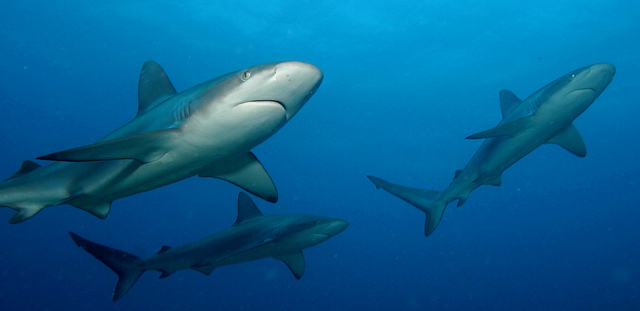
Shark attacks increased a whopping 25% worldwide, including recent attacks in Egypt. In the 2010 report released by the University of Florida International Shark File, file director and shark expert George Burgess said that “the most unusual shark incident of my career” occurred in Egypt.
Related: Man killed by shark in Israel
The December 2010 Red Sea attacks, responsible for one of the year’s six fatalities, also led to 5 injuries.
Burgess gave several possible reasons for the attacks:
- Very high water temperatures due to an unusually hot summer;
- Sheep dumped into the water by a cargo ship after they died in transit;
- Divers feeding reef fishes and even sharks.
Overfishing may also have led to sharks searching for new sources of food.
Usually the sharks are not found so close to the shore. The Egyptian authorities killed two of the sharks thought responsible for injuring 3 tourists, but they turned out to be the wrong sharks. The most vicious of the sharks struck a second time, killing a woman.
Florida, where most incidents occur, saw shark attacks drop to 12, half its annual average. The US still led with 36 attacks. Sharks also attacked humans in Australia, South Africa, and Vietnam.
Burgess emphasized that fishing kills 50-70,000 sharks a year, to be eaten as a delicacy in soup. Humans are a much greater danger to sharks than sharks are to humans. Sharks kill an average of 5 humans annually.
More posts on animals and the environment:
8 Exquisite and Endangered Animals of the Middle East
Governor Bans Recreational Sports Fishing in Southern Sinai

 Out of the frying pan…are uranium reserves to run out in a decade?
 Yair Teller is one Arava Institute alumni who is improving quality of life for Palestinians living in Susya, South Hebron.



 This guide is a must-read for anyone dating a “green” person. If you want to keep them till next Valentine’s Day, read on.


 The Sequel: A hydrogen-electric hybrid who’s time may soon come



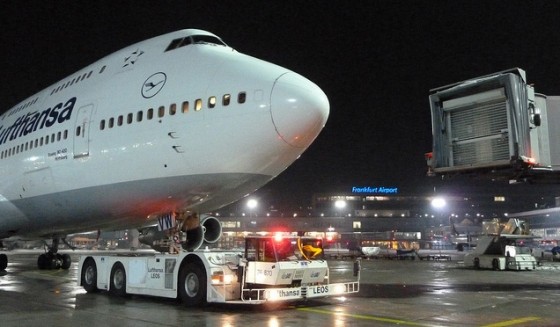 TaxiBot, A unique towing system for airplanes to save jet fuel will save billions of tons of greenhouse gases.