Koh Phangan may be known for yoga, detox retreats, and full moon parties, but beyond the curated paradise lies a different reality—one of injured stray animals and the quiet work of rescue. This story explores PACS (Phangan Animal Care for Strays), a grassroots animal shelter tackling overpopulation, disease, and neglect on the island. Through firsthand experience with teens, it reveals how meaningful travel, volunteerism, and compassion offer a deeper kind of healing—far from the Instagram version of paradise.
The earliest stages of life, from infancy through childhood, form the foundation for lifelong health and development. During these years, the brain develops rapidly, children learn social and emotional skills, and the body undergoes significant physical growth.
Back in late 2025, Green Prophet began asking uncomfortable questions about what’s really inside your yoga pants, from transparency failures (yes, those infamous see-through leggings) to the less visible and scarier issue: Your sweat is unlocking microplastics and chemical coatings sitting in the most absorbent parts of the human body.
Reliable light matters in more places than ever. It matters on a back road after sunset, in a cabin with limited power, and at home during a storm outage. Research across sustainability guidance, preparedness resources, and off-grid living coverage points to one clear takeaway: people want lighting that works well, lasts longer, and creates less waste.
Koh Phangan may be known for yoga, detox retreats, and full moon parties, but beyond the curated paradise lies a different reality—one of injured stray animals and the quiet work of rescue. This story explores PACS (Phangan Animal Care for Strays), a grassroots animal shelter tackling overpopulation, disease, and neglect on the island. Through firsthand experience with teens, it reveals how meaningful travel, volunteerism, and compassion offer a deeper kind of healing—far from the Instagram version of paradise.
The earliest stages of life, from infancy through childhood, form the foundation for lifelong health and development. During these years, the brain develops rapidly, children learn social and emotional skills, and the body undergoes significant physical growth.
Back in late 2025, Green Prophet began asking uncomfortable questions about what’s really inside your yoga pants, from transparency failures (yes, those infamous see-through leggings) to the less visible and scarier issue: Your sweat is unlocking microplastics and chemical coatings sitting in the most absorbent parts of the human body.
Reliable light matters in more places than ever. It matters on a back road after sunset, in a cabin with limited power, and at home during a storm outage. Research across sustainability guidance, preparedness resources, and off-grid living coverage points to one clear takeaway: people want lighting that works well, lasts longer, and creates less waste.
Koh Phangan may be known for yoga, detox retreats, and full moon parties, but beyond the curated paradise lies a different reality—one of injured stray animals and the quiet work of rescue. This story explores PACS (Phangan Animal Care for Strays), a grassroots animal shelter tackling overpopulation, disease, and neglect on the island. Through firsthand experience with teens, it reveals how meaningful travel, volunteerism, and compassion offer a deeper kind of healing—far from the Instagram version of paradise.
The earliest stages of life, from infancy through childhood, form the foundation for lifelong health and development. During these years, the brain develops rapidly, children learn social and emotional skills, and the body undergoes significant physical growth.
Back in late 2025, Green Prophet began asking uncomfortable questions about what’s really inside your yoga pants, from transparency failures (yes, those infamous see-through leggings) to the less visible and scarier issue: Your sweat is unlocking microplastics and chemical coatings sitting in the most absorbent parts of the human body.
Reliable light matters in more places than ever. It matters on a back road after sunset, in a cabin with limited power, and at home during a storm outage. Research across sustainability guidance, preparedness resources, and off-grid living coverage points to one clear takeaway: people want lighting that works well, lasts longer, and creates less waste.
Koh Phangan may be known for yoga, detox retreats, and full moon parties, but beyond the curated paradise lies a different reality—one of injured stray animals and the quiet work of rescue. This story explores PACS (Phangan Animal Care for Strays), a grassroots animal shelter tackling overpopulation, disease, and neglect on the island. Through firsthand experience with teens, it reveals how meaningful travel, volunteerism, and compassion offer a deeper kind of healing—far from the Instagram version of paradise.
The earliest stages of life, from infancy through childhood, form the foundation for lifelong health and development. During these years, the brain develops rapidly, children learn social and emotional skills, and the body undergoes significant physical growth.
Back in late 2025, Green Prophet began asking uncomfortable questions about what’s really inside your yoga pants, from transparency failures (yes, those infamous see-through leggings) to the less visible and scarier issue: Your sweat is unlocking microplastics and chemical coatings sitting in the most absorbent parts of the human body.
Reliable light matters in more places than ever. It matters on a back road after sunset, in a cabin with limited power, and at home during a storm outage. Research across sustainability guidance, preparedness resources, and off-grid living coverage points to one clear takeaway: people want lighting that works well, lasts longer, and creates less waste.
Koh Phangan may be known for yoga, detox retreats, and full moon parties, but beyond the curated paradise lies a different reality—one of injured stray animals and the quiet work of rescue. This story explores PACS (Phangan Animal Care for Strays), a grassroots animal shelter tackling overpopulation, disease, and neglect on the island. Through firsthand experience with teens, it reveals how meaningful travel, volunteerism, and compassion offer a deeper kind of healing—far from the Instagram version of paradise.
The earliest stages of life, from infancy through childhood, form the foundation for lifelong health and development. During these years, the brain develops rapidly, children learn social and emotional skills, and the body undergoes significant physical growth.
Back in late 2025, Green Prophet began asking uncomfortable questions about what’s really inside your yoga pants, from transparency failures (yes, those infamous see-through leggings) to the less visible and scarier issue: Your sweat is unlocking microplastics and chemical coatings sitting in the most absorbent parts of the human body.
Reliable light matters in more places than ever. It matters on a back road after sunset, in a cabin with limited power, and at home during a storm outage. Research across sustainability guidance, preparedness resources, and off-grid living coverage points to one clear takeaway: people want lighting that works well, lasts longer, and creates less waste.
Koh Phangan may be known for yoga, detox retreats, and full moon parties, but beyond the curated paradise lies a different reality—one of injured stray animals and the quiet work of rescue. This story explores PACS (Phangan Animal Care for Strays), a grassroots animal shelter tackling overpopulation, disease, and neglect on the island. Through firsthand experience with teens, it reveals how meaningful travel, volunteerism, and compassion offer a deeper kind of healing—far from the Instagram version of paradise.
The earliest stages of life, from infancy through childhood, form the foundation for lifelong health and development. During these years, the brain develops rapidly, children learn social and emotional skills, and the body undergoes significant physical growth.
Back in late 2025, Green Prophet began asking uncomfortable questions about what’s really inside your yoga pants, from transparency failures (yes, those infamous see-through leggings) to the less visible and scarier issue: Your sweat is unlocking microplastics and chemical coatings sitting in the most absorbent parts of the human body.
Reliable light matters in more places than ever. It matters on a back road after sunset, in a cabin with limited power, and at home during a storm outage. Research across sustainability guidance, preparedness resources, and off-grid living coverage points to one clear takeaway: people want lighting that works well, lasts longer, and creates less waste.
Koh Phangan may be known for yoga, detox retreats, and full moon parties, but beyond the curated paradise lies a different reality—one of injured stray animals and the quiet work of rescue. This story explores PACS (Phangan Animal Care for Strays), a grassroots animal shelter tackling overpopulation, disease, and neglect on the island. Through firsthand experience with teens, it reveals how meaningful travel, volunteerism, and compassion offer a deeper kind of healing—far from the Instagram version of paradise.
The earliest stages of life, from infancy through childhood, form the foundation for lifelong health and development. During these years, the brain develops rapidly, children learn social and emotional skills, and the body undergoes significant physical growth.
Back in late 2025, Green Prophet began asking uncomfortable questions about what’s really inside your yoga pants, from transparency failures (yes, those infamous see-through leggings) to the less visible and scarier issue: Your sweat is unlocking microplastics and chemical coatings sitting in the most absorbent parts of the human body.
Reliable light matters in more places than ever. It matters on a back road after sunset, in a cabin with limited power, and at home during a storm outage. Research across sustainability guidance, preparedness resources, and off-grid living coverage points to one clear takeaway: people want lighting that works well, lasts longer, and creates less waste.
Koh Phangan may be known for yoga, detox retreats, and full moon parties, but beyond the curated paradise lies a different reality—one of injured stray animals and the quiet work of rescue. This story explores PACS (Phangan Animal Care for Strays), a grassroots animal shelter tackling overpopulation, disease, and neglect on the island. Through firsthand experience with teens, it reveals how meaningful travel, volunteerism, and compassion offer a deeper kind of healing—far from the Instagram version of paradise.
The earliest stages of life, from infancy through childhood, form the foundation for lifelong health and development. During these years, the brain develops rapidly, children learn social and emotional skills, and the body undergoes significant physical growth.
Back in late 2025, Green Prophet began asking uncomfortable questions about what’s really inside your yoga pants, from transparency failures (yes, those infamous see-through leggings) to the less visible and scarier issue: Your sweat is unlocking microplastics and chemical coatings sitting in the most absorbent parts of the human body.
Reliable light matters in more places than ever. It matters on a back road after sunset, in a cabin with limited power, and at home during a storm outage. Research across sustainability guidance, preparedness resources, and off-grid living coverage points to one clear takeaway: people want lighting that works well, lasts longer, and creates less waste.
Abu Dhabi’s Corniche has become the Arabian Gulf’s first Blue Flag beach
The city of Abu Dhabi has become the first Arabian Gulf location to gain a Blue Flag environmental award for one of its beaches.
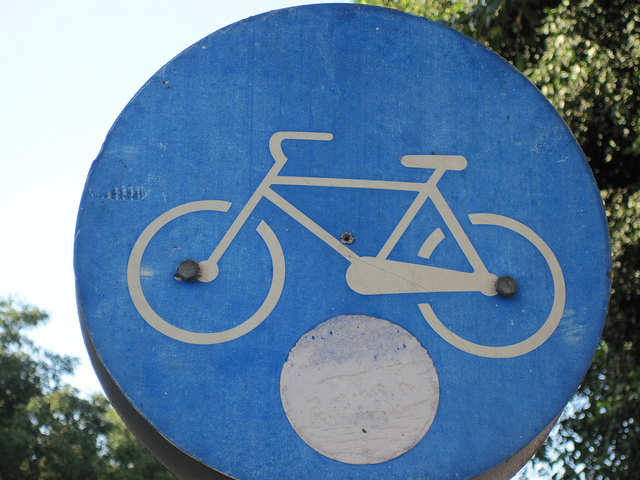
The certification has been awarded to the famous Abu Dhabi Corniche, a four mile stretch of coastline which is also a major tourist attraction, featuring big-name hotels as well as amenities such as cycle tracks, volleyball courts, children’s playgrounds and secure swimming areas. According to the Abu Dhabi Tourism Authority (ADTA), the Corniche was recently ranked amongst the top ten visitor attractions in the Emirate in a tourist poll.
Green Prophet has recently reported on schemes to improve Abu Dhabi’s environmental record, especially amongst its marine habitats, and to educate local schoolchildren about conservation. But the Emirates region also faces ongoing challenges to the marine environment, including illegal shark fishing.
The EV battery switching station was installed in Gladsaxe, a town just outside of Copenhagen. The first battery swap was conducted on a Renault Fluence ZE, which, along with the Nissan Rogue SUV, is one of just two car models designed to accept the robotic battery swap technology designed by Agassi, so far. But that is not slowing Danish enthusiasm for Better Place.
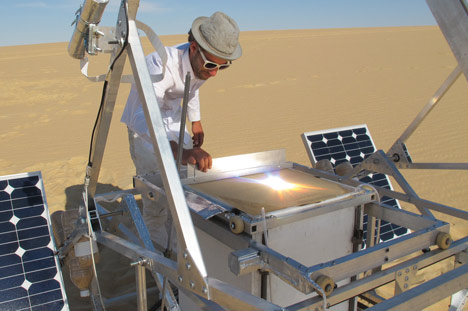
Eventually, desert-dwellers will be able to “print” their own homes using little more than the sun and sand.
The Solar Sinter designed by Markus Kayser uses the sun and a high-powered fresnel lens to make glass objects from silica sand directly in the Sahara desert. This design requires no factory, no factory line, and no lasers or resins. All that was required were the materials used to make the Sinter (which in time could probably make itself). After initial tests in Morocco’s desert, Kayser scaled up the machine and took it Egypt, near Siwa.
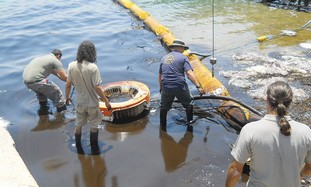
Concerted cleaning efforts averted major disaster in Eilat, but more serious oil spills are only “a matter of time” say Israeli officials.
Two separate oil spills contaminated the waters off Eilat in Israel over the weekend. The Jerusalem Post reports that the initial oil spill on Friday morning came from an unknown source, although officials suspect that a Turkish ship, which was leaking oil while docked at the Port of Eilat, may be the culprit.
The Dubai government’s Emirates National Oil Co (ENOC) has stopped supplying subsidized gasoline to gas stations in neighboring sheikdoms in the United Arab Emirates.
Hit hard by the property crash, the once high-flying Dubai government is now penny pinching. Even at the risk of destabilizing the region – in the same way that rising food prices have done earlier this year – in a drastic move, Dubai is now cutting in half the energy subsidies and transfers that its property wealth had made possible.
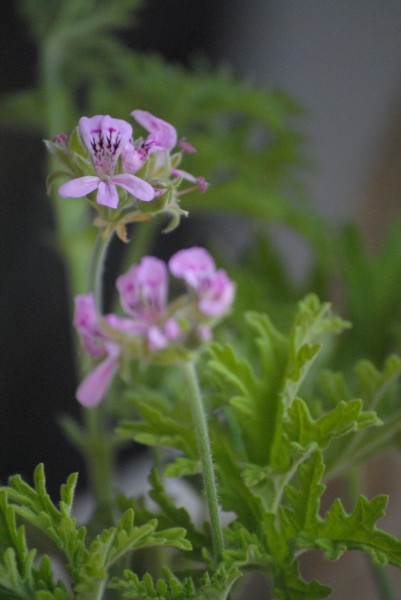
Sweetly-scented rose geranium makes a delicate cream and a soothing tea. It’s growing somewhere near you.
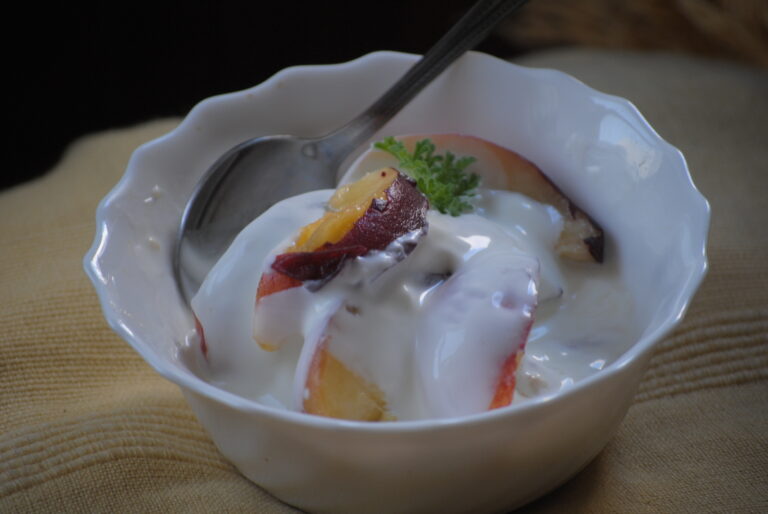
Peaches, melons, apricots, plums. All in season right now in the Middle East, all sweet and juicy. Cream infused with rose-like pelargonium graveolens makes a delicious background for any of those summer fruits.
I pick a few sprigs of rose geranium from a public garden set well away from traffic pollution. The flowers, I put into arak to make an ethereal rose geranium liqueur. When it’s ready, I strain it into a recycled wine bottle. But there are other ways to use the unique, sweet flavor of edible geraniums.
For an alcohol-free, soothing cold drink, I’ll brew rose geranium leaves as tea. Children especially like this mildly candy-flavored tea. Just pour boiling water over 5 or 6 large rinsed and chopped leaves, cover, and let it steep about 10 minutes. Sweeten as desired, remove the chopped leaves, and drink hot or cold. If you collected oatstraw in spring, you can flavor oatstraw tea with these leaves, too.
And it’s simple to make geranium-infused cream for those summer fruits. In a small pan, heat 2 rose geranium leaves with 1 cup of whipping cream and 4 tablespoons of sugar. Don’t let it simmer or boil, just let it get hot over low heat. This should take only 5 minutes if the cream was at room temperature.
Remove from the heat and stir in 1 cup of cream cheese. Cover. When it’s all cool, put it away in the refrigerator overnight.
In the morning, the cream will be thick and fragrant. Transfer it to a bowl and set a bowl full of sliced fruit next to it for dipping. Or pour the cream over sliced fruit in individual bowls. Surprisingly, watermelon matches this delicate cream perfectly.
More innocent and milky Middle-Eastern recipes on Green Prophet:
These are clearly difficult questions to answer but another concern is the lack of criticism that green organisations funded by un-green corporations face in the Middle East. I sat down for a chat with Wael Hmaidan, a green campaigner from Lebanon who heads an independent organisation for activists, to discuss these issues and also what can be done to stop greenwashing in the region.
Zabiha.com, the largest guide to halal eating wherever you live
For over a decade Zabihah.com has established itself as the official guide to the Muslim world’s halal restaurants and products.
Zabihah? Don’t we mean the ZAGAT guide which has become the go to source for Muslims and food? No. ZAGAT focuses on restaurants in North America and its global reviews are limited. For instance, a quick international search for restaurant reviews in England, UK, loads only ten cities from the country. Zabiha’s search equivalent shows every county and town, which means I can check out exactly what’s hot and what’s not in my hometown.
Plus, these reviews have an additional win: the halal factor.
Yerukim believes that money should be “green” and if it doesn’t grow on trees, it should at least help trees grow.
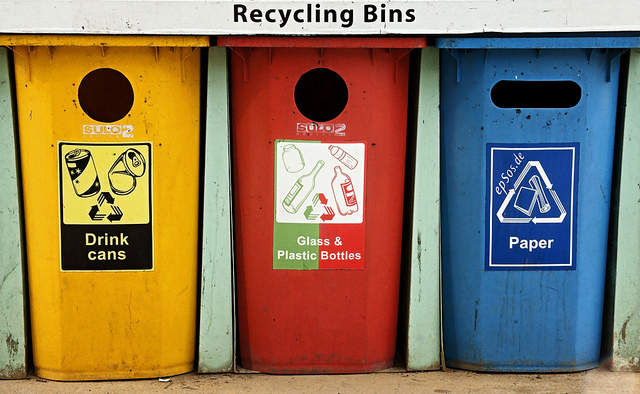
A new economic project is slowly growing in Kiryat Ono, Israel with a currency based on rewarding good environmental deeds. Sound crazy? It just might be, but it is slowly growing and it will be interesting to see if it really works. The idea is fairly simple: residents of Kiryat Ono keep their recyclable plastic bottles and aluminum cans and call for a pick-up when they’ve collected at least 20 items. Then they call Yerukim, who arranges for the bottles and cans to be picked up (and recycled) and for “green” money to be left for the residents in exchange. Lastly, the residents can use this “green” money at participating businesses in the area.
Nourish your garden or potted plants with compost made in your home.
Praxxus55712. The nick of a mysterious Minnesota gardener. We’re given only his first name, Ray. He uploads excellent videos for home gardeners to YouTube, freely sharing his gardening expertise with a gentle, humorous touch. Although I’m all in favor of composting and would like to make a project of it with my teenager, I thought I couldn’t make compost. All I have is a little apartment balcony. But after watching Ray mixing compost up on his living room rug, apartment composting has become accessible.
The equipment is simple: one bucket and maybe an old shirt to cover it. The ingredients: plant material. Coffee grounds, and if you make coffee like a Middle Eastern native, you can start saving some grounds up now. Some dirt. Water. And – the amazing secret ingredient – mint thins. Don’t believe me? You have to see to believe.
There are several compelling reasons to re-think veggie burgers and other non organic soy-based products.
If there is anything to be learned from America’s industrial food machine (in case you missed Food Inc. and other seminal critiques), it is this: nothing can be trusted. Until recently, many vegetarians have been all too happy to jump on the veggie burger bandwagon for a yummy protein fix, believing in earnest that theirs was a healthy choice that benefits the environment. Including me.
But a recent report published by the non-profit organization Cornucopia Institute reveals that most non-organic soybean-based goods produced in the United States are bathed in a highly explosive mix of petrochemicals that are used to extract the soy protein. And hardly anybody seems concerned to address what could be a public health nightmare.
GE looks to create wind, solar and smart grid technologies with Israeli engineers.
Already in a number of clean technology partnership projects, including solar energy and desalination, America’s giant electrical products company, General Electric – GE – is setting up a “multidisciplinary” research and development center in Haifa Israel Globes reports. The center, the cost which is estimated to be between $3-5 million, will concentrate in research in medical devices, water, and clean energy. Twelve researchers will be hired to staff the center, which will bring to a total of 462 GE employees working in Israel. What’s going on with GE in the Holy Land?
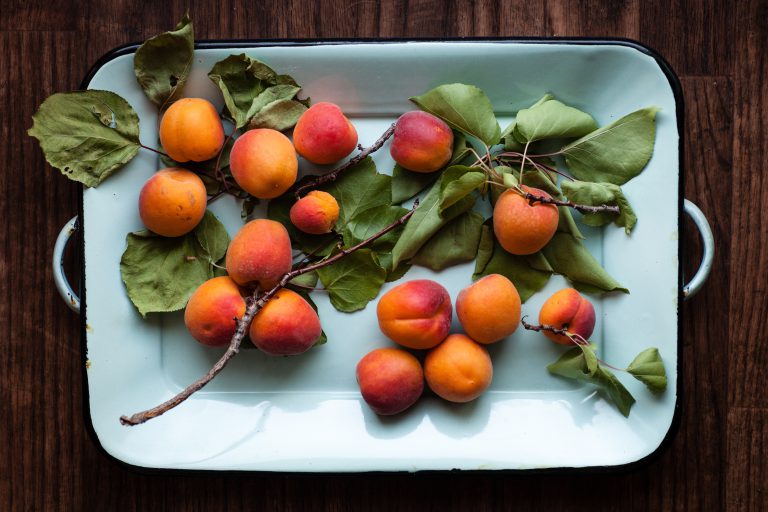
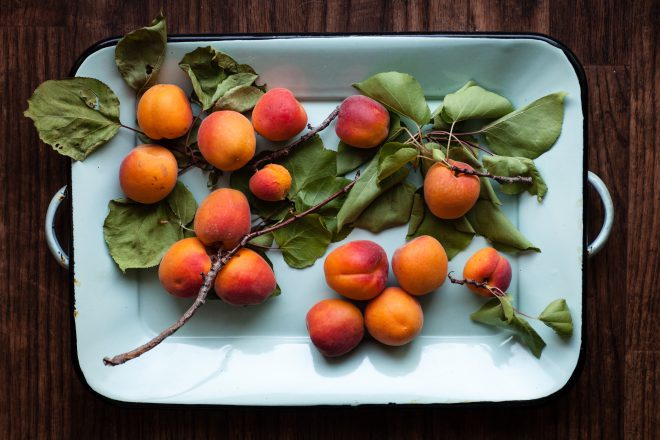
Hurry and make your fresh apricot jam while the delicious yellow fruit’s still in season.
Fresh apricots have so short a season in the Middle East that bukra fil-mishmish (tomorrow, in apricot season, said in Arabic) is what you say to promise you’ll get something done quickly.
Probably that’s why there are almost no Arabic recipes featuring the fresh fruit. But why buy imported apricot jam when you can make your own apricot jam from fresh, local fruit? Or, for that matter, why buy chutney? Try our apricot chutney recipe too.
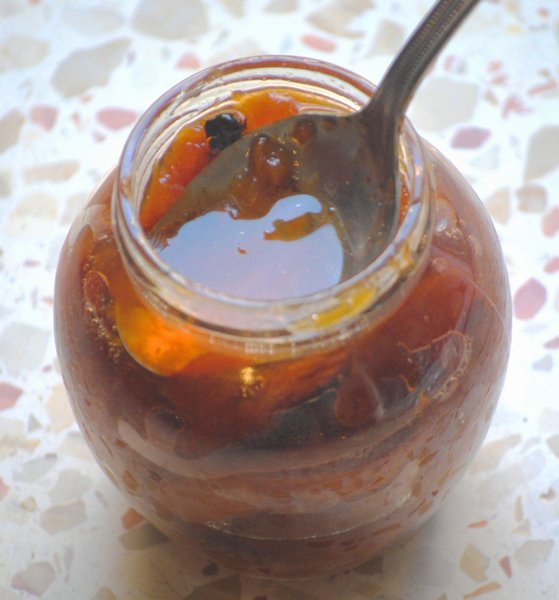
Many of the best jam fruits ripen in summer, so standing and stirring jam on a hot day seems inevitable. But baking jam in the oven allows you to walk away from the whole process and just scoop the caramelized fruit with its thick syrup into a clean, dry jar.
Making apricot jam couldn’t be easier, and the flavor is incomparable: bright, tangy, and true to the apricot. The amount of sugar here makes a rather tart jam. You may increase it to 6 cups, which will give you a 50/50 proportion of sugar to fruit.
Note: start the jam in the early evening and let it cool overnight in the oven. That way you’ll avoid having the oven on during the hottest part of the day.
Baked Apricot Jam Recipe
yield: about 6 cups
Ingredients:
I kg. – 2 lb. fresh, rinsed and dried apricots
1/4 cup water
4 tablespoons vanilla sugar or 1 vanilla pod, split open
750 grams – 4 cups plain granulated sugar
Method for making apricot jam
Cut the apricots along their natural division and extract the pits. Halve them. Place apricots in a shallow baking dish and pour the water over.
Mix the vanilla and plain sugar and pour it over the apricots. If using a vanilla bean, place it in the middle of the fruit. Do not cover the fruit.
Turn the oven on to 325 F – 160 C.
Bake for 3-4 hours, checking occasionally to make sure the fruit is continuing to cook without burning, and to stir the vanilla bean around if using. The liquid will become thicker upon cooling. Once the fruit is slightly charred (and a delicious aroma fills the kitchen when you open the oven), turn the oven off. Allow the jam to cool in the oven. Refrigerate.
If preserving for long-term use, remove the jam from the oven while still hot and pack into hot, sterilized jars.

 Abu Dhabi’s Corniche has become the Arabian Gulf’s first Blue Flag beach