Home Blog Page 510

Figs and August seasonal cooking in the Middle East

0

image-fresh-figs

In spite of some climate differences, most Middle Eastern countries raise the same crops. Don’t think that it means little choice, though. The huge variety of local fresh fruit and vegetables here, and their bright flavors, astound Westerners who have forgotten how a tomato or a green bean should taste. Real superfoods (see our article about superfoods here.)

It has to do with shorter distances for produce to travel, of course, but some of it has to do with the pickiness of local consumers. When you’re used to cheap, abundant, and fresh, only that will do. August is a peak month for soft fruits and tender vegetables, like eggplant (our recipe for eggplant-based baba ganoush here).

Fruit at its peak are figs, melons, plums, peaches and nectarines, passiflora and table grapes. Pears are just starting to come in. Apples are in the markets but not prime yet. Pomegranates have just started appearing in the shuks. Bananas, which don’t do well in the Middle Eastern heat, are beginning to revive and some handsome ones, still green, are now in the markets.

There are some lemons and limes, but not many and expensive. Dragonfruit is in Israeli markets, as are tiny and expensive pineapples. Mangoes are abundant and beautiful right now. In Turkey, you may find medlars, a fruit that must be allowed to decay before it becomes sweet enough to eat.

Vegetables worth buying now are  herbs (parsley, fresh coriander, dill, tarragon, rocket, spring onions, sorrel), spinach and all the varieties of lettuce. One exception is celery, which is feeling the heat and produces thin, rather dry stalks now. Basil is around but not very good in August heat; examine it carefully for insect infestation.

Swiss chard is a good choice. Capsicums – the peppers, both sweet and hot – are in excellent shape and prices are low. Same for tomatoes. August is tomato month the world over, it seems. Buy now for drying, cooking into sauce, slow-roasting, or pickling. Onions are big and firm, with crisp, thin peels. Summer squashes in all their varieties are good buys now. Kohlrabi is available although not as cheap as in winter.

Potatoes are fine now, but not other root vegetables. Carrots, parsley root, and sweet potatoes are available but not prime, and their prices are high. Eggplant is plump and firm, from the knobbly baladi variety to the long, smooth Chinese ones to the baby eggplants for pickling. Try our creamy eggplant soup Okra is in full season (see our recipe for Lebanese okrah in olive oil), as are green beans, cowpeas and yard-long beans. Cabbages are in season, but wait for cooler weather to buy broccoli and cauliflower. They’re available, but not very good. Fresh corn is in the markets too. Israel’s local champignon and portobello mushrooms aren’t at their best, but there are still plenty of them. Cucumbers are excellent right now, and a good choice for pickling.

Tips:

  • In the north of Israel and in Arab countries, look for Melokhia, a relative of the edible mallow plant and an important ingredient in traditional stews. We have a recipe for melokhia soup here.
  • Arab villagers still cultivate heirloom varieties of tomatoes, beans, and other vegetables seldom seen in the big markets. Look for big, squat, green-striped tomatoes. They’re juicy and sweet/tart.
  • Limes are rare and their season very short – if you love limes and are willing to pay, buy now and freeze the juice.
  • Don’t forget summer’s most abundant wild vegetable – purslane.

More mouthwatering things to do with Middle Eastern produce from Green Prophet:

Photo of fresh figs by Miriam Kresh.

Interview: Pitfalls of Environmental Journalism in the Middle East with Najib Saab

1

Interview, Najib Saab, AFED, Middle EastRola chats with Najib Saab about the pitfalls of environmental journalism and advocacy in the Middle East

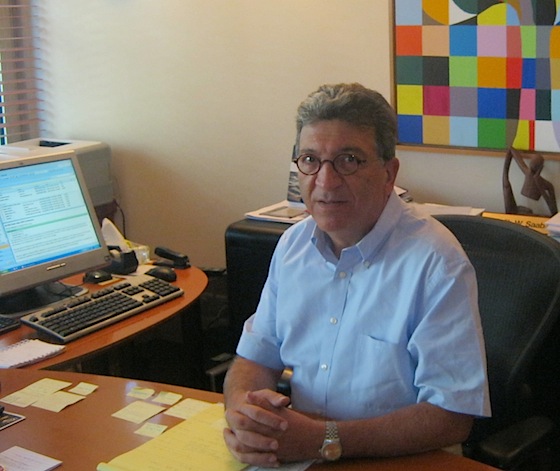
For those with any interest in the environmental issues in the Arab world,  “Al- Bia Wal-Tanmia” is a familiar name. Started in 1996, the only Pan Arab environmental magazine was the precursor of the Arab Forum for Environment and Development (AFED), a regional non-profit organization based in Beirut which has become a public forum for influential eco-advocates from around the region and a source of the latest regional environmental data. Meet Najib Saab, the Zayed award-winning Editor who continues to lead the way in the face of mounting environmental and financial challenges.

Yale Researcher: “Desalination Should Be A Last Resort”

desalination, water conservation, waste water managementWhen is energy-intensive desalination a last resort?

One of humankind’s worst tragedies is currently unfolding in the Horn of Africa, and it is caused by the absence of water. Two years of failed rain, and subsequent drought and famine, is responsible for the daily deaths of roughly 2,000 people in Ethiopia, Kenya, and Somalia.

According to the Director of Yale’s Environmental Engineering Program, water scarce countries like these in Africa and the Middle East can achieve greater water security by developing desalination plants. However, as you might have guessed, this conviction does include a rather large caveat.

Better Place Denmark Hopes to Get Electric Car Venture (Finally) Going in October

0

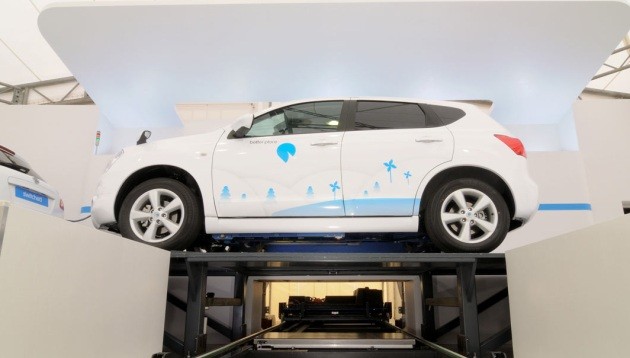
Denmark’s Better Place commercial launch may finally take place – in October

Better Place’s electric car project in Denmark will finally get going in that country after all, says easyecar blog author Martin Thomson, who is an authority on several electric car models that are vying to be introduced into Denmark.

Thomson, who earlier said that Better Place’s electric car network  might not be suitable to the Danish market ,  appears to have softened his views on the network, which requires car owners to use only their system of battery charging posts and exchange stations on a monthly “subscription” basis.

The Middle East’s Carbon Emissions At A Glance (Infographic)

Carboun, an organisation which promotes sustainability in the Middle East, has produced its first infographic which does a great job of mapping out the region’s carbon emissions

I am huge fan of infographics – information as graphics – for the simple reason that they are a great way to get a handle on lots of complex information by just looking. Rather than reeling off lots of statistics and figures, graphics are used to give you a better understanding of the issue and allow you to make comparisons and reach conclusions. Carboun, an online sustainability advocacy group led by Karim Elgendy, has recently released a clear and easy-to-understand infographic on the carbon emissions of Middle Eastern residents.

Sawdust Furniture Is Nothing to Sneeze At

2

"israel eco design"Yoav Avinoam’s sawdust benches and stools are made from the remains from someone else’s… well… benches and stools.

The crunchy granola types out there may think of composting toilets right away when they hear the word ‘sawdust’, but not those eco-chic greenies out there.  Sawdust, a highly available yet often discarded material, is full of possibilities for the designer with the right environmentally conscious approach.

It’s malleability makes it suitable for a variety of uses and we recently learned about Israeli designer Yoav Avinoam’s Shavings furniture collection made out of sawdust.  In Avinoam’s creative hands, sawdust is combined with resin and placed in molds in order to create shapes that he then uses to make furniture.

"sawdust furniture design"In explaining why he uses sawdust, Avinoam says on his website that, “By using sawdust waste from the wood industry, as a response to the way we look at our usage and exploitation of material in modern culture. 

The sawdust (taken from different kinds of woods) is being pressed with resin (plastics?) into a mold that already contains all of the object parts, the opportunity was exploring new ways of integration between the legs of the furniture and the sawdust through expansion of the joints, this and the way the sawdust crumbles towards the edges creates a new material aesthetics to once destined to be waste material.”

"sawdust bench design"Avinoam not only sees his use of the sawdust as a way to rescue a material destined for the trash, but as a means of creating a new design aesthetic. We take issue with the plastic resin though as a means of glueing all that waste together. Remember the cardboard bike? Same deal. If you put enough glue into something you will get form, even using cheap Chinese noodles. 

Cardboard Bike from Israel Makes Cycling Even Greener

The Shavings collection was originally created as Avinoam’s graduation project from the Bezalel Academy of Art and Design in Jerusalem.  The collection then continued to win “The Intelligent Hand” Massimo Marini design award in 2010.  We think the design is pretty intelligent, too.

The truth is, you can make furniture out of almost any dry material, even Ramen noodles, as long as you put enough glue or resin or epoxy in the mix. So it ends up not being so much a healthy eco product but a stool, bench or table – or cardboard bike! made from glue. 

I prefer the real stuff. Real wood, no fillers! No glue. No epoxies. No plastics. Whether it is a relaxing sofa set or dining table, thinking and caring about your furniture will broaden its life expectancy and keep its texture and working at its best. Buying real wood can expand your furniture’s life expectancy and it’s simple. 

Or keep being inspired by more of the same above. Yoav Avinoam’s new website (2019 updated) can be found here

Read more about sustainable furniture designers:
Studio Mesila is Paving the Track to Sustainable Design
Interview with Miklum Studio, Designers of Furniture Out of Nothing
Krooom Makes Recycled and Recyclable Cardboard Furniture for Kids of All Ages

Jordan’s Crazy Star Trek Park Will be a Cleantech Showcase

2

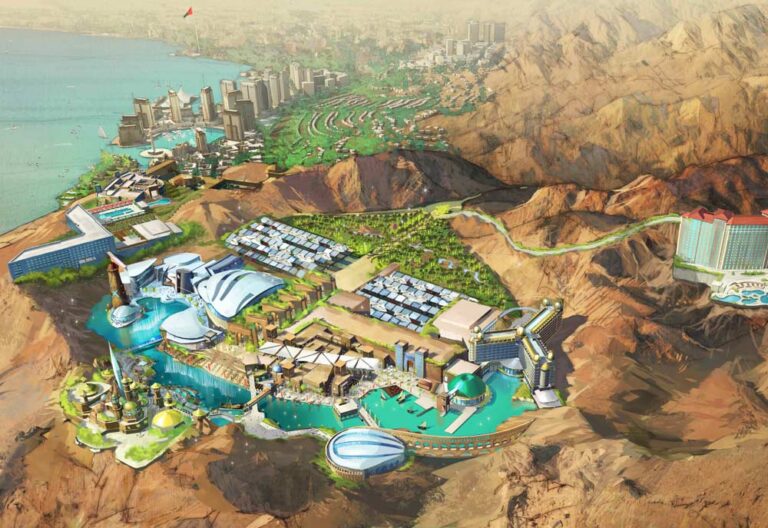
cleantech, Jordan, sustainable development, renewable energy, Star TrekJordan’s Star Trek theme park will be a sprawling 74 hectare development, but it does have an eco upside.

Since its various eco-parks and green housing projects haven’t done enough to stimulate an appreciation of sustainable development in Jordan’s residents, perhaps the Kingdom’s crazy new Star Trek themed park can fill in the gaps. Once an extra in a Star Trek Voyager episode, King Abdullah is no doubt behind the inspiration to build a $1.5 billion dollar project in the port city of Aqaba that, unlike the UAE’s absurd Global Warming Park, will be a “23rd century” showcase of renewable energy.

Has Ford´s Ambassador – The Green Sheikh – Been Cloned?

0

environmental grants program, Ford, UNESCO, The Green SheikhFord has appointed The Green Sheikh (right) as the Ambassador to their generous environmental grants program.

Already a columnist for Green Prophet and a roaming environmentalist whose Ramadan post sent bright green ripples throughout the Muslim world, the Sheikh from Ajman known for his eco-sensitivities has taken on yet another major role. And no, he hasn´t been cloned, but given his already hefty commitment load, you would think he had.

HRH Dr. Abdul Aziz Bin Ali Al Nuami has recently been named as Ambassador to the Ford Motor Company Conservation and Environmental Grants Program. Since 2000, Ford has been instrumental in providing funding to a variety of environmental initiatives in the Middle East region, including the Emirates Diving Association (EDA) in Dubai that defended its receipt of a portion of the $1.1 million that Ford has already disbursed to date. There´s just over one month before the 10th September deadline for this year´s grants. Be sure to get your Ford Grant applications in on time!

More on Ford and the Green Sheikh:

The Green Sheikh Knows How to Treat a Lady

Apply Now for Ford & UNESCO´s $100,000 Enviro Grants

The Green Sheikh on Ramadan: Waste 2 Food or Food 2 Waste?

How Medicines Are Contaminating The Earth

1

A Tel Aviv University researcher has found that drugs are contaminating the earth in more complex ways than previously thought

The dangerous implications of chemicals on our health and the planet entered the public consciousness back in the 1960’s, and was influenced (in part) by campaigners such as Rachel Carson whose groundbreaking book ‘Silent Spring’ highlighted the toxic nature of DDT. Carson explained that chemicals have complex implications on our environment and can act in ways we never predicted.

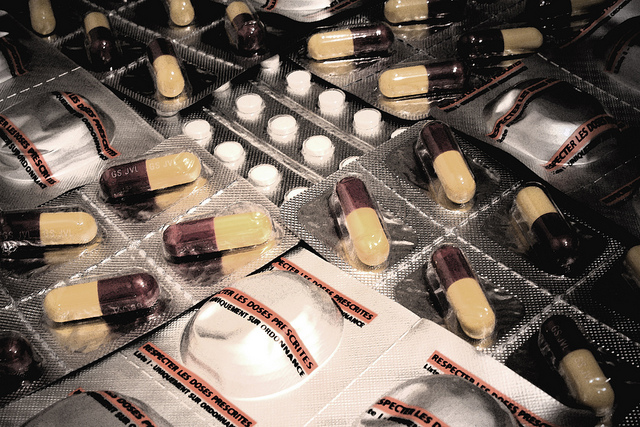
Since then, some researchers have found that toxins and chemicals are not only costing us billions in terms of public health but may also be making us fat. Now, a researcher from the University of Tel Aviv insists that discarded drugs from the pharmaceutical industry are going undetected during tests on water and soil as sun exposure and oxidisation is breaking them down into different (and undetected) forms.

7 Gulf Fish That Are Totally OK To Eat

8

gulf fish guide

There’s a lot of buzz about overfishing, but navigating what is sustainable to eat is not so easy in the Middle East, where we don’t have such well-established research institutes as the Monterey Bay Institute in California.

Luckily, we do have the WWF-EWS in the United Arab Emirates, which has been doing an excellent job of tracking which Gulf fish species are overfished, like the popular Hammour, and which populations are able to rebound quickly enough to make their consumption sustainable.

In order to make good choices easy, EWS has published a handy picture guide that details the good, the not-so-bad, and the ugly. We’ve listed the good. This guide is about fish at risk and those that are not. It cannot vouch for pollutants in fish. Rule of thumb, if a fish is eating other fish, it contains more contaminants. The larger the fish, the more it bio-accumulates pollution. 

And later, after you’ve read on, be sure to check out our fish recipes, which can also apply to delicious recipes for fish that are not historically popular in the Gulf region. See Moroccan fish stew. Persian fish stew recipe. These recipes work well for tasteless farmed fish like the gilt-head bream. 

List of fish that are (probably) okay to eat in the Arab Gulf:

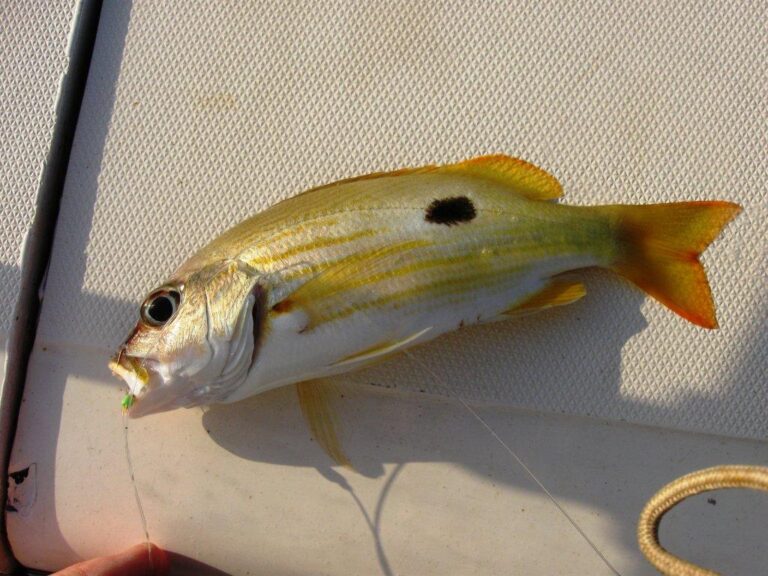
The Sordid Sweetlips, or Yanam in Arabic, comes from the Haemulida family that are found in fresh, brackish, and salt water. Their coloring changes throughout their lives, and are so-called because of their large fleshy lips.

sustainable fishing, overfishing, WWF, Persian Gulf, Arabian Gulf

The Pink Eared Emperor is known in Arabic as the Shaari Eshkeli. They favor reef/rocky and sandy places and typically eat crustaceans and other small fish.

pink ear emporer fish

The Angel Fish. If you are anything like me, this Angel fish might just be too cute to eat, but EWS-WWF does have it on their list of sustainable options for the Gulf. Called Anfooz in Arabic and also known as the Red Sea Angelfish, the largest of its species grows up to about 8 inches. They lose their bright colors when they are dead and on ice. In the photo below the fish eyes are not clear at all or are sunken indicating that this fish is not fresh. 

angel fish on ice 

The Black Streaked Monocle Bream or Ebzimi in the Emirates is an incredible fish. Though this small image might not be a great indicator, the male can reach up to 10 pounds in size, while the female grows even larger. The female Bream can also live up to 17 years, making it a wonderful, resilient option for fish-eaters in the Emirates and beyond.

monocle bream ebzimi in amarbic

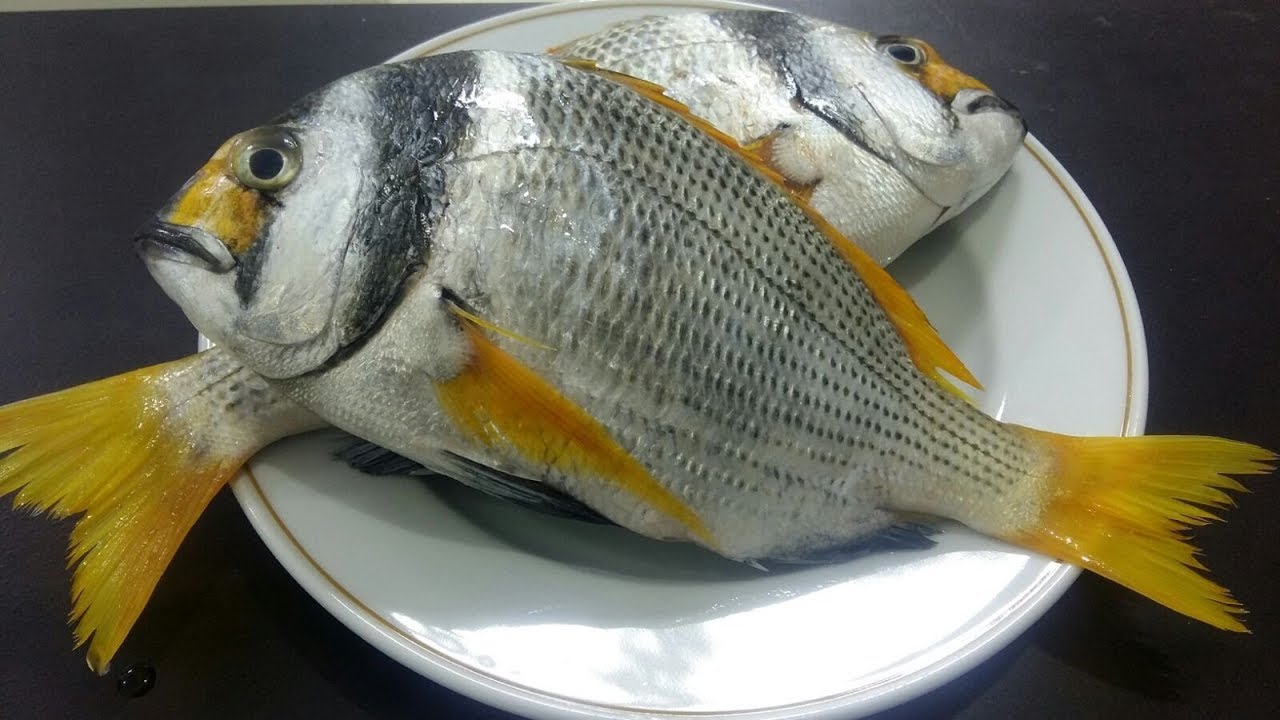
The Two Bar Seabream is another great option. Called Faskar in Arabic, this fish also likes to huddle around the reef at depths between 2 and 20 meters. Consider that when you see it in the market or buy it frozen, the fish may have lost its bright colors. 

sea bream faskar

The Ehrenberg’s Snapper (Lutjanus ehrenbergii) is also known as the Blackspot Snapper and Ehrenberg’s Seaperch. They are common inhabitants of rubble areas.


orange spotted travellyThe last fish on our list of seven is The Orange Spotted Trevally or Jesh umalhala. Another English name for this fish is the Gold Spotted Trevally, which can grow to be as large as 2 feet. This fish is a powerful predator that feeds on a variety of small fish and crustaceans.

Even if you aren’t a lover of the taste of fish, it’s a healthier alternative to red meat. There are always spicy Middle East and North African recipes that will make any fish taste like heaven, even to fussy eaters.

Try Moroccan fish stew or our Persian fish stew recipe. These recipes work also well for tasteless farmed fish like the gilt-head bream, known in placs like Israel as Denise. 

More on sustainable fishing in the Gulf Region:


GlassPoint Solar Wins Huge Middle East Oil Field Contract

0

Last November, Rod MacGregor, the CEO of innovative GlassPoint Solar approached oil drillers in the Middle East to offer Enhanced Oil Recovery (EOR) using solar, and returned with no orders. This week, he is announcing the fruit of the mission. His first MENA contract will be with Oman’s 60% government-owned partnership with the Shell Group, Petroleum Development Oman.

Your Nightcap May Be Giving You Insomnia

1

image-woman-sleeping
Alcohol actually interferes with restful sleep.

As a home wine maker, I don’t like to be told that a couple of glasses will do any harm at any time.  And with all the exciting green developments in Israeli wine, it’s hard to pass up the opportunity to taste some of the latest cool vintages during the quiet evening hours.

Yet I have to concede it’s true. If I allow myself that second glass before bed time, a restless night follows. And even if locally made booze like arak has some medicinal properties, it’ll still interfere with my rest.  So I was interested to read Dr. Russel Rosenberg’s article in the Huffington Post about alcohol and sleep. Dr. Rosenberg is a sleep specialist and chairman of the board at the National Sleep Foundation.

According to Dr. Rosenberg, alcohol lightens sleep and interferes with rapid eye movements, essential to deep,  refreshing sleep. The drinker may feel sleepy at first, but as the alcohol works through his system at night, he wakes up and tosses around. It takes an hour to metabolize one ounce of booze.

Qatar To Invest In 1,4000 New Local Farms

3

qatar organic farmsQatar is hoping to boost its food security by setting up 1,400 agricultural farms covering an area of 45,000 hectares

Following the recent news that the United Arab Emirates is slowly embracing organic farming, are more signs that the Gulf States are slowly recognising the importance of food sustainability. Qatar has announced plans to establish 1,400 farms to improve its food production and also train more people to work in the agricultural sector to improve productivity.

The Adhoc Canoe You Can Carry On Your Back

1

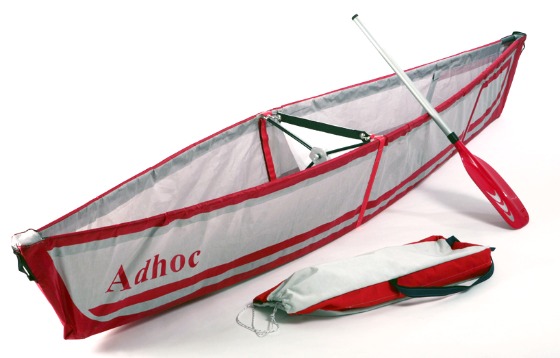
foldable travel canoe israelThis attractive Adhoc canoe packs down to the size of a backpack and weighs pretty close to nothing!

It’s time to face the truth: I am an eco-nomad.  Although it’s sometimes challenging to live up to my fullest green fantasies on the road, I do my best, though I often miss having easy access to the recreational sports that reinforce my love of nature: I miss my Trek bike, which gave me so much joy in Arizona’s pine-lined mountains, and kayaking along verdant Alaskan shores.

Of course, it’s not impossible to enjoy these activities in other countries, but it is almost always more expensive to rent equipment than to bring your own. He may not be a nomad, but Israeli designer Ori Levin has created the perfect solution for a gal like me: an awesome canoe that folds down to about the size of a standard backpack!

Palestine/Israel: A Stunning Tale of Peace, Water And Walls

6

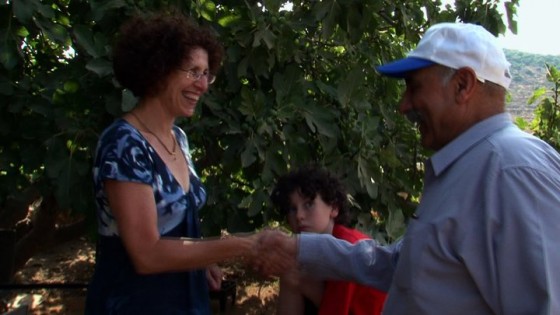
Help support a project which tells the amazing story of how Palestinians and Israelis in one West Bank village worked together to preserve water and stop the wall

We have recently covered the great work of the regional environmental organisation Friends of the Earth Middle East and how they have managed to promote eco-peace to the Arab-Israeli conflict. Now, we look at how they helped bring together Palestinians and Israelis in one community in the Occupied Palestinian Territories to preserve water and also to stop the separation wall from dividing them forever.

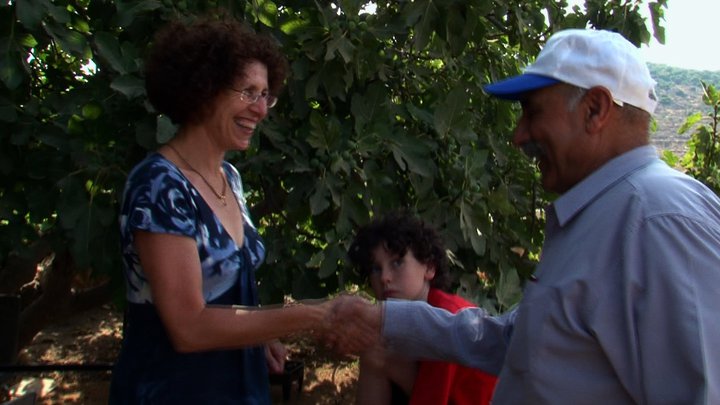
Adversely affected by the expansion of Israeli settlements and the Israeli separation wall, Palestinians from Wadi Fukin and Israelis from the local village of Tsur Hadassah got together to resolve the issue. One filmmaker who captured their campaign back in 2010 is now hoping to get raise enough funds to take their message of ecological peace to other villages across Palestine and Israel.