Home Blog Page 502

How Benches and Sidewalks Transform Middle East Streets

0

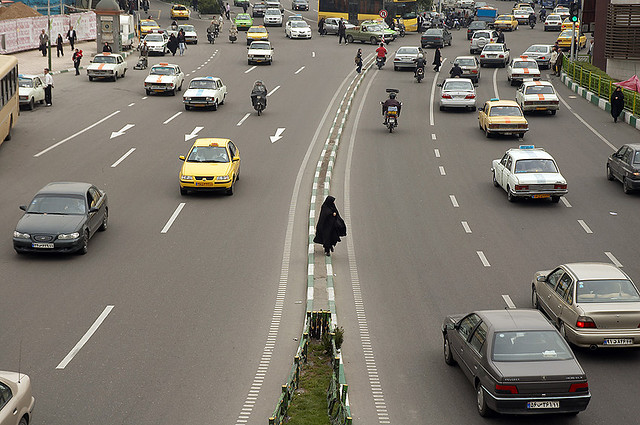
walk-middle-east-pedastrian-benches-sidewalks-jordan-ammanThe recent protests held across the Middle East demanding better and greener transport got me thinking about how we encourage the oldest form of transport- walking

After the heat of the day fades, the streets of Middle East which are normally brimming with road-raged taxi drivers give way to the gentle patter of newly-wed couples strolling hand in hand and families taking a walk.

Walking is not a lost art like some would like to suggest but it could definitely do with some encouragement in the region. Whilst there isn’t much that can be done about the heat that puts off lots of people, there could be a stronger push for better facilities which encourage the healthy and relaxing pastime of walking. And how do you make the streets more accessible to walkers? Well, for a start you provide sidewalks where people can – you know – walk and secondly, you give them place to sit and rest after their walk.

UN: Urban Trees Needed Everywhere

2

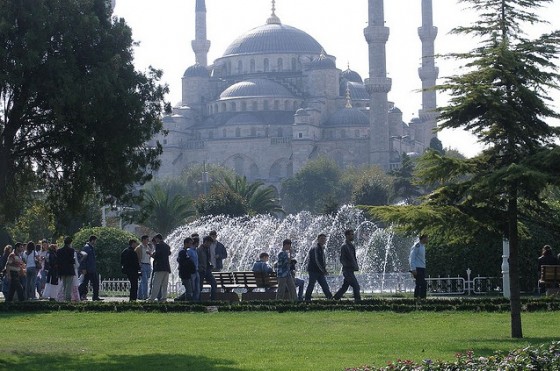
green space istanbul
Tighten your city’s green belt on World Habitat Day: Plant trees everywhere, in cities all over the Middle East.

When we think of treehuggers, and people who advocate treeplanting, we think 80s hippie, or Julia Butterfly Hill, the gal who lived in a tree for 2.5 years to fight against deforestation. Or the old-fashioned model of the Jewish National Fund to plant trees everywhere in Israel. But in a new move, a United Nations body urges cities of the world (and the people who live in them – that’s us!) to start planting trees to mitigate climate change. There are a lot of benefits, as many of us know, to trees in the urban space. And the UN organization report will highlight what and how.

Gulf Recycling Machines Convert Waste into Advertising Opportunity

2

recycling, waste management, Gulf, Middle East, United Arab Emirates

A new recycling program in the United Arab Emirates makes recycling easy, and potentially profitable for the country’s top brands.

At one time aluminum (used in pavement signs, advertising boards) was more valuable than gold according to Averda – an environmental services company, that has recently launched an ingenius recycling program in the United Arab Emirates.

Not unlike the reverse vending machines (RVM) in Lebanon supported by Nestle and other big businesses (not on Greenpeace’s list of favorite corporations), RVMs will make recycling cans and plastic bottles ridiculously easy for Emiratis and expatriates.

And that’s a good thing since convenience is widely considered key to the successful rollout of any recycling program. But Averda – informed by four decades of waste management and in-house research and development – has reached even further into the psyche of Emirate consumer culture by turning recycling into a golden advertising opportunity for the country’s big brands.

that’s great, here is the link:

How does it work:

They look like regular vending machines except that RVMs placed at shopping malls, schools, universities, sports venues, supermarkets and private communities throughout the Emirates will gobble up already used cans and bottles and then spit out rewards. These rewards earn consumers/recyclers points that can be redeemed at participating retailers.

Herein lies the genius: businesses eager for a highly visual advertising opportunity can sponsor machines and offer rewards. In so doing, they appear to support recycling initiatives, which – in a closed loop system – encourages more recycling by consumers.

The vending machines speak to the need to provide incentives to recycle, and certainly make it easy enough. Whether or not the average Emirati consumer “needs” points to go to their favorite store is uncertain, although there are plenty of expatriates who will be more than happy to receive points towards what might usually be elusive top brand goods.

What makes people recycle:

Open University research shows that in addition to making recycling easy (most people in the UK argued in favor of a single curb-side  bin that is collected by waste management companies), it is important to provide information.

Details showing why recycling is necessary, and what happens to the goods once they have been collected from the RVM’s belly should accompany the vending machines. Empowering citizens with knowledge in addition to financial rewards will make it more likely that a visit to the local RVM becomes as much a part of daily behavior as teeth-brushing.

RVM technology provided by Tomra will also appear in locations throughout Saudi Arabia by the end of the year, and in Oman and Qatar by the end of next. Our dreams for a cleaner Gulf appear more in reach than ever before!

:: Trade Arabia

More on recycling in the Middle East:

Artiquea: The Beautiful Art of Recycling Glass

Big Business Sponsors Recycling Vending Machines in Lebanon

Recycling Tires can Rid Egypt of Fumes, Mosquitoes, and Rats

Middle East Joins Worldwide Campaign For Greener Transport (Photos)

0

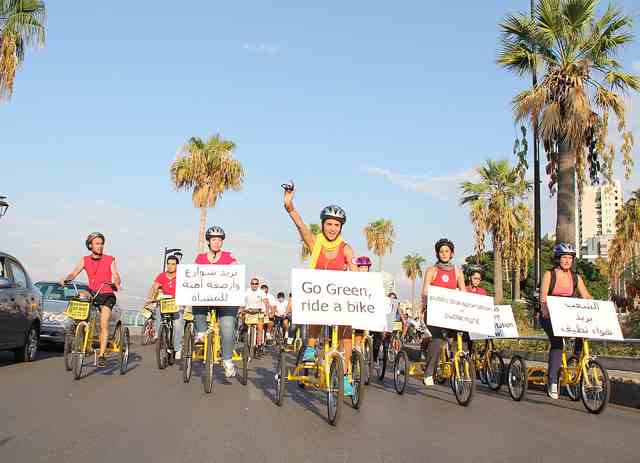
Environmentalist in countries such as Iraq, Egypt and Lebanon joined 350.org’s ‘Moving Planet’ campaign to celebrate and support greener forms of transport

The stifling heat of the Middle East may be one reason why people prefer to take the car rather than walk or cycle but that doesn’t mean that they don’t support the creation of cheaper and better public transport. Indeed, hundreds of people from across the Arab world joined 350.org’s worldwide ‘Moving Planet’ campaign by getting on their bikes and walking on September 24, 2011. Their actions were amongst an estimated 2,000 events taking place in over 175 countries which were part of an international day of green action.

Marijuana Prevents Post-Trauma Stress Disorder: University of Haifa Study

2

image-anxiety ptsd weed smoking potPot can prevent PTSD, finds a new study from the University of Haifa. Another socially redeeming value in that evil old weed?

Post-trauma stress disorder (PTSD) occurs in people exposed to life-threatening events or atrocities, like the arrest and torture of female activist and journalist Faranak Farid in Iran. The list of consequences after trauma is long and horrible. Victims are plagued by memory flashbacks, high anxiety, nightmares, insomnia, uncontrollable anger and emotional numbing. Today, healing methods available to victims of trauma vary between psychiatric therapy, antidepressants, and stress management. But Dr.  Irit Akirav of the University of Haifa’s Department of Psychology holds out hope for a physical remedy that can be applied quickly and may prevent the development of PTSD in the first place. Marijuana.

Ron Arad’s Bike Wheels Will Never Go Flat

0

"ron arad bike design"Ron Arad’s bike is up for the auction block: These wheels will add some spring to your ride.

Unlike the car, which comes in many shapes, colors, and sizes, the bicycle has not been subject to as many design transformations and over the years has pretty much retained its classic shape.  Here and there there are a few exceptions (such as the recycled plastic bike we saw a few months ago), and designers try to upgrade the design of the bike or the urban bike rack.  Some bike users may even try to make their bikes ugly in order to deter others from stealing them.  But not Israeli designer, Ron Arad.  His Soft-Ride Bike (pictured above) breaks one of the cardinal rules of bicycle design, which is that bikes wheels should have… well…. tires.

Would You Get Arrested to Save the Planet? Take the poll.

0

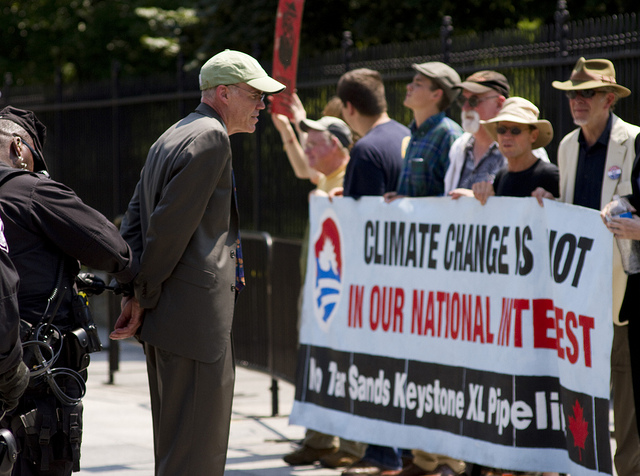
bill mackibben arrested white houseGreen Prophet’s eco-hero Bill McKibben tells activists to become more confrontational. Is that a safe thing for us in the Middle East? And would you do it? Take the poll.
There are a number of camps of thought on how us humans should go about protecting Planet Earth. There are radicals from Greenpeace who sabotage fishing boats, tie themselves to trees and then scale power plants to drape them in banners of protest. On the other side of the spectrum we have the gentler folks, who quote Rumi, and who wouldn’t kill an ant, or think about doing anything that would harm or offend other people, or the laws within which they live. What are you?

Our eco-hero Bill McKibben, who has lots of thoughts on ways the Middle East can fight climate change (which he talks about in our exclusive interview on climate change here), has recently taken a new stance. McKibben tells Green Prophet’s Arwa that it’s time to be more confrontational, and gets arrested practicing what he’s preached.

In some Middle East countries, like Iran, saving a natural resource can get you beaten and then arrested. In Iraq, you might have to cross militant insurgents to protect animals, and can be killed over water rights; and in Turkey, if you are a scientist who simply speaks the truth in the course of your job you might go to jail. Getting arrested in the Middle East doesn’t allow demonstrators the same level of notoriety, like in Canada, or Israel, where it can even be considered cool to go to jail during an environmental protest. In some Middle East countries, activists go to jail and just never come out.

Now I am asking you, dear readers, would you get arrested for the environment? Take our poll.


Saudi Interior Ministry Approves First Hajj Safety Guide

1

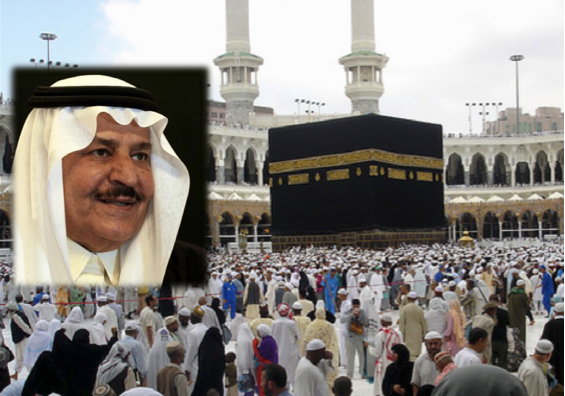
naif minister saudi hajj safety security health guide

Come November, Muslims will embark on a week long pilgrimage to Makkah, Saudi Arabia. The trip is a monumental experience for religious rebirth and with predictions for this Hajj season seeing the highest number of pilgrims, a timely security guide has been approved by the Kingdom’s Minister of Interior.

In Remotest Anatolia, Lone NGO Speaks Up On Nature’s Behalf

0

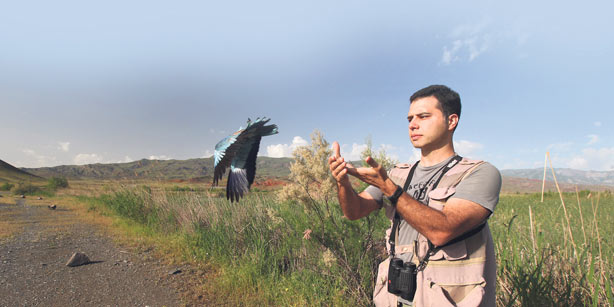
Çağan ŞekercioğluÇağan Şekercioğlu founded ecological research and conservation NGO KuzeyDoğa in 2007 to promote biodiversity and resist environmental degradation in Turkey’s fast-developing eastern region.

As thermal power plants and hydroelectric dams pop up more and more across Turkey’s landscape, the effects of these developments on the natural environment go largely unseen. Especially in Turkey’s rural, lightly settled eastern region, few locals know the detriments of pollution, flooding, and overgrazing on wildlife. Even fewer can do anything about it.One passionate Turkish conservationist, however, has been trying to counter and spread awareness about environmental degradation through KuzeyDoğa (NorthEast), an NGO he founded four years ago. And he’s getting results.

Spend Sukkot Learning How to Eat the Ancient Way at Bel Ofri in the Golan

0

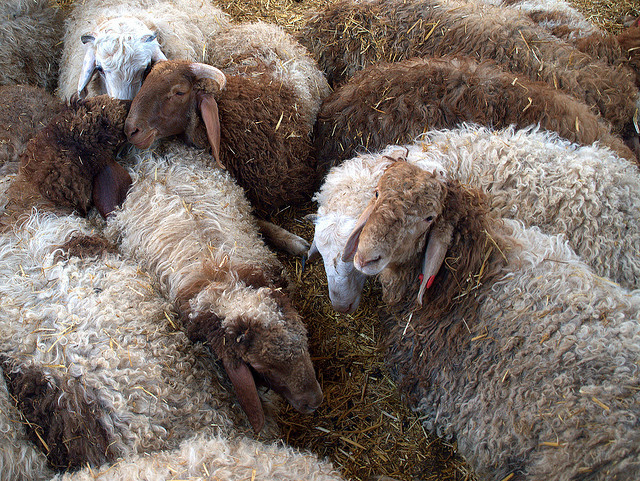
organic goats israelDuring the Sukkot holiday, visitors will be able to learn how to make olive oil, sweet wine, bread and cheeses the old fashioned way.

Sukkot, the Jewish harvest festival, is a time when Jews attempt to get closer to nature.  They live in make-shift huts covered with thatched roofs, sleep outdoors, and celebrate fruits of different species.  Which is why Sukkot (which is coming up in a few weeks) is a great time to visit a farm.  There are lots of great farms in Israel – including organic goat cheese farms and educational farms intended to teach kids that farming can be fun – but when you’re trying to get your nature on it is probably best to visit one that lets you be a farmer for a day.  Such as Bel Ofri in the Golan, which is hosting special food and wine-making workshops during the holiday of Sukkot.

Israeli Researchers Create World’s First Brain to Computer Interaction

5

population control, middle east, science, natureA new scientific breakthrough at Tel Aviv University is changing the conversation about what it means to be a “natural human being.”

With 7 billion people consuming the earth’s dwindling natural resources, a rising number that is rapidly reaching proportions that could collapse the planet, the question of artificially prolonging human life with technology remains a sticky one. If given the choice between letting a loved-one die in the face of a devastating accident or illness, or saving them with some kind of technological intervention, most sentient people would choose the latter. That’s human.

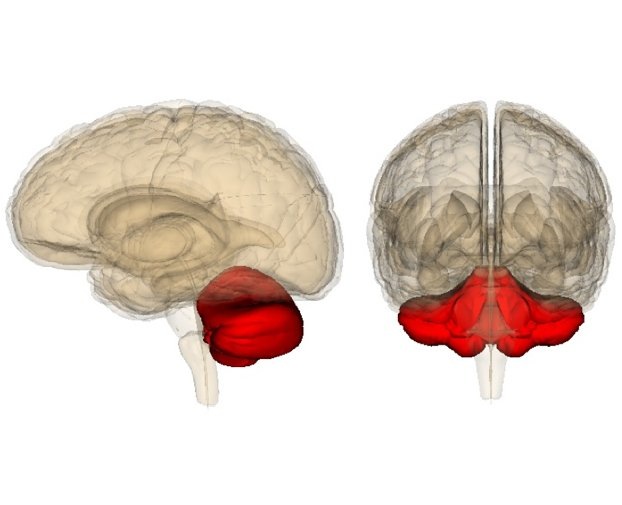
But where do we draw the line? Tel Aviv University researchers have created a technology that allows two-way brain to computer interaction – when previously only one-way communication was possible – taking the conversation to a whole new level. Matti Mintz successfully got a rat’s damaged brain to communicate with an artificial cerebellum, restoring the rodent’s disabled motor function and ushering in the possibility that a similar gadget could restore brain function to stroke victims or people with other brain injuries. This makes us wonder: in what way is technology changing what is means to be a “natural human being.”

We Interview Bill McKibben: Be More Confrontational

7

bill-mckibben-arrest-white-house-keystone-pipeline-tar-sands-350I speak to the recently arrested environmental author Bill McKibben, who insists that campaigners need to be more confrontational about their demands (and start wearing ties)
I think it’s fairly safe to say that Bill McKibben has had an eventful couple of weeks. As well as being imprisoned for three days at the end of August for protesting against the Keystone XL Pipeline project – which NASA climate scientist James Hansen has warned could mean ‘game over’ for the planet if given the go ahead – his organisation 350.org recently launched a campaign to promote green transport and he is currently touring the UK. I spoke to him in leafy and surprisingly sunny Cambridge where he was giving a talk at the KLICE and Faraday Institute Conference on ‘Faith and The Crisis of Sustainability’.

Fossil Fuel Industry Makes ‘More Money Than God’

For more than two decades, we’ve had clear scientific evidence telling us that if we are serious about keeping the planet habitable we must to stop burning fossil fuels. Yet all these years later and we are no closer to the elusive agreement or solution we are desperately after. Copenhagen, where the last major environmental summit took place, failed to convince leading polluters to cut their emissions to the extent needed. So where are we going wrong?

“Green It” Shop Brings Green Urban Living to Tel Aviv

2

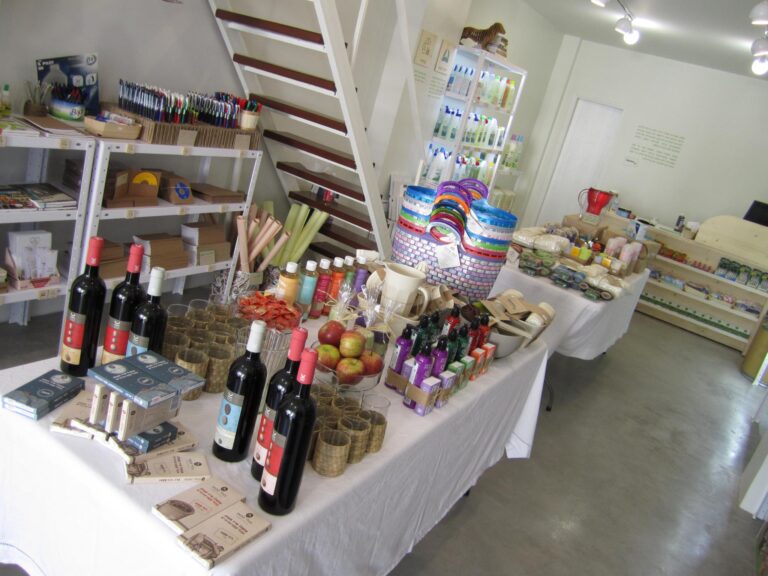
"green store israel"Green It is Tel Aviv’s new one-stop-shop for green urban living.

As the ecological movement becomes mainstream, more and more businesses cater to the green lifestyle.  We’ve seen this trend develop in the Middle East, with eco-friendly shops popping up in Beirut, fair trade shops in Masdar City, and even specialty stores focusing on one green product – such as organic clothes for babies.  Earlier this month another green shop – called Green It in Tel Aviv – joined the ranks of those other stores with products that it suggests people use for green urban living.  It describes itself as “the first store in Israel offering the best, newest and most advanced eco friendly products available”, and these products range from design, kitchenware, toys, children’s clothing and office supplies to electronics, literature, pharmaceuticals and textiles, too.

Greenstone Revolutionizes Lebanese Building Industry One Green-Roof Villa at a Time

0

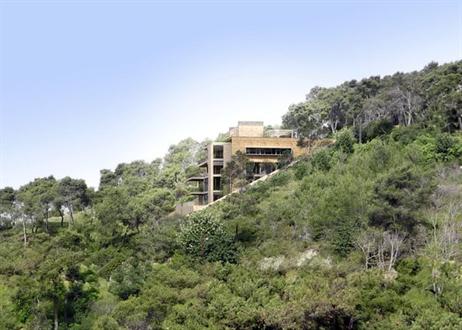
green building, BREEAM, Lebanon, This may look like an ordinary villa on a hill, but it’s not. This villa is part of a growing movement in Lebanon that is revolutionizing the green building industry.

Instead of mistaking Gross Domestic Product (GDP) for happiness, or giant energy-hogging homes for class symbols, Lebanon could learn from Western regret by revolutionizing its green building industry. This won’t happen quickly since ongoing environmental catastrophes such as toxic waste and kerosene leaks into the Mediterranean Sea point to a slow progress, but definitive steps are being taken by concerned citizens to improve the country’s environmental profile and Greenstone Real Estate Developers are leading the way. As the firm edges closer to achieving high BREEAM rankings for La Brocéliande – a “bespoke” four-storey home in the Beirut suburb of Yarzé – a sustainable Lebanon seems increasingly possible.

Under Siege in Iran, Baha’i Advocate Social Action, Human Rights, Sustainability

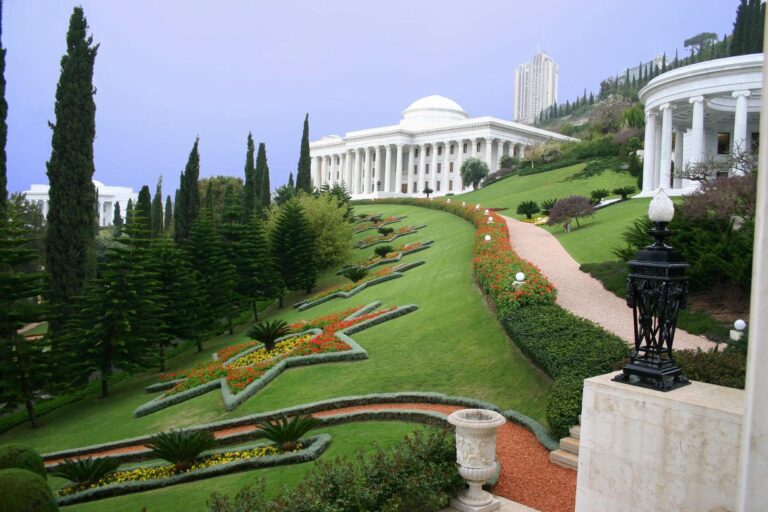
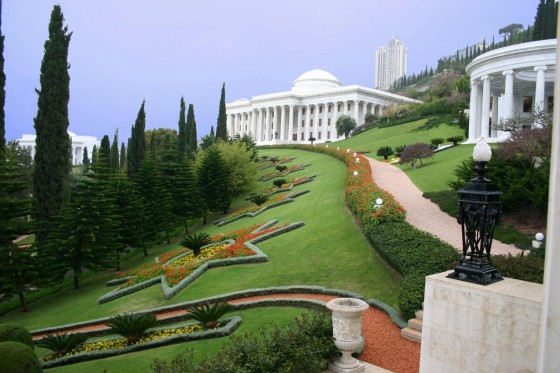
bahai gardens haifaMembers of the often persecuted Bahai faith are inherently green.

The terrace of the Baha’i Shrine and Gardens in Haifa is the most stunning destination in Israel’s third largest city. From the eastern side of the city, along the popular route 4, you first catch glimpse of it rising up towards the sky on your left. An expansive swath of green lawn manicured in layers and flanked by date trees span the height of the northern end of the Carmel mountainside. Year round and from a distance, the vision quite literally draws your gaze towards the impressive site, “a geometric cascade of hanging gardens and terraces down to Ben Gurion Boulevard -a gift of visual pleasure to the city that gave the Baha’i religion its home and headquarters.”